
Birdwatching Safaris in Uganda
Birdwatching Safaris in Uganda, Uganda is one of Africa’s most varied birdwatching destinations, not because one particular park contains every species, but because the country brings together an unusually wide range of habitats. Wetlands, tropical forests, lakes, rivers, savannah and high-altitude ecosystems can all be visited within a single safari. Uganda Wildlife Authority lists more than 1,000 bird species in the country, including species associated with the Albertine Rift and other specialised habitats.
That variety makes a birdwatching safari in Uganda suitable for different kinds of travellers. A dedicated birder can spend two weeks moving between specialist sites, while someone visiting Uganda primarily for gorillas, chimpanzees or wildlife can add birding without changing the entire character of the trip.
The important thing is to plan around habitats rather than simply counting parks. The best itinerary for you will depend on the birds you hope to see, the amount of time available and whether birdwatching is your main purpose or one part of a broader Uganda safari.
Why Is Uganda Good for Birdwatching?
Uganda’s greatest advantage for birders is ecological variety. A journey from the Lake Victoria region towards western Uganda can take you through wetlands, agricultural landscapes, rainforest, lakes and savannah before reaching the forests of the Albertine Rift.
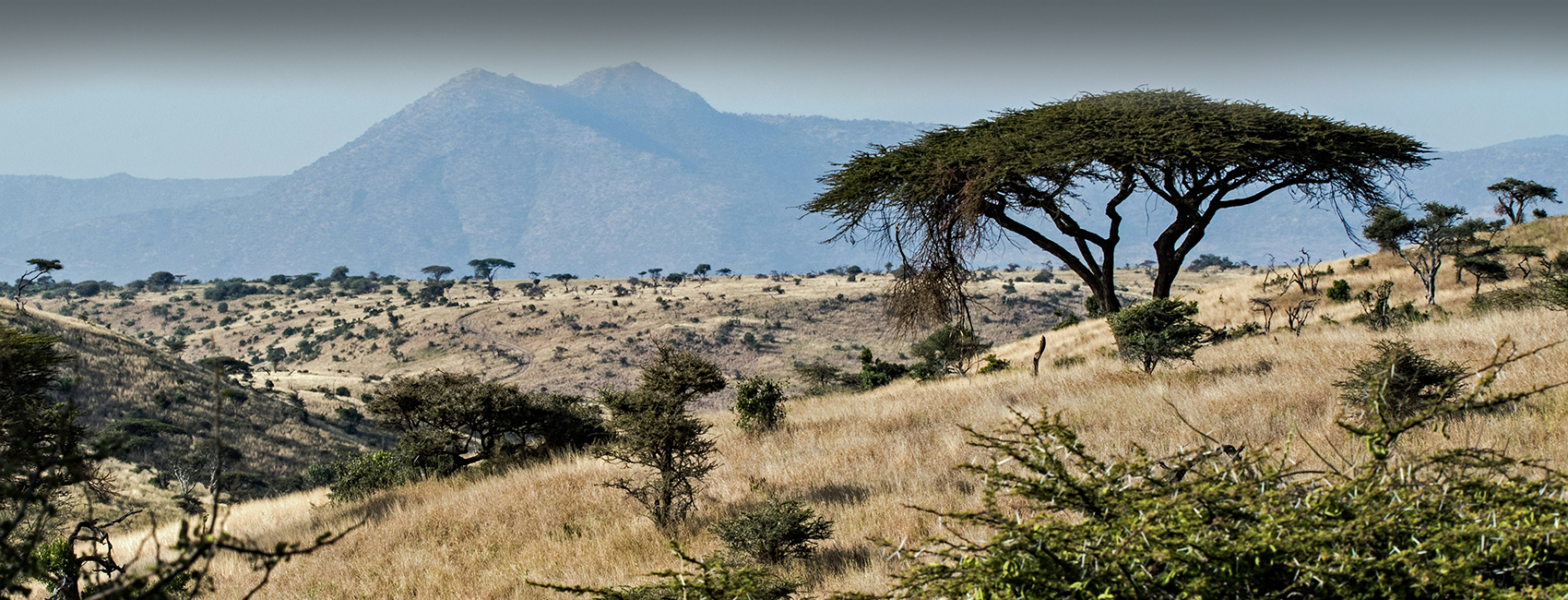
This means that the birds change with the landscape. Wetland species may dominate around Mabamba, forest species become more important in Kibale, Semuliki, Budongo and Bwindi, while savannah and woodland birds are prominent in places such as Murchison Falls, Queen Elizabeth, Kidepo valley and Lake Mburo national parks.
Uganda is a year-round birding destination, with resident species providing the main interest. Wetter periods can make some roads and forest trails more difficult and may interfere with birding time.
For a first-time visitor, this diversity has another advantage: birdwatching can be combined naturally with a conventional safari.
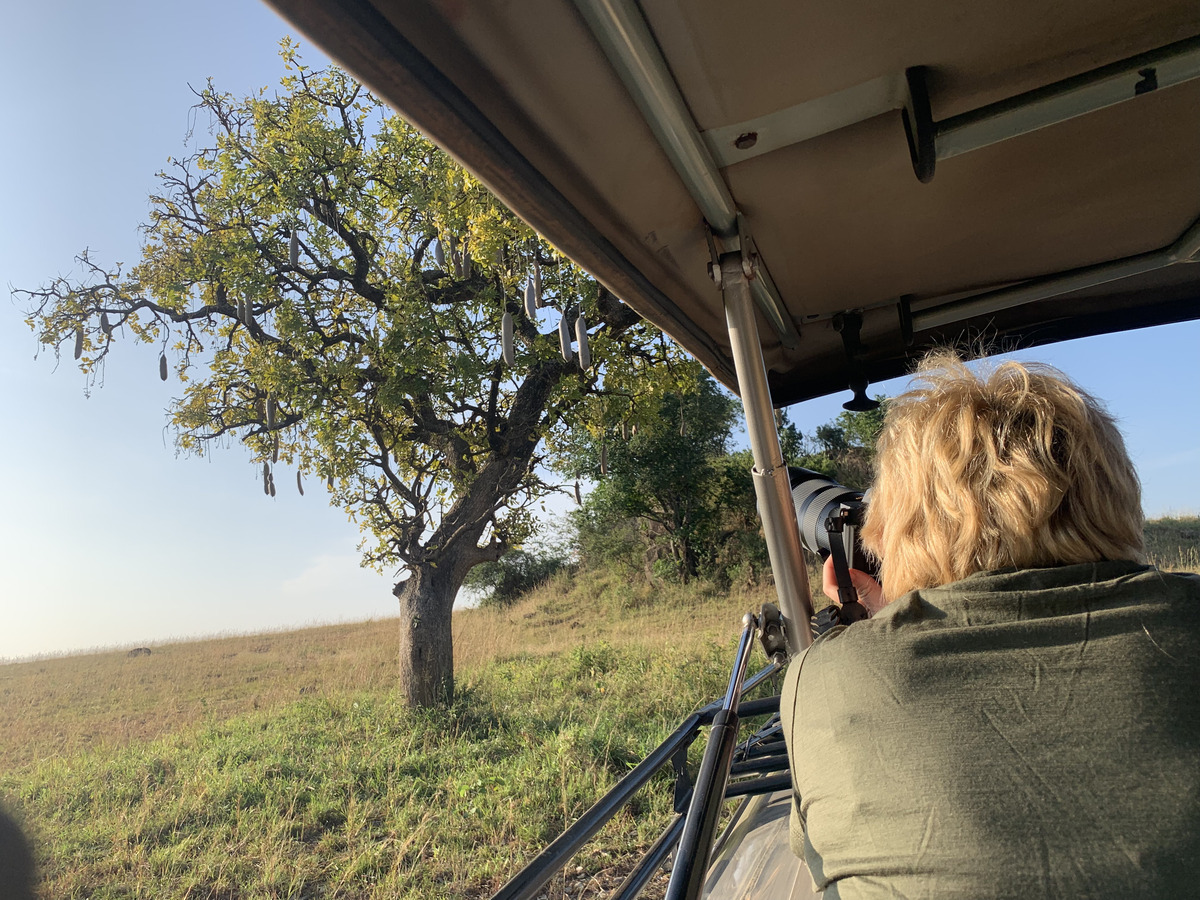
A birder taking a photo of a bird
What Can You See on a Uganda Birdwatching Safari?
The answer depends heavily on where you travel.
Some visitors arrive with one particular bird in mind, such as the shoebill. Others are interested in Albertine Rift endemics, forest birds, raptors, waterbirds or simply increasing the number of species they have seen.
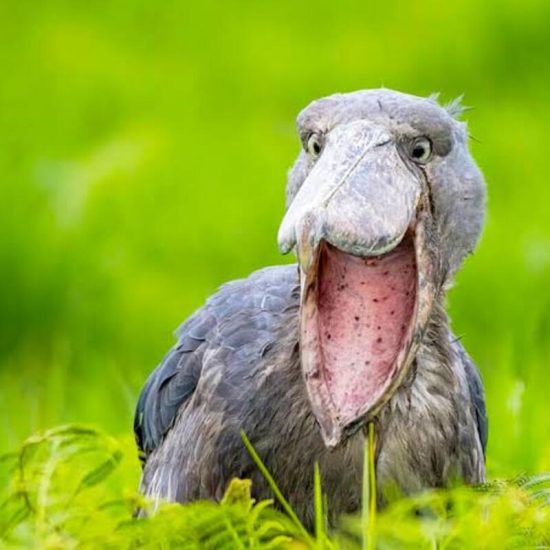
The shoebill is perhaps Uganda’s best-known specialist birding attraction. It can be searched for in wetlands such as Mabamba and the Albert Delta in Murchison Falls National Park. The Albert Delta is a Ramsar wetland of international importance and provides important habitat for waterbirds, including shoebills, pelicans, darters and herons.
But Uganda’s birdlife extends far beyond one species. Forests can produce completely different sightings from wetlands, while open savannah brings another set of birds.
This is why a good birding itinerary should be built around the habitats and species that interest you rather than simply adding every famous national park to the route.
Mabamba Swamp: Uganda’s Famous Shoebill Experience
For travellers arriving through Entebbe, Mabamba Swamp is one of the most practical places to begin a birdwatching safari.
The wetland lies on the Lake Victoria system and is explored by canoe. Instead of travelling by safari vehicle, visitors move slowly through papyrus channels while a local guide searches for shoebills and other wetland birds.
The experience is deliberately unhurried. A shoebill can stand almost motionless among vegetation, so spotting one often depends as much on the guide’s knowledge and the visitor’s patience as it does on luck.
Mabamba is not only about the shoebill. The wetland supports a variety of waterbirds, so binoculars are useful even when the main target remains out of sight.
A morning excursion can also fit conveniently into a wider Uganda itinerary because of the wetland’s proximity to Entebbe.
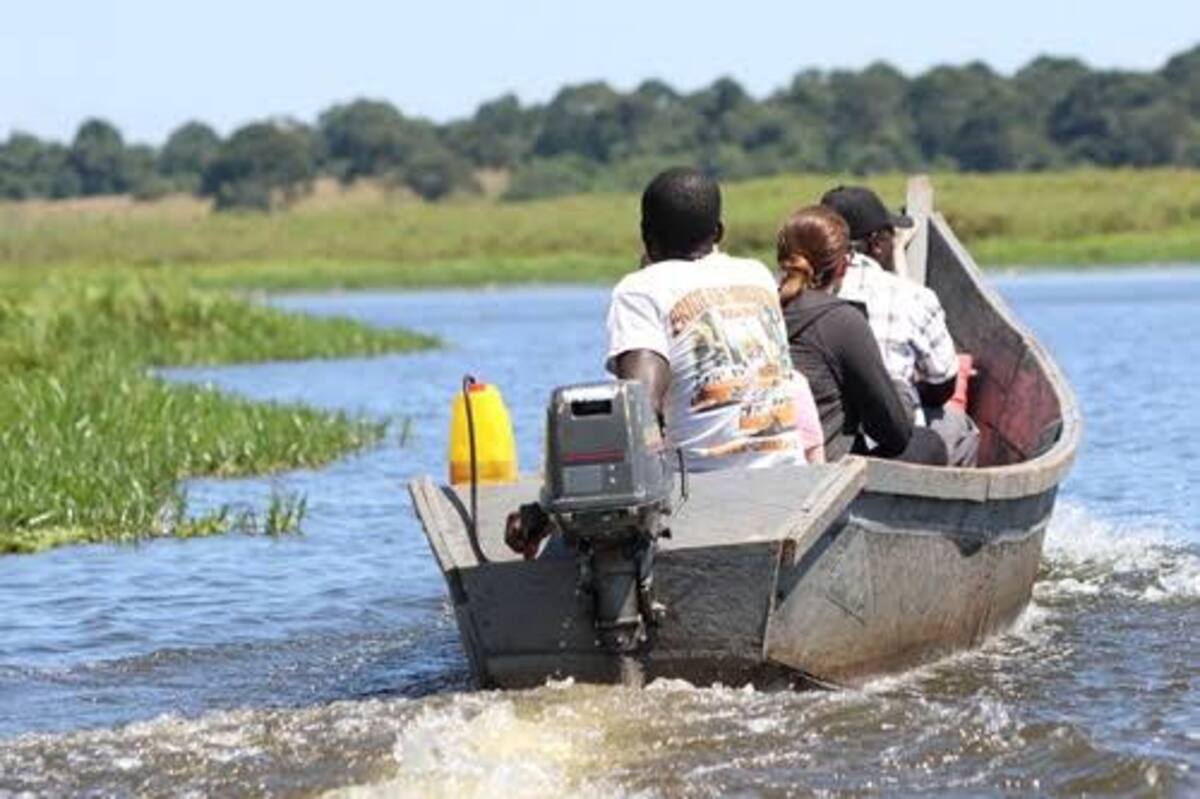
searching for shoebill in Mabamba swamp
Murchison Falls: Birdwatching Along the Nile
Murchison Falls National Park is one of Uganda’s major safari destinations and an important birding area. Uganda Wildlife Authority records more than 550 bird species there and specifically highlights the shoebill among its birding attractions.
The park is particularly useful for travellers who do not want to choose between birds and traditional African wildlife. A morning game drive can produce savannah birds alongside elephants, giraffes, buffaloes and antelope, while the Nile provides opportunities to observe waterbirds.
The Albert Delta is especially significant for birdwatchers. Its shallow wetlands create feeding habitat for numerous water-associated species.
The advantage of including Murchison Falls in a mixed safari is that birdwatching becomes part of the broader wildlife experience rather than a separate activity.
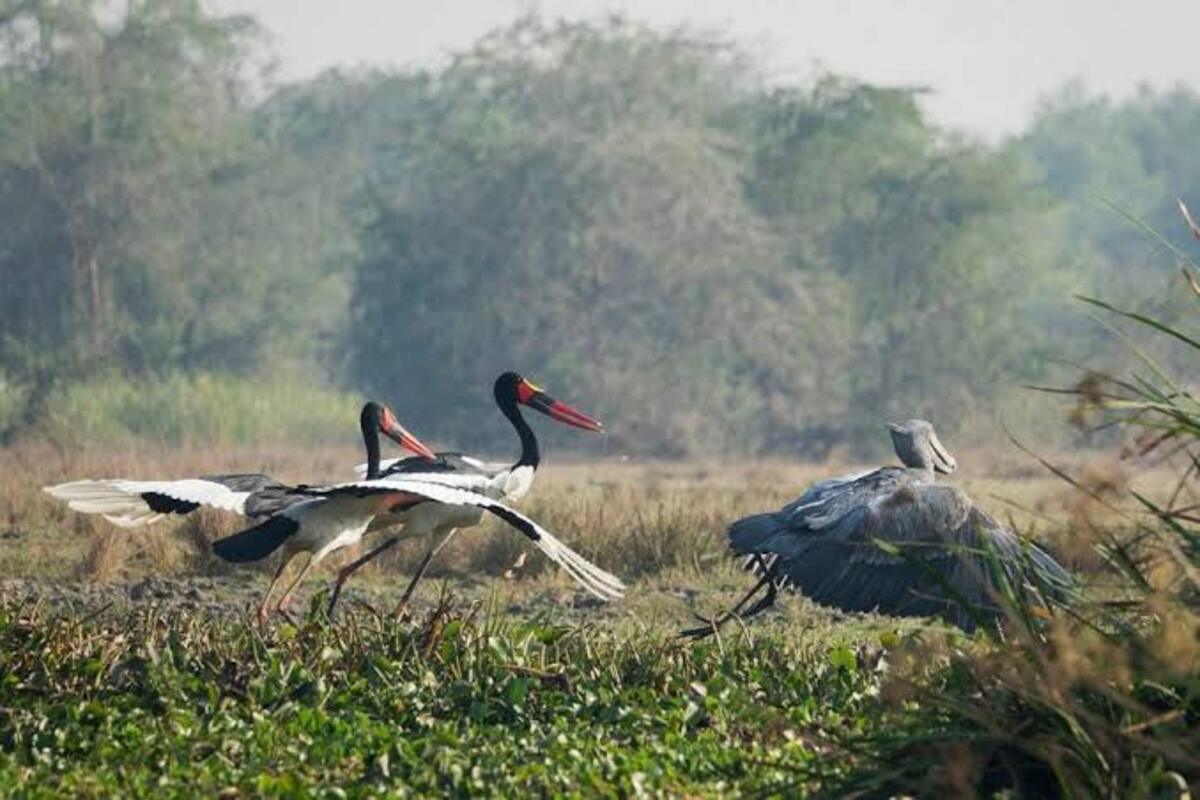
saddle billed storks & shoebill along the Nile
Kibale Forest: Birding Among the Trees
Kibale national park is internationally associated with chimpanzee tracking, but its forests are also important for birdwatching.
Uganda Wildlife Authority lists approximately 370 bird species in Kibale, including Albertine Rift endemics.
Forest birding is different from watching birds in open country. You may hear a call before seeing the bird, spot movement high in the canopy or spend several minutes searching through dense vegetation for a species that blends almost perfectly into its surroundings.
This is where an experienced birding guide can make a major difference. Someone familiar with local calls and preferred habitats can identify possibilities that an inexperienced visitor might simply walk past.
Kibale works particularly well for travellers who want to combine chimpanzee tracking and birdwatching during the same safari.
Bwindi: Birding in the Albertine Rift
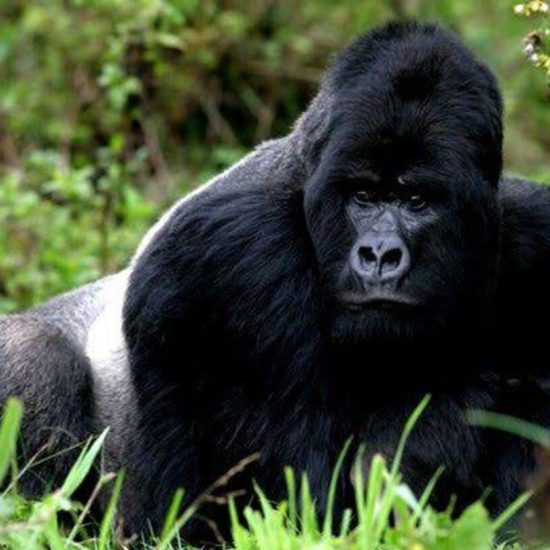
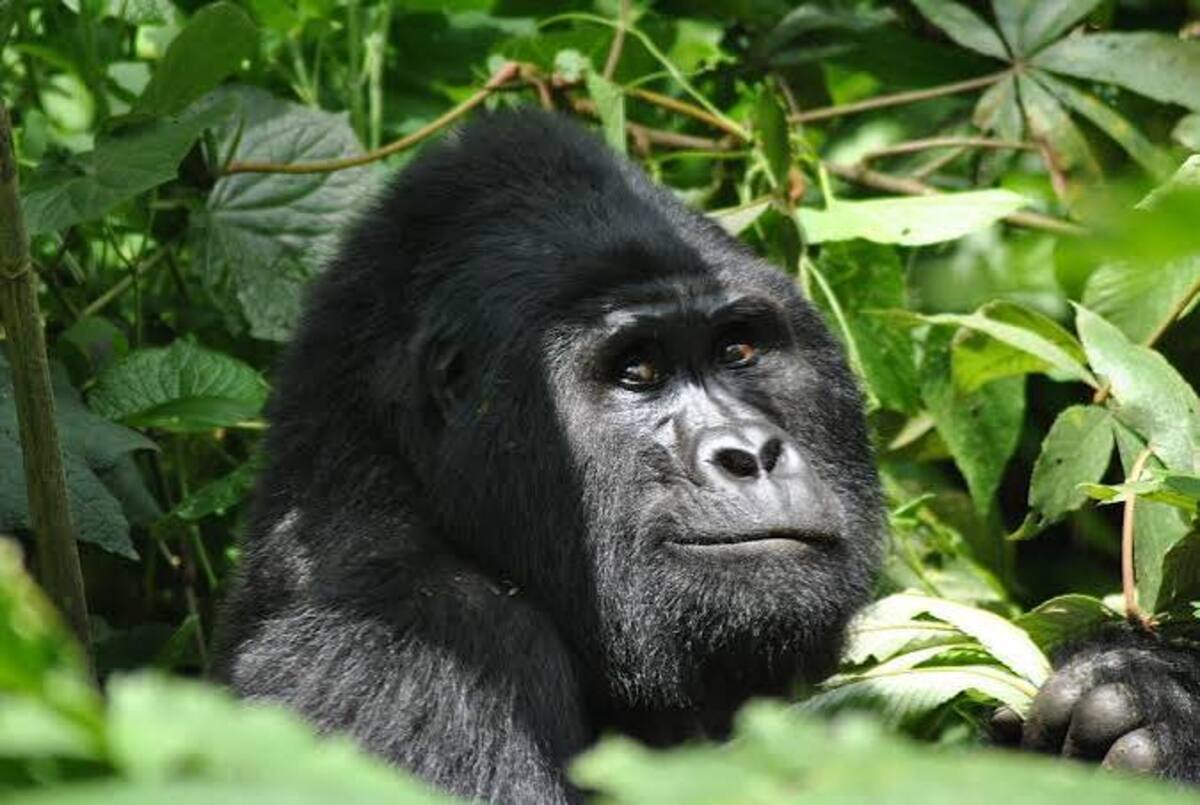
Bwindi Impenetrable National Park is best known for mountain gorilla trekking, but it is also one of Uganda’s important forest birding destinations.
The park forms part of the Albertine Rift, a region recognised for birds with restricted geographical ranges. Uganda Wildlife Authority identifies Bwindi and Mgahinga as key accessible locations for Albertine Rift endemic birds.
Birding here can be more physically demanding than a wetland canoe excursion. Forest trails may be uneven, and the terrain can vary considerably.
For visitors combining birding with gorilla trekking, this is worth considering when planning the number of activities in consecutive days. You may prefer to allow time to rest rather than filling every morning and afternoon with demanding activities.
Queen Elizabeth National Park: Birds, Lakes and Wildlife
Queen Elizabeth National Park is another strong choice for a mixed wildlife and birding itinerary.
The park contains a mixture of grassland, woodland, forest, lakes and wetlands, creating habitat for a large variety of birds. Uganda Wildlife Authority highlights more than 600 recorded species in the park.
The Kazinga Channel is particularly useful because a boat cruise combines waterbird viewing with opportunities to observe hippos, crocodiles, elephants and buffalo along the shoreline.
This is a good example of how birdwatching can fit naturally into a conventional Uganda safari. You do not have to spend the entire day sitting quietly with binoculars. A boat cruise or game drive can provide both bird and mammal sightings.
Semuliki: For More Specialist Birding
Travellers with a stronger interest in birds should consider Semuliki National Park, particularly if their priority is species associated with Central African forest habitats.
Uganda Wildlife Authority records more than 435 bird species in the park, including Guinea-Congo forest species and Albertine Rift endemics.
Semuliki is different from Uganda’s better-known savannah parks. Its position near the western border and its lowland forest environment make it particularly interesting for experienced birders looking for species that are difficult to find elsewhere in East Africa.
It is less suitable for travellers with very limited time, however. Reaching the area requires more travel than adding a short birding excursion around Entebbe.
Lake Mburo for Savannah and Wetland Birds
Lake Mburo National Park offers another useful combination of habitats, including savannah, woodland and papyrus wetlands.
Uganda Wildlife Authority records more than 315 bird species here and highlights the park for acacia-associated birds.
Its location also makes it practical for itineraries travelling between Kampala and southwestern Uganda. Birdwatching can be combined with game drives, boat trips and guided nature walks, depending on the itinerary.
For travellers who want to experience several types of safari activity without spending long periods on the road, Lake Mburo can be a useful addition.
When Is the Best Time for Birdwatching in Uganda?
Uganda can be visited for birdwatching throughout the year, but weather should be considered when choosing your dates.
Uganda Wildlife Authority identifies late May through September as a generally favourable period for birdwatching because there is less rain and food is abundant. December and January can also be good, while wetter periods may make some roads and forest trails more difficult.
The best dates ultimately depend on your priorities. If you want a broad safari combining birds, gorillas and wildlife, it may make more sense to choose dates that work well for the entire itinerary rather than birds alone.
How Long Should a Birdwatching Safari in Uganda Be?
There is no standard answer.
A traveller with only a few days could concentrate on the Entebbe area and Mabamba. Someone combining birding with a classic safari might spend a week or more visiting Murchison Falls, Kibale or Queen Elizabeth.
Dedicated birders should allow considerably more time because moving between habitats increases the range of species encountered.
The longer the safari, the more important it becomes to avoid an overly ambitious route. Spending meaningful time in several habitats is generally more useful than rushing through many destinations simply to add them to a checklist.
What Should You Pack for Birdwatching?
Binoculars are the most useful piece of equipment for most birders. A camera with a telephoto lens is helpful for photography, but it is not necessary to enjoy the experience.
Pack comfortable walking shoes, lightweight clothing, sun protection, insect repellent and a waterproof layer. A small waterproof bag is particularly useful around wetlands and during boat excursions.
A field guide or bird identification app can also be useful, although your guide should remain your primary source of local knowledge.
If you are visiting forested areas, be prepared for uneven trails. If mobility is a concern, discuss this before booking so that the itinerary can be designed around activities and locations that are appropriate for you.
Bird Photography: What Should You Expect?
Bird photography in Uganda rewards patience more than expensive equipment.
A long lens allows you to photograph birds without getting too close, which is important for both safety and responsible wildlife viewing. In forests, fast shutter speeds can help when birds move quickly through shade, while early morning light can be useful in open habitats and wetlands.
Do not ask guides to chase birds or move unnecessarily close for a photograph. A smaller image of a bird behaving naturally is preferable to a technically perfect photograph obtained by disturbing it.
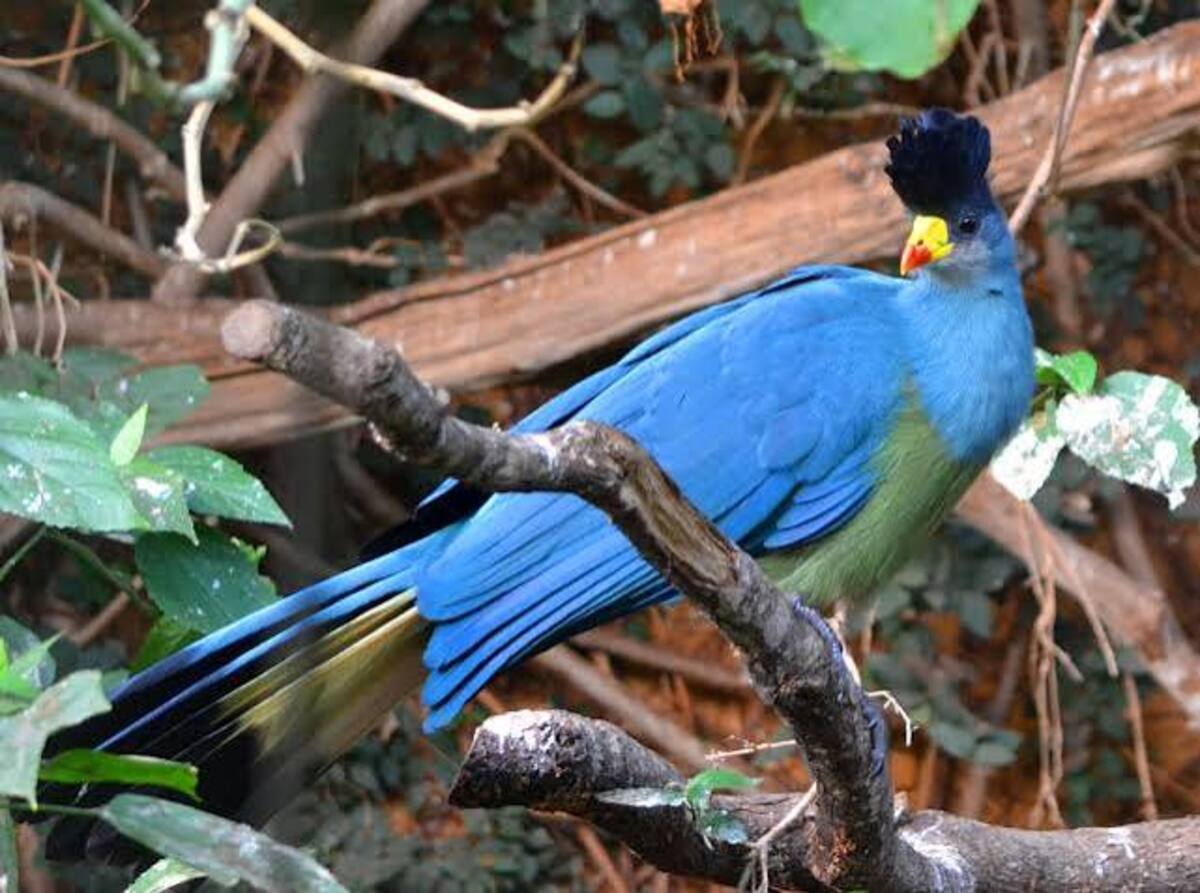
Great Blue Turaco
Responsible Birdwatching in Uganda
Birdwatching depends on healthy habitats, so responsible behaviour matters.
Keep noise low, follow your guide’s instructions and avoid leaving trails or entering sensitive vegetation simply to get closer to a bird. Do not feed wildlife or deliberately disturb nesting birds.
Local guides are also an important part of the experience. Their knowledge of bird calls, habitats and seasonal movements can improve the quality of a safari while helping tourism create value for communities around wildlife areas.
The aim is not simply to collect photographs or tick species from a list. It is to observe wildlife without compromising the environment that supports it.
Frequently Asked Questions
Is Uganda good for first-time birdwatchers?
Yes. You do not need specialist knowledge to begin. A knowledgeable guide can help with identification, calls and habitats, while destinations such as Mabamba and Queen Elizabeth provide opportunities to combine birding with other safari activities.
What is the most famous bird to see in Uganda?
The shoebill is one of Uganda’s most sought-after birds, particularly around wetlands such as Mabamba and the Albert Delta. However, dedicated birders may have completely different target species.
Can I combine birdwatching with gorilla trekking?
Yes. Bwindi is particularly suitable for combining gorilla trekking with forest birding, although visitors should consider the physical demands of both activities when planning their schedule.
Do I need a specialist birding guide?
Not necessarily. A regular safari guide can identify many common birds, but dedicated birders will generally benefit from a specialist who knows local bird calls, habitats and target species.
Is birdwatching physically demanding?
It depends on the destination. Canoe-based wetland birding can be relatively gentle, while forest birding may involve uneven or steep trails. Your itinerary can be adjusted according to your fitness and mobility.
How much does a Uganda birdwatching safari cost?
There is no single price. Costs depend on the number of days, accommodation, vehicle, guide, destinations, park fees and activities. A short Mabamba excursion will have a very different cost from a multi-region specialist birding safari.
Planning Your Birdwatching Safari in Uganda
A birdwatching safari in Uganda is ultimately about variety. You might begin in the papyrus wetlands of Mabamba searching for a shoebill, move into Kibale’s forest to listen for canopy species, watch waterbirds along the Kazinga Channel and finish among the Albertine Rift forests of Bwindi.
That variety is what makes Uganda particularly interesting for travellers who want more than a conventional game-drive safari. You can pursue birds seriously while still experiencing chimpanzees, gorillas, elephants, lions, hippos and the landscapes that make Uganda such a diverse destination.
The best itinerary is not necessarily the one with the longest species list. It is the one that gives you enough time to slow down, listen and understand the habitats you are visiting.
If you are planning a birdwatching safari in Uganda, Naseeb Safaris can help you build an itinerary around your target species, preferred destinations, travel dates and interests, whether birds are the main purpose of your trip or part of a wider Uganda adventure. Naseeb Safaris offers Uganda birding itineraries alongside gorilla, chimpanzee and wildlife safaris.