
Kibale National Park – Chimpanzee Tracking safaris
Kibale National Park -Chimpanzee Tracking safaris, Few places in Africa immerse visitors in rainforest life quite like Kibale National Park. Before you catch your first glimpse of a chimpanzee, you will hear the forest at work. Birds call across the canopy, insects buzz beneath tangled vegetation, and somewhere in the distance, the unmistakable pant-hoots of wild chimpanzees echo between towering trees.
Walking through this ancient forest is very different from a traditional safari. Instead of scanning open plains from a vehicle, you are following experienced rangers beneath dense foliage, watching for fresh footprints, listening for movement overhead, and learning to read the forest one clue at a time. Then, almost without warning, the search ends. A guide quietly gestures toward the trees, and suddenly you’re watching chimpanzees feeding, grooming one another, or swinging effortlessly through the canopy.
For many travelers, this is one of Uganda’s defining wildlife experiences. But Kibale offers much more than chimpanzee tracking. It protects one of East Africa’s largest remaining tropical rainforests, supports remarkable biodiversity, and provides opportunities to explore wetlands, crater lakes, tea plantations, and nearby national parks within a single journey.
Whether you are planning your first Uganda safari or looking to combine primates with classic game viewing, this guide explains everything you need to know before visiting.
Why Visit Kibale National Park?
Kibale National Park is internationally known for its exceptional concentration of primates. Covering approximately 766 square kilometres (296 square miles) in western Uganda, it protects a rich mosaic of tropical rainforest, woodland, grassland, and swamp that supports an extraordinary variety of wildlife.
Unlike Uganda’s savannah parks, where game drives focus on large mammals, Kibale offers a slower, more immersive experience centred on walking through the forest with expert guides.
Many visitors come for the chimpanzees, but leave remembering the atmosphere just as much, the filtered sunlight beneath giant fig trees, the constant chorus of birds, and the feeling that something could appear around every bend in the trail.
Highlights at a Glance
- Chimpanzee tracking with habituated communities
- Full-day and extended chimpanzee habituation experiences
- Thirteen recorded primate species
- More than 375 bird species
- Guided rainforest nature walks
- Bigodi Wetland Sanctuary
- Community tourism experiences
- Excellent birdwatching
- Easy combination with Uganda’s major safari destinations
Where Is Kibale National Park?
Kibale National Park lies in western Uganda between Fort Portal and Kamwenge, roughly 320 kilometres from Kampala.
Its central location makes it one of the easiest parks to combine with other destinations on a western Uganda safari, including:
- Queen Elizabeth National Park
- Bwindi Impenetrable National Park
- Rwenzori Mountains National Park
- Semuliki National Park
- Lake Bunyonyi
Most visitors travel by road from Kampala or Entebbe, although charter flights to nearby airstrips are available for those with limited time.
Driving Times
Approximate travel times are:
- Kampala to Kibale: 5–6 hours
- Queen Elizabeth National Park: 2–3 hours
- Bwindi Impenetrable National Park: 5–6 hours
- Semuliki National Park: 2 hours
Road conditions vary. Main highways are generally paved, while the final approach to many lodges is on gravel roads that can become muddy during the rainy seasons. A 4WD vehicle is recommended, particularly if you are travelling independently.
What Makes Kibale Different from Other Uganda National Parks?
Uganda offers everything from mountain gorillas and open savannah to waterfalls and alpine mountains. Kibale fills a unique niche within that diversity.
Rather than searching for wildlife across vast grasslands, visitors become part of the forest itself. Every walk is shaped by changing sounds, fresh wildlife signs, and the expertise of local guides who understand the rhythms of the rainforest.
It’s also one of Africa’s leading centres for primate research. Scientists have studied chimpanzee behaviour here for decades, helping improve conservation while deepening our understanding of our closest living relatives.
That combination of wildlife, science, conservation, and accessible tourism makes the park appealing to first-time safari visitors and experienced naturalists alike.
The Story Behind Kibale National Park
Long before it became a protected area, these forests supported wildlife and neighbouring communities that relied on forest resources for generations.
Recognising the ecological importance of the region, Uganda gradually strengthened its protection before officially gazetting Kibale as a national park in 1993.
Today the forest forms an important wildlife corridor connecting surrounding ecosystems and safeguards one of East Africa’s largest remaining blocks of tropical rainforest.
Research carried out here contributes to global understanding of:
- Chimpanzee behaviour
- Tropical forest ecology
- Climate change
- Biodiversity conservation
- Forest regeneration
Tourism also plays an important role. Revenue generated through park fees and permits supports conservation, anti-poaching patrols, local employment, and community development initiatives.
Chimpanzee Tracking: Kibale’s Signature Experience
For most visitors, chimpanzee tracking is the reason they travel to Kibale.
Unlike zoo encounters or sanctuaries, tracking takes place in the chimpanzees’ natural habitat. Rangers locate habituated communities that continue to behave as wild animals while tolerating the presence of carefully managed visitor groups.
Each tracking excursion begins at the Kanyanchu Visitor Centre, where Uganda Wildlife Authority rangers explain safety procedures, viewing etiquette, and what to expect during the walk.
From there, small groups head into the forest.
The distance walked varies considerably. Sometimes chimpanzees are found within an hour; on other days, guides may walk farther before locating them. Wildlife cannot be guaranteed to remain in one place, which is part of what makes the experience authentic.
Along the way, guides interpret the forest itself, pointing out feeding signs, nests, medicinal plants, bird calls, and fresh animal tracks that many visitors would otherwise overlook.
Eventually, the forest changes. Calls grow louder. Branches sway overhead.
Then the chimpanzees appear.
Visitors are allowed one hour with the group once they are located. During that time, you may observe:
- Feeding
- Grooming
- Playing
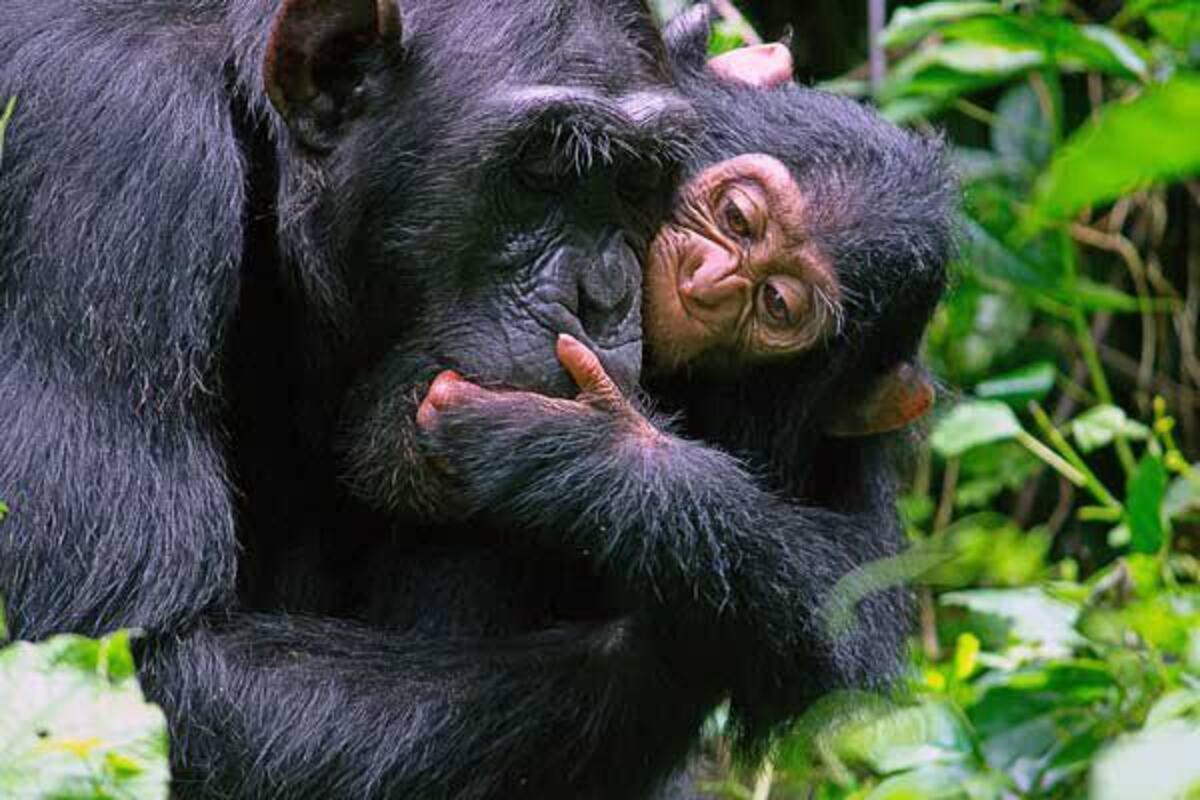
- Caring for infants
- Vocal communication
- Social interactions
- Movement through the forest canopy
Because the chimpanzees remain wild, every visit is different. Some groups stay high in the trees, while others descend closer to eye level.
Rather than expecting a carefully staged wildlife encounter, it’s better to think of tracking as spending time in the animals’ world on their terms.
Will You Definitely See Chimpanzees?
Sightings are never guaranteed in any wild setting.
That said, Kibale has one of the highest chimpanzee sighting success rates in Africa thanks to experienced trackers and well-established habituated communities.
Most visitors do find chimpanzees during their trek, but the amount of time spent searching can vary depending on where the animals have travelled that day.
Approaching the experience with realistic expectations usually leads to a more rewarding visit. The rainforest itself is full of wildlife, and the journey through it is an important part of the experience, not simply the time spent with the chimpanzees.
Chimpanzee Habituation Experience: A Longer Forest Adventure
Travelers who want more than the standard one-hour encounter can choose the Chimpanzee Habituation Experience.
Instead of visiting fully habituated chimpanzees, you will accompany researchers and rangers working with a community that is gradually becoming accustomed to human presence.
Visitors spend up to four hours with the chimpanzees after they are located, allowing much more time to observe behaviour that may not be visible during a standard trek.
You may witness:
- Morning nest departures
- Feeding patterns
- Grooming sessions
- Territorial displays
- Mothers caring for young
- Communication between family members
- Group dynamics over an extended period
The longer duration makes this experience especially rewarding for wildlife photographers, birdwatchers, and travelers with a strong interest in animal behaviour.
It is also more physically demanding, as the day typically begins earlier and involves more time in the forest.
Chimpanzee Permits: Cost and Booking Advice
Chimpanzee tracking requires a permit issued by the Uganda Wildlife Authority.
Permit prices can change, so it’s important to confirm the latest rates before travelling although its currently $ 250 and starting January 2027, it will cost $ 300.
As a general guide:
- Standard chimpanzee tracking permits are significantly less expensive than mountain gorilla permits.
- The Chimpanzee Habituation Experience costs more (currently $ 300 and starting January 2027, it will cost $ 400) because visitors spend additional time with researchers and guides.
During peak travel periods, particularly June to September and December to February, permits can sell out weeks or even months in advance.
If chimpanzee tracking is a priority, it’s wise to secure permits before booking international flights.
Many travelers choose to arrange permits through a licensed Uganda tour operator, who can coordinate availability alongside accommodation and transport.
Kibale’s Other Primates: More Than Just Chimpanzees
Chimpanzees may attract most visitors, but they’re only one part of Kibale’s remarkable primate diversity. The park is home to 13 recorded primate species, making it one of the richest primate habitats in Africa.
Even if your primary goal is chimpanzee tracking, chances are you will encounter several other species during your time in the forest.
Black-and-White Colobus Monkeys
With their long white mantles and flowing tails, black-and-white colobus monkeys are among the easiest primates to identify. They move gracefully through the upper canopy and often travel in groups, leaping surprising distances between trees.
Their leaf-based diet means they’re usually seen feeding quietly high above the trail rather than foraging on the forest floor.
Red-Tailed Monkeys
These lively monkeys are common around forest edges and clearings. Look for their distinctive reddish tail and expressive white nose.
They’re curious by nature and are often the first primates visitors notice while walking to the chimpanzee tracking area.
L’Hoest’s Monkeys
Sometimes called mountain monkeys, L’Hoest’s monkeys are more elusive than many of Kibale’s other primates.
Recognizable by their dark coats and white beards, they usually keep to dense vegetation and tend to avoid large groups of people, making every sighting feel special.
Blue Monkeys
Despite the name, these monkeys appear more grey than blue. They spend much of their day feeding on fruit, leaves, and insects in the middle levels of the forest canopy.
They’re frequently seen alongside other monkey species, creating mixed-species groups that move through the forest together.
Olive Baboons
Unlike the arboreal monkeys, olive baboons spend much of their time on the ground.
They are often encountered near roads, park boundaries, or more open sections of the forest, where large family groups forage together.
As with all wildlife, it’s important to keep a respectful distance and never feed them.
Red Colobus Monkeys
One of Kibale’s conservation priorities, the red colobus monkey is an important indicator of healthy forest ecosystems.
These social primates spend almost their entire lives in the canopy, where they feed primarily on young leaves.
Other Primates You May Encounter
Depending on the route, season, and a little luck, guides may also point out:
- Grey-cheeked mangabeys
- Vervet monkeys
- Potto (usually nocturnal)
- Bush babies (during night walks outside the park)
- Demidoff’s galago
Every forest walk is different, and guides often tailor their commentary to the wildlife encountered that day.
Wildlife Beyond Primates
Although the rainforest makes large mammals more difficult to spot than in open savannah parks, Kibale supports a surprising variety of wildlife.
Visitors occasionally encounter:
- Forest elephants
- Bushbucks
- Duikers
- Giant forest hogs
- Bush pigs
- African civets
- Mongooses
- Several squirrel species
- Reptiles and amphibians unique to tropical forests
Because dense vegetation limits visibility, sightings of larger mammals are unpredictable.
Rather than expecting the frequent wildlife encounters common on a game drive, think of these animals as unexpected bonuses during your forest exploration.
Birdwatching in Kibale National Park
For birdwatchers, Kibale ranks among Uganda’s finest forest birding destinations.
More than 375 bird species have been recorded, including several sought-after forest specialists that are difficult to find elsewhere.
Whether you’re an experienced birder or simply enjoy wildlife, it’s worth bringing binoculars, even during chimpanzee tracking.
Birds to Look For
Some of the park’s most sought-after species include:
- Great Blue Turaco
- African Green Pitta (seasonal and highly sought after)
- Black Bee-eater
- Blue-headed Sunbird
- Yellow-spotted Barbet
- Crowned Eagle
- White-naped Pigeon
- African Grey Parrot
- Woodland Kingfisher
- Narina Trogon
Early morning generally offers the best bird activity, particularly around forest edges and clearings.
Bird photography can be challenging beneath the forest canopy, so a camera with good low-light performance is especially helpful.
Explore Bigodi Wetland Sanctuary
Just outside the national park lies Bigodi Wetland Sanctuary, a community-managed conservation area that complements a visit to the rainforest beautifully.
Instead of dense forest, the sanctuary protects papyrus wetlands, small woodland patches, and village landscapes that attract a different variety of wildlife.
Guided walks may reveal:
- Several monkey species
- Colourful wetland birds
- Butterflies
- Indigenous medicinal plants
- Traditional farming practices
- Local conservation initiatives
One of the most rewarding aspects of Bigodi is its community ownership.
Income from tourism helps fund local schools, healthcare, conservation programmes, and community development projects, allowing visitors to contribute directly to the area’s long-term sustainability.
Many travellers combine chimpanzee tracking in the morning with a Bigodi walk in the afternoon.
Guided Nature Walks: Slow Down and Notice More
Chimpanzee tracking naturally focuses on finding wildlife, but Kibale’s guided nature walks offer something different.
Without the urgency of following chimpanzees, guides have more time to interpret the forest itself.
You will learn about:
- Giant mahogany and fig trees
- Medicinal plants
- Traditional uses of forest resources
- Insects and butterflies
- Bird calls
- Animal tracks
- Forest ecology
- Rainforest regeneration
These walks appeal to travelers interested in photography, botany, conservation, or simply experiencing the rainforest at a slower pace.
Conservation: Why Kibale Matters
Kibale protects one of East Africa’s most important remaining tropical forests.
This ecosystem provides habitat not only for primates but also for birds, insects, plants, and countless smaller organisms that help keep the forest healthy.
Conservation work includes:
- Chimpanzee research
- Forest restoration
- Wildlife monitoring
- Anti-poaching patrols
- Community partnerships
- Environmental education
- Sustainable tourism management
Visitors play an important role by purchasing permits, hiring local guides and porters, staying at responsible lodges, and supporting community-based tourism initiatives such as Bigodi Wetland Sanctuary.
Responsible travel helps ensure that conservation benefits both wildlife and the people who live alongside the park.
Best Time to Visit Kibale National Park
Chimpanzee tracking takes place throughout the year.
Choosing when to visit depends more on your travel style than on wildlife availability.
Dry Seasons
December to February
June to September
These months generally offer:
- Easier walking conditions
- Less slippery trails
- Better visibility for photography
- More predictable weather
Because these are Uganda’s busiest travel periods, accommodation and permits should be booked well in advance.
Wet Seasons
March to May
October to November
Rain transforms the forest.
Trails become muddier, leaves appear especially vibrant, and bird activity increases.
Advantages include:
- Fewer visitors
- Greener landscapes
- Excellent birdwatching
- A quieter experience
- Seasonal discounts on some accommodation
Rain showers can occur during any month, so waterproof clothing is worth packing regardless of when you travel.
What Should You Pack for Kibale?
Packing for Kibale is less about fashion and more about comfort in a tropical rainforest.
Clothing
- Lightweight long-sleeved shirts
- Long hiking trousers
- Waterproof rain jacket
- Moisture-wicking layers
- Neutral colours such as green, brown, or khaki
Avoid bright colours where possible, and leave camouflage clothing at home, as it is restricted for civilians in several East African countries.
Footwear
Good hiking boots with reliable grip are strongly recommended.
Trails can become slippery after rain, and some sections may include roots, mud, or uneven ground.
Other Essentials
- Small daypack
- Reusable water bottle
- Insect repellent
- Sunscreen
- Wide-brimmed hat
- Binoculars
- Camera with spare batteries
- Gardening gloves (optional for gripping vegetation)
- Personal medications
- Lightweight snacks
Accessibility and Fitness
Chimpanzee tracking is suitable for most people with a reasonable level of mobility.
The challenge varies from day to day because chimpanzees move freely through the forest.
Some walks last under two hours, while others involve longer distances over uneven terrain.
If you have mobility concerns or medical conditions, discuss them with your tour operator before travelling. Rangers can often advise on the most suitable tracking group based on current chimpanzee locations.
Hiring a porter is highly recommended, not only for assistance on steeper sections but also because it provides valuable income for local community members.
Where to Stay Near Kibale National Park
Accommodation around Kibale caters to a wide range of budgets and travel styles, from intimate luxury lodges overlooking the forest to simple camps that provide easy access to chimpanzee tracking.
The best place to stay depends on your itinerary, budget, and how much time you want to spend in and around the park.
If chimpanzee tracking is your main priority, choosing accommodation close to the Kanyanchu Visitor Centre makes for an easier start to the day, as morning briefings begin early.
Luxury Lodges
Travelers seeking comfort after a day in the rainforest will find several well-established lodges offering spacious cottages, excellent dining, and peaceful forest settings.
Popular options include:
- Chimpundu Lodge
- Ndali Lodge
- Papaya Lake Lodge (a little farther away, overlooking a crater lake)
Many luxury properties also arrange guided nature walks, birdwatching excursions, and visits to nearby tea estates.
Mid-Range Lodges
Mid-range accommodation strikes a good balance between comfort and affordability.
Well-known choices include:
- Turaco Treetops
- Chimpanzee Forest Lodge
- Isunga Lodge
These lodges typically offer private rooms, hot showers, quality meals, and organised transfers to park activities.
They are particularly popular with couples, families, and small safari groups.
Budget Accommodation
Backpackers and budget-conscious travelers can choose from guesthouses, camps, and simple lodges near the park.
Options such as Kibale Forest Camp provide comfortable, affordable accommodation while keeping visitors close to the main activities.
Facilities are generally simpler, but many budget properties offer welcoming hospitality and excellent local knowledge.
Getting to Kibale National Park
By Road
Most visitors travel from Kampala or Entebbe by road.
The drive passes through central Uganda before climbing into the greener landscapes of western Uganda, where tea plantations, crater lakes, and rolling hills replace the busy city scenery.
Many safari itineraries include stops along the way for lunch, photography, or short walks.
If you are doing self drive:
- Allow plenty of travel time.
- Fuel stations become less frequent outside larger towns.
- Download offline maps before departure.
- A 4WD vehicle is recommended, especially during the rainy seasons.
By Air
Domestic charter and scheduled safari flights reduce travel time considerably.
Flights usually land at nearby airstrips, with road transfers to your lodge arranged in advance.
Flying is particularly useful for travelers with limited time or those combining several national parks within one itinerary.
Suggested Three-Day Kibale National Park Itinerary
While some visitors stop for just one night, spending two or three days allows time to experience more than chimpanzee tracking alone.
Day 1: Journey to Western Uganda
- Depart Kampala or Entebbe.
- Drive through tea-growing regions and rural western Uganda.
- Arrive at your lodge.
- Relax before the following day’s activities.
If time allows, take a short guided walk around the lodge grounds to begin spotting birds and monkeys.
Day 2: Chimpanzees and Bigodi Wetland
Begin early with the Uganda Wildlife Authority briefing before entering the forest for chimpanzee tracking.
After lunch, visit Bigodi Wetland Sanctuary, where local guides introduce visitors to another side of the region’s biodiversity and community conservation efforts.
Return to your lodge for dinner.
Day 3: Explore Further or Continue Your Safari
Depending on your interests, you might choose to:
- Join a guided forest nature walk.
- Go birdwatching.
- Visit nearby crater lakes.
- Explore a tea plantation.
- Continue to Queen Elizabeth National Park.
- Travel onward to Bwindi for gorilla trekking.
Photography Tips
Photographing wildlife in a rainforest presents different challenges from photographing animals on the open savannah.
Light levels beneath the canopy are often low, and chimpanzees rarely stay still for long.
To improve your chances of capturing memorable images:
- Use a fast shutter speed when photographing moving animals.
- Increase your ISO rather than relying on flash.
- Bring extra batteries, as cameras work harder in humid conditions.
- Keep equipment protected in a waterproof bag.
- Pause occasionally to enjoy the experience without looking through a viewfinder.
Flash photography is not permitted during chimpanzee tracking because it may disturb the animals.
Responsible Tourism in Kibale
The rainforest is a fragile ecosystem, and every visitor has a role in helping protect it.
Simple actions make a meaningful difference:
- Stay on designated trails.
- Follow your guide’s instructions.
- Keep a respectful distance from wildlife.
- Never feed animals.
- Carry reusable water bottles where possible.
- Dispose of litter responsibly.
- Support locally owned businesses and community projects.
If you feel unwell before your trek, particularly with a contagious illness, inform your guide. Chimpanzees are susceptible to many human diseases, which is one reason strict health guidelines are in place.
Responsible tourism helps protect both wildlife and local livelihoods for future generations.
Common Mistakes First-Time Visitors Make
A little preparation goes a long way.
Some of the most common mistakes include:
- Waiting too long to book permits. Peak-season permits often sell out well in advance.
- Underestimating the walk. Even though chimpanzee tracking is generally easier than gorilla trekking, the terrain can still be uneven and muddy.
- Packing unsuitable footwear. Trainers quickly become uncomfortable in wet forest conditions.
- Skipping a porter. Many first-time visitors decline porter services, only to wish they hadn’t on steeper sections.
- Expecting guaranteed close-up encounters. Wildlife remains wild, and every trek unfolds differently.
- Ignoring waterproof gear. Rain can arrive at almost any time of year.
Tipping Etiquette
Tipping is appreciated but not compulsory.
If you’ve received excellent service, many visitors choose to tip:
- Uganda Wildlife Authority guides
- Porters
- Lodge staff
- Drivers and safari guides
Carrying small denominations of Ugandan shillings or US dollars makes tipping easier.
Your tour operator can provide current guidance on customary tipping ranges.
Frequently Asked Questions
How fit do I need to be?
Most visitors with moderate fitness complete chimpanzee tracking comfortably. The difficulty varies depending on where the chimpanzees are located that day, and some walks are longer than others.
Will I definitely see chimpanzees?
No wildlife encounter can ever be guaranteed.
However, Kibale has one of the highest chimpanzee sighting success rates in Africa, and most visitors successfully locate a habituated group.
What is the minimum age for chimpanzee tracking?
Participants must generally be 15 years or older for both standard chimpanzee tracking and the Chimpanzee Habituation Experience.
Can I hire a porter?
Yes.
Hiring a porter is encouraged. Besides making the walk easier, it provides valuable employment for local community members.
Can older travellers take part?
Many seniors successfully enjoy chimpanzee tracking.
If you have concerns about mobility or stamina, discuss them with your safari operator before your visit so appropriate arrangements can be made.
What happens if it rains?
Tracking continues in light and moderate rain.
A waterproof jacket and good hiking boots are among the most important items to pack.
Can I wear shorts?
Long trousers are strongly recommended.
They help protect your legs from insects, stinging plants, and scratches from vegetation.
Is there a luggage weight limit?
If you’re travelling by road, luggage limits are generally flexible.
For domestic flights, baggage allowances are usually stricter, often around 15 kilograms (33 pounds) in soft-sided bags. Check with your airline or tour operator before departure.
Can I take photographs?
Yes! Photography is encouraged, but flash photography is not allowed around chimpanzees.
Are there toilets at the starting point?
Yes.
Basic restroom facilities are available at the Kanyanchu Visitor Centre before your trek begins.
Combining Kibale with Other Uganda Destinations
One of Kibale’s greatest advantages is how easily it fits into a broader Uganda itinerary.
Many travelers combine the rainforest with other landscapes to experience the country’s remarkable diversity.
Popular combinations include:
- Queen Elizabeth National Park for lions, elephants, boat safaris, and the Kazinga Channel.
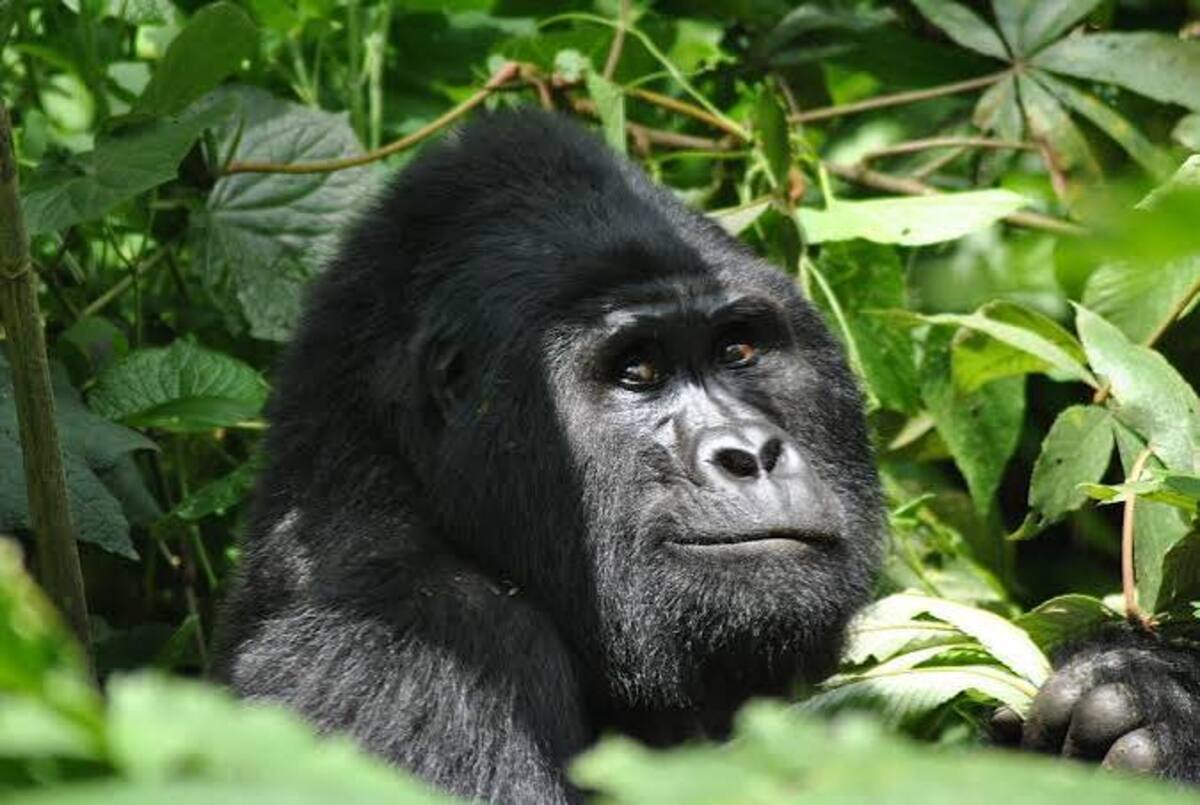
- Bwindi Impenetrable National Park for mountain gorilla trekking.
- Rwenzori Mountains National Park for hiking and alpine scenery.
- Semuliki National Park for hot springs and unique lowland forest birdlife.
- Lake Bunyonyi for relaxation after gorilla trekking.
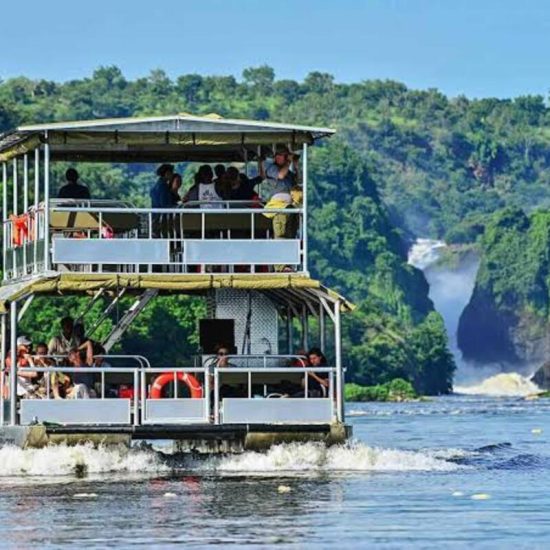
- Murchison Falls National Park for game drives and Nile River cruises.
Together, these destinations showcase Uganda’s extraordinary range of ecosystems, from tropical rainforest to open savannah and high mountain landscapes.
Final Thoughts
Kibale National Park offers a different perspective on an African safari.
Instead of watching wildlife from the window of a vehicle, you become part of the landscape, walking beneath towering rainforest trees, listening for distant chimpanzee calls, and discovering the intricate relationships between plants, birds, insects, and primates that make this ecosystem so remarkable.
Chimpanzee tracking may be the headline experience, but it’s rarely the only memory visitors take home. The quiet moments between sightings, conversations with knowledgeable guides, walks through Bigodi Wetland, and a growing appreciation for the forest itself often leave just as lasting an impression.
For anyone interested in wildlife, conservation, or experiencing a different side of Uganda beyond the savannah, Kibale is a destination well worth including in your itinerary.
Plan Your Kibale Safari with Naseeb Safaris
Planning a safari involves more than choosing destinations. Permit availability, travel times, accommodation, and seasonal conditions all influence the overall experience.
The team at Naseeb Safaris can help you design an itinerary that matches your interests, travel style, and budgetwhether you are visiting Kibale as a standalone destination or combining it with gorilla trekking, classic wildlife safaris, birdwatching, or cultural experiences across Uganda.
If you would like personalised advice on permits, accommodation, transport, or the best route through western Uganda, we are happy to help you plan a safari that suits your schedule and expectations.