
Kazinga Channel Boat Cruise – Queen Elizabeth National Park
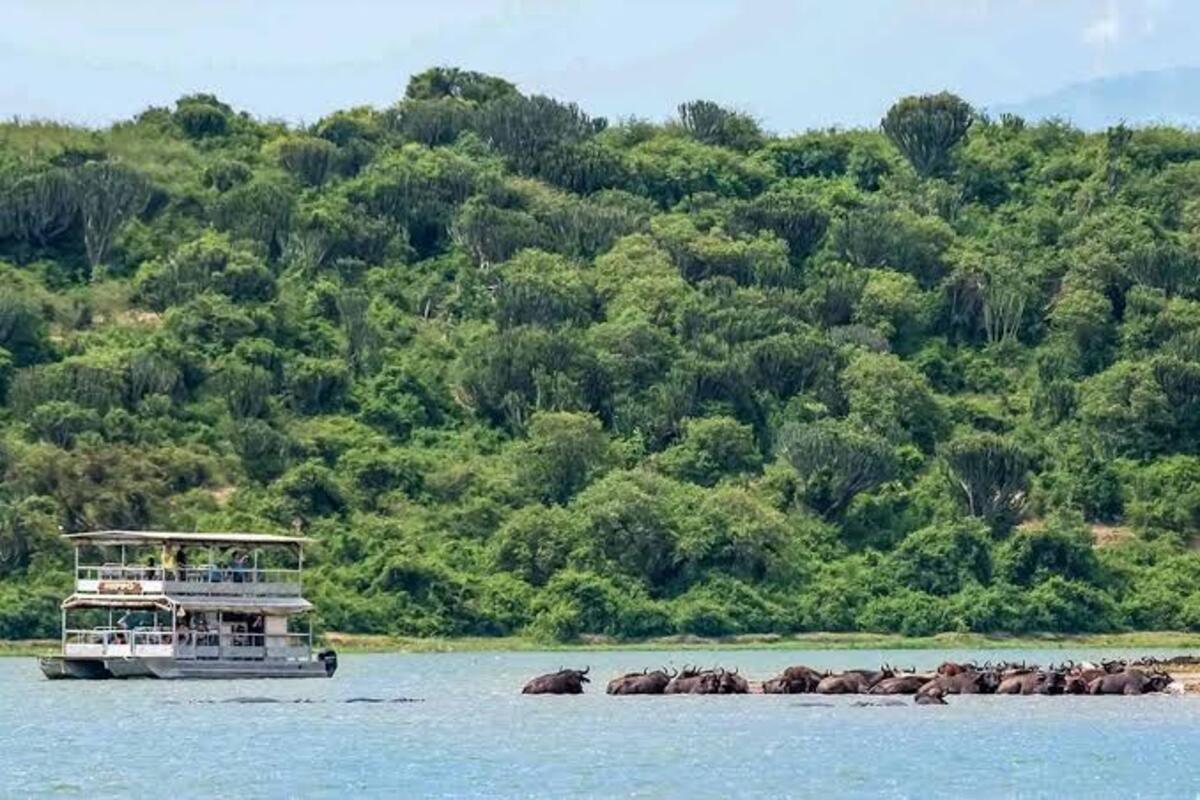
Kazinga Channel Boat Cruise – Queen Elizabeth National Park, Few safari experiences offer the same perspective as drifting quietly along a wildlife-rich waterway while elephants feed on the shoreline, hippos crowd the shallows, and fish eagles call from riverside trees. The Kazinga Channel Boat Cruise is one of the defining experiences of Queen Elizabeth National Park, not because it guarantees dramatic wildlife encounters every minute, but because it allows visitors to observe animals behaving naturally in one of Uganda’s most productive ecosystems.
Unlike a traditional game drive, where wildlife may be scattered across vast plains, this cruise follows a permanent water source that attracts animals throughout the day. For photographers, birdwatchers, first-time safari visitors, and families alike, it offers an opportunity to watch the park unfold at an unhurried pace.
This guide explains what the cruise is really like, what you can realistically expect to see, when to visit, how to prepare, and why many travellers consider it one of the highlights of their Uganda safari.
Why the Kazinga Channel Matters
The Kazinga is the World’s natural channel linking Lake George and Lake Edward inside Queen Elizabeth National Park in western Uganda. Stretching for around 32 kilometers (20 miles), it forms the ecological heart of the park by supplying water throughout the year.
During dry periods, the shoreline becomes even more important. Herds of elephants walk down to drink, buffalo gather in large numbers, antelope graze nearby, and hippos spend much of the day submerged in the channel before emerging to feed after dark.
Because so many species depend on the water, visitors often enjoy excellent wildlife viewing without travelling long distances.
The channel also supports one of the richest concentrations of water birds in East Africa, making it an important destination for bird enthusiasts even outside Uganda.
What Makes the Boat Cruise Different from a Game Drive?
Many first-time visitors wonder whether they should choose a boat cruise or another game drive.
In reality, the two experiences complement one another rather than compete.
A morning or evening game drive explores grasslands, woodland, and crater landscapes in search of lions, leopards, hyenas, Uganda kobs, and other terrestrial wildlife. Animal sightings depend on where species have moved that day.
The cruise works differently.
Instead of searching across a vast landscape, you travel through an area where wildlife naturally comes to the water. The result is often longer viewing opportunities and remarkably close observations, particularly of animals that spend much of their lives around rivers and lakes.
It also offers something many visitors appreciate after several hours in a safari vehicle: a chance to slow down.
The pace is gentle. The boat rarely needs to rush, allowing guides time to explain animal behavior, identify bird species, and answer questions without feeling hurried.
What Wildlife Can You Expect to See?
No safari operator can honestly promise specific sightings, and wildlife is never guaranteed. That said, the Kazinga Channel consistently offers some of the highest wildlife densities in Queen Elizabeth National Park.
Hippos
Hippos are among the easiest animals to spot during the cruise.
Large pods spend daylight hours resting in the water to avoid the heat before leaving after sunset to graze. Depending on water levels and the season, visitors may see dozens or sometimes hundreds spread across different sections of the channel.
Watching their social interactions is often more interesting than many people expect. Dominant males defend territories, calves stay close to their mothers, and the occasional wide yawn reveals the size of their powerful jaws.
African Savanna Elephants
Elephants frequently visit the shoreline to drink, feed, or cool themselves with mud and water.
Viewing them from the water offers a different perspective from seeing them on land. Boats can often observe family groups from a respectful distance while they continue feeding naturally.
The experience is less about dramatic action and more about quietly observing behavior, young calves following older females, trunks pulling branches from nearby vegetation, or adults spraying water across their backs during hot afternoons.
Wildlife movements change daily, so sightings vary throughout the year.
African Cape Buffalo
Queen Elizabeth National Park supports one of Uganda’s largest buffalo populations.
Large herds are commonly seen grazing near the water, sometimes sharing open areas with elephants, Uganda kob, and warthogs.
For photographers, buffalo provide excellent subjects because they often remain relatively stationary compared with more nervous antelope species.
Nile Crocodiles
The muddy banks provide ideal basking sites for Nile crocodiles.
These reptiles often remain motionless for long periods, making them surprisingly difficult to notice without an experienced guide.
Passengers frequently sail past several crocodiles before realizing they were only a few meters away.
Guides usually point out differences between younger animals and large adults while explaining their role within the aquatic ecosystem.
Antelope and Other Mammals
Although the cruise focuses largely on waterside wildlife, visitors may also see:
- Uganda kob
- Waterbuck
- Bushbuck
- Warthogs
- Monitor lizards
- Occasionally giant forest hogs near suitable habitat
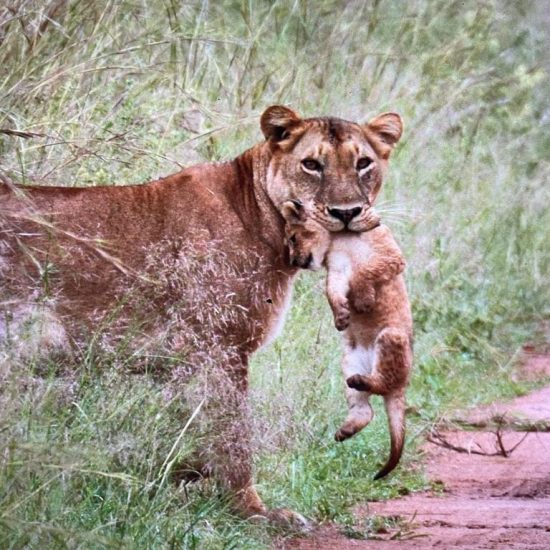
Some days also bring sightings of hyenas or lions moving between feeding areas, although these are less predictable.
Wildlife changes from season to season, which is one reason no two cruises feel exactly alike.
Birdwatching on the Kazinga Channel
Even visitors who arrive hoping to photograph mammals often leave talking about the birdlife.
More than 600 bird species have been recorded within Queen Elizabeth National Park, making it one of Africa’s premier birdwatching destinations.
The channel supports an impressive variety of water birds because of its wetlands, papyrus edges, mudflats, and open water.
Depending on the season, visitors may encounter:
- African Fish Eagle
- Pied Kingfisher
- Malachite Kingfisher
- Great White Pelican
- Pink-backed Pelican
- African Jacana referred to as Jesus bird by the locals
- Saddle-billed Stork
- Yellow-billed Stork
- African Spoonbill
- Great Egret
- Little Egret
- Goliath Heron
- African Openbill
- Sacred Ibis
- Cormorants
- Egyptian Geese
Bird sightings naturally vary throughout the year, particularly during migratory seasons, but guides usually carry field knowledge that helps visitors identify species they might otherwise overlook.
The Landscape Beyond the Wildlife
The cruise is about more than animals.
As the boat moves along the channel, the scenery changes gradually.
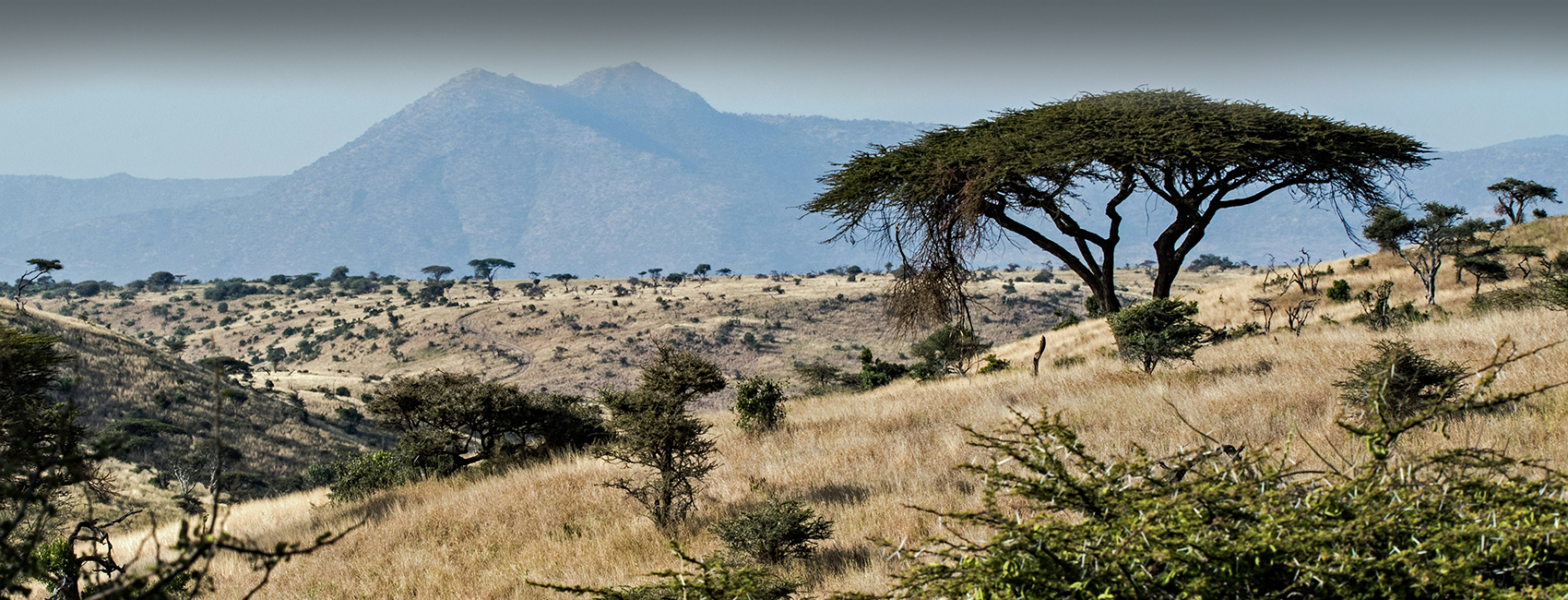
Papyrus swamps give way to open grasslands. Acacia trees line sections of the shore, while distant views sometimes reveal the Rwenzori Mountains when conditions are clear.
In some places, small fishing communities can be seen, offering a reminder that conservation and local livelihoods exist side by side.
Rather than feeling isolated from human life, the journey provides valuable context for understanding how Uganda’s national parks fit into the wider landscape.
When Is the Best Time to Take the Kazinga Boat Cruise?
The channel can be visited throughout the year, but the experience changes with the seasons rather than becoming better or worse.
Dry Seasons (December to February and June to September)
These months are generally the most popular for wildlife viewing. As temporary water sources dry up, many animals spend more time near permanent water, increasing the chances of seeing elephants, buffalo, and antelope along the shoreline.
Roads within the park are also typically easier to navigate after prolonged dry weather, making travel between game drive areas and the launch point more straightforward.
The trade-off is that these months coincide with Uganda’s busiest safari season. Accommodation often fills well in advance, particularly between June and August, so early booking is advisable.
Rainy Seasons (March to May and October to November)
Rain transforms the landscape. Grasslands become greener, wildflowers appear, and many migratory birds arrive, making this an appealing time for photographers and birdwatchers.
Afternoon showers are common but rarely last all day. Boat departures generally continue unless weather conditions become unsafe.
Visitors should expect muddy roads in some sections of the park and allow additional travel time between lodges and the jetty.
Morning or Afternoon Cruise?
Most visitors choose an afternoon departure because wildlife often gathers at the water during the warmer part of the day.
Morning cruises can also be rewarding, particularly for birdlife and softer photographic light.
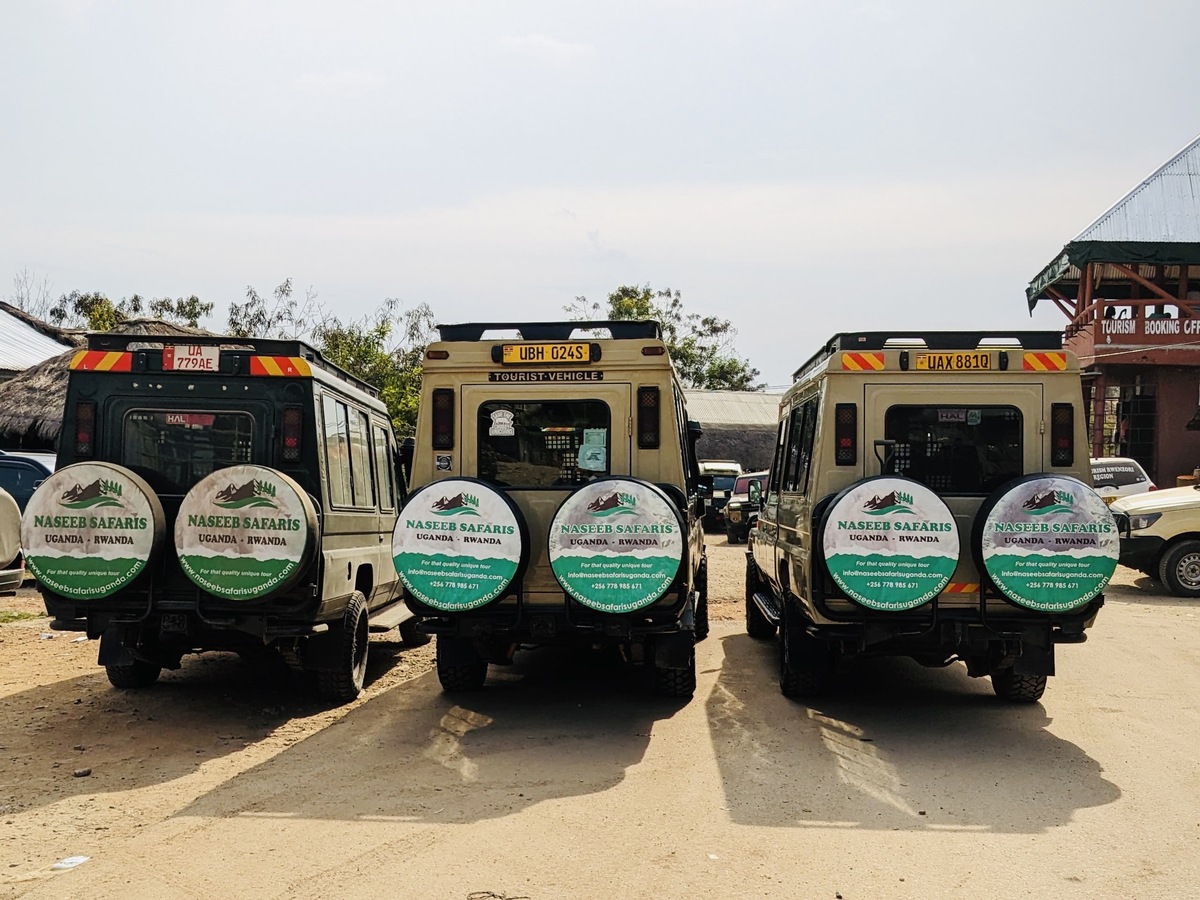
If your itinerary includes both a game drive and a boat cruise on the same day, many safari operators including Naseeb Safaris schedule a morning game drive followed by an afternoon cruise. This creates a varied safari experience without repeating the same activity.
How Long Does the Cruise Last?
The standard cruise lasts approximately two hours.
This provides enough time to travel along one of the busiest stretches of the channel while allowing frequent stops for wildlife observation.
Because the pace is relaxed, the journey rarely feels rushed. Guides often reduce speed or stop the boat entirely when interesting wildlife is spotted, giving everyone time to observe and take photographs.
How Do You Get to the Kazinga Channel?
Depending on your itinerary, there are several ways to reach it.
By Road
Most travelers arrive from:
- Kampala (approximately 6–7 hours)
- Entebbe (around 7–8 hours)
- Bwindi Impenetrable National Park (4–6 hours depending on sector)
- Kibale National Park (about 2–3 hours)
Road conditions are generally good on the main highways, although sections inside the national park are gravel roads that can become rough after heavy rain.
A 4WD vehicle is recommended for almost all safari itineraries.
By Domestic Flight
Scheduled domestic flights connect Entebbe with nearby airstrips (Kasese airstrip), significantly reducing travel time.
After landing, visitors transfer by vehicle to their lodge or directly to the cruise departure point.
Flying is often preferred by travelers with limited time or those combining several national parks during one trip.
How Much Does the Kazinga Boat Cruise Cost?
Boat cruise fees are set separately from the national park entrance fee and are subject to change, at the time of writing, its approximately $ 35 per person.
Your total safari cost may include:
- National park entrance fees
- Boat cruise fees
- Vehicle and driver-guide
- Accommodation
- Meals
- Fuel
- Ranger services where applicable
If you are comparing safari quotations, it’s worth checking whether the cruise is already included or priced as an optional activity.
Booking Advice
During peak travel periods, cruise spaces can sell out, particularly for afternoon departures.
If the cruise is an important part of your itinerary, reserve it when confirming your safari rather than waiting until arrival.
Where Should You Stay?
One of the advantages of visiting this part of the park is the variety of accommodation available.
Luxury Lodges
Travelers looking for larger rooms, swimming pools, and panoramic views will find several high-end lodges overlooking the channel or nearby savannah.
Many luxury properties like Kyambura gorge lodge, Elephant plains lodge also offer guided nature walks, spa facilities, and private viewing decks.
Mid-range Lodges like Buffalo safari lodge, Elephant plains lodge
These provide comfortable accommodation with good food and convenient access to the cruise departure point without the premium price of luxury camps.
Budget Accommodation like the bush lodge, Engiri game lodge
Budget travelers can choose from safari lodges, guesthouses, and campsites within reasonable driving distance.
Facilities are generally simpler but still provide easy access to the park’s main attractions.
What Should You Pack?
Packing for the cruise is relatively straightforward.
Clothing
Choose lightweight, breathable clothing in neutral colors.
Long sleeves are useful for sun protection during midday departures, while a light waterproof jacket is worth carrying during the rainy seasons.
Footwear
Comfortable walking shoes are usually sufficient.
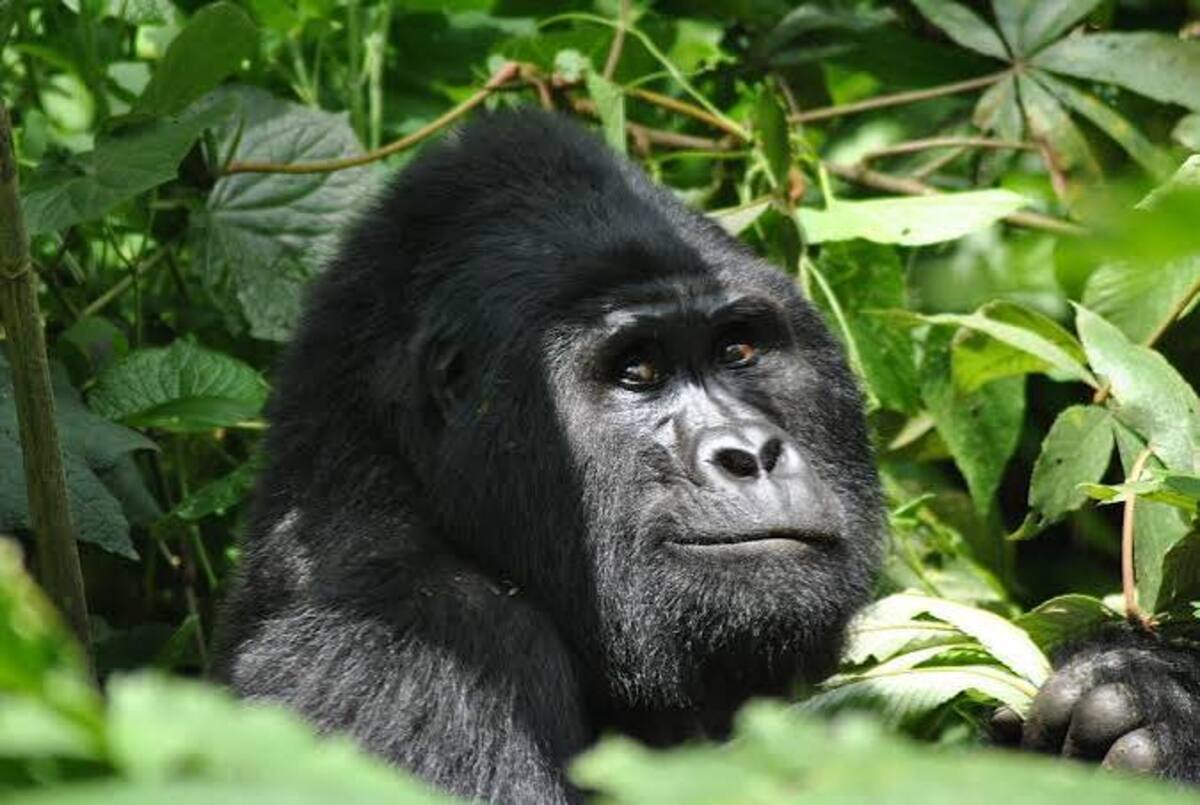
Unlike gorilla trekking, the cruise involves very little walking.
Essential Items
Bring:
- Binoculars
- Camera with spare batteries
- Memory cards
- Sunglasses
- Sunscreen
- Insect repellent
- Refillable water bottle
- Wide-brimmed hat although there is shade on the boat as well
If you are travelling with expensive camera equipment, a dry bag offers additional protection from occasional spray.
Photography Tips
The Kazinga Channel is particularly rewarding for wildlife photography because the boat often approaches animals at eye level.
A few practical tips can improve your results:
- A zoom lens between 200 mm and 400 mm provides flexibility without requiring extreme magnification.
- Keep your camera ready rather than packed away.
- Use a fast shutter speed for birds in flight.
- Avoid standing suddenly, as this may disturb other passengers.
- Morning and late afternoon generally provide softer light than midday.
Remember that wildlife photography is unpredictable. Some of the best images come from observing patiently rather than continuously taking photographs.
Accessibility and Visitor Comfort
Compared with activities such as gorilla trekking or mountain hiking, the Kazinga Boat Cruise is suitable for a wide range of travelers.
Many older visitors appreciate that it requires minimal physical effort.
Families with children often find it easier than extended game drives because there is more room to move around on board.
Visitors with reduced mobility should discuss accessibility requirements with their safari operator before travelling, as boarding arrangements may vary depending on water levels and boat type.
Responsible Tourism on the Channel
Responsible wildlife viewing benefits both visitors and conservation.
Good safari operators follow established guidelines designed to minimize disturbance.
Visitors can contribute by:
- Remaining seated unless advised otherwise.
- Keeping noise to a minimum near wildlife.
- Avoiding litter.
- Never feeding animals.
- Following instructions from guides and boat crew.
- Respecting photography rules where local communities are visible.
Tourism plays an important role in supporting conservation and creating employment for communities living near the park.
Choosing operators who employ local guides and support conservation initiatives helps ensure these landscapes remain protected.
Common Mistakes First-Time Visitors Make
Many travelers enjoy the cruise even more when they avoid a few common oversights.
- Assuming every cruise produces identical wildlife sightings.
- Booking during peak season without reserving a boat in advance.
- Forgetting binoculars.
- Wearing bright clothing that reflects strongly in photographs.
- Spending the entire cruise looking through a camera instead of observing the surroundings.
- Underestimating the strength of the equatorial sun.
Wildlife changes daily, and that’s part of what makes every cruise different.
Frequently Asked Questions
Will I definitely see wildlife?
No. Wildlife is free-ranging, and sightings can never be guaranteed.
However, the Kazinga Channel is one of the most reliable places in Uganda for observing hippos, buffalo, elephants, crocodiles, and water birds.
Is the boat cruise suitable for children?
Yes, Children generally enjoy the relaxed pace and frequent wildlife sightings, although younger children should always remain supervised while on board.
How physically demanding is the cruise?
Very little physical fitness is required.
Most visitors simply board the boat and remain seated or move around the deck as permitted.
Are life jackets provided?
Yes! Passengers are provided with safety equipment before departure and receive a short briefing from the crew.
Can I use my phone for photography?
Absolutely, Modern smartphones can capture excellent landscape photographs, while cameras with zoom lenses are more suitable for distant wildlife.
Are there toilets at the departure point?
Yes, Basic visitor facilities are available near the jetty before boarding.
Facilities on the boat itself vary depending on the vessel being used.
Should I tip the guide?
Tipping is appreciated but not compulsory.
If you have enjoyed the experience, a modest gratuity is a common way to thank guides and boat crew for their knowledge and service.
Is the cruise safe?
Yes, Licensed operators follow Uganda Wildlife Authority safety regulations, and passengers receive safety instructions before departure.
As with any wildlife activity, following guide instructions is essential.
Final Thoughts
The Kazinga Boat Cruise isn’t designed around dramatic chases or guaranteed encounters with predators. Its appeal lies elsewhere.
It offers time to observe. Time to notice the relationships between water, wildlife, birds, and the surrounding landscape. Instead of covering long distances in search of animals, the experience unfolds gradually as the boat follows one of the park’s most important waterways.
For many visitors, the memories that linger aren’t necessarily the rarest sightings but the quieter moments: watching elephants pause at the shoreline, listening to the calls of fish eagles across the water, or seeing hippos surface only a few metres from the boat.
Combined with game drives, chimpanzee tracking in nearby forests, or gorilla trekking elsewhere in Uganda, the cruise adds another dimension to understanding the country’s remarkable diversity of wildlife and habitats.
If you are planning a safari and would like advice on when to visit, where to stay, or how to combine Queen Elizabeth National Park with other destinations, the team at Naseeb Safaris can help you design an itinerary that matches your interests, travel style, and schedule. Thoughtful planning often makes the difference between simply visiting a destination and experiencing it well.