
Queen Elizabeth National Park Uganda – Safari Guide
Queen Elizabeth National Park Uganda – Safari Guide, Few places in Uganda offer such a wide variety of wildlife experiences within a single protected area as Queen Elizabeth National Park. A morning may begin scanning open grasslands for lions, continue with elephants gathering along a busy waterway, and end overlooking volcanic crater salty lakes as the Rwenzori Mountains fade into the evening light.
Covering about 1,978 square kilometres in western Uganda, the park is known not because it specializes in one attraction, but because it brings together many of the country’s best safari experiences. Visitors can combine classic game drives, boat safaris, chimpanzee tracking, birdwatching, scenic crater lakes, guided nature walks, and community experiences without spending days travelling between destinations.
For first-time visitors to Uganda, it often provides the country’s most complete safari experience. For returning travellers, its changing landscapes, seasonal wildlife movements, and variety of activities make every visit feel different.
Whether you are planning a wildlife-focused holiday, combining gorilla trekking with a traditional safari, or simply deciding which Ugandan national parks deserve a place on your itinerary, this guide will help you understand what to expect and how to plan a rewarding visit.
Why Visit Queen Elizabeth National Park?
Uganda has several outstanding national parks, each with its own character. Bwindi is famous for mountain gorillas, Kibale for chimpanzees, and Murchison Falls for its powerful waterfall and river wildlife. Queen Elizabeth National Park stands apart because it combines so many different experiences within one destination.
Rather than focusing on a single highlight, the park offers a varied safari that changes from one region to another. Open savannah gives way to wetlands, tropical forest, volcanic craters, and lakes, creating habitats that support an exceptional range of wildlife.
Visitors can experience:
- Morning and evening game drives
- Boat cruises on the Kazinga Channel
- Tree-climbing lions in the Ishasha sector
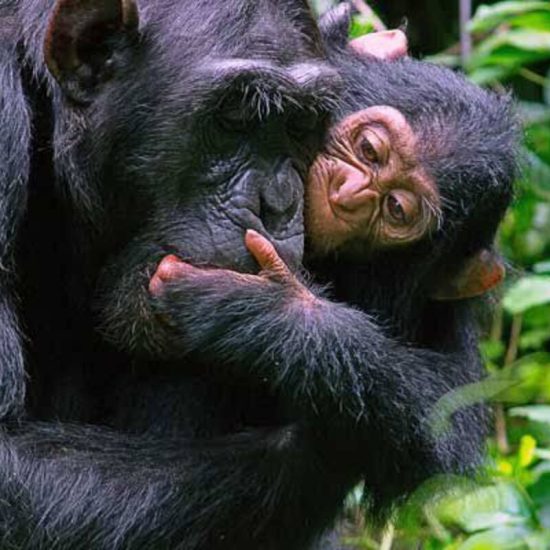
- Chimpanzee tracking in Kyambura Gorge
- Guided birdwatching excursions
- Scenic crater lake drives
- Community and cultural tours
- Nature walks in selected areas
- Wildlife photography opportunities throughout the year
Because these activities are spread across different ecosystems, even a stay of several days rarely feels repetitive.
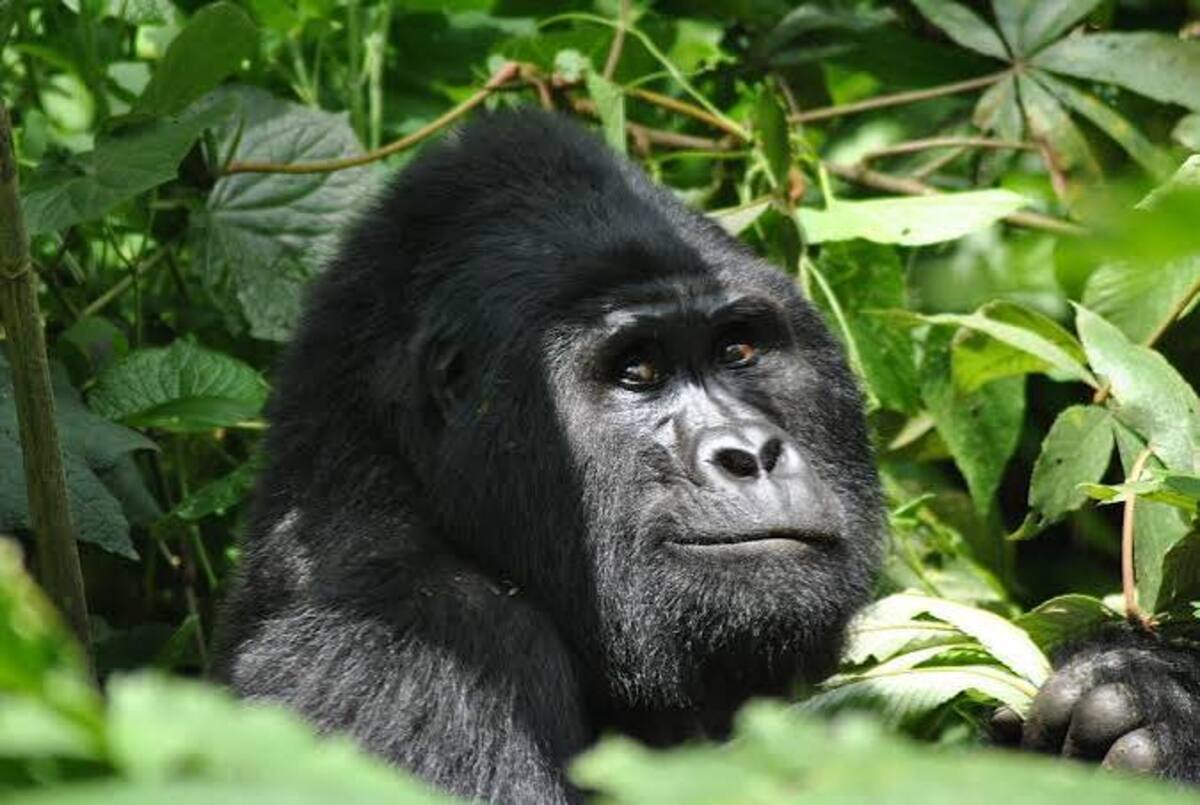
For travellers combining destinations, the park also fits naturally into many western Uganda circuits, linking easily with gorilla trekking in Bwindi Impenetrable National Park or chimpanzee tracking in Kibale National Park.
Where Is Queen Elizabeth National Park?
Queen Elizabeth National Park lies in western Uganda, approximately 400 kilometres (250 miles) from Kampala and around six to seven hours by road, depending on traffic, road conditions, and the number of planned stops.
The protected area spans nearly 1,978 square kilometres, stretching across the districts of Kasese, Rubirizi, Kamwenge, and Rukungiri. It forms the heart of the wider Queen Elizabeth Conservation Area, one of Uganda’s most important wildlife landscapes.
Its location makes it one of the country’s easiest parks to include in a longer safari itinerary. Many visitors travel here before or after visiting:
- Bwindi Impenetrable National Park
- Kibale National Park
- Lake Mburo National Park
- Semuliki National Park
- Rwenzori Mountains National Park
This flexibility is one reason the park is especially popular with travellers who want to combine gorilla trekking with a traditional wildlife safari.
Getting Around the Park
The park covers a large area, and its main attractions are spread across several sectors. Travelling between them can take longer than many first-time visitors expect.
For example:
- Kasenyi Plains and Mweya are ideal for game drives.
- Kazinga Channel is the centre for boat safaris.
- Ishasha lies several hours south and is known for tree-climbing lions.
- Kyambura Gorge is located in the eastern section of the park.
Choosing accommodation close to the activities you plan to prioritise can reduce driving time and make your itinerary more relaxed.
A Brief History of the Park
The protected area was established in 1952 as Kazinga National Park before being renamed Queen Elizabeth National Park in 1954 to commemorate the visit of Queen Elizabeth II.
Since then, it has become one of Uganda’s flagship conservation areas, protecting an extraordinary range of ecosystems found within the western branch of the East African Rift Valley.
Today, management is led by the Uganda Wildlife Authority in collaboration with conservation organisations, researchers, tourism partners, and neighbouring communities. Tourism revenue plays an important role in supporting wildlife protection while also contributing to local livelihoods through employment, community projects, and conservation initiatives.
The park remains one of Uganda’s most significant protected landscapes, balancing wildlife conservation with sustainable tourism and community involvement.
Landscapes That Constantly Change
One of the first things many visitors notice is how quickly the scenery changes as they travel through the park.
Instead of a single landscape, Queen Elizabeth National Park is a mosaic of habitats, each supporting different wildlife species.
Open Savannah
The Kasenyi Plains are among the park’s best-known wildlife viewing areas.
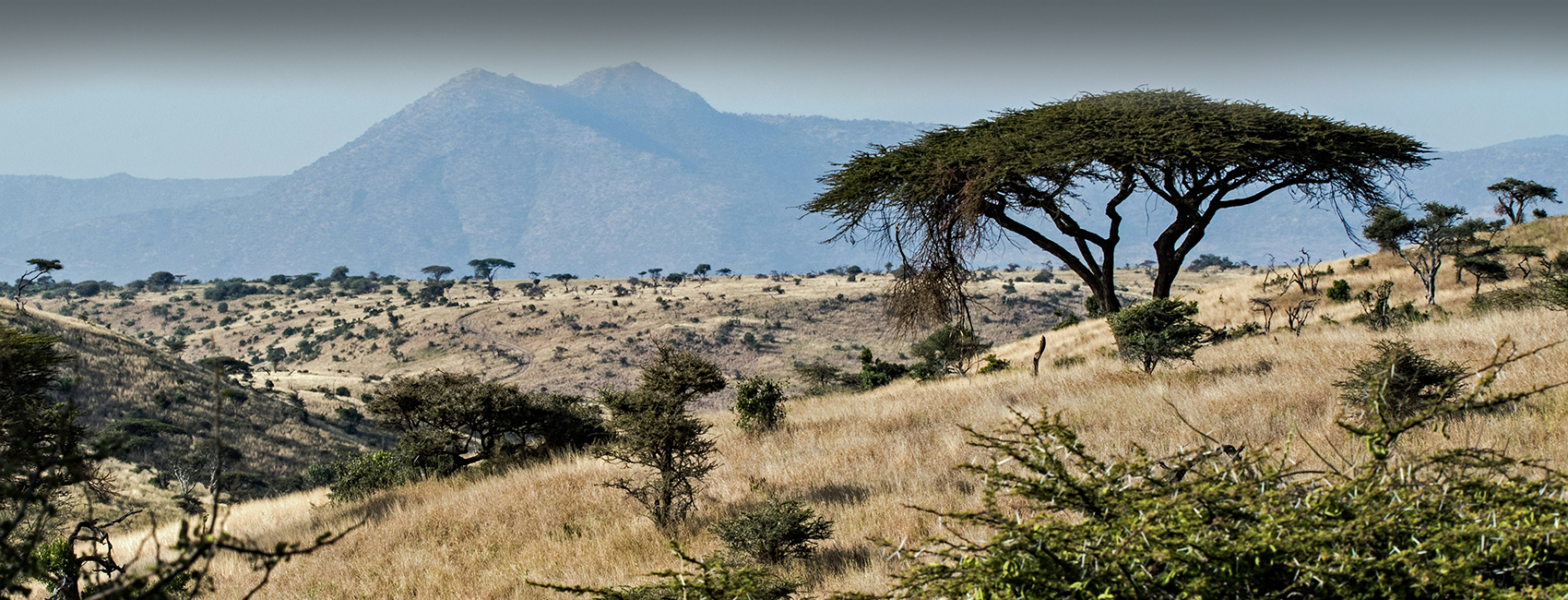
Wide grasslands dotted with acacia trees provide excellent grazing for Uganda kob, buffalo, and elephants. Where prey animals gather, predators often follow, making this one of the most reliable areas for lion sightings.
During the dry season, shorter grass can make wildlife easier to spot, while the rainy months transform the plains into vibrant green landscapes.
The Kazinga Channel
Running for approximately 32 kilometres (20 miles), the Kazinga Channel connects Lake George and Lake Edward.
Its permanent water attracts wildlife throughout the year, making it one of the busiest natural gathering places in the park.
Elephants, buffalo, crocodiles, hippos, and countless bird species regularly visit its shores, which is why boat safaris here consistently rank among visitors’ favourite activities.
Kyambura Gorge
From above, Kyambura Gorge appears as a deep green ribbon cutting through otherwise open savannah.
Descending into the gorge feels like entering a completely different ecosystem. Temperatures cool, dense forest replaces grassland, and the sounds of birds and primates echo beneath towering trees.
This isolated rainforest is home to a small population of wild chimpanzees, along with several monkey species and a rich variety of forest birds.
Volcanic Crater Lakes
Scattered throughout the northern section of the park are dozens of ancient crater lakes formed by volcanic activity associated with the Albertine Rift.
Some are surrounded by lush vegetation, while others are bordered by steep crater walls that provide panoramic viewpoints over the surrounding countryside.
Many travellers include a crater lake drive between safari activities, particularly photographers looking for landscapes that contrast with the open savannah.
Wetlands and Woodlands
Seasonal wetlands, riverine forests, papyrus swamps, and woodland habitats further increase the ecological diversity of the park.
These areas provide breeding grounds for birds, shelter for reptiles, and important feeding habitat for mammals throughout the year.
Together, these varied landscapes explain why the wildlife experience changes noticeably from one region of the park to another.
Wildlife in Queen Elizabeth National Park
The park is home to one of Uganda’s richest collections of wildlife, with more than 95 recorded mammal species and over 600 bird species.
That diversity means every game drive is different. Some mornings may revolve around predator sightings, while others focus on elephants, birds, or the smaller details that often make a safari memorable.
Wildlife sightings are never guaranteed, and experienced guides will usually explain that successful safaris depend on patience, timing, weather, and a little luck. Even so, Queen Elizabeth National Park consistently ranks among Uganda’s best destinations for general wildlife viewing.
African Savanna Elephants
African elephants are regularly seen across much of the park, particularly near the Kazinga Channel and Kasenyi Plains.
Family groups often spend hours feeding on grasses and shrubs before making their way to water. Watching calves interact with older members of the herd offers an insight into the strong social bonds that characterise elephant families.
African Cape Buffalo
Buffalo are among the easiest large mammals to spot here.
They frequently gather in sizeable herds around water sources and open grazing areas, sometimes sharing the landscape with elephants, kob, and warthogs.
Because buffalo are powerful and unpredictable animals, vehicles always maintain a respectful distance.
Uganda Kob
The graceful Uganda kob is one of the country’s best-known antelope species and appears throughout the park’s grasslands.
These antelope are an important part of the ecosystem, serving as one of the primary prey species for lions.
Large gatherings of kob often indicate productive areas for predator sightings.
Lions
Queen Elizabeth National Park supports several lion prides spread across different sectors.
Early morning game drives generally offer the best chance of seeing lions before daytime temperatures rise. Depending on the season, they may be found resting beneath acacia trees, walking through open grassland, or watching nearby herds from shaded cover.
While sightings are common, they can never be guaranteed, and guides may spend time following fresh tracks or listening for alarm calls from other animals.
Leopards
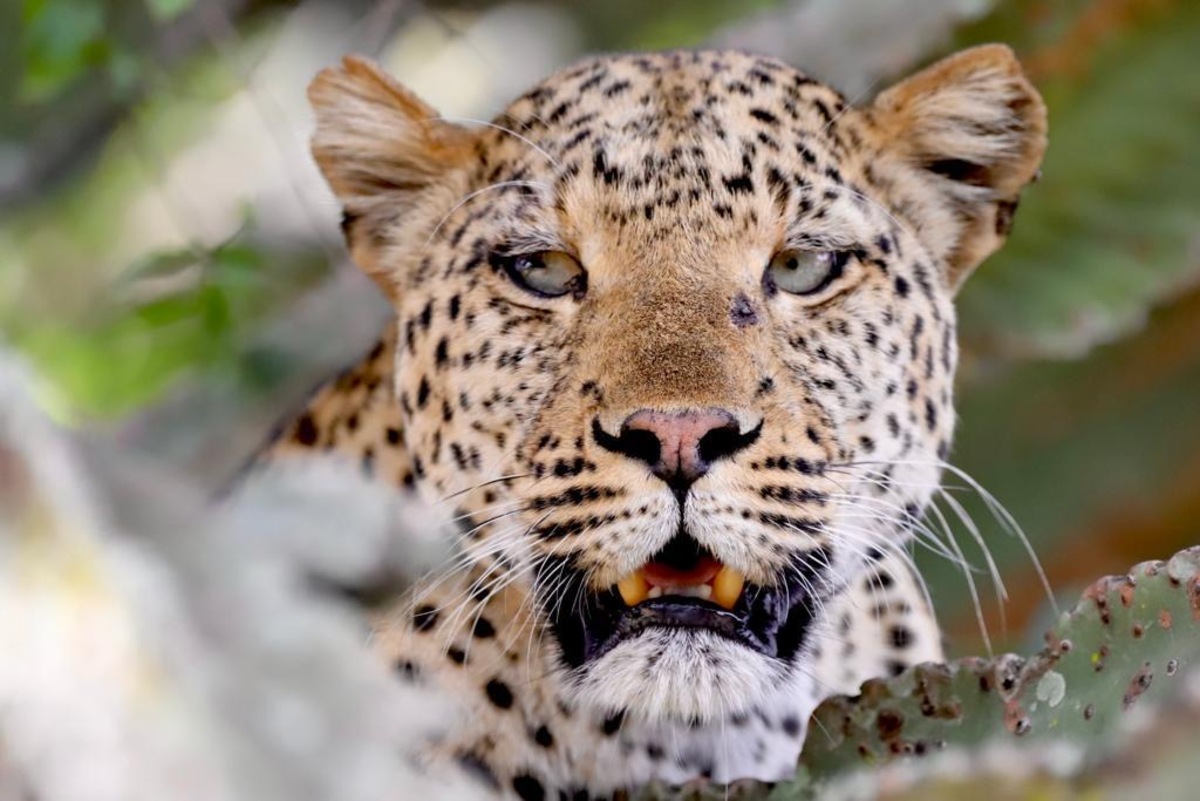
Leopards are present throughout the park but are naturally elusive.
Most sightings occur during dawn or dusk when these solitary cats become more active.
Seeing one requires patience and good timing, making every encounter particularly rewarding.
Hippopotamuses
The Kazinga Channel supports one of Africa’s highest concentrations of hippos.
During daylight hours they remain mostly submerged to stay cool before emerging after dark to graze across the surrounding grasslands.
Boat cruises provide particularly good opportunities to observe their behaviour from a safe distance.
Nile Crocodiles
Large crocodiles regularly bask along the muddy banks of the Kazinga Channel.
Although they often appear motionless, these reptiles are powerful predators perfectly adapted to hunting along the water’s edge.
Other Mammals You May Encounter
Depending on the area you visit, guides may also spot:
- Warthogs
- Waterbucks
- Bushbucks
- Topi
- Giant forest hogs
- Spotted hyenas
- Olive baboons
- Vervet monkeys
- Monitor lizards
- Mongooses
Each drive brings different opportunities, which is why many travellers choose to spend at least two or three nights in the park rather than trying to see everything in a single day.
The Tree-Climbing Lions of Ishasha
Among the park’s most famous residents are the tree-climbing lions of the Ishasha sector.
Although lions are capable climbers, spending extended periods resting in trees is uncommon. Ishasha is one of only a handful of places in Africa where this behaviour was first and regularly observed.
Large fig trees scattered across the southern savannah often provide elevated resting places where lions can escape ground-level heat, avoid biting insects, or gain a better view of the surrounding landscape. Researchers continue to study the exact reasons, and it is likely that several factors contribute rather than a single explanation.
Because these lions move freely across their territory, finding them can take time. Guides usually search known resting trees while watching for fresh tracks and recent sightings shared by other rangers.
When sightings do happen, visitors often spend time quietly observing rather than rushing on. Seeing a fully grown lion stretched across a thick tree branch is an unusual scene and one of the park’s defining wildlife experiences.
Tips for Seeing the Tree-Climbing Lions
- Allow at least one night in the Ishasha sector rather than visiting on a tight schedule.
- Early morning and late afternoon often provide the best viewing conditions.
- Carry binoculars, as lions may rest high in the canopy.
- A telephoto lens of 200–400 mm is useful for photography.
- Remember that sightings depend on wildlife movements and cannot be guaranteed.
The Kazinga Channel Boat Cruise: A Different Perspective on the Park
Ask travellers what surprised them most about their visit, and many will mention the boat cruise along the Kazinga Channel. While game drives showcase the park’s wide-open landscapes, the channel offers an intimate view of wildlife gathered at one of the region’s most important water sources.
Stretching for approximately 32 kilometres (20 miles), the Kazinga Channel links Lake George and Lake Edward. It supplies fresh water throughout the year, drawing animals from across the surrounding savannah and making it one of the busiest wildlife corridors in Uganda.
Unlike a game drive, where animals may be some distance from the road, a boat allows you to observe wildlife from water level. Hippos surface just metres away, elephants wander down to drink, crocodiles warm themselves on muddy banks, and birds feed along the shoreline with little disturbance.
For photographers and wildlife enthusiasts alike, this change in perspective often reveals behaviours that are difficult to witness from a vehicle.
What Wildlife Can You See on the Boat Cruise?
Every trip is different, but sightings are typically frequent because wildlife depends on the channel throughout the year.
Hippos
The Kazinga Channel supports one of Africa’s densest populations of hippopotamuses.
Large pods spend most daylight hours partially submerged, where the water helps regulate their body temperature. Calves remain close to their mothers, while dominant males defend their territories with loud calls and dramatic displays.
Seeing dozens—or even hundreds—of hippos during a single cruise is not unusual.
Nile Crocodiles
The muddy banks provide ideal basking sites for Nile crocodiles.
Some individuals grow to impressive sizes, remaining perfectly still until subtle movements reveal they are watching everything around them. Guides often point out nesting areas and explain the crocodile’s role within the ecosystem.
Elephants
During warmer parts of the day, elephant families frequently visit the water to drink, cool themselves, or bathe.
Watching calves play in the shallows while adults spray water across their backs offers a different perspective from sightings during game drives.
Buffalo
Large herds often graze on the lush vegetation surrounding the channel.
Because the grasses remain green longer than those found elsewhere in the park, buffalo continue returning here even during drier months.
Waterbirds
Birdwatchers rarely leave disappointed.
The shoreline supports an impressive variety of species, including:
- African fish eagle
- Pied kingfisher
- Black headed gonolek
- Malachite kingfisher
- Great white pelican
- Pink-backed pelican
- Saddle-billed stork
- Yellow-billed stork
- African jacana
- Goliath heron
- Sacred ibis
- Cormorants
- Egrets
Even visitors with little interest in birding often find themselves captivated by the constant activity along the water.
Is the Boat Cruise Worth It?
For most visitors, yes.
Rather than replacing a game drive, the boat cruise complements it by revealing different species, behaviours, and habitats. Many animals become more relaxed around water, making it easier to observe natural interactions.
The cruise is also one of the most accessible activities in the park, requiring very little physical effort and making it suitable for travellers of varying ages and mobility levels.
Photography Tips for the Boat Cruise
Photographing wildlife from a moving boat presents different opportunities from photographing in a vehicle.
For the best results:
- Use a shutter speed fast enough to compensate for boat movement.
- Bring a zoom lens between 200 mm and 400 mm if possible.
- Keep lens changes to a minimum to avoid exposing camera equipment to spray or dust.
- Polarising filters can help reduce glare from the water.
- Morning and late afternoon cruises often provide softer natural light.
Sometimes the strongest images are not close-up portraits but wider scenes showing animals interacting with the landscape.
Chimpanzee Tracking in Kyambura Gorge
Many visitors associate Queen Elizabeth National Park with open savannah, making Kyambura Gorge one of its biggest surprises.
Hidden beneath the surrounding grasslands, this steep forested valley shelters a small population of wild chimpanzees along with several other primate species.
From the edge of the gorge, the contrast is striking. Above lies dry savannah stretching towards the horizon. Below, dense tropical forest fills the valley floor, creating a cool, shaded environment unlike anywhere else in the park.
This dramatic change in scenery is part of what makes tracking here so memorable.
What Is Chimpanzee Tracking Like?
Tracking begins with a briefing from Uganda Wildlife Authority rangers before groups enter the forest accompanied by experienced guides.
Unlike game drives, chimpanzee tracking involves walking over uneven ground, sometimes across steep or muddy trails. The pace varies depending on where the chimpanzees were last located and how far they have travelled that day.
Along the way, guides interpret signs of forest life, including:
- Fresh feeding remains
- Vocalisations
- Nests built the previous evening
- Footprints and other animal tracks
- Native trees and medicinal plants
Finding the chimpanzees can take time, and there are days when they remain difficult to locate. Visitors should approach the experience as a guided forest walk rather than expecting guaranteed sightings.
How Difficult Is the Trek?
Compared with gorilla trekking, chimpanzee tracking in Kyambura is generally shorter but can still be physically demanding because of the steep descent into and climb out of the gorge.
A reasonable level of fitness is recommended.
Sturdy hiking boots with good grip are particularly helpful after rain, when sections of the trail may become slippery.
Other Primates You May See
Even if chimpanzees remain elusive, the forest supports several other primate species.
These commonly include:
- Black-and-white colobus monkeys
- Red-tailed monkeys
- Olive baboons
- Vervet monkeys
Combined with colourful butterflies, forest birds, and towering trees, the walk remains rewarding regardless of wildlife sightings.
Birdwatching in Queen Elizabeth National Park
With more than 600 recorded bird species, Queen Elizabeth National Park is one of Africa’s premier birding destinations.
Its remarkable diversity comes from the variety of habitats packed into a relatively compact area. Wetlands, papyrus swamps, forests, grasslands, crater lakes, and open savannah all attract different bird communities.
For experienced birders, the park offers the chance to search for Albertine Rift endemics and wetland specialists. For casual visitors, simply watching fish eagles, kingfishers, and colourful bee-eaters often becomes an unexpected highlight of the safari.
Birds to Look Out For
Some of the park’s best-known species include:
Shoebill
Although sightings are uncommon and never guaranteed, the prehistoric-looking shoebill occasionally appears in wetland areas around the park.
Many dedicated birdwatchers include additional excursions specifically to improve their chances of finding this remarkable species.
African Fish Eagle
Its distinctive call has become one of Africa’s iconic safari sounds.
Often seen perched above the Kazinga Channel, the fish eagle scans the water before diving with impressive precision.
Grey Crowned Crane
Uganda’s national bird is regularly seen in grasslands and wetlands.
Its elegant golden crest makes it one of the easiest birds to recognise during a safari.
Martial Eagle
Africa’s largest eagle is occasionally spotted soaring above the plains or perched in tall trees overlooking open country.
Flamingos
Depending on seasonal water conditions, flocks of flamingos sometimes gather around selected crater salty lakes, creating striking contrasts against the volcanic landscape.
Other Frequently Seen Birds
Visitors regularly encounter:
- Bee-eaters
- Rollers
- Hornbills
- Kingfishers
- Sunbirds
- Weavers
- Herons
- Storks
- Plovers
- Lapwings
- Falcons
- Vultures
Even travellers without specialist birding knowledge often leave surprised by the variety they have seen.
Exploring the Crater Lakes
Away from the wildlife-rich plains lies one of western Uganda’s most scenic landscapes.
The crater region contains dozens of lakes formed by volcanic activity thousands of years ago, creating a patchwork of deep blue water, forested hillsides, farmland, and tea plantations.
Unlike game drives, a crater lake excursion focuses on scenery rather than wildlife, making it an excellent way to slow the pace of a safari.
Several viewpoints offer sweeping panoramas across the Albertine Rift Valley, particularly during clear mornings and late afternoons when the light is softer.
Some lakes contain fresh water, while others are highly saline, supporting different plant and animal communities.
Lake Katwe and Traditional Salt Mining
Among the crater lakes, Lake Katwe stands out for its long history of salt production.
For centuries, local communities have extracted salt using traditional techniques that remain an important source of income today.
A guided community visit provides insight into:
- Traditional salt harvesting methods
- The history of salt trading in western Uganda
- Daily life for mining families
- Challenges of working in highly saline conditions
- The relationship between conservation and local livelihoods
Rather than simply observing the landscape, visitors gain a better understanding of how people have lived alongside this protected area for generations.
Community visits also provide opportunities to support locally led tourism initiatives that directly benefit residents.
Best Time to Visit Queen Elizabeth National Park
The park can be visited throughout the year, but the experience varies slightly with the seasons.
There is no single “perfect” time to visit. Instead, the best months depend on the activities you hope to prioritise.
Dry Season (June to September and December to February)
These months are generally considered the easiest for wildlife viewing.
Expect:
- Shorter grass that improves visibility
- Wildlife gathering around permanent water sources
- Better road conditions
- Comfortable temperatures for outdoor activities
- Clearer conditions for photography
These are also among the busiest travel periods, particularly when combined with gorilla trekking.
Booking accommodation several months in advance is recommended during peak seasons.
Wet Season (March to May and October to November)
Rain transforms the landscape into vibrant shades of green.
Although showers can occur, they are often followed by sunshine rather than continuous rainfall.
Advantages include:
- Fewer safari vehicles
- Excellent birdwatching
- Beautiful green scenery
- Dramatic skies for landscape photography
- Greater accommodation availability
Road conditions can become muddy in some areas, so travellers should allow additional flexibility in their itinerary.
Seasonal Wildlife Behaviour
Wildlife remains present throughout the year, but seasonal conditions influence where animals spend their time.
During the Dry Season
Water becomes increasingly important.
Many mammals concentrate around permanent rivers, lakes, and the Kazinga Channel, making wildlife encounters more predictable.
Dust in the air can also create beautiful sunrise and sunset photography.
During the Rainy Season
Fresh vegetation spreads across the plains.
This often leads to:
- Young antelope appearing after breeding seasons
- Increased bird activity
- Greater insect diversity
- Greener landscapes
- Seasonal migrant birds in some habitats
Although wildlife may spread across a wider area, the scenery itself becomes one of the highlights.
Practical Photography Tips
Queen Elizabeth National Park rewards patience more than expensive camera equipment.
Some of the most memorable photographs capture behaviour rather than close-ups.
A few practical suggestions:
- Carry binoculars even if you have a telephoto lens.
- Keep your camera easily accessible during game drives.
- Pack spare batteries and memory cards.
- A beanbag provides stable support inside safari vehicles.
- Photograph during the first and last two hours of daylight whenever possible.
- Include landscapes as well as wildlife to tell a fuller story of the safari.
Don’t overlook quieter moments. A lone elephant beneath distant mountains, reflections on the Kazinga Channel, or birds gathering at sunrise often create photographs that capture the atmosphere of the park as much as its wildlife.
Where to Stay in Queen Elizabeth National Park
Choosing the right accommodation can shape your experience just as much as the activities you book. The park is spread across several distinct regions, so staying close to the experiences you value most can reduce travel time and allow for earlier starts.
For example:
- Mweya Peninsula is a convenient base for the Kazinga Channel boat cruise and game drives in the northern sector.
- Kasenyi suits travellers who want to maximise early morning wildlife viewing.
- Ishasha is the best choice if seeing the tree-climbing lions is a priority.
- Kyambura offers easy access to chimpanzee tracking and scenic viewpoints overlooking the gorge.
Rather than moving every night, many visitors choose to spend two or three nights in one area before continuing to the next destination on their Uganda safari.
Luxury Lodges
Luxury properties combine comfortable accommodation with exceptional settings, often overlooking the Kazinga Channel, Lake Edward, or open grasslands.
Many offer:
- Spacious rooms or private cottages
- En-suite bathrooms
- Swimming pools
- Fine dining
- Guided safari activities
- Sundowner experiences
- Wildlife viewing from the lodge grounds
These lodges are well suited to honeymooners, photographers, and travellers celebrating a special occasion.
Mid-Range Lodges
Mid-range accommodation provides a balance between comfort and value.
Most include:
- Private en-suite rooms
- Restaurant and bar facilities
- Reliable electricity
- Hot showers
- Comfortable communal areas
- Convenient access to park activities
This category is popular with couples, families, and small groups looking for a comfortable safari without the cost of luxury accommodation.
Budget Accommodation
Travellers on tighter budgets will still find several practical options around the park.
Budget camps, guesthouses, and safari camps generally offer clean rooms, friendly hospitality, and easy access to wildlife activities. While facilities are simpler, they provide an affordable way to experience one of Uganda’s best safari destinations.
If you’re combining Queen Elizabeth National Park with gorilla trekking or chimpanzee tracking elsewhere in Uganda, choosing budget accommodation here can help balance your overall travel costs.
How to Get to Queen Elizabeth National Park
By Road
Most visitors travel by road from Kampala or Entebbe, a journey that typically takes six to seven hours, depending on traffic, weather, and planned stops.
The drive itself is an enjoyable introduction to western Uganda. Along the way you will pass trading centres, tea estates, banana plantations, rolling hills, and rural communities, with several viewpoints worth stopping for.
Many safari itineraries include a short break at the Equator crossing for photographs and refreshments before continuing west.
Road conditions on the main highways are generally good, although some roads inside the park may become rough or muddy after heavy rainfall. A 4×4 safari vehicle is recommended year-round.
By Domestic Flight
Travellers with limited time may prefer to fly from Entebbe International Airport to nearby airstrips such as Kihihi or Kasese.
Scheduled domestic flights significantly reduce travel time and are particularly useful for visitors combining several parks within a shorter itinerary.
Although flying costs are more than travelling by road, it allows more time for wildlife activities and less time in transit.
Can You Combine Queen Elizabeth National Park with Gorilla Trekking?
Yes! and many visitors do.
The park’s location makes it one of the easiest safari destinations to combine with Bwindi Impenetrable National Park, where mountain gorilla trekking takes place.
A popular itinerary includes:
- Wildlife viewing in Queen Elizabeth National Park
- Boat cruise on the Kazinga Channel
- Tree-climbing lions in Ishasha
- Gorilla trekking in Bwindi
This combination allows travellers to experience two very different sides of Uganda: classic savannah wildlife and mountain rainforest.
What to Pack for Your Safari
Packing for Queen Elizabeth National Park is straightforward, but bringing the right clothing and equipment will make your trip more comfortable.
Clothing
Choose lightweight clothing in neutral colours such as khaki, olive, beige, or brown.
Pack:
- Lightweight long-sleeved shirts
- Comfortable trousers
- T-shirts for warm afternoons
- A fleece or light jumper for early mornings
- A waterproof jacket during the rainy seasons
- Comfortable clothes for relaxing at your lodge
Bright colours aren’t prohibited, but muted tones are generally more practical for safari activities.
Footwear
Comfortable walking shoes are sufficient for most visitors.
If you plan to join chimpanzee tracking in Kyambura Gorge or nature walks, sturdy hiking boots with good grip are recommended.
Essential Safari Gear
Don’t forget:
- Binoculars
- Camera and charger
- Spare batteries
- Extra memory cards
- Sunscreen
- Sunglasses
- Wide-brimmed hat
- Insect repellent
- Personal medications
- Reusable water bottle
- Small daypack
Binoculars are often one of the most valuable items you can bring, particularly for birdwatching and spotting wildlife at a distance.
Park Entry Fees and Other Costs
Park entry fees are charged by the Uganda Wildlife Authority and are separate from accommodation and most safari activities.
Additional costs may include:
- Kazinga Channel boat cruise
- Chimpanzee tracking permit in Kyambura Gorge
- Guided nature walks
- Community and cultural experiences
- Private safari vehicle or guide services
Fees are reviewed periodically, so it’s always worth checking the latest prices before travelling or confirming them with your safari operator.
Booking activities in advance is especially important during the peak travel seasons from June to September and December to February.
Safety in Queen Elizabeth National Park
For most visitors, the park is a safe destination when travelling with experienced guides and following park regulations.
Wild animals roam freely, so safety depends on respecting both wildlife and your guide’s instructions.
A few simple guidelines include:
- Stay inside your vehicle unless your guide advises otherwise.
- Never approach or feed wild animals.
- Keep noise to a minimum during wildlife encounters.
- Follow ranger instructions during guided walks.
- Store valuables securely at your accommodation.
- Carry drinking water during outdoor activities.
If you are taking part in chimpanzee tracking, listen carefully during the pre-trek briefing and maintain the recommended distance from wildlife.
Responsible Tourism
Every park entrance fee and guided activity contributes to the long-term protection of wildlife and supports conservation efforts across Uganda.
Tourism helps fund:
- Ranger patrols
- Wildlife monitoring
- Anti-poaching initiatives
- Scientific research
- Habitat management
- Community conservation programmes
Visitors also play an important role.
You can help by:
- Staying on designated roads and trails
- Avoiding single-use plastics where possible
- Taking all litter with you
- Respecting wildlife viewing distances
- Supporting locally owned businesses and community tourism projects
Responsible travel not only protects wildlife but also ensures that tourism continues to benefit people living alongside the park.
Cultural Experiences Around the Park
Although wildlife is the main attraction, spending time with local communities offers valuable insight into everyday life in western Uganda.
Several community-led experiences are available around the park, including:
- Traditional dance and music performances
- Craft workshops
- Coffee farm visits
- Banana beer brewing demonstrations
- Guided visits to fishing communities on Lake Edward
- Tours of the historic salt works at Lake Katwe
These activities create opportunities to learn about local traditions while supporting community tourism initiatives.
For many travellers, these encounters provide a broader understanding of the relationship between conservation, tourism, and local livelihoods.
Frequently Asked Questions
Is Queen Elizabeth National Park suitable for first-time safari travellers?
Yes. Its combination of varied wildlife, good road access, diverse activities, and accommodation for different budgets makes it one of Uganda’s best introductions to safari travel.
How many days should I spend in the park?
Two to three nights is enough to enjoy game drives and a Kazinga Channel boat cruise.
If you also plan to visit Ishasha, track chimpanzees in Kyambura Gorge, or explore the crater lakes, four or more nights will allow for a more relaxed itinerary.
Will I definitely see lions?
No.
Lion sightings are common, but wildlife is free-ranging and no sightings can ever be guaranteed. Spending more time in the park generally improves your chances.
Are the tree-climbing lions guaranteed?
No.
Although Ishasha is one of the best places in Africa to observe this behaviour, the lions move freely and may not always be in the trees when you visit.
Is the Kazinga Channel boat cruise suitable for children?
Generally, yes.
Families often find the boat cruise one of the most enjoyable activities because wildlife can be observed without long periods of driving.
How fit do I need to be for chimpanzee tracking?
A moderate level of fitness is recommended.
The descent into Kyambura Gorge and the return climb can be steep, particularly after rain.
What happens if it rains?
Rain rarely stops safari activities altogether.
Game drives, boat cruises, and guided walks usually continue unless conditions become unsafe. Waterproof clothing and footwear are useful during the wetter months.
Can I use a drone in the park?
No.
Drone use is generally prohibited unless special permission has been obtained from the relevant authorities.
Is tipping expected?
Tipping is appreciated but not compulsory.
Many visitors choose to tip safari guides, lodge staff, boat crews, and porters in recognition of good service. Carrying some cash in small denominations is helpful.
Is mobile phone coverage available?
Coverage is available in many parts of the park and around most lodges, although signal strength varies depending on your location.
Final Thoughts
Queen Elizabeth National Park offers far more than a traditional game drive.
Its changing landscapes, abundant wildlife, rich birdlife, volcanic crater lakes, forested gorges, and cultural experiences combine to create one of Uganda’s most rewarding safari destinations.
Rather than trying to compete with East Africa’s larger parks, it offers something different: variety. Within a single journey, you can cruise alongside hippos, search for lions across open plains, descend into a rainforest in search of chimpanzees, and end the day watching the sun set over the Rift Valley.
That diversity is what keeps many travellers returning—and why the park remains an essential stop on so many Uganda safari itineraries.
Plan Your Safari with Naseeb Safaris
Every traveller has different interests, travel styles, and time available.
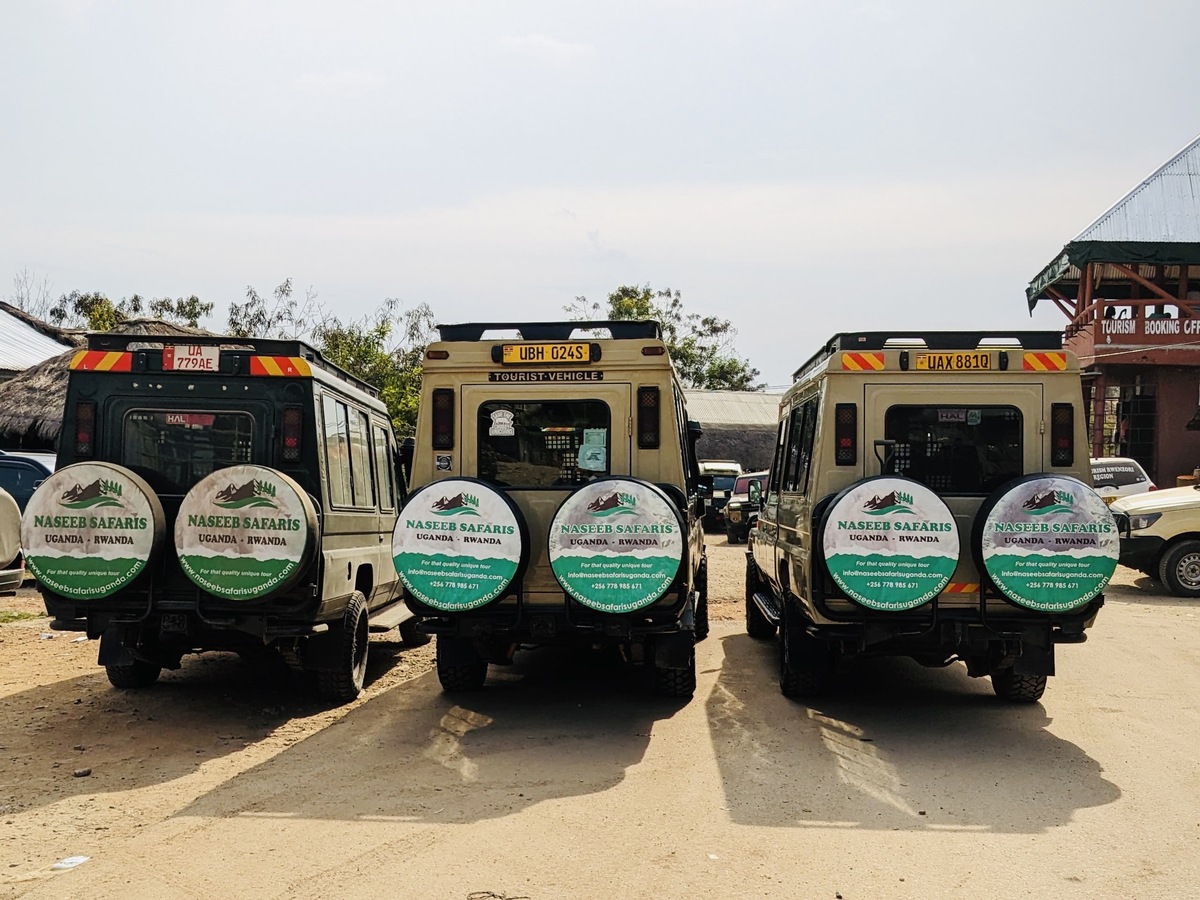
Whether you’re planning your first safari in Uganda, combining Queen Elizabeth National Park with gorilla trekking, or designing a longer journey through the country’s national parks, the team at Naseeb Safaris can help you create an itinerary that matches your interests, budget, and travel dates.
Get in touch to discuss your plans, ask questions, or receive personalised recommendations for a safari that fits your schedule.