
Shoebill Tracking Safari in Mabamba Swamp, Uganda
Shoebill Tracking Safari in Mabamba Swamp, Uganda, Mabamba Swamp is one of the best-known places in Uganda for searching for the shoebill, a large wetland bird whose enormous bill and prehistoric appearance have made it one of Africa’s most sought-after birding species. Located on the shores of Lake Victoria, within easy reach of Entebbe, the wetland offers travellers an opportunity to leave the safari vehicle behind and explore a maze of papyrus channels by boat.
A shoebill safari here is not a conventional wildlife drive. There are no guarantees that a bird will appear at a particular point, and there is no fixed route through the swamp. Instead, local guides use their knowledge of the waterways and habitat to search quietly for the birds while also looking for other wetland species like African jacana, Egrets.
For visitors arriving through Entebbe International Airport, this makes Mabamba particularly practical. It can be visited as a short wildlife experience at the beginning or end of a Uganda safari, or incorporated into a longer birding itinerary.
Where Is Mabamba Swamp?
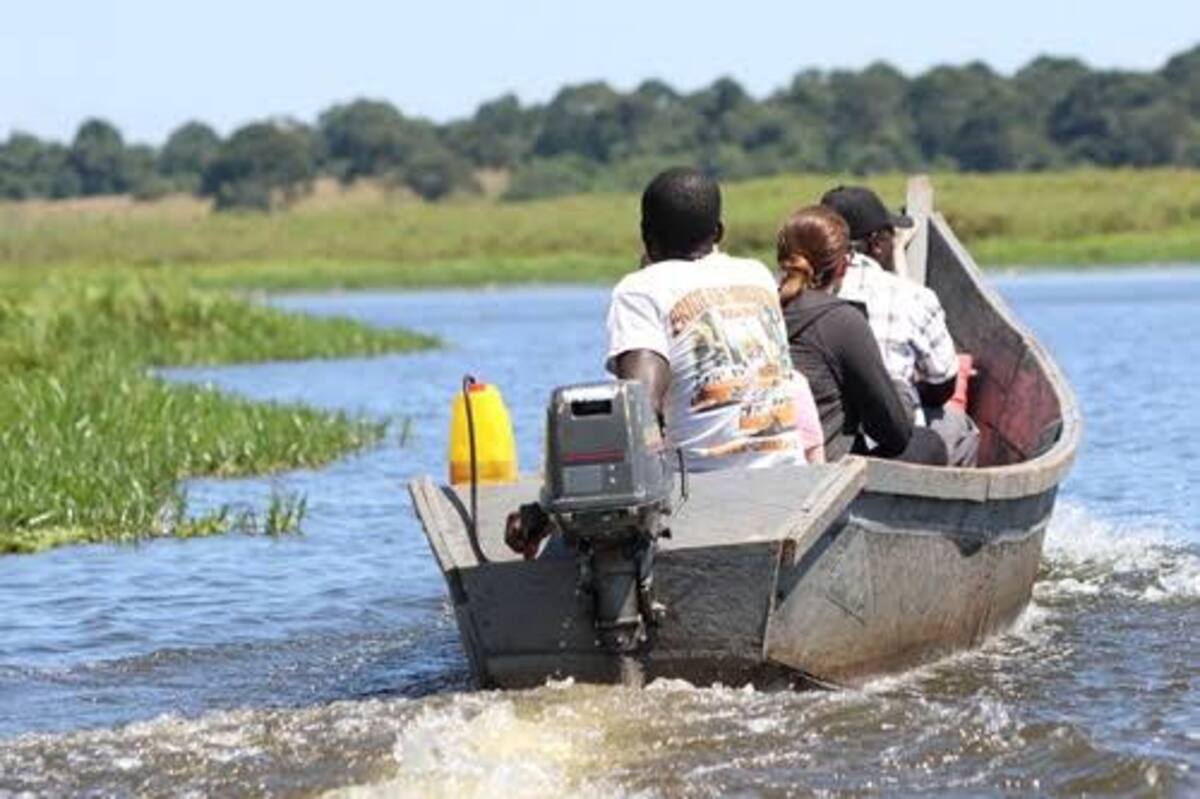
searching for shoebill in Mabamba swamp
Mabamba Swamp lies on the northern shore of Lake Victoria, west of Entebbe, in Uganda’s Wakiso area. The wetland covers a large area of shallow water, papyrus, grasses and other aquatic vegetation and is recognised internationally for its birdlife.
Its location is one of the major advantages for travellers. Mabamba is close enough to Entebbe to visit without committing several days to the experience, while Kampala is also within practical driving distance.
Access to the wetland is normally followed by a boat or canoe excursion through the papyrus channels. Depending on the operator and starting point, visitors can arrange the excursion directly at Mabamba or begin from the Nakiwogo area near Entebbe.
Why Is Mabamba Famous for Shoebills?
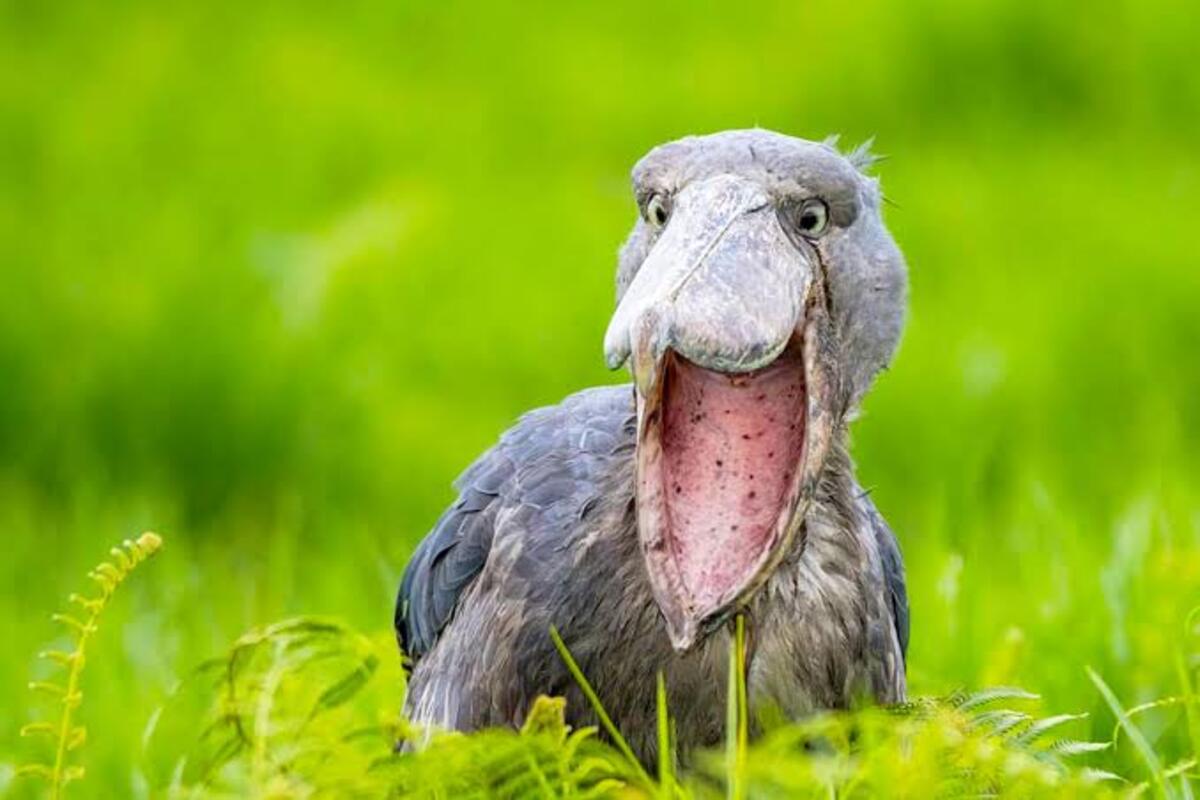
The main reason birdwatchers travel to Mabamba is the shoebill (Balaeniceps rex). The species is classified as Vulnerable and depends heavily on suitable freshwater wetland habitat.
The bird is immediately recognisable. Its large grey body is topped by a huge bill with a distinctive hooked tip, while its habit of standing almost completely still can make it surprisingly difficult to detect among the vegetation.
Despite the name “shoebill stork”, the bird is not a true stork. It belongs to its own family and is more closely related to pelicans.
Its hunting behaviour makes an encounter particularly interesting. Shoebills can remain motionless for extended periods while watching the shallow water for prey. When the opportunity comes, they can make a remarkably rapid strike.
This is why tracking one is as much about patience as it is about finding the right location.
What Is a Shoebill Tracking Trip Like?
A typical Mabamba excursion takes place by boat or canoe. The vessel moves slowly through narrow waterways bordered by papyrus while the guide searches the vegetation and open patches of water.
There is no standard route that guarantees a sighting. Shoebills move around the wetland, and their location can change according to water conditions, food availability and their own behaviour.
A knowledgeable local guide is therefore important. Guides familiar with the swamp know where shoebills have recently been observed and can also identify other birds encountered along the way.
When a shoebill is located, the boat is approached carefully. Visitors should remain quiet and allow the guide to decide how close the boat should come.
The objective should not be to chase the bird until it fills a camera frame. A good sighting involves watching a shoebill standing among the papyrus at a considerable distance, behaving naturally.
When Is the Best Time to Visit Mabamba?
Mabamba can be visited throughout the year, but early morning is generally a good time for a shoebill excursion.
Morning temperatures are more comfortable, the wetland tends to be quieter and the softer light can be favourable for photography. Several specialist operators begin their excursions around 7:00 am, while private birding trips may depart earlier depending on the itinerary and starting point.
Travellers should also remember that weather and water conditions can influence the experience. Uganda has a tropical climate, and rainfall patterns can affect wetland conditions and access.
There is no particular month that can guarantee a shoebill sighting. The bird remains wild, and even experienced guides cannot control where it will be on a particular morning.
How Long Does Shoebill Tracking Take?
The length of the excursion depends on where you start, the boat arrangement and how much time you want to spend birdwatching.
Some local Mabamba operators advertise approximately two-hour excursions from the swamp itself, while trips starting from Nakiwogo near Entebbe can take several hours because they include the transfer and longer boat journey.
For travellers who simply want to look for the shoebill, a shorter excursion may be sufficient. Dedicated birdwatchers should allow considerably more time because Mabamba supports a wide range of wetland species.
It is therefore better to discuss the intended duration with the operator before the trip rather than assuming every Mabamba shoebill tour follows the same schedule.
What Other Birds Can You See?
The shoebill may be the headline attraction, but Mabamba is valuable precisely because it is a functioning wetland ecosystem.
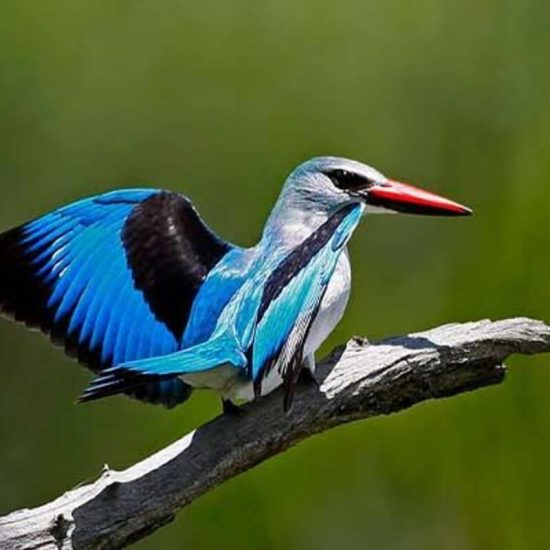
Depending on the season and conditions, visitors can encounter African jacanas, kingfishers, cormorants, herons, egrets, swamp warblers, Papyrus Gonolek, African Fish Eagle and other waterbirds.
This makes the excursion worthwhile even when the shoebill takes time to locate.
For serious birdwatchers, Mabamba can be incorporated into a wider Uganda birding itinerary. For general safari travellers, the variety of birdlife provides an interesting introduction to Uganda’s wetlands without requiring specialist birding knowledge.
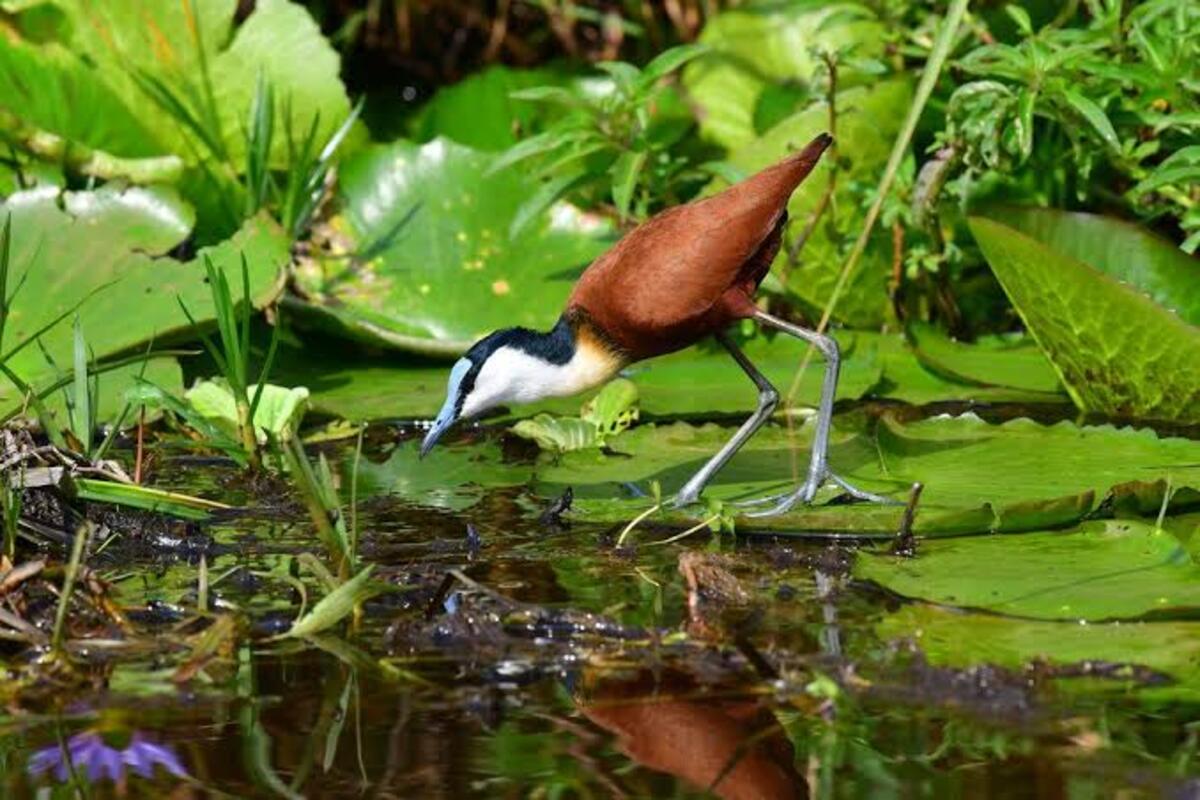
African Jacana
Is Shoebill Tracking Suitable for Non-Birdwatchers?
Yes, but expectations are important.
You do not need to be an experienced birder to enjoy seeing a shoebill. Its unusual appearance makes it easy to appreciate even if you cannot identify other birds.
The boat trip itself is also part of the attraction. Moving through narrow papyrus waterways offers a completely different experience from driving through a savannah park.
However, this is a slow wildlife activity. If you prefer fast-moving safari drives with frequent sightings of large mammals, Mabamba may feel quiet. If you enjoy nature, photography, unusual wildlife and peaceful outdoor experiences, it can be a worthwhile addition to your Uganda itinerary.
What Should You Bring?
A shoebill excursion does not require complicated equipment. Comfortable clothing, drinking water, sun protection and insect repellent are sensible additions.
Binoculars are particularly useful. A shoebill may be visible to the naked eye but remain too far away for detailed observation.
For photographers, a telephoto or long-zoom lens is preferable. The boat should not be moved closer simply to obtain a better photograph.
Because you are travelling on water, protect cameras, phones and other electronics against splashes. A lightweight waterproof bag can be useful.
Early mornings can also feel cooler than the middle of the day, so carrying a light layer is sensible.
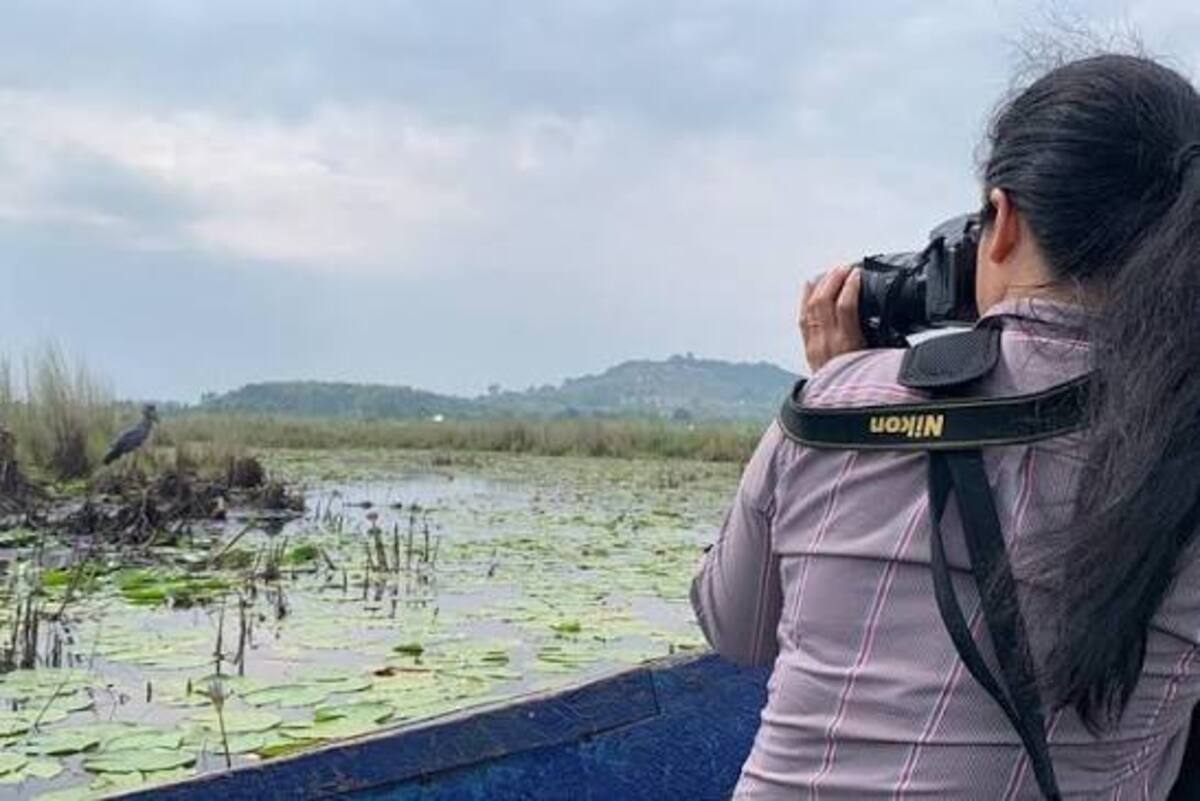
Tourist taking a photo of the shoebill
Shoebill Photography at Mabamba
Mabamba can be rewarding for wildlife photographers because the boat allows relatively quiet movement through the wetland.
A long lens gives you the flexibility to photograph birds without asking the guide to approach unnecessarily closely. Patience is more important than expensive equipment. A bird standing naturally in good light can produce a stronger photograph than a close image obtained by disturbing it.
Early morning light is particularly useful, especially when the sun is low and the papyrus creates a natural background.
Avoid using flash on wildlife and follow the guide’s instructions about distance and movement.
Is Mabamba Shoebill Tracking Safe?
The excursion is conducted with local boat operators and guides, but visitors should still take normal precautions around water.
Remain seated when the boat is moving, follow the guide’s instructions and avoid unnecessary movement that could make the boat unstable.
The birds should also be treated with respect. Do not attempt to touch, feed or provoke wildlife, and do not encourage a guide to chase a shoebill for a photograph.
Responsible tourism is especially important in wetlands because the health of the habitat is directly connected to the survival of the species that depend on it.
How Much Does Shoebill Tracking at Mabamba Cost?
There is no single universal price for a Mabamba shoebill safari. Costs vary according to the departure point, boat type, number of travellers, guiding arrangements and whether transportation from Entebbe or Kampala is included.
For example, a Mabamba-based operator currently lists a boat and guide for up to three clients at US$60, with an additional US$8 entrance fee per person. The same operator lists different per-person prices for trips beginning from Nakiwogo in Entebbe.
These rates should be treated as indicative rather than permanent. Confirm the current price, inclusions and departure arrangements before travelling with your tour operator.
If you book the experience through a safari company, the quotation may also include road transportation, a professional safari guide and other itinerary services.
Can Mabamba Be Combined With Other Uganda Safaris?
One of the greatest advantages of Mabamba is how easily it fits into a wider Uganda trip.
Travellers staying in Entebbe can visit before continuing to destinations such as Murchison Falls, Kibale Forest, Queen Elizabeth National Park or Bwindi. It can also be scheduled towards the end of a safari before an international departure, provided sufficient time is allowed for the excursion and airport transfer.
For birdwatchers, Mabamba can be one stop on a much longer birding route across Uganda. For travellers primarily interested in mammals, it can simply add a few hours of wetland exploration to a conventional safari.
Responsible Tourism at Mabamba
Mabamba’s value extends beyond tourism. The wetland provides habitat for numerous bird species and supports communities living around the area. It has also been recognised as an Important Bird Area and a Ramsar wetland of international importance.
Visitors can contribute by using local guides and boat operators, respecting the wetland and avoiding activities that disturb wildlife.
The principle is simple: observe rather than pursue.
If a shoebill moves away, let it move away. If the best available photograph is from a distance, accept it. A responsible encounter should leave the bird behaving naturally and the wetland no worse for your visit.
Frequently Asked Questions About Mabamba Shoebill Safaris
Where is Mabamba Swamp?
Mabamba Swamp is located on the northern shore of Lake Victoria, west of Entebbe and within practical reach of both Entebbe and Kampala.
Is Mabamba the best place to see a shoebill in Uganda?
Mabamba is one of Uganda’s most established shoebill-watching destinations and is particularly convenient for visitors near Entebbe. Other areas of Uganda also offer shoebill sightings, so the best location depends on your safari route.
Are shoebill sightings guaranteed?
No. Local guides can improve the chances of finding one by using their knowledge of the wetland and recent sightings, but the bird is wild and sightings cannot honestly be guaranteed.
What time should I visit Mabamba?
Early morning is generally recommended. The exact departure time depends on your starting point and the guide or operator you use.
How long does a Mabamba shoebill tour take?
The boat excursion can take around two hours when starting at the Mabamba site, while trips beginning from Nakiwogo in Entebbe can take three to four hours or longer depending on arrangements.
Can I visit Mabamba from Entebbe?
Yes. Mabamba is particularly convenient from Entebbe and can be incorporated into a Uganda safari before or after other destinations.
Do I need binoculars?
They are not essential, but binoculars greatly improve the experience, particularly when birds are some distance from the boat.
Planning a Shoebill Safari in Mabamba Swamp
Mabamba offers a quieter side of Uganda’s wildlife. Instead of crossing savannah in search of elephants or lions, you move through papyrus waterways and spend time looking for a single, highly specialised wetland bird.
That change of pace is what makes the experience valuable. A shoebill encounter is not about how quickly you can find the bird or how close you can get. It is about entering its habitat, observing patiently and understanding why these wetlands matter.
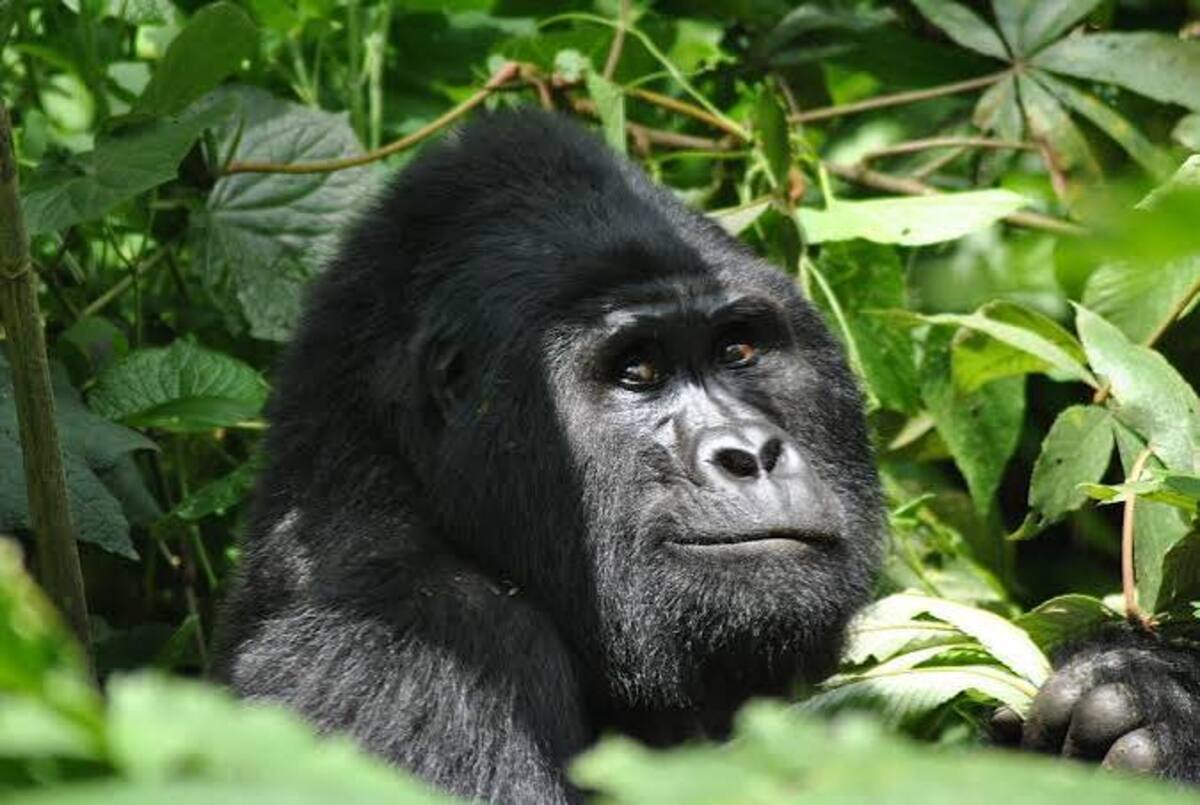
For travellers planning a Uganda safari, Naseeb Safaris can help incorporate Mabamba Swamp into a personalised itinerary, whether you are interested in birdwatching or want to combine the experience with Uganda’s gorilla trekking, chimpanzee tracking and wildlife destinations.
If the shoebill is on your Uganda wish list, allow enough time for the search, use knowledgeable local guides and approach the wetland with realistic expectations. Sometimes the most rewarding moment is simply seeing that enormous bill emerge from a wall of papyrus.