
Gorilla Trekking in Bwindi Impenetrable National Park Uganda
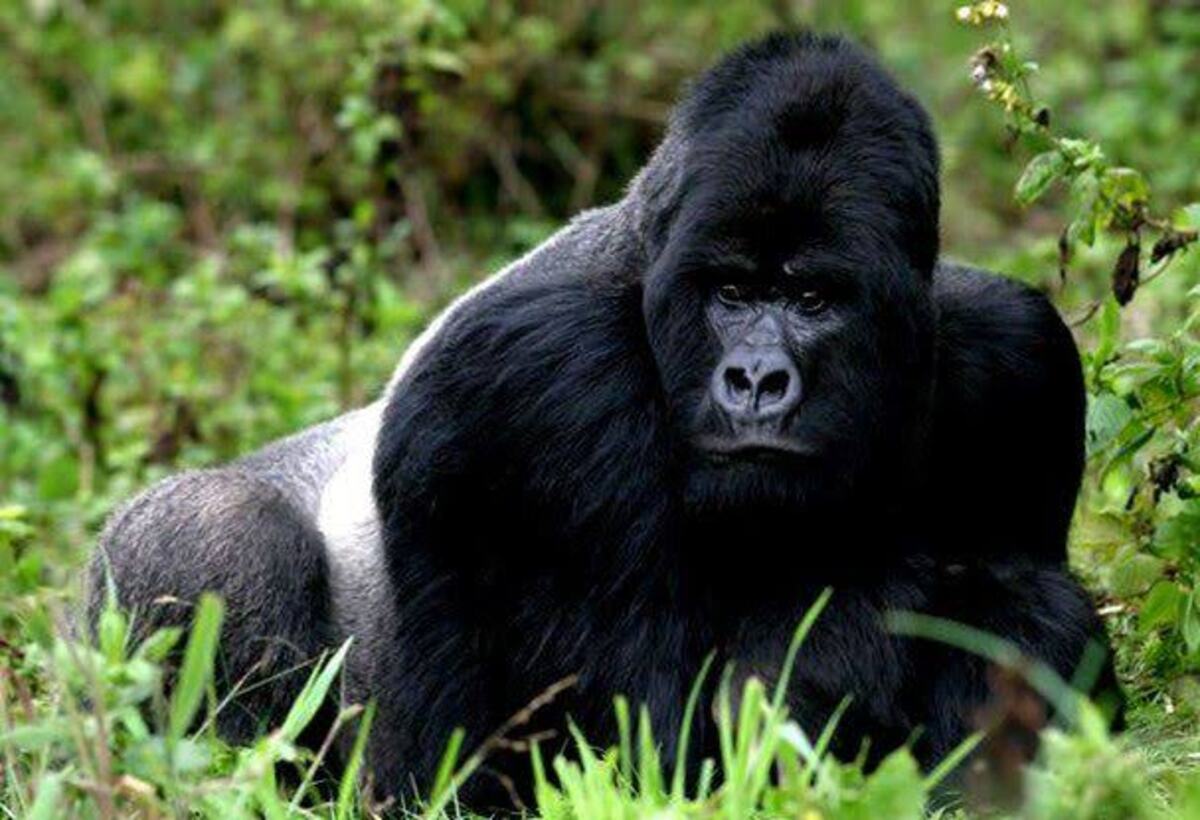
Gorilla Trekking in Bwindi Impenetrable National Park Uganda, Gorilla trekking in Bwindi Impenetrable National Park is one of Uganda’s most distinctive wildlife experiences. There is no safari vehicle between you and the forest here. After a morning briefing, you walk beneath dense vegetation, following rangers and trackers into the hills in search of a habituated mountain gorilla family.
The experience is as much about the walk as the encounter itself. Bwindi is a high-altitude rainforest, and its trails can be steep, muddy and physically demanding. The location of the gorillas changes from day to day, so the trek might take only a few hours or considerably longer. The treks lasts between three and seven hours, including the one-hour viewing period with the gorillas.
For first-time visitors, understanding how the park is organised, what the trek involves and how to prepare can make a significant difference.
Why Bwindi Is Important for Mountain Gorillas
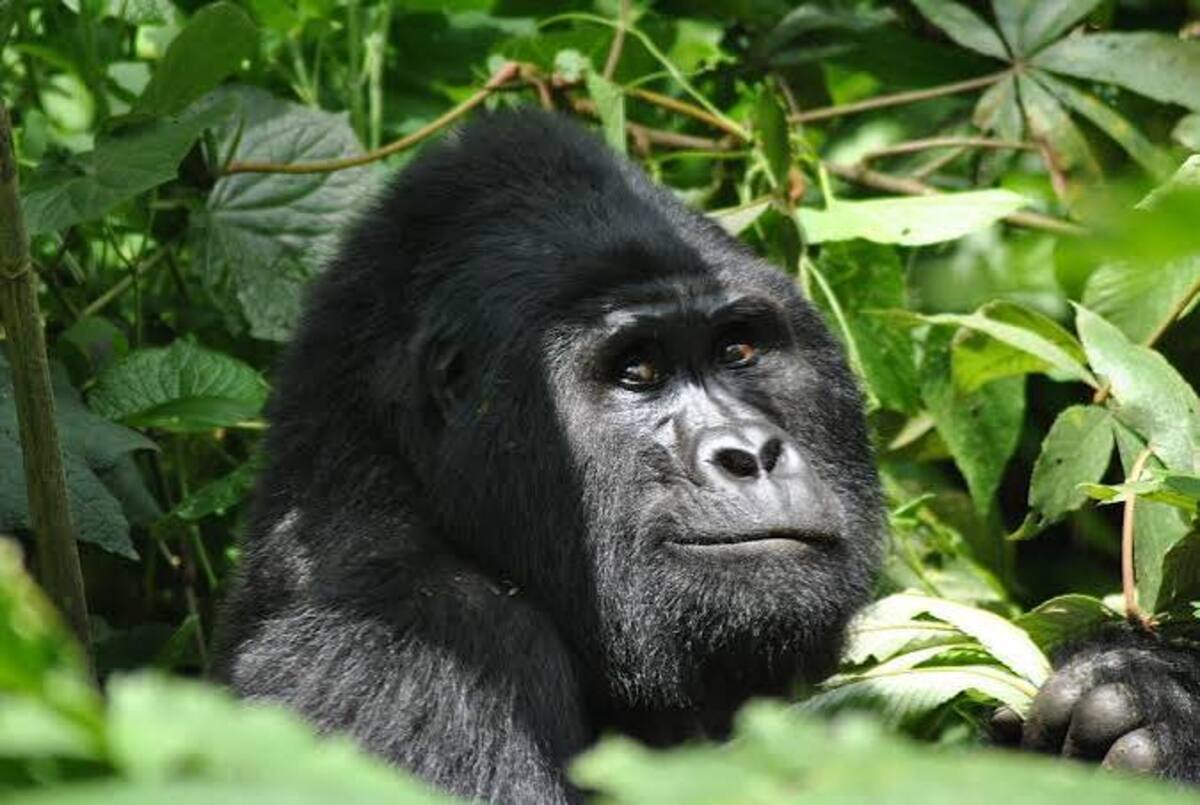
Bwindi is one of the two places in Uganda where visitors can track mountain gorillas, the other being Mgahinga Gorilla National Park, Uganda has roughly half of the world’s mountain gorilla population living in Bwindi and the surrounding conservation landscape.
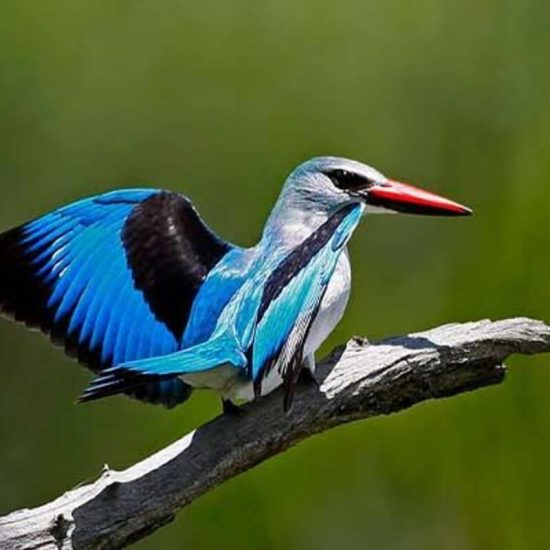
The forest is not simply a backdrop for gorilla trekking. It is the habitat that makes the encounter possible. As you walk deeper into the vegetation, the landscape changes from cultivated hillsides and settlements to a dense forest of trees, vines, ferns and undergrowth. Bird calls and the movement of smaller forest animals are often part of the walk, even before the gorillas are found.
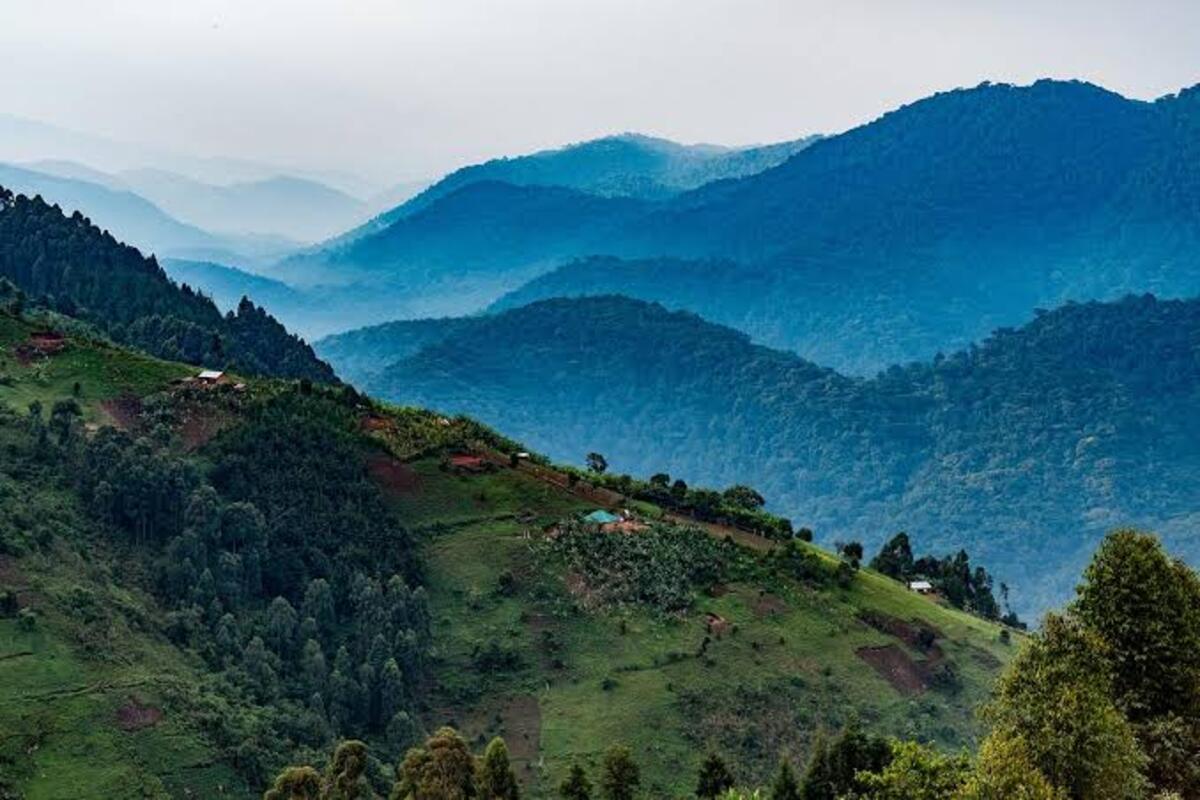
Forested hills of Bwindi
The Four Gorilla Trekking Sectors in Bwindi
Bwindi is divided into four main trekking sectors: Buhoma, Ruhija, Rushaga and Nkuringo. Your permit is allocated to a particular sector, making it important to choose your accommodation and transport around that location.
Buhoma is the original tourism sector and lies on the northern side of the park. It has a well-established selection of accommodation and other forest activities.
Ruhija is in eastern Bwindi and can be combined naturally with stays around Kabale or Lake Bunyonyi. It is also known for its forest and birding opportunities.
Rushaga is in the south and provides access to several gorilla families. It is also the sector associated with the Gorilla Habituation Experience, a separate activity that allows considerably longer observation of a semi-habituated group.
Nkuringo sits in the southern part of the park and is known for mountainous terrain. The combination of steep trails and elevation means that trekkers should be prepared for a more physically demanding environment.
There is no sector that is guaranteed to be the easiest on every trekking day. Trail conditions, weather and the location of the gorilla family all influence how strenuous the walk becomes.
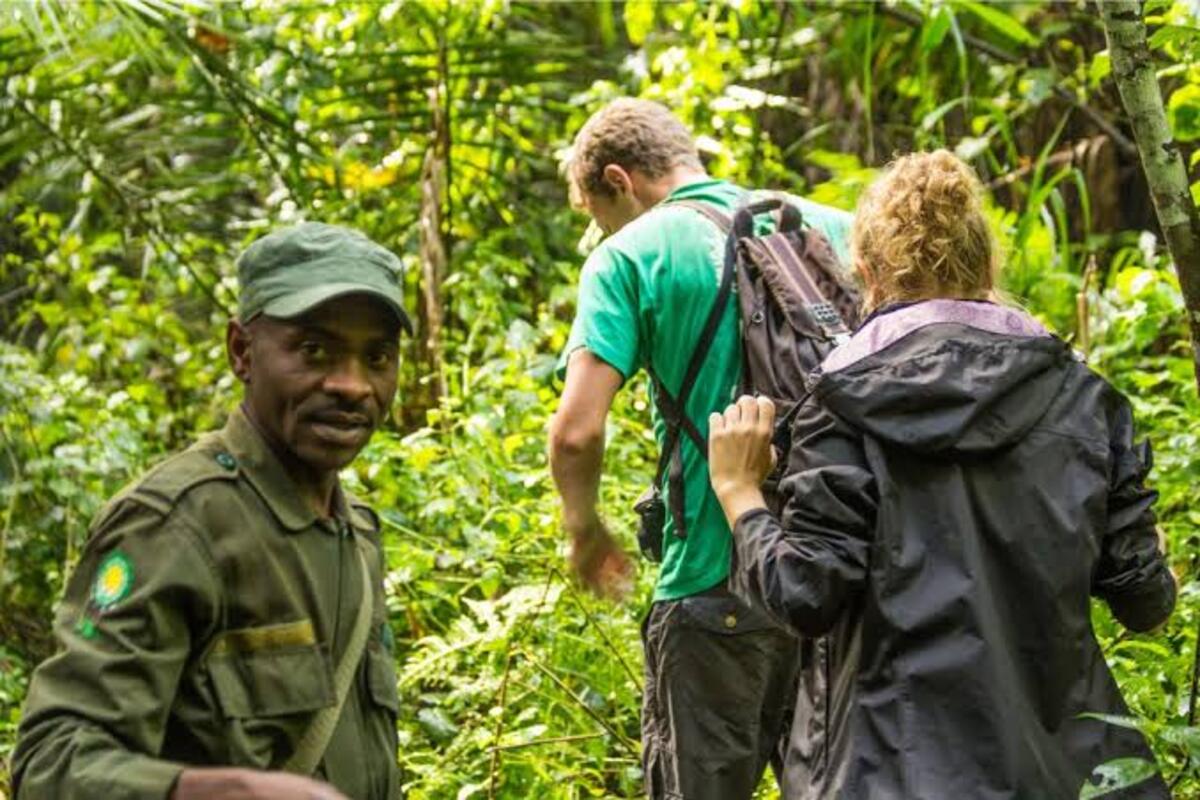
A ranger leading trekkers
How Much Does Gorilla Trekking in Bwindi Cost?
The standard gorilla trekking permit for a foreign non-resident is USD 800 per person under the current UWA tariff. The permit price includes the guide, park entrance for the day and the community development contribution.
UWA’s current tariff information also lists discounted rates for certain visitor categories and periods, so travellers should check the applicable tariff for their nationality, residency status and travel dates rather than relying on an old price found online. UWA publishes its official tariff information and updates separately from individual tour operators.
The gorilla permit is only one part of the cost of a Bwindi trip. Your overall safari budget will also need to cover accommodation, transport, meals, guide services and any additional activities.
Because permits are limited and dates can be important to international travellers, it is sensible to secure the permit before building the rest of the itinerary around a particular trekking date.
What Happens on the Trek?
The day begins at the relevant sector headquarters with registration and a ranger briefing. You are then allocated to a gorilla family and begin walking into the forest.
Trackers who have been monitoring the gorillas provide information about their movements, helping the ranger team determine where to search. Even with this information, there is no fixed route. The animals are free to move through their habitat, which is why one trek may involve a relatively short walk while another requires several hours of hiking.
The forest can be surprisingly physical. You may climb steep slopes, cross muddy sections or move through thick undergrowth. A walking stick can help with balance, and a porter can provide useful assistance on difficult sections.
Once the gorilla family is located, visitors have one hour of observation. The rangers control how the encounter takes place, including the required distance and visitor behaviour.
How Difficult Is Gorilla Trekking?
A reasonable level of fitness is recommended, but you do not need previous mountaineering experience. The main challenge is the terrain rather than speed or technical climbing.
Bwindi receives substantial rainfall, and even during traditionally drier periods the forest can be wet. Mud can make descents slippery and steep sections more tiring.
If you have concerns about your fitness or mobility, discuss them before the trek. Rangers can take visitor ability into account when organising trekking groups, while porters can help with bags and physical support.
Travellers with significant mobility limitations should not assume that the trek will be accessible without assistance. The terrain is natural rather than purpose-built, so advance planning is important.
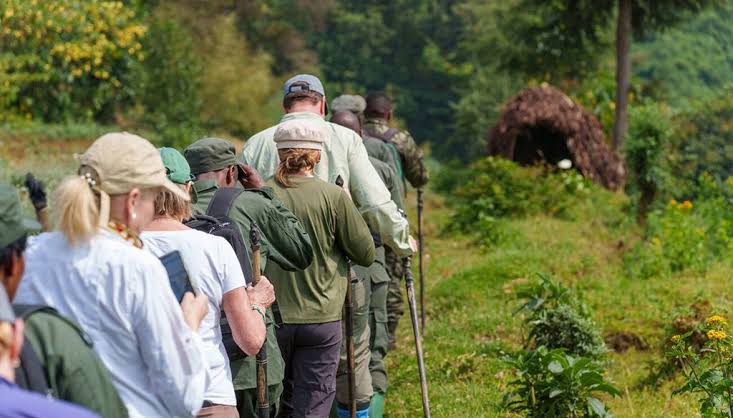
Tourists trekking to find mountain gorillas
What Should You Wear and Pack?
The right clothing is more important than expensive equipment. Waterproof hiking boots with good grip are useful, particularly after rain. Long trousers and long sleeves provide protection from vegetation and insects, while lightweight gardening gloves can protect your hands when using vegetation for support.
A waterproof jacket should be considered essential. A small backpack can carry water, snacks, a camera and personal items, while a waterproof bag or cover can protect electronics during rain.
For photography, a versatile zoom lens is generally more practical than carrying a large kit through steep forest terrain. Flash photography should not be used around the gorillas.
Bring enough water for the trek and follow your guide’s advice about food and other supplies. A walking stick is often useful, and hiring a porter can make the physical side of the trek easier while supporting someone from a neighbouring community.
When Is the Best Time to Trek Gorillas?
Bwindi can be visited throughout the year. There is no completely rain-free season because this is a rainforest environment.
The drier periods are popular because trails may be easier to negotiate, while wetter months can bring muddier conditions. Rather than choosing travel dates based only on a simple “best month”, consider permit availability, accommodation, road conditions and the other destinations you plan to visit.
If your dates are flexible, your safari operator can help compare different periods according to your priorities.
How Do You Get to Bwindi?
For many international visitors, reaching Bwindi is part of a longer southwestern Uganda safari. By road, routes commonly pass through destinations such as Queen Elizabeth National Park, Kabale or Kisoro, depending on the trekking sector.
A 4WD vehicle is recommended because roads around the park include winding and unpaved sections.
Flying is another option. Scheduled and charter flights connect Entebbe with Kihihi and Kisoro airstrips, followed by a road transfer to the appropriate sector. Flights take roughly one hour and ten minutes, although the complete journey still includes the transfer from the airstrip to your lodge.
The most important planning rule is simple: choose your lodge after confirming your trekking sector. Staying close to the correct trailhead can make the morning considerably easier.
Gorilla Trekking Rules and Responsible Tourism
Gorilla trekking is carefully regulated because close contact between people and mountain gorillas can create risks for both sides. The minimum age for gorilla tracking and viewing in Uganda is 15 years.
Visitors should follow ranger instructions throughout the encounter, maintain the required distance, avoid touching the animals and refrain from using flash photography. If a gorilla approaches you, remain calm and allow the ranger to direct you.
Health precautions are equally important. Anyone who is unwell, particularly with a potentially contagious respiratory illness, should discuss whether they should participate before entering the forest. Protecting the gorillas from human disease is an important part of responsible trekking.
Tourism also contributes to communities surrounding the park. UWA shares part of park revenue with neighbouring communities and specifically allocates funds from gorilla permits to community development around Bwindi.
Where Should You Stay?
Bwindi has accommodation ranging from budget guesthouses to comfortable mid-range lodges and higher-end forest properties. The right choice depends less on the room category alone than on location, especially because each trekking sector operates separately.
If your priority is an early and relaxed start, choose accommodation close to the relevant briefing point. If you are combining gorilla trekking with Lake Bunyonyi, Queen Elizabeth National Park or other destinations, consider how the lodge fits into the overall route.
Staying an extra night is also worth considering. It gives you more time to recover after the trek and reduces the temptation to combine a demanding hike with a long transfer on the same day.
What Else Can You Do in Bwindi?
Gorilla trekking is the principal attraction, but it does not have to be the only activity. Depending on the sector, visitors can arrange guided forest walks, birding and community experiences.
The forest is particularly interesting for birdwatchers, while shorter walks can suit travellers who want to experience the environment without undertaking another demanding trek.
A stay in the area can also be combined with Lake Bunyonyi, Queen Elizabeth National Park or other southwestern destinations.
Common Mistakes First-Time Visitors Make
The first is underestimating the physical demands. Even a relatively short trek can feel strenuous on steep, wet terrain.
The second is choosing accommodation without checking the permit sector. Bwindi is large, and transferring between sectors can take considerably longer than expected.
Another mistake is packing as though the weather will remain dry. Waterproof clothing and protection for cameras should be part of your basic preparation.
Finally, do not make photography the entire purpose of the encounter. The one-hour viewing period passes quickly. Put the camera down occasionally and observe the animals’ behaviour.
Frequently Asked Questions
How long does gorilla trekking in Bwindi take?
The trek may last between three and seven hours, depending on where the gorilla family is located. The actual walking time varies from day to day.
How old do you have to be to trek gorillas?
The minimum age for gorilla tracking and viewing in Uganda is 15 years.
Is gorilla trekking difficult?
It can be. Steep slopes, mud, rain and dense vegetation mean that a reasonable level of fitness is useful. The difficulty varies according to the gorilla family’s location and conditions on the day.
Can I take photographs of the gorillas?
Yes, photography is permitted, but visitors must follow ranger instructions and should not use flash. A versatile zoom lens and weather protection for your equipment are practical choices.
Do I need a porter?
A porter is not simply someone who carries a bag. Porters can provide physical support on steep terrain and help visitors negotiate difficult sections. Hiring one also provides direct income to people from communities around the park.
Can children go gorilla trekking?
Children under 15 cannot participate in gorilla tracking in Uganda. The minimum age is set by UWA at 15.
Planning Your Bwindi Gorilla Trek
Gorilla trekking in Bwindi is not a conventional wildlife viewing experience. You leave the vehicle behind, walk into a living rainforest and accept that the length and character of the trek cannot be completely predicted.
That uncertainty is part of what makes the experience different. The forest demands preparation, patience and respect, while the regulated encounter gives visitors a rare opportunity to observe mountain gorillas without turning the forest into a conventional wildlife enclosure.
For first-time travellers, the most important decisions are straightforward: secure the correct permit, choose the right trekking sector, stay close to the trailhead, prepare for rain and uneven terrain, and allow enough time in the itinerary to enjoy the experience without rushing.
Naseeb Safaris can help with the practical planning, including gorilla permits, sector selection, accommodation, transport and combining Bwindi with other destinations in Uganda. If you are considering gorilla trekking, contact Naseeb Safaris with your preferred dates and interests, and we can help you plan the route around the experience rather than simply fitting it into a busy itinerary.