
Bwindi Impenetrable National Park – Gorilla Trekking
Bwindi Impenetrable National Park – Gorilla Trekking, Mountain gorilla trekking is one of the few wildlife experiences that consistently changes how people think about nature. Rather than watching animals from a safari vehicle, you enter an ancient rainforest on foot, following experienced trackers through dense vegetation until a family of wild gorillas is found.
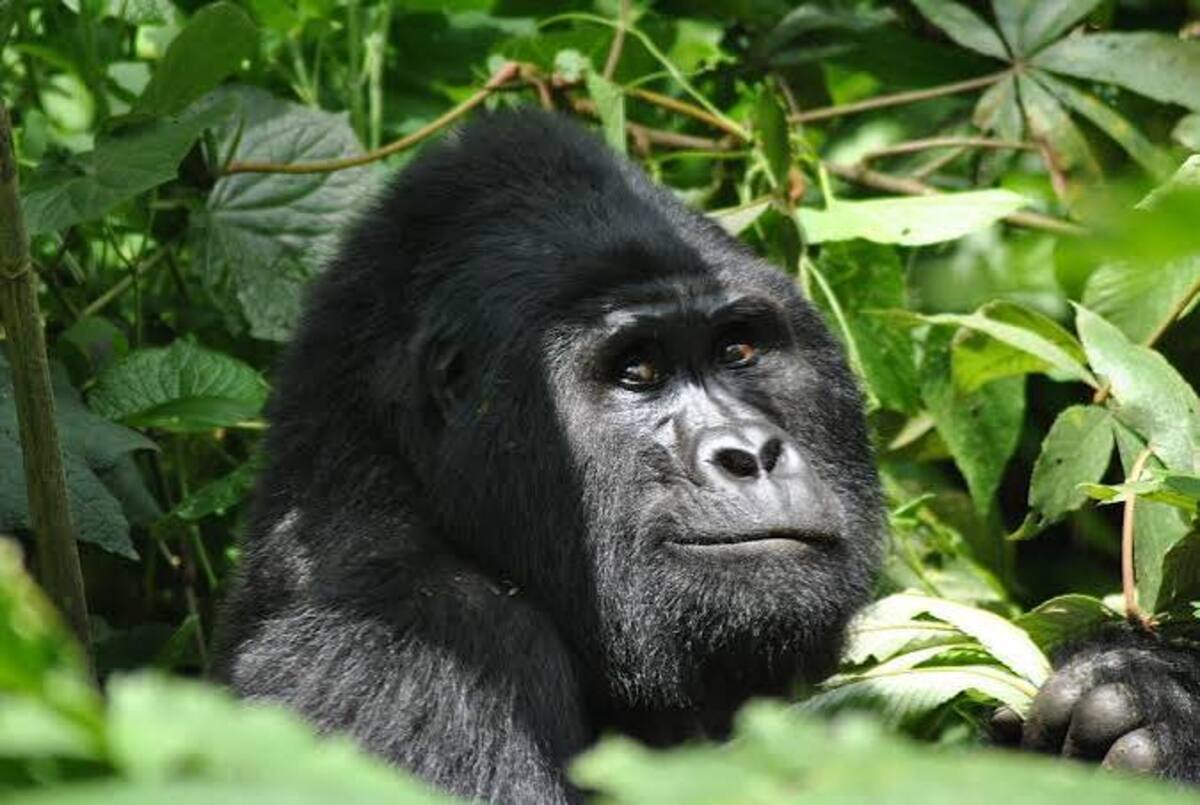
Uganda’s Bwindi Impenetrable National Park is one of the world’s most important refuges for endangered mountain gorillas and among the best places to observe them responsibly. The forest protects almost half of the global population of these great apes while supporting hundreds of other species found nowhere else in East Africa.
For many travelers, visiting Bwindi becomes the highlight of a broader Uganda safari, often combined with game drives in Queen Elizabeth National Park, chimpanzee tracking in Kibale Forest, or scenic journeys through the country’s southwestern highlands.
This guide explains what to expect before, during, and after your trek, helping you decide whether the experience is right for you and how to prepare for it.
Where Is Bwindi Impenetrable National Park?
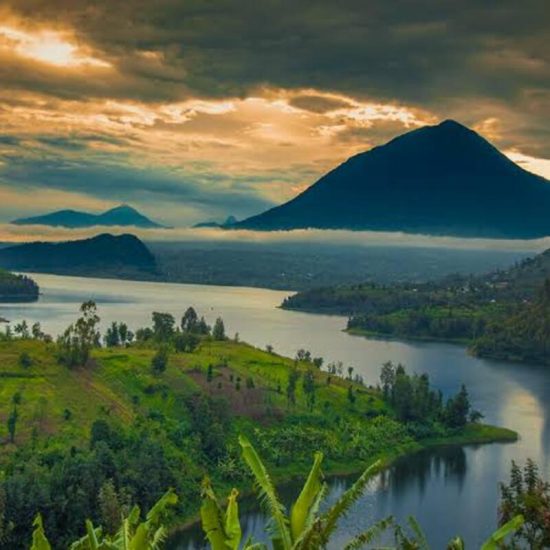
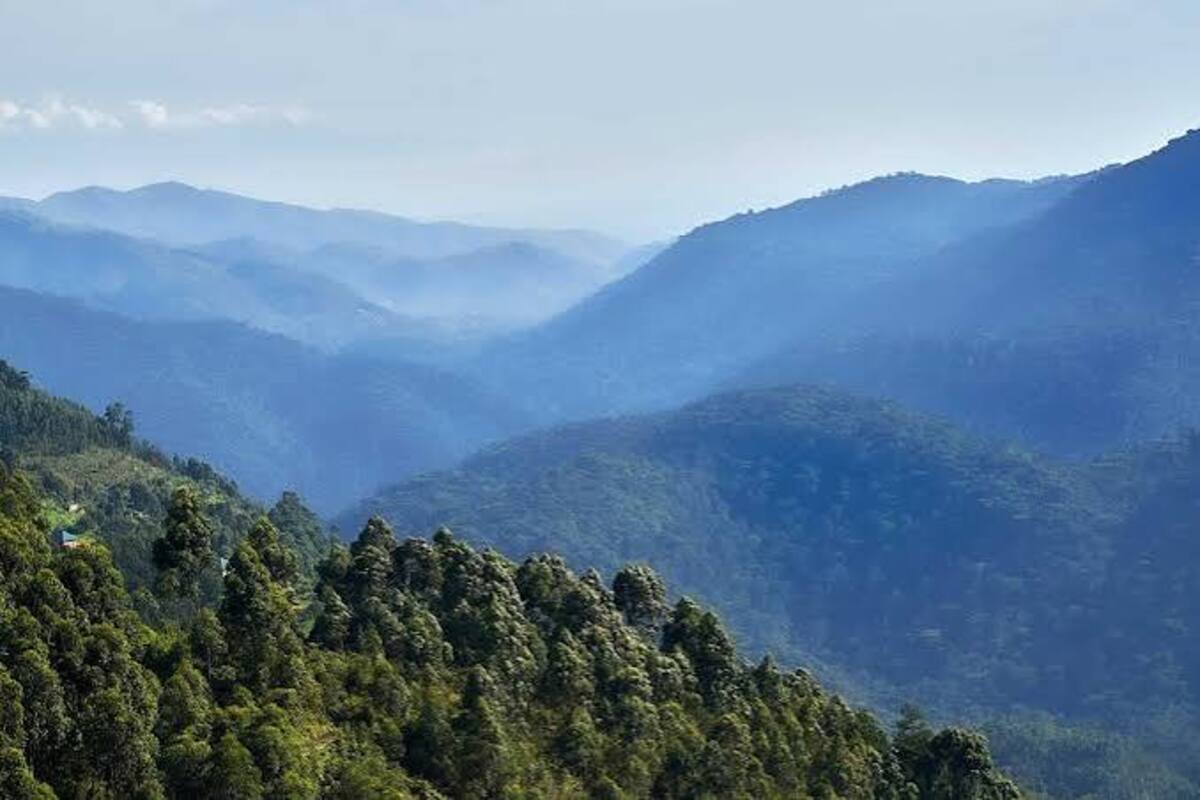
Bwindi Impenetrable National Park lies in southwestern Uganda along the edge of the Albertine Rift, close to the border with the Democratic Republic of the Congo. Covering approximately 321 square kilometres, it protects one of Africa’s oldest surviving tropical rainforests, believed to have existed for more than 25,000 years.
It’s rugged hills, steep valleys, and thick vegetation create ideal habitat for mountain gorillas while also making every trek unique. The terrain varies considerably across the park, so visitors should expect uneven trails, muddy slopes, and changing elevations.
The park is divided into four trekking sectors:
- Buhoma – the oldest and most established visitor area
- Ruhija – known for birdwatching and quieter trekking routes
- Rushaga – home to the largest number of habituated gorilla families
- Nkuringo – scenic, challenging, and popular with experienced hikers
Your permit determines the sector where you will trek, so accommodation should be booked accordingly.
How Do You Get to Bwindi?
Most international visitors arrive through Entebbe International Airport before continuing southwest.
By Road
Driving from Kampala or Entebbe typically takes between 8 and 9 hours, depending on traffic, weather, and your chosen sector.
Although the journey is long, it passes tea plantations, small towns, rolling hills, and rural villages that offer a glimpse into everyday life in Uganda.
Many safari itineraries break up the drive with overnight stops or combine Bwindi with other national parks.
By Air
Domestic flights offer a faster alternative.
Scheduled flights connect Entebbe with:
- Kihihi Airstrip
- Kisoro Airstrip
From either airstrip, road transfers to your lodge usually take between one and two hours.
Flying significantly reduces travel time but should be booked well in advance, particularly during the busiest trekking seasons.
Planning tip: Before booking flights or accommodation, confirm which trekking sector your gorilla permit has been assigned to.
Why Is Bwindi So Important?
The park is internationally recognised for both its conservation value and its biodiversity.
It is a UNESCO World Heritage Site because of its exceptional ecological importance and the remarkable variety of wildlife living within its rainforest.
While mountain gorillas attract most visitors, the forest also supports rare birds, primates, butterflies, reptiles, and countless plant species.
Gorilla tourism has also played an important role in conservation. Revenue from permits helps fund park management, anti-poaching efforts, veterinary care, and community projects that encourage local people to benefit from protecting wildlife.
For visitors, this means the permit fee contributes directly to preserving one of Africa’s most fragile ecosystems.
Gorilla Trekking: What to Expect
The day begins early.
After breakfast, visitors travel to the Uganda Wildlife Authority briefing point, where rangers explain trekking rules, safety procedures, and gorilla behaviour. Groups are then assigned to specific gorilla families, with a maximum of eight visitors allowed per family each day.
Experienced trackers leave ahead of the groups to locate the gorillas before guiding rangers communicate their position.
No two treks are the same.
Some families may be found within an hour of entering the forest, while others require several hours of hiking through steep terrain and dense vegetation. Trek duration can range from one to six hours, occasionally longer.
Once the gorillas are located, visitors spend one hour observing them from a minimum distance of seven metres, although the animals sometimes choose to move closer on their own.
During that hour, you may watch:
- A silverback calmly supervising the group
- Young gorillas climbing trees and wrestling
- Mothers caring for infants
- Family members grooming one another
- Quiet interactions that reveal the complex social lives of these primates
Rather than dramatic action, the experience is often memorable because of the calm moments, watching a family go about its daily routine only a short distance away.
How Difficult Is Gorilla Trekking?
This is one of the questions travelers ask most often.
The answer depends largely on where the gorillas are that day.
Some hikes involve relatively gentle forest paths, while others require climbing steep hills, crossing streams, or walking through thick vegetation.
A moderate level of fitness is helpful, but exceptional athletic ability is not required.
Rangers adjust the pace to suit the group, and frequent breaks are common.
Hiring a Porter
Many first-time visitors hesitate to hire a porter, assuming the service is only for older hikers.
In reality, porters assist people of all ages.
They can help by:
- Carrying your daypack
- Providing support on slippery trails
- Helping you maintain balance during steep sections
Hiring a porter also provides valuable employment for local community members, including some former poachers who now benefit directly from conservation.
Gorilla Habituation Experience
For travelers seeking a deeper understanding of gorilla conservation, Bwindi also offers the Gorilla Habituation Experience.
Unlike the standard trek, which allows one hour with a fully habituated gorilla family, this programme gives participants up to four hours with gorillas that are gradually becoming accustomed to human presence.
Visitors accompany researchers, trackers, veterinarians, and Uganda Wildlife Authority staff, observing not only the gorillas but also the conservation work taking place behind the scenes.
Because fewer permits are available each day, this experience often appeals to wildlife photographers, researchers, and travelers who prefer spending more time observing natural behaviour.
Good to know: Gorilla Habituation permits are more expensive than standard trekking permits and should usually be reserved several months in advance.
Gorilla Trekking Permits: What You Need to Know
Every visitor must hold a valid gorilla trekking permit issued through the Uganda Wildlife Authority.
Permit availability is limited because the number of daily visitors is strictly controlled to minimise disturbance to the gorillas.
Current Permit Costs
Permit prices can change, so always confirm the latest rates before booking. As of recent Uganda Wildlife Authority pricing:
- Foreign Non-Residents: USD 800 per person
- Foreign Residents: USD 700 per person
- East African Citizens: UGX 300,000 per person
The Gorilla Habituation Experience has a separate permit fee ($1,500) and is considerably more expensive due to the extended viewing time.
When Should You Book?
If you plan to travel during:
- June to August
- December to February
it’s advisable to reserve permits at least six months in advance.
Traveling during quieter months often provides greater flexibility and occasionally makes it easier to secure your preferred trekking sector.
Trekking Rules That Protect Both Visitors and Gorillas
Mountain gorillas share a high percentage of human DNA, making them vulnerable to many of the same illnesses.
To reduce the risk of disease transmission, visitors are expected to follow strict guidelines.
These include:
- Remaining at least seven metres away whenever possible
- Wearing a face mask if required by current park regulations
- Not visiting if you have symptoms of a contagious illness
- Avoiding flash photography
- Speaking quietly while observing the gorillas
- Following all instructions given by your ranger
These rules are designed to protect the gorillas while allowing visitors to enjoy an ethical wildlife encounter.
Wildlife Beyond the Gorillas
Although most visitors come for gorilla trekking, the rainforest supports an extraordinary range of wildlife that rewards anyone willing to slow down and look beyond the main attraction.
More than 120 mammal species have been recorded here, including several types of primates, small antelopes, and elusive forest mammals that are rarely seen elsewhere in Uganda. Dense vegetation makes wildlife viewing different from a traditional savannah safari, you are more likely to hear movement in the canopy or catch a glimpse of an animal disappearing into the undergrowth than watch large herds in open grassland.
Among the species that inhabit the forest are:
- Black-and-white colobus monkeys
- L’Hoest’s monkeys
- Blue monkeys
- Red-tailed monkeys
- Olive baboons
- Jackson three horned chameleon
- Forest elephants
- Giant forest hogs
- Bush pigs
- Several species of duiker
Chimpanzees also live in the park, although sightings are uncommon because the forest’s terrain and dense vegetation make them much harder to locate than in Kibale National Park. They are also wild because they are not used to human presence.
The forest itself is part of the experience. Towering hardwood trees, hanging vines, giant ferns, moss-covered trunks, and countless flowering plants create an ecosystem that has evolved over thousands of years.
Birdwatching in Bwindi
Bwindi is considered one of Africa’s premier birding destinations, particularly for species found only within the Albertine Rift.
More than 350 bird species have been recorded, making the park rewarding for both dedicated birders and casual wildlife enthusiasts.
Some of the most sought-after species include:
- African Green Broadbill
- Shelley’s Crimsonwing
- Handsome Francolin
- Grauer’s Rush Warbler
- Black Bee-eater
- African Emerald Cuckoo
- Regal Sunbird
Many lodges offer guided bird walks led by experienced local guides who know where particular species are most often encountered.
While birds can be seen throughout the year, activity is often highest during the wetter months when breeding seasons begin and forests are especially vibrant.
Best Time to Visit Bwindi
One of the advantages of visiting Bwindi is that gorilla trekking takes place throughout the year.
However, weather conditions can influence trail conditions, photography, and overall comfort.
Dry Seasons
June to August
December to February
These months are generally the most popular because trails are usually firmer and easier to walk.
Advantages include:
- Better hiking conditions
- Easier road access
- Comfortable temperatures
- Good opportunities to combine gorilla trekking with savannah safaris elsewhere in Uganda
Because demand is highest, accommodation and permits often sell out well in advance.
Rainy Seasons
March to May
September to November
Rain can make forest trails muddy and more physically demanding.
At the same time, these months have several advantages:
- Lush green forest scenery
- Softer light for photography
- Fewer visitors
- Greater accommodation availability
It’s worth remembering that rain is possible during any month because Bwindi is a tropical rainforest.
Packing waterproof clothing is essential regardless of when you travel.
Where to Stay in Bwindi
Accommodation is spread across the park’s four trekking sectors, so choosing a lodge should begin with your permit location rather than its star rating.
Staying close to your briefing point reduces early morning travel and makes the start of your trek much more relaxed.
Luxury Lodges
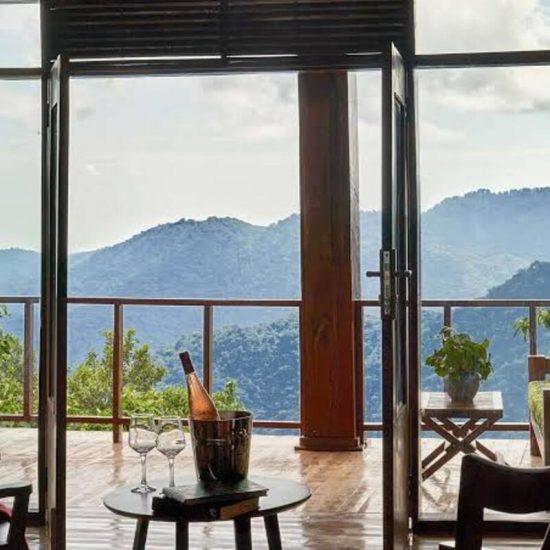
Travelers looking for high levels of comfort can choose from well-established safari lodges that offer spacious cottages, excellent dining, and forest views.
Popular options include:
- Sanctuary Gorilla Forest Camp
- Clouds Mountain Gorilla Lodge
- Buhoma Lodge
Many luxury properties also include complimentary laundry services, fireplaces for cool evenings, and private verandas overlooking the forest.
Mid-Range Lodges
Mid-range accommodation offers comfortable rooms and good service without the premium price tag.
Well-known choices include:
- Ichumbi Gorilla Lodge
- Engagi Lodge
- Gorilla Mist Camp
These properties suit many first-time visitors and are often included in classic Uganda safari itineraries.
Budget Accommodation
Budget travelers will still find welcoming guesthouses and simple lodges close to the park.
Options include:
- Broadbill Forest Camp
- Bwindi Backpackers Lodge
- Ride 4 A Woman Guest House
Several community-run accommodations also provide an opportunity to support local initiatives through responsible tourism.
Planning tip: Reserve your accommodation soon after securing your gorilla permit, especially if you’re travelling during peak season.
Cultural Experiences Around the Park
Adding a cultural activity before or after your trek helps provide a broader understanding of the communities that live alongside the forest.
These experiences are not performances created solely for tourists. Many are community-led initiatives that generate income while preserving local traditions.
Popular activities include:
- Batwa cultural experiences
- Guided village walks
- Traditional dance performances
- Local coffee farm visits
- Craft workshops
- Banana beer tasting
- Women’s community projects
The Batwa experience is particularly meaningful. The Batwa people lived in the forest for generations before it became a protected national park. Guided cultural visits explain their traditional hunting methods, medicinal plants, music, and relationship with the rainforest.
Choosing community-based activities helps ensure tourism benefits local residents as well as wildlife conservation.
What Does Gorilla Trekking Cost?
For most visitors, the gorilla permit is the single largest expense, but it is only one part of the total travel budget.
A complete safari may include:
- Gorilla trekking permit
- Accommodation
- Meals
- Private or shared transportation
- Professional driver-guide
- Park entrance fees
- Domestic flights (if applicable)
- Airport transfers
Overall costs vary depending on:
- Length of your itinerary
- Accommodation standard
- Group size
- Season of travel
- Whether you fly or travel by road
What Should You Pack?
Packing well makes the trek significantly more comfortable.
Essential Clothing
- Waterproof hiking boots with good grip
- Lightweight long-sleeved shirts
- Long hiking trousers
- Waterproof rain jacket
- Hat for sun protection
- Moisture-wicking socks
Useful Equipment
- Small daypack
- Reusable water bottle
- Energy snacks
- Gardening gloves for gripping vegetation
- Walking stick (available at the park)
- Camera with spare batteries
- Dry bags for electronics
Health Essentials
- Insect repellent
- Personal medication
- Sunscreen
- Hand sanitizer
Even if the morning begins dry, rain showers can arrive quickly.
Photography Tips
Photographing gorillas presents unique challenges.
The forest can be dark, making camera settings more important than expensive equipment.
Helpful tips include:
- Use a fast shutter speed when possible.
- Increase ISO rather than using flash.
- Bring extra batteries, as cool temperatures can reduce battery life.
- Keep your camera protected from moisture.
- Spend some time simply observing instead of photographing every moment.
Flash photography is not permitted because it may disturb the gorillas.
Safety and Responsible Tourism
Gorilla trekking has an excellent safety record when visitors follow ranger instructions.
Uganda Wildlife Authority guides are highly trained and monitor gorilla families every day.
To help protect wildlife:
- Never feed animals.
- Carry out all litter.
- Stay with your group.
- Keep noise to a minimum.
- Avoid approaching wildlife outside ranger instructions.
- Do not trek if you have flu-like symptoms.
Responsible tourism also extends beyond the forest. Purchasing locally made crafts, hiring porters, and staying at community-supporting lodges all help ensure tourism benefits nearby communities.
Common Mistakes First-Time Visitors Make
A little preparation goes a long way.
Some of the most common mistakes include:
- Booking flights before securing a gorilla permit.
- Choosing accommodation far from the assigned trekking sector.
- Underestimating how muddy the trails can become.
- Forgetting waterproof protection for cameras.
- Not carrying enough drinking water.
- Declining a porter, then struggling on steep terrain.
- Expecting a guaranteed short trek—gorilla movements cannot be predicted.
Understanding these realities helps set realistic expectations and makes the experience more enjoyable.
Accessibility Considerations
Although trekking involves uneven terrain, older travelers and those with limited mobility should not automatically rule out visiting.
The Uganda Wildlife Authority can sometimes allocate visitors to gorilla families that are expected to require shorter hikes, although this cannot be guaranteed.
Sedan chairs (often called the “African helicopter” by locals) can also be arranged for visitors with mobility challenges at an additional cost of $ 300, with a team of porters carrying the chair safely through the forest.
If accessibility is a concern, discuss your requirements well before booking so appropriate arrangements can be explored.
Frequently Asked Questions
How fit do I need to be?
A moderate level of fitness is recommended. Some treks are relatively short, while others involve several hours of hiking over steep and muddy terrain.
Will I definitely see gorillas?
Sightings are never guaranteed because these are wild animals. However, the success rate is extremely high thanks to experienced trackers who monitor habituated gorilla families daily.
Can I hire a porter?
Yes. Porters are available at each trekking sector for an additional fee. Hiring one makes the trek easier and directly supports local livelihoods.
Can seniors take part in gorilla trekking?
Yes. Many older travelers successfully complete the trek each year. Rangers do their best to match visitors with suitable groups where possible, and sedan chairs can be arranged when needed.
What happens if it rains?
Treks continue in rainy weather unless conditions become unsafe. Waterproof clothing and sturdy hiking boots are essential throughout the year.
Can I wear shorts?
Long trousers are strongly recommended. They help protect your legs from stinging plants, insects, and scratches from dense vegetation.
Is there a luggage weight limit?
If you’re flying on domestic scheduled flights, baggage allowances are usually lower than on international flights. Soft-sided luggage is generally preferred. Check your airline’s current limits before departure.
How much should I tip?
Tipping is appreciated but voluntary.
As a general guide:
- Porter: USD 10–20
- Driver-guide: depends on itinerary length and service
- Lodge staff: optional communal tip box where available
Can I take photographs?
Yes, but flash photography is not allowed. A camera that performs well in low light will produce the best results.
Are there toilets at the starting point?
Yes. Basic restroom facilities are available at the Uganda Wildlife Authority briefing centres before the trek begins.
Few wildlife experiences place you so close to one of our closest living relatives while contributing directly to its protection.
The journey to Bwindi is not always easy. Roads can be long, the forest can be steep, and rain is always a possibility. Yet these challenges are part of what has helped preserve this remarkable ecosystem for generations.
Whether you spend an hour quietly watching a gorilla family, listen to birds echoing through the canopy, or learn about the communities that have long lived beside the forest, you will leave with a deeper appreciation of one of Africa’s most important conservation landscapes.
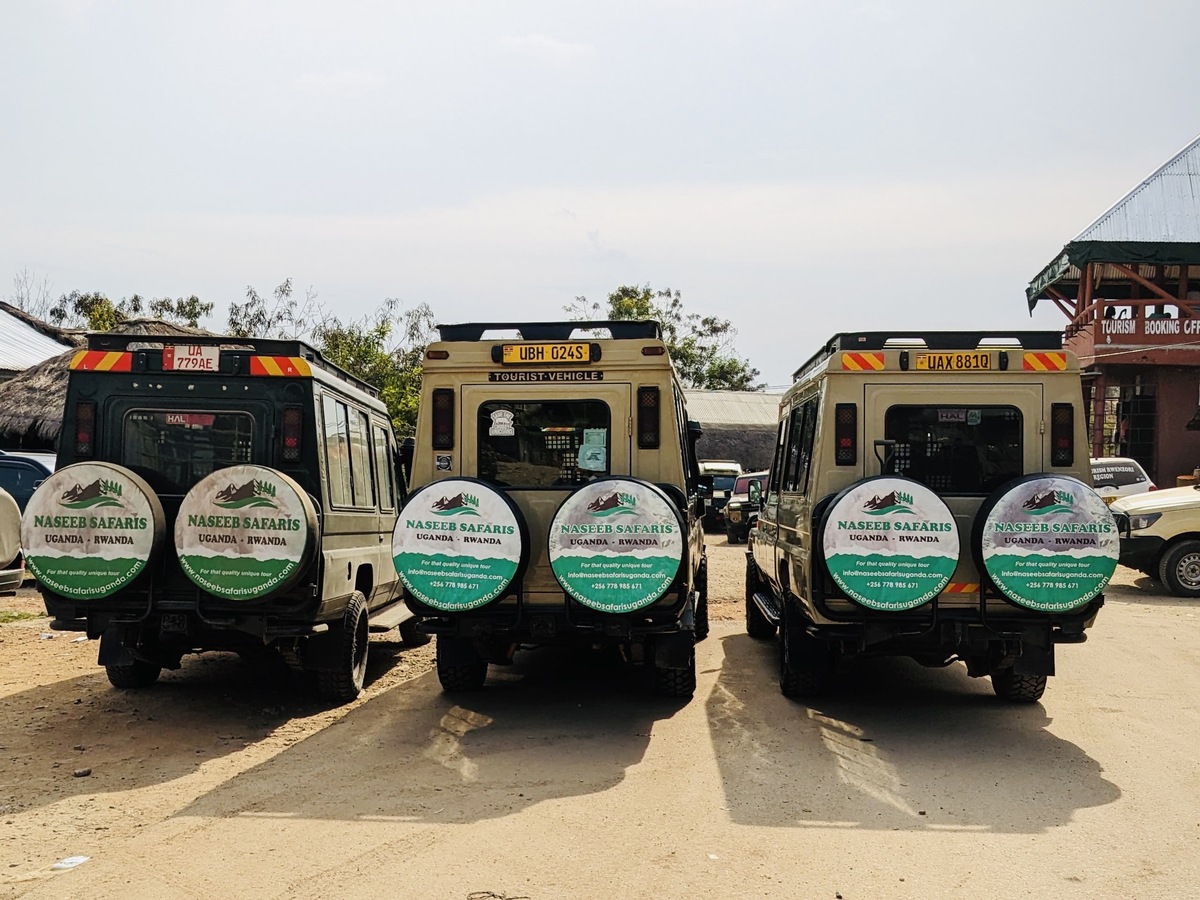
If you are planning a Uganda safari and would like expert guidance on permits, accommodation, transportation, or building an itinerary around your interests, Naseeb Safaris can help you create a journey that matches your budget, travel style, and schedule while ensuring every detail is carefully arranged.