
Uganda Safari Guide: Wildlife, Gorillas and Chimpanzees
Uganda Safari Guide: Wildlife, Gorillas and Chimpanzees, A Uganda safari is not limited to game drives across open savannah. Within one country, travellers can move from the Nile and its wildlife-rich floodplains into ancient rainforest, track chimpanzees beneath a dense canopy, walk through wetlands in search of rare birds, and trek into the mountains to see endangered mountain gorillas.
That variety is what makes planning important. Uganda is a relatively large country, roads can be slow outside the main towns, and the best safari itinerary depends heavily on how much time you have and what you want to see. A trip focused on gorillas will look very different from a classic wildlife safari, while combining both requires enough time for the journeys between destinations.
What Is a Uganda Safari Really Like?
The experience changes considerably from one region to another. In the savannah parks, mornings commonly begin with a game drive while temperatures are cooler and wildlife is active. In the forests, the pace is slower: you may spend hours walking behind a ranger, listening for movement in the vegetation and following tracks rather than simply driving towards animals.
Uganda is particularly well suited to travellers who want several types of wildlife experience in one trip. Murchison Falls National Park is known for elephants, giraffes, buffaloes, lions and other savannah species, while Queen Elizabeth National Park combines game drives with the Kazinga Channel boat cruise. Kibale Forest is one of the country’s principal chimpanzee destinations, and Bwindi Impenetrable National Park is the main destination for mountain gorilla trekking.
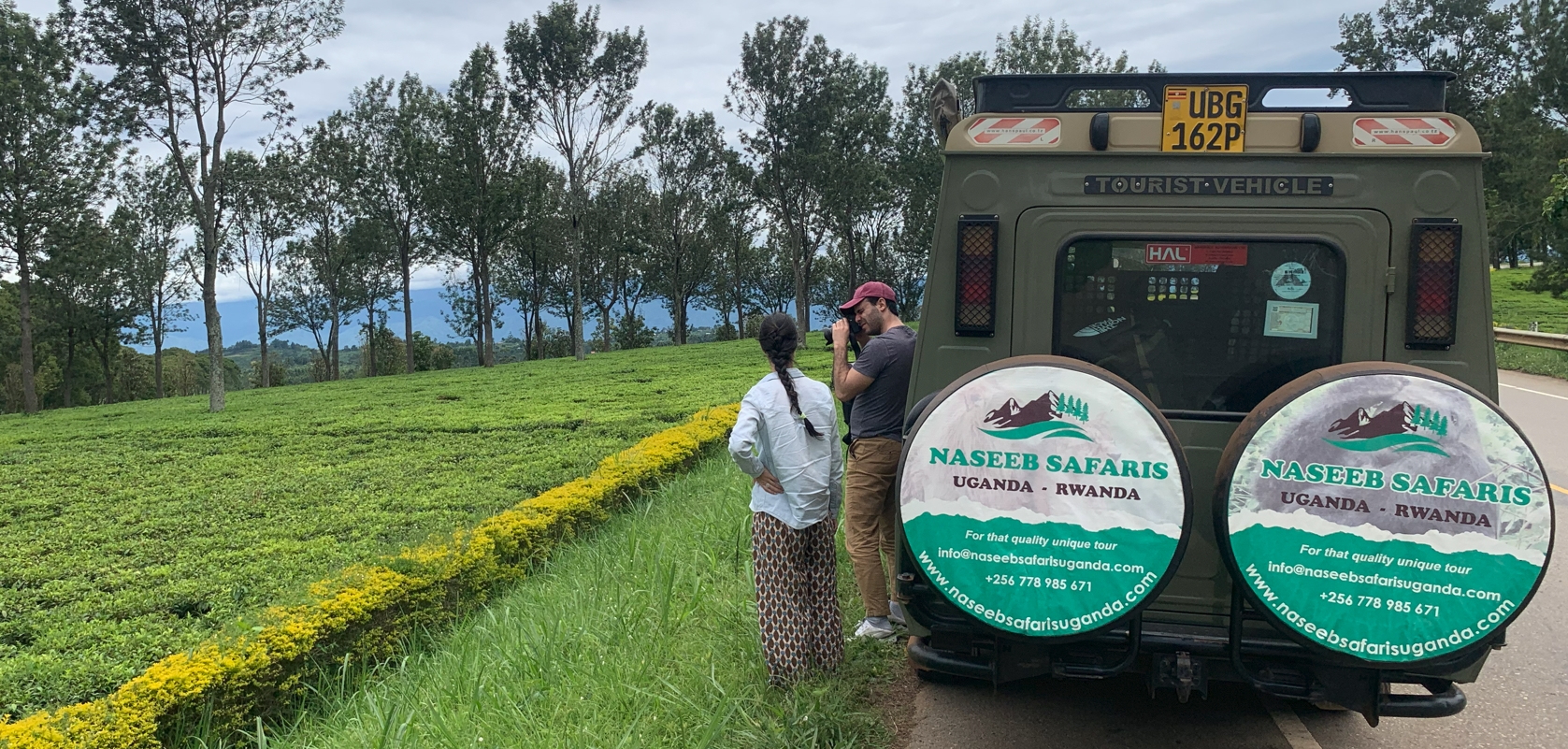
Tourist taking a photo of green tea plantation
Where Should You Go on a Uganda Safari?
Your choice of parks should follow your interests rather than trying to fit every destination into one itinerary.
Murchison Falls National Park
Murchison Falls is Uganda’s largest national park and a strong choice for a traditional safari. Game drives can produce sightings of elephants, buffaloes, giraffes, antelopes and lions, although wildlife sightings are never guaranteed.
The Nile is equally important to the experience. A boat trip towards the base of Murchison Falls provides a different perspective on the park, with hippos, crocodiles and waterbirds commonly seen along the river.
Queen Elizabeth National Park
Queen Elizabeth National Park offers a broad mix of habitats and activities. Game drives explore areas where elephants, buffaloes, antelopes and lions occur, while the Kazinga Channel connects Lakes Edward and George and supports large concentrations of hippos and many waterbirds.
The Ishasha sector in the south is also known for its tree-climbing lions, although sightings depend on the animals’ movements.
Kibale Forest National Park
Kibale is the place to consider if chimpanzees are high on your list. Chimpanzee tracking involves walking through forest habitat with trained guides and rangers while looking for a habituated community.
Travellers wanting a longer and more immersive primate experience can consider the Chimpanzee Habituation Experience, which allows substantially more time observing a community that is undergoing habituation.
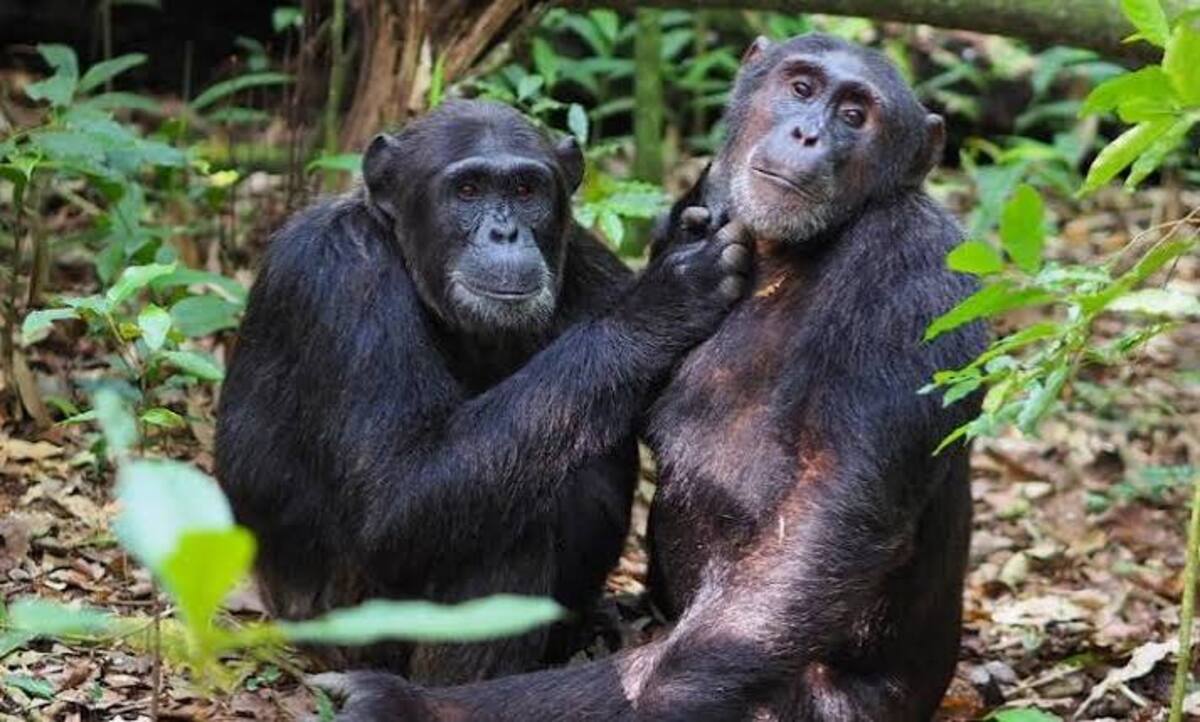
Chimpanzees grooming in Kibale
Bwindi Impenetrable National Park
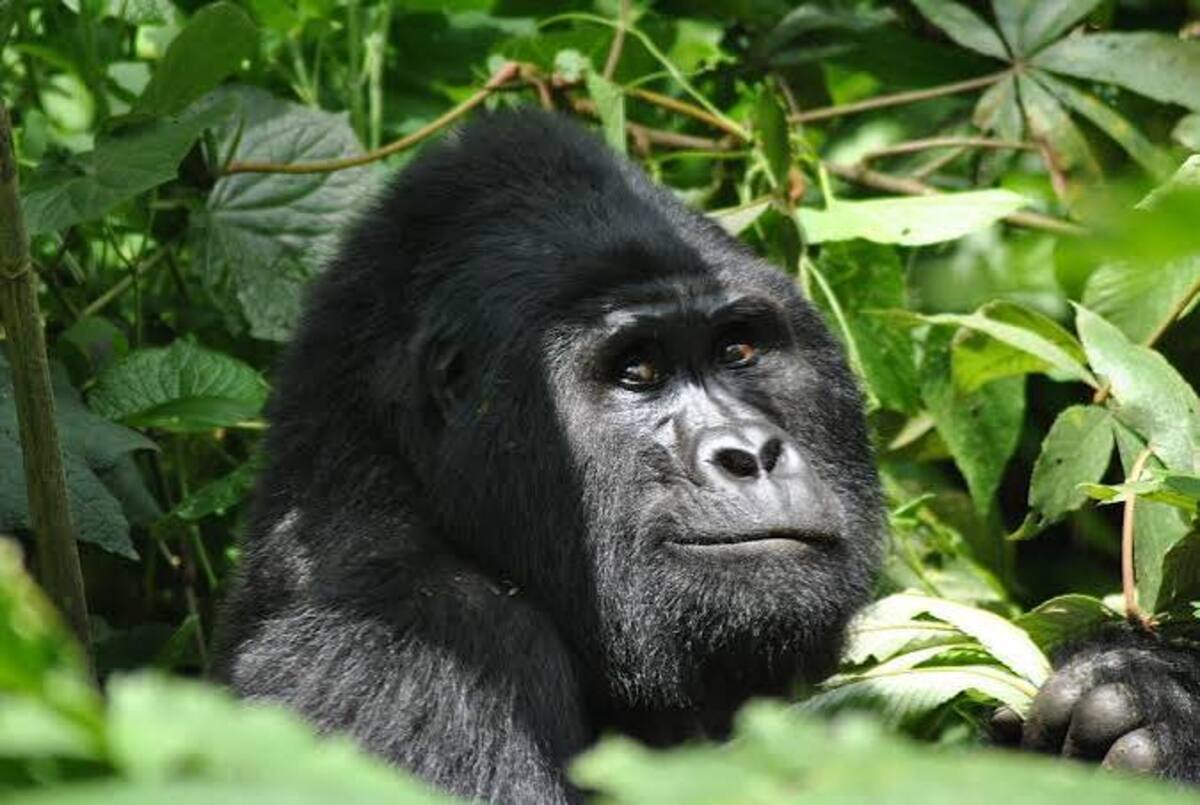
Bwindi is Uganda’s principal mountain gorilla destination. Gorilla trekking involves walking through forest terrain with trackers and rangers to locate a habituated gorilla family. The duration and difficulty vary because the animals move freely through the forest.
This is not a wildlife encounter that can be approached like a conventional game drive. Visitors should be prepared for uneven ground, steep sections, mud and changing weather.
How Much Does a Uganda Gorilla Permit Cost?
Permit prices can change, so travellers should confirm the current Uganda Wildlife Authority rate when planning. At present, the standard foreign non-resident gorilla trekking permit in Uganda is US$800 per person, while discounted low-season rates may apply during designated months like April, May and November.
The permit is separate from accommodation, transport, meals and other safari costs.
If gorilla trekking is central to your trip, securing the permit should be one of the first planning steps rather than something left until the itinerary is otherwise complete.
How Fit Do You Need to Be?
There is no single answer because conditions vary enormously.
A chimpanzee trek may involve several hours in forest terrain, while gorilla trekking can range from relatively manageable walks to demanding hikes involving steep slopes and thick vegetation. The location of the gorilla family on the day of your trek largely determines how far you will walk.
Good preparation includes regular walking, comfortable hiking shoes and clothing suitable for wet conditions. Travellers with limited mobility should discuss their circumstances with their safari operator before booking so that realistic arrangements can be considered.
Porters are available for gorilla trekking and can carry daypacks or provide physical assistance on difficult sections. Hiring one also provides direct income to people living around the protected area.
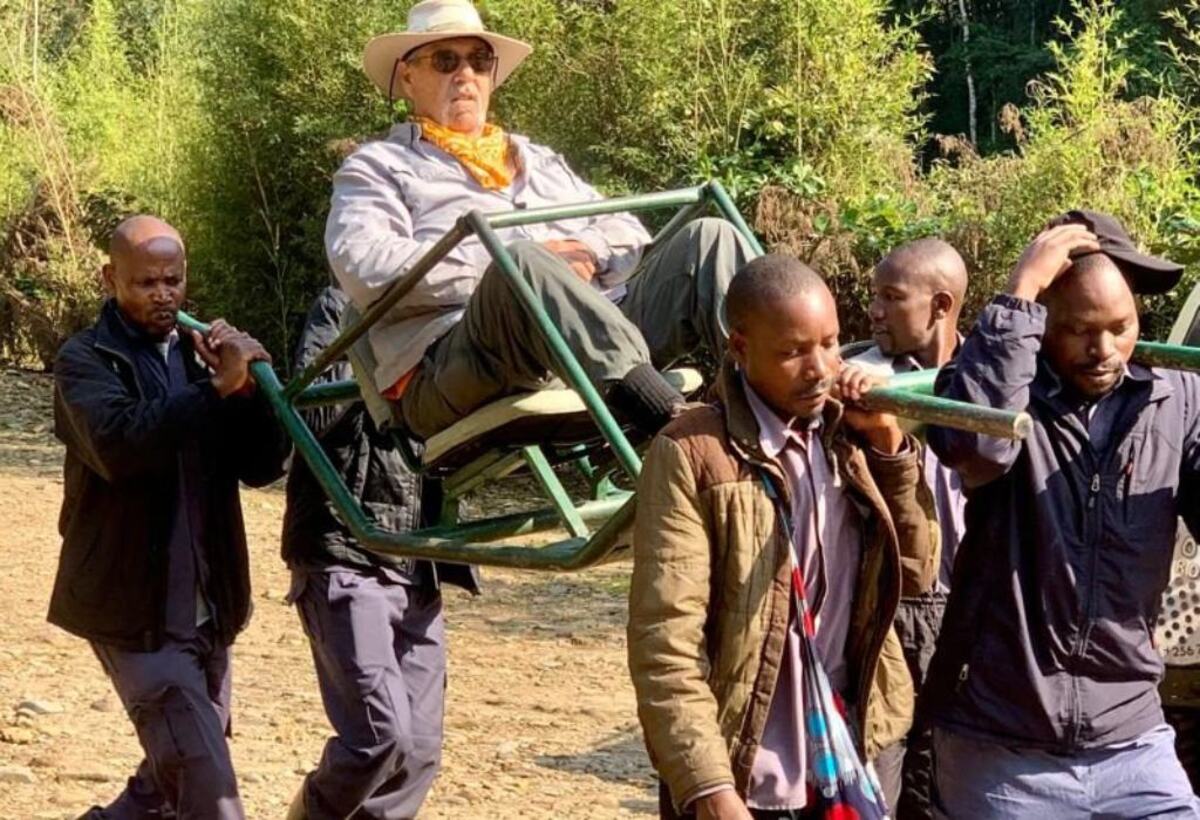
Porters assisting a senior trekker
When Is the Best Time to Visit Uganda?
Uganda is a year-round destination, but travel conditions change with the seasons.
The generally drier periods are June to September and December to February. These months are popular for safari travel because roads and walking trails can be easier to manage, although rain remains possible, particularly in forest regions.
The wetter months can still be rewarding. Birdwatchers may find excellent conditions for seeing migratory species, vegetation is lush, and visitor numbers can be lower in some areas.
Rather than choosing a month simply because it is labelled “dry season”, consider what you want to do and where you will be travelling.
How Do You Travel Between Uganda’s Safari Parks?
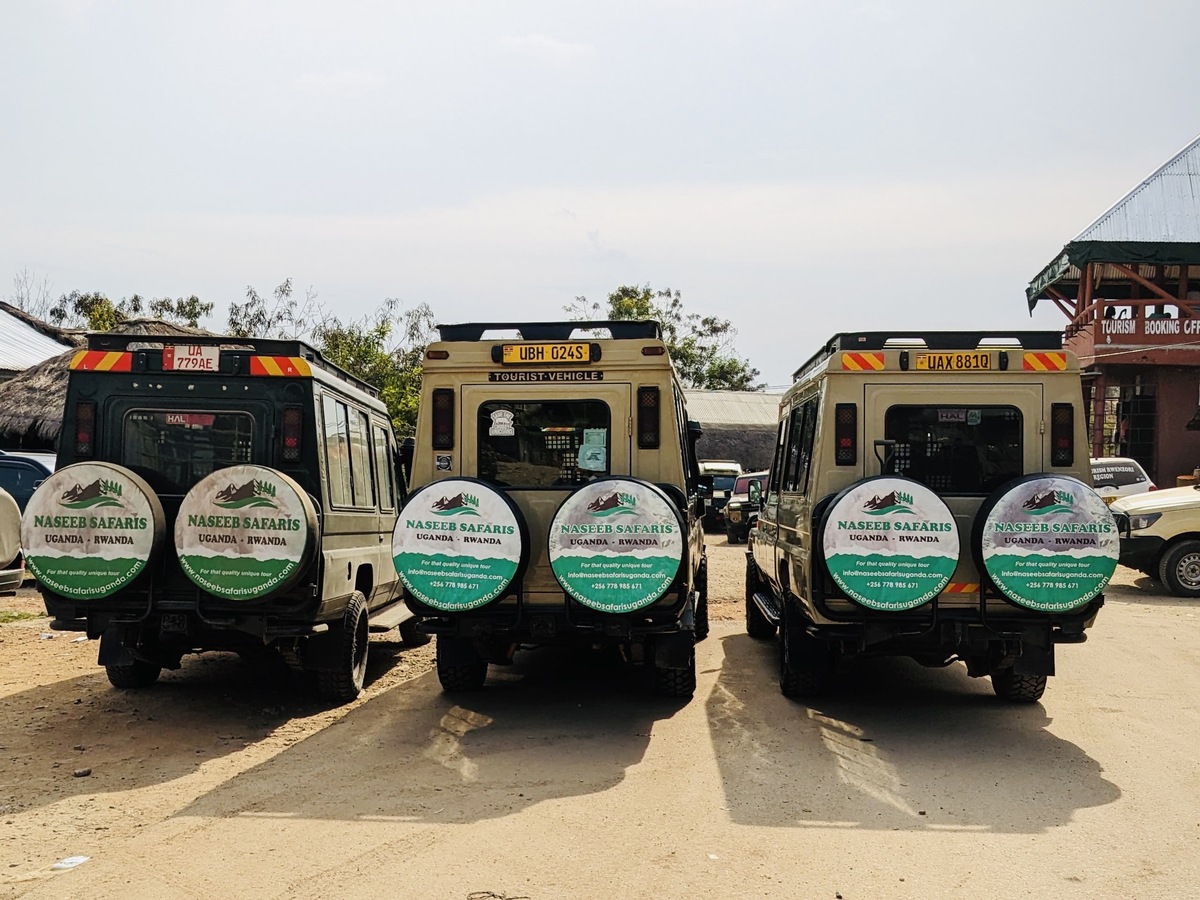
For most visitors, a private 4×4 safari vehicle with a professional driver-guide is the most practical way to travel between destinations.
Road journeys form a significant part of a Uganda safari. Some major highways are paved, but routes into national parks and rural areas can include rough, dusty or muddy sections. Journey times can therefore be longer than the distance on a map suggests.
Domestic flights can reduce some long overland journeys, but they do not necessarily make sense for every itinerary. Travellers should compare the cost, schedule and convenience against the flexibility of travelling by road.
A common mistake is trying to include too many parks in a short trip. Spending less time travelling and more time in each destination often produces a better safari.
Where Should You Stay?
Accommodation ranges from simple safari camps to comfortable lodges and higher-end properties. The right choice depends on your budget and how much importance you place on location, facilities and comfort.
For wildlife areas, staying inside or close to a national park can reduce driving time to activities. Around gorilla destinations, choosing accommodation near your actual trekking sector is particularly useful because early morning transfers can otherwise become inconvenient.
When comparing lodges, look beyond photographs. Ask about road access, electricity, hot water, meals, room facilities and the distance to the activity starting point.
What Should You Pack?
A Uganda safari does not require a huge amount of specialist equipment, but sensible clothing matters.
Bring lightweight clothing for warm conditions, a waterproof jacket, comfortable walking shoes or boots, insect repellent, sunscreen, a hat, personal medication and a small daypack. Gorilla trekking also calls for long trousers and clothing that protects against vegetation and insects.
For photography, a telephoto lens is useful for wildlife, while a wider lens can be valuable for landscapes and forest scenes. A rain cover or waterproof protection for camera equipment is worth carrying.
Avoid wearing strong perfumes during forest activities, and follow ranger instructions about distance and behaviour around wildlife.
What About Safety and Responsible Tourism?
Uganda’s established safari destinations receive international visitors every year, but normal travel precautions still apply. Keep valuables secure, follow your guide’s instructions and avoid walking away from designated areas without an appropriate guide.
Wild animals remain wild even when habituated. During gorilla, chimpanzee and game-viewing experiences, maintain the distance and behaviour required by rangers. Never attempt to attract an animal’s attention for a photograph.
Responsible travel also means considering where your money goes. Using local guides and porters, purchasing locally made crafts and choosing tourism businesses that support surrounding communities can help ensure that tourism benefits people living near protected areas.
How Far in Advance Should You Book?
For ordinary wildlife safaris, there can be flexibility, particularly outside peak travel periods. Gorilla permits are different because availability is limited.
Travellers planning to trek gorillas should arrange permits and accommodation well in advance, especially for popular travel periods. The same principle applies if you have specific lodges, dates or trekking sectors in mind.
It is also sensible to build some flexibility into the itinerary. Road delays, weather and wildlife activities do not always run according to a rigid timetable.
Is Uganda the Right Safari Destination for You?
Uganda makes particular sense for travellers who want variety. You can combine traditional game viewing with chimpanzee tracking, gorilla trekking, birdwatching and cultural experiences rather than choosing between a forest holiday and a savannah safari.
It is less suitable for someone expecting every day to involve short drives between large concentrations of easily visible wildlife. Distances can be substantial, roads can be slow, and forest trekking requires physical effort.
The reward is a safari that feels varied from one day to the next. One morning might begin on the Nile watching hippos along the riverbank; another could involve walking beneath a rainforest canopy following chimpanzee calls.
Frequently Asked Questions
How many days do I need for a Uganda safari?
A short trip can focus on one experience, such as gorilla trekking, but combining gorillas with chimpanzees and classic wildlife viewing generally requires a longer itinerary. Allowing enough time for road journeys is important.
Is Uganda good for a first safari?
Yes, provided travellers understand that it is not purely a game-drive destination. Its appeal is the combination of savannah wildlife, primates, forests, birds and cultural experiences.
Can I see the Big Five in Uganda?
Uganda supports lions, elephants, buffaloes and leopards, while rhinos can be seen at Ziwa Rhino Sanctuary. Sightings are never guaranteed, and the experience differs from destination to destination.
Can children go on a Uganda safari?
Children can enjoy many safari activities, but age restrictions apply to certain experiences. Gorilla trekking and Kibale chimpanzee tracking have minimum age requirements, so families should check the rules before building an itinerary.
Do I need a porter for gorilla trekking?
No, but many trekkers choose to hire one. Porters can carry belongings and assist on difficult terrain while providing an important source of income to local communities.
Final Thoughts
A Uganda safari is best approached as a journey through several different landscapes rather than a single wildlife experience. The savannah, rainforest, wetlands and mountains each demand a slightly different pace, and the strongest itineraries leave enough time to appreciate those differences.
For some travellers, the defining moment will be a gorilla encounter in Bwindi. For others, it may be watching elephants beside the Nile, following chimpanzee calls through Kibale or finding a shoebill in the wetlands near Entebbe. What connects these experiences is the opportunity to encounter Uganda’s wildlife in the environments where it naturally lives.
If you are considering a Uganda safari but are unsure how to combine the parks, activities, accommodation and travel time, Naseeb Safaris can help you plan an itinerary around your interests, available time and preferred travel style.