
Best Time To Go Uganda Gorilla Trekking
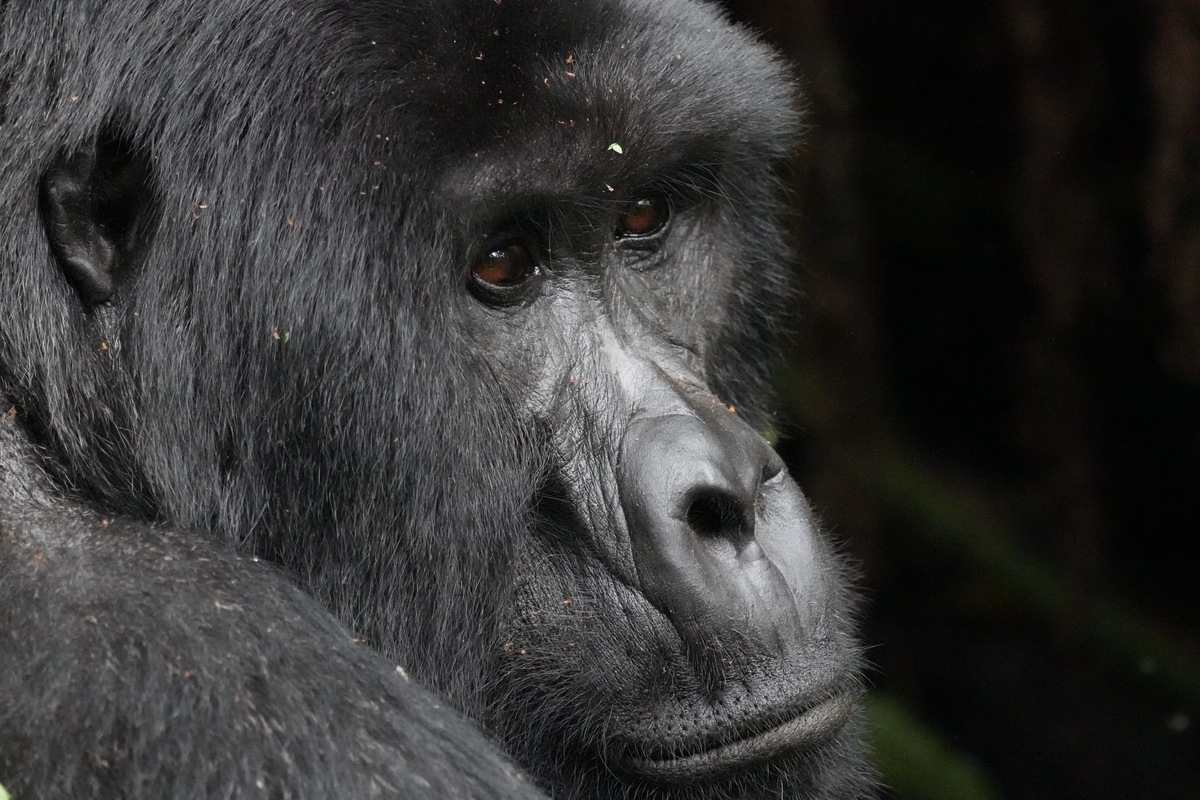
Best Time To Go Uganda Gorilla Trekking, Mountain gorilla trekking is one of the most extraordinary wildlife experiences in Africa. Coming face to face with a family of wild mountain gorillas in their natural rainforest habitat is an emotional encounter that stays with you long after your journey ends. Uganda is one of the best destinations in the world for this experience, with more than half of the world’s remaining mountain gorillas living in its protected forests. Visitors can track these endangered primates in Bwindi Impenetrable National Park and Mgahinga Gorilla National Park, both located in southwestern Uganda.
One of the most common questions travellers ask when planning a Uganda safari is when is the best time for gorilla trekking? Although gorilla trekking takes place throughout the year, the weather, forest conditions, permit availability, accommodation prices and number of visitors can influence your experience. Some travellers prefer the drier months when forest trails are generally easier to navigate, while others choose the rainy season for fewer crowds, greater permit availability and potentially lower accommodation costs.
Understanding Uganda’s two main trekking seasons will help you choose the right time for your gorilla trekking adventure.
Best Time for Gorilla Trekking in Uganda
The best time for gorilla trekking in Uganda is generally during the drier months of June to September and December to February. These periods usually experience less rainfall, making forest trails relatively easier to navigate. They are also popular months for international travellers planning gorilla safaris in Bwindi and Mgahinga.
However, Uganda’s tropical climate means that rain can fall at any time of the year, even during the dry season. Both national parks are high-altitude rainforest environments, so visitors should always prepare for changing weather conditions.
The rainy months of March to May and October to November can also be rewarding for gorilla trekking. Although the trails are often muddier and more challenging, the forests become beautifully green, visitor numbers are generally lower, and travellers may find better availability of permits and accommodation.
Ultimately, the best time depends on your priorities, whether you value easier hiking conditions, photography, fewer visitors or a more affordable Uganda safari.
Gorilla Trekking in Uganda During the Dry Season: June to September and December to February
The dry season is widely regarded as the most convenient time for gorilla trekking in Uganda. June, July, August and September are particularly popular, while December, January and February also attract many visitors.
During these months, rainfall is generally lower, and forest trails tend to be firmer and less slippery. This can make hiking through Bwindi Impenetrable National Park more comfortable, especially in sectors with steep terrain such as Rushaga and Nkuringo. Although gorilla trekking distances vary depending on where the gorilla families are located, drier conditions can make navigating the forest easier.
The dry season is also favourable for photography. With fewer heavy rain showers, photographers have a better opportunity to protect their camera equipment and capture mountain gorillas in the forest. Morning mist, filtered sunlight and the beautiful green vegetation still create excellent photographic opportunities.
Another advantage is road accessibility. Some of Uganda’s gorilla trekking sectors are reached through remote mountainous roads, which can become difficult after prolonged rainfall. Travelling during the drier months generally makes road transfers easier, particularly for visitors travelling between Bwindi, Queen Elizabeth National Park and other safari destinations.
However, the dry season is also the busiest time for gorilla trekking. June to August, in particular, attracts high international demand, and permits for popular sectors such as Buhoma and Ruhija can become limited. Accommodation prices are also generally higher, especially at luxury lodges.
Travellers planning to visit during these months should reserve their gorilla permits and accommodation several months in advance. Booking approximately four to six months ahead is a sensible approach for popular travel dates.
The dry season is particularly suitable for first-time gorilla trekkers, photographers, families travelling with eligible teenagers and visitors who prefer relatively favourable hiking and road conditions.
Gorilla trekking
Gorilla Trekking in Uganda During the Rainy Season: March to May and October to November
The rainy season is another excellent time to visit Uganda for gorilla trekking, particularly for travellers who prefer quieter destinations and greater flexibility when planning their safari.
March, April and May generally receive heavier rainfall, while October and November are also among the wetter months. The forest trails can become muddy, slippery and more physically demanding, especially when hiking through steep sections of Bwindi.
However, the rainy season transforms the landscape. Bwindi and Mgahinga become exceptionally green, with fresh vegetation, mist-covered hills and beautiful rainforest scenery. For nature lovers and photographers interested in capturing the atmosphere of a tropical rainforest, these months can be particularly rewarding.
One of the biggest advantages of travelling during the rainy season is the availability of gorilla trekking permits. Demand is generally lower than during the main dry season, giving visitors more flexibility when choosing travel dates and trekking sectors. Accommodation providers may also offer seasonal discounts, particularly during March to May and October to November.
It is important to understand that rain does not mean gorilla trekking stops. The activity continues throughout the year, and visitors can still enjoy remarkable encounters with mountain gorillas during wet weather.
Some travellers may also find that gorilla families are easier to locate during certain rainy-season periods because of food availability and their feeding patterns. However, this is not guaranteed. The location of gorilla families changes daily, and trekking distances depend on where the trackers find them on the morning of the trek.
The rainy season is ideal for adventure travellers, repeat visitors, photographers who appreciate lush rainforest scenery and travellers looking for better value on accommodation.
Month-by-Month Guide to Gorilla Trekking in Uganda
Understanding what to expect in each month can help you decide when to plan your gorilla trekking safari.
January and February: These are generally among the drier months in Uganda. Forest trails are often easier to navigate, and the weather is favourable for combining gorilla trekking with other wildlife experiences. They are excellent months for visitors who prefer relatively dry conditions, although permits and accommodation should still be booked in advance.
March: Rainfall generally begins to increase, particularly towards the end of the month. The forest becomes greener, and visitor numbers may be lower than during the peak season. It is a good time for travellers looking for a quieter gorilla trekking experience.
April: April is usually one of the wettest months in southwestern Uganda. Trails can be muddy and slippery, and road transfers may take longer. However, visitors can enjoy beautiful rainforest scenery and potentially better accommodation deals.
May: Rainfall may continue during May, although conditions can vary. It is another suitable month for travellers who do not mind challenging hiking conditions and prefer fewer visitors.
June: June marks the beginning of the main dry season and the start of the busiest gorilla trekking period. Demand for permits increases, and early booking is recommended.
July and August: These are among the most popular months for gorilla trekking in Uganda. Rainfall is generally lower, making hiking and road transfers more convenient. However, permits and accommodation can be difficult to secure without advance planning.
September: September is often a good month for gorilla trekking, with relatively favourable weather conditions. It can offer a balance between the main peak season and the transition towards the wetter months.
October: Rainfall generally increases, although the beginning of the month can still experience relatively favourable conditions. Visitor numbers may decrease, and accommodation availability can improve.
November: November is generally a rainy month, with lush forest vegetation and fewer international visitors. It can be an attractive period for travellers looking for a quieter safari.
December: December often experiences improving weather conditions, particularly towards the end of the month. Demand increases around Christmas and New Year, so early reservations are advisable.
Bwindi or Mgahinga: Which Gorilla Trekking Destination Is Better?
Uganda has two national parks where visitors can trek mountain gorillas: Bwindi Impenetrable National Park and Mgahinga Gorilla National Park. Both offer unforgettable encounters, but they provide different trekking environments and experiences.
Bwindi Impenetrable National Park
Bwindi Impenetrable National Park is Uganda’s main mountain gorilla trekking destination and protects a significant proportion of the world’s remaining mountain gorillas. The ancient rainforest is home to numerous habituated gorilla families distributed across four trekking sectors: Buhoma, Ruhija, Rushaga and Nkuringo.
Each sector has its own character, scenery, accommodation options and trekking conditions. The best choice depends on your travel route, physical fitness, accommodation preferences and permit availability.
During the dry season, Bwindi’s forest trails are generally firmer, making trekking more manageable. This is particularly helpful in the steeper sectors of Rushaga and Nkuringo. During the rainy season, the forest becomes greener and more atmospheric, although the trails can be slippery and challenging.
Buhoma Sector: Located in northern Bwindi, Buhoma is one of the most established and popular gorilla trekking areas. It offers a range of accommodation options and relatively gentler trekking terrain compared with some of the other sectors. It is a good option for travellers who prefer a less demanding hiking experience, although gorilla trekking difficulty always depends on the location of the assigned family.
Ruhija Sector: Situated in eastern Bwindi, Ruhija offers beautiful forest scenery, elevated viewpoints and excellent birdwatching opportunities. It is a good choice for travellers interested in combining gorilla trekking with other nature experiences. The trekking terrain is generally moderate, although conditions vary.
Rushaga Sector: Located in southern Bwindi, Rushaga is known for its large number of habituated gorilla families and the availability of the Gorilla Habituation Experience. The terrain can be steep, making a reasonable level of physical fitness important. It is particularly suitable for travellers interested in a longer and more immersive gorilla experience.
Nkuringo Sector: Also located in southern Bwindi, Nkuringo is known for its mountainous landscape, spectacular views and challenging hiking terrain. It is particularly attractive to adventurous travellers and those who enjoy more strenuous forest walks. The trails can become especially slippery during the rainy season.
Mgahinga Gorilla National Park
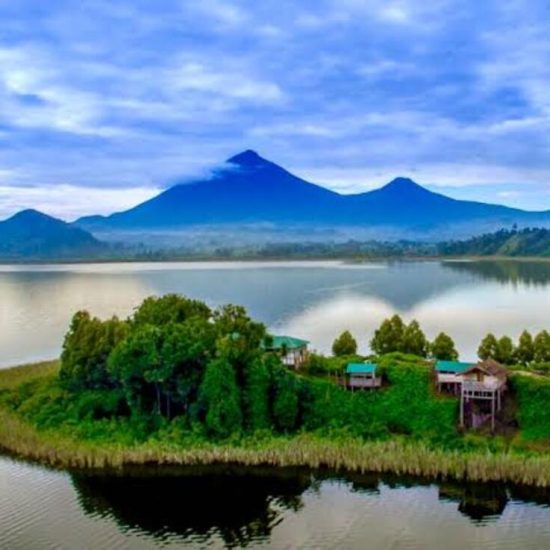
Mgahinga Gorilla National Park is Uganda’s smallest national park and forms part of the spectacular Virunga Conservation Area, which extends across Uganda, Rwanda and the Democratic Republic of Congo.
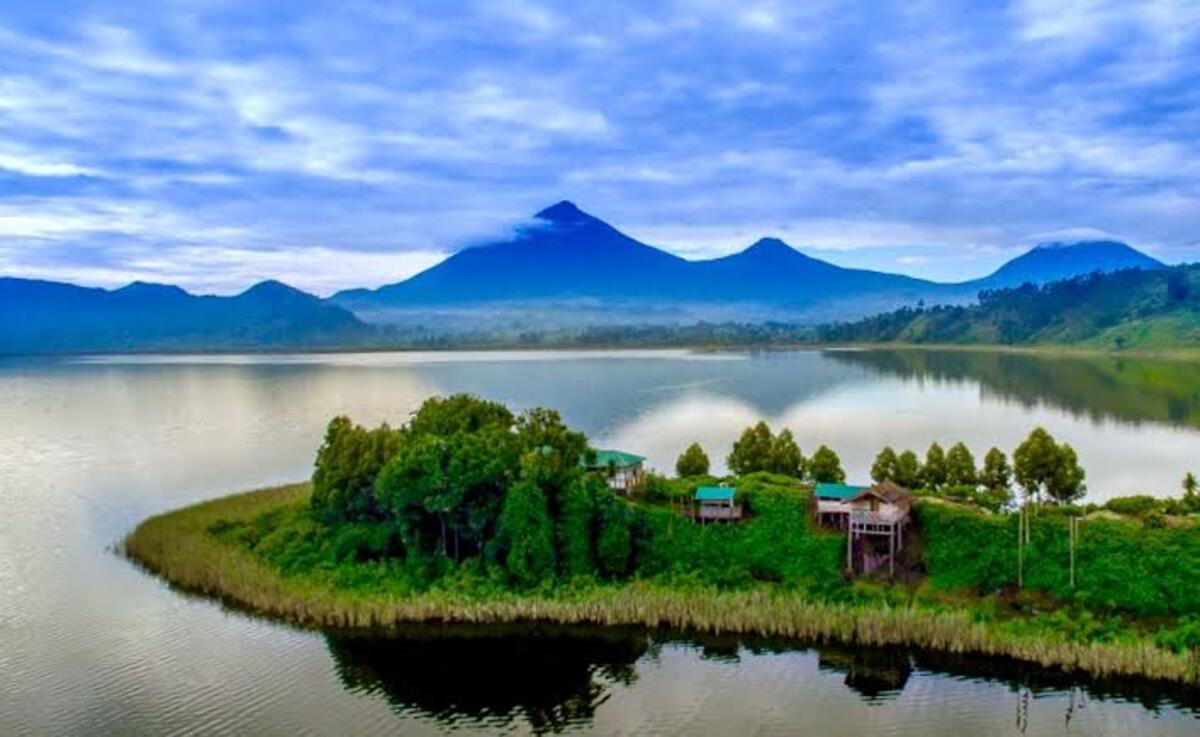
Unlike Bwindi, which has several habituated gorilla families, Mgahinga currently offers trekking with the Nyakagezi gorilla family. The park’s dramatic landscape includes the volcanic mountains of Muhabura, Gahinga and Sabyinyo, creating a unique high-altitude trekking environment.
Gorilla trekking in Mgahinga involves hiking through montane forest and bamboo vegetation along the slopes of the Virunga volcanoes. During the drier months, the trails are generally easier to navigate. In the rainy season, the volcanic terrain can become slippery and more demanding.
Mgahinga is an excellent alternative for travellers who want to experience gorilla trekking in a less extensive park with beautiful volcanic scenery. However, because there is only one habituated gorilla family available for trekking, permit availability is limited compared with Bwindi. Visitors should confirm availability before making travel arrangements.
Does the Rainy Season Make Gorilla Trekking More Difficult?
Gorilla trekking can be more physically demanding during the rainy season because forest trails become muddy, slippery and sometimes steep. Hikers may need to walk carefully through thick vegetation, climb muddy slopes and use their hands to maintain balance.
However, the difficulty of gorilla trekking is not determined by the weather alone. Some gorilla families may be found relatively close to the starting point, while others may require several hours of hiking. Even during the dry season, visitors can experience challenging treks depending on the location of the gorillas.
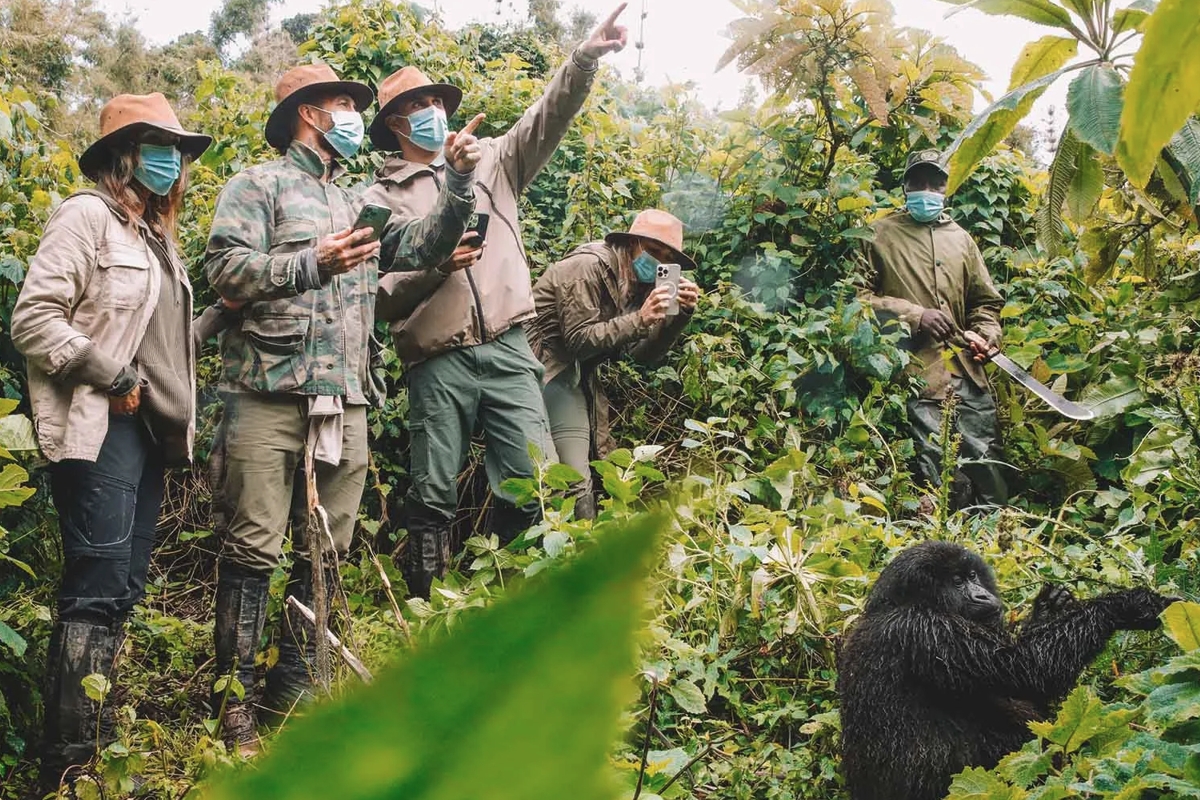
The good news is that experienced Uganda Wildlife Authority trackers accompany visitors into the forest and communicate with the trekking teams to locate the gorilla families.
Travellers should prepare for changing conditions regardless of their travel month. Good hiking boots, waterproof clothing, gardening gloves and a reasonable level of fitness are important throughout the year.
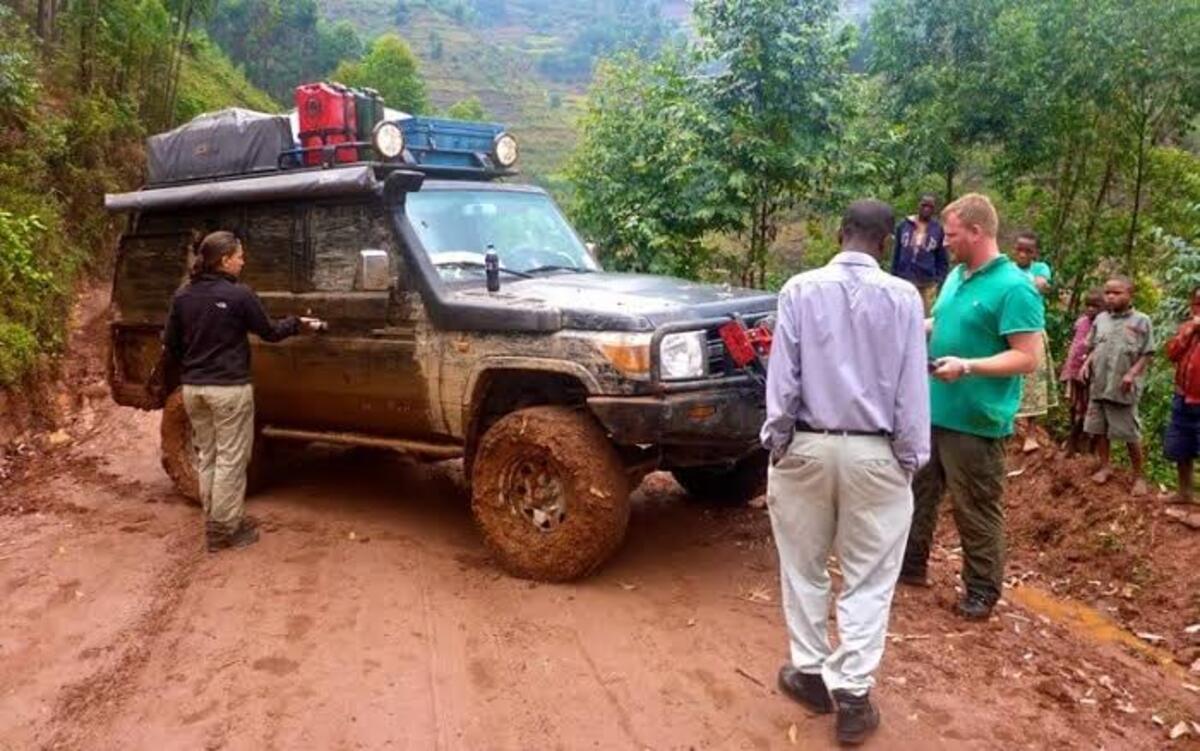
rainy season slippery road
Gorilla Trekking Permit Prices in Uganda
Gorilla trekking permits are required for anyone visiting habituated mountain gorilla families in Bwindi Impenetrable National Park or Mgahinga Gorilla National Park.
For foreign non-residents, a standard Uganda gorilla trekking permit currently costs USD 800 per person. The permit allows visitors one hour with the assigned habituated gorilla family after it has been located.
Unlike accommodation rates, standard gorilla trekking permit prices do not normally change between the dry and rainy seasons. Therefore, choosing the low season does not automatically mean paying less for the permit.
The main financial advantage of travelling during the rainy season is the possibility of finding discounted accommodation and more flexible travel arrangements.
For visitors interested in spending more time with mountain gorillas, Uganda also offers the Gorilla Habituation Experience in the Rushaga sector of Bwindi. This experience allows visitors to spend up to four hours with a semi-habituated gorilla family, offering a more extended opportunity to observe their behaviour and learn about the habituation process. The permit for foreign non-residents currently costs USD 1,500 per person but effective 01st January 2027, the permit will cost USD 1,800 per person.
Because gorilla permits are limited, especially during popular travel periods, it is advisable to secure your permit before confirming the rest of your safari arrangements.
What to Pack for Gorilla Trekking in Uganda
Packing the right clothing and equipment can make a significant difference to your comfort in the forest. Bwindi and Mgahinga are high-altitude rainforest environments, where temperatures are generally cool and rain can occur throughout the year.
Regardless of when you visit, comfortable waterproof hiking boots with good grip are essential. Long trousers and long-sleeved shirts help protect your legs and arms from scratches, stinging vegetation and insects. Gardening gloves are useful when holding onto branches and vegetation while navigating steep trails.
A lightweight waterproof jacket and a waterproof daypack will help protect you and your belongings from unexpected rain showers. Carry enough drinking water, snacks, a camera, extra batteries and a small personal first-aid kit.
During the rainy season, an additional pair of socks and gaiters can be particularly useful because trails are often muddy. A walking stick can also help with balance on steep sections of the forest.
Visitors should also consider hiring a local porter at the trekking starting point. Porters assist with carrying daypacks and provide support on difficult sections of the trail. Hiring a porter is also a meaningful way to support communities living around the national parks.
Practical Tips for Planning a Gorilla Trekking Safari in Uganda
Planning ahead is important, particularly if you want to trek during June, July, August or December. These months attract many international visitors, and gorilla permits for preferred sectors can become unavailable.
If you are travelling during the rainy season, consider arranging a reliable four-wheel-drive safari vehicle. Some roads leading to remote parts of Bwindi can become difficult after heavy rainfall, and journey times may increase.
It is also important to choose accommodation close to your assigned trekking sector. Bwindi is a large forest, and travelling from one sector to another can take considerable time. Staying near the starting point makes it easier to attend the early morning briefing and begin your trek without a long transfer.
For travellers combining gorilla trekking with a wider Uganda safari, the time of year can influence the order of destinations. Bwindi can be combined with Queen Elizabeth National Park, particularly the Ishasha sector, while Mgahinga can be combined with Lake Mutanda, Lake Bunyonyi and other attractions in southwestern Uganda.
Travel insurance is advisable, particularly during the rainy season, when heavy rainfall can occasionally affect road accessibility and domestic flight schedules.
Frequently Asked Questions About the Best Time for Gorilla Trekking in Uganda
Can I go gorilla trekking in Uganda throughout the year?
Yes. Gorilla trekking takes place throughout the year in Bwindi Impenetrable National Park and Mgahinga Gorilla National Park. There is no closed trekking season for habituated mountain gorilla families. However, weather conditions, permit availability and accommodation options vary throughout the year.
What is the absolute best month for gorilla trekking in Uganda?
June, July, August, January and February are generally excellent months because they fall within the drier periods. July and August are particularly popular with international visitors. However, there is no single perfect month, as the best time depends on your preferences and travel arrangements.
Is gorilla trekking easier during the rainy season?
Not necessarily. Rain makes forest trails muddy and slippery, which can make hiking more challenging. However, the distance you walk depends mainly on where the gorilla family is located. Some treks are short, while others can take several hours, regardless of the season.
Are gorilla permits cheaper during the rainy season?
No. Uganda’s standard gorilla trekking permit price for foreign non-residents is currently USD 800 per person except for April, May and November where its USD 600 per person. Some lodges and accommodation providers offer lower rates during the low season as well, making the overall safari more affordable.
Will I see gorillas if it rains?
Yes. Rain does not normally prevent visitors from trekking mountain gorillas. The activity continues in different weather conditions, and gorillas remain in their natural rainforest habitat throughout the year. Visitors should carry appropriate waterproof clothing and prepare for wet trails.
How many days should I spend on a gorilla trekking safari in Uganda?
A three-day Uganda gorilla trekking safari is a popular option for travellers who want to focus mainly on seeing mountain gorillas in Bwindi or Mgahinga. However, a five-day itinerary can include both gorilla and chimpanzee trekking, while a seven-day or longer safari allows more time to explore Uganda’s wildlife parks, lakes and cultural attractions.
Plan Your Gorilla Trekking Safari in Uganda with Naseeb Safaris
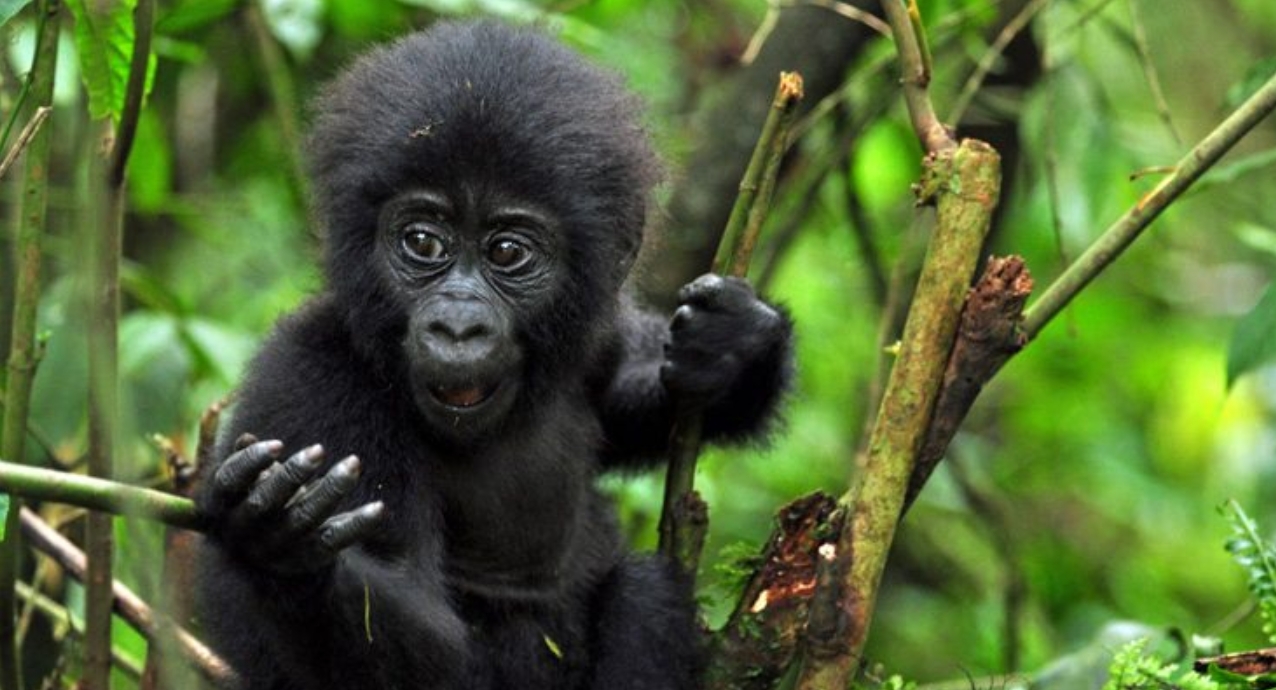
Gorilla trek with Naseeb Safaris
Whether you choose the dry season for generally easier hiking conditions or the rainy season for greener landscapes and potentially better accommodation rates, gorilla trekking in Uganda is an experience worth planning carefully.
At Naseeb Safaris Uganda, we organise private and tailor-made gorilla trekking safaris in Bwindi Impenetrable National Park and Mgahinga Gorilla National Park. As a locally owned Ugandan tour operator, we help travellers choose the most suitable trekking sector, secure gorilla permits, arrange accommodation and organise comfortable transport with experienced local guides.
We can also combine your gorilla trekking experience with chimpanzee tracking in Kibale Forest, wildlife viewing in Queen Elizabeth National Park, a visit to Lake Bunyonyi or the scenic landscapes of Lake Mutanda.
Whether you are planning a short gorilla trekking trip or a longer Uganda wildlife safari, we will help you choose the right travel dates and create an itinerary that suits your interests, budget and available time.
Contact Naseeb Safaris Uganda to start planning your gorilla trekking adventure.