
What is Gorilla Trekking Age Limit in Uganda?
What is Gorilla Trekking Age Limit in Uganda?, Planning a gorilla trekking safari involves more than choosing travel dates and securing permits. For families in particular, one of the first questions is often whether everyone is old enough to take part.
Uganda has clear age regulations for mountain gorilla trekking, and understanding them before booking can save considerable time, money, and disappointment. These rules are not simply administrative, they exist to protect one of the world’s most vulnerable wildlife species while helping ensure that visitors have a safe and rewarding experience.
Whether you are travelling with teenagers, younger children, grandparents, or multiple generations, this guide explains the official age requirement, why it exists, whether exceptions are possible, and what alternatives are available if someone in your group cannot join the trek.
What Is the Minimum Age for Gorilla Trekking in Uganda?
The minimum age for gorilla trekking in Uganda is 15 years.
This rule is set and enforced by the Uganda Wildlife Authority (UWA), which manages both of Uganda’s mountain gorilla parks. Every person taking part must be at least 15 years old on the day of their trek.
The regulation applies equally to all visitors, including:
- International tourists
- Ugandan residents
- East African citizens
- Independent travellers
- Guests travelling on guided safaris
It also applies in both of Uganda’s gorilla trekking destinations:
- Bwindi Impenetrable National Park
- Mgahinga Gorilla National Park
When permits are checked on the morning of the trek, guides and park officials verify participants’ details. If someone does not meet the minimum age requirement, they will normally not be allowed to join the trek.
Planning tip: Always provide the correct date of birth when booking gorilla permits. Incorrect information can lead to permit cancellation without compensation.
Why Is the Age Limit 15 Years?
Many travellers assume the age restriction exists because the hike is physically demanding. While that is certainly part of the reason, the policy was developed primarily to protect mountain gorillas and ensure safe encounters for both wildlife and visitors.
Several factors influenced the decision.
Protecting Gorillas from Human Diseases
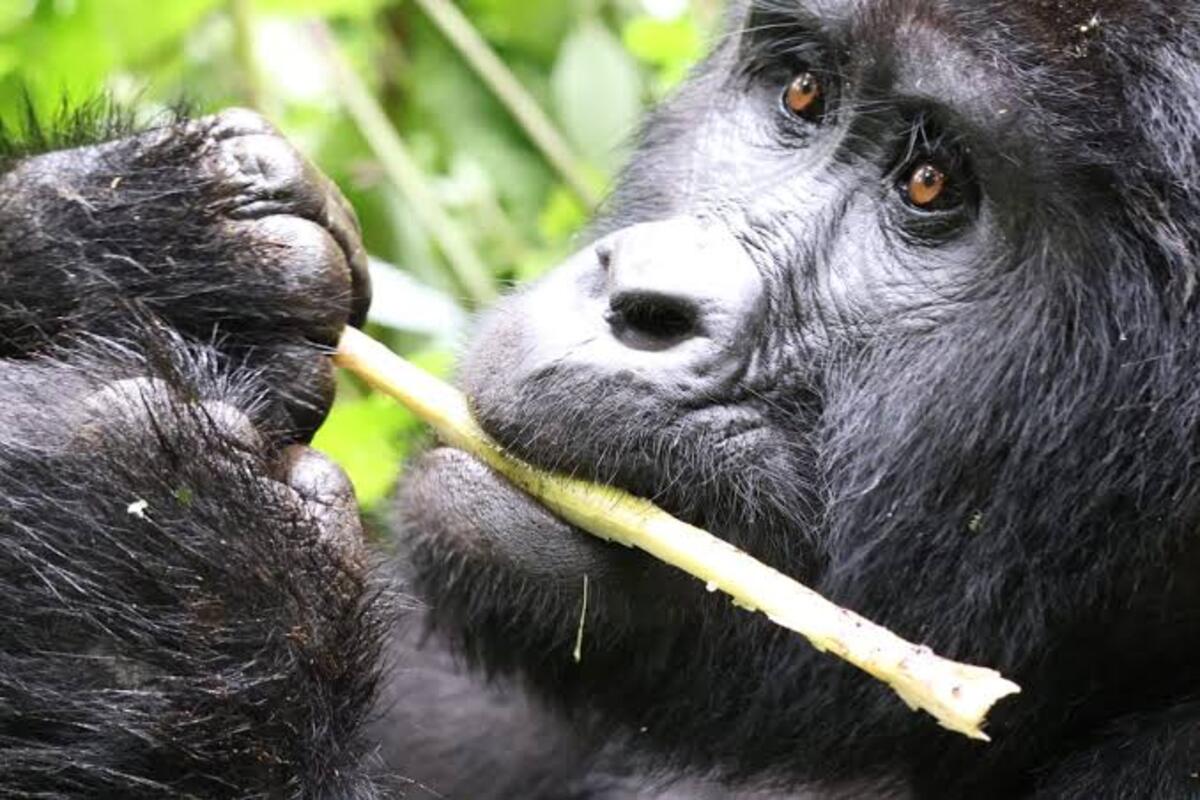
Mountain gorillas are closely related to humans and are vulnerable to many of the same respiratory illnesses.
Even a common cold, seasonal flu, or other airborne infection can spread to gorillas with serious consequences for an already endangered population.
Although every visitor is expected to follow strict health guidelines, younger children generally find it more difficult to control coughing, sneezing, or touching their faces during a long hike. The age requirement helps reduce this risk.
Visitors who feel unwell on the day of the trek should report their symptoms honestly rather than attempting to participate. Protecting the gorillas is considered a shared responsibility.
Gorilla Trekking Can Be Physically Demanding
No two gorilla treks are exactly alike.
Some families locate their assigned gorilla group within an hour, while others spend much of the morning hiking through steep hillsides and dense vegetation before making contact.
Conditions depend on several factors, including:
- where the gorillas nested the previous night
- recent weather
- the terrain in that part of the forest
- how far the gorilla family has travelled that morning
A trek may involve:
- muddy trails
- uneven ground
- climbing or descending steep slopes
- crossing small streams
- walking through thick vegetation
Some visitors finish before lunchtime, while others spend six hours or more in the forest before returning.
For most healthy teenagers and adults this is manageable with reasonable preparation, but it can be challenging for younger children.
Visitors Must Remain Calm Around Gorillas
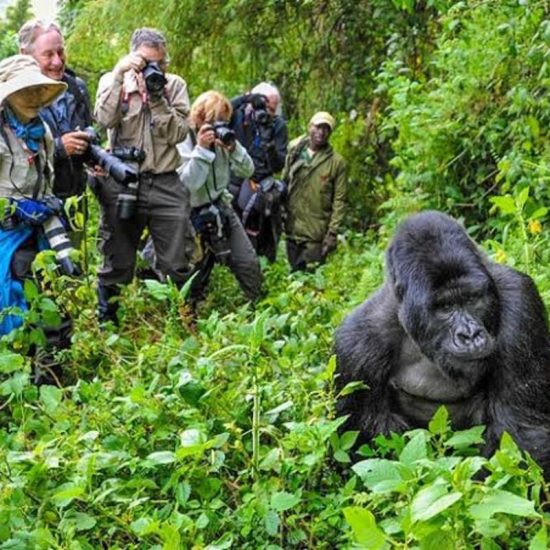
One of the most remarkable aspects of gorilla trekking is how close visitors may come to a habituated gorilla family.
During that hour with the gorillas, everyone is expected to remain quiet, move slowly, and follow the guide’s instructions at all times.
Unexpected loud noises, running, or sudden movements can disturb the animals and affect the experience for everyone in the group.
Although mountain gorillas are generally calm when treated respectfully, the rules are designed to minimise unnecessary stress for both wildlife and visitors.
Forest Safety Is an Important Consideration
The forests of southwestern Uganda are beautiful but naturally rugged.
Depending on the trekking sector, visitors may encounter:
- slippery tree roots
- loose rocks
- thorny vegetation
- steep hillsides
- wet, muddy paths after rain
Groups are always accompanied by experienced ranger guides and trackers, but every participant needs to follow instructions carefully and respond appropriately if conditions change.
The minimum age reflects the level of judgement and independence generally expected in these environments.
Are Exceptions Ever Made?
Occasionally, families hear stories of younger teenagers being allowed to trek and wonder whether they can request the same.
In very limited circumstances, the Uganda Wildlife Authority may consider an exception for a child who is approaching their fifteenth birthday. These decisions are made individually and are never guaranteed.
Officials may consider factors such as:
- physical fitness
- emotional maturity
- previous hiking experience
- how close the child’s birthday is to the trekking date
Parents must request approval well before travel, and the final decision rests entirely with UWA.
Because approvals are uncommon, families should plan their trip on the assumption that the minimum age of 15 will be enforced.
What Happens If Someone Is Too Young?
If park officials determine that a visitor does not meet the age requirement, they will usually be refused permission to join the trek.
This can have wider consequences than simply missing the activity.
Families may lose:
- the cost of the gorilla permit
- accommodation booked around the trekking date
- transport arrangements
- other non-refundable travel expenses
Since gorilla permits are issued for specific dates and individual travellers, they cannot always be transferred or refunded at short notice.
Checking passport details and dates of birth during the booking process is one of the simplest ways to avoid unnecessary problems later.
Where Can You Go Gorilla Trekking in Uganda?
Uganda has two national parks where visitors can see mountain gorillas in their natural habitat.
Each offers a different experience, although the same permit rules and age requirements apply.
Bwindi Impenetrable National Park
Bwindi is the country’s best-known gorilla trekking destination and protects one of the largest remaining populations of mountain gorillas anywhere in the world.
Rather than operating from a single entrance, the park is divided into several trekking regions. Your permit is issued for one specific sector, so accommodation and transport should be planned accordingly.
Buhoma
Located in the northern part of the park, Buhoma was Uganda’s first gorilla trekking area and remains popular because of its established lodges, community tourism projects, and relatively accessible location.
Ruhija
Situated at higher elevation, Ruhija often appeals to travellers looking for quieter trails and expansive views across the surrounding hills.
Rushaga
Rushaga has one of the highest concentrations of habituated gorilla families, giving visitors more permit availability than many other sectors.
Nkuringo
Known for its dramatic scenery and steeper terrain, Nkuringo often suits travellers who enjoy longer hikes and panoramic landscapes.
Mgahinga Gorilla National Park
For travellers seeking a smaller and less-visited alternative, Mgahinga Gorilla National Park offers a different atmosphere.
Set beneath the Virunga Volcanoes near the borders with Rwanda and the Democratic Republic of the Congo, the park combines bamboo forest, volcanic scenery, and mountain habitats.
The resident Nyakagezi gorilla family has historically been known for remaining within the park, making trekking logistics relatively straightforward, although gorilla movements can always vary.
Many visitors choose Mgahinga because of:
- fewer daily trekkers
- volcanic landscapes
- opportunities to combine gorilla trekking with volcano hiking or golden monkey tracking
- excellent photography conditions on clear mornings
The same minimum trekking age of 15 years applies here.
Gorilla Trekking Rules Every Teenager Should Know
Once a visitor is old enough to participate, they are expected to follow the same conservation guidelines as every other trekker. These rules are designed to protect mountain gorillas, reduce stress on the animals, and keep visitors safe.
During the ranger briefing, you will be reminded to:
- Keep at least 7 metres (23 feet) from the gorillas whenever possible.
- Follow your guide’s instructions at all times.
- Speak quietly and avoid sudden movements.
- Do not touch the gorillas, even if they approach you.
- Avoid eating or drinking while with the gorilla family.
- Turn off your camera flash.
- Wear a face mask if required by current park regulations.
- Limit your visit to one hour once the gorillas have been located.
Occasionally, a curious young gorilla may move closer than the recommended distance. If this happens, your guide will explain how to remain calm and allow the animal to move away on its own.
Is Gorilla Trekking a Good Experience for Teenagers?
For many teenagers, gorilla trekking becomes one of the highlights of a family safari. Beyond seeing wildlife, the experience encourages patience, observation, and an appreciation of conservation that is difficult to replicate elsewhere.
An Active Outdoor Adventure
Unlike a traditional game drive, gorilla trekking requires visitors to hike through natural forest in search of a wild gorilla family. The sense of anticipation builds throughout the morning, making the encounter feel genuinely earned rather than staged.
Learning Beyond the Classroom
The trek introduces young travellers to topics such as:
- wildlife conservation
- rainforest ecosystems
- endangered species protection
- the role of local communities in conservation
- responsible tourism
Many families find that the experience sparks a lasting interest in wildlife and environmental issues.
Time Away from Screens
Mobile reception is limited in much of the trekking area, and the focus naturally shifts to the surrounding forest. For many families, spending several hours disconnected from technology becomes an unexpected benefit of the trip.
What if You are Travelling With Children Under 15?
If younger children are part of your group, they don’t have to miss out on experiencing Uganda’s wildlife. Many families choose an itinerary that combines gorilla trekking for older members with activities suitable for younger travellers.
Wildlife Safaris
Uganda’s savannah parks offer excellent opportunities for children to see large mammals from the comfort of a safari vehicle.
Popular destinations include:
- Queen Elizabeth National Park
- Murchison Falls National Park
- Lake Mburo National Park
- Kidepo Valley National Park
Depending on the park and the season, families may see elephants, giraffes, buffalo, hippos, antelope, and—if conditions are favourable—lions and leopards.
Chimpanzee Tracking
Chimpanzee tracking is another popular primate experience, although minimum age requirements vary between locations.
Common destinations include:
- Kibale National Park
- Budongo Forest
- Kyambura Gorge
- Kalinzu Central Forest Reserve
Because regulations can differ, it’s worth confirming the minimum age before finalising your itinerary.
Guided Nature Walks
Many lodges and protected areas offer shorter guided walks where children can discover smaller wildlife often missed on game drives.
These walks may include opportunities to spot:
- Monkeys like Blue monkeys
- colourful birds like waxbills
- butterflies
- medicinal plants
- ancient forest trees
The pace is usually relaxed, making them suitable for younger family members.
Cultural Experiences
Southwestern Uganda is home to communities whose traditions are closely connected with the surrounding forests.
Depending on your itinerary, families can enjoy:
- traditional dance performances
- local cooking demonstrations
- craft workshops
- village visits
- Batwa cultural experiences
These visits provide valuable insight into local history while supporting community tourism initiatives.
How Difficult Is Gorilla Trekking?
One of the most common misconceptions is that every trek is extremely strenuous.
In reality, the level of difficulty varies considerably from one day to the next.
Several factors influence your hike:
- where the gorillas travelled overnight
- weather conditions
- your assigned gorilla family
- trail conditions
- your own fitness level
Some visitors spend less than two hours walking, while others hike for much of the day.
If you have concerns about mobility or fitness, discuss them with your tour operator before permits are booked. Guides often try to allocate groups with easier or more challenging routes depending on visitors’ abilities, although this cannot always be guaranteed.
Hiring a porter is highly recommended—not only for assistance on steep sections but also because it provides valuable income for local communities.
Can Older Travellers Take Part?
Yes! Many visitors in their 60s, 70s, and even 80s successfully complete gorilla treks each year.
For travellers with limited mobility, some parks can arrange a locally operated sedan chair service (often called the “African helicopter”), where a team of porters carries the guest through difficult sections of the trail.
This service should be arranged well in advance and comes at an additional cost of $ 300.
What Should Teenagers Pack for Gorilla Trekking?
Packing thoughtfully can make the day considerably more comfortable.
Clothing
Choose lightweight layers that protect against vegetation and changing weather.
Recommended clothing includes:
- long-sleeved shirts
- lightweight hiking trousers
- waterproof rain jacket
- moisture-wicking socks
- warm fleece for cool mornings
Footwear
Good footwear is one of the most important investments for the trek.
Bring:
- waterproof hiking boots with good grip
- comfortable shoes for wearing around the lodge
Daypack Essentials
Carry:
- reusable water bottle
- packed lunch or snacks (provided by many lodges)
- camera
- spare camera battery
- binoculars
- small first aid items
Protection
Don’t forget:
- insect repellent
- sunscreen
- wide-brimmed hat
- gardening gloves for gripping vegetation
When Is the Best Time to Go Gorilla Trekking?
Gorilla trekking takes place throughout the year.
The drier months are generally easier for hiking because trails are less muddy.
June to September
This is one of the busiest travel periods, with relatively dry conditions and high demand for permits.
December to February
Another popular season, often offering pleasant hiking weather.
March to May and October to November
Rain is more frequent, making trails wetter and sometimes more challenging.
However, gorilla sightings remain excellent throughout the year because the animals do not migrate.
Travellers visiting during the wetter months may also benefit from fewer visitors and better accommodation availability.
Gorilla Trekking Permits: Cost and Booking Advice
Every person joining a gorilla trek must hold a valid permit issued by the Uganda Wildlife Authority.
Currently, the standard permit fee for foreign non-residents is USD 800 per person, although permit prices can change. Always confirm current rates before booking.
Your permit includes:
- park entry for the trek
- experienced ranger guides
- tracker services
- one hour with a habituated gorilla family
Because daily visitor numbers are strictly limited, permits often sell out months in advance, particularly during the peak travel seasons.
Booking six to twelve months ahead is recommended if you’re travelling between June and September or over the Christmas and New Year holidays.
Accommodation Tips for Families
Choosing the right lodge is about more than comfort.
Since each permit is assigned to a specific trekking sector, staying nearby helps avoid very early morning transfers.
Accommodation ranges from:
- simple guesthouses
- comfortable mid-range lodges
- luxury forest lodges
- exclusive safari camps
Families should consider:
- room configurations
- accessibility
- proximity to the briefing point
- meal options
- availability of family rooms
Getting There
Most visitors reach southwestern Uganda by road from Entebbe or Kampala, or by taking a domestic flight to one of the nearby airstrips before transferring by vehicle.
Road journeys can take much of a day, so many itineraries include overnight stops in other national parks along the waylike lake Mburo national park.
Road conditions have improved in many areas, but the final approach to the trekking sectors often includes winding mountain roads that can become muddy after heavy rain.
Allow extra travel time rather than planning tight connections.
Practical Tips for Families
A little preparation goes a long way.
- Book permits before confirming international flights.
- Double-check every traveller’s passport details.
- Prepare for walking several weeks before departure.
- Carry waterproof layers even during the dry season.
- Hire a porter, it makes the trek easier while directly supporting local livelihoods.
- Listen carefully during the ranger briefing.
- Keep expectations realistic; every trek is different.
Frequently Asked Questions
How fit do I need to be?
Reasonable fitness is helpful, but you don’t need to be an experienced hiker. Regular walking before your trip will make the trek more enjoyable.
Will I definitely see gorillas?
Sightings are never guaranteed because these are wild animals. However, habituated families are monitored daily, and the success rate for locating them is extremely high.
Can I hire a porter?
Yes. Porters are available at the park headquarters and are highly recommended, regardless of your fitness level.
Can seniors go gorilla trekking?
Yes. Many older travellers successfully complete the trek each year, and sedan chair services are available for those who need additional assistance.
What happens if it rains?
Treks continue in wet weather unless conditions become unsafe. Waterproof clothing and sturdy boots are essential.
Can I wear shorts?
Long trousers are recommended to protect your legs from insects, nettles, and thorny vegetation.
Is there a luggage weight limit?
If you are using domestic flights within Uganda, baggage limits usually apply. Your safari operator will advise you based on your airline.
How much should I tip?
Tipping is appreciated but discretionary.
Many visitors choose to tip:
- safari guides
- rangers
- trackers
- porters
- lodge staff
Your safari company can provide current guidance on customary amounts.
Can I take photographs?
Yes! Photography is encouraged, but flash must remain switched off. A camera with a moderate zoom lens usually provides the best results in forest conditions.
Are there toilets at the starting point?
Yes. Basic toilet facilities are available at the park headquarters before the trek begins, but there are generally no permanent facilities once you enter the forest.
The minimum age of 15 for gorilla trekking reflects a careful balance between visitor safety and long-term conservation. While it may require some families to adjust their travel plans, the policy helps protect one of the world’s most endangered primates while ensuring that everyone taking part can fully appreciate the experience.
For teenagers and adults who meet the requirements, spending an hour observing a wild gorilla family in its natural habitat is less about ticking off a bucket-list activity than about gaining a deeper understanding of conservation and the fragile ecosystems these animals depend on.
With realistic expectations, thoughtful preparation, and an itinerary suited to your group’s interests and abilities, a gorilla trekking safari can become one of the most meaningful parts of a visit to Uganda.
If you’re unsure whether your family is ready for gorilla trekking or need advice on permits, accommodation, or building an itinerary that works for all ages, Naseeb Safaris can help you plan a trip that matches your interests, travel dates, and budget while ensuring every detail is arranged well in advance.