
Mgahinga Gorilla National Park – Gorillas and Golden Monkeys
Mgahinga Gorilla National Park – Gorillas and Golden Monkeys, Tucked into Uganda’s far southwestern corner, where the borders of Uganda, Rwanda, and the Democratic Republic of Congo meet, Mgahinga Gorilla National Park protects one of the most remarkable mountain landscapes in East Africa. Although it is Uganda’s smallest national park, its size is deceptive. Within just 33.7 square kilometres lies an extraordinary mix of endangered wildlife, volcanic peaks, ancient forests, and living cultural traditions.
Many travellers first hear about Uganda because of gorilla trekking in Bwindi Impenetrable National Park. Fewer realize that Mgahinga offers the same opportunity in a quieter setting, alongside experiences found nowhere else in the country, including golden monkey tracking and hikes to the summits of three extinct volcanoes.
Whether you are planning your first safari or looking to explore beyond Uganda’s better-known parks, this guide explains what to expect, how to prepare, and whether Mgahinga is the right destination for your trip.
Where Is Mgahinga Gorilla National Park?
Mgahinga Gorilla National Park lies in Kisoro District in southwestern Uganda. It forms Uganda’s section of the larger Virunga Conservation Area, a protected ecosystem shared with Rwanda and the Democratic Republic of Congo.
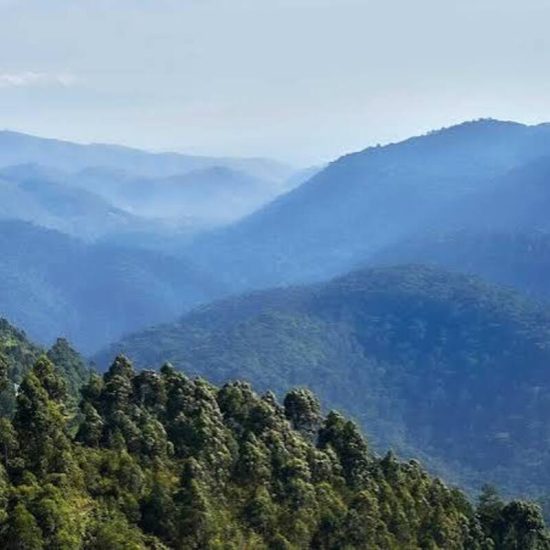
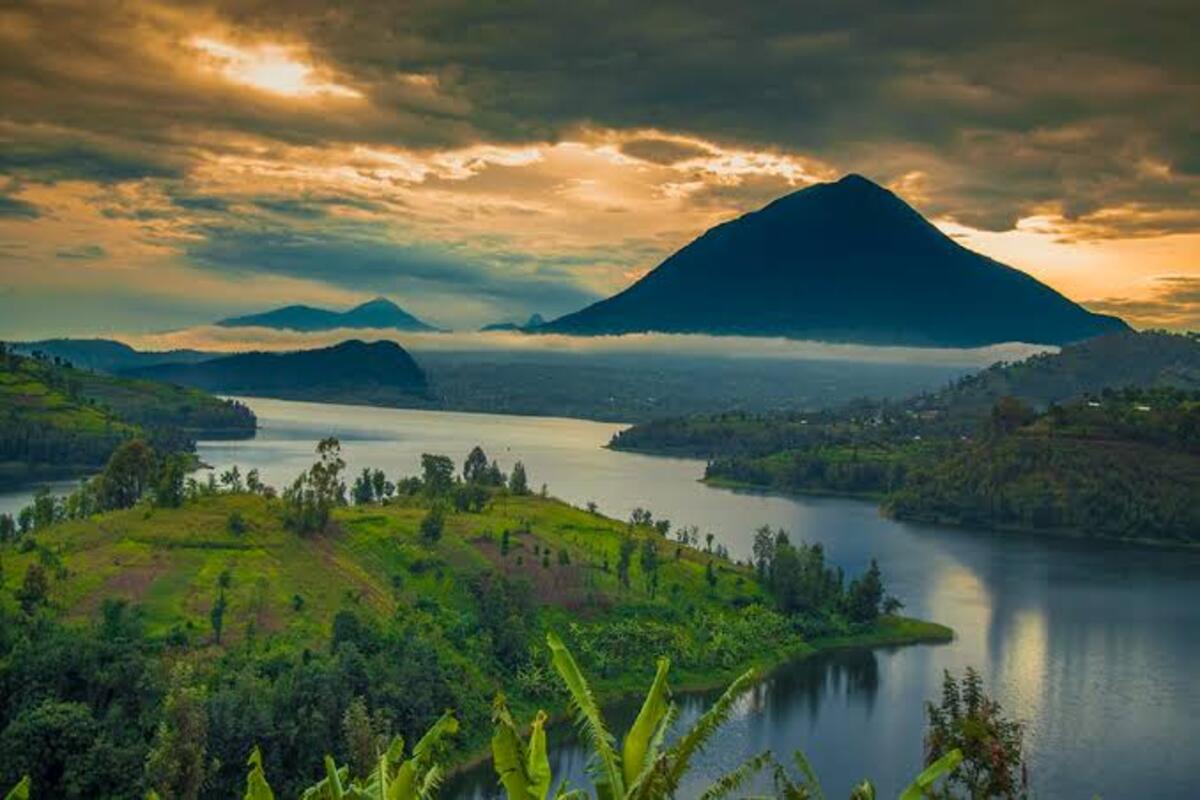
This region is dominated by the dramatic Virunga Mountains, whose volcanic slopes create a striking backdrop for every activity in the park. The forests range from dense bamboo to montane woodland, gradually giving way to alpine vegetation higher up the mountains.
For many visitors, the journey itself becomes part of the experience. As the roads climb into southwestern Uganda, landscapes change from bustling towns to rolling hills, terraced farms, crater lakes, and volcanic ridges.
Getting to Mgahinga Gorilla National Park
Travellers have several practical options depending on their itinerary and arrival point.
By Road from Kampala or Entebbe
- Approximately 510 km
- Around 8–10 hours, depending on road conditions and stops
Although it’s a long drive, many visitors split the journey by visiting parks such as Lake Mburo National Park andQueen Elizabeth National Park along the way.
By Domestic Flight
Scheduled domestic flights connect Entebbe with Kisoro Airstrip. From there, most lodges are within a relatively short road transfer.
Via Kigali, Rwanda
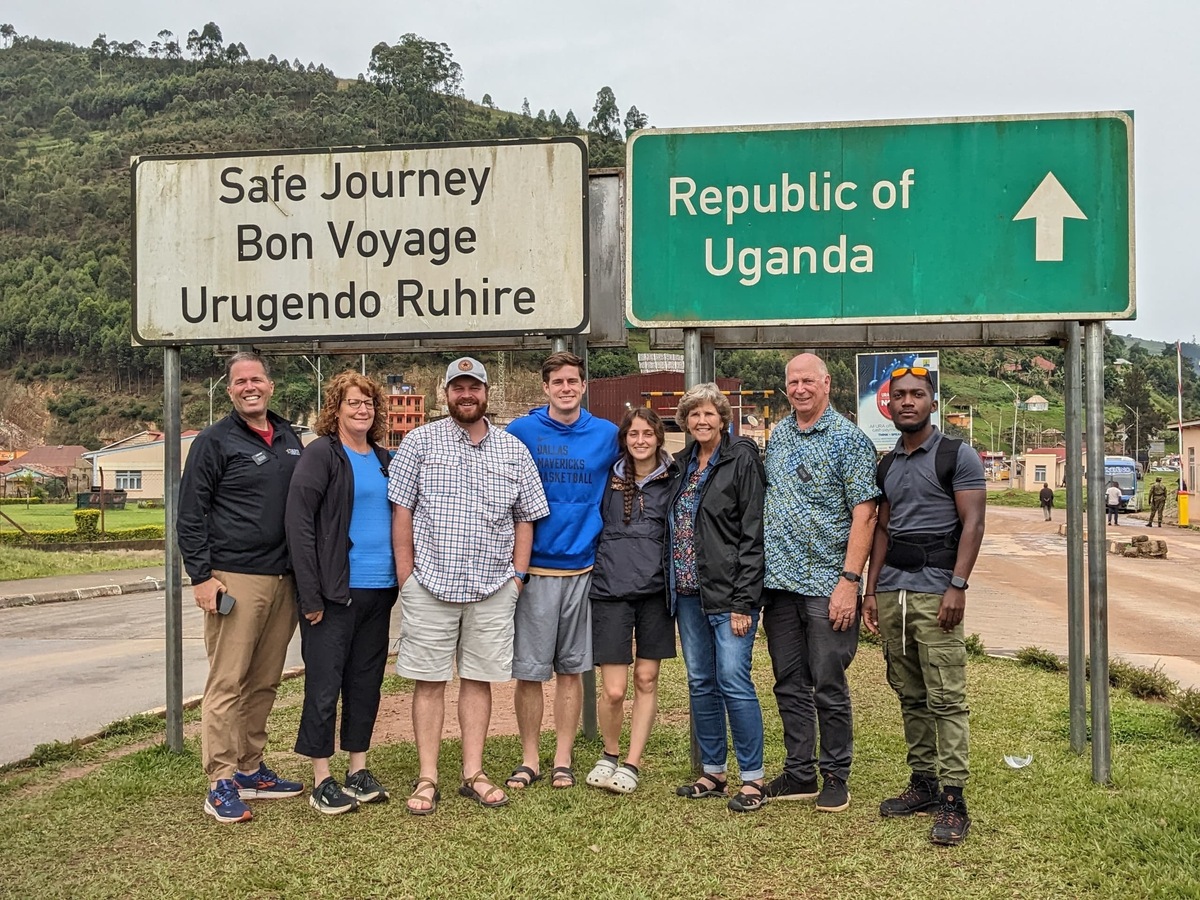
Many international travellers choose to fly into Kigali and cross into Uganda by road. Depending on border formalities and traffic, this route can reduce travel time significantly compared with driving from Kampala.
Travel tip: If you’re entering Uganda through Rwanda, confirm current visa requirements and border regulations before travelling, as policies can change.
Why Choose Mgahinga Instead of Bwindi?
This is one of the most common questions travellers ask.
Bwindi is larger and has many habituated gorilla families spread across several trekking sectors. Mgahinga, by comparison, offers a more compact experience centred around a single habituated gorilla family called Nyakagezi.
That difference appeals to travellers who prefer:
- Fewer visitors on trekking day
- A quieter atmosphere
- The chance to combine gorilla trekking with volcano hiking
- Golden monkey tracking in the same park
- Easier logistics for shorter stays
Choosing between the two isn’t about which park is “better.” They are simply different experiences. Many visitors even include both in the same itinerary.
What Makes Mgahinga Special?
Despite its modest size, the park offers an unusually diverse range of activities.
Visitors come here to experience:
- Mountain gorilla trekking
- Golden monkey tracking
- Volcano hiking
- Birdwatching
- Batwa cultural experiences
- Landscape photography
- Nature walks
- Albertine Rift biodiversity
Because everything is concentrated within a relatively small area, it’s possible to enjoy several different activities without spending long hours travelling between locations.
Gorilla Trekking in Mgahinga Gorilla National Park
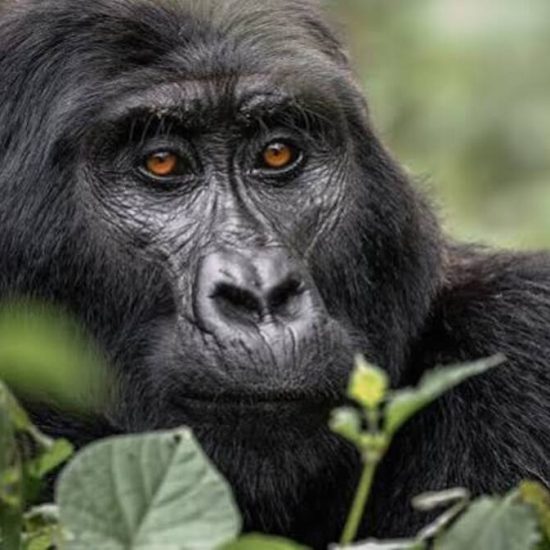
For most visitors, gorilla trekking is the main reason to come here.
Each morning begins with a briefing from Uganda Wildlife Authority rangers at Muhabura gate. Before entering the forest, guides explain trekking etiquette, safety procedures, and the rules designed to minimise disturbance to the gorillas.
From there, a small group of about 8 people or less head into the forest accompanied by experienced rangers.
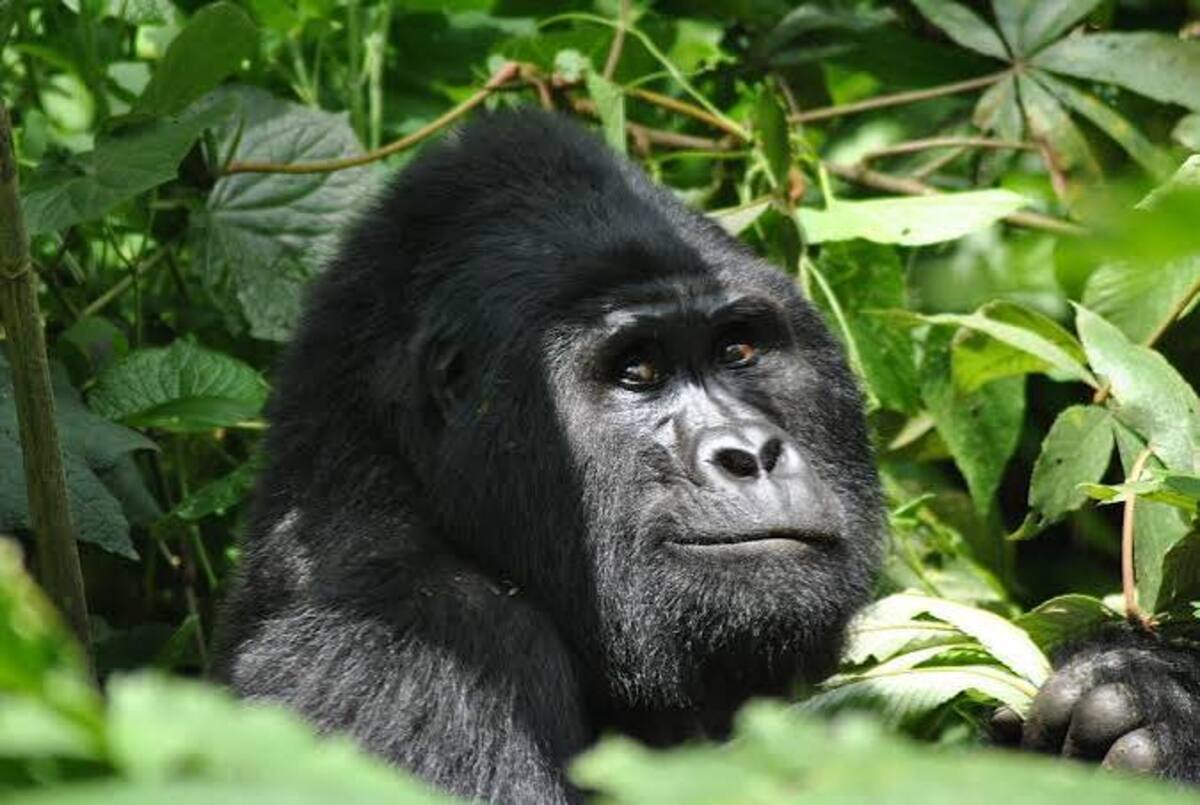
Once the family is found which is Nyakagezi, the only family here, visitors are allowed one hour in their presence.
Rather than dramatic wildlife encounters, the experience is often surprisingly quiet.
You may watch a silverback feeding only a few metres away while youngsters wrestle nearby. Mothers groom their infants. Juveniles climb through vines before tumbling back into the undergrowth. Much of the fascination comes from observing familiar family behaviour in a completely wild setting.
The Nyakagezi Gorilla Family
Mgahinga is home to the Nyakagezi Gorilla Family, one of Uganda’s best-known habituated groups.
Historically, the family became well known because several adult silverbacks coexisted peacefully, an uncommon social structure among mountain gorillas.
While gorilla group composition naturally changes over time through births, deaths, and dispersal, Nyakagezi continues to provide excellent trekking opportunities.
During your hour with the family, you may observe:
- Mature silverbacks
- Adult females caring for infants
- Curious juveniles
- Young gorillas playing together
- Social interactions such as grooming and feeding
Wildlife sightings can never be guaranteed, but successful gorilla encounters are extremely common because park trackers monitor the family daily.
Gorilla Trekking Permit Information
Visitors must hold a valid Uganda Wildlife Authority gorilla permit.
A permit includes:
- Ranger guides
- Gorilla tracking
- One hour with the habituated family
Permits are limited each day and often sell out well in advance during peak travel periods.
If gorilla trekking is the main purpose of your visit, it’s wise to secure permits several months before travelling.
How Difficult Is Gorilla Trekking?
One of the biggest misconceptions is that every trek is extremely strenuous.
In reality, the difficulty depends largely on where the gorillas are on that particular day.
You should be prepared for:
- Uneven ground
- Muddy trails
- Dense vegetation
- High altitude
- Steep sections in places
Treks may last anywhere between one and six hours, including the return journey.
Most visitors with a reasonable level of fitness complete the trek successfully, even without extensive hiking experience.
Hiring a local porter is highly recommended not because everyone needs physical assistance, but because porters help carry bags, provide support on steep sections, and create valuable employment within nearby communities.
Golden Monkey Tracking
While gorillas receive most of the attention, Mgahinga is also Uganda’s only destination for golden monkey tracking, it’s done from Ntebeko gate.
These endangered primates are found only within the Virunga Mountains and are especially associated with bamboo forests.
Unlike gorillas, golden monkeys move quickly through the trees and rarely stay still for long.
Their bright golden-orange coats stand out against the green bamboo, making them rewarding subjects for photographers willing to work with fast-moving wildlife.
Tracking golden monkeys generally involves:
- Shorter hikes than gorilla trekking
- Less demanding terrain
- Smaller elevation changes
- Excellent opportunities for wildlife photography
Many travellers combine both activities over two days to experience two very different primate encounters.
Volcano Hiking in the Virunga Mountains
The park protects three extinct volcanoes, each offering a very different hiking experience.
These hikes appeal to travellers looking to add adventure to a wildlife itinerary.
Mount Sabinyo
Mount Sabinyo (in Kinyarwanda meaning tooth) is famous for its rugged ridges resembling teeth and steep ladders.
The summit is particularly memorable because hikers can stand at the meeting point of Uganda, Rwanda, and the Democratic Republic of Congo which is 3,669m.
The climb is physically demanding, with exposed sections requiring confidence on uneven terrain.
Mount Gahinga
Often considered the most accessible of the three volcanoes, Mount Gahinga passes through bamboo forest before reaching areas filled with giant lobelias and other Afro-alpine plants.
Near the summit lies a swamp-filled crater that gives the mountain its distinctive character.
This hike is a good option for visitors wanting a full mountain experience without tackling the park’s highest peak. Its 3,473m and Gahinga means a small pile of stones in local language
Mount Muhabura
At over 4,127 metres above sea level, Mount Muhabura presents the greatest physical challenge. Muhabura means a guide in local language because people use it to tell direction due to its height.
The ascent is steep and demanding, but on clear days hikers are rewarded with sweeping views across the Virunga chain, surrounding lakes, and neighbouring countries.
Altitude can make this climb more difficult than many visitors expect, so adequate preparation is important.
Wildlife Beyond the Gorillas
Although gorillas dominate most itineraries, the park supports a surprisingly diverse range of wildlife.
Mammals found here include:
- Golden monkeys
- Bushbucks
- Forest buffaloes
- hyrax
- Giant forest hogs
- Black-fronted duikers
- Olive baboons
- Bush pigs
- Side-striped jackals
Forest elephants and buffalo also occur within the ecosystem, although sightings are relatively uncommon because of the dense vegetation.
Unlike open savannah parks, wildlife viewing here is less about seeing large numbers of animals and more about experiencing an intact montane forest ecosystem.
As you move through the bamboo, you will often hear birds calling overhead while insects buzz beneath the undergrowth. Monkey troops rustle through the canopy long before they come into view, reminding visitors that much of the forest’s life remains hidden until you slow down and pay attention.
Birdwatching in Mgahinga Gorilla National Park
While many visitors arrive hoping to see gorillas, birdwatchers know this small park as one of Uganda’s rewarding montane birding destinations. More than 180 bird species have been recorded here, including several Albertine Rift endemics that attract birders from around the world.
The variety of habitats, bamboo forest, montane woodland, heath, and alpine vegetation, means the species you encounter often change as you gain elevation.
Birds regularly sought by visitors include:
- Rwenzori Turaco
- Scarlet-tufted Sunbird
- Dusky Crimsonwing
- Kivu Ground Thrush
- White-starred Robin
- Rwenzori Batis
- Regal Sunbird
Bird activity is generally highest during the early morning, making it easy to combine birdwatching with nature walks before the day’s temperatures rise.
Even if birding isn’t your main interest, it’s worth bringing binoculars. Many colourful species appear around lodge gardens as well as inside the park.
Discovering Batwa Culture
Long before the area became a national park, the Batwa people lived within these forests as hunter-gatherers, relying on the landscape for food, medicine, shelter, and spiritual traditions.
When the park was established, the Batwa lost access to their ancestral home. Today, community-led tourism provides an opportunity for visitors to learn about their history while supporting local livelihoods.
The Batwa Trail Experience is far more than a cultural performance. Guided by Batwa elders and community members, visitors gain insight into how people once lived in this challenging mountain environment.
During the walk, you may learn about:
- Traditional hunting methods
- Medicinal plants and forest herbs
- Fire-making techniques
- Music and dance
- Storytelling traditions
- Sacred caves once used as shelter
Approaching the experience with curiosity and respect helps preserve an important cultural heritage while creating income for Batwa communities.
When Is the Best Time to Visit Mgahinga?
One advantage of visiting is that the park remains open throughout the year.
There is no “bad” time to go, but weather conditions can influence trekking difficulty and photography opportunities.
Dry Seasons
June to August
December to February
These months are generally the most popular for gorilla trekking because trails are usually drier and easier to walk.
Benefits include:
- More comfortable hiking conditions
- Better visibility on mountain trails
- Easier photography in brighter weather
Because demand is highest during these periods, gorilla permits and accommodation should be booked well in advance.
Rainy Seasons
March to May
September to November
Rain transforms the forest into an intensely green landscape.
Although trails become muddier and more slippery, these months have several advantages:
- Fewer visitors
- Beautiful forest scenery
- Excellent birdwatching
- Softer light for photography
Mountain weather is unpredictable in every season. A sunny morning can quickly become misty or wet, so waterproof clothing should always be packed.
Gorilla Trekking Permits and Booking Advice
A gorilla trekking permit is required for every visitor wishing to track mountain gorillas.
The permit fee is set by the Uganda Wildlife Authority and can change over time. Rather than relying on outdated figures, always confirm current prices before making travel plans, currently at $ 800 for Foreign non-residents.
A permit includes:
- Park entry for the trekking activity
- Services of Uganda Wildlife Authority ranger guides
- One hour with the habituated gorilla family
It does not typically include:
- Accommodation
- Transport
- Meals
- Tips
- Porter services
How Far in Advance Should You Book?
If you plan to travel during the dry seasons or over holiday periods, booking several months ahead is advisable.
Last-minute permits are sometimes available, particularly during quieter months, but availability should never be assumed.
Many travellers make the mistake of arranging flights before securing gorilla permits. It’s generally better to confirm permit availability first and build your itinerary around your trekking date.
Where to Stay Near Mgahinga Gorilla National Park
Accommodation around Kisoro caters to a wide range of budgets, from luxury lodges to simple community-run camps.
The right choice depends on your itinerary, comfort preferences, and whether you will also be visiting nearby parks.
Luxury Lodges
Travellers seeking a high level of comfort often choose:
- Mount Gahinga Lodge
- Clouds Mountain Gorilla Lodge
These properties typically offer spacious cottages, excellent dining, fireplaces for cool evenings, and convenient access to trekking activities.
Mid-Range Accommodation
Popular options include:
- Lake Mulehe Safari Lodge
- Ichumbi lodge kisosro
These provide comfortable rooms, good service, and easy access to both Mgahinga and surrounding attractions.
Budget Options
Visitors travelling on a tighter budget can consider:
- Amajambere Iwacu Community Camp
- Travellers Rest Inn
Budget accommodation generally offers simple but comfortable facilities and is well suited to independent travellers and backpackers.
Wherever you stay, it’s worth choosing accommodation close enough to minimise early morning travel before trekking.
What Should You Pack?
Packing well can make a noticeable difference during your visit, particularly for gorilla trekking.
Clothing
- Waterproof hiking boots with good grip
- Long trousers
- Long-sleeved shirt
- Lightweight waterproof jacket
- Warm fleece for cool mornings
- Hat for sun protection
Useful Equipment
- Small daypack
- Reusable water bottle
- Camera
- Spare batteries
- Binoculars
- Walking pole (if not provided)
- Gardening gloves for grabbing vegetation on steep trails
Personal Items
- Insect repellent
- Sunscreen
- Personal medications
- Energy snacks
- Waterproof bag for electronics
Avoid packing unnecessary weight. You will carry everything you bring unless you hire a porter.
Photography Tips
Many visitors arrive with high expectations for gorilla photography, but forest conditions can be challenging.
You will often photograph in:
- Low light
- Dense vegetation
- Constantly changing weather
A few practical tips:
- Use a camera that performs well in low light if possible.
- Bring spare batteries, as cooler temperatures can reduce battery life.
- Leave the flash turned off, it is not permitted during gorilla viewing.
- A fast zoom lens is often more useful than a very long telephoto because encounters can be surprisingly close.
- Keep your camera protected from rain between shots.
Sometimes the most memorable photographs aren’t close-up portraits of gorillas but the surrounding landscapes, the trekking experience, or quiet moments shared by your group.
Responsible Tourism
Every visit contributes to the long-term protection of one of the world’s remaining mountain gorilla populations.
Visitors can help by:
- Following ranger instructions at all times.
- Maintaining the required distance from gorillas.
- Never feeding wildlife.
- Carrying out all litter.
- Respecting local communities and cultural traditions.
- Supporting locally owned businesses where possible.
If you feel unwell before your trek, tell your guide. Gorillas are susceptible to many human illnesses, including common respiratory infections.
Responsible travel protects both wildlife and future visitor experiences.
Common Mistakes First-Time Visitors Make
A little preparation goes a long way.
Some of the most common mistakes include:
- Waiting too long to reserve gorilla permits.
- Underestimating how muddy the trails can become.
- Wearing new hiking boots that haven’t been broken in.
- Forgetting rain gear because the forecast looks dry.
- Packing oversized bags for a day trek.
- Assuming wildlife sightings happen immediately.
- Not hiring a porter, then wishing they had.
Expecting nature to follow a schedule often leads to disappointment. Patience is part of the experience.
Accessibility
Visitors should be aware that gorilla trekking takes place in mountainous terrain and can involve steep, uneven, and muddy trails.
People with limited mobility should discuss their needs well in advance with their safari operator. Depending on individual circumstances and current park arrangements, options such as sedan chairs carried by trained porters may be available for some visitors, though these should be arranged ahead of time and cannot always be guaranteed.
Golden monkey tracking and cultural experiences may be suitable alternatives for travellers looking for less physically demanding activities.
Frequently Asked Questions
Will I definitely see gorillas?
Although wildlife can never be guaranteed, successful gorilla treks are extremely common because experienced trackers locate the habituated family before visitors enter the forest.
How fit do I need to be?
You don’t need to be an experienced mountaineer, but you should be comfortable walking on uneven ground for several hours. The difficulty varies each day depending on where the gorillas are.
Can I hire a porter?
Yes. Hiring a porter is strongly recommended. Besides helping with bags and difficult sections of trail, porter fees directly support local employment.
Is gorilla trekking suitable for seniors?
Many older travellers successfully complete gorilla treks each year. Discuss your fitness honestly with your tour operator so suitable arrangements can be made where possible.
What happens if it rains?
Treks usually continue in wet weather. Waterproof clothing, good boots, and patience are all part of preparing for a mountain environment.
Can I wear shorts?
Long trousers are recommended because they help protect your legs from stinging plants, branches, insects, and mud.
Is there a luggage weight limit?
If you’re travelling by domestic flight, luggage restrictions apply and are set by the airline. Check your baggage allowance before packing.
How much should I tip?
Tipping is appreciated but not compulsory.
Many visitors choose to tip:
- Ranger guides
- Porters
- Lodge staff
- Drivers
Amounts vary depending on the level of service and your budget, consult with your tour operator.
Can I take photographs?
Yes, photography is encouraged, provided you do not use flash during gorilla encounters.
Are there toilets at the trekking starting point?
Basic toilet facilities are available at the visitor briefing area before treks begin. There are no permanent facilities once you’re inside the forest.
Final Thoughts
Mgahinga Gorilla National Park offers far more than a chance to see mountain gorillas. Its compact size brings together wildlife, volcanic landscapes, rich birdlife, and the living heritage of the Batwa people in a way few destinations can match.
The experience isn’t defined by luxury or dramatic safari scenes. Instead, it’s shaped by quieter moments: listening to the forest before sunrise, watching golden monkeys disappear through bamboo, standing on a volcanic summit overlooking three countries, or observing a gorilla family go about its daily life without noticing you’re there.
For travellers who value nature, conservation, and meaningful experiences over crowded attractions, this corner of southwestern Uganda is well worth considering.
Plan Your Mgahinga Safari with Naseeb Safaris
Every traveller has different interests, travel styles, and budgets. Whether you’re planning a dedicated gorilla trekking holiday or combining Mgahinga with destinations such as Bwindi Impenetrable National Park or Queen Elizabeth National Park, the team at Naseeb Safaris can help you build an itinerary that fits your schedule and priorities.
If you have questions about permits, accommodation, transport, or the best time to travel, get in touch for personalised advice and assistance with planning your Uganda safari.