
Best Time to Visit Uganda (Weather by month & Activities)
Best Time to Visit Uganda (Weather by month & Activities), Uganda is a destination where timing can shape the entire safari experience. The country’s landscapes, wildlife encounters, trekking conditions, and travel rhythms change throughout the year, but there is no single month that works best for every traveler.
Some visitors come for the chance to track mountain gorillas through the ancient forests of the southwest. Others want classic African safari experiences in open savannah, chimpanzee encounters in tropical forests, bird watching, or a slower journey through Uganda’s landscapes and communities.
The best time to visit Uganda depends on what matters most to you.
If you are planning your first Uganda safari, the dry seasons from June to September and December to February are often the easiest periods for combining multiple experiences. Roads are generally more accessible, hiking conditions are more comfortable, and wildlife viewing in national parks is often rewarding.
However, the rainy seasons should not be dismissed. Uganda’s wetter months bring greener landscapes, fewer visitors, excellent birding opportunities, and a quieter atmosphere in many destinations. For photographers and travelers who prefer fewer crowds, these months can be an excellent choice.
This guide explains Uganda’s seasons, regional weather patterns, the best times for gorilla trekking and wildlife safaris, and how to choose the right travel period based on your interests, budget, and travel style.
Understanding Uganda’s Climate and Travel Seasons
Uganda sits along the equator, but its climate is not the constantly hot tropical environment many first-time visitors expect. Altitude plays an important role, creating cooler conditions in places such as the highlands of southwestern Uganda and the Rwenzori Mountains.
Instead of four traditional seasons, Uganda mainly experiences:
- Two dry seasons
- Two rainy seasons
The exact timing and intensity of rainfall vary depending on location. A forested mountain area such as Bwindi can experience rain even during generally dry months, while northern regions such as Kidepo Valley are often much drier.
For safari planning, the seasons are best understood as periods that influence:
- Road accessibility
- Gorilla trekking trail conditions
- Wildlife movement
- Photography conditions
- Accommodation availability
- Visitor numbers
Understanding these patterns helps you choose a travel window that matches your expectations.
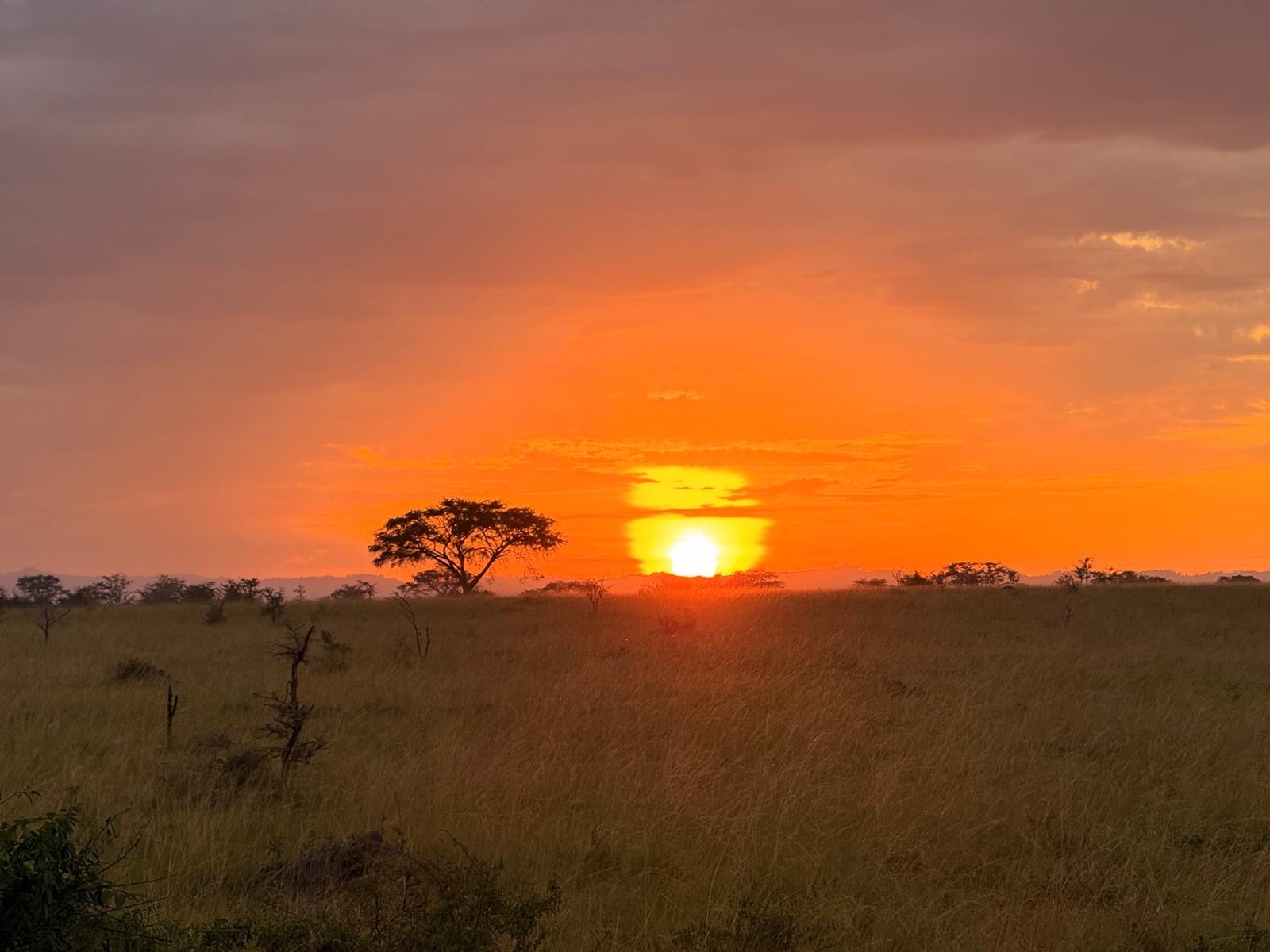
Beautiful Sunrise
Uganda’s Dry Seasons
December to February: The Short Dry Season
The months of December, January, and February are among the most popular times to visit Uganda.
During this period, many parts of the country experience warmer, drier conditions, making it a comfortable time for wildlife viewing, road travel, and outdoor activities.
Travelers visiting during these months can expect:
- Generally easier road conditions
- Comfortable game drives
- Good opportunities for gorilla trekking
- Pleasant conditions for chimpanzee tracking
- Excellent cultural and nature experiences
In savannah parks, reduced vegetation can make animals easier to spot because there is less dense grass and foliage blocking views.
Popular destinations during this period include:
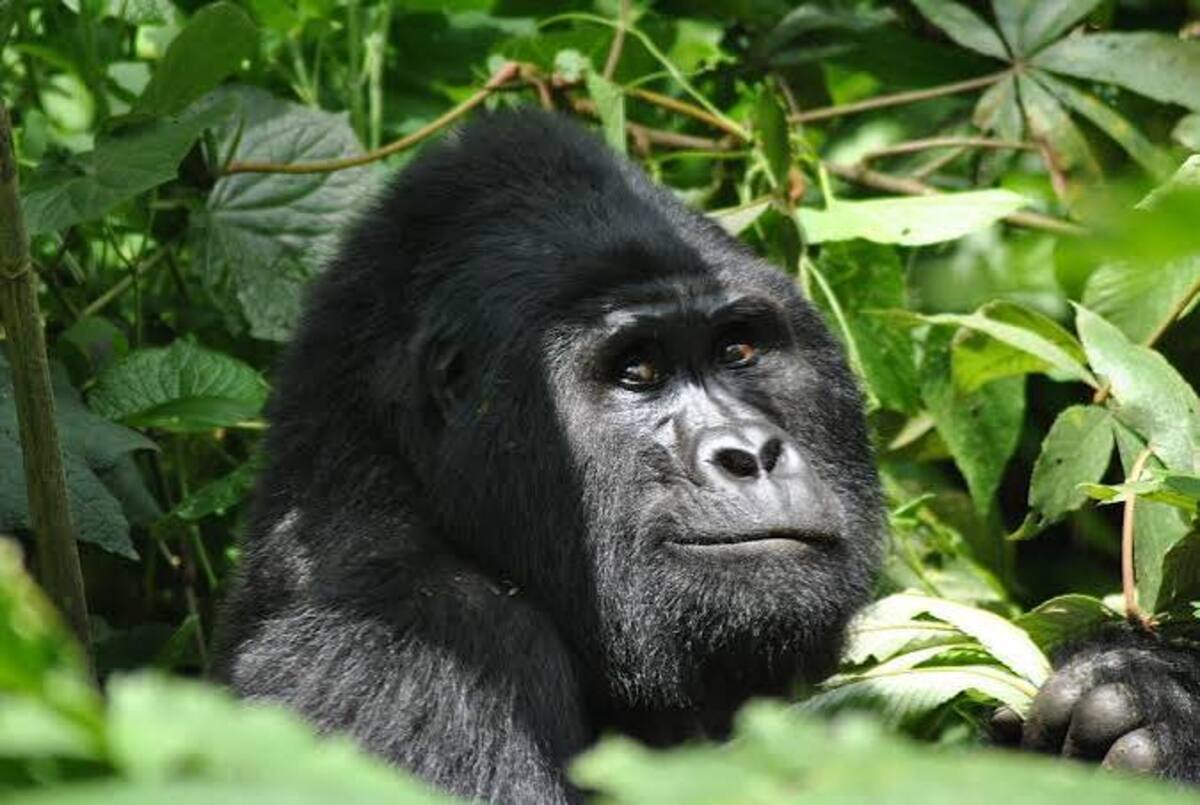
- Bwindi Impenetrable National Park for gorilla trekking
- Queen Elizabeth National Park for game drives and boat safaris
- Murchison Falls National Park for savannah wildlife and Nile River experiences
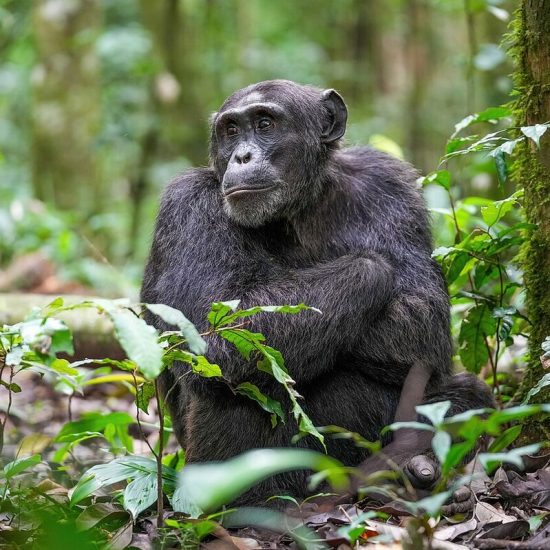
- Kibale National Park for chimpanzee tracking
The main consideration is demand. December holidays and the start of the year are popular travel periods, so gorilla permits, safari lodges, and preferred accommodations may require advance planning.
Best suited for:
- First-time visitors
- Families
- Travelers combining several destinations
- Visitors who prefer more predictable weather
March to May: Uganda’s Long Rainy Season
The months between March and May bring Uganda’s longest rainy period. This season is sometimes avoided by travelers who assume rain will prevent safari activities, but the reality is more nuanced.
Rainfall does not usually mean continuous storms throughout the day. In many areas, showers may come in short periods, often leaving plenty of time for activities.
The advantages of traveling during this season include:
- Green landscapes and fresh vegetation
- Fewer visitors at popular attractions
- Excellent photography conditions
- Strong bird activity
- Greater accommodation availability
For photographers, this can be one of the most rewarding periods. Forests become dense and vibrant, hills appear greener, and the changing skies create dramatic scenery.
In southwestern Uganda, the forests around Bwindi and Mgahinga become especially atmospheric. Mist often settles between the trees, while the sounds of birds and forest life become more noticeable along hiking trails.
Gorilla Trekking During the Rainy Season
Gorilla trekking continues throughout the year, including the wetter months.
The main challenge is not the rain itself but the condition of the trails. Forest paths can become muddy and slippery, particularly on steep sections.
Travelers should prepare with:
- Waterproof hiking boots
- Rain jackets
- Quick-drying clothing
- Waterproof protection for cameras and electronics
- Walking poles if needed
The reward is a quieter forest experience and fewer visitors sharing the trails.
June to September: The Best Overall Time for a Uganda Safari
For many international visitors, June to September offers the most convenient conditions for exploring Uganda.
This period falls within the country’s main dry season and is often recommended for travelers who want to combine gorilla trekking, wildlife safaris, and other outdoor activities in one journey.
During these months, travelers generally benefit from:
- Lower rainfall in many regions
- Easier travel between destinations
- Better hiking conditions
- Comfortable safari conditions
- Good wildlife viewing opportunities
This makes the season particularly suitable for first-time visitors who want a broad introduction to Uganda.
A typical itinerary during this period might combine:
- Gorilla trekking in Bwindi
- Wildlife viewing in Queen Elizabeth National Park and Murchison falls national park
- Chimpanzee tracking in Kibale
- Boat cruises
- Cultural experiences
- Scenic drives through rural Uganda
Gorilla Trekking Between June and September
Gorilla trekking is often considered more comfortable during these months because forest trails are usually less muddy.
However, it is important to understand that Bwindi is a rainforest ecosystem. Even during dry seasons, visitors should expect the possibility of rainfall.
A typical trek may involve:
- Several hours of walking
- Uneven forest terrain
- Steep slopes
- Changing weather conditions
Fitness requirements vary because gorilla families are located in different areas of the forest. Some treks are relatively shorter, while others involve longer hikes depending on where the gorillas moved the previous day.
Wildlife Safaris During the Dry Season
Uganda’s national parks offer a different style of safari from the large migration-focused experiences found elsewhere in East Africa.
Rather than vast concentrations of animals moving across open plains, Uganda often provides more intimate wildlife encounters across varied landscapes of savannah, wetlands, forests, and lakes.
During the dry months, animals often gather near reliable water sources, making them easier to locate.
Possible sightings include:
- African elephants
- Lions
- Leopards
- Buffalo
- Hippos
- Giraffes
- Antelopes
- Warthogs
- Numerous bird species like African Jacana
Wildlife sightings are never guaranteed. Animals move freely, and every game drive depends on factors such as weather, location, time of day, and animal behavior.
A knowledgeable guide improves the chances of finding wildlife by understanding the landscape and tracking patterns, but the experience remains a genuine encounter with nature rather than a predictable exhibition.
October to November: The Short Rainy Season
October and November bring another period of rainfall, but many travelers find this season surprisingly rewarding.
The landscape begins transforming after the dry months. Grasslands become greener, forests regain their richness, and the countryside takes on a fresh appearance.
Advantages of traveling during this period include:
- Fewer tourists
- Beautiful scenery
- Excellent bird watching
- More flexible accommodation availability
- A quieter safari atmosphere
This can be a good choice for travelers who value peaceful experiences over peak-season convenience.
Photography enthusiasts often enjoy these months because the combination of green landscapes and changing light creates strong opportunities for nature photography.
Choosing the Best Time to Visit Uganda Based on Your Travel Goals
There is no universal “best month” for every Uganda safari. The ideal travel period depends on what you want to experience, how much flexibility you have, your comfort level with changing weather, and whether you prefer busy or quieter travel periods.
A traveler focused on gorilla trekking may choose different dates from a bird watcher. Someone planning a family safari may prioritize easier roads and predictable conditions, while a photographer may prefer the dramatic skies and greener landscapes of the rainy season.
Before choosing your dates, consider your main priorities:
- Gorilla trekking conditions
- Wildlife viewing opportunities
- Bird migration periods
- Budget and accommodation availability
- Travel comfort
- Crowd levels
Best Time to Visit Uganda for Gorilla Trekking
For many international visitors, gorilla trekking is the highlight of a Uganda safari.
The experience involves entering the tropical forests of southwestern Uganda with trained guides and trackers to search for mountain gorillas in their natural habitat. The trek is not a simple forest walk; it is an active outdoor experience that can involve steep slopes, thick vegetation, muddy trails, and several hours of hiking.
Uganda’s main gorilla trekking destinations are:
- Bwindi Impenetrable National Park
- Mgahinga Gorilla National Park
Both parks offer year-round trekking, but conditions vary depending on rainfall, trail conditions, and gorilla movements.
Dry Season Gorilla Trekking: June–September and December–February
The dry seasons are often preferred because hiking conditions are generally more comfortable.
Potential advantages include:
Easier Forest Trails
During drier months:
- Trails are often less muddy
- Slopes may be easier to navigate
- Walking conditions can feel more manageable
- Photography equipment is easier to protect
However, visitors should still prepare for rain. Bwindi’s rainforest climate means showers can occur at any time.
Better Conditions for Combining Destinations
Many travelers do not visit Uganda only for gorillas. A typical safari may combine several regions, such as:
- Entebbe
- Queen Elizabeth National Park
- Kibale Forest
- Bwindi
- Lake Bunyonyi
The dry season often makes these transfers more comfortable, particularly on rural roads and mountain routes.
Gorilla Trekking During the Rainy Season
Rainy-season gorilla trekking is often misunderstood.
Some travelers imagine constant rainfall and difficult conditions, but Uganda’s tropical weather is more variable. Rain may come as short showers, and trekking continues throughout the year.
Traveling during wetter months has several benefits:
Fewer Visitors on the Trails
Lower tourist numbers can create a quieter forest experience. Some travelers appreciate having a more peaceful atmosphere while walking through the forest.
More Vibrant Forest Landscapes
Rain supports the ecosystem that makes these forests unique. Vegetation becomes thicker, streams flow more strongly, and the forest feels especially alive.
Easier Permit and Accommodation Availability
Because demand is often lower outside peak travel periods, travelers may find more flexibility when planning dates and accommodation choices.
A rainy-season trek requires the right preparation rather than avoiding the season entirely.
Recommended items include:
- Waterproof hiking boots
- Long trousers
- Long-sleeved shirts
- Gardening gloves for vegetation protection
- Rain jacket
- Dry bags for electronics
Best Time to Visit Uganda for Wildlife Safaris
Although Uganda is internationally known for mountain gorillas, the country also offers excellent savannah wildlife experiences.
The main wildlife destinations include:
- Queen Elizabeth National Park
- Murchison Falls National Park
- Kidepo Valley National Park
- Lake Mburo National Park
The dry seasons are generally considered the easiest periods for game viewing because animals often gather around remaining water sources and vegetation is less dense.
However, every season offers something different.
Queen Elizabeth National Park: When to Visit
Queen Elizabeth National Park is one of Uganda’s most accessible and diverse safari destinations.
The park combines:
- Savannah plains
- Lakes and wetlands
- Forest habitats
- Crater landscapes
- The famous Kazinga Channel
Visitors can enjoy:
- Game drives
- Boat cruises
- Bird watching
- Nature walks
- Nearby chimpanzee tracking experiences
The best wildlife viewing conditions are usually during:
- June to September
- December to February
During these periods:
- Roads are generally easier to navigate
- Grass is shorter in many areas
- Wildlife can be easier to locate
The Kazinga Channel boat cruise is a highlight throughout the year. Along the shoreline, visitors may see hippos, elephants, buffalo, crocodiles, and large numbers of water birds.
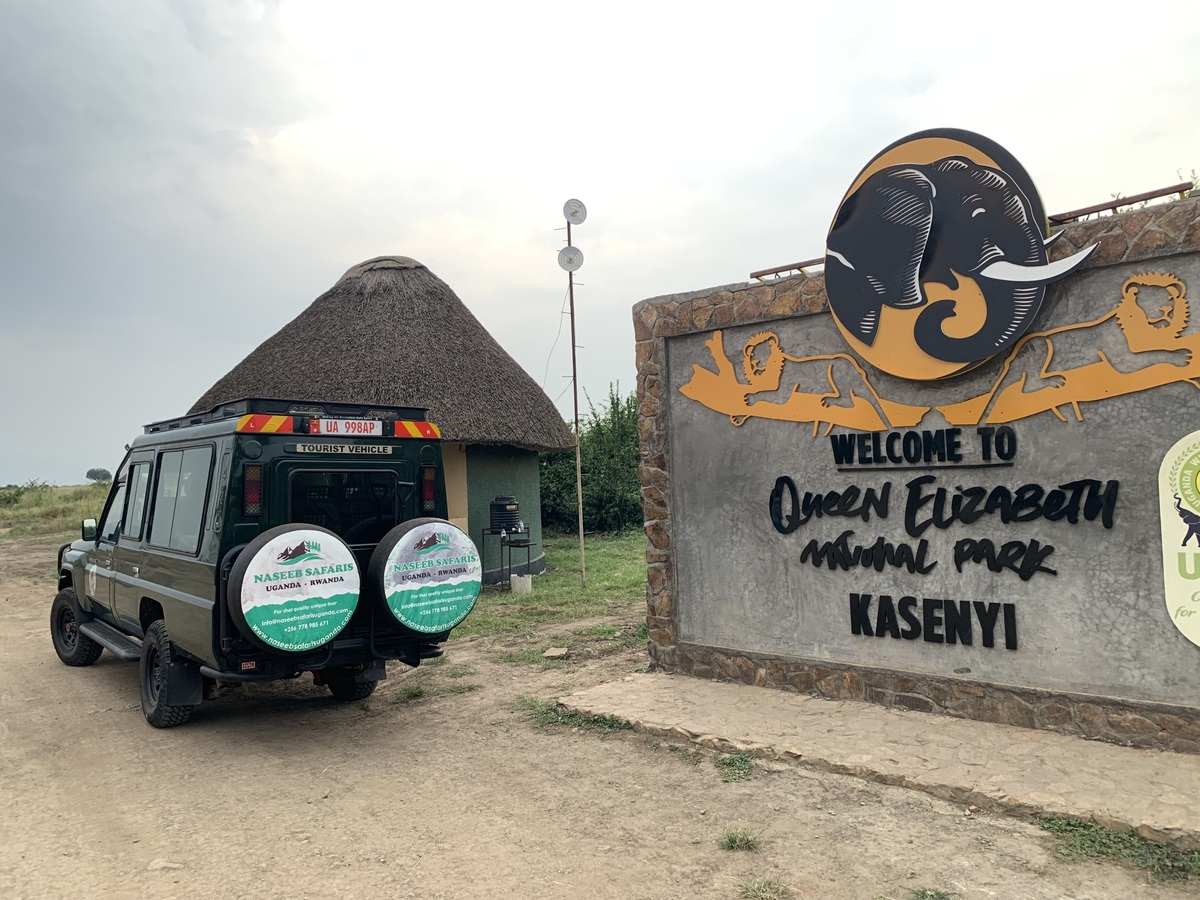
Queen Elizabeth National Park entrance
Murchison Falls National Park: When to Visit
Murchison Falls National Park is Uganda’s largest protected area and offers a combination of dramatic landscapes, river experiences, and classic safari viewing.
The park is known for:
- The Nile River
- Murchison Falls
- Savannah wildlife
- Large mammals
- Bird diversity
The most favorable months are generally:
- January to February
- June to September
During dry periods, wildlife often becomes easier to find because animals concentrate near rivers and waterholes.
One of the park’s most popular experiences is a boat trip along the Nile toward the base of the falls.
Visitors may observe:
- Hippos resting in the water
- Nile crocodiles along riverbanks
- Elephants approaching the shoreline
- Birds feeding near wetlands like kingfishers
The journey is as important as the destination here, with changing views of river landscapes, cliffs, and wildlife habitats.
Kidepo Valley National Park: When to Visit
Located in northeastern Uganda near the borders with South Sudan and Kenya, Kidepo Valley offers one of the country’s most remote safari experiences.
Its distance from Uganda’s main tourism routes is part of its appeal. Travelers who make the journey often experience wide-open landscapes with fewer visitors than more accessible parks.
The park is known for:
- Vast savannah plains
- Mountain scenery
- Large buffalo herds
- Lions
- Cheetahs
- Unique wildlife species not commonly seen elsewhere in Uganda
The best period to visit is usually:
June to September
Advantages include:
- Better road conditions
- Easier wildlife spotting
- More comfortable outdoor activities
The park can also be visited outside this period, but travelers should expect more challenging road conditions and changing weather.
Because of its remote location, Kidepo requires careful planning. It works best as part of a longer Uganda itinerary rather than a rushed add-on.
Best Time to Visit Uganda for Bird Watching
Uganda is one of Africa’s most rewarding birding destinations, with a remarkable variety of habitats ranging from tropical forests and wetlands to savannah landscapes.
Bird enthusiasts visit Uganda to search for:
- Forest species like African pitta
- Wetland birds like the shoebill
- Migratory birds like flamingos
- Rare and specialized species like Karamoja apalis and shoebill
The best birding period is often:
November to April
During these months, migratory birds arrive from Europe and North Africa, increasing species diversity.
Popular birding locations include:
- Bwindi Forest
- Kibale Forest
- Semliki national park
- Budongo forest reserve
- Queen Elizabeth National Park
- Murchison Falls National Park
- Mabamba Swamp
One of Uganda’s most sought-after birding experiences is searching for the shoebill, a large prehistoric-looking wetland bird.
Mabamba Swamp is one of the best-known places to look for this species although there are other places like Ziwa rhino sanctuary, lake Mburo and Murchison falls national park.
Bird photographers often prefer wetter months because:
- Vegetation is greener
- Birds are more active
- Landscapes have stronger colors
- Lighting conditions can be dramatic
Regional Weather Differences in Uganda
One of the most common planning mistakes first-time visitors make is assuming that Uganda has the same weather everywhere.
The country’s climate changes significantly depending on altitude, landscape, and location. A warm afternoon in Kampala may feel completely different from a cool, misty morning in Bwindi’s highland forests or a hot game drive in northern Uganda.
Understanding regional differences helps you pack correctly and choose a realistic itinerary.
Central Uganda: Kampala and Entebbe
Most international travelers begin their journey in central Uganda, where Entebbe International Airport serves as the main arrival point.
The region has a warm tropical climate throughout the year, with relatively moderate temperatures compared with many equatorial destinations.
Travelers can generally expect:
- Warm days
- Cooler evenings
- Regular but variable rainfall
- Humidity influenced by nearby Lake Victoria
The most comfortable travel periods are often:
- December to February
- June to September
Because Entebbe is usually the starting point for safari journeys, many visitors spend their first or final night here before traveling to national parks.
Southwestern Uganda: Bwindi, Mgahinga, and Lake Bunyonyi
Southwestern Uganda has some of the country’s highest elevations, which creates cooler conditions than many travelers expect.
The region is home to:
- Mountain gorilla habitats
- Volcanic landscapes
- Highland villages
- Forest ecosystems
Around Bwindi and Mgahinga, visitors should prepare for:
- Cool mornings
- Misty forest conditions
- Rain at any time of year
- Cooler evenings
Even during Uganda’s dry seasons, the forest environment remains humid and unpredictable.
For gorilla trekking, the best preparation is not choosing a month with no rain, it is bringing suitable clothing and footwear.
Recommended items include:
- Waterproof hiking boots
- Warm layers for early mornings
- Rain protection
- Comfortable trekking clothing
Western Uganda: Queen Elizabeth National Park and Kibale
Western Uganda combines several different environments:
- Savannah
- Tropical rainforest
- Lakes
- Mountains
- Wetlands
This diversity creates excellent opportunities for travelers who want to combine wildlife viewing with primate experiences.
The most favorable periods are often:
- June to September
- January to February
During these months, visitors can comfortably combine:
- Game drives
- Chimpanzee tracking
- Boat cruises
- Nature walks
However, Kibale’s forest conditions remain tropical year-round. Rain is always possible, and chimpanzee tracking continues regardless of season.
Northern Uganda: Murchison Falls and Kidepo Valley
Northern Uganda generally experiences warmer and drier conditions compared with the southwest.
During safari drives, travelers should expect:
- Hotter afternoons
- Strong sunshine
- Dustier roads during dry months
- Cooler mornings and evenings
The best travel periods are usually:
- January to February
- June to September
The dry season is particularly useful for wildlife viewing because animals often gather around rivers and remaining water sources.
For Kidepo Valley, seasonal planning is especially important because of the park’s remote location and longer travel distances.
Expert Packing Advice: What to Bring for a Uganda Safari
Packing for Uganda requires preparation for different environments.
A traveler may experience:
- Warm tropical weather
- Cool mountain temperatures
- Rainforest humidity
- Dusty savannah roads
- Long days outdoors
The best approach is to pack versatile clothing that can be layered.
What to Pack During Dry Seasons
For travel between December–February and June–September, consider bringing:
- Lightweight breathable clothing
- Comfortable walking shoes
- Sunglasses
- Sunscreen
- Hat or cap
- Light fleece or jacket for mornings and evenings
- Reusable water bottle
- Binoculars
Safari mornings can begin early, and temperatures are often cooler before sunrise.
What to Pack During Rainy Seasons
For March–May and October–November, add:
- Waterproof jacket
- Waterproof hiking boots
- Quick-drying clothing
- Backpack rain cover
- Dry bags for cameras and electronics
- Extra socks
- Insect repellent
For forest activities, cotton clothing is less practical because it dries slowly when wet.
Essential Items for Gorilla Trekking Throughout the Year
Regardless of season, gorilla trekkers should consider:
- Long trousers
- Long-sleeved shirts
- Sturdy hiking boots
- Gardening gloves
- Rain jacket
- Small daypack
- Camera protection
- Personal medication
- Water and snacks
A porter can also be hired at the trekking starting point. Many travellers choose to hire one because porters provide practical assistance on difficult terrain while supporting local employment.
Choosing the Best Time to Visit Uganda for Different Travellers
The “best” season depends on the type of traveler you are.
Best Time for First-Time Visitors
For most first-time visitors, the strongest overall travel windows are:
- June to September
- December to February
These periods provide a good balance of:
- Easier travel conditions
- Good wildlife viewing
- Comfortable trekking opportunities
- Reliable access to major destinations
A first Uganda safari often combines several experiences:
- Gorilla trekking
- Wildlife safaris
- Chimpanzee tracking
- Boat cruises
- Cultural encounters
The dry seasons reduce some logistical challenges, especially for travelers visiting multiple regions.
However, travelers who prefer greener scenery and fewer visitors may find the rainy seasons equally rewarding.
Best Time for Families Visiting Uganda
Uganda can be an excellent family safari destination, particularly for families with older children and teenagers who enjoy wildlife and outdoor activities.
The most comfortable periods are usually:
- June to September
- December holidays
- January and February
Benefits include:
- Easier road travel
- More predictable outdoor activities
- Comfortable wildlife viewing conditions
Family-friendly experiences include:
- Game drives
- Boat trips
- Nature walks
- Cultural visits
- Conservation experiences
When traveling with children, itinerary design matters as much as the season.
Long driving days can become tiring, so families should consider:
- Shorter travel distances
- Comfortable accommodation
- Rest days between major activities
Best Time for Couples and Honeymoon Travelers
Uganda offers a different style of romantic escape from traditional beach destinations.
Couples often choose the country for a combination of:
- Forest adventures
- Wildlife experiences
- Scenic landscapes
- Private lodges
- Quiet moments away from crowds
The preferred months are often:
- June to September
- January to February
A couple’s itinerary may include:
- Gorilla trekking in Bwindi
- A wildlife safari in Queen Elizabeth National Park
- A relaxing stay near Lake Bunyonyi
- Sunset boat experiences
- Scenic countryside drives
The rainy seasons can also appeal to couples seeking quieter lodges and greener landscapes.
Cheapest Time to Visit Uganda
Travelers looking for better value often consider Uganda’s shoulder seasons:
- March to May
- October to November
During these months, visitors may find:
- More accommodation availability
- Greater flexibility with bookings
- Fewer travelers at popular attractions
- Potentially lower seasonal rates
Lower visitor numbers do not mean fewer experiences.
Wildlife remains in its natural environment, gorilla trekking continues, and landscapes can be especially beautiful after rainfall.
For flexible travelers, these months can offer a more relaxed way to experience Uganda.
Is the Rainy Season a Bad Time to Visit Uganda?
Many travelers hesitate to visit Uganda during the rainy seasons because they assume rainfall will disrupt their safari. In reality, the wetter months offer a different type of experience rather than a worse one.
Uganda’s rainy seasons are:
- March to May (long rains)
- October to November (short rains)
Rainfall patterns vary by region, and weather is increasingly difficult to predict precisely. Some days may bring heavy showers, while others remain dry and suitable for activities.
A well-planned rainy-season safari can be highly rewarding.
Advantages of Visiting Uganda During the Rainy Season
Greener Landscapes
Rain transforms Uganda’s countryside.
Savannah areas become greener, forests become thicker, and hillsides take on deeper colors. For travelers interested in landscapes and photography, this period offers some of the most visually interesting conditions of the year.
The forests around Bwindi and Kibale feel especially alive during wetter months, with dense vegetation, flowing streams, and increased forest activity.
Excellent Photography Conditions
Many photographers prefer the rainy season because of the quality of light and scenery.
Potential advantages include:
- Richer vegetation colors
- Dramatic cloud formations
- Softer natural light
- Fewer vehicles at wildlife sightings
Rain can also create opportunities for unique images that are less common during dry months.
Fewer Crowds
During lower tourist seasons, some attractions may feel quieter.
This can be appealing for travelers who prefer:
- More peaceful lodge experiences
- Less crowded viewpoints
- A slower travel pace
- More flexibility when planning activities
Gorilla trekking remains regulated, meaning only limited numbers of visitors enter the forest each day. Traveling during quieter months may create a calmer overall experience.
Better Bird Watching Opportunities
The rainy season coincides with periods of increased bird activity.
Benefits for bird watchers include:
- Migratory species visiting Uganda
- Increased breeding activity
- Lush habitats supporting diverse birdlife
For dedicated birders, November to April can be an especially productive period.
Uganda Safari Seasons Compared
| Season | Months | Advantages | Best For |
| Main Dry Season | June–September | Easier travel, good wildlife viewing, comfortable trekking | First-time visitors, gorilla trekking, classic safaris |
| Short Dry Season | December–February | Warm conditions, good access, holiday travel | Families, wildlife safaris, multi-destination trips |
| Long Rainy Season | March–May | Green scenery, fewer visitors, strong photography opportunities | Photographers, budget travelers, flexible travelers |
| Short Rainy Season | October–November | Fresh landscapes, good birding, quieter parks | Nature lovers, bird watchers, travelers seeking value |
No season guarantees perfect conditions. Uganda’s appeal comes partly from its natural unpredictability, and each period offers different advantages.
Common Mistakes Travelers Make When Planning a Uganda Safari
A successful Uganda safari depends on more than choosing the right month. Many challenges come from unrealistic expectations or insufficient preparation.
Avoiding a few common mistakes can significantly improve your experience.
Choosing Travel Dates Based Only on Weather
Weather is important, but it should not be the only factor.
Your main activities should guide your decision.
For example:
- Gorilla trekking may influence your preferred season
- Bird watching may favor wetter months
- Wildlife viewing may be easier during dry periods
- Lower budgets may benefit from shoulder seasons
A traveler visiting mainly for gorillas may choose different dates from someone focused on bird photography or family travel.
The right question is not:
“Which month has perfect weather?”
It is:
“Which month best matches the experience I want?”
Booking Gorilla Permits Too Late
Gorilla trekking permits are limited because Uganda controls visitor numbers to protect gorilla populations and minimize disturbance.
During popular travel periods, permits can become unavailable if travelers wait too long.
Visitors planning gorilla trekking should consider arranging permits early, especially for:
- June to September
- December holidays
- January and February
A safari operator can help coordinate:
- Gorilla permits
- Accommodation
- Transportation
- Park activities
- Route planning
Underestimating Travel Distances
Uganda may look relatively compact on a map, but travel between destinations can take longer than expected.
Reasons include:
- Rural road conditions
- Mountain terrain
- Park locations
- Stops for scenery and wildlife
For example, traveling from Entebbe to Bwindi often requires most of a day by road.
Trying to include too many destinations in a short trip can result in spending more time in the vehicle than experiencing Uganda.
A well-paced itinerary allows time for:
- Relaxed game drives
- Forest activities
- Cultural interactions
- Rest between long journeys
Packing Only for Warm Weather
Because Uganda is near the equator, some visitors expect consistently hot conditions.
However, the country’s varied landscapes create different climates.
A single trip may involve:
- Warm afternoons in savannah parks
- Cool evenings in highland areas
- Rainforest humidity
- Chilly early mornings
Packing layers is one of the simplest ways to stay comfortable.
Expecting Wildlife Sightings Like a Zoo
A safari takes place in natural environments.
Animals are not following schedules, and sightings depend on:
- Weather
- Season
- Animal movements
- Time of day
- Habitat conditions
A guide can improve your chances by understanding animal behavior and the landscape, but no responsible operator can guarantee specific sightings.
The excitement of safari comes from searching, observing, and discovering wildlife where it naturally lives.
Frequently Asked Questions About the Best Time to Visit Uganda
What is the overall best month to visit Uganda?
There is no single perfect month for every traveler.
For many visitors, June to September offers some of the most favorable overall conditions because of lower rainfall, easier travel, and good opportunities for wildlife viewing and gorilla trekking.
However, December to February is also an excellent travel period.
Travelers interested in photography, bird watching, or fewer crowds may prefer the wetter months.
Can I visit Uganda during the rainy season?
Yes! Uganda is a year-round destination, and safari activities continue during rainy months.
The rainy season offers:
- Green landscapes
- Fewer tourists
- Excellent bird watching
- Strong photography opportunities
The key is preparing properly with suitable clothing and allowing some flexibility in your schedule.
What is the best time for gorilla trekking in Uganda?
Gorilla trekking is possible throughout the year.
Many travelers prefer:
- June to September
- December to February
because trails are often easier during drier periods.
However, the rainy season can also provide rewarding experiences with greener forests and fewer visitors.
How many days do I need for a Uganda safari?
The ideal length depends on how many experiences you want to include.
Typical durations:
- 3–5 days: Short wildlife or primate-focused trips
- 7–10 days: A classic Uganda safari combining several highlights
- 12–14+ days: A more complete journey including gorillas, wildlife, chimpanzees, and cultural experiences
Because travel between destinations takes time, longer itineraries usually feel more relaxed.
How fit do I need to be for gorilla trekking?
Fitness requirements vary.
Some treks are shorter and easier, while others involve several hours of hiking through steep and uneven forest terrain.
Travelers should be prepared for:
- Walking on muddy trails
- Climbing slopes
- Spending several hours outdoors
You do not need to be an athlete, but regular walking and basic fitness preparation will make the experience more comfortable.
Will I definitely see gorillas?
Gorilla trekking offers a very high chance of encountering habituated gorilla families, but wildlife sightings can never be guaranteed.
Gorilla movements change daily, and trackers work each morning to locate the groups before visitors begin trekking.
The experience is a search through natural habitat, not a controlled viewing environment.
Can I hire a porter during gorilla trekking?
Yes! Porters are available at trekking starting points and can assist with:
- Carrying backpacks
- Offering support on difficult sections
- Helping travelers navigate challenging terrain
Hiring a porter also provides direct support to local community members.
Many travelers find the assistance valuable, especially on longer treks.
Can seniors do the gorilla trek?
Yes, many older travelers successfully complete gorilla treks.
However, the difficulty varies depending on the gorilla group assigned and the terrain.
Older travelers should consider:
- Discussing fitness levels with their safari planner
- Requesting easier trekking options where possible
- Hiring a porter
- Taking adequate time to rest
There are also alternative gorilla experiences designed for travelers who may need additional support.
Frequently Asked Questions About Visiting Uganda
What happens if it rains during my safari or gorilla trek?
Rain is a normal part of Uganda’s environment, especially in forest regions.
Safari activities usually continue during rainy weather, although schedules may sometimes be adjusted depending on road conditions or safety considerations.
During gorilla trekking, rain may make trails wetter and more slippery, but treks continue throughout the year.
To stay comfortable:
- Wear waterproof hiking boots
- Carry a rain jacket
- Protect cameras and electronics
- Dress in layers
- Bring extra socks for longer forest walks
Many travelers find that the rain adds to the atmosphere of the forest rather than taking away from the experience.
Can I wear shorts during a Uganda safari or gorilla trek?
Shorts are acceptable in many safari settings, especially during warm days in national parks.
However, for gorilla trekking and forest walks, long trousers are strongly recommended.
Long trousers help protect against:
- Scratches from vegetation
- Mud
- Insects
- Cooler forest temperatures
For gorilla trekking, practical clothing is more important than fashion. Comfortable, durable clothing will make the experience easier.
Can I take photos during gorilla trekking?
Yes, photography is allowed during gorilla trekking, but there are important rules designed to protect both visitors and gorillas.
Travelers should:
- Follow ranger instructions
- Keep a respectful distance
- Avoid using flash photography
- Keep camera equipment protected from rain
A camera with good low-light performance is useful because forest conditions can be shaded and changing.
A lightweight camera setup is often preferable because trekkers may walk for several hours.
Are there toilets at the gorilla trekking starting point?
Yes, most gorilla trekking starting areas have basic toilet facilities.
However, there are generally no toilets inside the forest during the trek.
Because treks can last several hours, visitors should:
- Use facilities before departure
- Carry personal essentials if needed
- Follow ranger guidance regarding breaks
For longer treks, guides can advise visitors on appropriate arrangements within the forest environment.
Is there a luggage weight limit for Uganda safaris?
There is no single luggage limit that applies to every Uganda safari because restrictions depend on the type of transportation being used.
Road safaris generally allow more flexibility than small aircraft transfers.
If your itinerary includes domestic flights, travelers should check airline baggage requirements in advance, as smaller aircraft often have stricter limits.
Practical advice:
- Pack light where possible
- Use soft-sided luggage for easier storage
- Carry essential items in hand luggage
- Separate valuables and important documents
How much should I tip guides, drivers, and lodge staff in Uganda?
Tipping is not mandatory, but it is appreciated when travelers receive good service.
Many visitors choose to tip:
- Safari guides and drivers
- Gorilla trekking guides
- Porters
- Lodge staff
The amount depends on:
- Length of service
- Group size
- Quality of assistance
- Personal budget
It is often better to give tips directly to the people who provided the service or use lodge-managed staff tipping systems where available.
Local currency is useful, although some travelers also use US dollars in good condition.
Is Uganda safe to visit for tourists?
Uganda welcomes visitors from around the world, and tourism areas are regularly visited by international travelers.
As with any destination, responsible travel habits are important.
Travelers should:
- Follow guidance from local authorities and safari operators
- Respect wildlife rules
- Avoid unnecessary risks
- Protect personal belongings
- Use trusted transportation providers
When visiting remote areas such as national parks, traveling with an experienced safari company helps with logistics, local knowledge, and emergency planning.
Responsible Tourism in Uganda: How Travelers Can Make a Positive Impact
Tourism plays an important role in supporting conservation and local communities across Uganda.
Visitors can contribute positively by making thoughtful choices.
Consider:
Respecting Wildlife
Responsible wildlife tourism means:
- Maintaining appropriate distances
- Following guide instructions
- Avoiding loud disturbances
- Never feeding wild animals
Wildlife experiences are most meaningful when animals remain in their natural environment.
Supporting Local Communities
Many tourism experiences create opportunities for local communities through:
- Employment
- Guiding services
- Accommodation
- Cultural experiences
- Conservation initiatives
Hiring local porters and purchasing locally made products can provide direct benefits to communities around protected areas.
Reducing Environmental Impact
Simple actions make a difference:
- Carry reusable water bottles
- Avoid unnecessary plastic waste
- Use eco-conscious accommodation where possible
- Leave natural areas as you found them
Uganda’s forests, wetlands, and savannah ecosystems depend on careful protection.
Finding Your Best Time to Visit Uganda
The best time to visit Uganda is not simply the month with the least rain or the highest number of wildlife sightings. It is the period that matches the kind of journey you want to have.
For first-time visitors seeking a balance of comfortable travel conditions, gorilla trekking, and classic safari experiences, June to September and December to February are often excellent choices.
For travelers who value quieter trails, greener landscapes, photography opportunities, or better seasonal value, the rainy months can offer a different and rewarding perspective of the country.
Uganda’s strength lies in its diversity. A morning can begin with forest mist in the mountains and end with wildlife viewing across open savannah. Chimpanzee calls echo through tropical forests, rivers carry life through national parks, and communities welcome visitors into landscapes shaped by generations of connection with nature.
Choosing the right season helps you appreciate these experiences more fully—but the most important preparation is arriving with realistic expectations, curiosity, and respect for the environment you are entering.
When planned thoughtfully, a Uganda safari becomes more than a checklist of attractions. It becomes an opportunity to understand a country through its wildlife, landscapes, and people.
If you are planning a Uganda safari and would like help choosing the right travel dates, route, accommodation, and experiences based on your interests, contact Naseeb Safaris for personalized trip planning support.