
Cheapest Time to Visit Uganda for Gorilla Trekking
Cheapest Time to Visit Uganda for Gorilla Trekking, For many travellers, the cost of a gorilla trekking permit is the first major consideration when planning a trip to Uganda. The permit provides access to one of Africa’s most remarkable wildlife encounters: spending time with a family of endangered mountain gorillas in the forest. Yet the permit is only part of the overall cost. Accommodation, transport, meals and the number of days spent travelling between destinations all influence the final price.
The good news is that the cheapest time to visit Uganda for gorilla trekking often coincides with the quieter travel months, when selected accommodation providers offer lower rates and discounted gorilla permits may be available. April, May and November are particularly worth considering.
These months bring more rain, however, and the lowest price does not always make the best trip. Understanding the differences between seasons, knowing which expenses you can reduce and planning your route carefully help you decide when to travel and what to expect.
When Is the Cheapest Time to Visit Uganda for Gorilla Trekking?
April, May and November are generally the best months to investigate if you want to reduce the cost of gorilla trekking in Uganda. These periods fall within the country’s wetter seasons, when visitor demand can be lower than during the main dry months.
Uganda’s climate does not follow a perfectly predictable calendar. Rainfall varies between regions and from one year to another, but March to May is generally the main rainy season, while September to November brings another period of rainfall.
For international visitors, the financial advantage of travelling during these months can extend beyond accommodation. Uganda Wildlife Authority (UWA) introduced discounted gorilla trekking permits for April, May and November in 2026. Under the announced rates, a permit for a foreign non-resident costs US$600 instead of the standard US$800, while the foreign resident rate falls from US$700 to US$500.
A saving of US$200 per person is significant, particularly for couples or families with several eligible trekkers. However, the permit discount is only one part of the calculation. The best value comes from comparing the full cost of your holiday, including the accommodation and transport required to reach the forest.
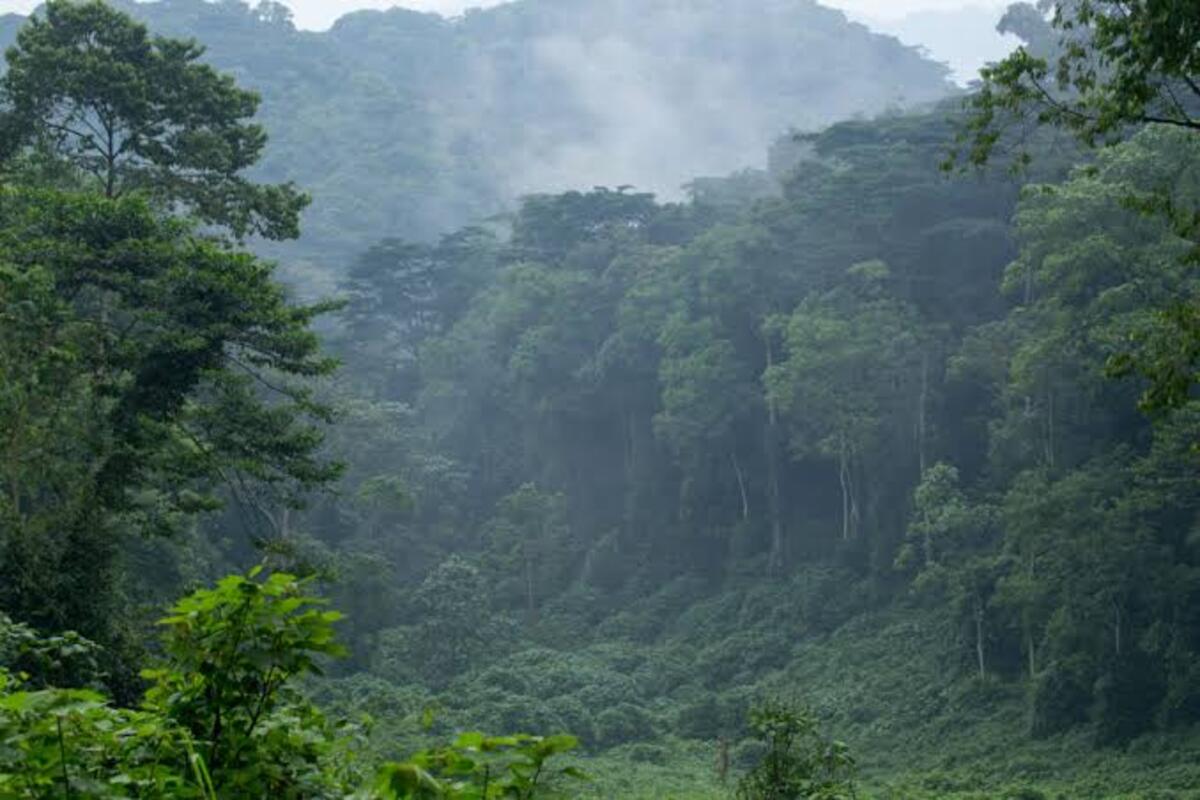
Morning mist settling over the forest canopy in Bwindi
How Much Does a Gorilla Trekking Permit Cost in Uganda?
The gorilla trekking permit is usually one of the largest individual expenses on a Uganda gorilla safari. It allows a visitor to join an organised trek to observe a habituated mountain gorilla family under the supervision of authorised guides and trackers.
Currently, the standard permit for a foreign non-resident costs US$800 per person. Foreign residents pay US$700, while discounted rates apply to eligible visitors during April, May and November. Different visitor categories have different tariffs, so your eligibility matters when calculating the cost.
For a foreign non-resident travelling during an eligible low-season month, the permit saving is US$200. Two travellers therefore save US$400 on permits alone, before any reduction in accommodation costs. These figures apply to the stated tariff and should be reconfirmed with your tour operator for the intended travel date.
Standard gorilla trekking provides up to one hour with the gorilla family once the group is located. The gorilla habituation experience is a separate activity, allowing a longer period with a gorilla group undergoing habituation. Its price and availability differ from those of standard trekking.Currently gorilla habituation is $1500, effective 01stJanuary 2027 it will cost $1800 per foreign non-resident.
A permit is not the same as a complete safari package. It does not automatically cover your international flights, accommodation for the entire trip, road transfers or every meal. Ask for a breakdown of costs before comparing quotations.
April and May: Lower Prices, Wetter Trails
April and May appeal to travellers who have flexible schedules and place a high priority on value. Rain is more frequent during this period, and the forest paths in Bwindi Impenetrable National Park and Mgahinga Gorilla National Park can become muddy and slippery.
This does not mean gorilla trekking stops. Treks take place throughout the year, although the weather and the location of the gorilla family influence the conditions on the day. Some treks finish relatively quickly, while others involve several hours of climbing, descending and moving through thick vegetation.
The wetter months can also make the forest feel different. Moisture collects on leaves, mist often hangs among the trees, and the vegetation remains green. Photographers may appreciate the atmosphere, although protecting camera equipment from rain requires extra care.
Accommodation is where additional savings may be possible. Some lodges reduce their rates during quieter periods, giving travellers a chance to stay closer to the trekking starting point without paying peak-season prices. Discounts vary by property, so they should never be assumed.
If you choose April or May, pack waterproof hiking boots with good grip, a lightweight rain jacket, long trousers and a waterproof bag for your valuables. Walking poles can help on steep or slippery sections.
November: A Lower-Season Alternative
November is another month to consider when planning an affordable Uganda gorilla safari. It falls within the second main rainy period, although the amount and timing of rainfall vary.
Some accommodation providers offer lower rates than during the busiest months, and the low-season permit discount can make a noticeable difference to the budget. Nevertheless, popular lodges and particular trekking sectors can still have limited availability.
November can also suit travellers who want to combine gorilla trekking with chimpanzee tracking in Kibale National Park or wildlife viewing in Queen Elizabeth National Park. The advantage is not necessarily that every activity costs less, but that a carefully planned itinerary can combine several experiences without unnecessary driving or extra nights.
If your dates are fixed, check permit availability before paying for non-refundable flights or accommodation. Where a discounted permit comes with restrictions on changing the trekking date, the saving must be weighed against the risk of losing flexibility.
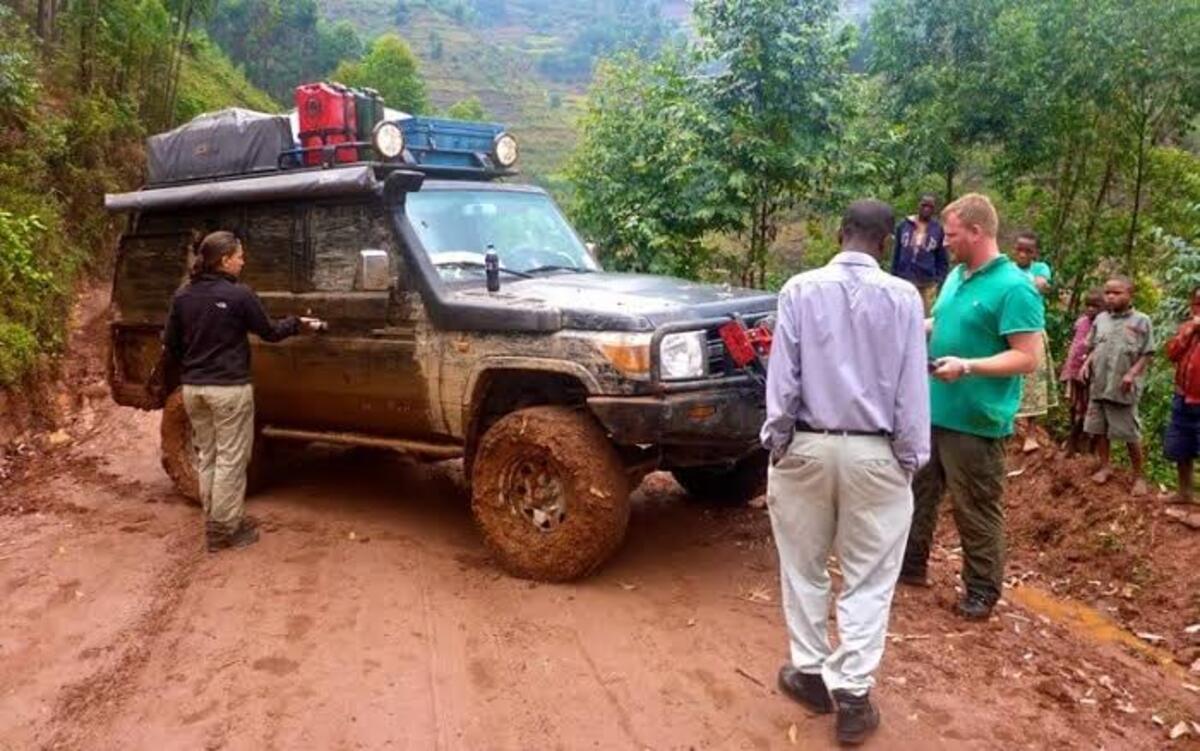
Slippery road
Is Gorilla Trekking More Expensive During the Dry Season?
June to August and December to February are generally popular months for gorilla trekking. Many visitors prefer these periods because conditions are often drier, although rain remains possible in the tropical forest.
July and August can be particularly busy, while December, January and February attract visitors taking advantage of holiday periods and generally favourable conditions for combining several safari destinations.
Accommodation close to the trekking sectors can book up well in advance. If you wait until the last minute, you may find that the most convenient properties are unavailable, leaving you with a more expensive alternative or a longer morning transfer.
Dry weather does not guarantee an easy trek. The terrain remains steep in places, the vegetation is dense and the gorillas move freely through the forest. Physical effort depends largely on where the family is located and how the trek unfolds.
Travellers who can only visit during the dry season can still control their budget by booking early, choosing a suitable mid-range lodge and keeping the itinerary focused. The key is to avoid paying for services you do not need simply because the popular dates are in high demand.
How to Make a Uganda Gorilla Safari More Affordable
Choose accommodation near your trekking sector
Bwindi has several trekking sectors, including Buhoma, Ruhija, Rushaga and Nkuringo. Accommodation in one sector may not be conveniently located for a trek assigned in another. Although a lodge farther away may advertise a lower room rate, the additional transfer time and transport costs can reduce the saving.
Ask where your trek starts before choosing accommodation. A comfortable guesthouse or mid-range lodge close to the relevant sector may offer better overall value than a cheaper property that requires a long early-morning drive.
Consider a scheduled group safari
A scheduled group safari allows travellers to share a vehicle and guide with other participants. This can reduce the per-person cost of transport compared with a private trip for one or two people.
Check the departure date, accommodation standard, group size and included activities. A group trip is usually less flexible than a private safari, but it can be a practical choice if your dates match an available departure.
Keep your itinerary realistic
Adding destinations increases the number of nights, driving hours and activities you need to pay for. If gorilla trekking is your main reason for visiting Uganda, a shorter itinerary may be more economical than trying to visit several national parks in one trip.
Travellers with more time can add chimpanzee tracking or wildlife viewing in Queen Elizabeth National Park. The decision should depend on your interests and budget, rather than the desire to fit every attraction into one holiday.
Compare the complete quotation
Ask whether your safari price includes the gorilla permit, accommodation, meals, park-related fees, vehicle, driver-guide and airport transfers. International flights, travel insurance and personal expenses may be separate.
A low headline price is not necessarily the cheapest option once the missing services are added. Comparing quotations on the same basis gives you a clearer picture of what you will actually spend.
Bwindi or Mgahinga: Which Is Better for a Budget Trek?
Both Bwindi Impenetrable National Park and Mgahinga Gorilla National Park offer mountain gorilla trekking. Neither is automatically the cheaper choice for every traveller.
Bwindi has several trekking sectors and a broad range of accommodation options. Its mountainous terrain and winding roads mean that the location of your lodge matters. A well-planned overnight stay near your assigned sector can save time and reduce unnecessary transfers.
Mgahinga offers gorilla trekking within the Virunga volcanic landscape. The most suitable option depends on permit availability, accommodation prices and how the park fits into your wider route.
When comparing the two parks, look at the complete journey from your arrival point to the trekking location and onward to your next destination. A lower room rate or a preferred park does not necessarily translate into a lower total cost.
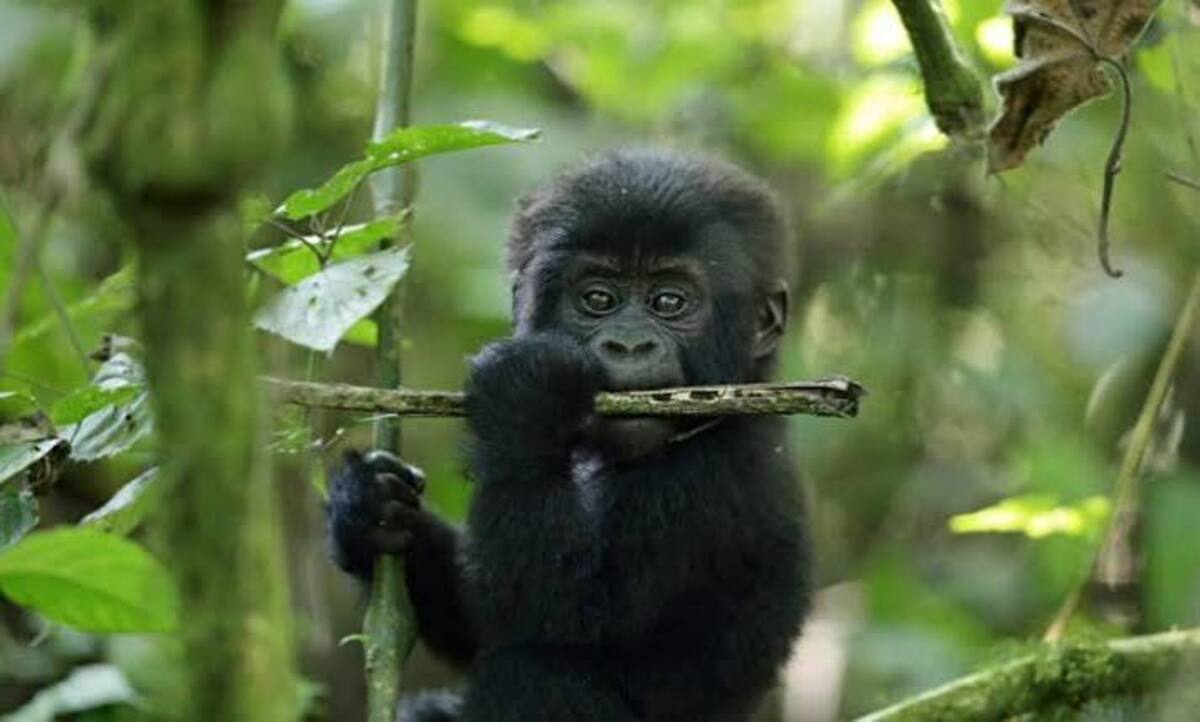
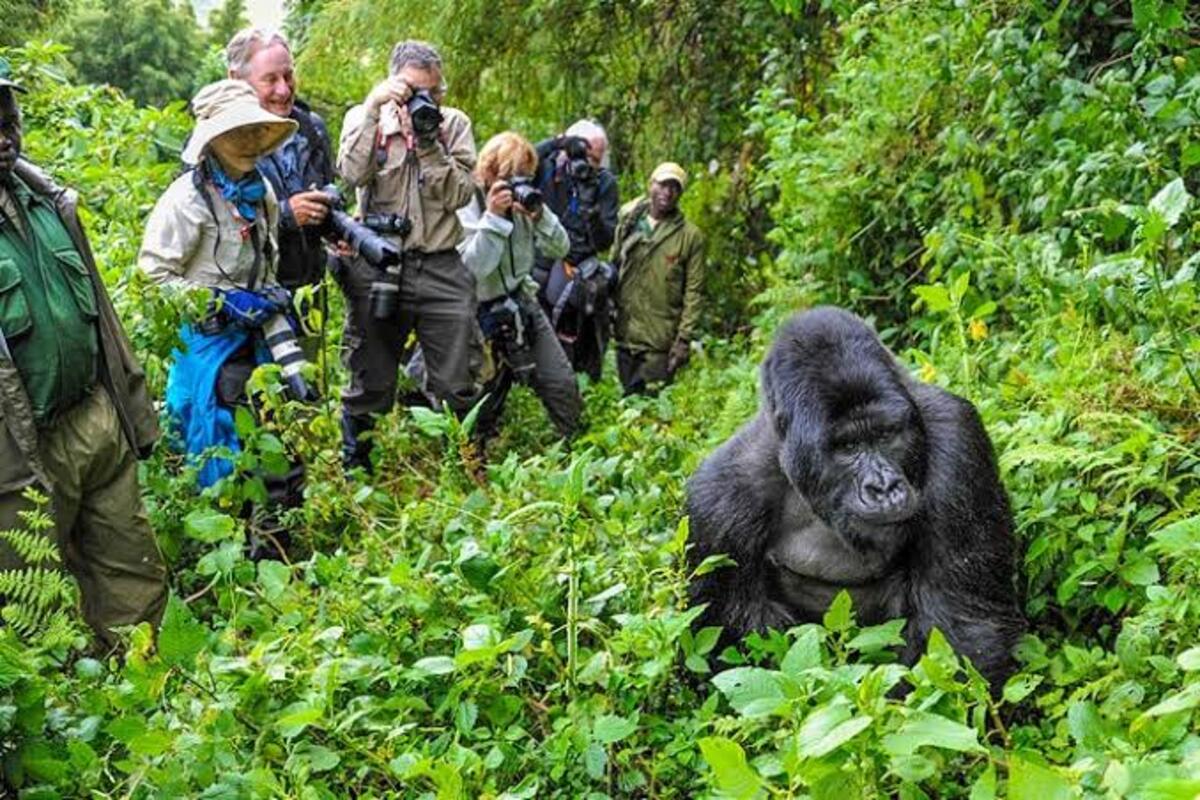
A juvenile gorilla in Bwindi
How Far in Advance Should You Book?
For travel during April, May and November, start planning several months ahead if you want a particular lodge, trekking sector or scheduled group departure. Low season does not mean every permit and room remains available.
For July, August and the December holiday period, earlier planning is especially useful. Limited accommodation and high demand can make it harder to secure the combination of permit dates and lodging you prefer.
Before confirming your arrangements, establish your travel dates, the number of trekkers, your accommodation budget and whether you prefer a private or group safari. If you are considering a discounted permit, confirm the rate and any restrictions on changing dates before committing to other non-refundable bookings.
What Should You Pack for Low-Season Gorilla Trekking?
Rain protection and footwear deserve particular attention. Bring waterproof hiking boots with good traction, long trousers, a long-sleeved shirt, gardening-style gloves for gripping vegetation where permitted, a rain jacket and a small daypack with a waterproof liner.
A walking pole can help with balance on uneven ground. Carry drinking water, snacks as recommended by your guide, insect repellent and any personal medication you need. Protect your phone and camera in waterproof bags, and bring a spare battery if you plan to take photographs.
Tipping is a personal decision, not a condition of trekking. If you choose to tip your guide, porter or other members of the team, carry some local currency and ask your operator for current guidance. Hiring a porter can also provide useful assistance on steep trails while supporting local livelihoods.
Gorilla trekking requires a reasonable level of mobility, and the difficulty varies considerably. If you have concerns about steep ground, balance or walking endurance, discuss them with your tour operator before booking. Tell your guide about any difficulty during the trek rather than pushing beyond your limits.
Frequently Asked Questions
What is the cheapest month for gorilla trekking in Uganda?
April, May and November are the main months to consider for lower-season travel. The best month for your budget depends on the permit rate applicable to your dates, accommodation availability and transport costs.
Does Uganda offer discounted gorilla permits in the rainy season?
Yes. UWA announced discounted rates for April, May and November in 2026. For foreign non-residents, the announced rate is US$600 rather than US$800. Confirm the current tariff and permit conditions before booking.
Is gorilla trekking possible in April and May?
Yes. Trekking takes place throughout the year. Rain can make the trails muddy and slippery, so appropriate footwear and waterproof clothing are important.
Is one hour with gorillas guaranteed?
The standard permit provides for up to one hour with a habituated gorilla family once the group is located, subject to wildlife authority rules and guidance. The trek itself may take several hours, and sightings can never be treated as a staged or guaranteed performance.
Can I do gorilla trekking on a tight budget?
Yes, provided you plan carefully. Consider a low-season departure, a budget or mid-range lodge near your trekking sector, and a scheduled group safari if the dates suit you. Always compare complete quotations rather than permit prices alone.
Should I book a gorilla permit before my accommodation?
Check permit availability first, then coordinate the accommodation and transport around the confirmed trekking date. This is particularly important if your preferred dates or trekking sector have limited availability.
Is the Cheapest Time the Right Time for You?
The best time to visit Uganda for gorilla trekking depends on what matters most to you. April, May and November can offer useful savings, particularly when the official low-season permit discount applies. In return, you need to be prepared for rain, muddy paths and the possibility of changing weather.
The drier months appeal to travellers who prefer generally firmer trails or need to coordinate their trip with school holidays and other commitments. They can cost more, but careful planning still makes a difference.
Whichever season you choose, the experience depends on more than the weather or the price of a permit. It is an opportunity to observe a wild family in its forest habitat, with the encounter taking place on the gorillas’ terms. A thoughtful itinerary allows you to enjoy that experience while respecting the animals, the guides and the people whose livelihoods are connected to conservation.
If you are considering gorilla trekking in Uganda, Naseeb Safaris Uganda can help you compare travel dates, accommodation and private or scheduled group options. Share your preferred month, number of travellers and approximate budget to discuss an itinerary that fits your plans.
Visit www.naseebsafarisuganda.com, email info@naseebsafarisuganda.com or WhatsApp +256 778 985 671.