
Gorilla Trekking in Rushaga Bwindi Impenetrable National Park
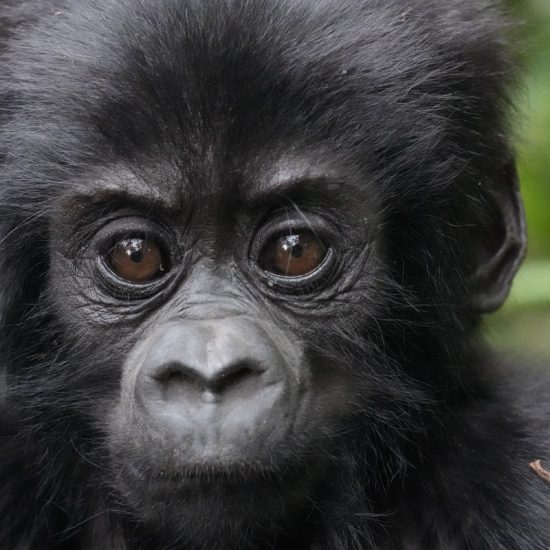
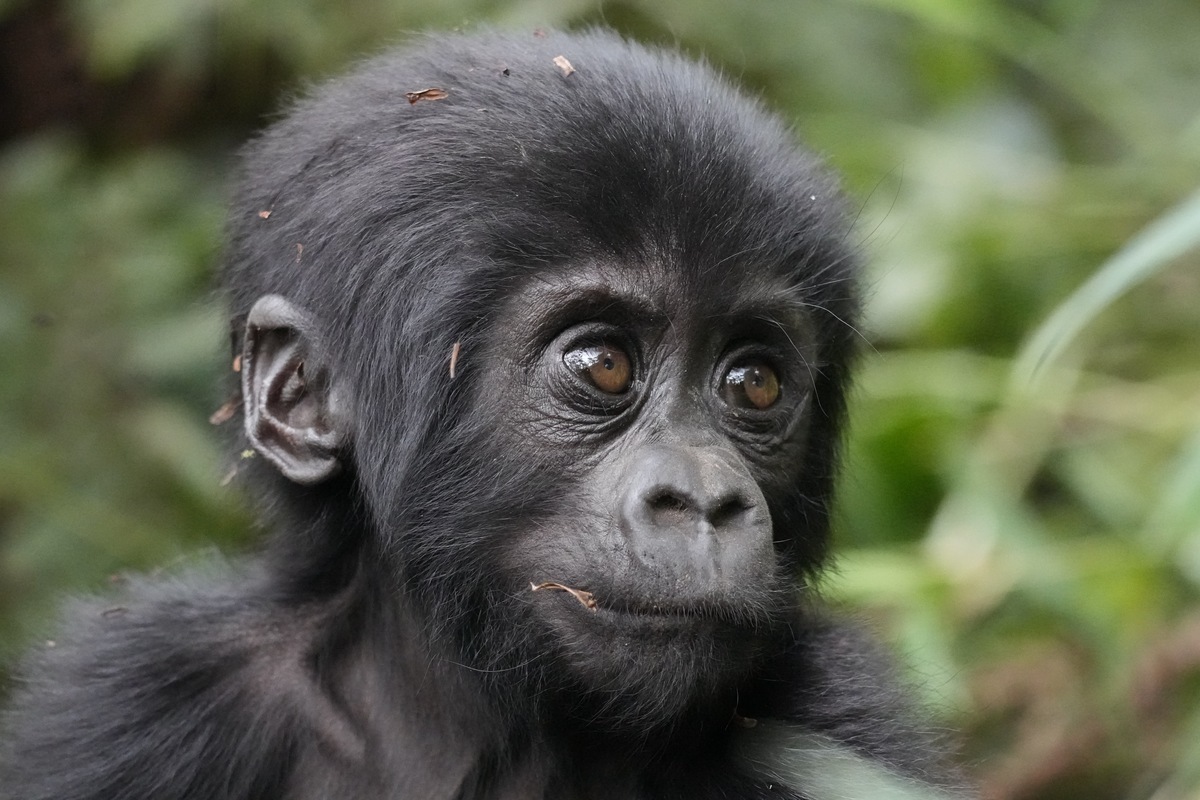
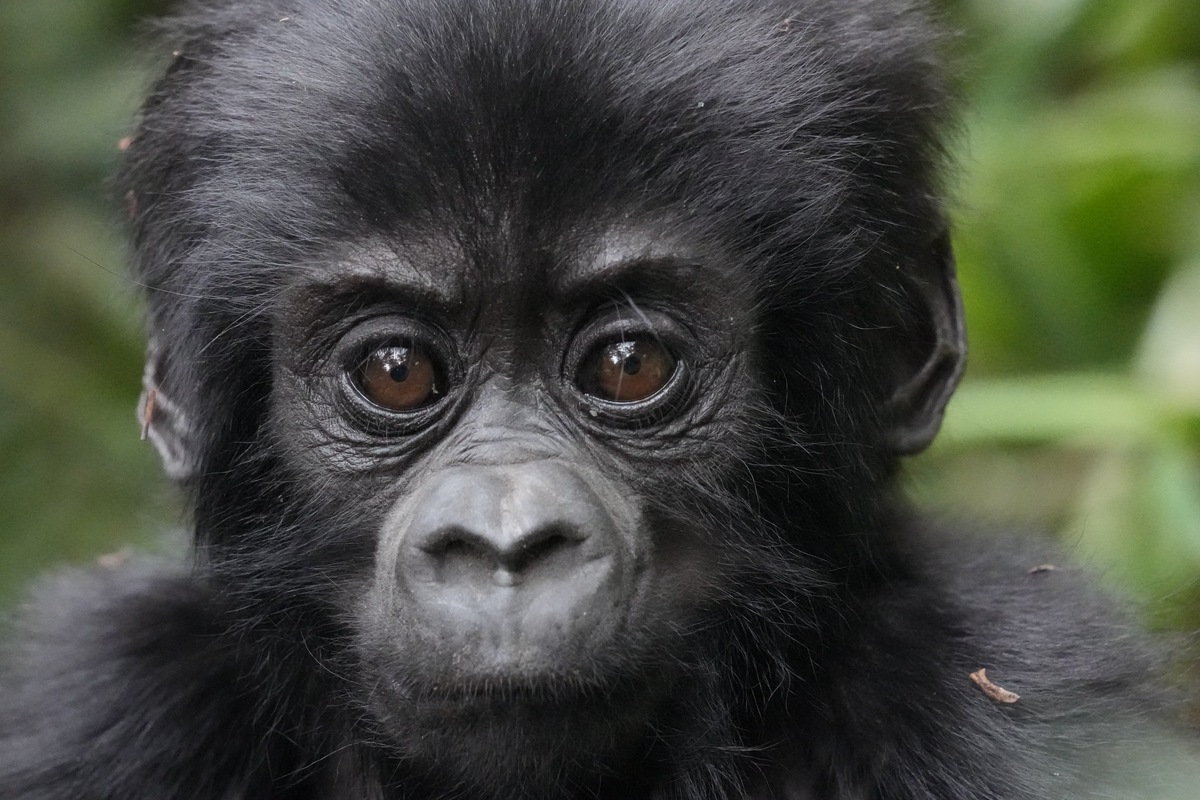
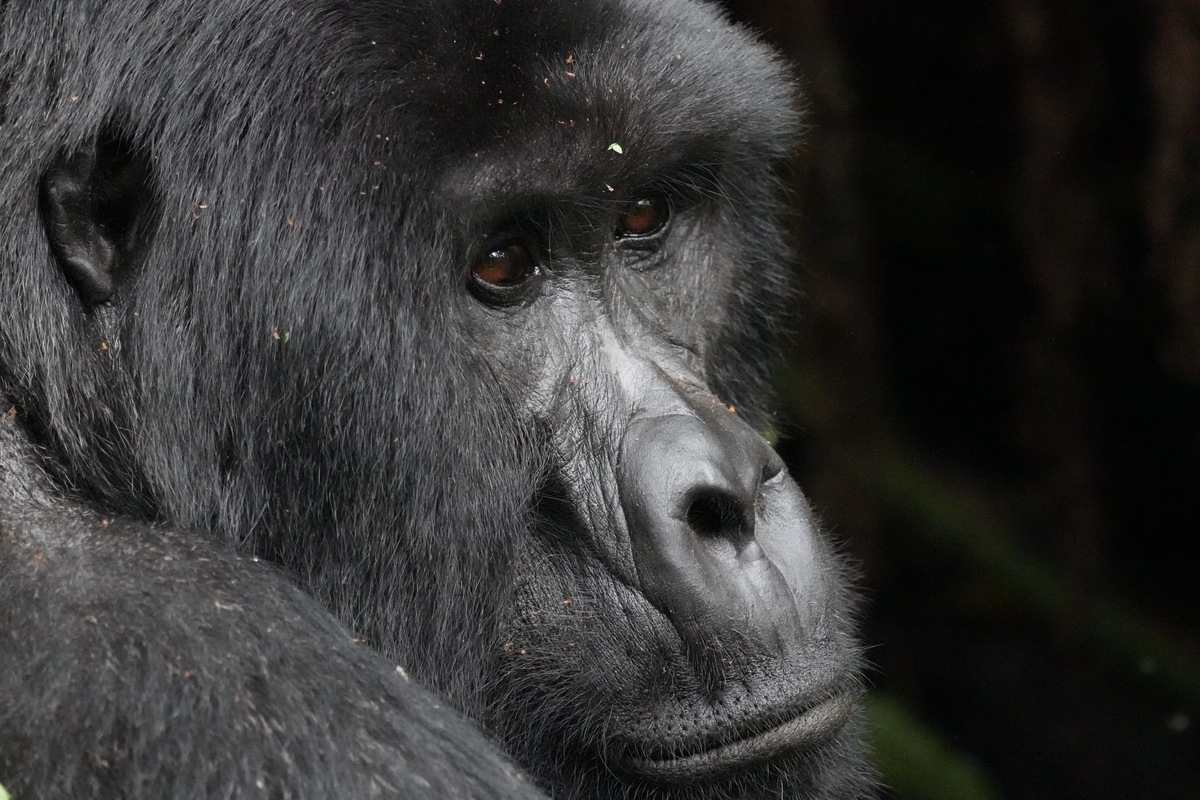
Gorilla Trekking in Rushaga Bwindi Impenetrable National Park, Gorilla trekking in Rushaga offers visitors the chance to encounter endangered mountain gorillas in the dense rainforest of Bwindi Impenetrable National Park, south-western Uganda. The sector is known for its range of habituated gorilla families and its association with the Gorilla Habituation Experience, which allows visitors to spend longer observing a group under the supervision of authorised researchers and trackers.
But choosing Rushaga involves more than deciding which part of Bwindi to visit. The terrain can be steep, the weather unpredictable and the journey to the forest lengthy, depending on where you begin. Understanding the gorilla families, permit arrangements, accommodation and trekking conditions helps you prepare for the experience.
At Naseeb Safaris Uganda, we plan gorilla trips around the permit, the traveller’s preferred level of comfort and the wider safari itinerary. Here is what to know before arranging a gorilla trek in Rushaga.
Where Is Rushaga in Bwindi Impenetrable National Park?
Rushaga lies in the southern part of Bwindi Impenetrable National Park, a UNESCO World Heritage Site in south-western Uganda. The forest covers a landscape of steep hills, deep valleys and thick vegetation, providing habitat for mountain gorillas and many other forest species.
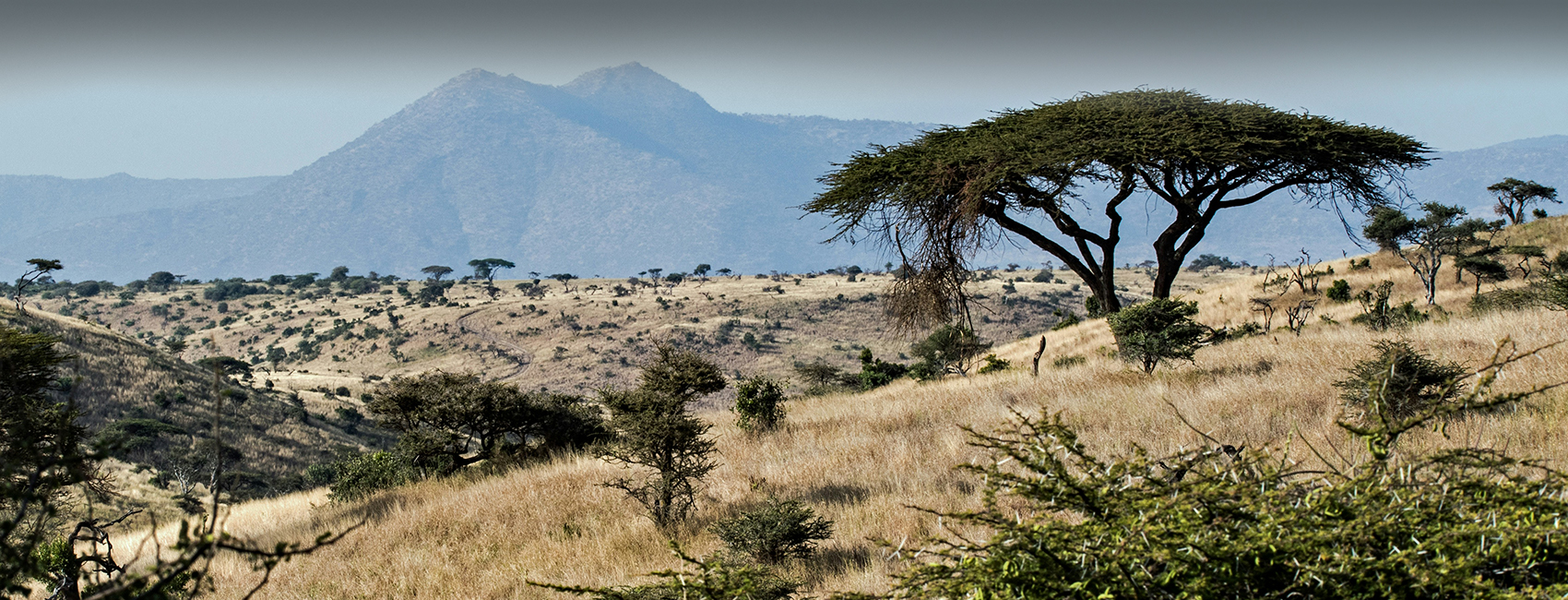
Unlike an open savannah safari, gorilla trekking takes place beneath a forest canopy. Visibility can be limited, and visitors may need to walk through tangled vegetation, climb slopes or negotiate muddy trails. The route depends largely on where the gorillas have moved.
Rushaga can be a convenient choice for travellers arriving through Kigali, Rwanda, because of its location in southern Bwindi. It can also form part of a longer Uganda safari that includes Lake Bunyonyi, Queen Elizabeth National Park or other destinations. However, road conditions and transfer times should be considered carefully when planning the itinerary.
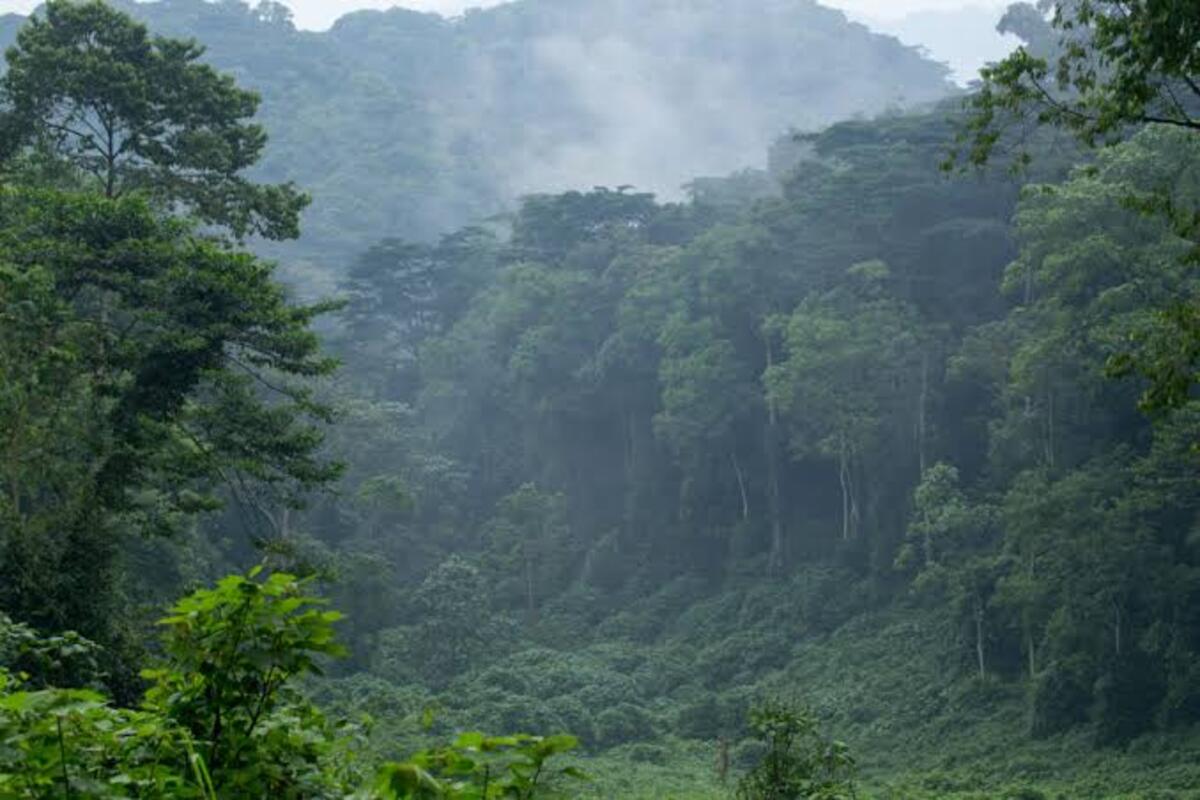
Morning mist settling over the forest canopy in Rushaga
Why Choose Rushaga for Gorilla Trekking?
One reason travellers consider Rushaga is its range of gorilla families associated with tourism. This gives visitors another option when comparing the four main trekking sectors of Bwindi: Buhoma, Ruhija, Rushaga and Nkuringo.
Rushaga is also associated with Uganda’s Gorilla Habituation Experience. Standard gorilla trekking generally allows up to one hour with a habituated gorilla family once the group has been located. The habituation experience allows up to four hours with a group undergoing the gradual process of becoming accustomed to human presence, subject to the permit and current park rules.
The longer experience is particularly interesting for travellers who want more time to observe behaviour and learn about the work involved in habituation. It is not a guarantee of closer encounters or better photographs. The gorillas remain wild animals, and visitors must follow the instructions of the authorised team.
Rushaga does not guarantee an easy trek. Even visitors with good fitness may find the slopes and muddy ground challenging. The location of the gorillas on the day, rather than the name of the family, has a major influence on how long and difficult the walk becomes.
Gorilla Families in Rushaga: What Makes Them Interesting?
Mountain gorilla families are not permanent groups with unchanging membership. Social relationships develop, silverbacks may establish new groups, and family membership can change over time.
The gorilla families below have been associated with Rushaga. They provide a useful introduction to the sector’s history.
Nshongi Gorilla Family
Nshongi is one of Rushaga’s best-known historical gorilla families. Named after the Nshongi River, it was once recognised as an exceptionally large habituated group. It later experienced splits, contributing to the changing family structure associated with the sector.
Its history helps explain why several Rushaga families have connections to one another. For visitors, the experience is not simply about the number of gorillas in a group. Adults feeding, young gorillas playing and family members resting or grooming can all offer fascinating glimpses into their daily lives.
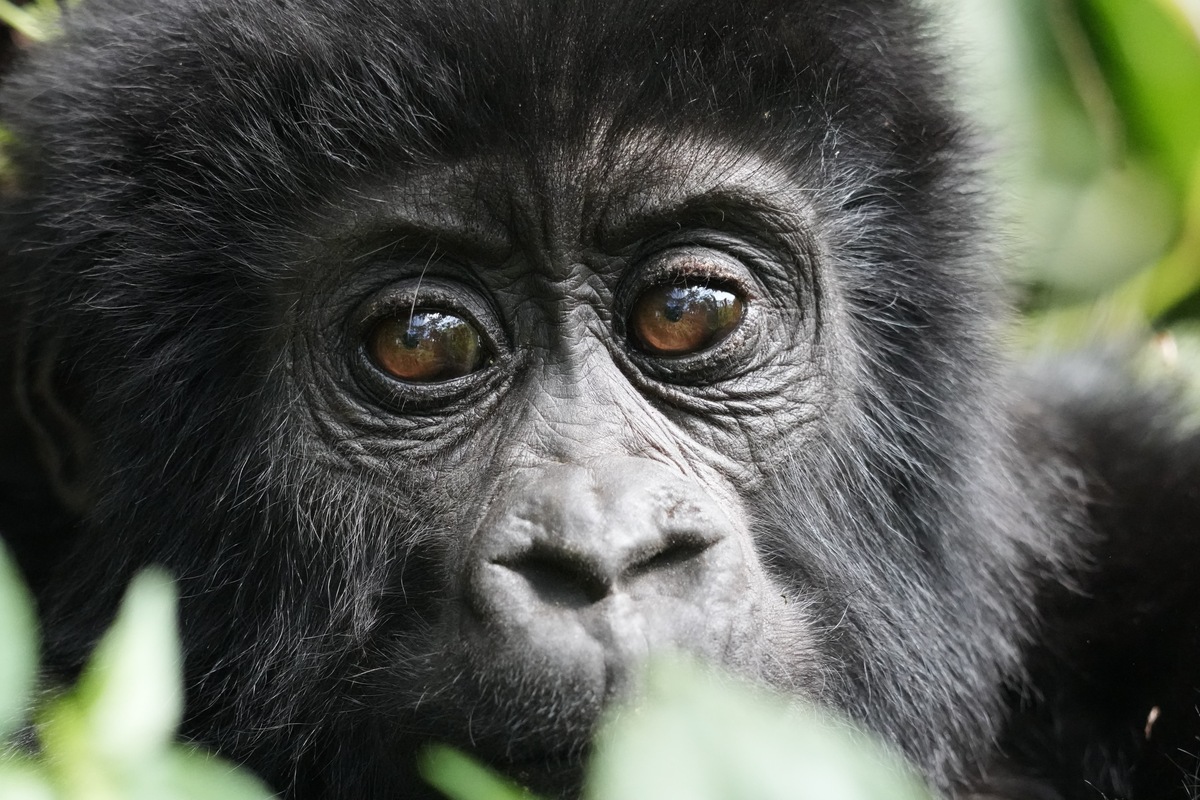
Nshongi Gorilla Family
Mishaya Gorilla Family
Mishaya is associated with a split from the Nshongi group. Its history reflects the changing social structure of mountain gorillas, in which a silverback may separate from an existing group and establish a family of his own.
During a trek, rangers help visitors understand the behaviour they observe. The gorillas may feed, rest, groom or move through the forest, and the encounter can unfold differently each time.
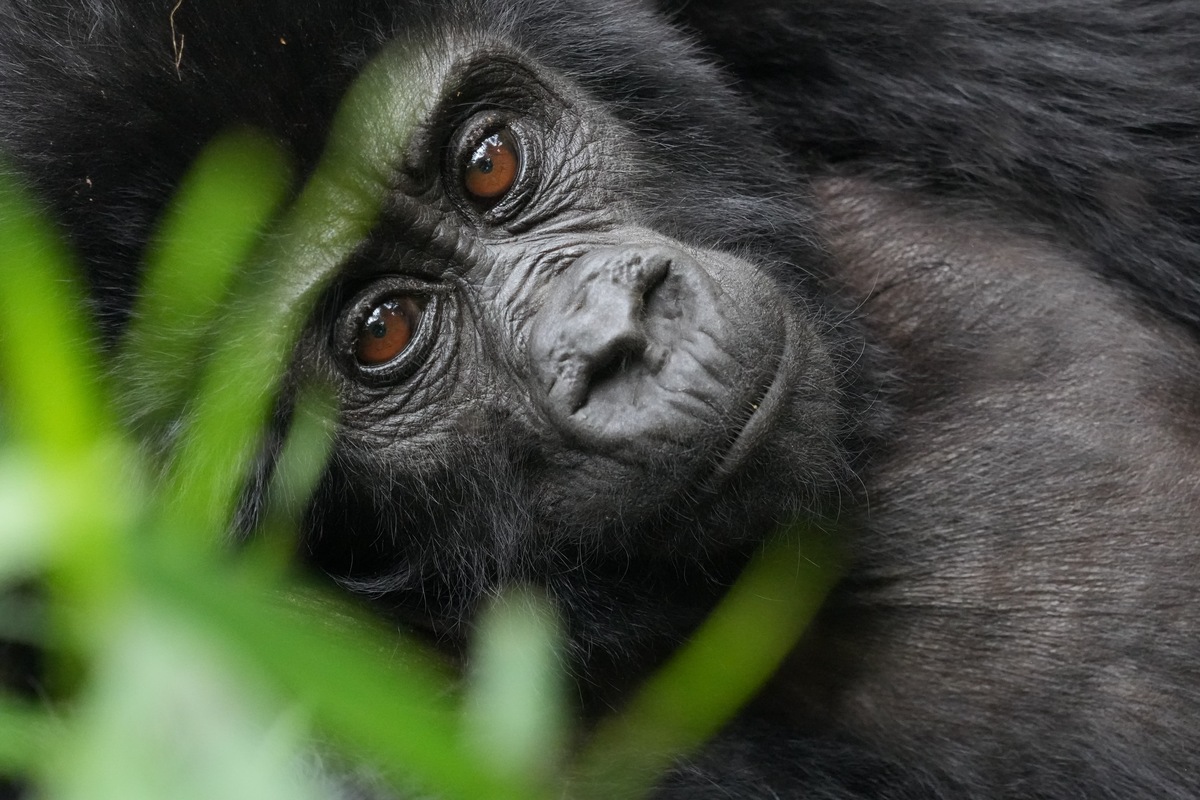
Mishaya Gorilla Family
Bweza Gorilla Family
Bweza is also linked to the history of Nshongi and the formation of separate groups. Its place in Rushaga’s history illustrates how a large family can divide as relationships and leadership change.
There is no guarantee of a particular photographic opportunity. Dense vegetation may obscure some animals, while others may be visible in a relatively open patch of forest. Patience and following the ranger’s instructions are essential.
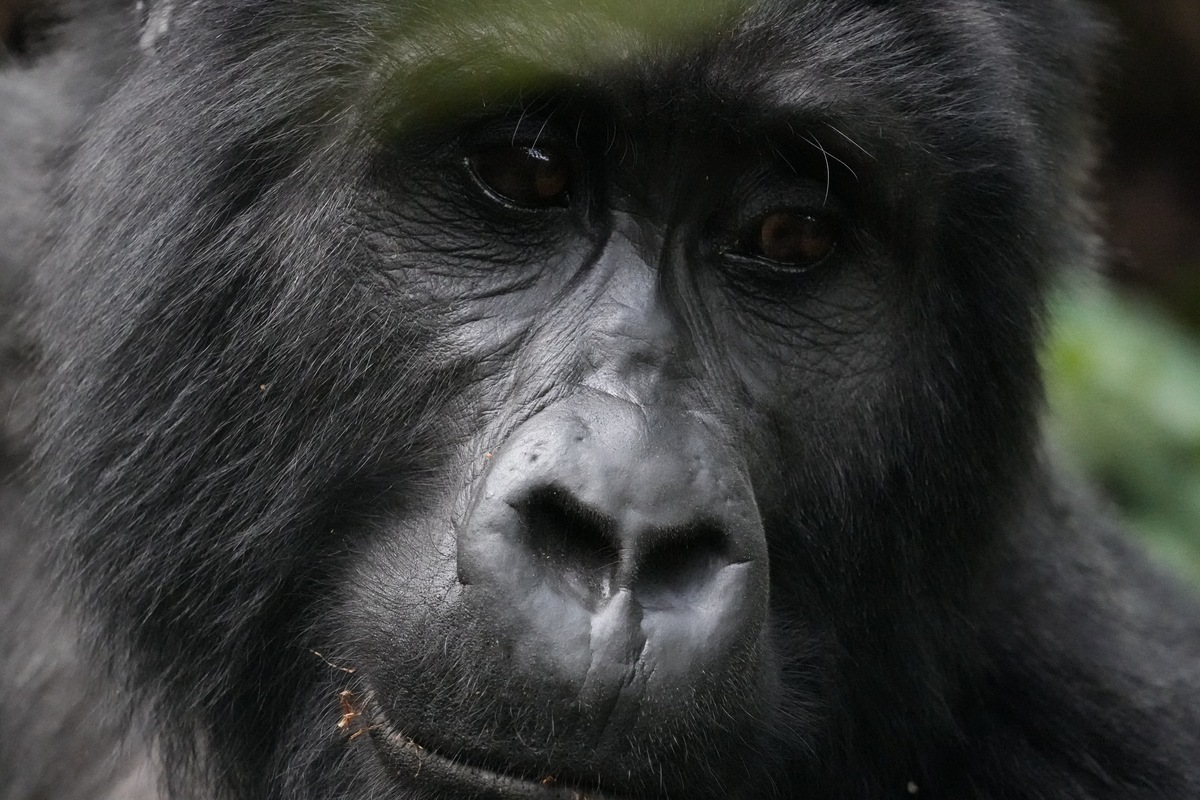
Bweza Gorilla Family
Kahungye Gorilla Family
Kahungye is another established name associated with Rushaga. It is connected with the origins of other families, including Busingye and Kutu.
Historical accounts can help visitors understand the sector, but they cannot predict where a family will be found or how demanding the trek will be. Gorillas move through their habitat, and the ranger team organises the trek according to the arrangements and conditions on the day.
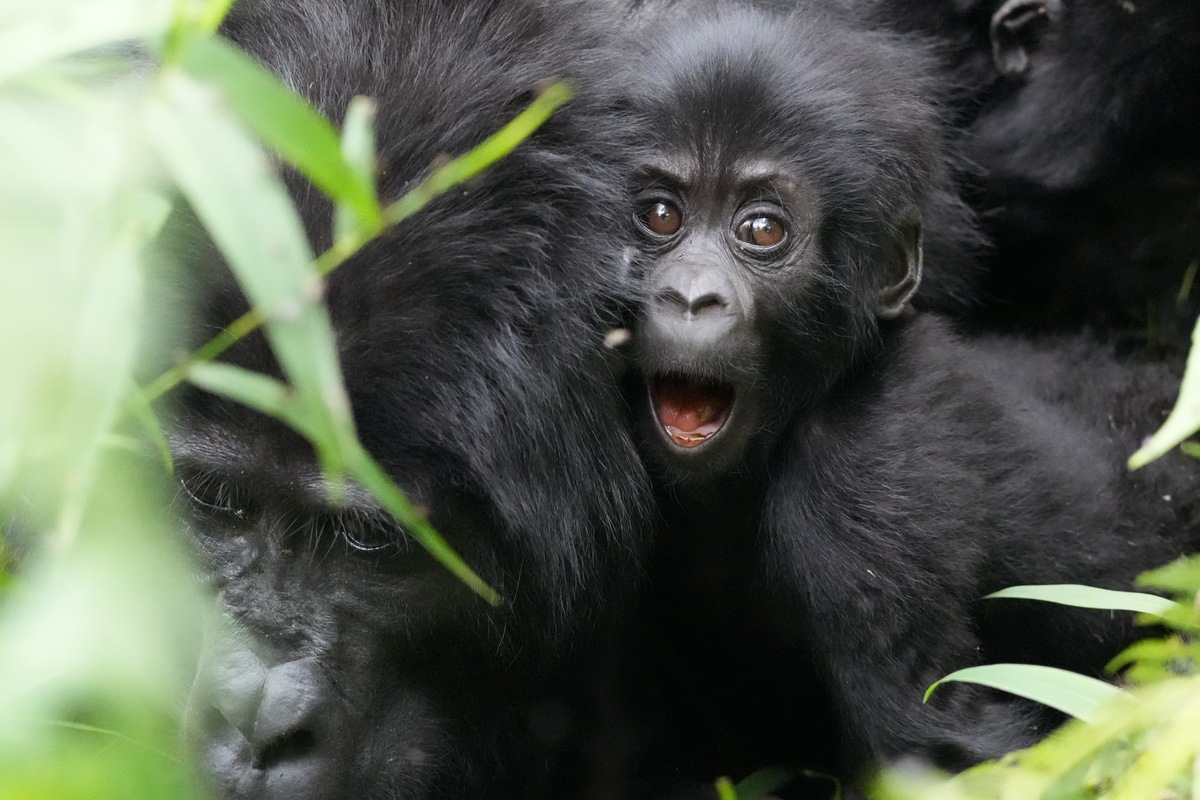
Kahungye Gorilla Family
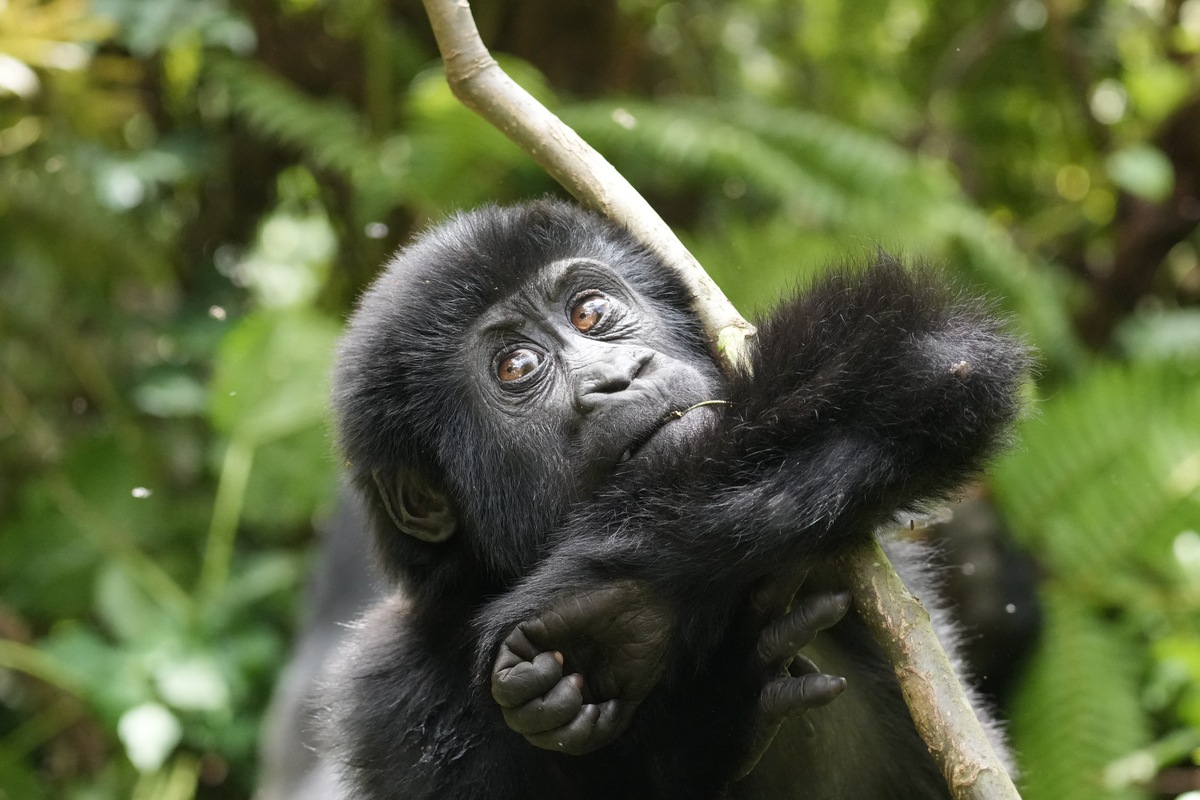
Busingye Gorilla Family
Busingye is associated with a split from Kahungye. Its history is another example of the changing relationships that shape mountain gorilla society.
The most rewarding part of a trek is often watching the animals behave naturally rather than expecting a particular action. A silverback may rest while other family members feed, or younger gorillas may interact nearby. Such moments are unpredictable and should never be promised in advance.
Busingye Gorilla Family
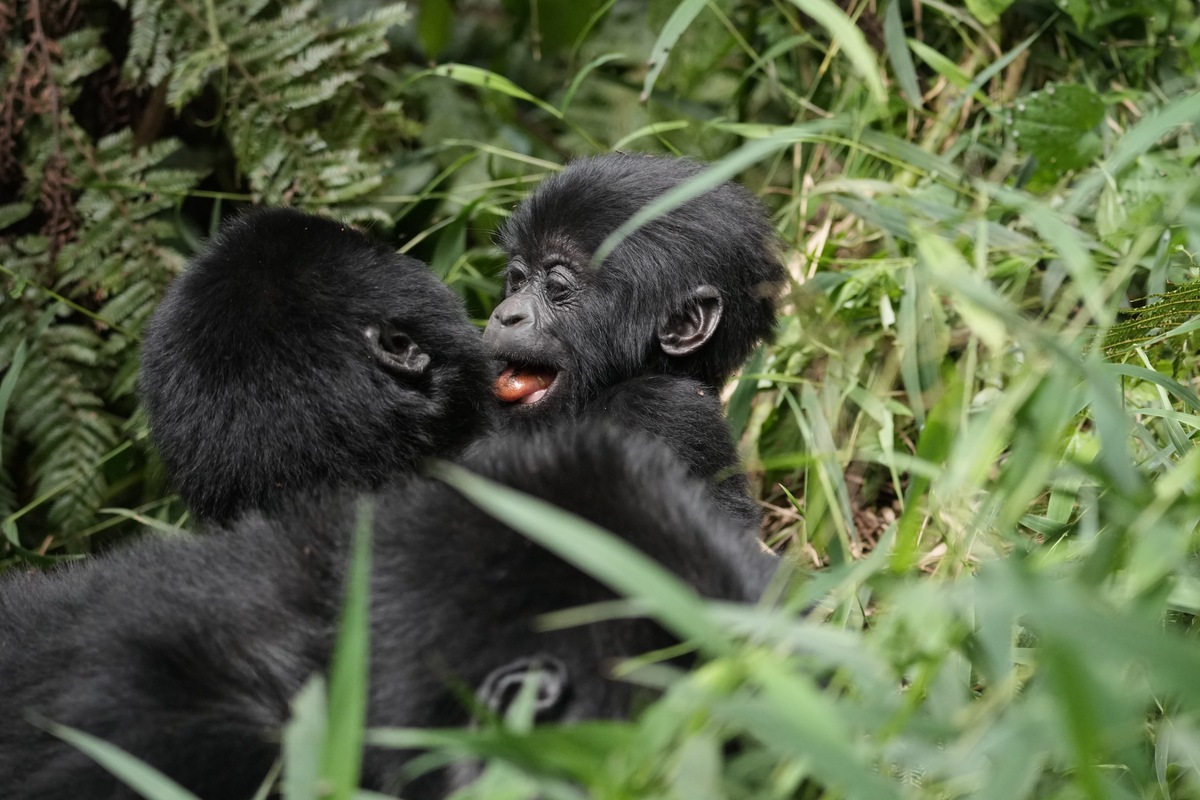
Bikingi Gorilla Family
Bikingi is a name associated with Rushaga’s Gorilla Habituation Experience. Habituation is a gradual process in which a gorilla group becomes accustomed to the presence of people under the supervision of trained teams.
Visitors interested in this activity should confirm which group is available for habituation on their chosen date. Family status and tourism arrangements can change, so an older online description should not be treated as a current booking guarantee.
Bikingi Gorilla Family
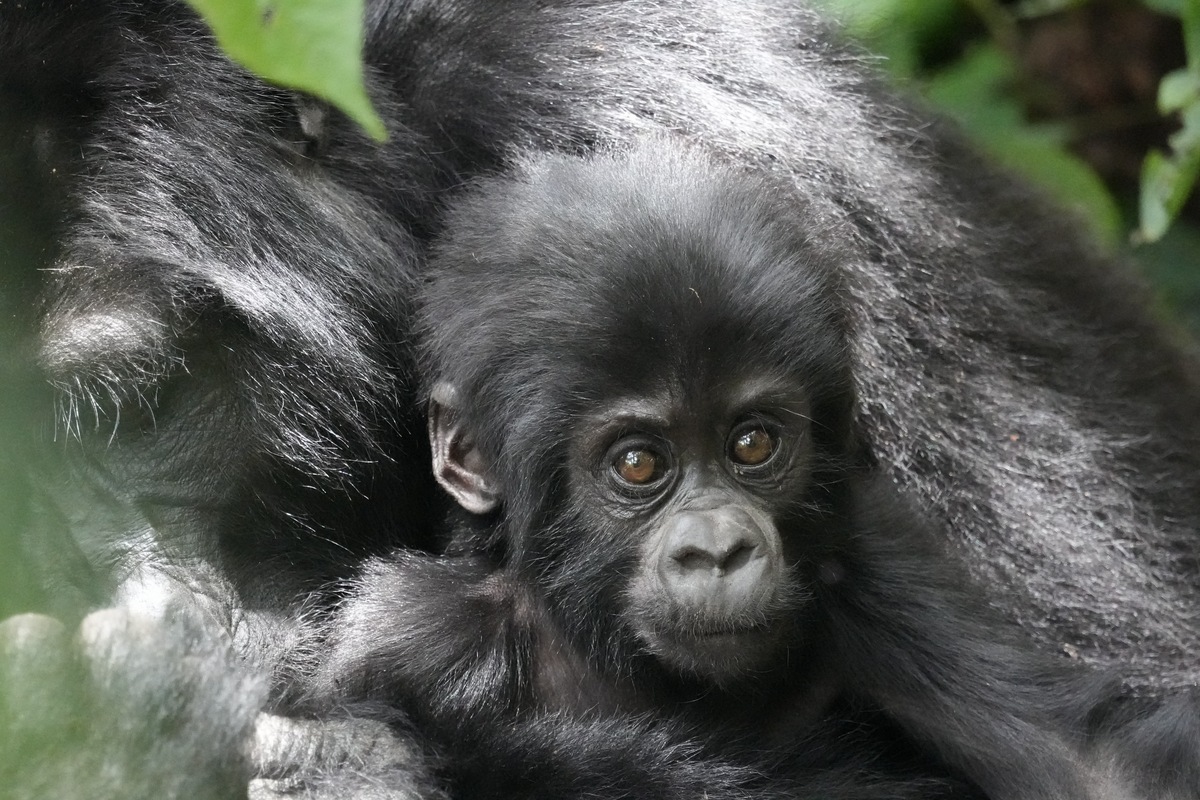
Muchunguzi and Rwigi Gorilla Families
Muchunguzi and Rwigi are Rushaga’s changing gorilla-family structure. Their histories form part of the wider story of groups developing and separating over time.
For travellers, the important point is that a family’s historical location or membership does not determine the distance of the trek. The gorillas may be close to the starting point on one day and much farther away on another.
Muchunguzi and Rwigi Gorilla Families
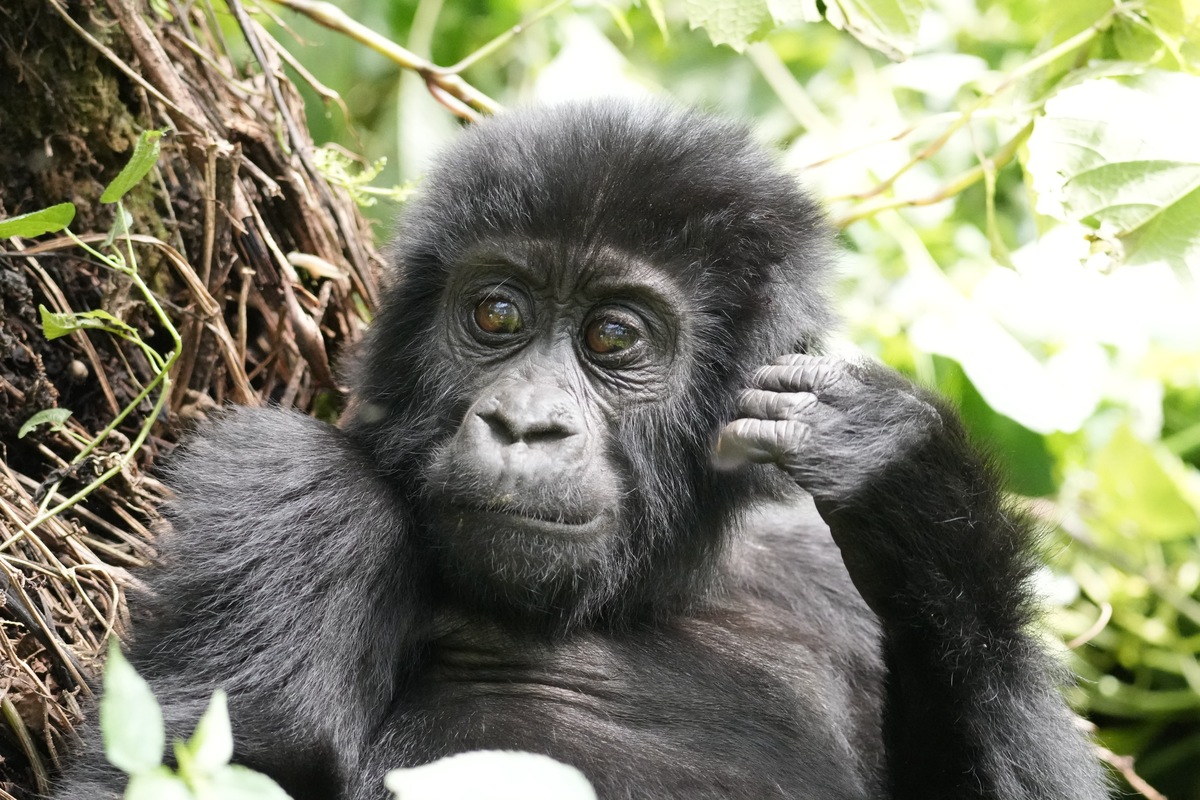
Tindatine and Kutu Gorilla Families
Tindatine and Kutu are also Rushaga’s groups. Kutu has been linked in some accounts to the history of the Kahungye group.
Tindatine and Kutu Gorilla Families
Can you choose your gorilla family? A Rushaga permit does not automatically guarantee a visit to a named family. Allocation follows the park’s arrangements for the trekking date. It is better to choose the sector and permit that suit your plans than to build an itinerary around an unconfirmed family preference.
What Happens on the Day of a Gorilla Trek?
The morning usually begins with registration and a briefing at the designated trekking headquarters. Rangers explain the rules, organise visitors into groups and provide instructions before everyone enters the forest with authorised staff.
The walk can last a few hours or considerably longer. Trackers help locate the gorillas, but the route depends on the animals’ movements. Steep slopes, thick vegetation and slippery ground can make progress slow.
Once the group reaches a habituated family, standard trekking allows up to one hour with the gorillas. Keep your voice low, maintain the distance instructed by the ranger, and never touch or feed the animals. If a gorilla moves closer, remain calm and follow the ranger’s guidance.
The encounter is a wildlife experience, not a staged performance. The gorillas may rest, feed, groom or move away from view, and visitors must allow them to behave naturally.
How Difficult Is Gorilla Trekking in Rushaga?
Rushaga can be physically demanding. You do not need to be an athlete, but it helps to be comfortable walking for several hours over uneven ground. Steep hills, muddy trails and dense vegetation can make the trek tiring, even for active travellers.
Prepare by walking regularly before your trip, ideally including some hills or uneven surfaces. Wear sturdy hiking boots with good grip, and consider using a walking stick. Hiring a porter can also help with your daypack and provide practical support on difficult sections while supporting livelihoods around the park.
If you have mobility concerns or need additional assistance, discuss them with your safari operator before booking. The trails are natural forest paths rather than purpose-built accessible walkways. Gorilla trekking in Uganda generally has a minimum age of 15, so confirm eligibility when arranging permits.
When Is the Best Time to Visit Rushaga?
Gorilla trekking takes place throughout the year. Drier periods often make walking easier, while rainy periods can leave the trails muddy and slippery. Rain is possible at any time, and even the traditionally drier months do not guarantee dry conditions.
July to September is a popular travel period, and January and February can also be busy. If you plan to travel during these months, enquire about permit availability early. The quieter or wetter months may suit travellers with flexible dates. Rather than choosing dates based on weather alone, consider permit availability, your preferred accommodation and how Rushaga fits into the rest of your safari.
Where Should You Stay in Rushaga?
Accommodation ranges from simpler budget properties to comfortable midrange lodges and higher-end forest stays. The best choice depends on your budget, preferred facilities and how much time you want to spend on the road before the trek.
The most important consideration is the lodge’s location relative to your designated trekking headquarters. A property described as being in the Rushaga area may still require a transfer to the briefing point. Confirm the exact location and the time needed to reach it before booking.
For an early trekking morning, ask whether breakfast can be served in time and whether transport to the briefing point is included. If you are travelling with a private driver-guide, coordinate the departure time with the lodge and the permit arrangements.
What Should You Pack?
Forest conditions can change quickly, so prepare for rain and uneven ground. Useful items include:
- Waterproof hiking boots with good grip.
- Long trousers and a long-sleeved top.
- A lightweight waterproof jacket.
- Gardening or trekking gloves for protection when moving through vegetation as directed by your ranger.
- Drinking water, snacks and a small daypack.
- Personal medication and insect repellent.
- A camera or phone with rain protection and a spare battery.
For photography, a versatile zoom lens is often practical. Light beneath the forest canopy can be limited, and the ranger determines where visitors can stand. Do not use flash, obstruct other visitors or move closer to the gorillas to improve a photograph.
Tipping is a personal choice. Some visitors tip their guides, trackers or porters in recognition of their work. Carrying small amounts of cash can be useful, and your operator can advise on local arrangements.
Gorilla Permits, Costs and Booking Advice
A gorilla permit is essential, and permits are limited. The price depends on the visitor category, permit type and applicable tariff. Confirm the current rate with your safari operator before budgeting, particularly if you are considering the Gorilla Habituation Experience.
Remember that the permit is only one part of the total safari cost. Accommodation, transport, meals, guide services and optional porter fees may also need to be included.
Book as early as practical, especially if your dates are fixed or fall in a busy season. Confirm the trekking sector before finalising accommodation and transport, because staying in the wrong part of Bwindi can add unnecessary driving.
If you are travelling from Kigali, arrange to reach your lodge near Rushaga the day before trekking whenever possible. Border procedures and road conditions can affect journey times, so avoid relying on a tight same-morning transfer.
Frequently Asked Questions
How many gorilla families are in Rushaga?
Rushaga is associated with numerous gorilla families, but the exact number and tourism status may change. Confirm the current list rather than relying only on older online articles.
Can I request a particular gorilla family?
You should not assume that a permit guarantees a visit to a named family. The park determines group allocation according to its arrangements for your trekking date.
How long do you spend with the gorillas?
Standard gorilla trekking generally allows up to one hour with a habituated family after the gorillas are located. The Gorilla Habituation Experience allows up to four hours, subject to the applicable permit and current rules.
Is Rushaga a good choice for first-time visitors?
Yes, provided you prepare for a potentially demanding forest walk and plan your accommodation and transport carefully. Trek difficulty varies, so no sector can guarantee an easy experience.
Can I travel to Rushaga from Kigali?
Yes. Kigali can be a convenient starting point for southern Bwindi, but the route, border crossing and transfer time should be planned around your lodge and trekking date. Allow enough time to arrive before the trek.
Planning Your Gorilla Trek in Rushaga
Rushaga offers more than an opportunity to see mountain gorillas. Its family histories reveal how gorilla groups develop and change, while the forest itself provides a very different experience from Uganda’s open savannah parks.
The key to a well-planned visit is to secure the correct permit, choose accommodation near the right trekking point and prepare for the terrain. Confirm current gorilla-family information before travelling, and approach the encounter with realistic expectations and respect for the animals.
Naseeb Safaris Uganda can help you organise a private gorilla trekking trip around your dates, preferred accommodation and wider Uganda or Rwanda itinerary. The aim is to make the arrangements clear before you travel, so you can focus on the forest and the experience itself.