3-Day Uganda Gorilla Trekking Safari Cost 2026-2027
3-Day Uganda Gorilla Trekking Safari Cost 2026-2027, Planning a gorilla trekking safari in Uganda often starts with a simple but important question: how much should a 3-day trip actually cost? The short answer is that prices vary widely depending on travel style, accommodation, transport choices, and whether you’re traveling privately or in a group. But understanding what drives those costs is more useful than any single price tag. It helps you choose the right safari rather than just the cheapest one.
This guide breaks down the real cost of a 3-day gorilla trekking safari in Uganda, explains what is included, and helps you decide what budget makes sense for your trip.
3-Day Uganda Gorilla Trekking Safari Cost 2026-2027
Why Gorilla Trekking in Uganda Is Worth Planning For
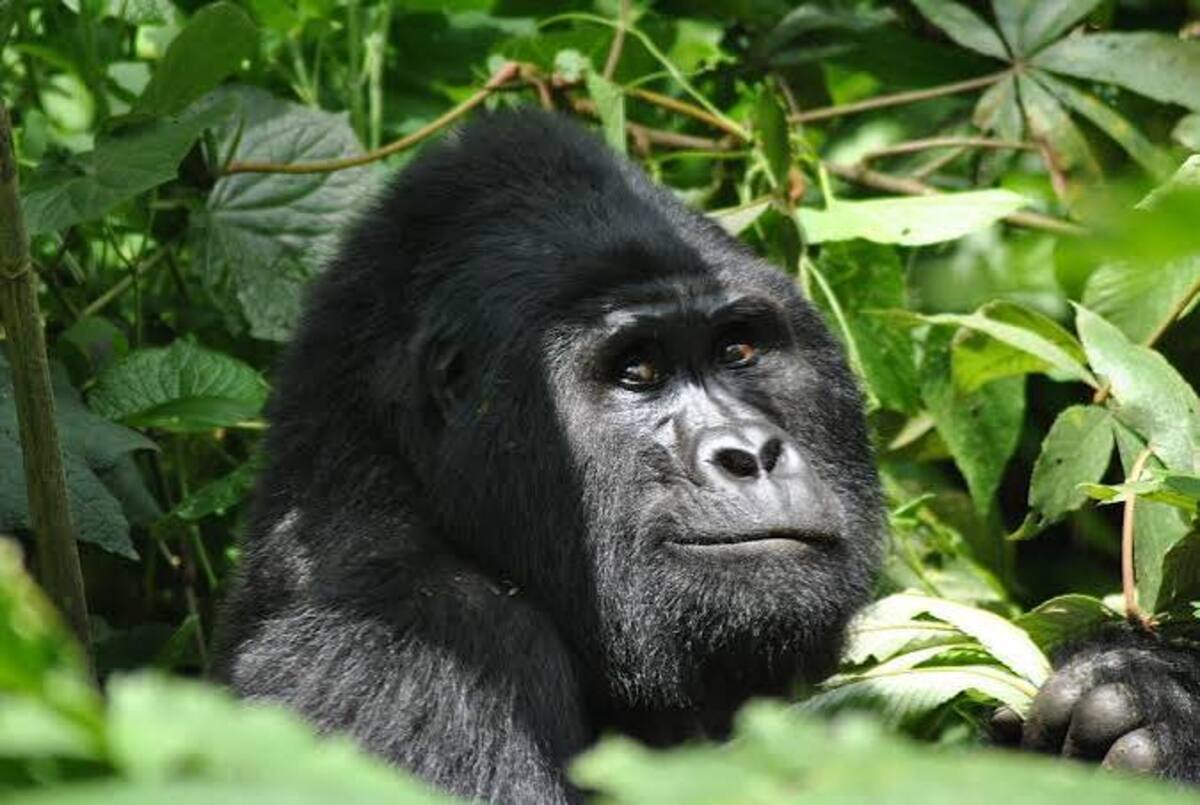
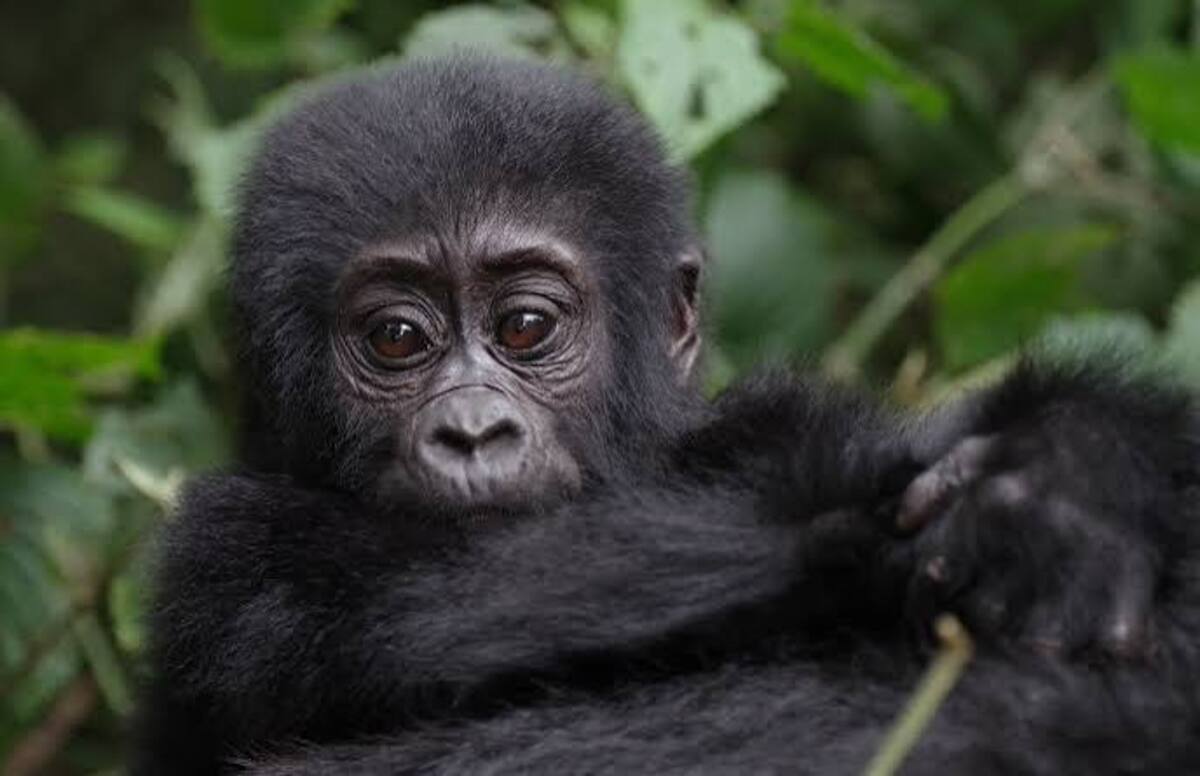
Uganda is home to more than half of the world’s remaining mountain gorillas, living in the dense forests of Bwindi Impenetrable National Park and Mgahinga Gorilla National Park.
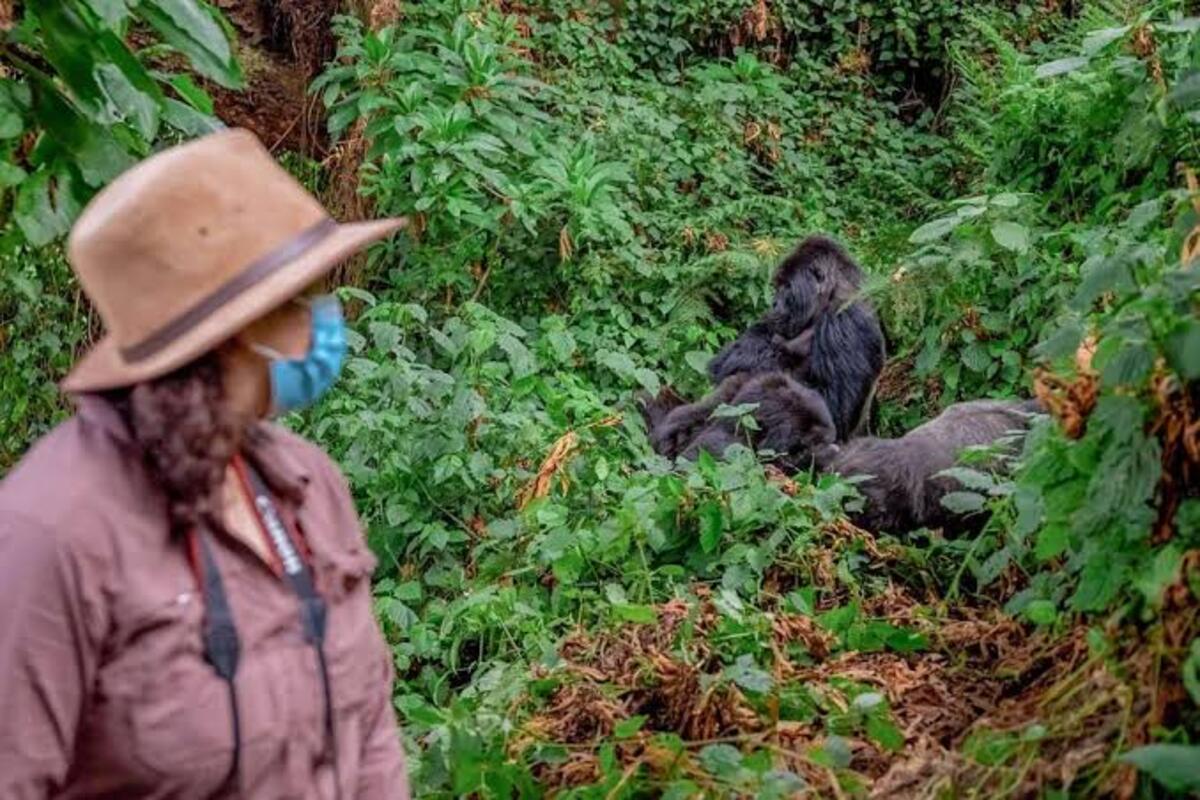
Unlike classic game drives, gorilla trekking is not about sitting in a vehicle. It involves walking through thick rainforest terrain, following ranger teams who track gorilla families each day based on their movements.
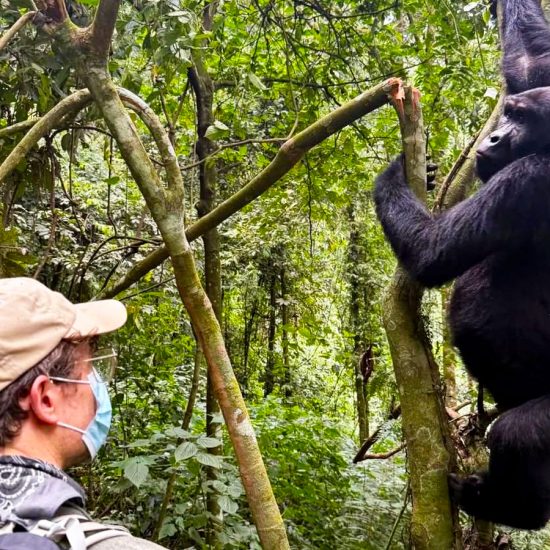
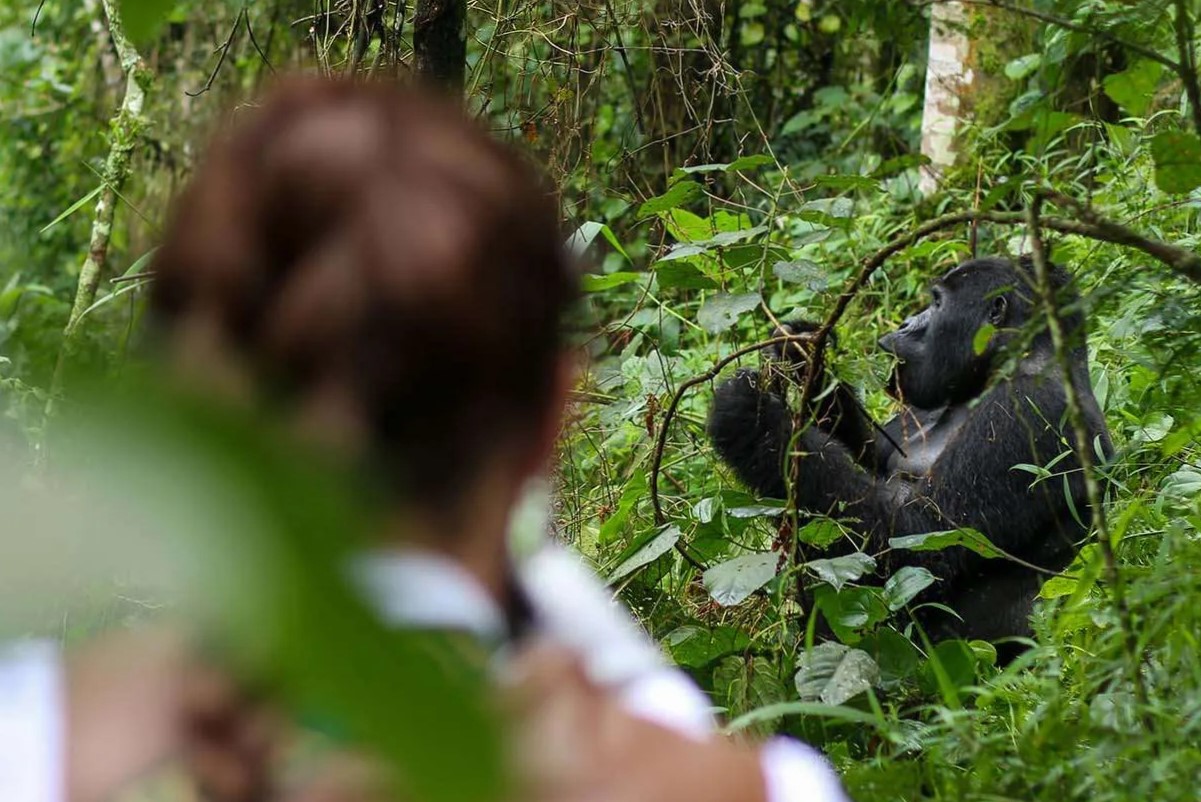
Once a group is located, visitors are allowed one hour in their presence.
That hour is tightly regulated to protect the animals, but it is also what makes the experience so controlled, quiet, and immersive.
What travelers typically encounter is not staged or predictable:
- Gorillas feeding at close range
- Youngsters moving through vines and undergrowth
- A silverback observing calmly from a short distance
- Moments of stillness where the forest feels unusually quiet
The cost of this experience directly supports conservation. Permit fees contribute to ranger salaries, anti-poaching efforts, and local community projects that help protect gorilla habitats.
Gorilla Trekking Encounters Bwindi Impenetrable National Park
How Much Does a 3-Day Gorilla Trekking Safari Cost?
A 3-day gorilla trekking safari in Uganda generally falls into three budget levels. These ranges reflect typical market pricing as of 2026-2027, but exact quotes vary by operator and season.
Budget Gorilla Safari (USD 1,100 – 1,500 per person)
This option is designed for travelers who prioritize the trek itself over comfort.
Usually includes:
- Gorilla trekking permit
- Budget lodge like Nshongi camp
- Shared transport in a safari vehicle
- Meals during the trip
- Ranger and guide services
This category often involves longer travel days and simpler lodges near the parks.
Mid-Range Gorilla Safari (USD 1,600 – 2,500 per person)
This is the most commonly booked option for first-time visitors.
Usually includes:
- Gorilla trekking permit
- Comfortable mid-range lodge accommodation like Ichumbi gorilla lodge
- Private 4×4 safari vehicle and driver-guide
- All meals
- Full logistical support throughout the trip
Most travelers choose this level because it balances comfort, reliability, and cost without compromising the trekking experience.
Luxury Gorilla Safari (USD 2,800 – 6,000+ per person)
Luxury safaris focus on privacy, exclusivity, and high-end accommodation.
Usually includes:
- Luxury forest lodges like Clouds mountain Gorilla lodge
- Private or premium transport
- Highly personalized service
- Exclusive or upgraded experiences where available
- High-end dining and amenities
This category is popular with honeymooners or travelers combining gorilla trekking with broader East African safari circuits.
The Biggest Cost: Uganda Gorilla Permits
The gorilla trekking permit is the single most important cost component of your safari.
As of 2026, permits are priced at:
- USD 800 for foreign non-residents
- USD 700 for foreign residents
- UGX 300,000 for East African citizens
Each permit includes:
- One gorilla trek
- One hour with a habituated gorilla family
- Park ranger and tracking services
- Conservation funding contributions
Because permits are limited per day in each park sector, early booking is essential—especially during peak travel months (June–September and December–February).
What’s Included in a 3-Day Gorilla Safari Package?
Many travelers focus only on permits, but a safari package includes several logistical components that make the journey possible.
Transport from Kampala or Entebbe
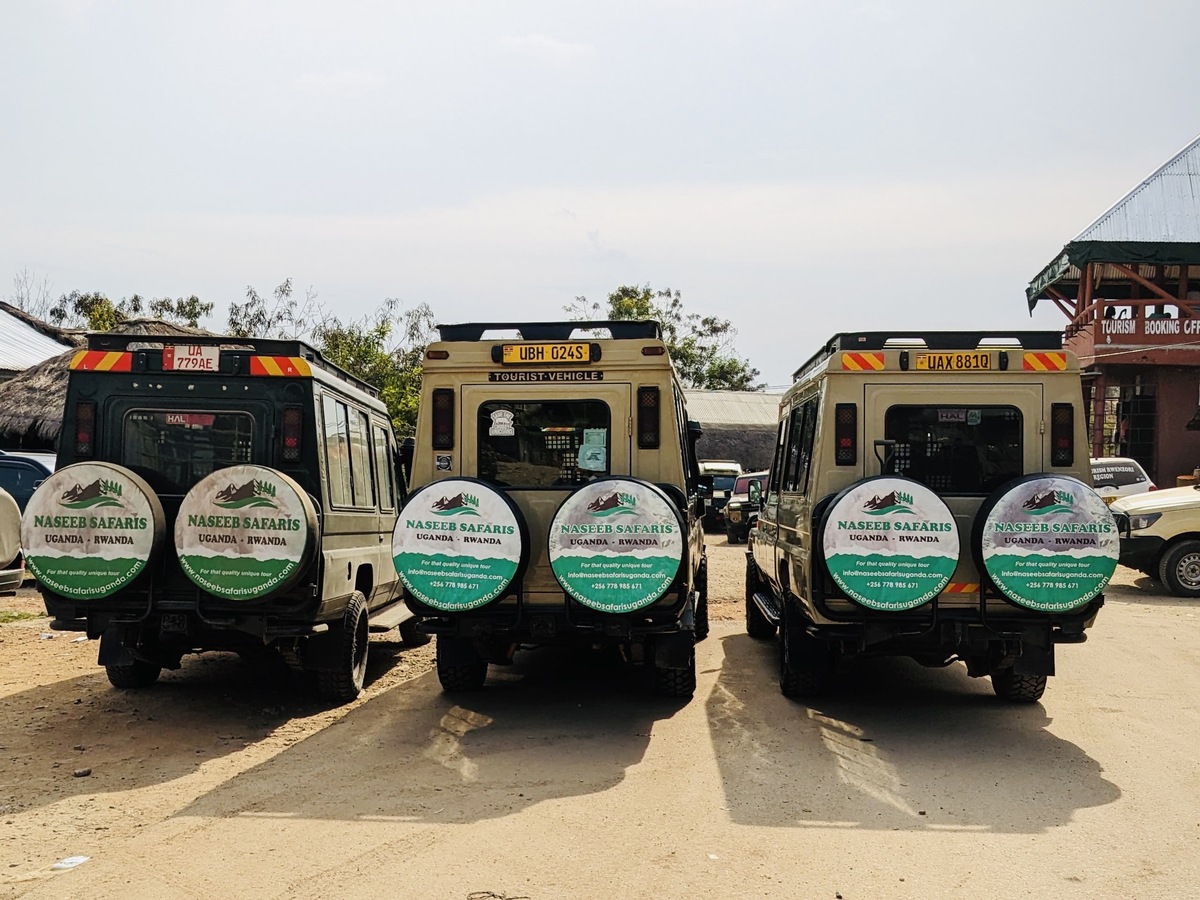
Driving from Kampala or Entebbe to Bwindi typically takes 8–9 hours depending on route and road conditions.
Costs cover:
- 4×4 safari vehicle hire
- Fuel
- Driver-guide services
- Road logistics and park access coordination
The journey is long but offers a gradual transition from urban Uganda into highland countryside and forested terrain.
Accommodation in or near the forest
Accommodation plays a major role in overall pricing.
Budget options (around USD 50–120 per night):
- Simple forest lodges
- Basic rooms with private bathrooms
- On-site dining facilities
Mid-range lodges (USD 150–300 per night):
- Comfortable rooms with better views
- Quality meals
- More reliable facilities
Luxury lodges (USD 400–1,500+ per night):
- High-end suites
- Private service
- Forest or ridge-top locations with expansive views
Examples commonly used by safari operators include lodges in the Rushaga like Gorilla leisure lodge and Buhoma sectors like Silverback lodge of Bwindi.
Meals and guiding
Most packages include full-board meals, breakfast, lunch, and dinner.
Your guide is also a key part of the experience, handling:
- Road navigation
- Permit coordination
- Briefings and logistics
- Interpretation during the safari
A knowledgeable guide often makes a significant difference in how smoothly the trip runs.
Sample Cost Breakdown for a Mid-Range 3-Day Safari
To understand how the pricing works in practice, here is a realistic breakdown.
Day 1: Travel to Bwindi
Includes:
- Road transfer from Kampala/Entebbe
- Lunch stop along the way
- Accommodation and dinner
Estimated cost: USD 250 – 400
Day 2: Gorilla Trekking Experience
Includes:
- Gorilla permit (USD 800)
- Breakfast and packed lunch
- Ranger briefing and trekking
- Accommodation and dinner
Estimated cost: USD 1,000 – 1,300 (depending on lodge category)
Day 3: Return to Kampala or Entebbe
Includes:
- Breakfast
- Return drive
- Lunch stop en route
Estimated cost: USD 200 – 350
Total estimated cost: USD 1,600 – 2,500 per person
Why Safari Prices Vary So Much
If you compare tour operators online, you will notice significant price differences for what appears to be the same itinerary.
The main reasons include:
Accommodation level
A lodge priced at USD 80 per night versus USD 600 per night will dramatically change the total package cost.
Private vs group travel
Shared safaris reduce per-person transport costs, while private safaris increase flexibility and pricing.
Vehicle type
Standard 4×4 vehicles cost less than fully upgraded safari Land Cruisers designed for long-distance comfort.
Added experiences
Some itineraries include cultural visits, or community walks that affect overall pricing.
How to Reduce the Cost of Gorilla Trekking
There are practical ways to lower your budget without changing the core experience.
Travel in a group
Sharing transport significantly reduces cost per person.
Choose low or shoulder seasons
Lower-demand periods often provide better accommodation and permit deals:
- March to May
- October to November
Book early
Early booking helps secure permits and better accommodation availability.
Select simpler lodges
You don’t need luxury accommodation to have a meaningful trekking experience.
Is Flying to Bwindi Worth It?
Some travelers opt for domestic flights instead of long road transfers.
Flights typically cost:
- USD 450 – 700 per person (one way or return depending on route and schedule)
Advantages:
- Saves significant travel time
- More comfortable for short itineraries
- Better use of limited holiday days
This option is usually chosen by luxury travelers or those combining multiple destinations.
Best Time for Value vs Experience
Uganda offers gorilla trekking year-round, but conditions vary.
Dry seasons (June–September, December–February)
- Easier trekking conditions
- Higher demand for permits and lodges
- Less rainfall on trails
Wet seasons (March–May, October–November)
- Lower accommodation rates
- Lower permit rates
- Fewer visitors on trails
- Muddier, more challenging hiking conditions
Gorilla sightings remain consistent throughout the year, as tracking is based on gorilla movements rather than fixed locations.
Hidden Costs to Plan For
Even well-structured safari packages may not include everything.
Porter services
USD 20 per porter
Porters help carry bags and support hikers on steep terrain.
Tips
Common but optional:
- Guides
- Rangers
- Porters
- Lodge staff
Personal expenses
- Drinks beyond water
- Souvenirs
- Laundry services
- Optional activities
Travel insurance
Strongly recommended for trekking in remote forest environments.
Uganda vs Rwanda Gorilla Trekking Costs
Travelers often compare Uganda with Rwanda before booking.
Uganda
- Permit: USD 800
- 3-day safari: USD 1,100 – 3,000+
Rwanda
- Permit: USD 1,500
- 3-day safari: USD 2,500 – 5,500+
Uganda generally offers lower overall costs while delivering the same mountain gorilla encounters.
Is a 3-Day Gorilla Safari Enough?
For travelers focused solely on gorilla trekking, three days is usually sufficient:
- Day 1: Travel to the park
- Day 2: Gorilla trekking
- Day 3: Return to Kampala or Entebbe
However, many visitors extend their trips to include:
- Murchison falls National Park
- Queen Elizabeth National Park
- Kibale National Park
- Lake Mburo National Park
- Lake Bunyonyi
These additions turn a focused trekking trip into a broader Uganda safari experience.
How to Get the Best Value
When comparing safari quotes, look beyond price alone.
Check:
- Whether the permit is included
- Lodge quality and location
- Vehicle condition for long drives
- Guide experience and responsiveness
- Operator reliability and reviews
The lowest price is not always the best value if it compromises logistics or comfort.
Why the Experience Leaves a Lasting Impression
Gorilla trekking is not a conventional wildlife activity. It requires effort, patience, and a willingness to move slowly through a dense forest environment.
But what stays with most travelers is not the difficulty, it is the quiet moments inside the forest. Standing a few meters from a gorilla family changes the rhythm of the day entirely. Everything else fades into the background for a short hour that feels unusually still.
Frequently Asked Questions
How fit do I need to be?
Moderate fitness is enough. Some treks are short, others can take several hours depending on gorilla movement.
Will I definitely see gorillas?
Yes. Trekking is guided by trackers who locate gorilla families before visitors begin the hike.
Can I hire a porter?
Yes. It is highly recommended, especially on steep or muddy trails.
Can seniors do the trek?
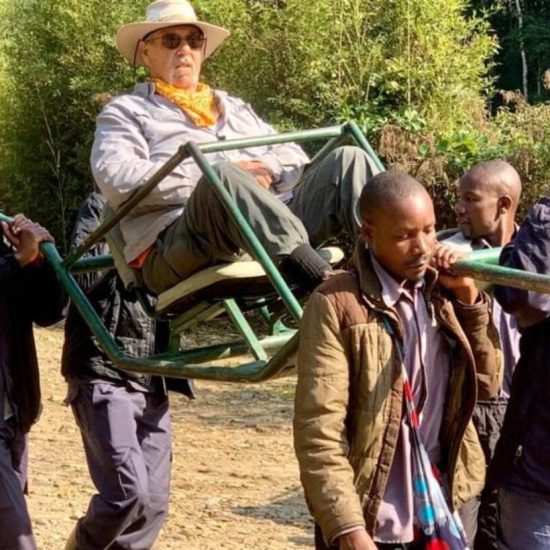
Yes, with reasonable fitness. Porters and sedan chair assistance are available if needed.
What happens if it rains?
Treks continue in light rain. Waterproof gear is essential.
Can I wear shorts?
Not recommended. Long trousers protect against vegetation and insects.
Is there a luggage limit?
Soft bags are preferred. Vehicles and lodges can store main luggage.
How much should I tip?
It varies, but common ranges are:
- Guides: USD 10–20 per day
- Porters: USD 10–15
- Rangers: optional but appreciated
Can I take photos?
Yes, but flash photography is not allowed near gorillas.
Are there toilets at the starting point?
Yes, basic facilities are available at briefing areas.
Final Thoughts
A 3-day gorilla trekking safari in Uganda is not defined by luxury or distance—it is defined by access. Access to a protected forest, carefully managed wildlife encounters, and one of the most closely observed primate populations on Earth.
For most travelers, budgeting between USD 1,500 and 2,500 provides a balanced experience that combines comfort, safety, and reliable logistics.
It is not an inexpensive trip, but its value lies in the rarity of what it protects and the intimacy of what it offers.
For travelers planning their first gorilla trekking journey, thoughtful preparation makes a significant difference in comfort and experience quality. Naseeb Safaris can help design an itinerary that matches your travel style, timing, and expectations without overcomplicating the process.