
Buhoma Gorilla Trekking: Bwindi Impenetrable National Park
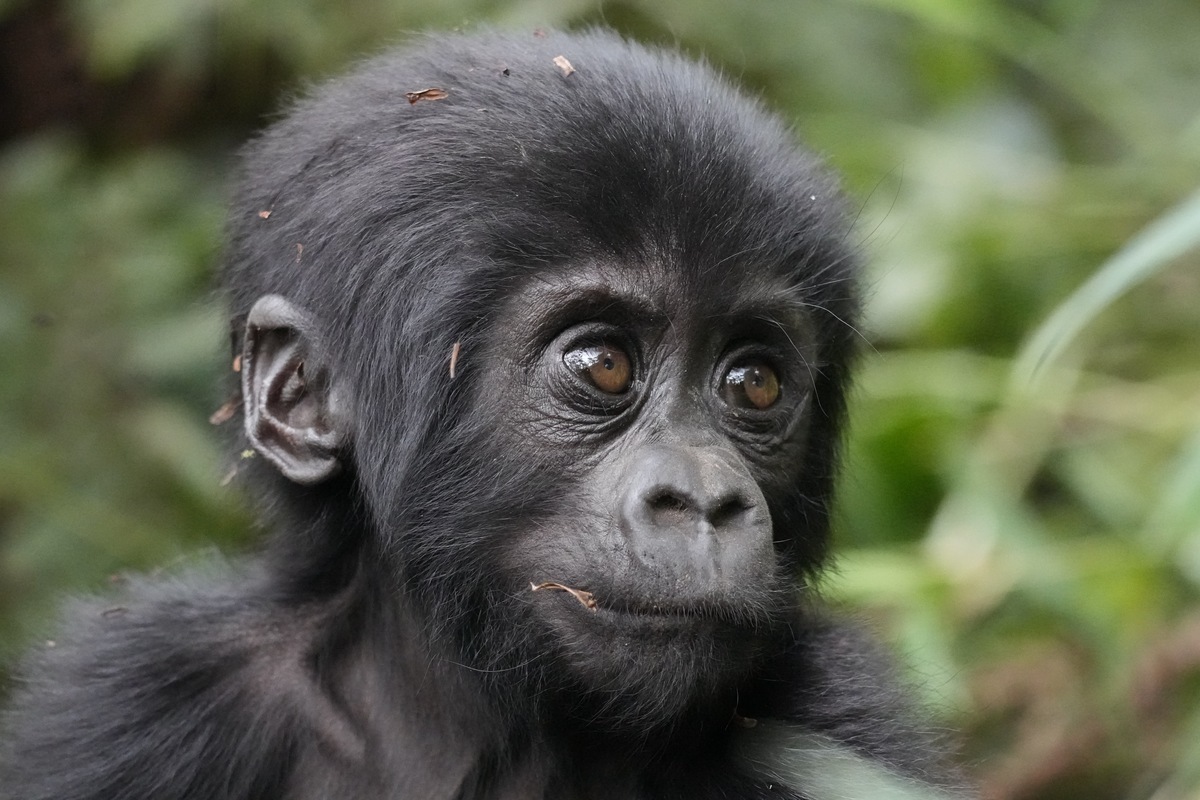
Buhoma is one of the four gorilla trekking sectors of Bwindi Impenetrable National Park in southwestern Uganda. Located in the northern part of the forest, it is one of the best-known areas for mountain gorilla trekking and has a long history of gorilla tourism. It was here that Uganda’s first habituated mountain gorilla family, Mubare, opened for tourism in 1993.
Today, Buhoma remains a popular starting point for visitors hoping to encounter mountain gorillas in their natural habitat. The sector is home to several habituated gorilla families, beautiful forest scenery and a range of accommodation options, from simple forest lodges to comfortable luxury retreats. Its location also makes it a convenient base for exploring other attractions in the region.
For travellers planning a Uganda gorilla safari, understanding how trekking works in Buhoma, which gorilla families live in the area, where to stay and how to get there can make planning much easier.
Where is the Buhoma Gorilla Trekking Sector?
Buhoma is situated in the northern part of Bwindi Impenetrable National Park, within Kanungu District in southwestern Uganda. The sector lies close to the village of Buhoma, which has developed into an important tourism centre since gorilla trekking began in the area.
Bwindi is divided into four main gorilla trekking sectors: Buhoma, Ruhija, Rushaga and Nkuringo. Each sector has its own habituated gorilla families and trekking starting point. A gorilla permit is issued for a particular sector, so visitors should arrange their accommodation and transport according to where their trek is scheduled.
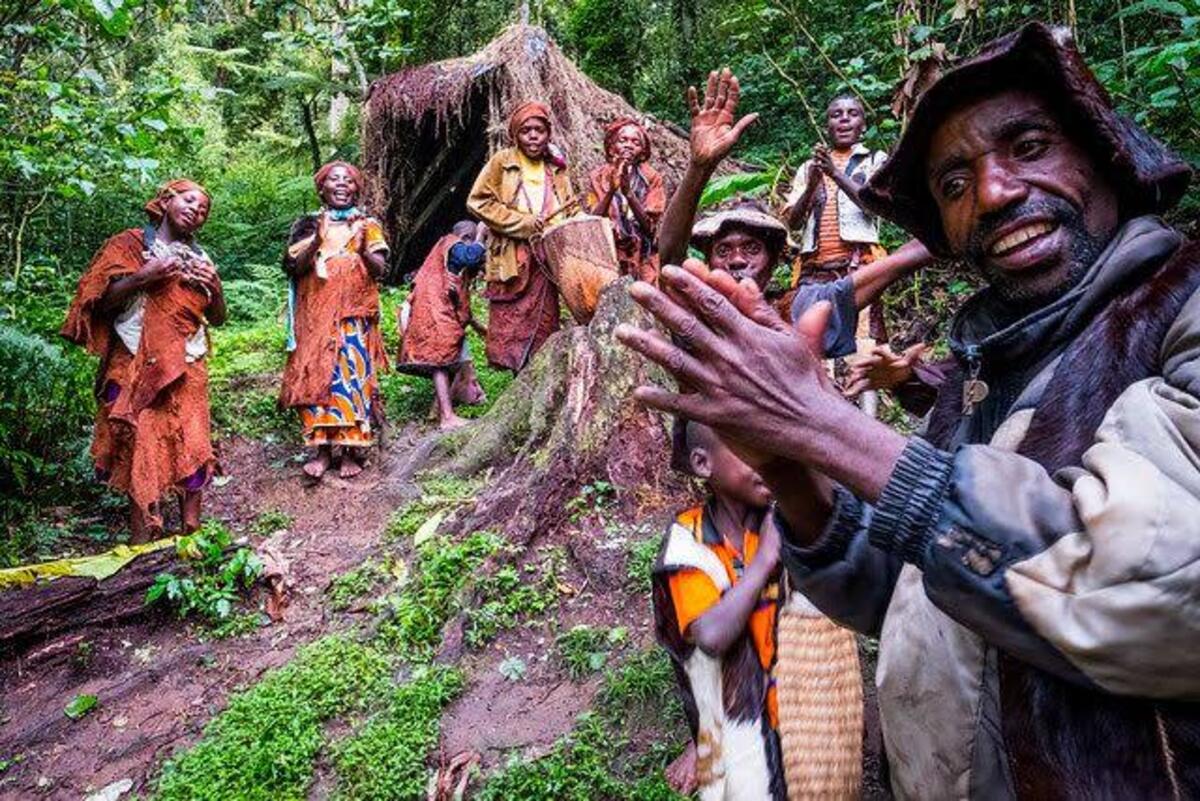
Buhoma is particularly attractive to travellers who want to combine gorilla trekking with a relaxed stay in the forest surroundings. The area also provides access to community experiences, guided forest walks and opportunities to learn about the Batwa people and their traditional relationship with the forest.
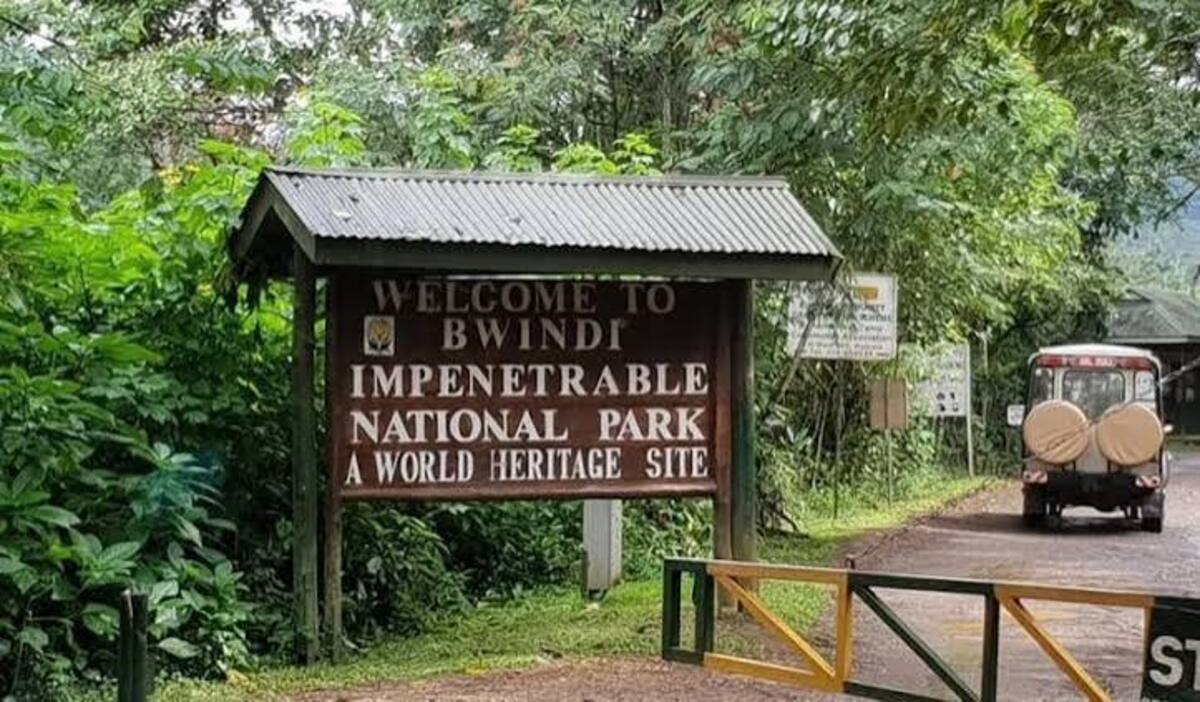
Buhoma entrance gate
Gorilla Families in Buhoma Sector, Bwindi
Buhoma is home to seven habituated mountain gorilla families that visitors can encounter during their gorilla trekking experience in Bwindi Impenetrable National Park. Each family has its own history, social structure and characteristics, shaped by natural changes such as births, family splits and changes in leadership.
Some families have been part of Uganda’s gorilla tourism history for decades, while others represent the continued expansion of habituated gorilla groups in Bwindi.
The following are the seven gorilla families to know when planning a trek in Buhoma.
Mubare Gorilla Family
Mubare holds a special place in Uganda’s conservation history. Opened for tourism in 1993, it became the country’s first habituated mountain gorilla family available to visitors.
The family takes its name from Mubare Hill, where it was first encountered by researchers. Over the years, Mubare has experienced natural changes in leadership and membership, illustrating how gorilla societies evolve over time.
Trekkers assigned to Mubare have the opportunity to visit one of Uganda’s most historically significant gorilla families and learn about the beginnings of organised gorilla tourism in the country.
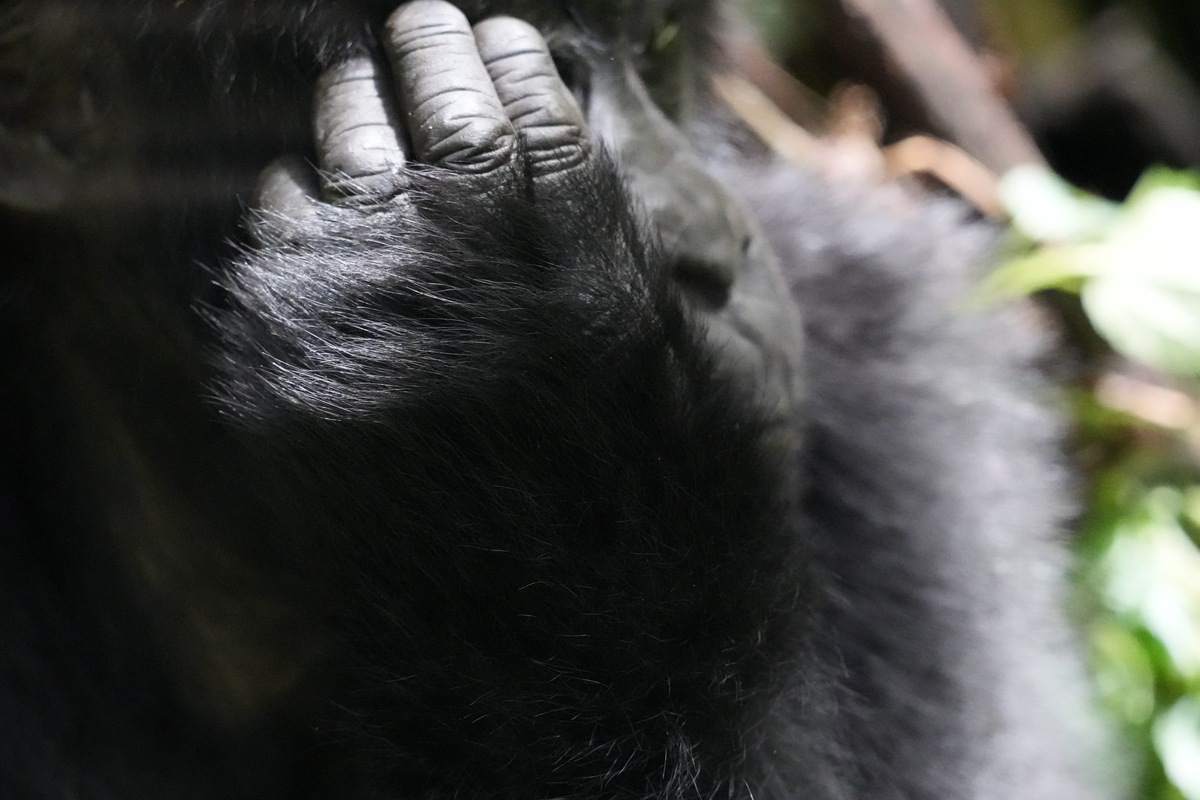
Mubare Gorilla Family
Habinyanja Gorilla Family
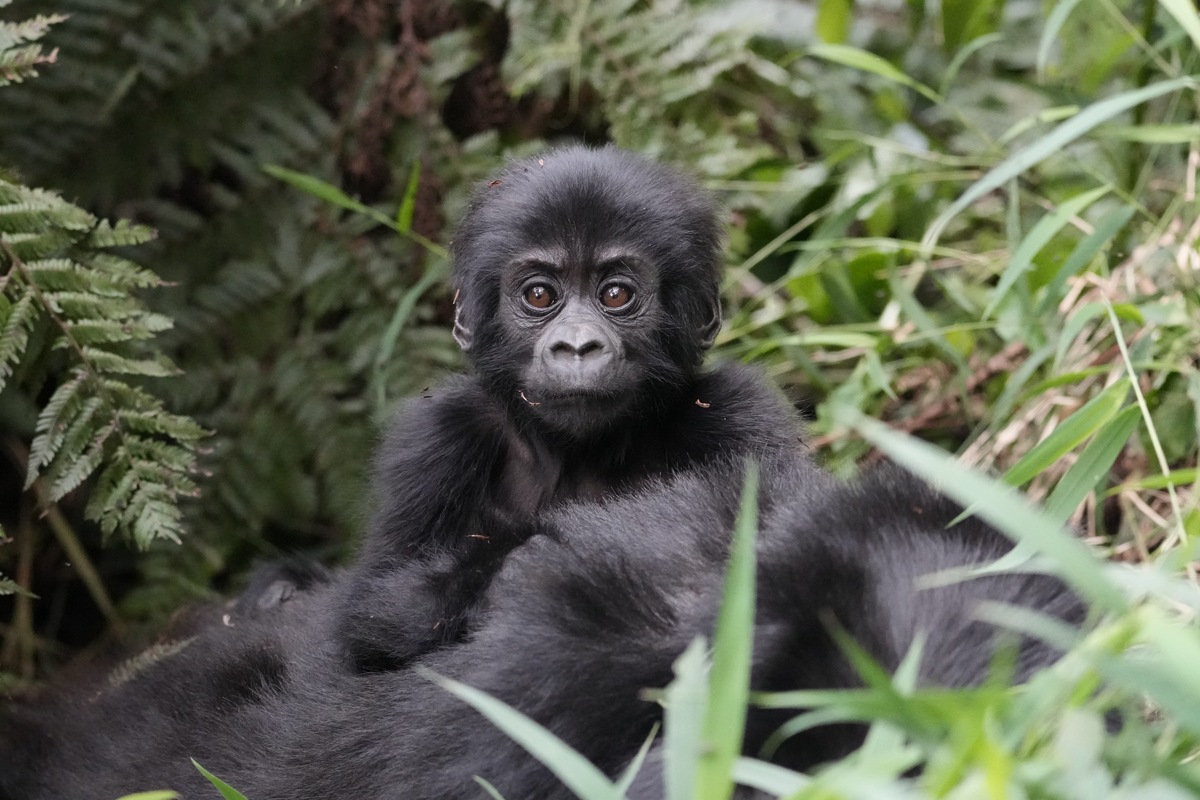
Habinyanja takes its name from a swamp where the family was first observed. It is one of Buhoma’s established habituated gorilla families and has a fascinating social history.
Over time, the group has grown, experienced changes in leadership and divided as younger males established their own families elsewhere in the forest.
Habinyanja remains an important part of Buhoma’s gorilla trekking experience, offering visitors an opportunity to observe the social interactions and behaviour of mountain gorillas in their natural habitat.
Habinyanja Gorilla Family
Rushegura Gorilla Family
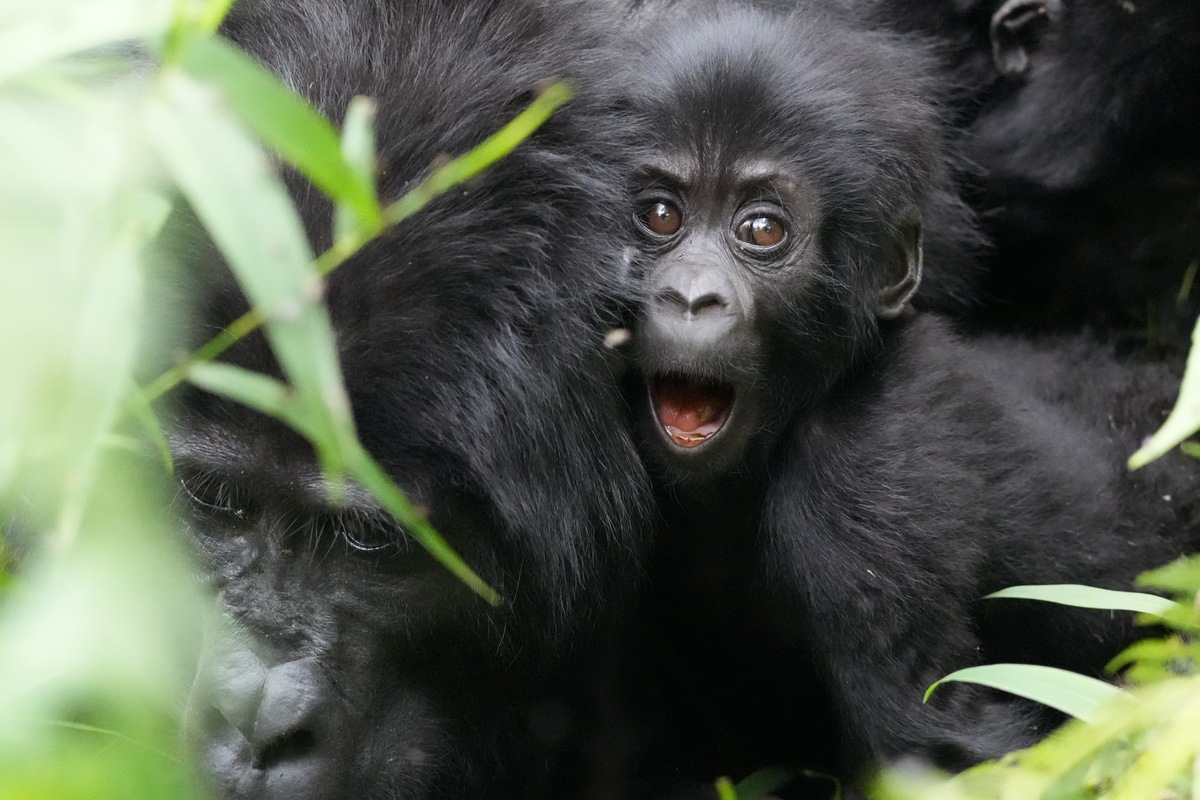
Rushegura was formed after separating from the Habinyanja family, illustrating how mountain gorilla groups naturally change and develop over time.
The family has earned a reputation among local guides for being relatively relaxed around visitors, although every encounter depends on the gorillas’ behaviour on the day.
Rushegura sometimes ranges near the edges of the forest, meaning trekking distances can vary considerably depending on where the family has moved. This makes each trek different, even for visitors exploring the same sector.
Rushegura Gorilla Family
Katwe Gorilla Family
Katwe is among the newer habituated gorilla families associated with Buhoma. It provides another trekking opportunity in the northern section of Bwindi and contributes to the growing number of groups available to visitors.
With fewer individuals than some of the older groups, trekkers may find it interesting to observe the interactions between individual family members and how they relate to one another.
As with all gorilla families, its movements and group composition can change naturally over time.
Muyambi Gorilla Family
Muyambi is another habituated gorilla family in Buhoma. Its formation reflects the natural development of mountain gorilla groups and the ongoing work involved in gorilla conservation and responsible tourism in Bwindi.
For visitors, trekking Muyambi provides an opportunity to experience a different gorilla family while exploring the northern part of the forest.
As habituated families and permit allocations change, travellers should check current availability when arranging their safari.
Binyindo Gorilla Family
Named after its dominant silverback, Binyindo is another addition to the gorilla trekking experience in Buhoma.
Its formation demonstrates how gorilla families evolve as individuals grow, establish new social relationships and sometimes form independent groups.
Like other habituated families in Bwindi, Binyindo offers visitors the opportunity to observe mountain gorillas in their natural forest environment.
Kanyanyi Gorilla Family
Kanyanyi is described as one of the smaller gorilla families associated with Buhoma. Its close-knit group structure offers a different perspective on the social lives of mountain gorillas.
Observing a smaller family can be particularly interesting because visitors may have an opportunity to follow interactions between individual members, including feeding, grooming and other social behaviours.
However, family size and trekking conditions can change, and the experience ultimately depends on the group’s movements on the day.
Which Gorilla Family Will You Trek in Buhoma?
Visitors cannot normally choose a particular gorilla family when booking a standard gorilla trekking permit. Family allocation is handled by Uganda Wildlife Authority, taking into consideration the available groups, visitor numbers and operational arrangements.
The gorillas also move freely through the forest, so the distance and difficulty of the trek cannot be guaranteed in advance.
Regardless of which family you are assigned, the opportunity to spend an hour observing endangered mountain gorillas in their natural habitat is the highlight of a Buhoma gorilla trekking safari.
What Is the Gorilla Trekking Experience in Buhoma Like?
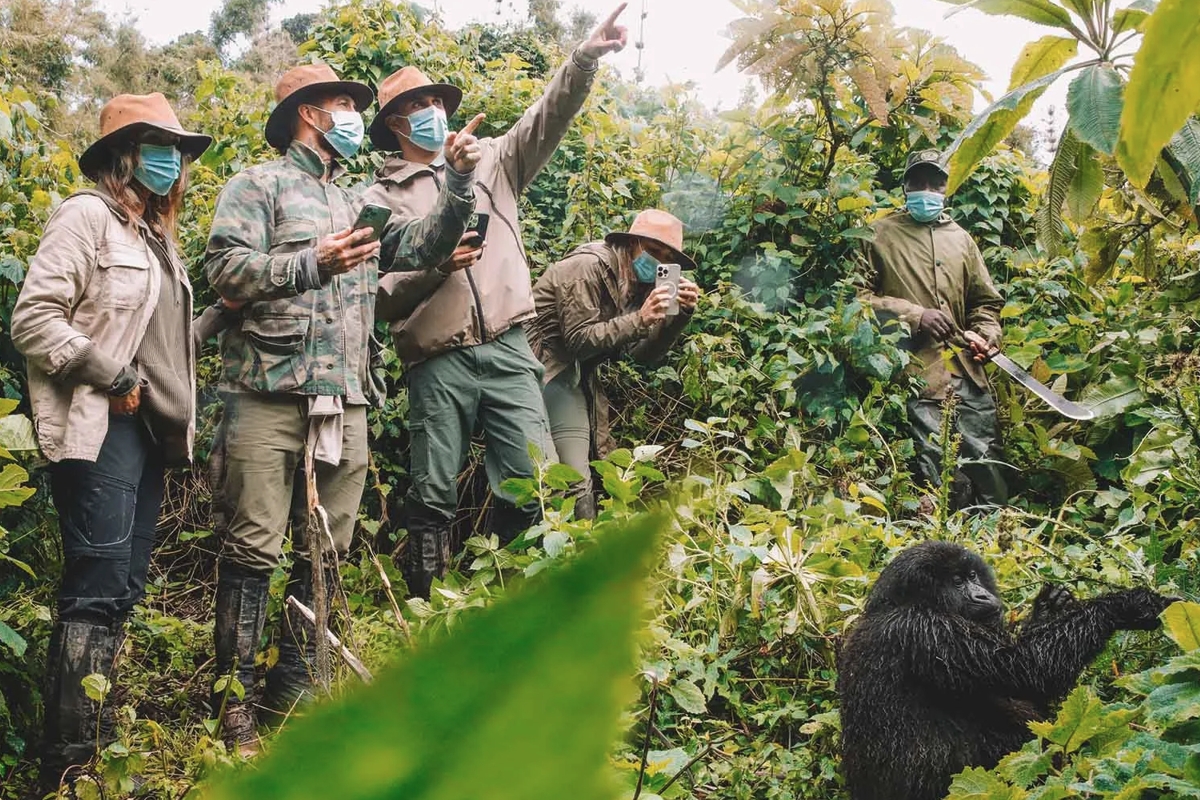
Gorilla trekking in Buhoma begins early in the morning at the park headquarters, where visitors gather for registration and a briefing from Uganda Wildlife Authority rangers.
During the briefing, the guides explain the rules of gorilla trekking, what to expect in the forest and how visitors should behave when they encounter the gorillas. Trekkers are then allocated to available gorilla families and accompanied by experienced park guides and armed rangers.
The search for the gorillas takes place inside Bwindi’s dense tropical forest. Depending on where the assigned family spent the previous night, the trek may take a relatively short time or several hours. Some visitors find the gorillas within two hours, while others may spend much longer navigating forest trails, steep slopes and thick vegetation.
Buhoma’s landscape is characterised by forested hills, valleys and changing elevations. Although some trekking routes can be less demanding than those in other parts of Bwindi, the experience still requires a reasonable level of physical fitness.
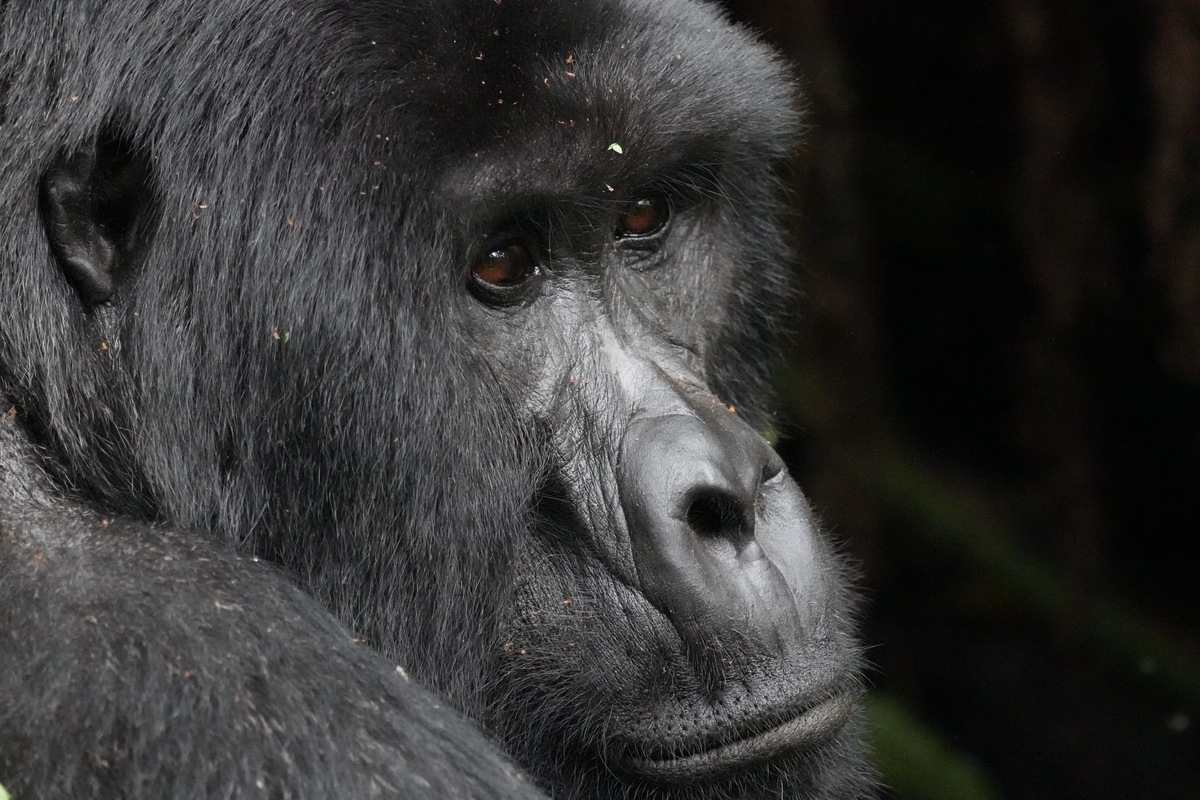
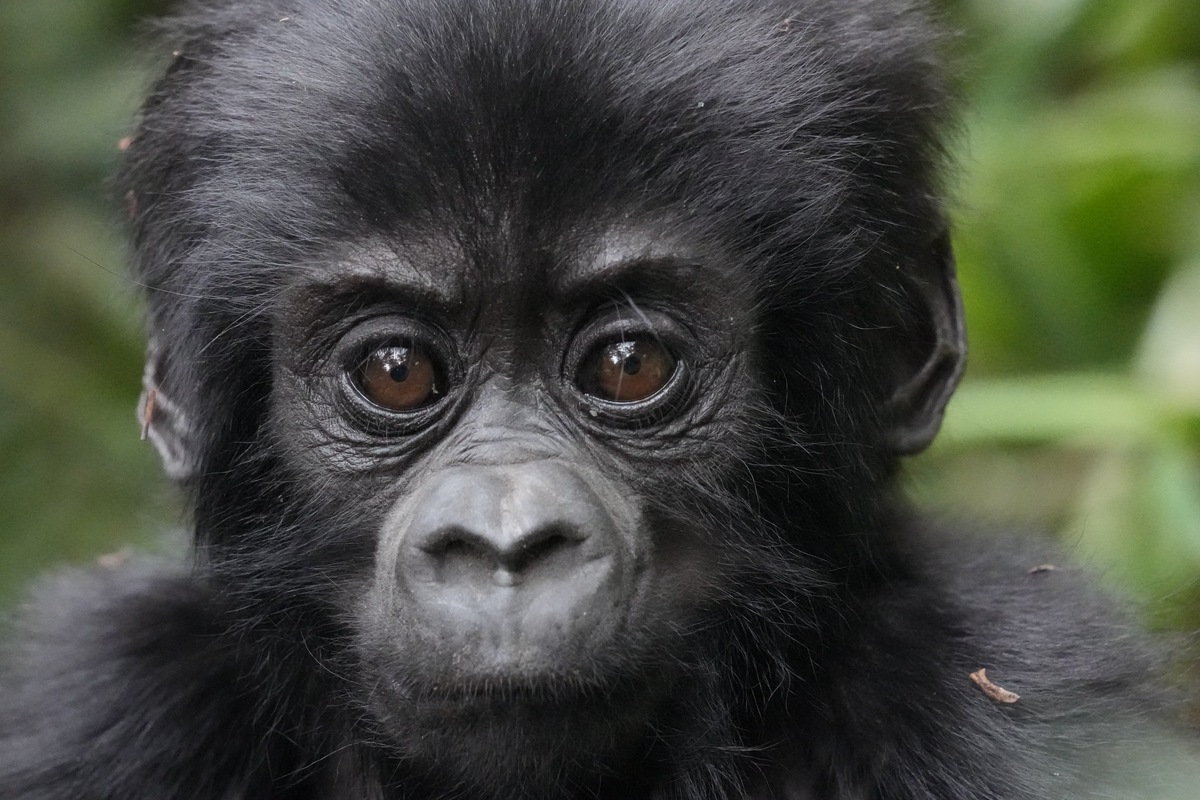
Once the gorillas are located, visitors are allowed to spend a maximum of one hour observing them. This is often the most memorable part of the experience. You may see young gorillas playing, mothers caring for their infants, individuals feeding on vegetation or a dominant silverback watching over the family.
The opportunity to observe these endangered primates at close range, in the environment where they naturally live, is what makes gorilla trekking in Bwindi such a remarkable wildlife experience.
Gorilla Trekking in Buhoma
Gorilla Trekking Permits for Buhoma
A gorilla trekking permit is required for everyone visiting the mountain gorillas in Buhoma. Permits are issued by the Uganda Wildlife Authority (UWA), the government body responsible for managing Uganda’s national parks and wildlife conservation.
Each standard gorilla trekking permit allows one visitor to participate in a trek and spend up to one hour with the gorillas once they have been located.
Permits are limited because only a small number of visitors are allowed to visit each habituated gorilla family per day. Under the standard trekking arrangement, a maximum of eight visitors can visit one gorilla family.
Visitors must be at least 15 years old to participate in gorilla trekking in Uganda.
Because permits are limited, particularly during the busy travel months, it is advisable to secure your permit well in advance. July, August and September are particularly popular, while December, January and February also attract many international visitors.
When booking a gorilla safari with Naseeb Safaris Uganda, we help arrange the appropriate permit for your preferred trekking date and sector. We also coordinate accommodation and transportation to ensure you arrive at the correct starting point on time.
Accommodation in Buhoma: Where to Stay
Buhoma has a good selection of accommodation facilities catering to different travel budgets. Whether you prefer a simple guesthouse close to the village or a comfortable lodge overlooking the forest, there are several options to consider.
Some accommodation options in and around Buhoma include:
- Buhoma Lodge: A comfortable lodge with beautiful forest surroundings and convenient access to the trekking headquarters.
- Mahogany Springs Lodge: A popular choice for travellers looking for a more luxurious stay, with spacious accommodation and views of the surrounding forest.
- Bwindi Lodge: Known for its forest setting and views across the Bwindi landscape.
- Engagi Lodge: An established accommodation option with a natural setting close to the park.
- Silverback Lodge: Offers comfortable accommodation and convenient access to the Buhoma trekking area.
- Buhoma Community Rest Camp: A more affordable option for travellers looking for simpler accommodation.
- Ride 4 a Woman Guest House: A community-based accommodation option connected to a local initiative supporting women in the Buhoma community.
Accommodation prices vary depending on the season, room category, meal arrangements and level of comfort. During the high season, it is advisable to book early because the most popular lodges can fill up quickly.
When arranging a gorilla safari, it is important to choose accommodation within a convenient distance of your allocated trekking headquarters. This helps avoid unnecessary early-morning transfers on the day of the trek.
How to Get to Buhoma for Gorilla Trekking
Buhoma can be reached by road or domestic flight, depending on your travel schedule, budget and starting point.
By road from Kampala or Entebbe
The journey from Kampala or Entebbe to Buhoma takes approximately 9–10 hours, depending on traffic, road conditions and stops along the way.
The drive usually passes through central and western Uganda, with possible stops around the Equator, Mbarara and other interesting locations along the route. Travellers may also combine the journey with a visit to Lake Mburo National Park, making the transfer part of a wider Uganda safari.
The final section of the journey involves driving through the beautiful hilly countryside surrounding Bwindi.
By road from Kigali, Rwanda
Buhoma can also be accessed from Kigali, making it a practical destination for visitors combining gorilla trekking in Uganda with a trip to Rwanda.
The drive from Kigali to Buhoma generally takes approximately 5–6 hours, depending on the border crossing, road conditions and the route used.
This option is particularly attractive for travellers who want to visit Uganda’s Bwindi Impenetrable National Park without making the longer journey from Entebbe or Kampala.
By domestic flight
For visitors who prefer to reduce road travel, domestic flights can be arranged from Entebbe to Kihihi Airstrip, which serves the northern Bwindi area.
From Kihihi, visitors continue by road to their lodge in Buhoma. The transfer usually takes around one to two hours, depending on the accommodation location and road conditions.
Flying is generally more expensive than travelling by road, but it can save considerable time, especially for visitors with a shorter safari itinerary.
The Best Time to Go Gorilla Trekking in Buhoma
Gorilla trekking in Buhoma is available throughout the year. Bwindi is a tropical rainforest, however, so rainfall can occur in any month, even during the traditionally drier seasons.
Uganda generally has two drier periods: June to September and December to February. These months are popular for gorilla trekking because forest trails are often less muddy and walking conditions can be more comfortable.
The wetter periods generally occur from March to May and October to November. During these months, rainfall can make some trekking trails slippery and more challenging. However, the forest is particularly lush, and visitors may find fewer tourists and more accommodation availability.
The rainy months can also be an attractive time to travel for visitors looking for more flexible safari arrangements and potentially lower accommodation rates.
There is no guaranteed month when gorillas are easier to find. Their movements depend on natural conditions, food availability and other factors within the forest. The park guides and trackers work daily to locate the habituated families and guide visitors during their trek.
What to Pack for Gorilla Trekking in Buhoma
Preparing properly for gorilla trekking makes a considerable difference, particularly because the forest terrain can be steep, muddy and covered in thick vegetation.
We recommend packing the following items:
- Waterproof hiking boots with good grip.
- Long-sleeved shirts and long hiking trousers.
- Waterproof jacket or lightweight raincoat.
- Gardening gloves to protect your hands when holding vegetation.
- Long cotton socks and gaiters to help keep insects and vegetation away.
- A comfortable daypack.
- Reusable drinking water bottle.
- Energy snacks for the trek.
- Sunscreen and a hat.
- Insect repellent.
- Camera with spare batteries and memory cards.
- Binoculars for observing birds and other wildlife.
- Personal medication and a small first-aid kit.
A walking stick can also be useful on steep or slippery sections of the trail. These are often available at the trekking headquarters, and visitors can also request the assistance of a porter to help carry their bags and provide support on difficult sections at only $20 per porter.
Hiring a local porter is a good way to make the trek more manageable while supporting livelihoods in the surrounding communities.
Rules to Follow When Visiting Mountain Gorillas
Mountain gorillas are endangered and vulnerable to human diseases. Visitors must follow the guidelines provided by Uganda Wildlife Authority to protect the gorillas and ensure a safe experience for everyone.
Some important rules include:
- Maintain the minimum recommended distance from the gorillas as instructed by your ranger.
- Do not visit the gorillas if you are feeling unwell.
- Avoid eating or drinking when in the presence of the gorillas.
- Do not use flash photography.
- Keep your voice low and follow your guide’s instructions.
- Do not touch the gorillas, even if they approach you.
- Avoid sudden movements and remain calm during the encounter.
- Do not leave rubbish in the forest.
- Wear a face mask when you come to sight with the gorillas.
Following these guidelines helps protect the gorillas and supports responsible wildlife tourism in Bwindi.
Other Things to Do Around Buhoma
Although gorilla trekking is the main attraction, there are other activities visitors can enjoy during their stay in Buhoma.
Batwa Cultural Experience
The Batwa are indigenous forest-dwelling people who traditionally lived as hunter-gatherers in the forests of southwestern Uganda. A Batwa cultural experience introduces visitors to aspects of their traditional knowledge, forest life, music, storytelling and cultural heritage.
These visits also provide an opportunity to learn about the changes experienced by Batwa communities following the establishment of Bwindi Impenetrable National Park.
Guided Forest Walks
Visitors can explore Bwindi’s rich biodiversity through guided nature walks. The forest is home to numerous bird species, primates, butterflies and other wildlife. These walks offer a different perspective of Bwindi beyond the gorilla trekking experience.
Birdwatching
Bwindi is an important birding destination, particularly for visitors interested in Albertine Rift endemic species. The forest provides opportunities to observe a variety of forest birds, making it an interesting addition to a gorilla safari.
Community Visits
Buhoma has several community initiatives that allow visitors to interact with local residents and learn about everyday life around the national park. These experiences can include craft-making demonstrations, cultural performances and visits to community projects.
Buhoma vs Other Gorilla Trekking Sectors in Bwindi
Travellers sometimes wonder whether they should trek gorillas in Buhoma, Ruhija, Rushaga or Nkuringo. All four sectors offer the opportunity to encounter habituated mountain gorillas, but their locations, landscapes and accommodation options differ.
Buhoma is located in northern Bwindi and has a long-established tourism infrastructure, with several accommodation options and access to community activities.
Ruhija lies in the eastern part of Bwindi and is particularly interesting for visitors who enjoy birdwatching and forest scenery.
Rushaga, in southern Bwindi, has several habituated gorilla families and also offers the gorilla habituation experience, where visitors can spend up to four hours with a semi-habituated gorilla family under the applicable permit arrangements.
Nkuringo is situated in the southern part of the park and is known for its dramatic mountainous scenery and challenging trekking terrain.
The best sector depends on your travel itinerary, accommodation preferences, physical fitness, permit availability and the other destinations you intend to visit.
At Naseeb Safaris Uganda, we help travellers choose the most suitable sector based on their overall safari plans rather than simply recommending one location for everyone.
Plan Your Buhoma Gorilla Trekking Safari with Naseeb Safaris Uganda
A gorilla trekking safari in Buhoma is an opportunity to experience one of Africa’s most remarkable wildlife encounters. From the historical Mubare gorilla family to the beautiful forest trails and surrounding communities, the northern sector of Bwindi offers much more than a single wildlife activity.
At Naseeb Safaris Uganda, we organise private, tailor-made and group gorilla trekking safaris across Uganda and Rwanda. Whether you are planning a short gorilla trekking trip from Kigali or a longer Uganda safari combining gorillas, chimpanzees and wildlife, we can help arrange your permits, accommodation, transport and guiding services.
We are a locally owned Ugandan safari company with first-hand knowledge of the destinations we recommend. Our aim is to make planning straightforward and ensure your journey is arranged around your interests, available time and travel budget.