
Chimpanzee Tracking in Kyambura Gorge: Queen Elizabeth
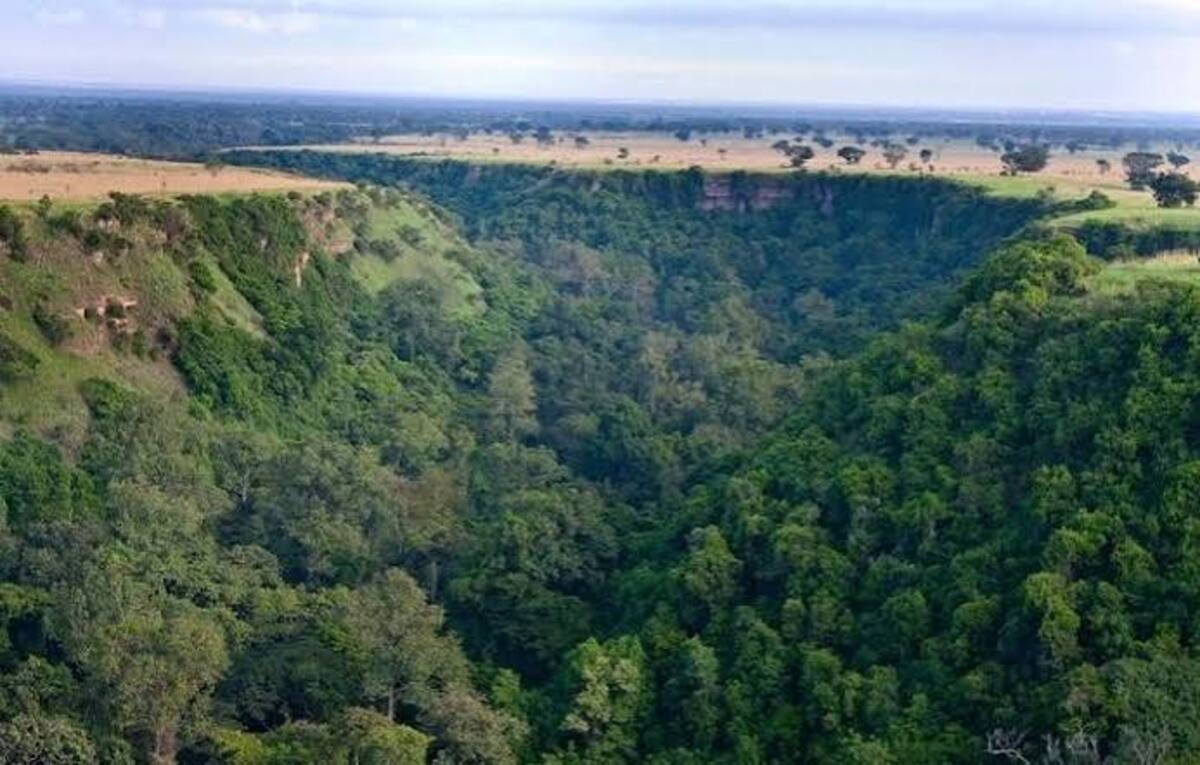
Chimpanzee Tracking in Kyambura Gorge: Queen Elizabeth, There is a moment on the Kyambura Gorge trail when the landscape changes completely. The open grasslands of Queen Elizabeth National Park disappear behind you as the path descends into a steep-sided valley filled with forest. The air becomes cooler, the light softer, and sounds from the surrounding savannah are replaced by birdsong, insects and the movement of animals through the trees.
This is where one of Uganda’s most interesting chimpanzee experiences takes place.
Chimpanzee tracking in Kyambura Gorge combines a walk through a distinctive forest habitat with the possibility of encountering one of our closest living relatives in the wild. It is also easy to combine with a traditional safari in Queen Elizabeth National Park, making it a useful addition for travellers who want both primates and savannah wildlife in the same itinerary.
Where Is Kyambura Gorge?
Kyambura Gorge is in south-western Uganda, on the eastern side of Queen Elizabeth National Park and close to the Kazinga Channel. Technically, the gorge lies within Kyambura Wildlife Reserve, which borders the national park. The Kyambura River forms part of the boundary between the reserve and Queen Elizabeth National Park.
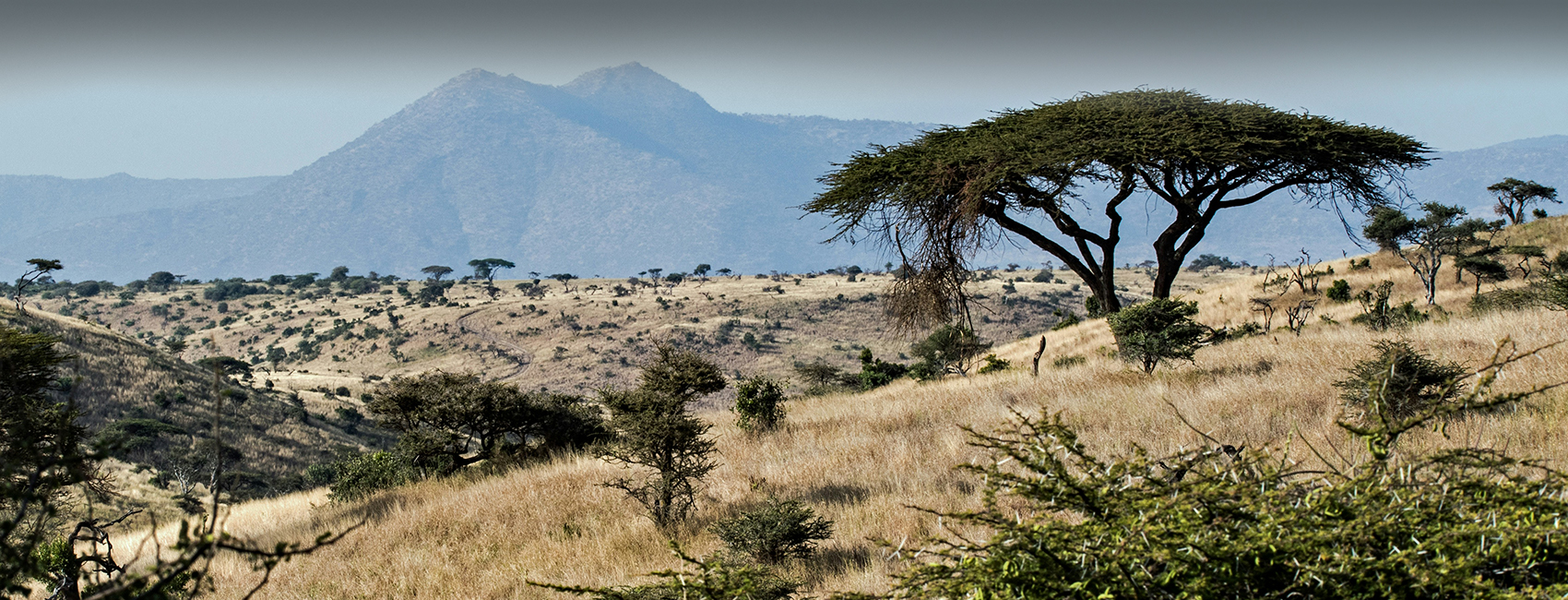
The surrounding landscape is a mixture of savannah, woodland, crater lakes and forest. That setting is important to the character of the experience. You are not travelling deep into an isolated rainforest; instead, you descend from open East African grassland into a narrow forested gorge.
What Is Chimpanzee Tracking in Kyambura Gorge Like?
The experience begins with a briefing from the ranger guides before you enter the gorge. Once walking, the group follows trails through the forest while guides look and listen for signs of the chimpanzees.
There is no fixed route. Chimpanzees move through the forest according to food availability, social activity and other natural factors, so the walk can involve following calls, searching the canopy and examining signs left along the trail.
You may hear the chimpanzees before seeing them. A call from somewhere above can suddenly make the forest feel much smaller, followed by the sound of branches moving in the canopy. When the animals are located, visitors observe them while following the required wildlife-viewing rules.
One hour of viewing is allowed once visitors come to sight with a chimpanzee community.
The walk itself is an important part of the experience. Kyambura is a gorge rather than a flat forest, so there is a descent into the valley and a climb back out. Wet weather can make sections of the trail slippery.
The Chimpanzees of Kyambura Gorge
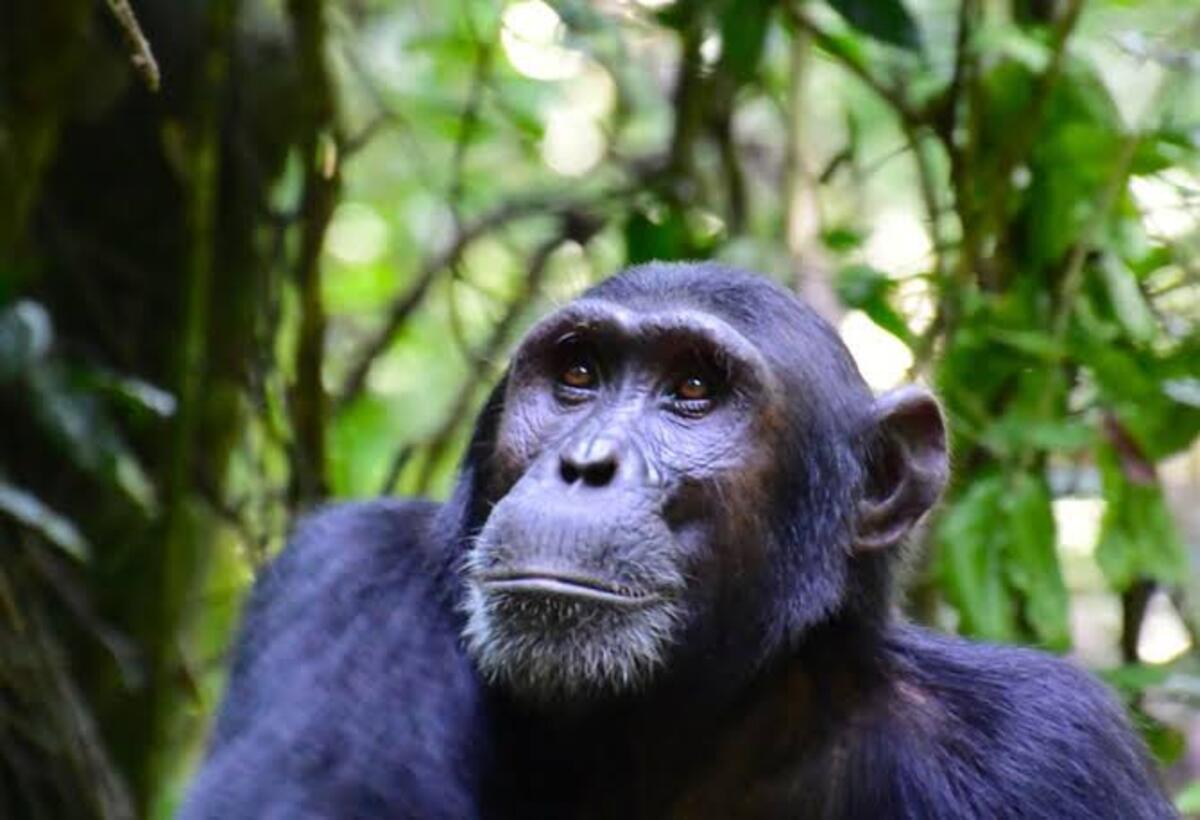
The gorge is known for its habituated chimpanzee community, allowing visitors to observe the animals while they continue their natural behaviour.
Chimpanzees spend much of their time moving through trees, feeding, resting and interacting with one another. They can also travel considerable distances, which is why sightings are never guaranteed to occur in exactly the same place.
The forest is also home to other wildlife and birds. Depending on conditions, visitors may encounter monkeys and a variety of forest species during the walk. The surrounding reserve supports larger mammals associated with the wider Queen Elizabeth ecosystem as well.
One of the interesting aspects of Kyambura is the contrast between the forest and surrounding grassland. Within a relatively short distance, the environment changes from open savannah to dense vegetation and steep gorge walls.
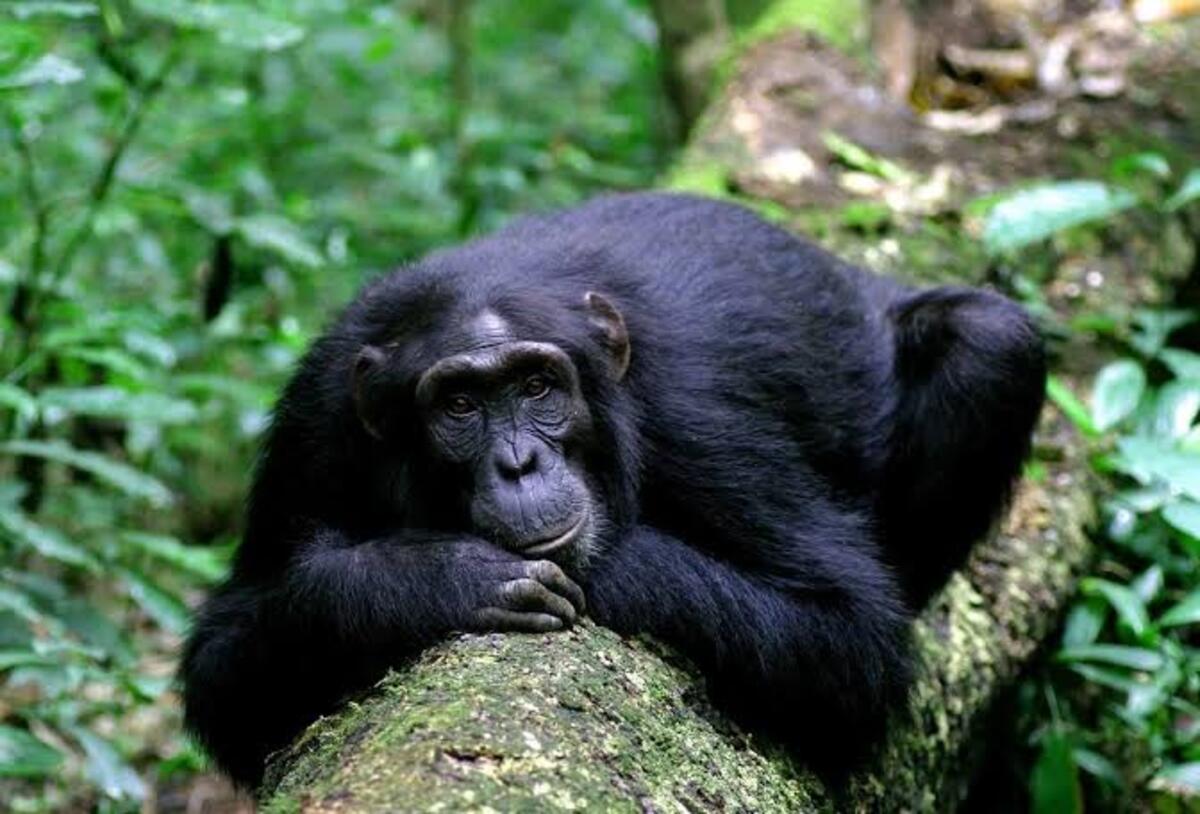
chimpanzee in kyambura gorge
How Difficult Is Kyambura Chimpanzee Tracking?
Kyambura is not usually considered as demanding as a difficult mountain trek, but visitors should not expect a flat nature walk.
The trail includes a descent into the gorge and a climb back to the rim. Conditions can become muddy after rain, and some sections may require careful footing. Your guide will determine the safest route according to conditions and the location of the chimpanzees.
A reasonable level of fitness is therefore helpful. Travellers who have difficulty walking on uneven ground should discuss their requirements with their safari operator before booking.
Comfortable hiking shoes with good grip are more useful here than ordinary trainers.
What Is the Best Time to Track Chimpanzees in Kyambura?
Chimpanzee tracking can be done throughout the year, but weather can influence the walking conditions and the character of the forest.
The drier periods generally make trails easier to walk, while rain can make the gorge muddy and slippery. At the same time, rainfall keeps the forest green and can create excellent conditions for photography.
There is no particular month that guarantees a better chimpanzee sighting. These are wild animals, and their movements depend on food, weather and social behaviour.
For travellers planning a wider Uganda safari, it is often more useful to choose the season according to the entire itinerary rather than selecting travel dates solely for Kyambura.
How Much Does a Kyambura Chimpanzee Permit Cost?
Permit prices are subject to change, so travellers should check the applicable UWA rate for their travel date.
Currently it’s $100 for foreign non-residents. From 1 January 2027, the standard Kyambura chimpanzee tracking rate is US$200 for foreign non-residents, US$150 for foreign residents, US$100 for Rest of Africa visitors and UGX 50,000 for East African Community citizens. The fee includes the guide but excludes applicable park entrance fees.
Who Can Go Chimpanzee Tracking?
The minimum age for chimpanzee tracking at Kyambura Gorge is 12 years. Visitors showing signs of illness should not participate, because diseases carried by humans can pose risks to great apes.
Visitors should maintain the required distance from chimpanzees, avoid feeding or chasing them and keep noise under control. Flash photography should not be used.
These rules protect both visitors and the animals. A chimpanzee encounter is best experienced as an observation of wild behaviour rather than an opportunity to interact directly with the animals.
What Should You Pack?
You do not need specialist mountaineering equipment, but the right clothing makes the walk much more comfortable.
Wear lightweight, comfortable trousers and a long-sleeved shirt, together with hiking shoes or boots that provide good traction. A lightweight rain jacket is useful because showers can occur even when the morning begins clear.
Bring drinking water, insect repellent, sunscreen and a small backpack. A waterproof bag or protective cover for your camera is particularly useful during the rainy season.
For photography, a camera with a moderate telephoto lens can be useful because chimpanzees may be above you in the canopy. Avoid relying on flash, and be prepared for changing light beneath the forest.
Where Should You Stay?
Kyambura can be incorporated into accommodation plans around the southern part of Queen Elizabeth National Park. Staying near the gorge or in the wider Queen Elizabeth area allows you to combine chimpanzee tracking with game drives without spending the day travelling long distances.
Accommodation ranges from comfortable mid-range lodges to more upscale safari properties. Your choice will depend on budget, preferred location and whether you plan to spend more time around Kyambura, Mweya or the Ishasha sector.
For a safari combining chimpanzees with gorilla trekking, accommodation planning becomes particularly important because Queen Elizabeth sits between the Kibale and Bwindi areas.
How Do You Combine Kyambura With a Uganda Safari?
Kyambura works particularly well as part of a broader western Uganda itinerary.
A traveller might combine chimpanzee tracking with game drives in Queen Elizabeth National Park, followed by a boat cruise on the Kazinga Channel. The safari can then continue south towards Bwindi for gorilla trekking.
Another option is to include Kibale Forest as well. Kibale and Kyambura offer different forest experiences, so visiting both can make sense for travellers with a strong interest in primates.
If your itinerary is limited, however, there is no need to add every destination. The decision should depend on how much time you have and whether chimpanzees, gorillas or classic savannah wildlife are the main priorities.
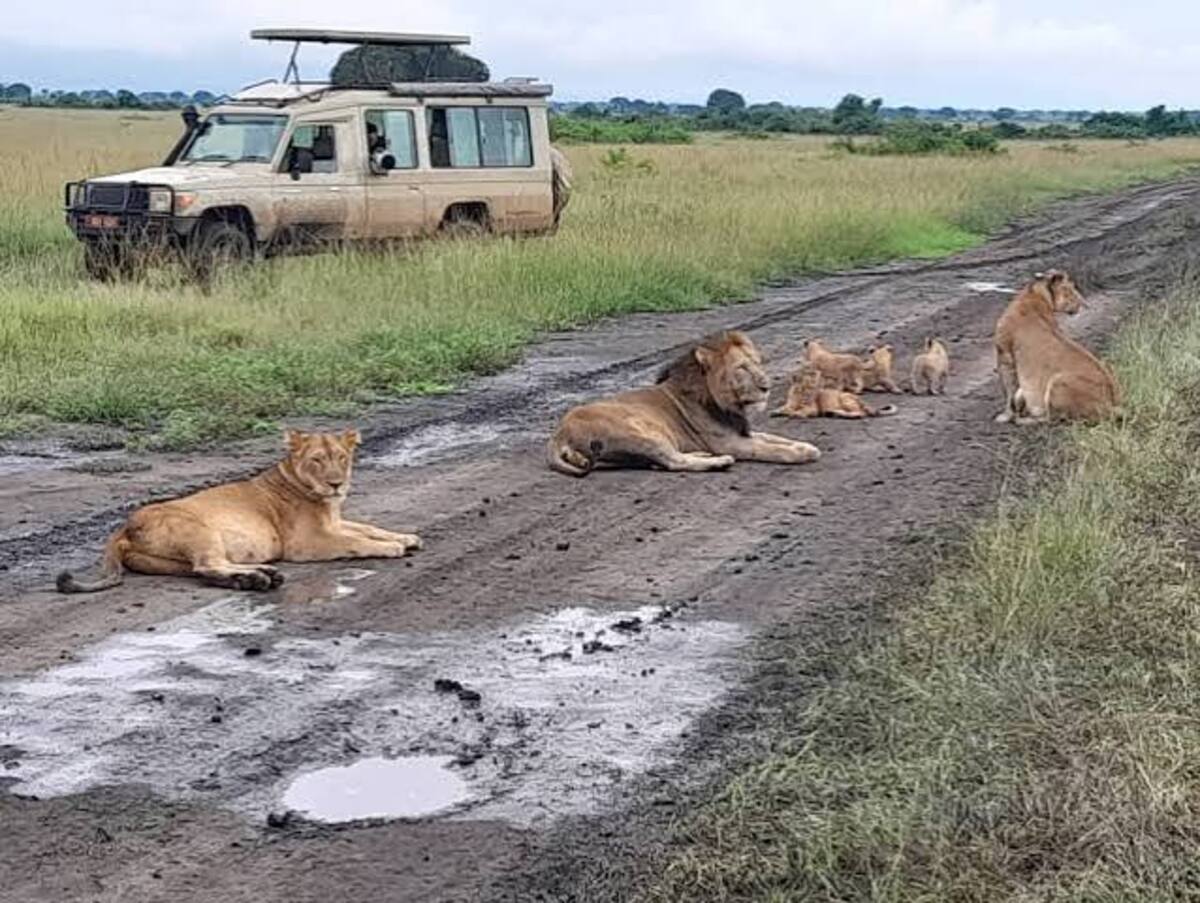
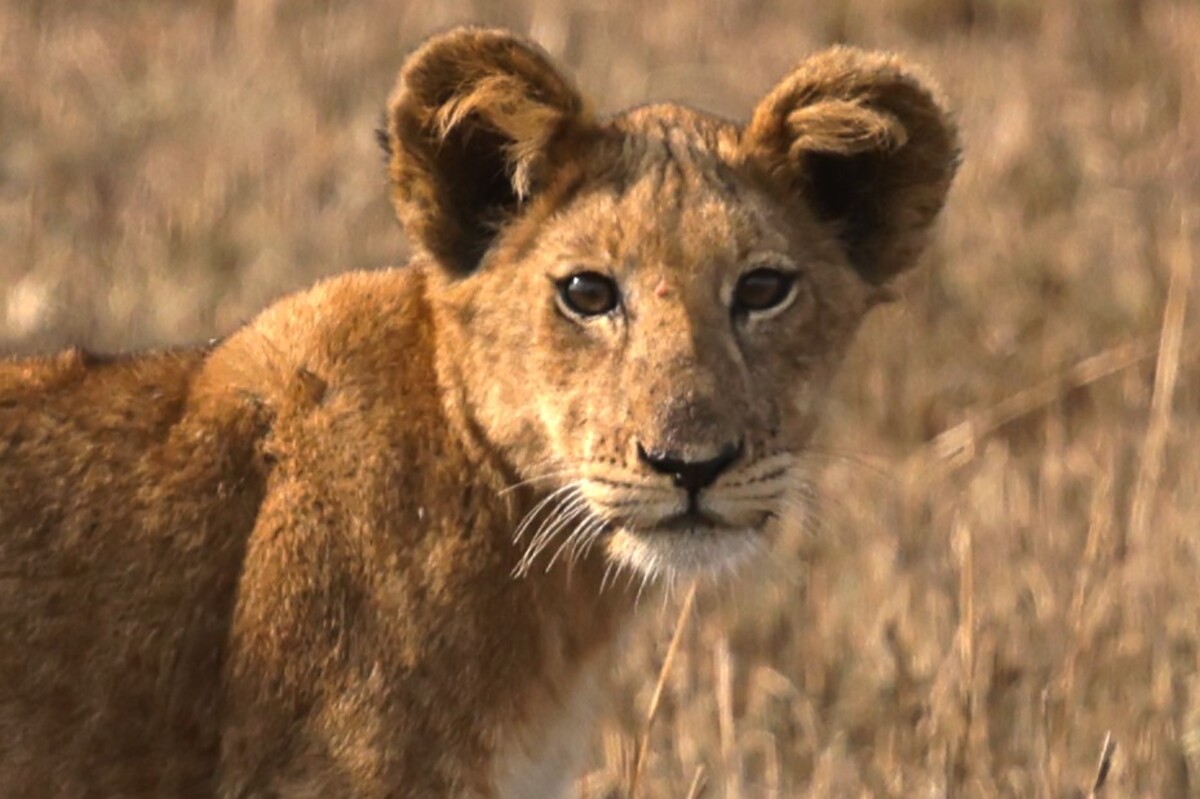
Lions spotted on a Safari in Queen Elizabeth
Kyambura Gorge or Kibale for Chimpanzees?
Kibale is Uganda’s better-known chimpanzee destination and offers a much larger forest environment. Kyambura, by contrast, is defined by its dramatic gorge and its location within the Queen Elizabeth safari circuit.
The difference is therefore as much about setting as chimpanzees.
If Queen Elizabeth National Park is already part of your itinerary, Kyambura can add a primate experience without requiring a separate journey to Kibale. If chimpanzee tracking is one of the central reasons for visiting Uganda, Kibale may fit more naturally into the trip.
Neither experience guarantees that chimpanzees will sit conveniently in view. Wildlife remains unpredictable, which is an important part of tracking in a natural forest.
Responsible Chimpanzee Tracking
Chimpanzees face pressures including habitat loss, snares and disease transmission. Naseeb safaris team identifies disease as a potential threat to chimpanzees and stresses the importance of responsible behaviour around great apes.
For visitors, responsible tourism is straightforward: follow the ranger’s instructions, maintain the required distance, do not feed wildlife, avoid loud behaviour and never enter the forest when unwell.
Photography should come second to the welfare of the animals. Sometimes the best encounter may be one in which you spend several minutes simply watching the chimpanzees move naturally through their forest.
Frequently Asked Questions About Kyambura Chimpanzee Tracking
Is chimpanzee tracking guaranteed in Kyambura Gorge?
No. The chimpanzees are wild animals and their movements cannot be guaranteed. Rangers and trackers use calls and other signs to locate them, but sightings can vary.
How long does Kyambura chimpanzee tracking take?
The total experience varies according to the location and movements of the chimpanzees and the conditions in the gorge. The official viewing period once the chimpanzees are located is limited to one hour.
Can children go chimpanzee tracking in Kyambura?
Yes. The UWA minimum age for chimpanzee tracking at Kyambura is 12 years.
Is Kyambura chimpanzee tracking suitable for older travellers?
It can be, provided they are comfortable walking on uneven terrain and managing the descent and ascent of the gorge. Anyone with mobility limitations should discuss their needs before booking.
Can I combine chimpanzee tracking with a game drive?
Yes. Kyambura’s location makes it practical to combine the experience with game drives in Queen Elizabeth National Park, provided the day’s schedule allows sufficient time.
A Forest Experience Within a Classic Safari
Kyambura Gorge offers a different perspective on Uganda’s wildlife. Instead of viewing animals from a safari vehicle across open grassland, you enter their forest environment on foot, listening for movement in the canopy and following the clues left along the trail.
That change of pace is what makes the experience worthwhile. You may spend part of the morning watching chimpanzees and later find yourself beside the Kazinga Channel or searching the savannah for elephants and lions. Within the same region, Uganda brings together two very different styles of wildlife viewing.
For travellers considering chimpanzee tracking in Kyambura Gorge, the most important preparation is simple: allow enough time, wear suitable footwear, expect changing conditions and remember that wildlife encounters cannot be scripted.
At Naseeb Safaris, we can help you build Kyambura Gorge into a personalised Uganda itinerary, whether you want to combine chimpanzee tracking with Queen Elizabeth National Park, Kibale, Bwindi gorilla trekking or a longer wildlife safari including Murchison falls and Kidepo valley national parks.