
Photography Safari in Uganda: Best Places to Capture Wildlife
Photography Safari in Uganda: Best Places to Capture Wildlife, Uganda is one of Africa’s most rewarding destinations for a photography safari, offering an extraordinary variety of wildlife, landscapes and cultural experiences. Known as the Pearl of Africa, the country brings together vast savannah plains, ancient tropical rainforests, snow-capped mountains, dramatic waterfalls, beautiful lakes and diverse wildlife. From photographing mountain gorillas in the misty forests of Bwindi Impenetrable National Park to capturing elephants along the Nile River in Murchison Falls National Park, Uganda offers endless opportunities for photographers to create remarkable images.
A photography safari in Uganda is suitable for both amateur photographers and experienced professionals. Whether your interest is wildlife photography, bird photography, landscape photography or cultural portraits, the country’s different ecosystems provide a variety of subjects throughout the year. Unlike conventional safaris, a photographic safari can be planned around your particular interests, allowing more time at selected locations, flexible game drives and opportunities to wait for the right light and photographic conditions.
At Naseeb Safaris Uganda, we organise private and tailor-made photography safaris designed around your interests, preferred destinations and photography goals. With experienced local guides and customised safari arrangements, we help you explore Uganda’s most photogenic locations while enjoying the country’s outstanding natural beauty.
Best Places for a Photography Safari in Uganda
Uganda has several national parks and scenic destinations that offer excellent opportunities for photography. Each location has its own character, from open savannah landscapes and wildlife-rich waterways to dense tropical forests and spectacular mountain scenery.
-
Murchison Falls National Park
Murchison Falls National Park is one of the best destinations for a photography safari in Uganda, particularly for travellers interested in wildlife, landscapes and bird photography. Covering approximately 3,840 square kilometres, it is Uganda’s largest national park and is famous for the spectacular Murchison Falls, where the River Nile forces its way through a narrow gorge before plunging into the river below.
The waterfall provides one of the country’s most impressive photographic subjects, especially when sunlight creates rainbows in the rising spray. Photographers can capture the powerful falls from different viewpoints, including the top of the falls and boat excursions along the Nile.
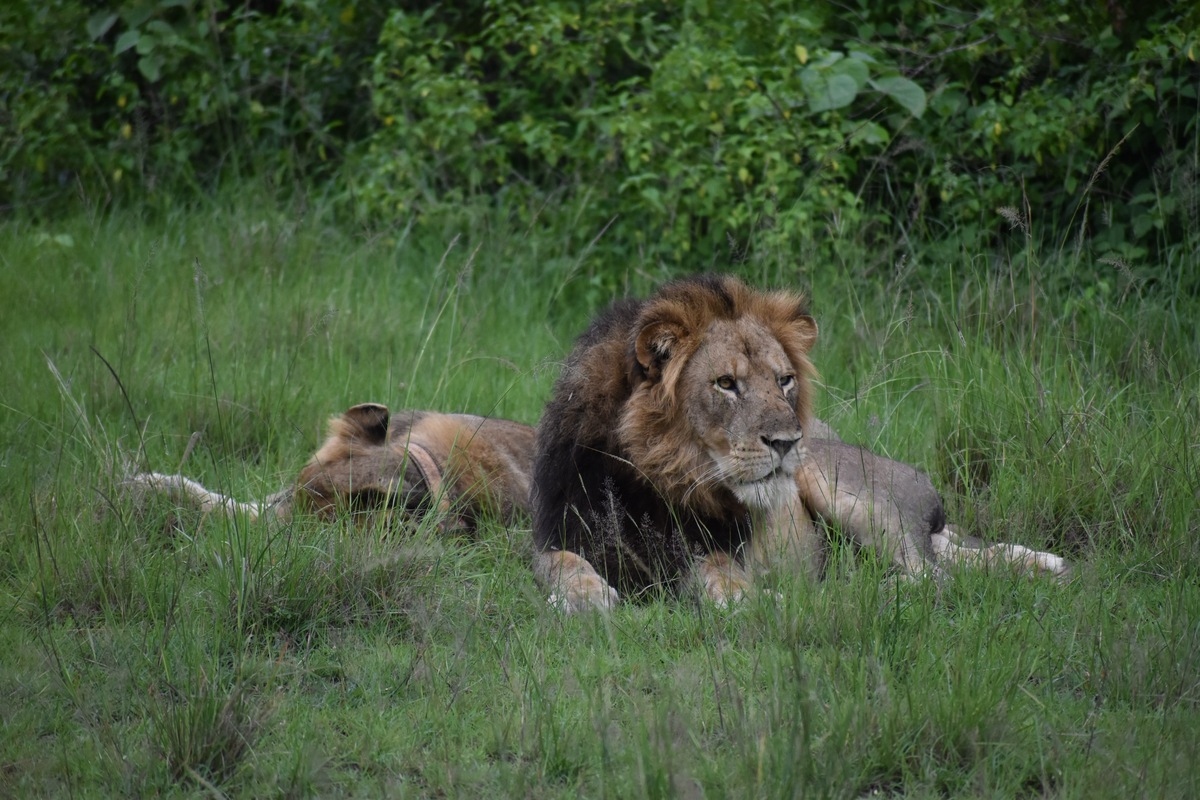
The northern section of the park is particularly rewarding for wildlife photography, with its extensive savannah grasslands, riverine woodlands and acacia trees. Game drives offer opportunities to photograph elephants, giraffes, buffaloes, lions, leopards, Uganda kob, hartebeests and numerous other wildlife species. The Nile boat cruise towards the bottom of the falls or the Victoria Nile Delta provides excellent opportunities to photograph hippos, crocodiles, elephants and water birds. Night game drives also offer opportunities to capture nocturnal wildlife.
For bird photographers, the park is particularly interesting because of its diverse birdlife, including the famous shoebill, which can sometimes be spotted around the delta.
-
Bwindi Impenetrable National Park
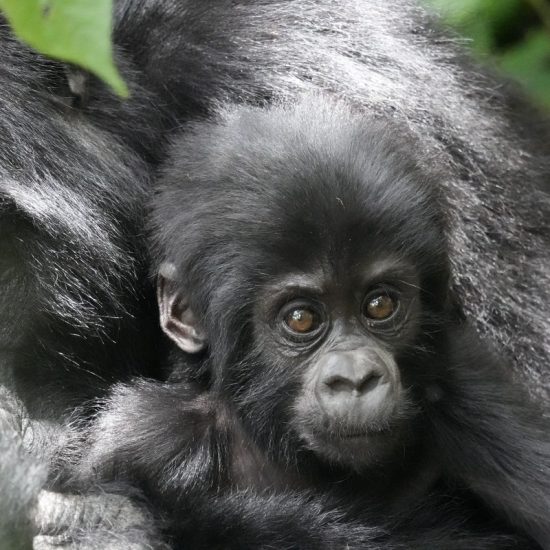
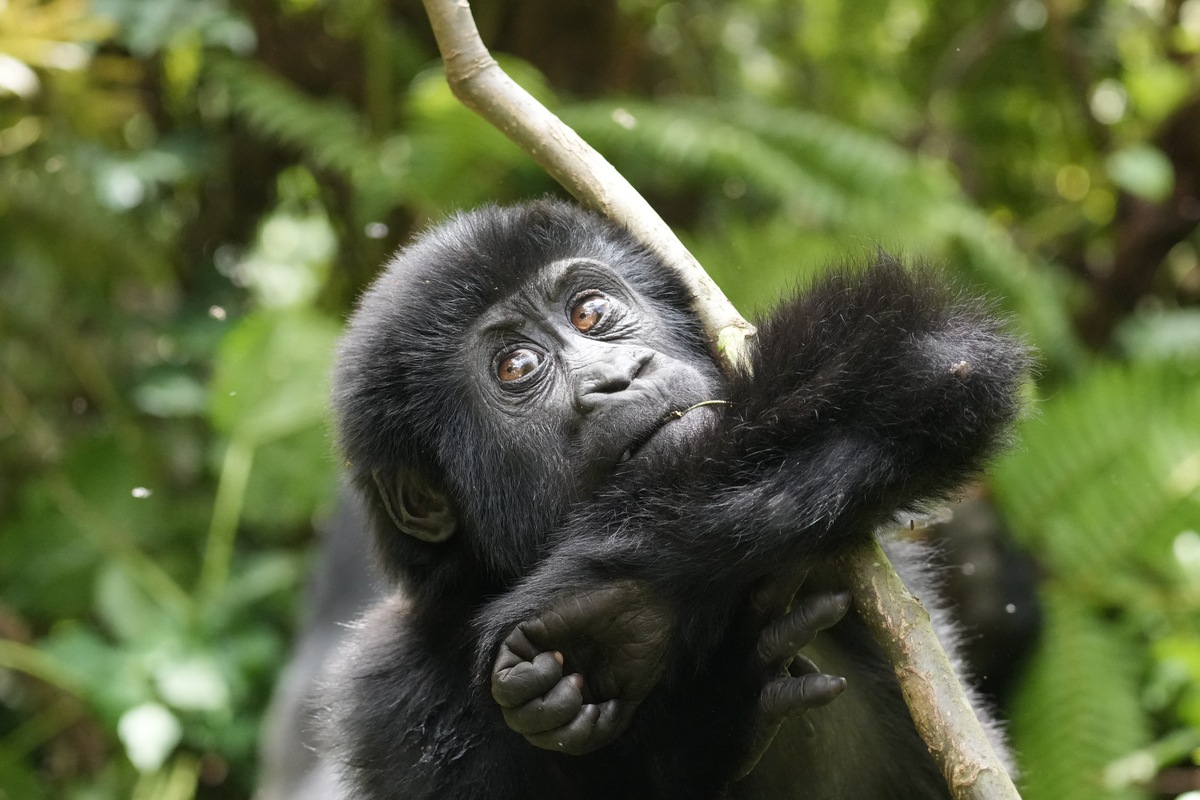
Bwindi Impenetrable National Park is one of the most remarkable destinations for wildlife photography in Africa. Located in southwestern Uganda, this ancient rainforest is a UNESCO World Heritage Site and protects a significant proportion of the world’s remaining mountain gorillas.
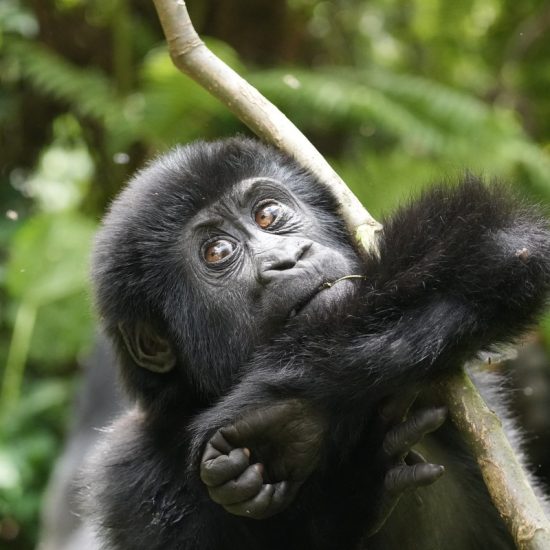
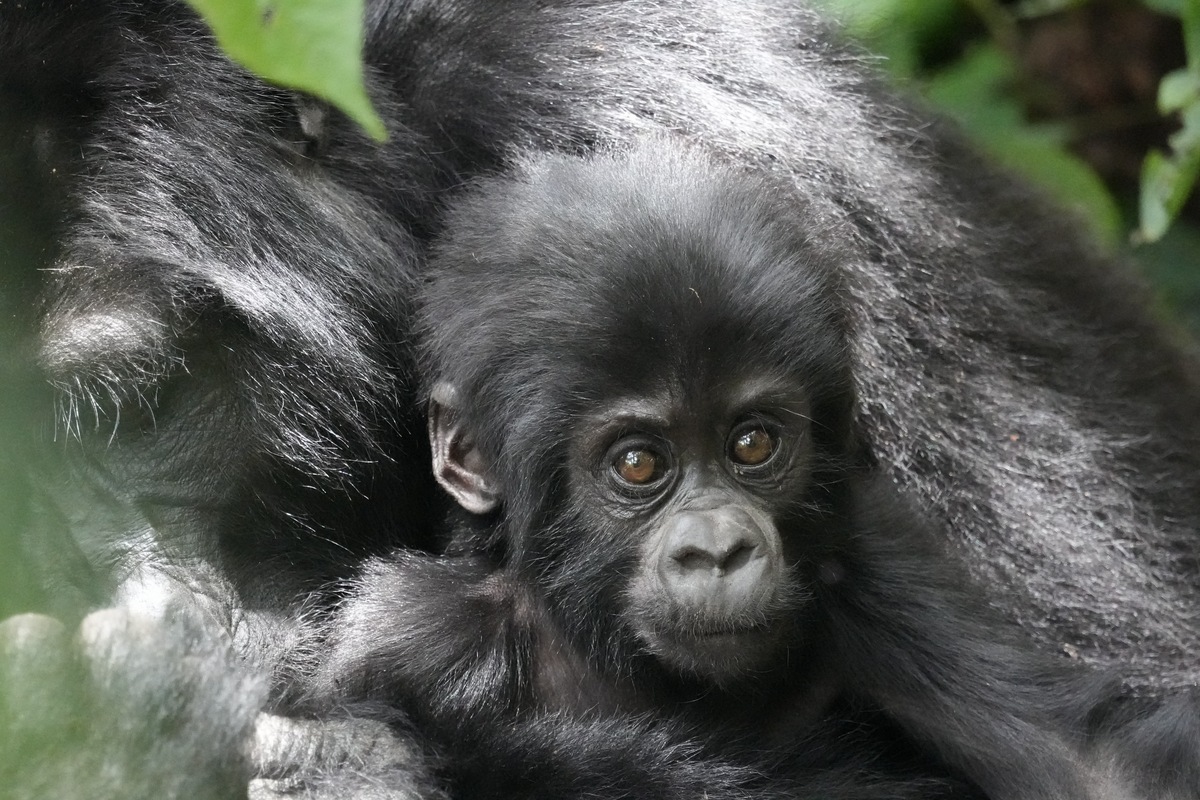
The main attraction for photographers is the opportunity to photograph mountain gorillas in their natural habitat. Gorilla trekking takes visitors through thick vegetation, steep hillsides and forest trails before reaching a habituated gorilla family. Once the gorillas are located, visitors are allowed one hour with them, providing a rare opportunity to observe and photograph their behaviour, family interactions and distinctive expressions.
The forest environment creates unique photography conditions, with filtered light, thick vegetation and changing weather. Photographers should be prepared for low-light conditions and carry suitable camera equipment.
Bwindi is also an excellent destination for bird photography, with numerous Albertine Rift endemic species. Cultural photography is another highlight, particularly visits to Batwa communities, where visitors can learn about traditional forest life, music, dance and cultural heritage.
For photographers interested in combining wildlife portraits with rainforest scenery and cultural experiences, Bwindi is an essential destination.
-
Queen Elizabeth National Park
Queen Elizabeth National Park offers some of Uganda’s most diverse photography opportunities. Its landscapes include open savannah plains, wetlands, crater lakes, tropical forests and the famous Kazinga Channel, creating an excellent setting for wildlife and landscape photography.
The Kasenyi Plains are among the best areas for photographing elephants, buffaloes, Uganda kob, lions and other savannah wildlife. The park’s Ishasha sector is particularly famous for its tree-climbing lions, which are sometimes seen resting in large fig trees. These lions provide one of Uganda’s most distinctive wildlife photography experiences.
A boat cruise along the Kazinga Channel is another highlight. The channel attracts large numbers of hippos, elephants, buffaloes and crocodiles, while its banks provide excellent opportunities to photograph water birds and other wildlife at close range.
Landscape photographers will appreciate the spectacular crater lakes, rolling hills and distant views of the Rwenzori Mountains. The park also offers opportunities for chimpanzee photography in the Kyambura Gorge and bird photography across its different habitats.
-
Kibale Forest National Park
Kibale Forest National Park is one of the best places in Africa for primate photography. Located in western Uganda, the park is famous for its large chimpanzee population and remarkable diversity of forest primates.
Chimpanzee tracking provides an opportunity to photograph wild chimpanzees as they move through the forest, feed, groom, communicate and interact with other members of their community. Their energetic behaviour makes them fascinating photographic subjects, although capturing clear images can be challenging because they frequently move through dense vegetation and the forest canopy.
For photographers who want more time with chimpanzees, the chimpanzee habituation experience offers a longer period in the forest, allowing visitors to observe the primates as they go about their daily activities.
Beyond chimpanzees, Kibale is home to several other primate species, including red-tailed monkeys, black-and-white colobus monkeys, L’Hoest’s monkeys, blue monkeys and grey-cheeked mangabeys. The forest also supports a rich variety of birdlife, butterflies and plant species.
The nearby Bigodi Wetland Sanctuary provides additional opportunities for bird and primate photography, making the Kibale region an excellent destination for nature photographers.
-
Kibale National Park
Kidepo Valley National Park
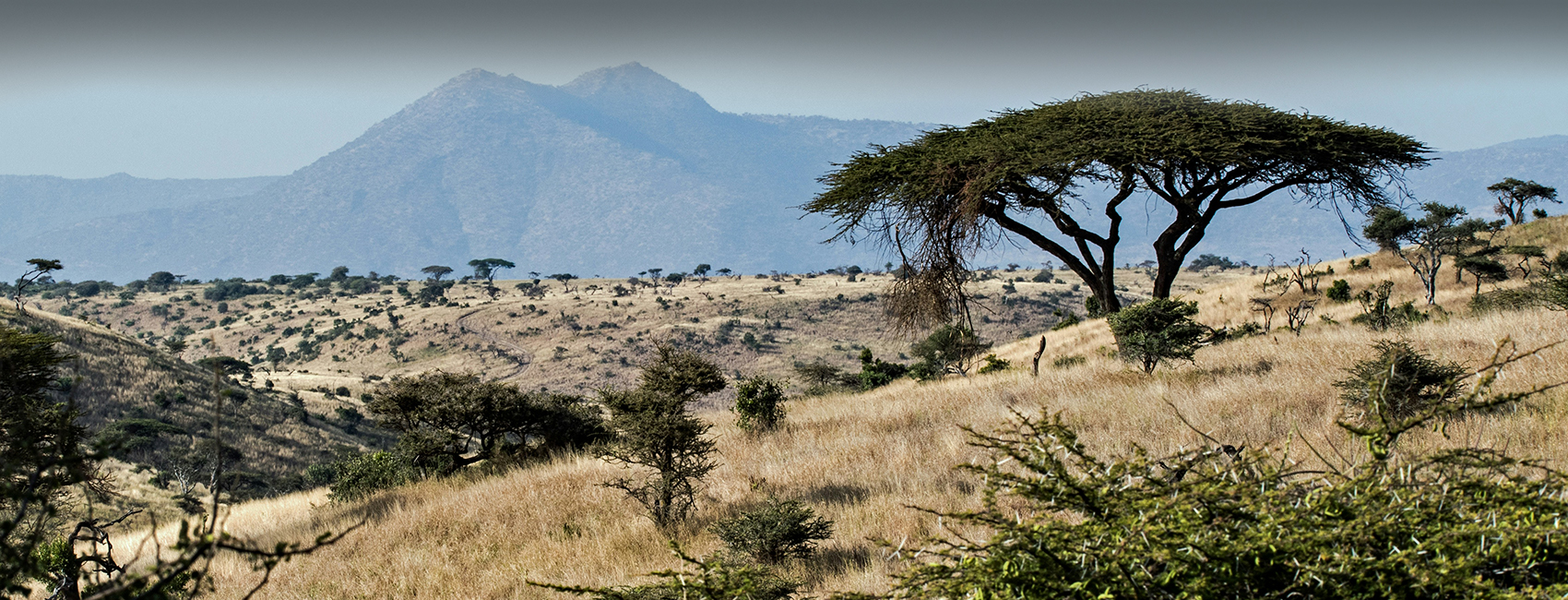
For photographers looking for remote wilderness and dramatic African landscapes, Kidepo Valley National Park is one of Uganda’s most rewarding destinations. Located in the northeastern corner of the country, Kidepo is known for its expansive savannah plains, rugged mountains and spectacular views of the Narus and Kidepo valleys.
The park offers excellent opportunities to photograph lions, elephants, buffaloes, giraffes, zebras and various antelope species. Its remote location and relatively low visitor numbers create a wonderful atmosphere for photographers seeking less crowded wildlife experiences.
The Narus Valley is particularly rewarding for wildlife photography because animals gather around its water sources, especially during drier periods. The surrounding mountains and open plains also create beautiful backgrounds for landscape photography.
Kidepo is home to wildlife species that are difficult to encounter elsewhere in Uganda, including ostriches and, occasionally, cheetahs. The region also offers cultural photography opportunities through visits to communities in the Karamoja region.
Although reaching Kidepo requires a longer road journey or a domestic charter flight, the spectacular scenery and unique wildlife make the journey worthwhile.
-
Lake Mburo National Park
Lake Mburo National Park is an excellent destination for photographers looking for beautiful landscapes and wildlife in a relatively compact area. Located in western Uganda, approximately four hours from Kampala by road, the park is one of the country’s most accessible wildlife destinations.
Its rolling hills, open grasslands, acacia woodlands, lakes and rocky outcrops provide attractive backgrounds for photography. Lake Mburo is particularly known for its zebras, impalas, elands, giraffes, buffaloes, topis and hippos.
Unlike many other Ugandan national parks, Lake Mburo offers opportunities for guided walking safaris and horseback safaris, providing different perspectives for photographing wildlife. Boat trips on Lake Mburo are also rewarding, particularly for photographing hippos, crocodiles and water birds.
The park is an excellent addition to a photography itinerary for travellers combining wildlife photography with a relaxed safari experience.
-
Semuliki National Park
Semuliki National Park is one of Uganda’s most interesting destinations for forest, bird and landscape photography. Located in the western part of the country, the park protects an extension of the Congo Basin’s Ituri Forest and has a unique ecosystem that differs from the savannah landscapes found in many other Ugandan parks.
The forest is particularly attractive to bird photographers because of its diverse birdlife, including several species associated with the Congo Basin. Visitors may also encounter forest elephants, buffaloes, monkeys and other wildlife.
One of the park’s most remarkable attractions is the Sempaya Hot Springs, where natural geothermal activity creates impressive photographic scenes. The surrounding forest and Semuliki Valley provide additional opportunities for capturing the beauty of Uganda’s western landscapes.
Visits to nearby Batwa communities can also introduce photographers to the area’s indigenous cultural heritage.
-
Lake Bunyonyi and Lake Mutanda
Uganda’s beautiful lakes offer a different experience for photographers who want to capture landscapes, reflections and traditional rural life.
Lake Bunyonyi, located in southwestern Uganda, is famous for its terraced hillsides, green landscapes and 29 islands scattered across its waters. Early mornings are particularly beautiful, when mist often settles over the lake, creating excellent conditions for landscape photography.
Boat excursions provide opportunities to photograph the islands, surrounding communities and traditional dugout canoes. The peaceful atmosphere makes Lake Bunyonyi an ideal destination for photographers looking for a break from wildlife activities.
Lake Mutanda, near Kisoro in southwestern Uganda, is another outstanding photography destination. Surrounded by beautiful mountain scenery, the lake offers spectacular views of the Virunga Volcanoes. On clear days, the volcanic peaks create an impressive backdrop for photographs taken along the shoreline or during a canoe excursion.
Both lakes are excellent additions to a gorilla trekking photography safari in Bwindi or Mgahinga.
-
Mgahinga Gorilla National Park
Mgahinga Gorilla National Park is another excellent destination for photographers interested in mountain gorillas and dramatic volcanic landscapes. Located in southwestern Uganda, the park forms part of the larger Virunga Conservation Area, which extends across Uganda, Rwanda and the Democratic Republic of Congo.
The park offers mountain gorilla trekking and golden monkey tracking, providing opportunities to photograph two of Africa’s most fascinating primates. The golden monkeys are particularly interesting subjects because of their striking golden-orange colouring and energetic behaviour.
The dramatic Virunga Volcanoes, bamboo forests and mountain vegetation also make Mgahinga an attractive destination for landscape photography.
-
Other Scenic Photography Destinations in Uganda
Beyond the major national parks, Uganda has many other destinations worth including in a photography itinerary. The Rwenzori Mountains offer spectacular mountain scenery, glaciers and dramatic alpine landscapes. Sipi Falls in eastern Uganda provides beautiful waterfalls, green hillsides and scenic views of the surrounding countryside.
Pian Upe Wildlife Reserve is another interesting destination, with expansive plains, mountain backdrops and opportunities to photograph wildlife in a relatively remote setting. Mabamba Swamp, near Lake Victoria, is particularly popular with bird photographers because of its excellent opportunities to spot the shoebill.
Other locations worth considering include Lake Victoria, Lake Albert, Mabira Forest, the Source of the Nile in Jinja, the crater lakes around Fort Portal and the scenic landscapes of the western Rift Valley.
Best Time for a Photography Safari in Uganda
Uganda can be visited throughout the year, but the best time for a photography safari depends on the type of images you want to capture.
The dry seasons, generally from June to August and December to February, are popular for wildlife viewing and gorilla trekking. During these months, some forest trails are less muddy, and wildlife can be easier to locate in certain savannah areas as animals gather around available water sources.
The rainy seasons, usually from March to May and September to November, offer beautiful green landscapes, dramatic skies and excellent opportunities for bird photography. These months can also create atmospheric conditions for photographing Uganda’s forests, mountains and waterfalls. However, forest trails may become muddy, and rain protection for camera equipment is essential.
For photographers interested in gorillas, chimpanzees and savannah wildlife, we recommend planning the itinerary according to the preferred destinations, photography interests and available permits rather than relying on the season alone.
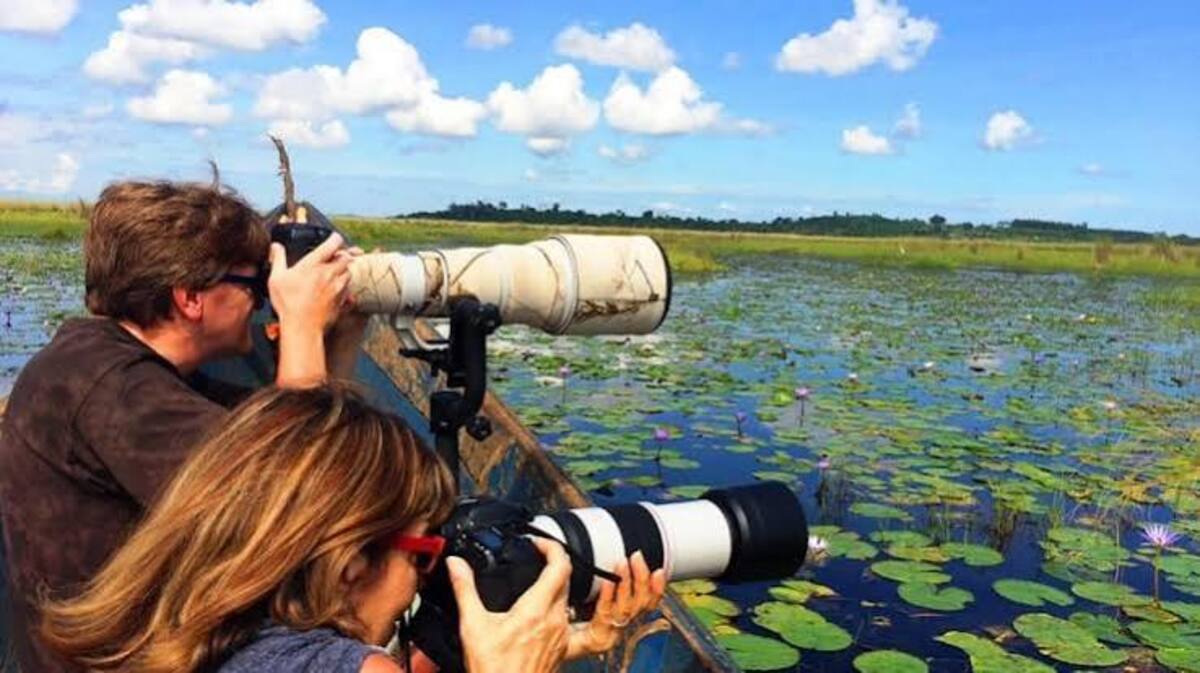
Photography Safari in Uganda
Essential Camera Equipment for a Uganda Photography Safari
Preparing the right camera equipment is important for making the most of your photography safari. Uganda offers different photography environments, from open savannah plains with bright sunlight to dense tropical forests with limited natural light.
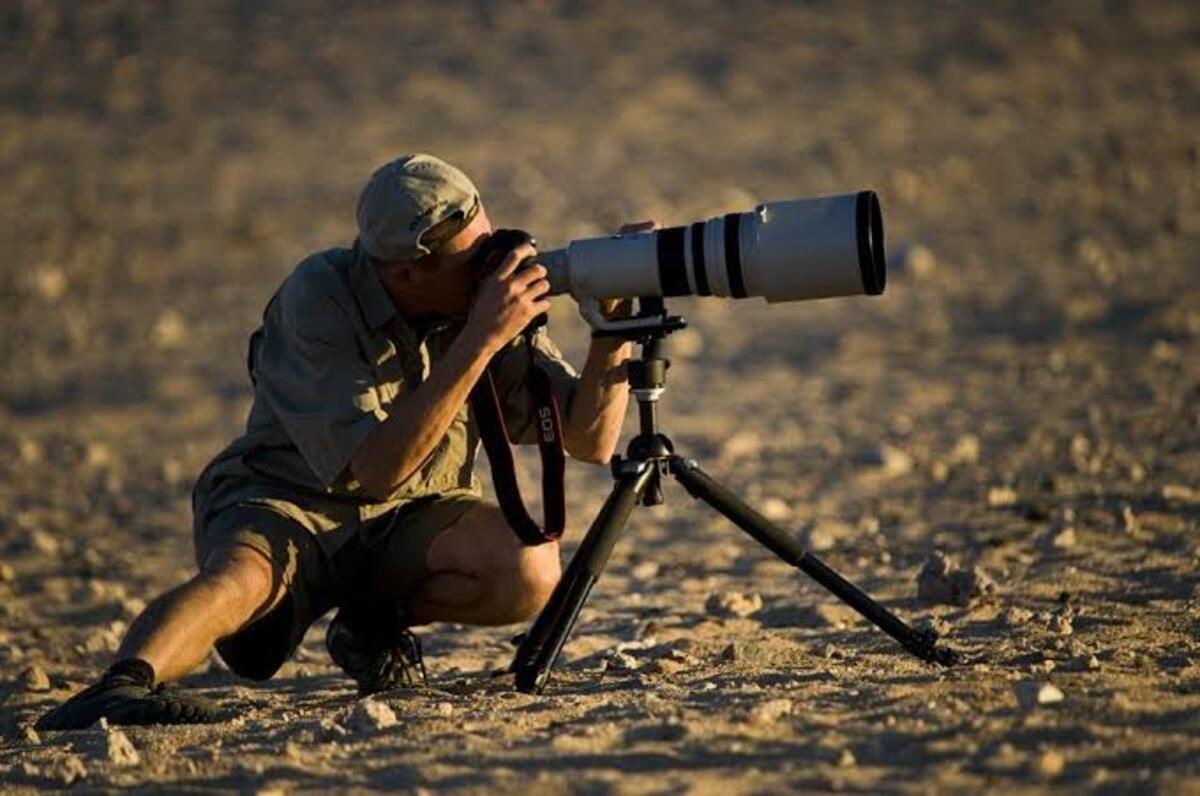
A telephoto lens, such as a 100–400mm or 150–600mm, is particularly useful for wildlife and bird photography, allowing you to capture animals from a safe and appropriate distance. A standard zoom lens, such as a 24–70mm, is useful for landscapes, cultural portraits and general safari photography, while a wide-angle lens can help capture the scale of Uganda’s forests, waterfalls and mountain scenery.
A camera with good low-light performance is especially useful during gorilla and chimpanzee trekking because forest conditions can be challenging. Carry extra batteries and memory cards, as photography days can be long and charging facilities may not always be immediately available.
Other useful accessories include a rain cover for your camera, a waterproof camera bag, a lens cleaning kit, silica gel packs and a bean bag for stabilising your camera during game drives. A monopod may also be helpful, depending on your equipment and the nature of the activity.
Tips for Getting the Best Photographs on Safari
Good wildlife photography requires patience, preparation and an understanding of animal behaviour. Early morning and late afternoon often provide the best natural lighting for wildlife and landscape photography. During these hours, the softer light can create more attractive images and reduce harsh shadows.
It is also important to understand the behaviour of the animals you want to photograph. Rather than taking pictures as quickly as possible, spend time observing your surroundings and anticipating interesting moments. Capturing animals interacting with one another, birds taking flight or elephants moving through the savannah can produce more compelling images than simple wildlife portraits.
During gorilla and chimpanzee trekking, be prepared for changing light conditions and limited space. A camera that performs well at higher ISO settings can be particularly useful in dense forest environments. Always follow the guidance of your ranger and maintain the required distance from wildlife.
Photographers should also remember to capture more than animals. Uganda’s landscapes, local communities, traditional activities and everyday scenes provide an important part of the country’s story. Combining wildlife portraits with wider environmental photographs can create a more complete record of your safari.
Choosing the Right Safari Vehicle for Photography
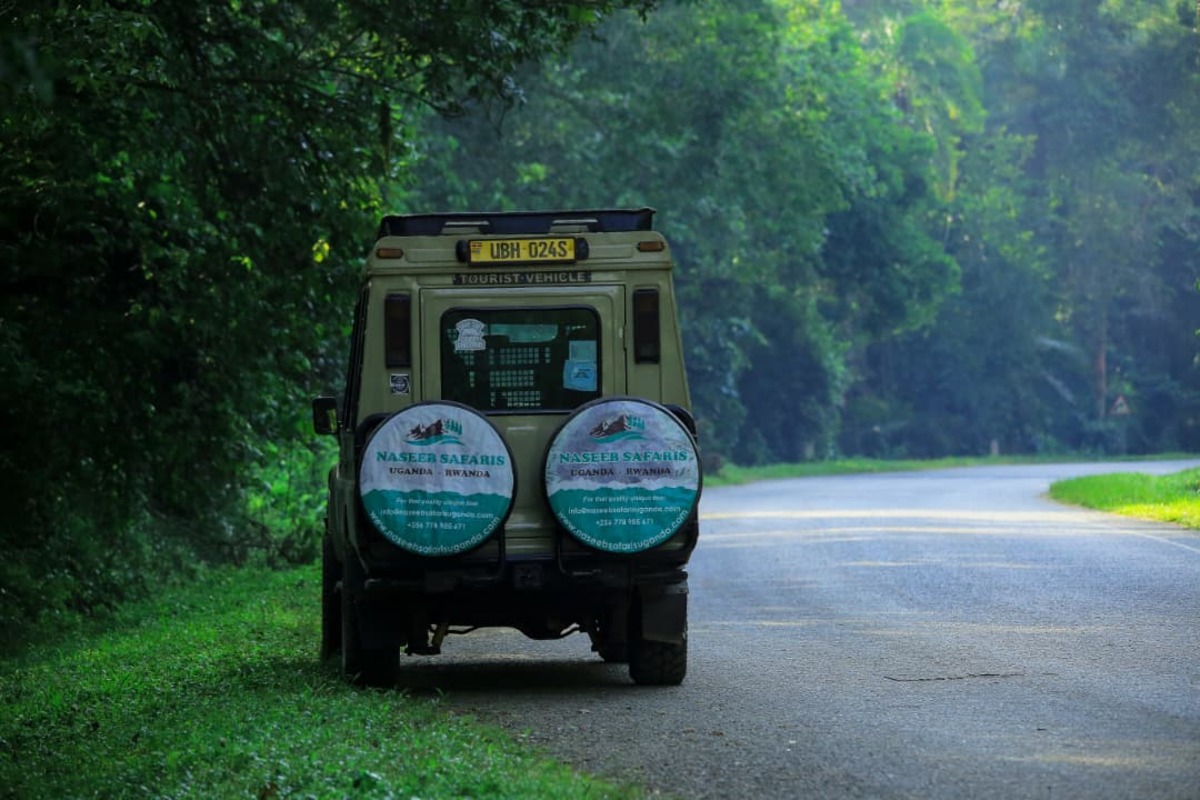
Transport is an important consideration when organising a photography safari in Uganda. A comfortable 4×4 safari vehicle with a pop-up roof provides excellent opportunities for photographing wildlife during game drives.
For private photographic safaris, we recommend a customised Land Cruiser with sufficient room for passengers, camera bags, tripods and other equipment. Having enough space is particularly important when travelling with professional photography gear.
An experienced driver-guide also makes a significant difference. A guide who understands wildlife behaviour and the needs of photographers can help position the vehicle for better viewing angles, identify suitable photographic opportunities and allow additional time when an interesting wildlife encounter takes place.
At Naseeb Safaris, we organise private safari arrangements that allow photographers greater flexibility than conventional group departures.
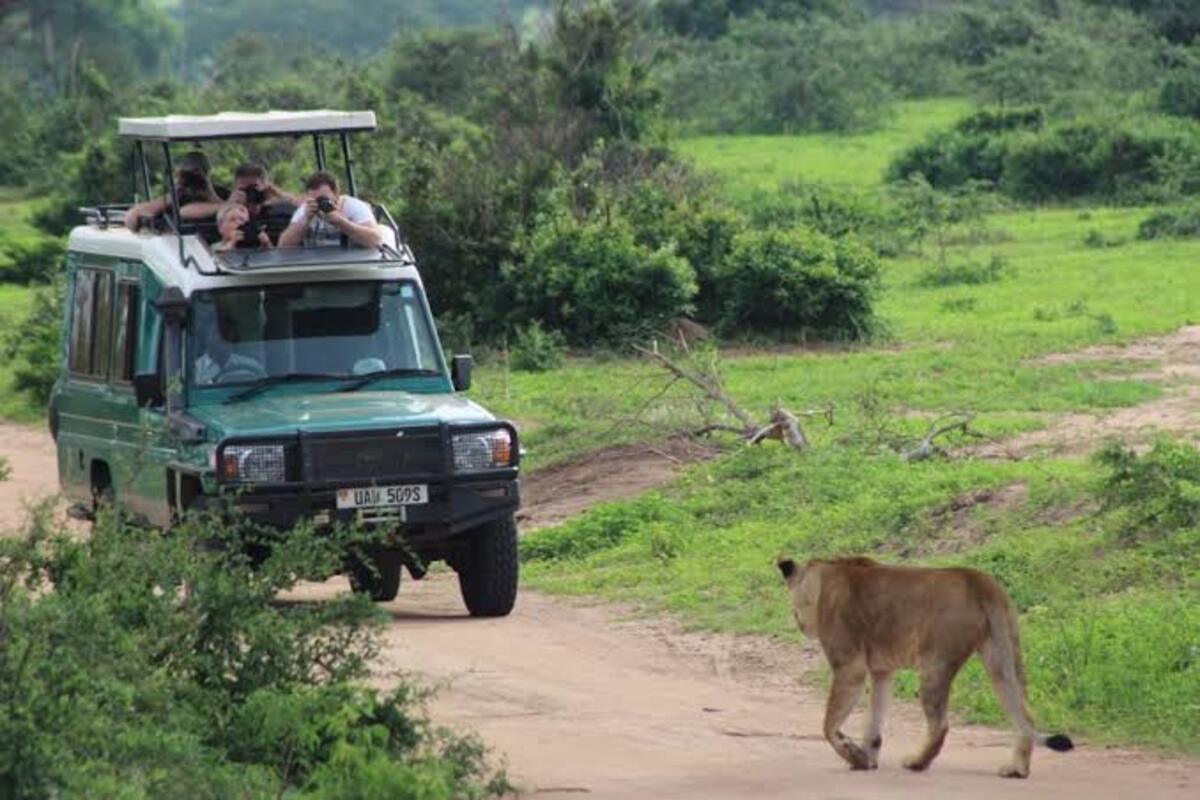
Tourists taking a photo of a lion
How Much Does a Photography Safari in Uganda Cost?
The cost of a photography safari in Uganda depends on the number of travel days, destinations, accommodation category, transportation arrangements and activities included in the itinerary.
A budget safari generally uses simpler accommodation and focuses on essential wildlife experiences. Mid-range photographic safaris offer comfortable lodges, private transport and greater flexibility during game drives. Luxury photography safaris include premium accommodation, private vehicles and personalised arrangements.
Gorilla trekking permits and chimpanzee permits are additional considerations when planning a primate photography safari. These permits should be secured well in advance, particularly during busy travel periods.
At Naseeb Safaris, we prepare tailor-made quotations based on each traveller’s interests, preferred accommodation and photography requirements. This allows us to create an itinerary that balances photographic opportunities, comfort and overall safari costs.
Sample Uganda Photography Safari Itinerary
A well-planned photography safari can combine Uganda’s most rewarding wildlife and landscape destinations. An itinerary of approximately 10 to 14 days can include several different ecosystems without making the journey unnecessarily rushed.
A possible route could begin in Murchison Falls National Park, where you can photograph elephants, giraffes, lions, birds and the spectacular River Nile. Continue to Kibale Forest for chimpanzee tracking and forest photography before exploring Queen Elizabeth National Park for savannah wildlife, tree-climbing lions and boat-based photography along the Kazinga Channel.
The journey can then continue to Bwindi Impenetrable National Park for mountain gorilla photography, followed by a relaxing stay at Lake Bunyonyi or Lake Mutanda to capture the beautiful scenery of southwestern Uganda.
The itinerary can be extended to include Kidepo Valley National Park, Mgahinga Gorilla National Park, Lake Mburo or other destinations depending on your available time and photography interests.
Book a Private Photography Safari in Uganda with Naseeb Safaris
A photography safari in Uganda is more than an opportunity to take beautiful pictures. It is a chance to experience the country’s extraordinary wildlife, explore its diverse landscapes and connect with its rich cultural heritage.
Whether you dream of photographing mountain gorillas in Bwindi, chimpanzees in Kibale, tree-climbing lions in Queen Elizabeth National Park, elephants along the Nile in Murchison Falls or the dramatic scenery of Lake Mutanda, Uganda offers something special for every photographer.
As a locally owned and Uganda-based safari company, Naseeb Safaris specialises in private and tailor-made safaris across Uganda and Rwanda. We understand the importance of flexibility, comfortable transport and knowledgeable local guides when planning a photography-focused journey.
Contact Naseeb Safaris to plan your Uganda photography safari. Share your preferred destinations, photography interests and travel dates, and we will help create a personalised itinerary that allows you to experience and capture the best of the Pearl of Africa.