
Chimpanzee Habituation Experience in Uganda Kibale Forest
Chimpanzee Habituation Experience in Uganda Kibale Forest, Seeing chimpanzees in Kibale National Park is one thing. Following a community through the forest for several hours, watching how its members feed, travel, communicate and settle into the day, is something quite different.
The Chimpanzee Habituation Experience (CHEX) is designed for travellers who want more time with these wild primates than a standard chimpanzee trek allows. Instead of following a fully habituated community for a maximum of one hour of viewing, visitors follow a community that is still becoming accustomed to human presence. Uganda Wildlife Authority (UWA) sets the habituation experience from an early-morning start, with up to four hours of viewing once the chimpanzees are located.
It is a rewarding experience, but it is also a long day in a rainforest. The chimpanzees decide the pace, not the visitor.
What is chimpanzee habituation?
Habituation is the gradual process through which wild chimpanzees become accustomed to the presence of people without being tamed or domesticated.
Researchers and trackers spend time with the community repeatedly, learning individual animals, social relationships and movement patterns while the chimpanzees gradually become more tolerant of human observers.
This is the key difference from standard chimpanzee tracking.
During ordinary tracking, visitors search for an established habituated community and have a maximum of one hour with the chimpanzees after finding them. During habituation, the community is still undergoing this process, so its behaviour can be less predictable. UWA’s current guidelines allow up to four hours of viewing for the habituation experience.
That extra time does not guarantee more dramatic behaviour or better photographs. What it offers is a longer window into the animals’ ordinary lives.
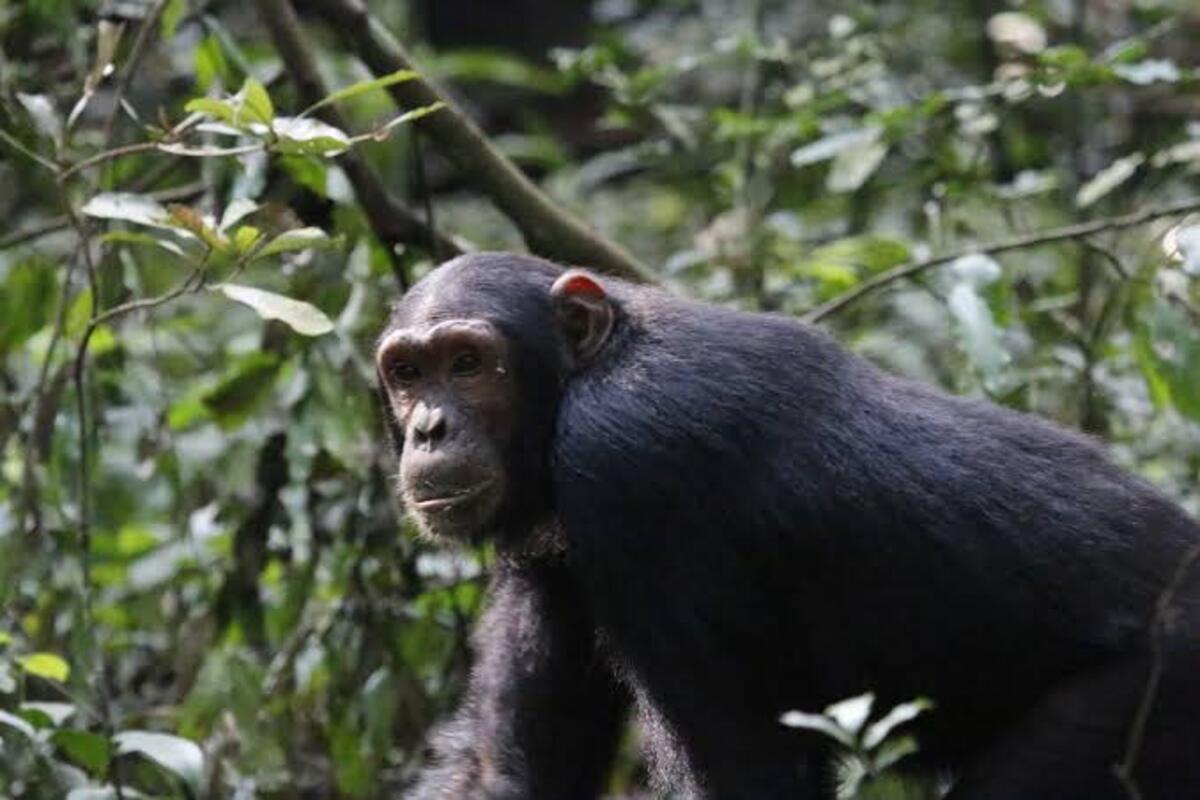
A chimpanzee moving through Kibale’s canopy
Where is chimpanzee habituation done in Uganda?
For travellers, Kibale National Park is the main destination for the Chimpanzee Habituation Experience.
The activity operates around the Kanyanchu area, within one of Uganda’s best-known primate forests. The park protects a 766-square-kilometre forest and supports a remarkable range of primates.
The experience feels very different from a savannah safari. There are no open plains where you scan the horizon from a vehicle. Instead, you walk beneath tall forest trees, listen for chimpanzee calls and search through layers of leaves and branches.
Kibale also fits naturally into a longer western Uganda itinerary, particularly with Queen Elizabeth National Park and, on a longer trip, Bwindi Impenetrable National Park.
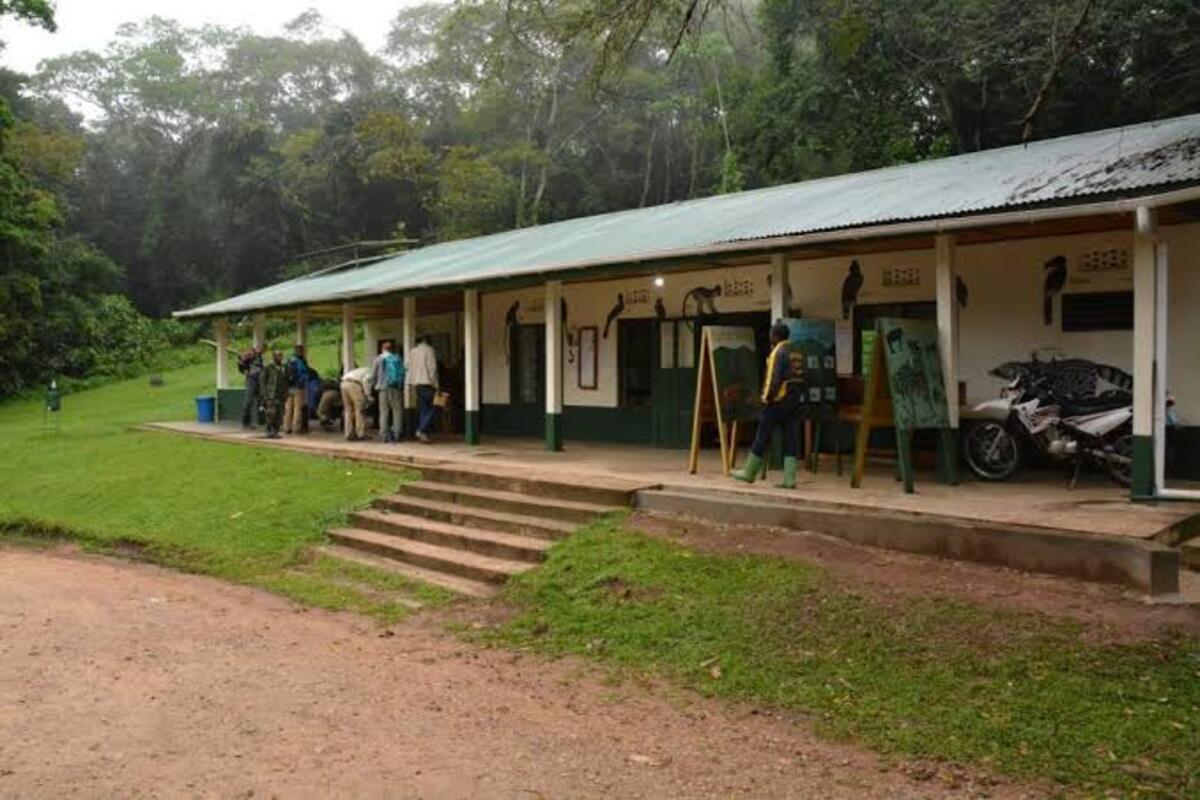
Kanyanchu Visitors centre
What is a full day of chimpanzee habituation like?
The day begins early. UWA’s guidelines specify a 6:30am start for chimpanzee habituation.
After the briefing, you enter the forest with your guide and trackers. The first task is locating the chimpanzee community.
Early in the morning, the animals may still be moving from their overnight nests. As the day progresses, they may feed, travel, groom, rest, communicate or move between the forest floor and canopy.
Some periods are active. Others are surprisingly quiet.
A chimpanzee may disappear behind dense vegetation just as you begin watching it. The trackers then listen for calls or look for movement and signs that indicate where the group is heading.
This is where patience matters. You are not moving from one viewing point to another according to a timetable. You are following wild animals through their environment.
By later afternoon, activity can change again as the chimpanzees settle into their routines and eventually select trees for their night nests.
The exact sequence varies from day to day.
How long do you spend with the chimpanzees?
The habituation experience is intended to occupy most of the day, but it is important to distinguish time in the forestfrom time actually watching chimpanzees.
Chimpanzee habituation takes up to four hours of viewing after the chimpanzees are located. The activity itself begins at 6:30am and continues until visitors return for debriefing.
What might you see?
Chimpanzees are highly social, so a longer encounter can reveal behaviour that is easy to miss during a short trek.
Depending on the day, you may see:
- feeding and foraging
- grooming
- travelling through the forest
- playing
- resting
- vocalising and communicating
- individuals moving through the canopy
- nest-building towards the end of the day
There is no guarantee that any particular behaviour occurs.
A chimpanzee sitting quietly in a tree is still a valuable sighting. In fact, some of the most interesting observations come from simply watching how individuals interact with one another rather than waiting for constant action.
Recent research reporting from Kibale also highlights the complexity of chimpanzee social relationships, including territorial behaviour and interactions between neighbouring communities.
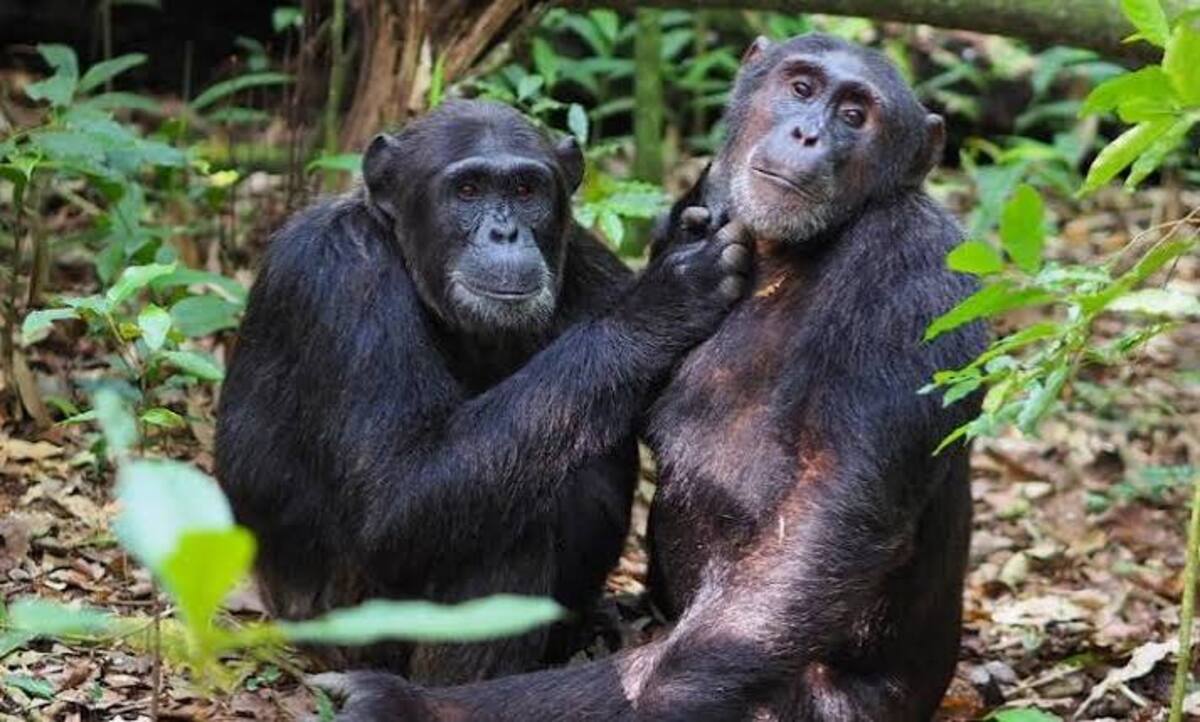
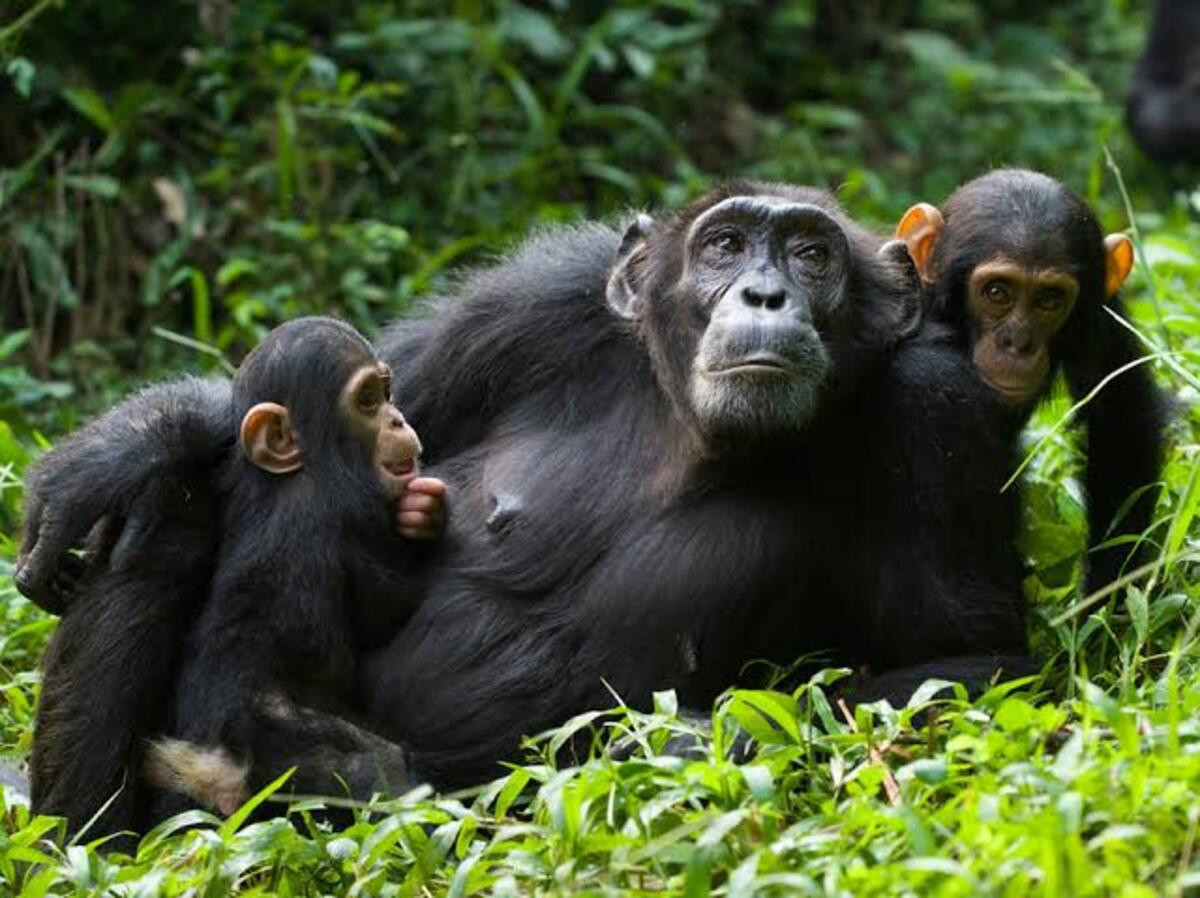
Chimpanzees grooming in Kibale
Is chimpanzee habituation physically difficult?
You do not need mountaineering experience, but you should be comfortable spending several hours walking in uneven rainforest terrain.
Expect exposed roots, mud, vegetation, slippery ground after rain and occasional sections where following the chimpanzees takes you away from the easiest paths.
There can also be a rhythm of walking, stopping, waiting and walking again.
A reasonable level of fitness makes the experience much easier. If you have mobility limitations, discuss them before booking. A rainforest wildlife experience cannot offer the same accessibility as a conventional attraction.
A local porter can also be useful if you want help carrying your day pack or navigating more difficult sections.
What should you pack?
Kibale is rainforest, so even a dry-looking morning does not guarantee a dry day.
Bring:
- sturdy hiking shoes or boots with good grip
- long trousers and a lightweight long-sleeved shirt
- waterproof jacket or poncho
- drinking water
- packed lunch and snacks
- insect repellent
- sunscreen
- binoculars
- waterproof protection for camera and phone
- a small day pack
For photography, a zoom lens is generally more practical than carrying several heavy lenses. Chimpanzees may be high in the canopy, partly hidden by leaves or moving quickly between trees.
Avoid flash photography and follow the instructions of the guides.
When is the best time for chimpanzee habituation?
Chimpanzee habituation takes place throughout the year. UWA notes that chimpanzees can be easier to track during rainy periods because food can be more readily available, while in drier periods they may move deeper into the forest in search of food.
For visitors, the trade-off is straightforward.
Drier months can make walking more comfortable, with less mud on some trails. Wetter months can mean rain and slippery ground, but the forest is productive and conditions can favour shorter movements by the chimpanzees.
There is no month that guarantees a better encounter.
If chimpanzee habituation forms part of a wider Uganda safari, I recommend choosing your overall travel dates first rather than assuming one particular month guarantees superior chimpanzee sightings.
How much does chimpanzee habituation cost?
Currently Chimpanzee habituation is at $300 and effective 1st January 2027, it will cost $400 for foreign non-residents. The tariff states that the rate includes the guide fee and park entrance fees, with four hours of chimpanzee viewing.
Because tariff periods change, travellers visiting should always confirm the applicable rate before paying for permits.Your safari budget also needs to cover accommodation, transport, meals and any additional activities.
How far in advance should you book?
If chimpanzee habituation is an important part of your trip, arrange the permit before finalising the rest of the itinerary.
This is particularly sensible during busy safari periods such as July, August and September, when accommodation and popular activities can become more difficult to secure.
The simplest approach is to confirm the habituation date first, then build your Kibale accommodation and onward journey around it.
Can you combine habituation with gorilla trekking?
Yes. Kibale works particularly well in a western Uganda primate itinerary.
A route might combine:
Kibale → Queen Elizabeth National Park → Bwindi
This gives you the opportunity to experience chimpanzees in the rainforest before moving into the Albertine Rift forests for mountain gorilla trekking.
Avoid making the itinerary unnecessarily tight. After spending most of a day following chimpanzees, a long road transfer can feel exhausting. An extra night around an important activity often makes a safari more comfortable.
Responsible chimpanzee habituation
Habituation does not make chimpanzees tame. They remain powerful, intelligent and unpredictable wild animals.
Visitors should:
- follow the ranger and research team’s instructions
- never feed or touch chimpanzees
- never attempt to attract an animal for a photograph
- maintain the required viewing distance
- avoid flash photography
- avoid entering the forest when ill and follow health guidance
- keep noise to a minimum
These precautions protect both people and chimpanzees. Great apes are susceptible to human diseases, making responsible behaviour particularly important.
Is chimpanzee habituation right for you?
CHEX is worth considering if you have a genuine interest in primate behaviour and are happy to spend most of a day walking, waiting and watching.
It is less suitable if your main objective is simply to see chimpanzees quickly. Standard tracking is shorter and may be the better choice for travellers with limited time.
The most important expectation is this: more time does not mean guaranteed action.
You may walk a considerable distance, spend time looking into the canopy or wait while the animals disappear into vegetation. That uncertainty is part of observing wildlife on its own terms.
Frequently Asked Questions
Is chimpanzee habituation available all year?
Yes. UWA states that chimpanzee habituation and tracking take place throughout the year.
Are chimpanzee sightings guaranteed?
No. Experienced trackers greatly improve the chances of finding chimpanzees, but they remain wild animals and their movements cannot be guaranteed.
What is the difference between habituation and chimpanzee tracking?
Standard tracking offers a maximum of one hour of viewing once the chimpanzees are found. Habituation allows up to four hours of viewing and follows a community that is still becoming accustomed to human observers.
Can children take part?
The activity involves a long day in the forest. Families should consider a child’s age, fitness and ability to cope with prolonged walking, and confirm the current age requirements before booking.
Is chimpanzee habituation good for photographers?
It can be, particularly because the longer experience gives more opportunities to observe behaviour. However, chimpanzees may be high in the canopy or partly concealed by foliage, so photography still requires patience and suitable equipment.
Can I combine chimpanzee habituation with gorilla trekking?
Yes. Kibale and Bwindi can form part of the same Uganda safari, with Queen Elizabeth National Park often providing a natural wildlife stop between them.
A different way to experience Kibale’s chimpanzees
Chimpanzee habituation rewards patience more than speed.
The experience is not about arriving in the forest, taking a few photographs and moving on. It gives you time to watch the forest’s rhythm change around the chimpanzees: feeding, travelling, socialising, resting and eventually preparing for another night in the trees.
For travellers who are genuinely interested in primates, that extra time can make Kibale feel less like a wildlife viewing stop and more like an opportunity to understand how these animals live.
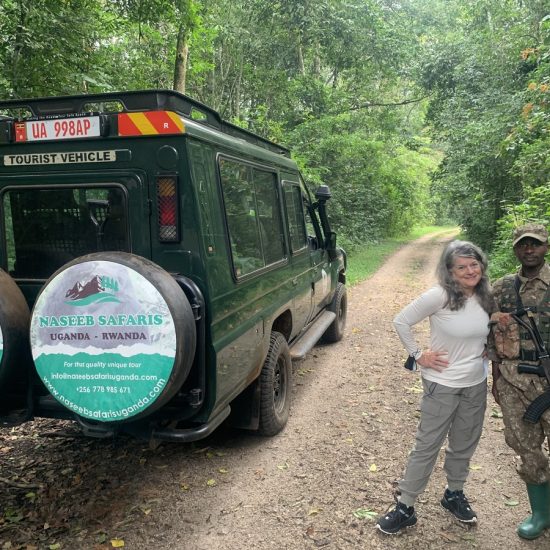
If you are considering the Chimpanzee Habituation Experience as part of a wider Uganda safari, Naseeb Safaris can help you work out the practical details, from permits and accommodation to transport and combining Kibale with Queen Elizabeth, Bwindi or other destinations, around your interests and travel dates.