
Process of Booking Gorilla Trekking Permits in Uganda
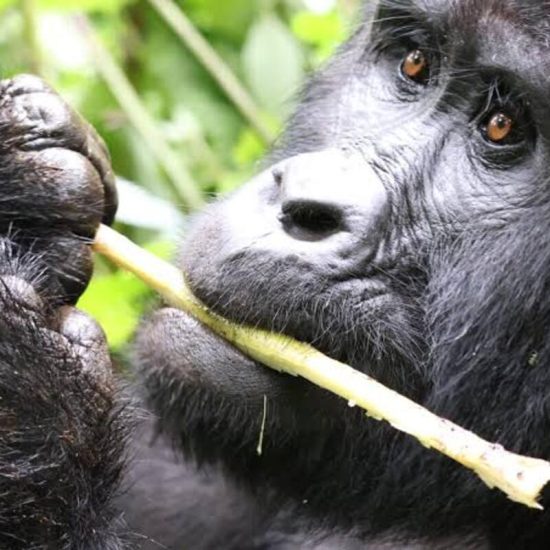
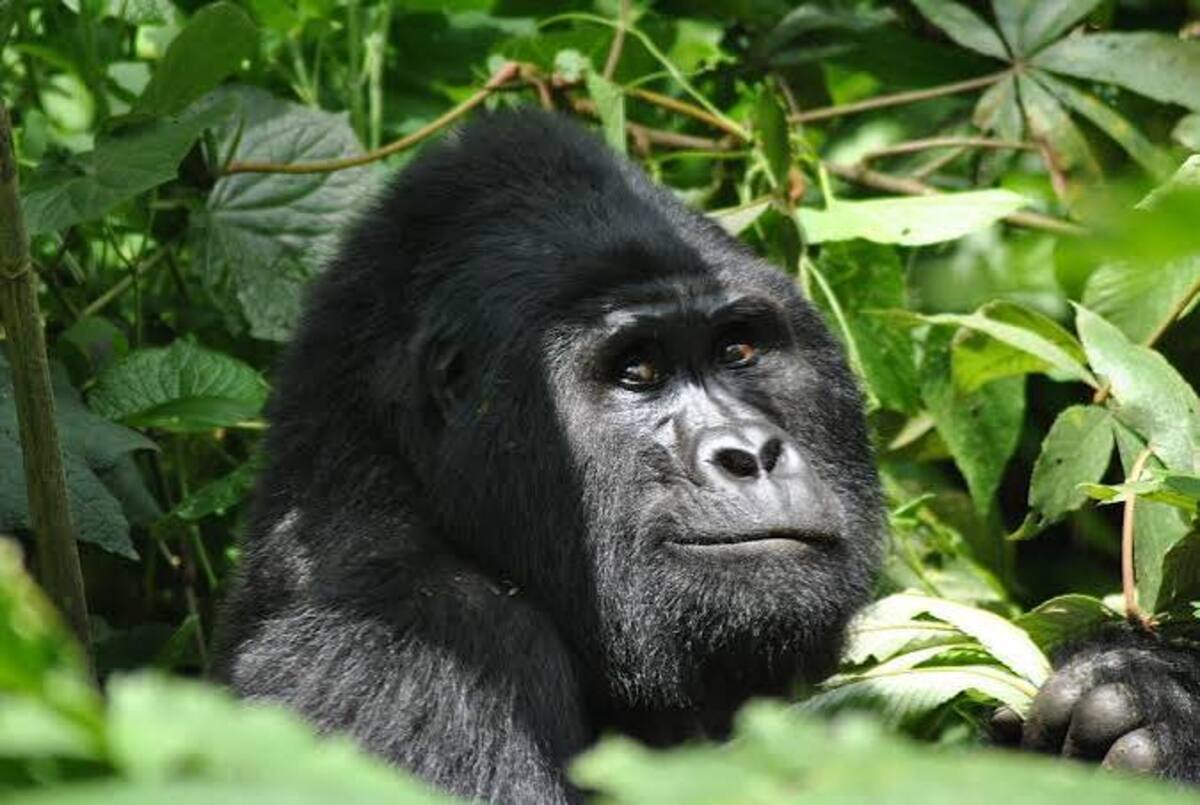
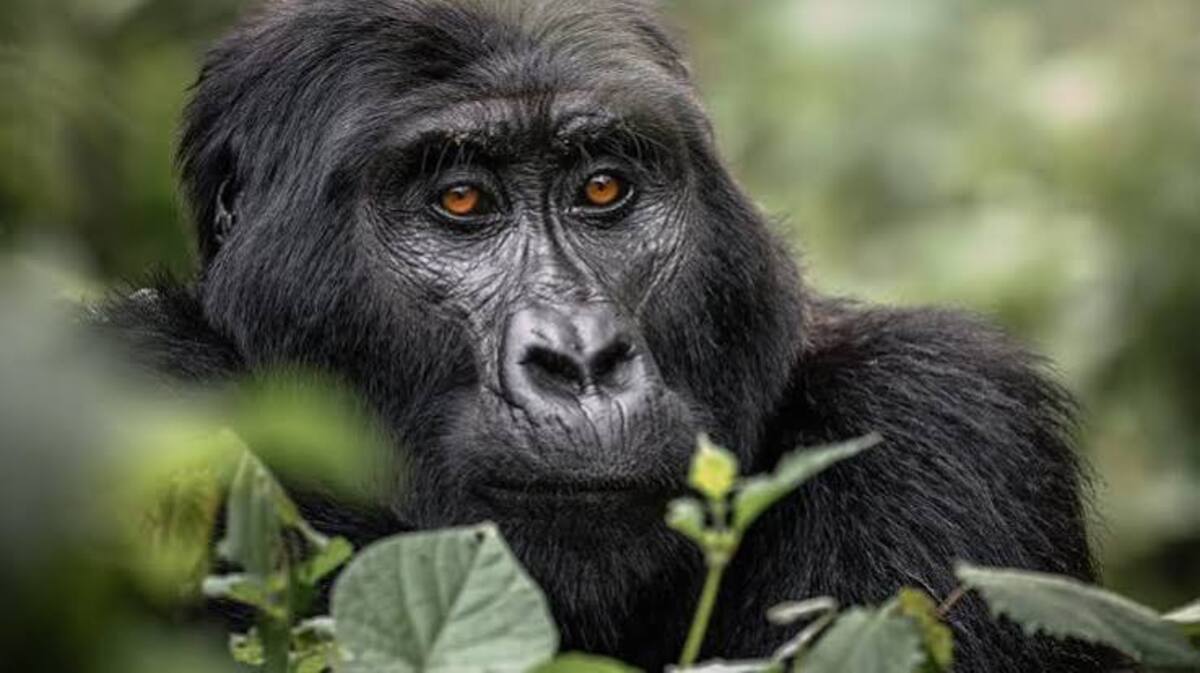
Process of Booking Gorilla Trekking Permits in Uganda, For many travellers, gorilla trekking is the moment that defines a journey to Uganda. After hours of walking through ancient rainforest, guided by experienced trackers, the forest suddenly falls quiet. A rustle in the undergrowth reveals a gorilla family feeding, resting, or grooming one another, unaware or seemingly unconcerned by the small group of visitors observing from a respectful distance.
That experience begins long before you lace up your hiking boots. It starts with securing a gorilla trekking permit.
Because the number of visitors allowed to see mountain gorillas each day is strictly limited, permits are one of the most important parts of planning a Uganda safari. They determine when you can trek, which part of the forest you’ll visit, and often the order in which the rest of your itinerary is built.
If you are planning your first gorilla safari, this guide explains how permits work, what they include, how much they cost, when to book, and the practical details that help you avoid common planning mistakes.
What Is a Gorilla Trekking Permit?
A gorilla trekking permit is an official authorization issued by the Uganda Wildlife Authority (UWA) that allows one person to join a guided trek to visit a habituated mountain gorilla family.
Without a valid permit, it is not possible to participate in gorilla trekking in Uganda.
Each permit includes:
- Entry to the park for your scheduled trek
- An assigned habituated gorilla family
- Services of professional Uganda Wildlife Authority ranger guides and trackers
- One hour with the gorillas after they are located
- A contribution toward wildlife conservation and protected area management
Rather than functioning as a simple entrance ticket, the permit is part of a carefully managed conservation system that limits the number of people visiting gorillas each day.
Why Are Gorilla Trekking Permits Required?
Many first-time visitors are surprised by both the cost of a permit and the strict booking process. The reason is straightforward: mountain gorillas remain an endangered species, and tourism is carefully managed to protect them.
Permit regulations help balance conservation with tourism by limiting human impact while generating revenue that supports long-term protection of the species.
Protecting Gorilla Families
Habituated gorillas are accustomed to the presence of researchers and carefully managed visitor groups, but they are still wild animals.
Restricting the number of daily visitors helps reduce disturbance and allows the gorillas to continue their natural behaviour with minimal disruption.
Reducing the Risk of Disease
Mountain gorillas are highly susceptible to many human respiratory illnesses.
Even a common cold can pose a serious health risk to a gorilla family.
By limiting visitor numbers, enforcing health regulations, and maintaining viewing distances, Uganda reduces the likelihood of disease transmission.
Supporting Conservation
Permit fees play an important role in financing conservation initiatives across Uganda’s gorilla parks.
Revenue contributes to:
- ranger patrols
- anti-poaching operations
- veterinary care
- habitat protection
- scientific monitoring
- community conservation programmes
This funding has helped support one of Africa’s most closely monitored wildlife conservation efforts.
Creating a Better Visitor Experience
The permit system also benefits travellers.
Instead of large crowds surrounding wildlife, each gorilla family is visited by only a small group once per day. That creates a quieter, more respectful encounter and gives everyone space to observe the animals without feeling rushed.
Where Can You Use a Gorilla Trekking Permit?
Uganda has two national parks where mountain gorilla trekking takes place.
Both follow the same permit system, although the scenery, trekking conditions, and atmosphere differ slightly.
Bwindi Impenetrable National Park
Most visitors choose Bwindi because it protects one of the largest populations of mountain gorillas anywhere in the world.
Rather than operating from a single entrance, the park is divided into four trekking sectors.
Each permit is issued for one specific sector, making it important to book accommodation nearby.
Buhoma
Located in the northern part of the park, Buhoma is the oldest trekking area and remains one of the most established. It offers a good range of lodges and community tourism experiences.
Ruhija
Ruhija sits at higher elevation and often attracts travellers looking for quieter trekking routes and sweeping views across the surrounding hills.
Rushaga
Rushaga has the greatest number of habituated gorilla families, which generally means more daily permits are available here than in other sectors.
Nkuringo
This southern sector is known for its steep terrain and rewarding mountain scenery. Treks here can be physically demanding, although the actual difficulty varies depending on where the gorillas are located on the day.
Mgahinga Gorilla National Park
Uganda’s second gorilla trekking destination offers a very different setting.
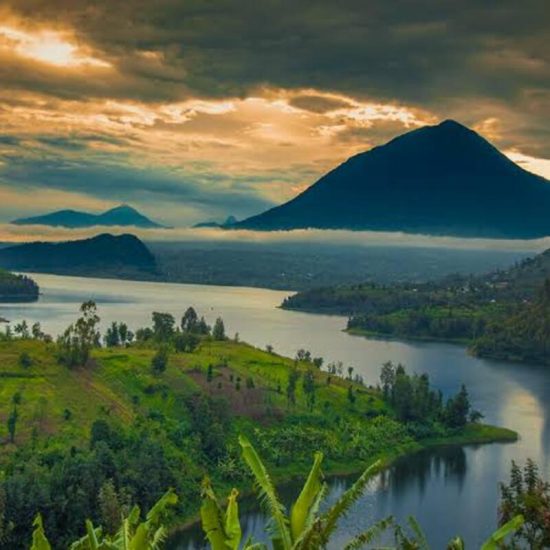
Located beneath the Virunga Volcanoes in the country’s southwest, Mgahinga Gorilla National Park receives fewer visitors than Bwindi and is home to only the well-known Nyakagezi gorilla family.
Travellers often choose this park because of:
- smaller visitor numbers
- volcanic landscapes
- opportunities to combine trekking with volcano hikes
- golden monkey trekking
- cultural experiences linked to the Batwa community
Although the atmosphere differs, the permit system and trekking regulations remain exactly the same.
How Much Does a Gorilla Trekking Permit Cost?
Permit prices are set by the Uganda Wildlife Authority and may change over time.
Currently, the official rates are:
| Visitor Category | Permit Price |
| Foreign Non-Residents | USD 800 |
| Foreign Residents | USD 700 |
| East African Citizens | UGX 300,000 |
Because permit fees can be revised, it’s always worth confirming the current rate before making travel plans.
While the price may appear high compared with many other wildlife activities, it reflects the cost of protecting one of the world’s rarest great apes while limiting tourism to sustainable levels.
What Does the Permit Fee Include?
One of the most common misconceptions is that a permit only covers access to the forest.
In reality, it includes several essential parts of the experience.
Your permit covers:
- Park entry for gorilla trekking
- Uganda Wildlife Authority ranger guides
- Professional trackers locating the gorilla family
- Security where required
- Conservation fees
- One hour with a habituated gorilla family
What Isn’t Included?
You will still need to budget separately for:
- accommodation
- transport
- meals
- porter fees
- gratuities
- personal travel insurance
- drinks and personal purchases
Many travellers book these elements together as part of a guided safari, but they can also be arranged individually depending on your travel style.
Why Are Gorilla Permits So Expensive?
This question comes up almost every time someone begins researching gorilla trekking.
The answer lies in conservation rather than tourism.
Protecting mountain gorillas requires year-round investment long after visitors have gone home.
Permit revenue helps support:
Daily Ranger Patrols
Rangers monitor protected forests, deter illegal activities, and safeguard both wildlife and visitors.
Veterinary Care
Specialist veterinary teams monitor gorilla health and respond when animals require medical intervention.
Habitat Protection
The forests where mountain gorillas live require continuous protection from encroachment, illegal logging, and other environmental pressures.
Community Conservation
Many neighbouring communities benefit from responsible tourism through employment, infrastructure projects, and conservation revenue sharing.
When local livelihoods are linked to wildlife protection, conservation becomes more sustainable over the long term.
Scientific Research
Researchers continue monitoring gorilla populations, behaviour, health, and habitat to support future conservation decisions.
For many travellers, understanding where the permit fee goes changes the way they view the experience. Rather than paying simply to see wildlife, visitors are helping support one of Africa’s best-known conservation programmes.
How Many Gorilla Permits Are Available Each Day?
Permit numbers are intentionally limited.
Each habituated gorilla family can be visited by:
- one trekking group per day
- a maximum of eight visitors
This restriction reduces pressure on the animals while giving visitors a quieter, more personal wildlife encounter.
For example, if a trekking sector has ten habituated gorilla families available for tourism, only 80 permits can be issued for that sector on that particular day.
Because availability is limited, demand often exceeds supply during the busiest travel months.
When Should You Book a Gorilla Permit?
One of the most common planning mistakes is leaving permit reservations until flights and accommodation have already been booked.
It’s usually better to secure your permit first and build the rest of your itinerary around it.
As a general guide:
Peak Season
Travel between June and September or December and February?
Aim to book 6 to 12 months in advance.
Shoulder Season
For travel outside the busiest months, booking 3 to 6 months ahead is often sufficient.
Last-Minute Travel
Occasionally, permits remain available at short notice, but flexibility is essential. You may need to adjust your travel dates, trekking sector, or accommodation depending on availability.
How Does the Gorilla Permit Booking Process Work?
Securing a gorilla permit is usually the first major step in planning your safari. Because availability is limited and permits are issued for specific dates and trekking sectors, many travelers arrange their permit before confirming flights or accommodation.
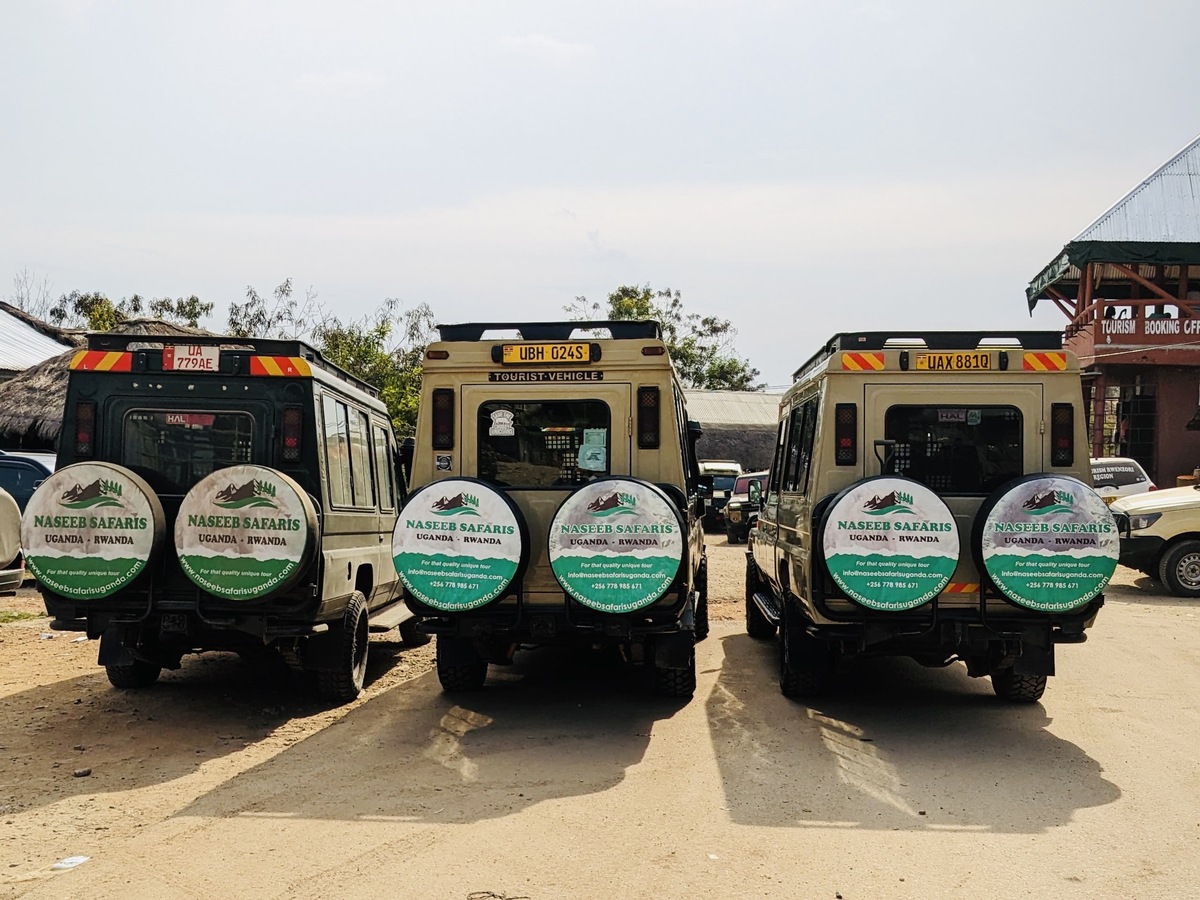
If you’re booking through a licensed safari operator such as Naseeb Safaris, the process is straightforward.
Step 1: Choose Your Travel Dates
Begin by deciding when you want to visit Uganda.
If your travel dates are flexible, your safari planner can often suggest periods with better permit availability or recommend alternative trekking sectors if your first choice is already full.
Internal link suggestion: Best Time to Visit Uganda
Step 2: Check Permit Availability
Your tour operator contacts the Uganda Wildlife Authority to check which permits remain available for your preferred dates.
Availability changes daily, especially during the dry seasons when demand is highest.
At this stage, it’s also important to decide which trekking sector best fits your itinerary, accommodation preferences, and travel plans.
Step 3: Reserve the Permit
Once availability has been confirmed, your permit is temporarily held while payment arrangements are completed.
Because demand is high, reservations are usually only held for a limited period before they are released back into the system if payment is not received.
Step 4: Make Payment
After payment has been received and processed, the permit is officially secured.
Most safari companies will provide confirmation along with your itinerary and accommodation details.
Step 5: Final Confirmation
Before your arrival, your operator will confirm:
- your trekking date
- your assigned trekking sector
- accommodation location
- transport arrangements
- pre-trek information and packing advice
By the time you arrive in Uganda, every logistical detail should already be in place.
Can You Book a Gorilla Permit Yourself?
This is a common question among independent travelers.
While the Uganda Wildlife Authority issues all gorilla permits, most international visitors secure them through a licensed Ugandan tour operator, which is the simplest and most practical approach.
Working with a reputable operator offers several advantages:
- faster availability checks
- assistance with payment
- accommodation matched to the correct trekking sector
- coordinated road or air transfers
- support if travel plans change
Since accommodation is spread across different areas of the park, having permits and lodging arranged together helps avoid long early-morning transfers on trekking day.
What Happens on the Day of Your Gorilla Trek?
Knowing what to expect helps many first-time visitors feel more confident before the experience.
Although each trek unfolds differently, the morning generally follows a similar schedule.
Early Morning Registration
Most trekkers arrive at the park headquarters between 7:00 and 8:00 a.m. with a calm welcome cultural dance from the local communities.
After registration, Uganda Wildlife Authority staff check permits and provide a briefing about the day’s activities.
During the briefing you’ll learn about:
- gorilla behaviour
- park history
- conservation rules
- health protocols
- photography guidelines
- what to expect during the hike
Group Allocation
Visitors are divided into small groups and assigned a specific gorilla family.
Park staff try, where possible, to match groups according to factors such as:
- age
- general fitness
- mobility
- special requests
This helps create a more comfortable experience, although gorilla movements can never be predicted with certainty.
Entering the Forest
After a short drive or, in some sectors, directly from the briefing point, you begin walking with your guides
The forest changes constantly as you move deeper beneath the canopy.
Bird calls echo overhead, insects buzz through the undergrowth, and the occasional crack of branches may signal monkeys moving through the trees. Your guides pause frequently to listen for radio updates from trackers who left earlier that morning.
Some treks reach the gorillas surprisingly quickly.
Others require patience, steady walking, and occasional climbs through dense vegetation before the trackers locate the family.
The Gorilla Encounter
Once the gorillas are found, backpacks are left behind, cameras are prepared, and visitors quietly approach on foot.
From this point, you have one hour with the gorilla family.
During that time you may watch:
- infants playing
- mothers caring for young
- juveniles climbing vines
- silverbacks feeding or resting
- family members grooming one another
Because these are wild animals, every encounter is different.
Sometimes the gorillas remain in one place for most of the hour. On other occasions they continue feeding slowly through the forest, and visitors move carefully alongside them under the guidance of the rangers.
Flash photography is not permitted.
Returning to the Park Headquarters
After your allotted hour, the group quietly leaves the gorillas behind and begins the walk back.
On returning to headquarters, trekkers usually receive a certificate marking their participation.
Many visitors spend the afternoon relaxing at their lodge after what is often an active and emotionally memorable morning.
Gorilla Trekking vs Gorilla Habituation Experience
Although the names sound similar, these are two different activities.
Understanding the difference helps you choose the experience that best suits your interests.
Standard Gorilla Trekking
This is the activity most visitors choose.
It includes:
- one hour with a habituated gorilla family
- groups of up to eight visitors
- standard gorilla trekking permit
Gorilla Habituation Experience
The Gorilla Habituation Experience is available only in selected areas of Bwindi.
Instead of visiting a fully habituated gorilla family, participants accompany researchers, trackers, and rangers who are gradually helping a gorilla family become accustomed to the presence of people.
Key differences include:
- up to four hours with the gorillas
- much smaller visitor groups of 4 people
- deeper insight into conservation work
- a more physically demanding and less predictable day
The permit for the habituation experience is more expensive than a standard trekking permit, reflecting the longer time spent with the gorillas and the limited number of visitors allowed each day.
What Happens if You Need to Cancel?
Travel plans sometimes change unexpectedly, so it’s important to understand cancellation policies before booking.
The Uganda Wildlife Authority has official guidelines governing permit cancellations and refunds.
Depending on the circumstances, partial refunds may be considered in situations such as:
- serious medical emergencies
- government travel restrictions
- exceptional circumstances approved by the Uganda Wildlife Authority
Refund eligibility depends on the timing of the cancellation and the reason provided.
Policies can change, so always review the latest terms before confirming your booking.
Because gorilla permits represent a significant investment, comprehensive travel insurance is strongly recommended.
Can Gorilla Permits Be Rescheduled?
In some cases, yes.
If your travel dates change, the Uganda Wildlife Authority allows a permit to be moved to another date if availability allows and all requirements met.
Current guidelines generally allow:
- Rescheduling more than two weeks before the trekking date: usually without a rescheduling fee, subject to permit availability.
- Rescheduling within two weeks of the trek: a fee of 25% of the permit value applies.
Approval is never automatic and depends on whether permits remain available on your preferred new dates.
For that reason, it’s best to make changes as early as possible.
Who Can Go Gorilla Trekking?
Before purchasing a permit, visitors should ensure they meet the basic eligibility requirements.
These include:
Minimum Age
Participants must be 15 years or older on the day of the trek.
Physical Fitness
You don’t need to be an athlete, but you should be comfortable walking on uneven ground for several hours if necessary.
Some treks are relatively gentle, while others involve steep climbs and muddy trails.
Good Health
Anyone showing symptoms of a contagious illness may be asked not to participate.
Although this can be disappointing, the rule exists to protect mountain gorillas, which are vulnerable to many human respiratory diseases.
How to Get the Most Value from Your Gorilla Permit
A permit is one of the largest expenses of a Uganda safari, so a little preparation helps you make the most of the experience.
Stay Near Your Trekking Sector
Choose accommodation close to the sector listed on your permit.
This reduces travel time before the early morning briefing and allows for a more relaxed start to the day.
Pack for Forest Conditions
Bring:
- waterproof hiking boots
- long trousers
- lightweight long-sleeved shirt
- rain jacket
- reusable water bottle
- gardening gloves
- camera with spare battery
- small backpack
Hire a Porter
Many first-time visitors assume porters are only for people with limited fitness.
In reality, almost everyone benefits from the extra help, particularly on muddy slopes.
Hiring a porter also provides direct employment and income for local communities living near the parks.
Stay Flexible
No two treks are identical.
The gorillas decide where they spend their day, not the guides.
Approaching the experience with realistic expectations often makes it more rewarding.
Common Gorilla Permit Myths
“A permit guarantees an easy trek.”
No.
The length and difficulty of your hike depend entirely on where your assigned gorilla family is located that day.
“Permits are always available.”
Especially during June to September and December to February, permits can sell out many months in advance.
“Only young, very fit people can trek.”
Not true.
Visitors of many ages complete gorilla treks successfully every year.
If mobility is a concern, porter assistance and sedan chair services can often be arranged in advance.
“The permit fee only benefits tourism.”
A significant proportion of permit revenue supports conservation, park management, research, ranger patrols, and community development around Uganda’s protected areas.
Why Many Travellers Choose Uganda for Gorilla Trekking
Uganda offers more than a single wildlife experience.
Many itineraries combine gorilla trekking with:
- classic game drives in Queen Elizabeth National Park
- chimpanzee tracking in Kibale National Park
- boat safaris on the Kazinga Channel or the Nile
- rhino tracking at Ziwa Rhino Sanctuary
- wildlife viewing in Murchison Falls National Park
- walking safaris in Lake Mburo National Park
For travellers hoping to experience several different ecosystems in one trip, this variety makes Uganda particularly rewarding.
- Queen Elizabeth National Park Guide
- Uganda Safari Itineraries
Frequently Asked Questions
Do I need a permit to see mountain gorillas in Uganda?
Yes. Every visitor must hold a valid gorilla trekking permit issued by the Uganda Wildlife Authority.
How much time do I spend with the gorillas?
Standard trekking permits include one hour with the gorilla family once they have been located.
Can children obtain gorilla permits?
Only visitors who are 15 years or older are eligible.
Are gorilla permits refundable?
Refunds are possible only under certain circumstances and according to Uganda Wildlife Authority policies in effect at the time.
How early should I book?
For travel during the busiest seasons, booking 6 to 12 months in advance offers the best chance of securing your preferred dates and trekking sector.
Can I choose which gorilla family I visit?
Usually not.
Your gorilla family is assigned on the morning of the trek, although guides consider factors such as age and fitness when allocating groups.
Are permits transferable to another person?
Yes, permits are not issued for a specific individual and can simply be transferred to someone else without any approval.
A gorilla trekking permit is far more than permission to enter the forest. It is the foundation of a carefully managed conservation programme that protects mountain gorillas while allowing a limited number of visitors to experience them responsibly.
Understanding how permits work, when to book, what they include, and why availability is restricted, helps you plan with confidence and avoid many of the common challenges faced by first-time visitors.
If you’re considering a gorilla safari, begin with the permit. Once your trekking date is secured, everything else from accommodation and transport to the rest of your Uganda itinerary can be planned around it.
If you would like personalised advice on permit availability, choosing the right trekking sector, or designing a safari that combines gorilla trekking with Uganda’s other national parks, the team at Naseeb Safaris can help you plan an itinerary that fits your travel dates, interests, and budget.