
Where to See Mountain Gorillas in Uganda: Bwindi and Mgahinga
Where to See Mountain Gorillas in Uganda: Bwindi and Mgahinga, If mountain gorilla trekking is the main reason for your Uganda safari, choosing where to trek is one of the first decisions to make.
Uganda has two protected areas where visitors can trek mountain gorillas in their natural habitat: Bwindi Impenetrable National Park and Mgahinga Gorilla National Park. Both lie in southwestern Uganda, but they offer different landscapes, trekking areas and possibilities for combining gorilla trekking with the rest of your journey.
The distinction matters more than it might seem. In Bwindi, your choice of trekking sector affects where you stay and how you organise your transport. Mgahinga offers a smaller setting in the Virunga Mountains, with opportunities to combine gorilla trekking with golden monkey tracking and volcano hiking.
There is no universally better park. The right choice depends on your route, interests, fitness and the kind of safari you want to build around your gorilla trek.
Bwindi Impenetrable National Park
Bwindi is an ancient montane rainforest of steep hills, thick vegetation and narrow forest trails. It is home to roughly half of the world’s mountain gorilla population and is Uganda’s main gorilla trekking destination.
The first thing to understand is that Bwindi is not one single trekking area.
The park has four principal sectors:
- Buhoma
- Ruhija
- Rushaga
- Nkuringo
These areas are geographically separated, so your trekking sector matters when choosing accommodation and planning transport.
A lodge that looks close to Bwindi on a map may still be inconvenient if it is in a different sector from where your trek begins.
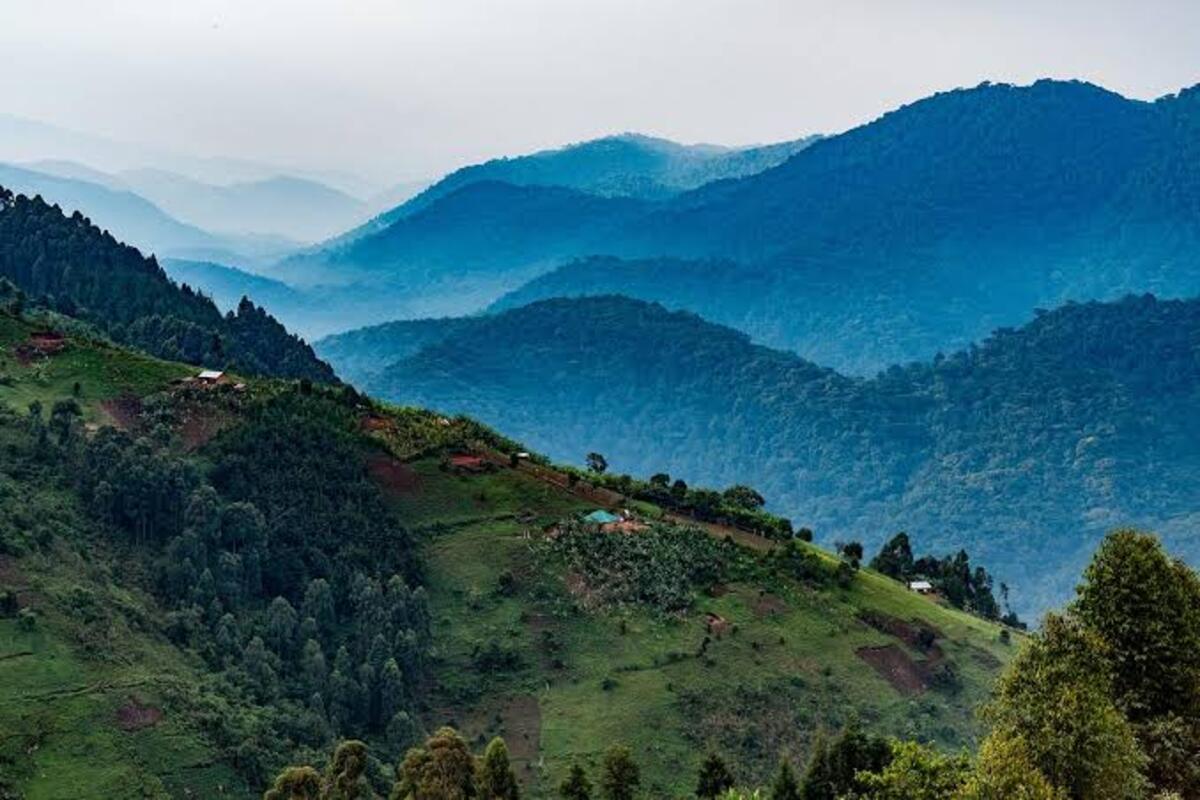
Forested hills of Bwindi
Buhoma: The original gorilla trekking sector
On the northern side of the forest, Buhoma has a long history of gorilla tourism. It was the first area of Bwindi to open for gorilla tracking in 1993 and has developed a range of accommodation and additional forest activities.
The terrain is hilly and heavily forested. However, staying near the trailhead does not mean your trek will be short. The gorilla family assigned to you determines how far you walk, and the animals can move considerably from day to day.
Buhoma can fit particularly well into itineraries that combine gorilla trekking with Queen Elizabeth National Park, especially when the journey continues towards the Ishasha area.
Visitors with additional time can also consider forest walks and birdwatching.
Ruhija: Gorilla trekking and forest birding
Ruhija lies on the eastern side of Bwindi among forested ridges and highland scenery.
It is an appealing option for travellers who want to combine gorilla trekking with birdwatching or other forest experiences. The surrounding forest provides a very different experience from Uganda’s open savannah parks.
The walking can be demanding. Steep slopes, mud and dense vegetation can affect the pace, so it is better to approach the trek as a genuine mountain hike rather than a short wildlife walk.
Ruhija also fits naturally into routes involving Kabale, Lake Bunyonyi and Queen Elizabeth National Park.
Rushaga: Southern Bwindi and gorilla habituation
Southern Bwindi’s Rushaga sector is particularly important for travellers interested in the Gorilla Habituation Experience.
Standard gorilla trekking provides up to one hour with a habituated gorilla family once the group has been located. The habituation experience allows visitors to spend up to four hours with a gorilla group that is still undergoing habituation.
The longer observation period changes the experience. Instead of having a relatively short window to observe the group, visitors have more time to watch natural behaviour such as feeding, resting, grooming and interactions between individuals.
This can be particularly appealing to wildlife photographers, primate enthusiasts and travellers who have already completed a conventional gorilla trek.
The terrain remains mountainous, however, and the walking distance cannot be predicted in advance.
Nkuringo: Mountain scenery and demanding terrain
Nkuringo sits in the southwestern part of Bwindi and is known for its elevated setting and mountainous terrain.
From suitable viewpoints, you can see across the surrounding highlands towards the Virunga volcanoes, adding another geographical dimension to the trip.
The terrain deserves serious consideration. Depending on where the gorilla family is located, a trek can involve substantial climbing and descending.
Nkuringo can therefore suit travellers who enjoy hiking, while anyone concerned about fitness or mobility should discuss the terrain before selecting this sector.
Road journeys around southern Bwindi can also take longer than distances on a map suggest. Accommodation and transport need to be planned together rather than treated as separate decisions.
Mgahinga Gorilla National Park
Southwest of Bwindi, Mgahinga Gorilla National Park occupies part of the Virunga Mountains.
The setting is different from Bwindi’s extensive rainforest. Here, the landscape rises towards volcanic peaks, with forest and bamboo covering the mountain slopes.
Mgahinga is Uganda’s smaller gorilla trekking destination with only one gorilla family known as Nyakagezi. Trekking begins around Muhabura area, which also serves as the starting point for other activities in the park like Volcano hiking.
One of Mgahinga’s advantages is the ability to combine gorilla trekking with golden monkey tracking at Ntebeko gate or volcano hiking. Mount Gahinga, Mount Sabyinyo and Mount Muhabura provide options for travellers who want to spend more time exploring the Virunga landscape.
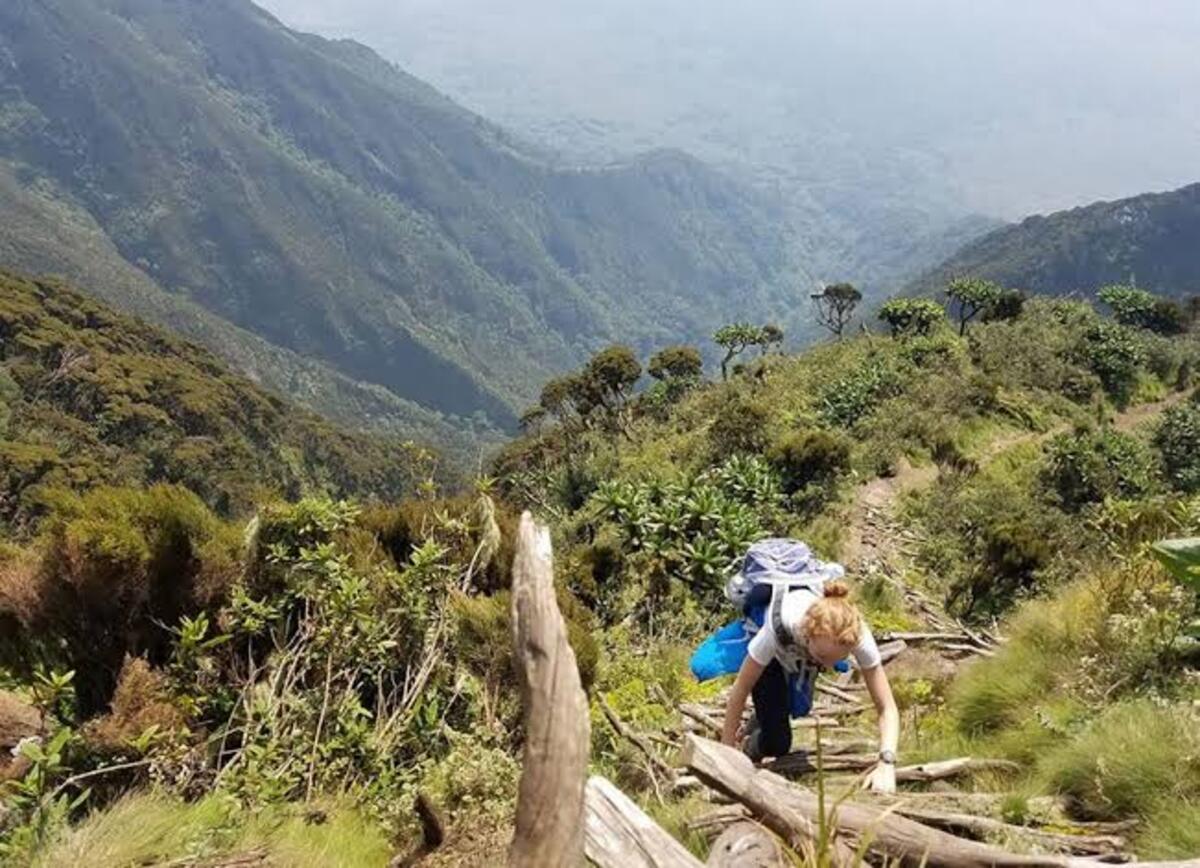
Mgahinga Volcanoes
Bwindi or Mgahinga: Which Is Better for You?
Rather than choosing based on which park sounds more impressive, look at how each one fits your safari.
Choose Bwindi if:
- You want several trekking-sector options.
- Your itinerary works naturally through Buhoma, Ruhija, Rushaga or Nkuringo.
- You want to combine gorilla trekking with particular areas of western Uganda.
- Birdwatching or forest experiences are important to you.
- You are interested in the Gorilla Habituation Experience in Rushaga.
Consider Mgahinga if:
- You prefer the Virunga volcanic landscape.
- Golden monkey tracking interests you.
- You want the option of volcano hiking.
- Your route already takes you through the Kisoro area.
Your wider itinerary is often the deciding factor. Someone combining gorilla trekking with Queen Elizabeth National Park may make a different choice from a traveller travelling through Kisoro, Lake Bunyonyi or Rwanda.
How Difficult Is Gorilla Trekking in Uganda?
Gorilla trekking requires reasonable physical fitness.
The activity requires moderate fitness and tracking can take approximately three to seven hours, depending on where the gorilla family is located.
The important point is that there is no fixed trekking distance.
A gorilla family may be relatively close to the starting point on one day and much farther into the forest on another. Terrain can also make a shorter trek feel strenuous. Steep slopes, mud, roots and dense vegetation all affect the experience.
Once the gorillas are located, standard trekking provides up to one hour of observation.
Travellers with mobility concerns should discuss their circumstances before booking. Porters are available to assist with bags and difficult sections of the trail.
What Is the Gorilla Encounter Like?
Finding the gorillas is only part of the experience.
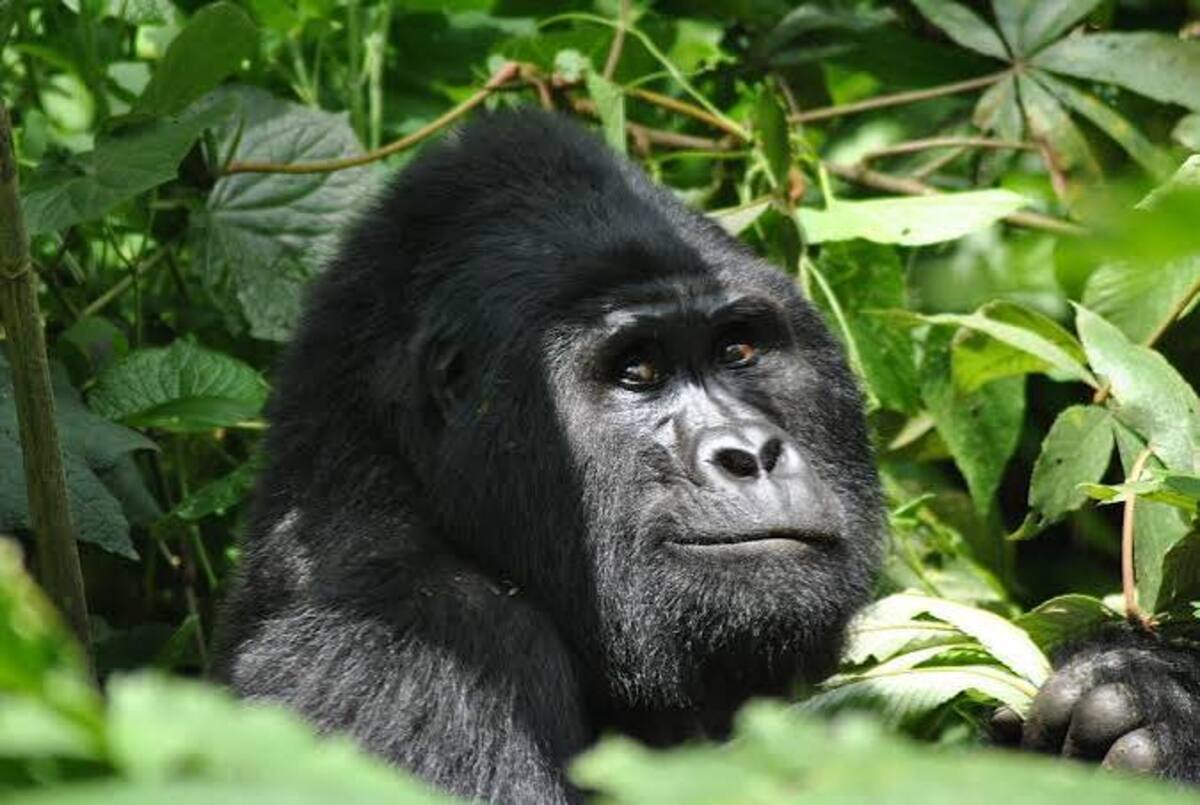
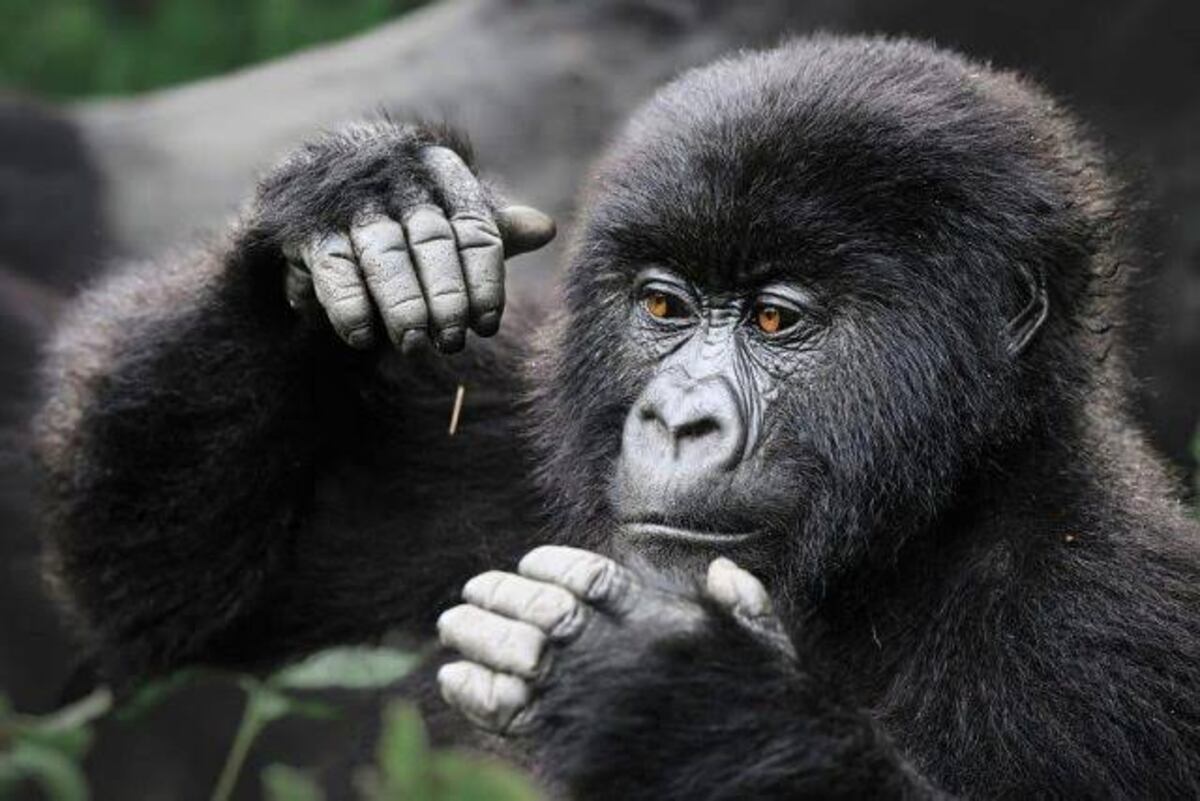
Once you reach the family, the group may be feeding, resting, grooming, moving through vegetation or interacting with one another. A silverback may spend much of the encounter resting, while younger gorillas can be more active.
There is no guaranteed behaviour or perfect photographic moment.
That unpredictability is important to understand before trekking. Gorillas are wild animals, not performers, and their movements cannot be scripted.
Rangers provide instructions throughout the encounter. Visitors are expected to maintain the required distance, avoid sudden movements and never attempt to touch or feed the gorillas.
The forest itself is worth paying attention to as well. Bird calls, insects, vegetation and movement in the canopy continue around you even after the gorillas become the main focus.
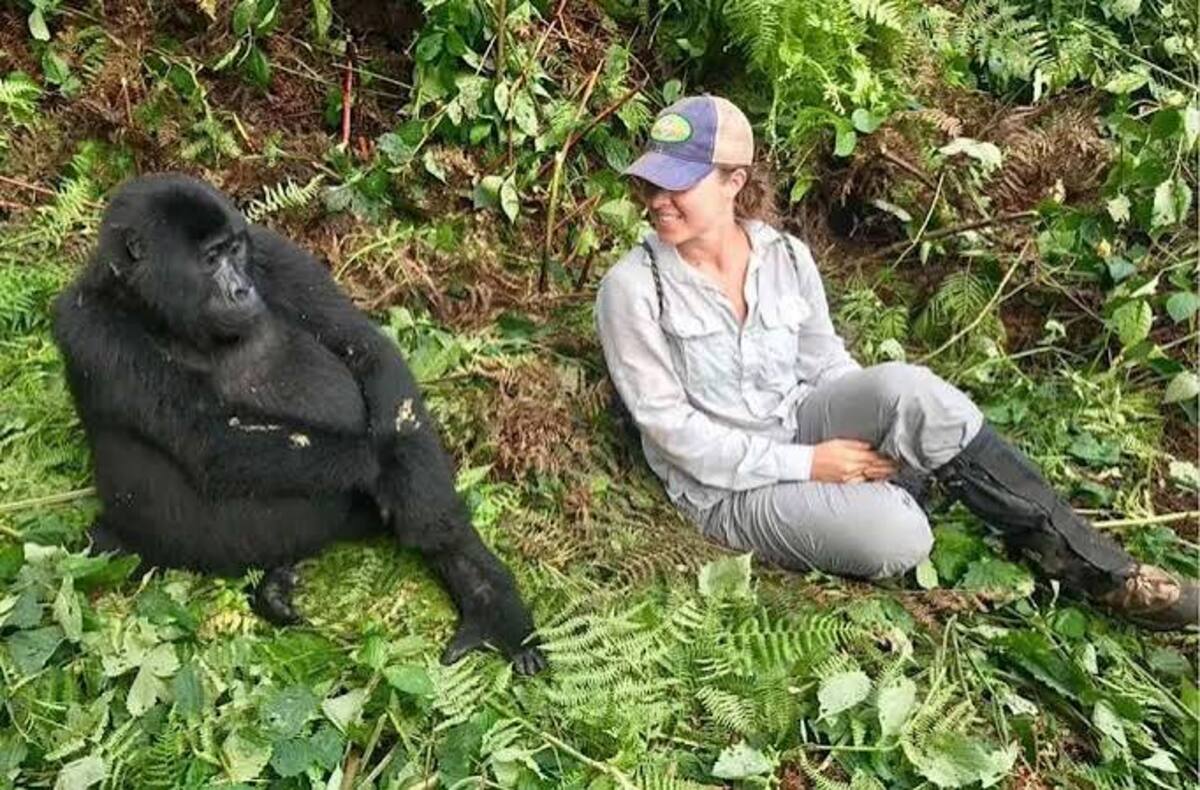
Gorilla Encounter
How Do You Get to the Gorilla Parks?
For most travellers, reaching Bwindi or Mgahinga forms part of a longer Uganda safari.
By road, the journey from Kampala or Entebbe takes much of a day, although the exact duration depends on the route, road conditions and your final trekking sector.
Domestic flights can reduce driving time, but they do not remove the need for a road transfer between the airstrip and your accommodation.
Roads in southwestern Uganda can be winding and mountainous, particularly near the forest. This makes it important to plan your gorilla permit, trekking sector, accommodation, transport and wider itinerary together.
When Is the Best Time to See Mountain Gorillas?
Gorilla trekking takes place throughout the year.
Both Bwindi and Mgahinga are mountain rainforest environments, so rain remains possible even during generally drier periods. Wet conditions can make trails muddy and slippery, while drier weather can make some walks easier.
There is no month when dry conditions are guaranteed.
The gorillas remain in the forest throughout the year. What changes is where the family is located and the condition of the trails.
For travellers with fixed dates, permit availability should therefore be considered alongside weather. Choosing your preferred month is of little use if the necessary permit and accommodation are no longer available.
How Should You Plan Your Gorilla Safari?
Gorilla permits are limited, so travellers with fixed dates should arrange them well in advance, particularly during busy travel periods.
But the permit is only one part of the planning process. You also need to consider:
- Your trekking sector
- Accommodation
- Road transfers
- The amount of driving between destinations
- Your fitness level
- Porter assistance if required
- Other activities you want to include
One common planning mistake is choosing accommodation first and checking the trekking sector afterwards.
Because Bwindi’s sectors are separated geographically, this can result in unnecessary early-morning driving or changes to an otherwise carefully planned itinerary.
What Should You Pack for Gorilla Trekking?
Your packing list should reflect the fact that this is a forest hike rather than a conventional game drive.
Useful items include:
- Sturdy, comfortable walking shoes or hiking boots
- Lightweight, breathable clothing
- A waterproof jacket
- Long trousers
- Insect repellent
- Water and personal snacks
- Gloves for gripping vegetation
- A small backpack
- Camera equipment that you can comfortably carry
A waterproof layer for your camera and other electronics is particularly sensible because rain can arrive unexpectedly in the forest.
If you plan to use a telephoto lens, keep the equipment manageable. You may be carrying it for several hours.
Frequently Asked Questions About Mountain Gorillas in Uganda
Where can I see mountain gorillas in Uganda?
Mountain gorilla trekking takes place in Bwindi Impenetrable National Park and Mgahinga Gorilla National Parkin southwestern Uganda.
What are the gorilla trekking sectors in Bwindi?
Bwindi has four principal sectors: Buhoma, Ruhija, Rushaga and Nkuringo. Your sector affects where you stay and how your trekking logistics are organised.
Where can I do the Gorilla Habituation Experience?
The Gorilla Habituation Experience is available in Rushaga, in southern Bwindi. It allows visitors to spend up to four hours with a gorilla group undergoing habituation.
How long does gorilla trekking take?
Gorilla trekking takes approximately three to seven hours, depending on where the gorilla family is located. Standard trekking provides up to one hour of observation once the gorillas are found.
Is gorilla trekking difficult?
It can be physically demanding. Moderate fitness is required, while actual difficulty depends on the gorillas’ location, terrain and weather conditions.
Can I combine gorilla trekking with other activities?
Yes. Depending on your route, gorilla trekking can be combined with chimpanzee tracking, wildlife safaris, birdwatching, golden monkey tracking, volcano hiking, cultural experiences and time around Lake Bunyonyi.
Can travellers with limited mobility go gorilla trekking?
It depends on the individual’s mobility and the conditions of the trek. Travellers with significant mobility concerns should discuss their requirements before booking. Porter assistance can also help with bags and difficult sections.
Planning Your Gorilla Trek in Uganda
The best place to see mountain gorillas in Uganda is not necessarily the same for every traveller.
Bwindi gives you four distinct trekking sectors, each with its own relationship to accommodation and surrounding destinations. Mgahinga offers a smaller setting in the Virunga Mountains and makes it particularly easy to combine gorilla trekking with activities such as golden monkey tracking and volcano hiking.
The more important decision is therefore not simply Bwindi or Mgahinga? It is which trekking experience fits the journey you actually want to take.
Gorilla trekking also requires a degree of acceptance that things will not follow a script. The walk may be shorter or longer than expected. The trail may be dry or muddy. The gorillas may be feeding quietly or moving through dense vegetation. You cannot control those details, and that is precisely what makes the encounter different from viewing wildlife from a vehicle.
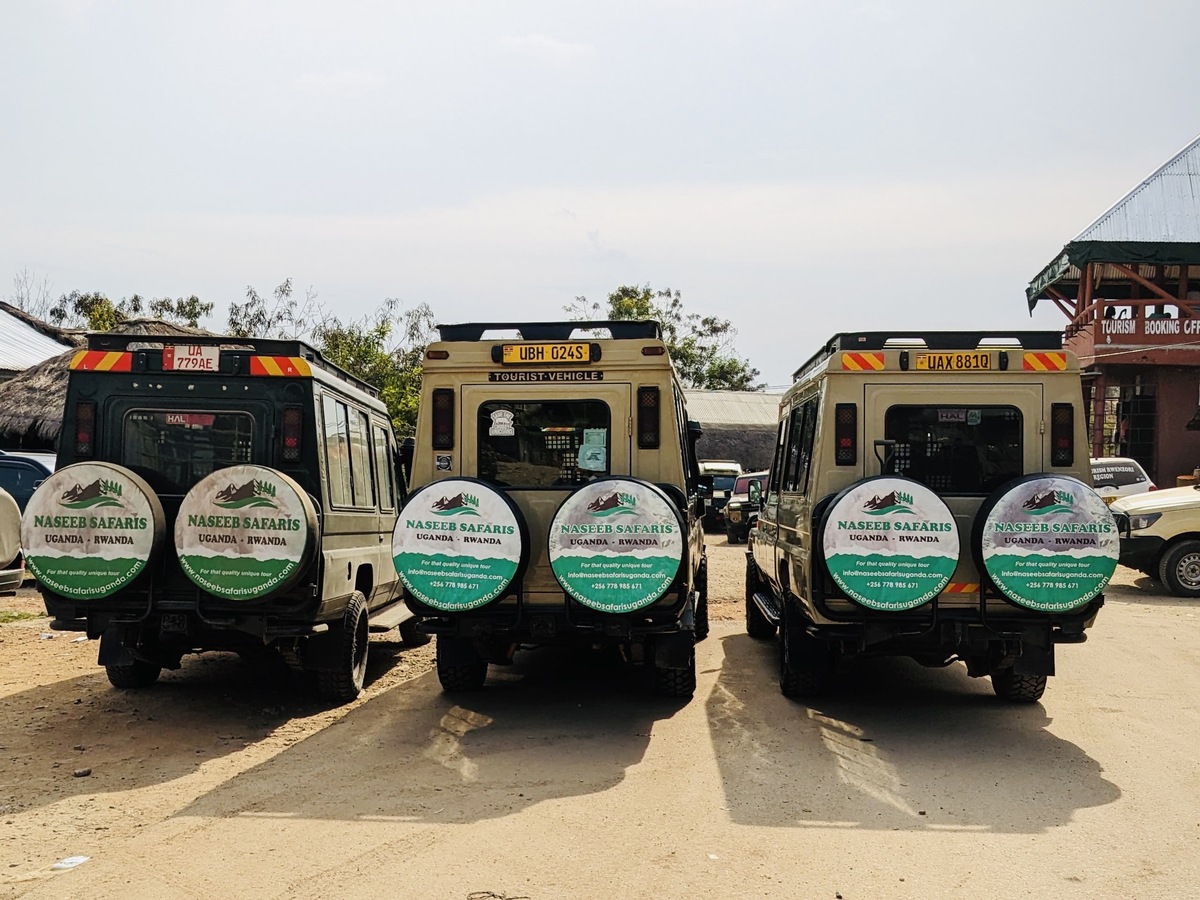
If you are unsure which gorilla sector, national park, accommodation area or route best fits your plans, Naseeb Safaris can help you put the permit, trekking location, transport and wider Uganda itinerary together around your dates and interests.