
Uganda Safaris and Gorilla Trekking: Explore the Pearl of Africa
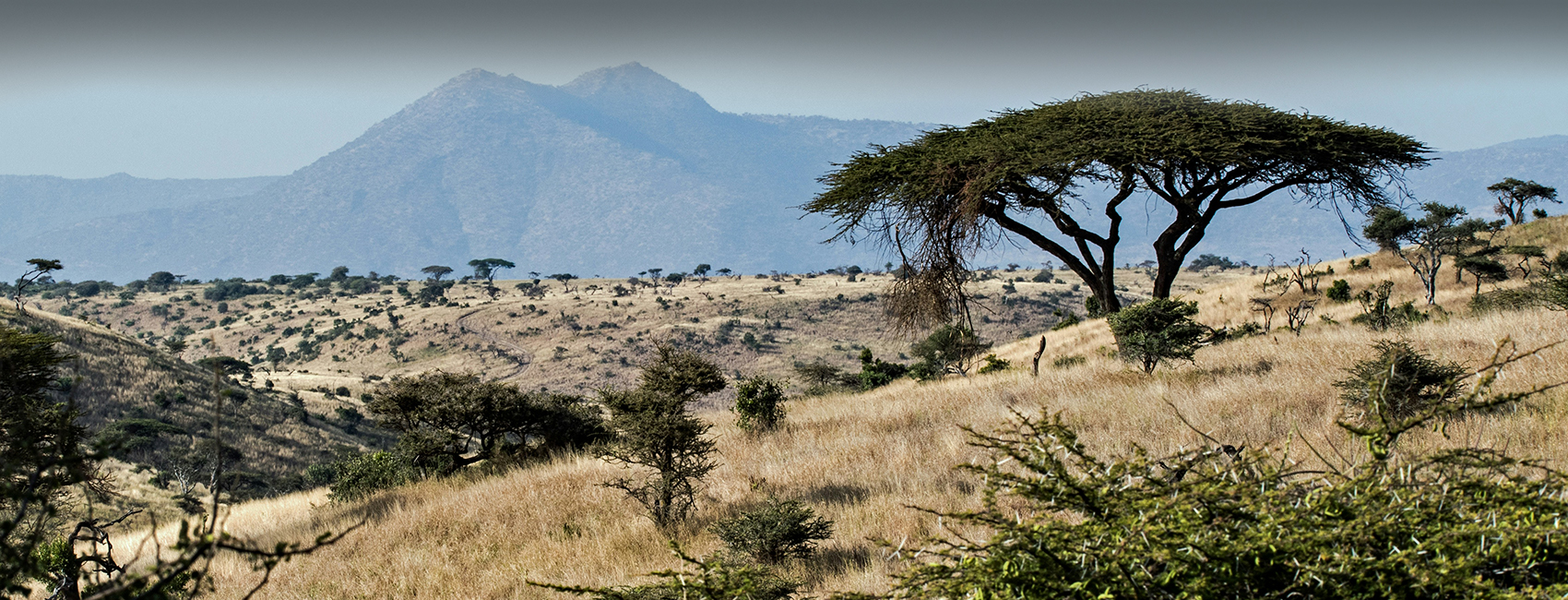
Uganda Safaris and Gorilla Trekking: Explore the Pearl of Africa, Uganda, famously known as the Pearl of Africa, is one of East Africa’s most rewarding safari destinations. It is a country of extraordinary contrasts, where mist-covered rainforests meet open savannah plains, powerful waterfalls flow through ancient landscapes, and some of Africa’s most remarkable wildlife lives in protected national parks. From coming face to face with endangered mountain gorillas in Bwindi Impenetrable National Park to watching elephants cross the savannah in Murchison Falls, Uganda offers an incredible range of experiences for travellers seeking something beyond an ordinary African safari.
Whether you are planning your first African holiday, dreaming of seeing mountain gorillas in their natural habitat, or looking to combine chimpanzee tracking with traditional wildlife viewing, Uganda offers the opportunity to experience several different sides of Africa in one journey.
At Naseeb Safaris Uganda, we organise private and tailor-made Uganda safari packages designed around your interests, available time and travel budget. Our approach is to help you discover the country at a comfortable pace, with knowledgeable local guides, carefully selected accommodation and experiences that bring you closer to Uganda’s wildlife, landscapes and people.
Gorilla Trekking in Uganda: An Unforgettable Wildlife Encounter
For many travellers, the highlight of visiting Uganda is the opportunity to see mountain gorillas in the wild. Gorilla trekking takes place in Bwindi Impenetrable National Park and Mgahinga Gorilla National Park, two protected areas in southwestern Uganda that form part of the greater Virunga and Bwindi conservation landscape.
The experience begins early in the morning at the park headquarters, where visitors receive a briefing from Uganda Wildlife Authority rangers. You are assigned to a habituated gorilla family and accompanied by experienced guides and trackers who lead you into the forest. The search involves walking through thick vegetation, following forest trails and sometimes climbing steep, muddy slopes as you make your way towards the gorillas.
The duration of a gorilla trek varies considerably. Some visitors find their assigned gorilla family within an hour, while others may spend several hours walking through the forest. The terrain and difficulty depend on where the gorillas have moved, as these animals roam freely through their natural habitat.
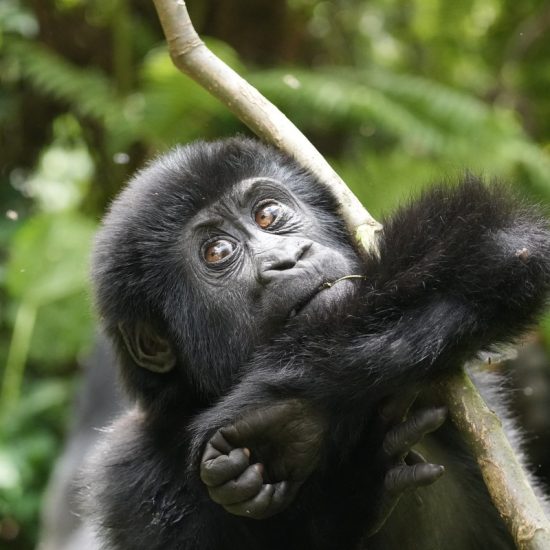
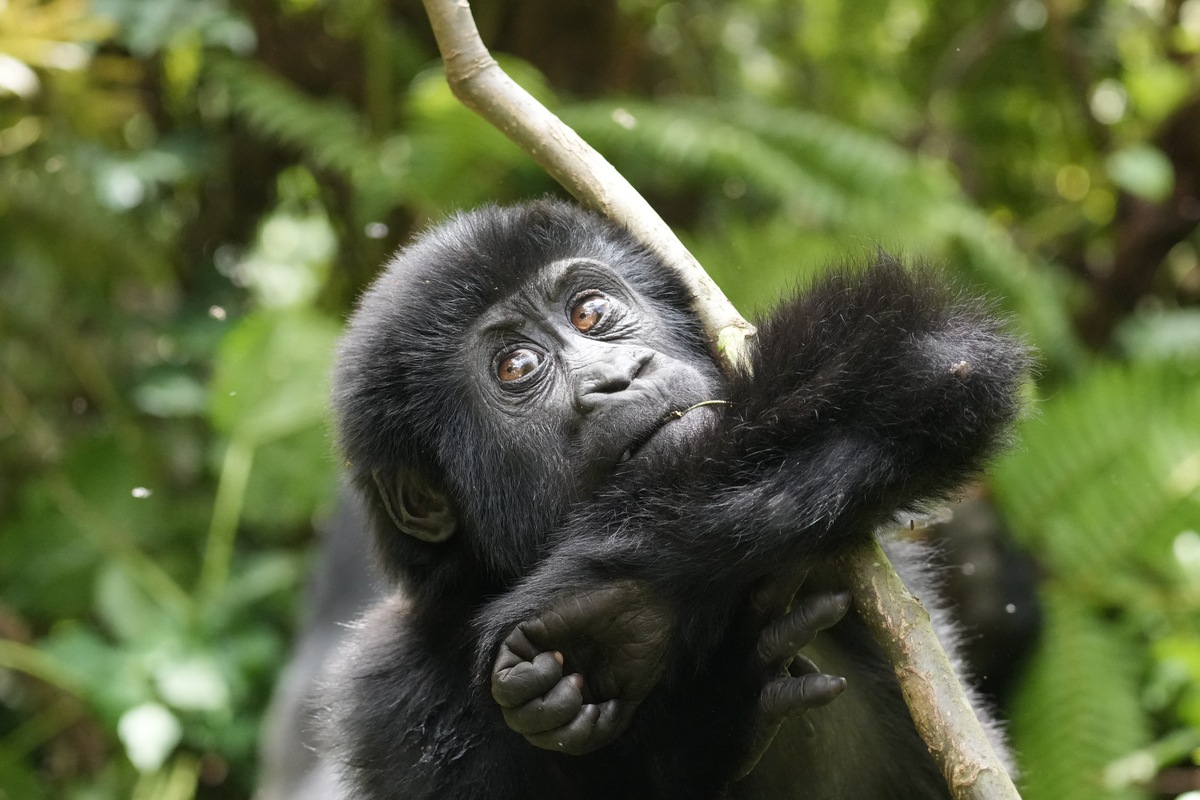
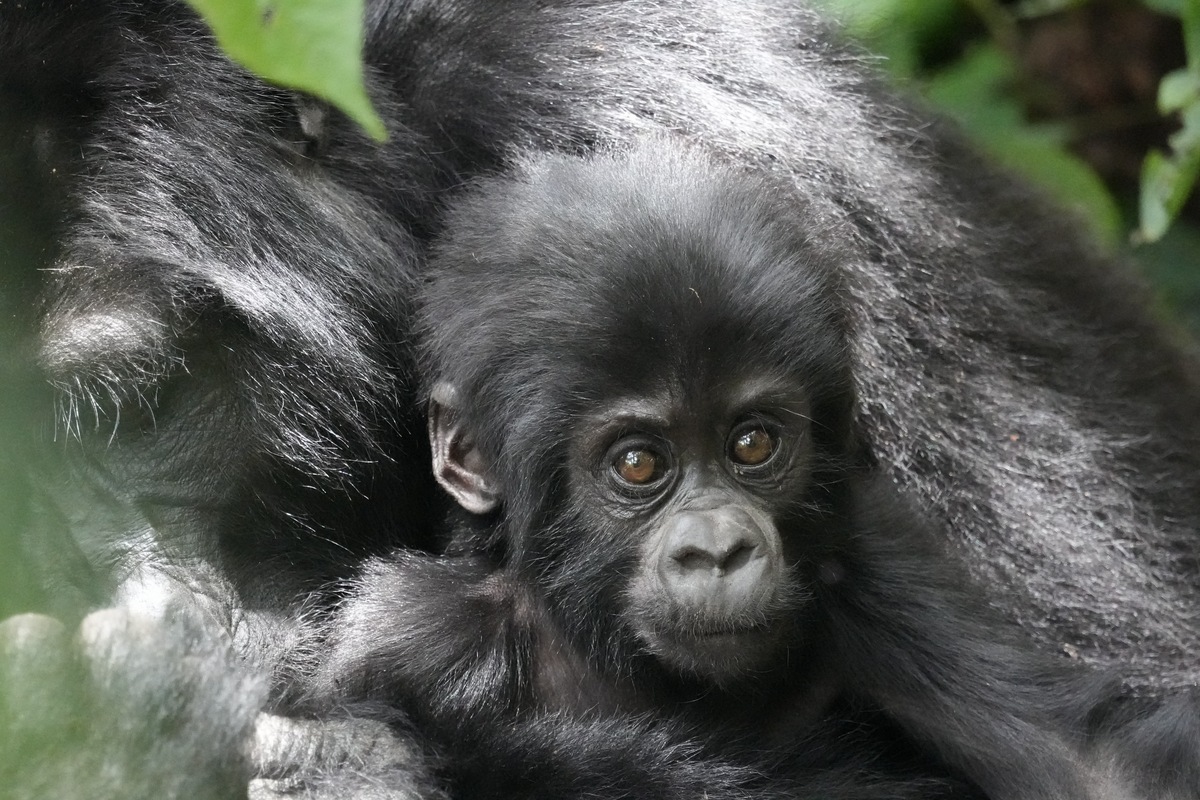
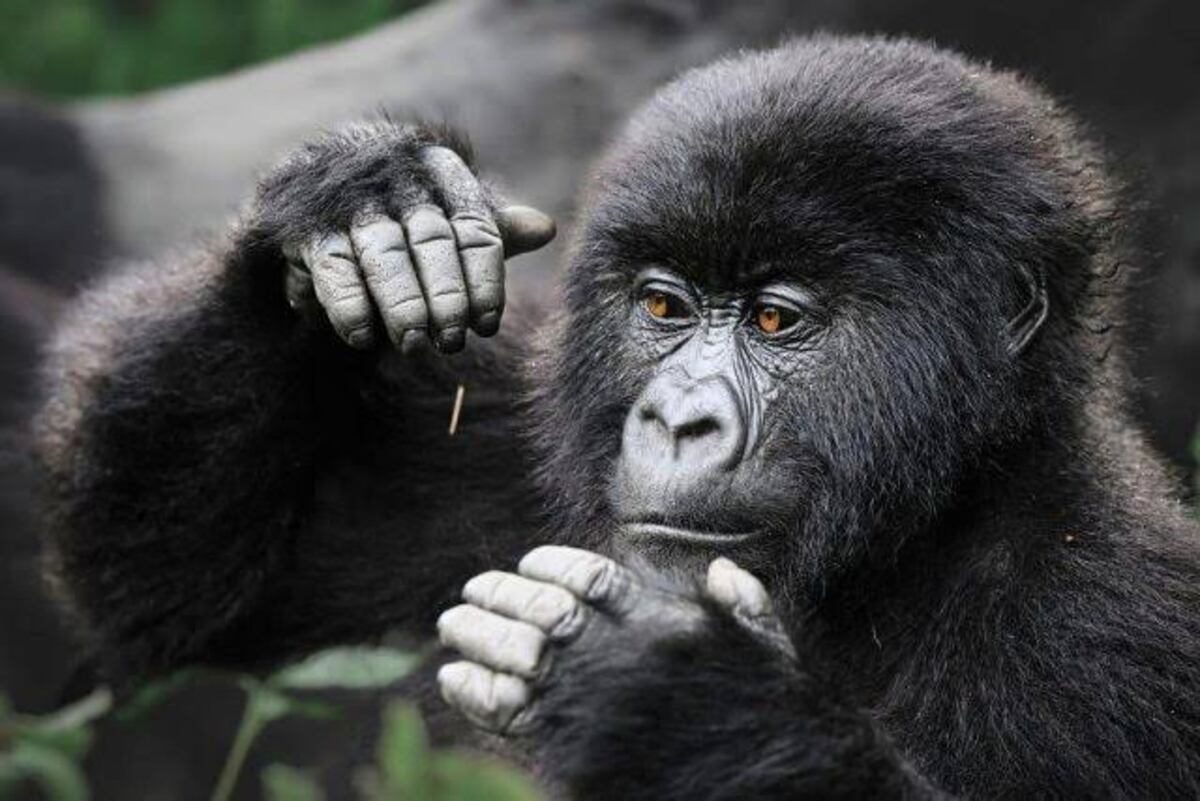
Then comes the moment everyone has been waiting for. After following the trackers through the forest, you finally encounter a mountain gorilla family. You may find mothers caring for their young, juveniles playing among the trees, or adults quietly feeding on vegetation. The dominant silverback often watches over the family, occasionally moving through the forest or resting nearby.
Visitors are allowed to spend one hour observing the gorillas once they are located. Seeing a fully grown silverback at close range is an experience that is difficult to describe. His size, calm presence and powerful appearance create an unforgettable impression. It is also a reminder of how special it is to encounter these endangered animals in their natural environment.
A Uganda gorilla trekking permit currently costs USD 800 per person for foreign non-residents. During the discounted low-season periods of April, May and November, the permit costs USD 600, subject to Uganda Wildlife Authority regulations. Permits are limited, so advance booking is strongly recommended, particularly for travel during the busy June to September and December to February periods.
Gorilla trekking
What Is Gorilla Trekking in Bwindi Really Like?
One of the most common questions travellers ask before booking a gorilla trekking safari in Uganda is how difficult the hike is. The honest answer is that it depends on the location of the gorilla family, the terrain and the weather on the day.
Bwindi is a mountainous rainforest, and its trails can be steep, slippery and uneven. In some areas, rangers and trackers may use machetes to clear vegetation as they guide visitors through the forest. A trek can be physically demanding, but it is not necessary to be an experienced mountain climber to participate. Travellers with reasonable fitness can usually manage the experience with a little preparation and assistance when needed.
We recommend wearing sturdy, waterproof hiking boots, long trousers, a lightweight long-sleeved shirt and gardening gloves to protect your hands from vegetation. A waterproof jacket is essential because rain can fall at any time in the rainforest. Carry drinking water, some snacks and a small backpack, and make use of the walking sticks available at the briefing point.
Hiring a local porter is another excellent idea. Porters help carry your backpack and can offer physical support on challenging sections of the trail. More importantly, hiring a porter provides direct income to people living around the national park, making your gorilla trekking experience beneficial to the surrounding community.
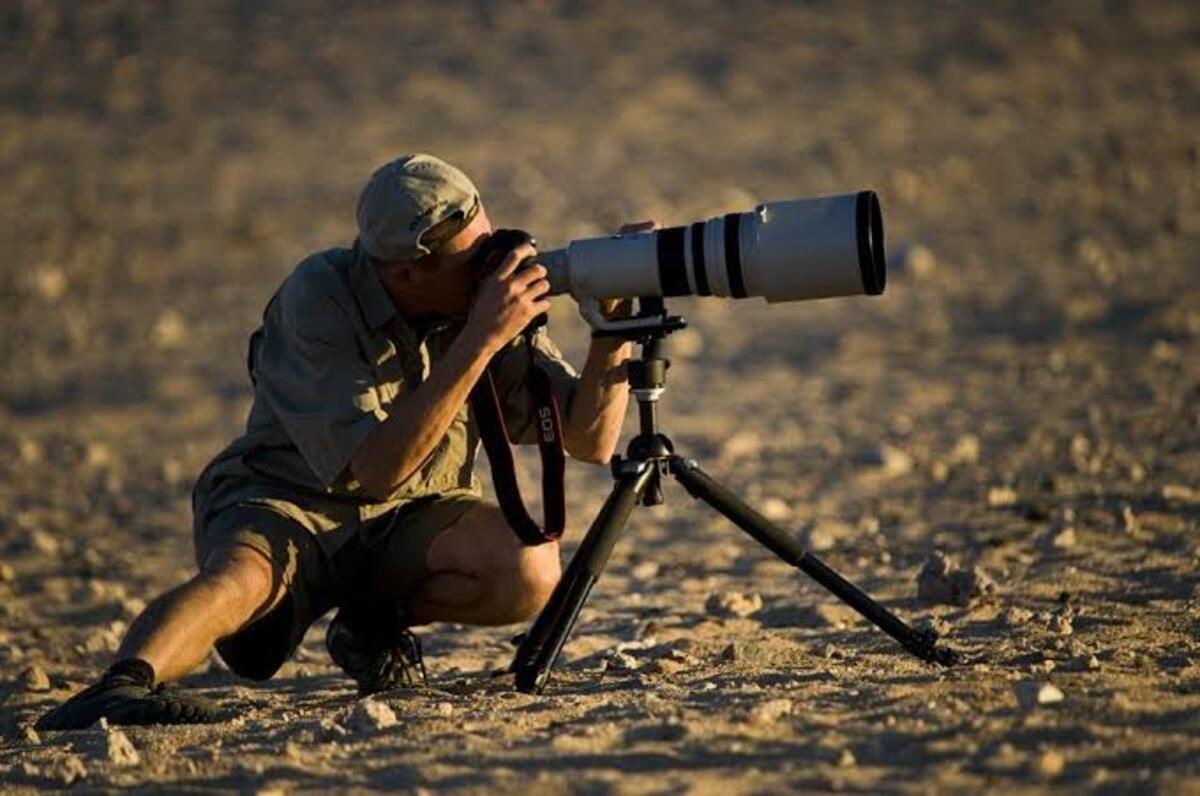
Perhaps the most important advice is to remember that you are there to experience the gorillas, not simply to photograph them. Take pictures, but put your camera away occasionally. Watching a mother interact with her baby or observing a silverback quietly resting in the forest is something worth experiencing without a camera between you and the moment.
Visitors must follow all ranger instructions and maintain the minimum distance required under the current Uganda Wildlife Authority guidelines. Anyone feeling unwell should inform the park authorities, as protecting gorillas from human diseases is extremely important.
Discover Uganda’s Most Beautiful Safari Destinations
Beyond gorilla trekking, Uganda has an impressive variety of national parks and natural attractions. Each destination offers a different experience, making it possible to combine rainforest adventures, traditional game drives, boat cruises and mountain activities within one holiday.
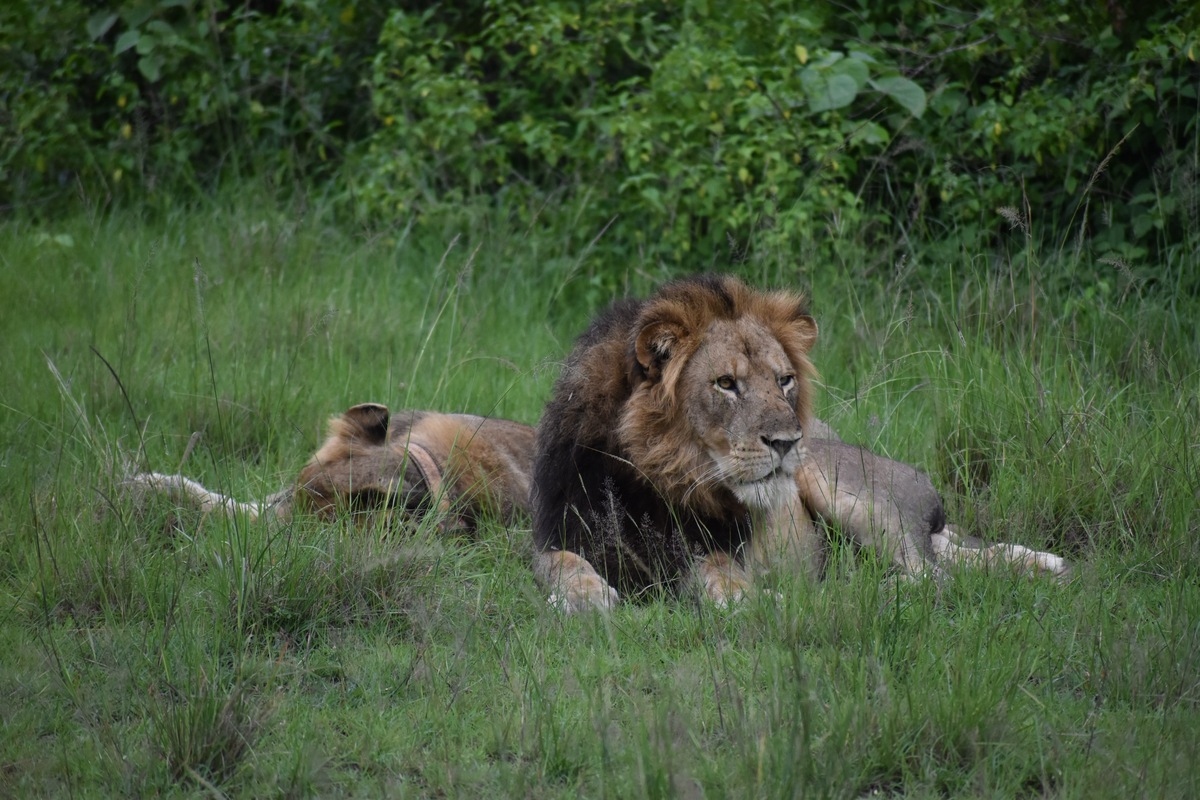
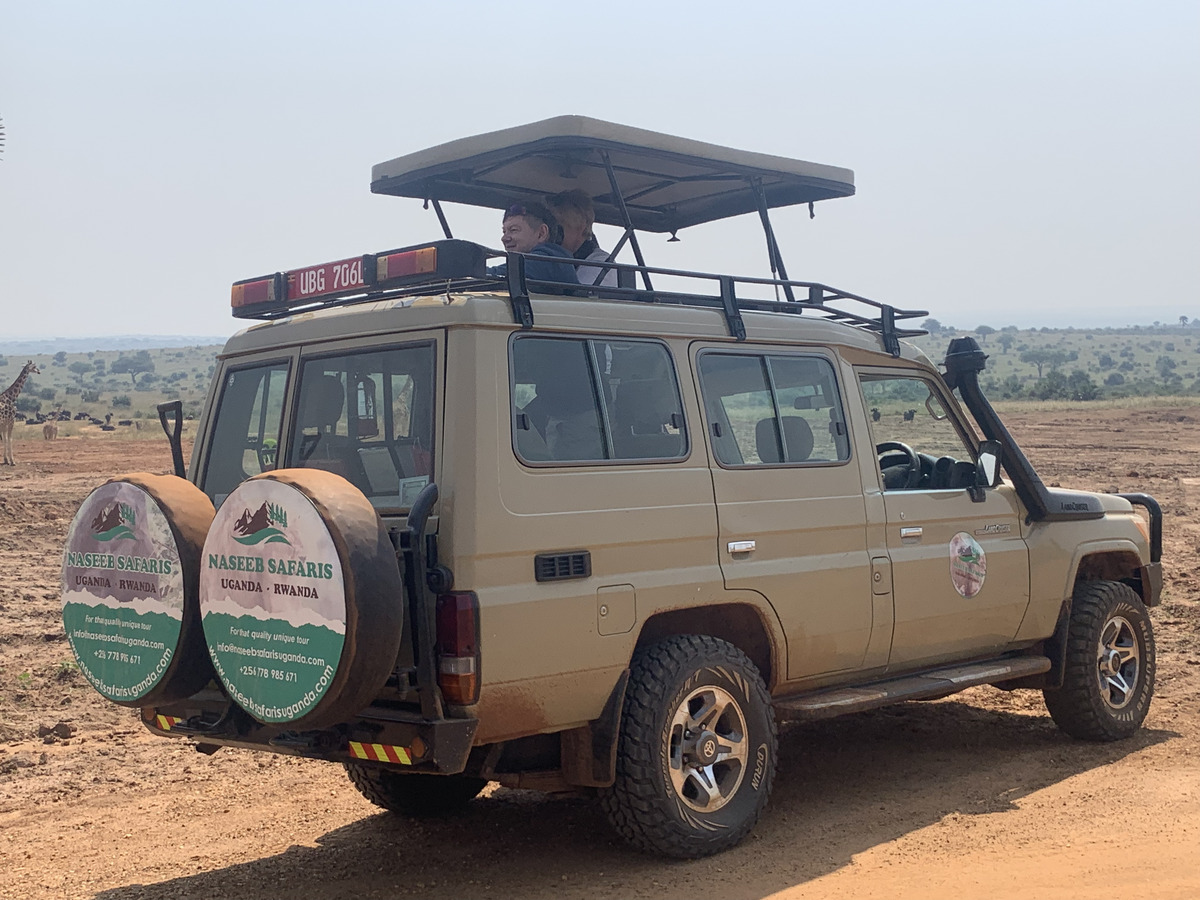
Murchison Falls National Park is Uganda’s largest national park and one of the country’s most rewarding destinations for a classic wildlife safari. The River Nile flows through the park before squeezing through a narrow gorge and plunging over the spectacular Murchison Falls. Visitors can enjoy morning and afternoon game drives in search of elephants, giraffes, lions, buffaloes, antelopes and numerous bird species. A boat cruise along the Nile towards the base of the falls provides another perspective, with opportunities to see hippos, crocodiles and wildlife gathering along the riverbanks.
wildlife safari in Murchison Falls
Queen Elizabeth National Park is known for its diverse habitats, which include open savannah, wetlands, crater lakes and forested areas. Game drives in the Kasenyi Plains offer opportunities to spot lions, elephants, buffaloes, Uganda kobs and other wildlife. The park is also famous for its tree-climbing lions in the Ishasha sector. One of the most enjoyable activities is a boat cruise along the Kazinga Channel, where large concentrations of hippos, elephants, buffaloes and waterbirds can often be seen along the shores.
Kibale Forest National Park is one of Africa’s best destinations for chimpanzee trekking. The tropical forest is home to 13 primate species, including a large population of wild chimpanzees. Guided walks take visitors into the forest to locate habituated chimpanzee communities, offering opportunities to observe their feeding, communication and social behaviour. For travellers interested in primates, combining Kibale chimpanzee trekking with gorilla trekking in Bwindi creates an especially rewarding safari.
Lake Mburo National Park offers a more relaxed wildlife experience and is a wonderful addition to a Uganda safari. Its open grasslands, acacia woodlands and lakes support zebras, giraffes, impalas, elands, buffaloes and numerous bird species. Visitors can enjoy game drives, boat cruises and guided nature walks, making the park particularly appealing to travellers who want to experience wildlife outside a traditional safari vehicle.
For those seeking a more remote adventure, Kidepo Valley National Park offers some of Uganda’s most dramatic wilderness scenery. Located in the country’s northeastern corner, the park is characterised by expansive savannah plains, rugged mountain ranges and seasonal river valleys. Its wildlife includes lions, elephants, buffaloes, cheetahs, ostriches and several species that are less commonly encountered elsewhere in Uganda.
The Rwenzori Mountains National Park, often referred to as the Mountains of the Moon, offers a completely different kind of adventure. Its spectacular mountain scenery includes glacial landscapes, alpine vegetation, waterfalls and high-altitude lakes. It is particularly attractive to travellers interested in multi-day mountain trekking.
Mount Elgon National Park, on Uganda’s eastern border, is another excellent destination for nature lovers. The extinct volcanic mountain is known for its extensive caldera, caves, waterfalls and beautiful hiking trails. Nearby Sipi Falls provides spectacular views of a series of waterfalls cascading down the slopes of Mount Elgon.
Popular Uganda Safari Packages
The advantage of travelling in Uganda is that your safari does not have to follow a fixed itinerary. Depending on your available time and interests, you can enjoy a short gorilla trekking holiday or explore several national parks over two or three weeks.
A 3-day Uganda gorilla trekking safari is ideal for travellers with limited time who want to experience mountain gorillas in Bwindi. It usually includes road transfers, accommodation, a gorilla trekking permit and the guided forest experience. It is a wonderful option for visitors combining Uganda with another East African destination.
A 5-day Uganda safari can combine gorilla trekking with chimpanzee tracking in Kibale Forest. This itinerary offers the opportunity to encounter two of Africa’s most fascinating primates while enjoying the beautiful landscapes of southwestern Uganda.
A 7-day Uganda gorilla trekking and wildlife safari is a popular choice for travellers who want more than a single wildlife encounter. By combining Bwindi with Queen Elizabeth National Park, you can experience mountain gorillas in the rainforest and enjoy game drives and a boat cruise in the savannah.
For a more comprehensive experience, a 10-day Uganda wildlife and primate safari can include Murchison Falls, Kibale Forest, Queen Elizabeth National Park and Bwindi Impenetrable National Park. This journey offers an excellent balance of chimpanzee tracking, gorilla trekking, wildlife viewing and scenic experiences.
A 14-day Uganda grand safari provides more time to discover the country’s different regions without rushing between destinations. Depending on your preferences, the journey can include Murchison Falls, Kibale, Queen Elizabeth, Bwindi and Lake Mburo. It is an excellent option for travellers who want to experience Uganda’s remarkable biodiversity and landscapes in greater depth.
At Naseeb Safaris, these are starting itinerary ideas rather than rigid packages. We can adjust the destinations, accommodation standards, activities and travel duration to create a safari that suits your expectations.
When Is the Best Time to Visit Uganda for a Safari?
Uganda is a year-round safari destination, although weather conditions and seasonal differences can influence the type of experience you have.
The main dry seasons generally occur from June to September and December to February. These months are popular for wildlife safaris because vegetation in some savannah areas is less dense, and roads and trails are often easier to navigate. They are also popular periods for gorilla trekking, so permits and accommodation should be arranged well in advance.
The wetter months generally include March to May and October to November. During this period, forests become particularly lush, landscapes are beautifully green and birdlife can be rewarding. Rain can make some gorilla trekking trails more challenging, but trekking remains possible throughout the year.
April, May and November are also worth considering for travellers looking to benefit from discounted Uganda gorilla trekking permits. These months can offer excellent value, especially for visitors with flexible travel dates.
Ultimately, the best time to visit Uganda depends on your priorities. Whether you prefer drier trekking conditions, quieter travel periods, photography opportunities or more favourable permit rates, we can help you choose the right time for your safari.
Essential Tips for Planning Your Uganda Safari
Planning a Uganda safari involves more than choosing national parks and booking accommodation. A few important decisions can make a significant difference to your overall experience.
First, book your gorilla trekking permits as early as possible. Each habituated gorilla family has a limited number of visitor permits per day, and popular trekking sectors can fill up quickly during peak travel periods. It is advisable to arrange your permits before finalising your travel dates and accommodation.
Second, think carefully about the destinations you want to combine. Uganda’s national parks are spread across different regions, and road transfers can take several hours. Rather than trying to visit too many places in a short period, choose an itinerary that allows enough time to enjoy each destination.
Third, pack for different environments. A wildlife game drive in Murchison Falls requires different clothing from a rainforest trek in Bwindi. Comfortable safari clothing, neutral-coloured outfits, a sun hat, sunscreen, insect repellent, a waterproof jacket and good walking shoes are useful throughout the journey.
Fourth, choose an experienced local safari guide. A good guide does much more than drive between destinations. They help identify wildlife, explain animal behaviour, share knowledge about Uganda’s history and culture, and make the journey more comfortable and informative.
Finally, travel responsibly. Respect wildlife, follow park regulations, support local communities and choose tourism operators who value conservation. Your visit can make a meaningful contribution to protecting Uganda’s natural heritage.
Why Choose Uganda for Your African Safari?
What makes Uganda special is the diversity of experiences available within one relatively compact country. Few destinations allow travellers to combine mountain gorilla trekking, chimpanzee tracking, traditional Big Five wildlife viewing, Nile boat cruises, forest walks and mountain adventures within the same holiday.
Uganda also offers opportunities to experience local cultures and communities. From visiting the Batwa communities around Bwindi to discovering traditional lifestyles, local food and cultural heritage, these encounters add another dimension to a safari.
The country’s landscapes are equally memorable. You can wake up surrounded by misty rainforest, spend the afternoon watching elephants along a river, and end the day overlooking a beautiful African sunset.
For travellers who want a safari that combines wildlife, nature, culture and meaningful experiences, Uganda is a destination worth discovering.
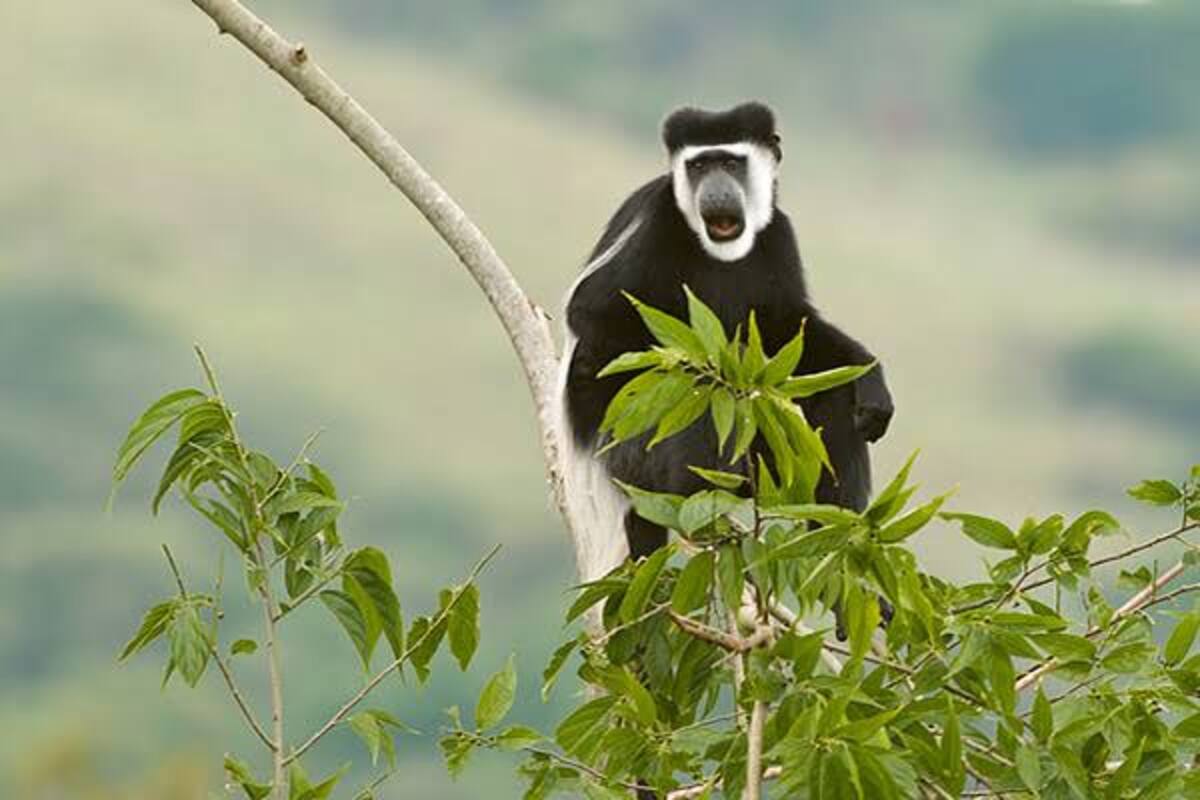
Black and white colobus monkey
Plan Your Uganda Safari with Naseeb Safaris
At Naseeb Safaris Uganda, we believe that a memorable safari is about more than ticking destinations off a list. It is about experiencing the country at your own pace, discovering places that interest you and enjoying the journey along the way.
As a locally owned and Uganda-based safari company, we specialise in private and tailor-made safaris in Uganda and Rwanda. From short gorilla trekking trips to extended wildlife and primate adventures, we work with you to create an itinerary that reflects your interests, travel dates and budget.
Whether you dream of standing face to face with a mountain gorilla in Bwindi, watching lions on the plains of Queen Elizabeth, tracking chimpanzees in Kibale or witnessing the mighty Murchison Falls, we are here to help make your journey happen.
Start planning your Uganda safari with us today.
Email: info@naseebsafarisuganda.com
WhatsApp: +256 778 985 671