
Nkuringo Gorilla Trekking: Bwindi Impenetrable National Park
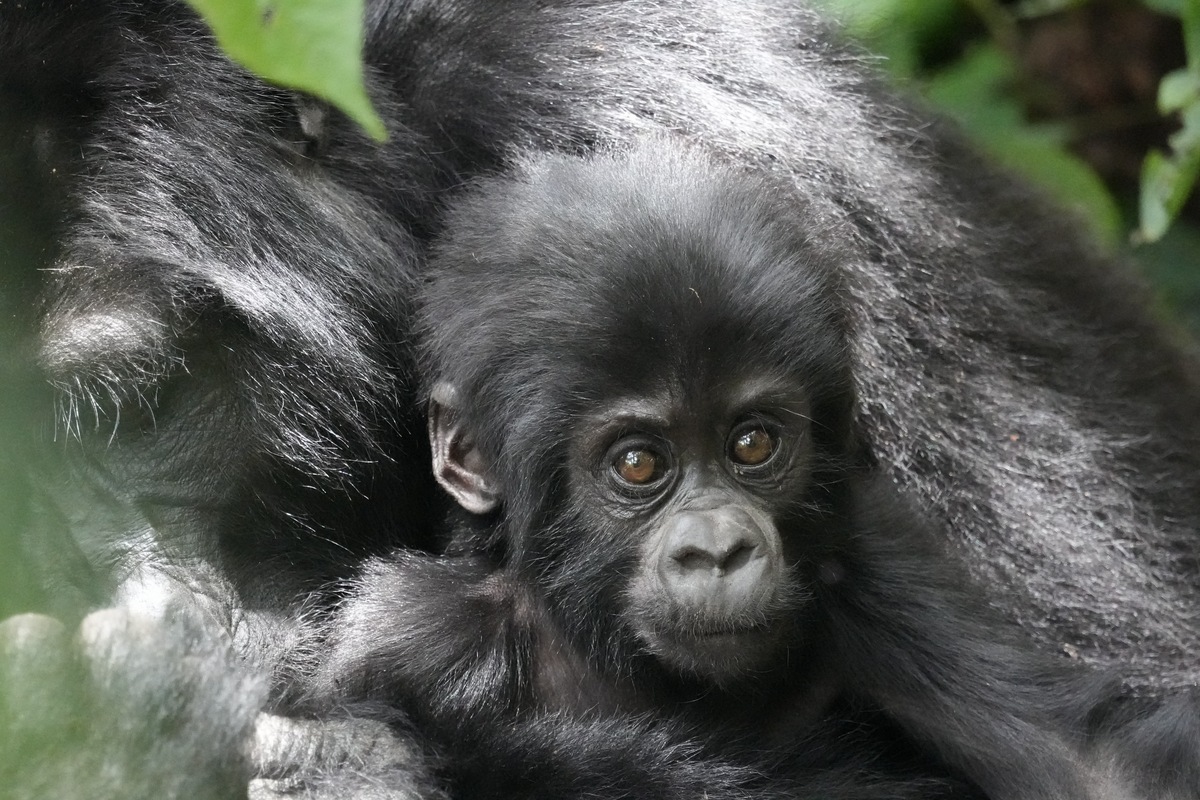
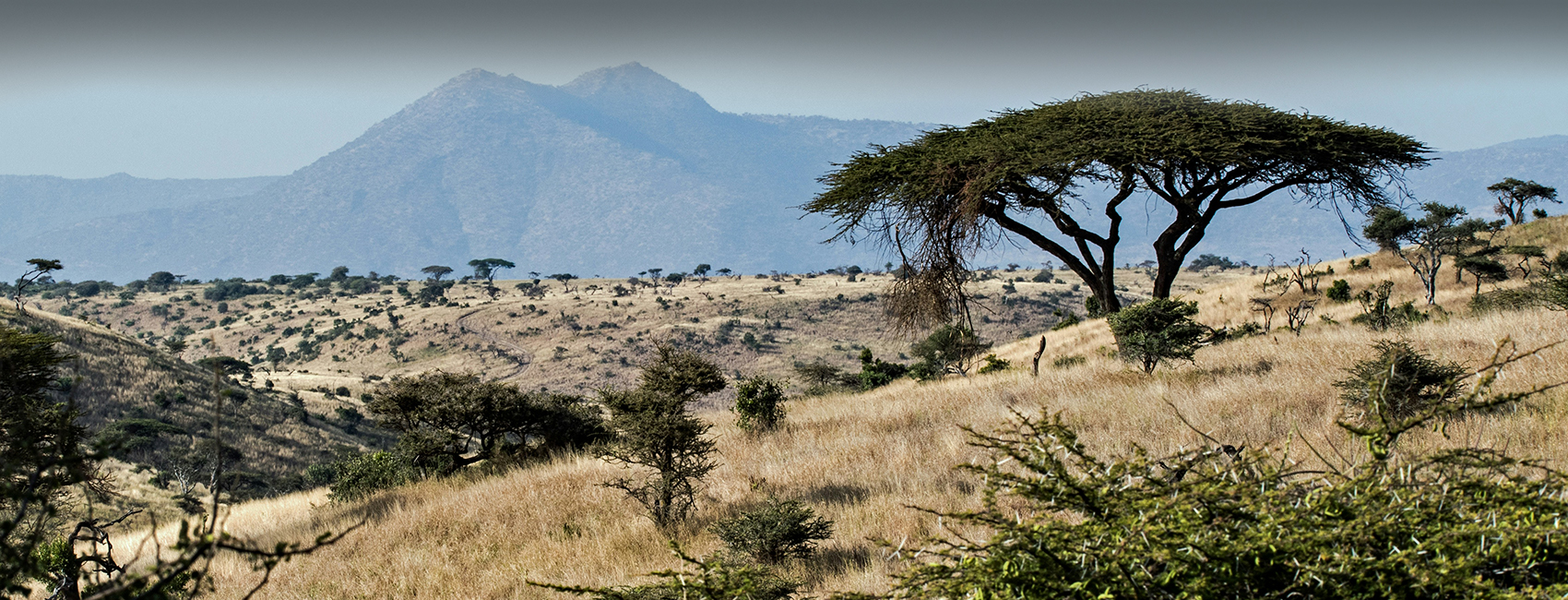
Nkuringo Gorilla Trekking: Bwindi Impenetrable National Park, Nkuringo Sector is one of the most fascinating areas for gorilla trekking in Bwindi Impenetrable National Park. Located in the southern part of the park, Nkuringo is known for its dramatic mountainous landscapes, steep forested hillsides and remarkable encounters with endangered mountain gorillas. For travellers planning a Uganda gorilla trekking safari, this sector offers an opportunity to explore a beautiful and relatively less crowded part of Bwindi while learning about the different gorilla families that call the forest home.
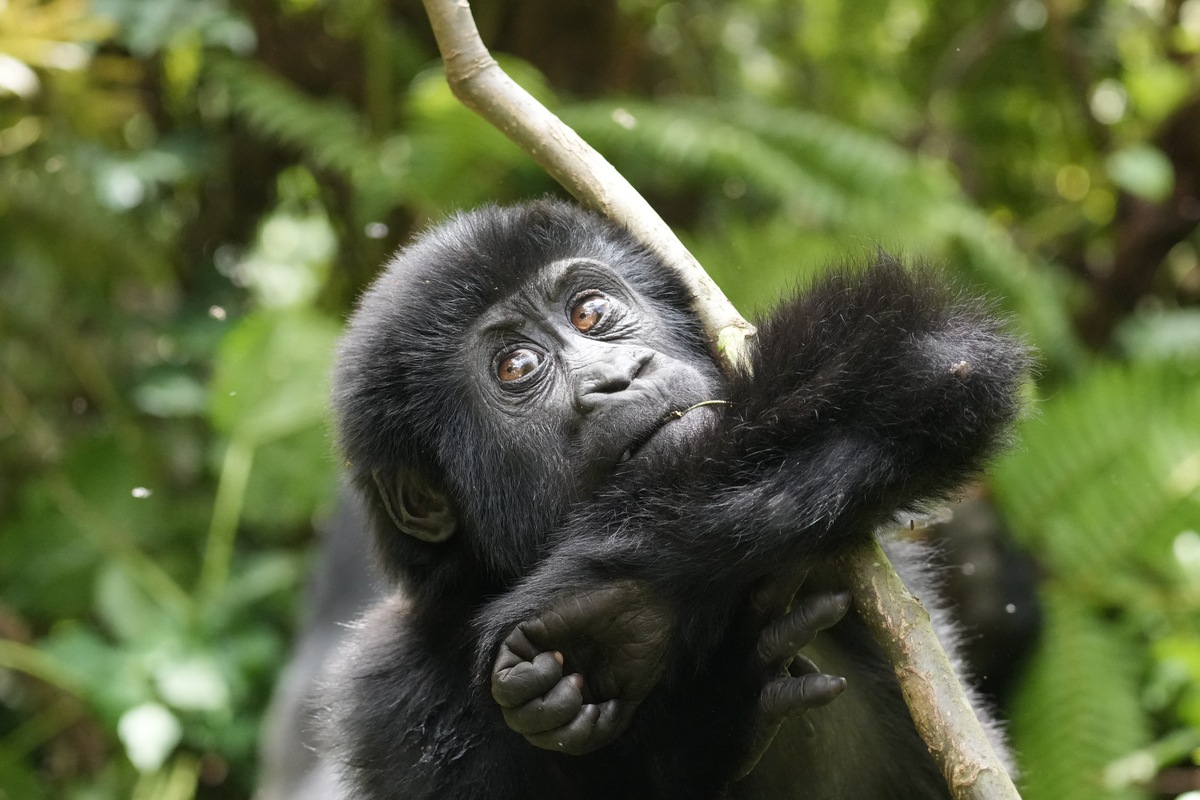
Bwindi is home to approximately half of the world’s remaining mountain gorilla population, making it one of the most important conservation areas in Africa. Nkuringo has several habituated gorilla families, each with its own history, leadership and character. The sector’s gorilla trekking experience is particularly rewarding for visitors who enjoy challenging hikes, beautiful scenery and the opportunity to observe mountain gorillas in their natural habitat.
Gorilla Families in Nkuringo Sector
Nkuringo is home to four recognised gorilla families: Nkuringo, Christmas, Bushaho and Posho. The first three are established trekking groups, while Posho has been undergoing the habituation process. Each family has a different history, and understanding their backgrounds adds another interesting dimension to a gorilla trekking experience in Bwindi.
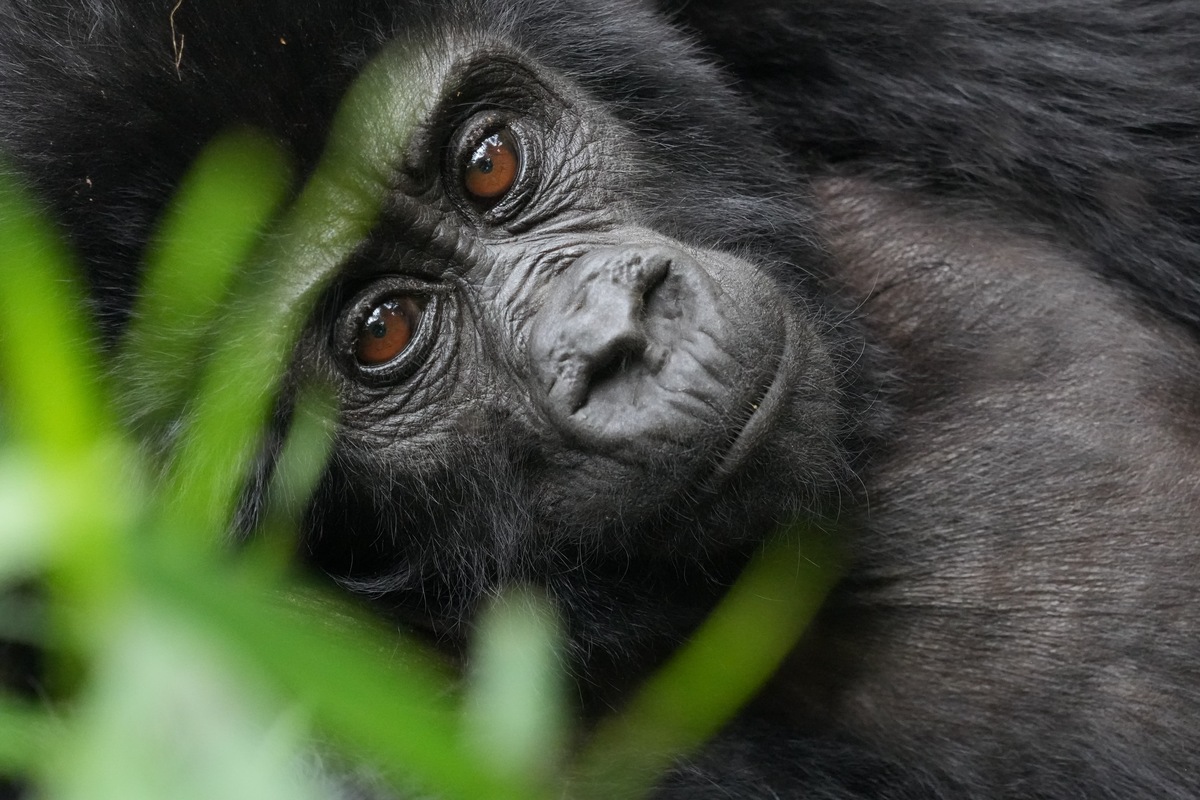
Nkuringo Gorilla Family
The Nkuringo Gorilla Family is one of the most recognised gorilla groups in Bwindi and holds an important place in the history of gorilla tourism in southern Bwindi. It was the first gorilla family to be habituated in the southern part of the park in 2004, helping establish Nkuringo as an important destination for mountain gorilla trekking.
The family was originally led by a dominant silverback known as Nkuringo, after whom the group was named. Following his death in 2008, leadership passed through other members of the group, including silverbacks Rafiki and Safari. The family later experienced further changes in its leadership as younger males developed and assumed responsibility. Its history reflects the natural changes that take place within mountain gorilla communities, where leadership, family relationships and group composition evolve over time.
Today, trekking the Nkuringo family gives visitors an opportunity to experience one of the area’s longest-established gorilla groups. Its history also provides an interesting insight into the conservation work and long-term monitoring that have helped protect mountain gorillas in Bwindi.
Nkuringo Gorilla Family
Christmas Gorilla Family
The Christmas Gorilla Family takes its name from its dominant silverback, Christmas, who was born on Christmas Day. The family traces its roots to the original Nkuringo group and represents another interesting chapter in the development of gorilla tourism in southern Bwindi.
One of the interesting features of trekking this family is the forest landscape within parts of its home range. Some sections have relatively open vegetation, allowing natural light to enter the forest. This can sometimes create favourable conditions for wildlife photography compared with the darker, denser sections of Bwindi. However, photography conditions depend on the weather, vegetation and the exact location of the gorillas on the day of the trek.
Like other mountain gorilla families, Christmas moves freely through the forest in search of food, resting places and suitable vegetation. Visitors therefore experience a genuine wilderness adventure rather than a predictable wildlife encounter.
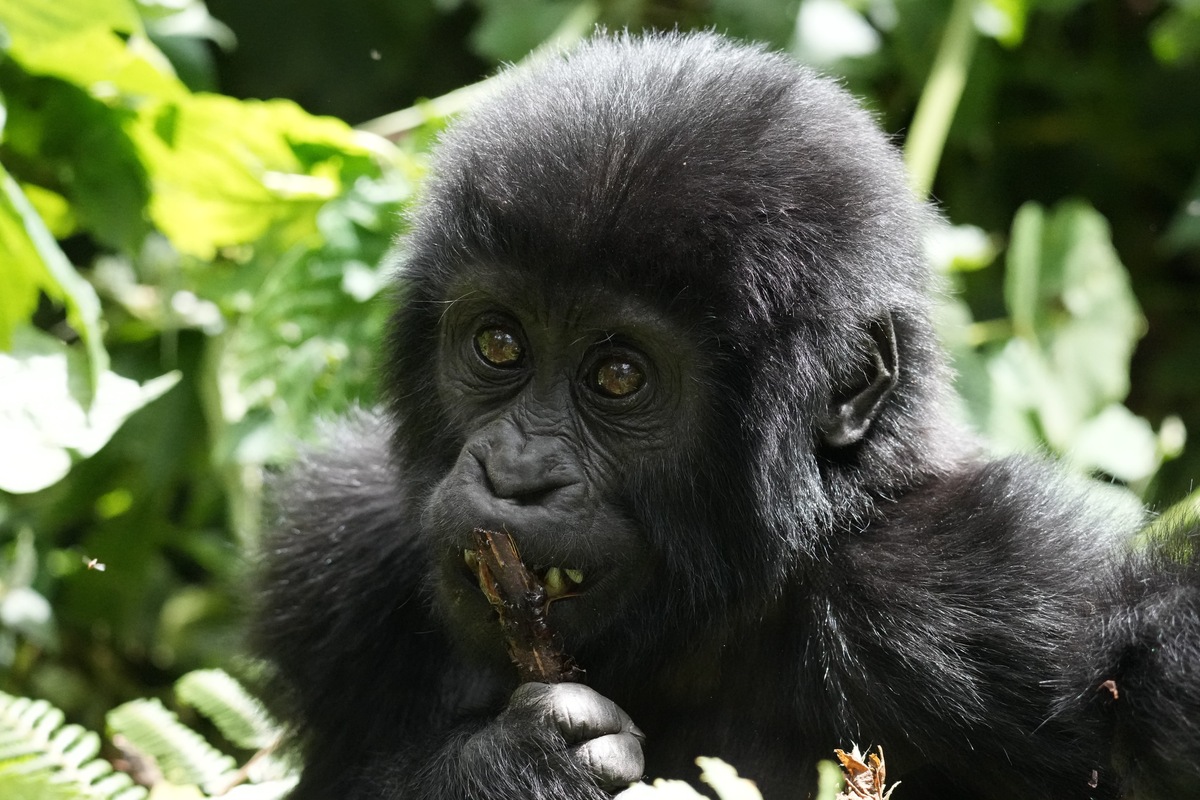
Christmas Gorilla Family
Bushaho Gorilla Family
The Bushaho Gorilla Family was formed when several members of the original Nkuringo family separated and established a new group. This development is part of the natural social behaviour of mountain gorillas, where individuals may leave an existing family and form new relationships under different leadership.
The family is particularly interesting because of the varied landscapes it occupies. Its home range includes steep hillsides where bamboo, shrubs and mature forest meet, creating beautiful scenery throughout the trekking experience. The combination of rugged terrain and dense vegetation makes searching for the gorillas an exciting adventure.
Bushaho is also known for its dominant silverback, Bahati, who has attracted attention for his distinctive behaviour. As with all gorilla families in Bwindi, the group’s location changes regularly as the gorillas move through their natural habitat. Trekking distances can therefore vary considerably depending on where the family is found on a particular day.
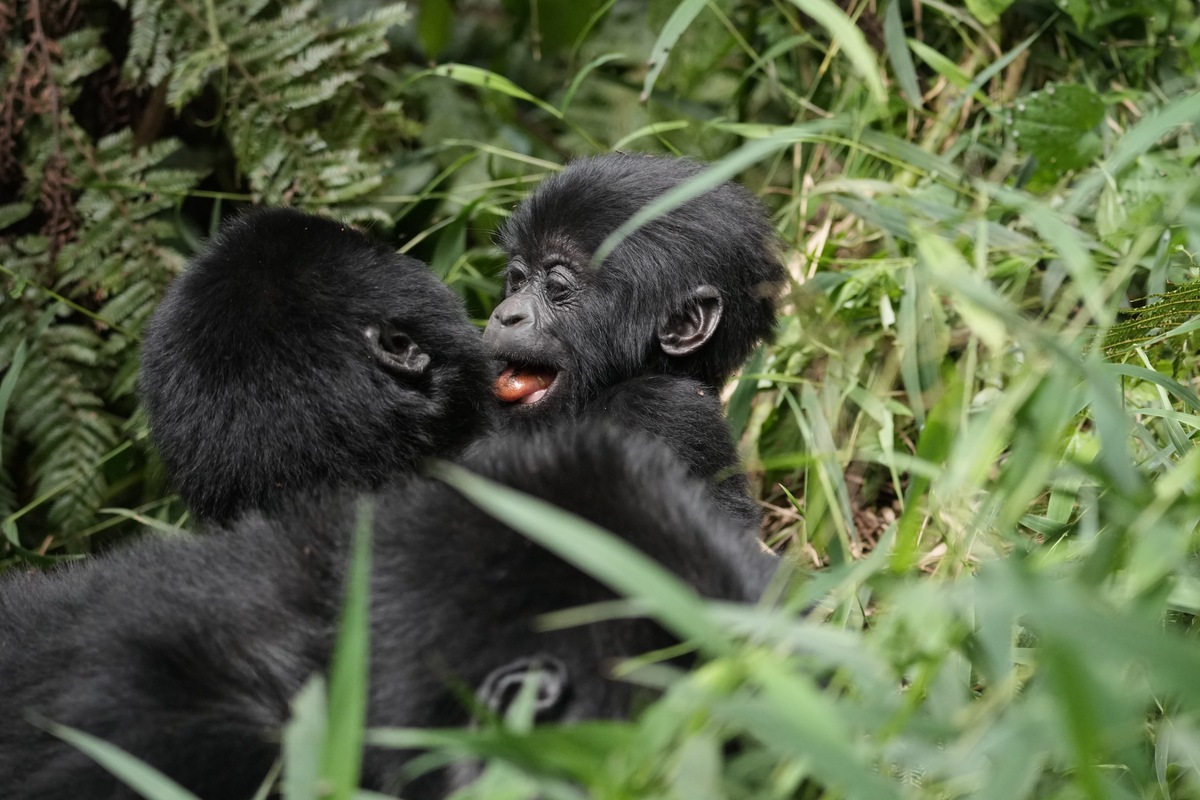
Bushaho Gorilla Family
Posho Gorilla Family
The Posho Gorilla Family is one of the newer groups associated with Nkuringo and has attracted interest because of its habituation journey. Gorilla habituation is a lengthy conservation process through which researchers, trackers and conservation teams gradually familiarise a wild gorilla group with the presence of humans.
The process requires patience, careful monitoring and considerable knowledge of gorilla behaviour. It allows conservation teams to understand the group’s social structure, feeding habits, movements and interactions before the gorillas become accustomed to carefully managed human visits.
The introduction of Posho into Nkuringo’s gorilla conservation and tourism programme has the potential to increase opportunities for visitors while helping distribute trekking pressure among different groups. Although newly habituated families may be less familiar to visitors, they remain wild mountain gorillas living freely in their natural forest environment.
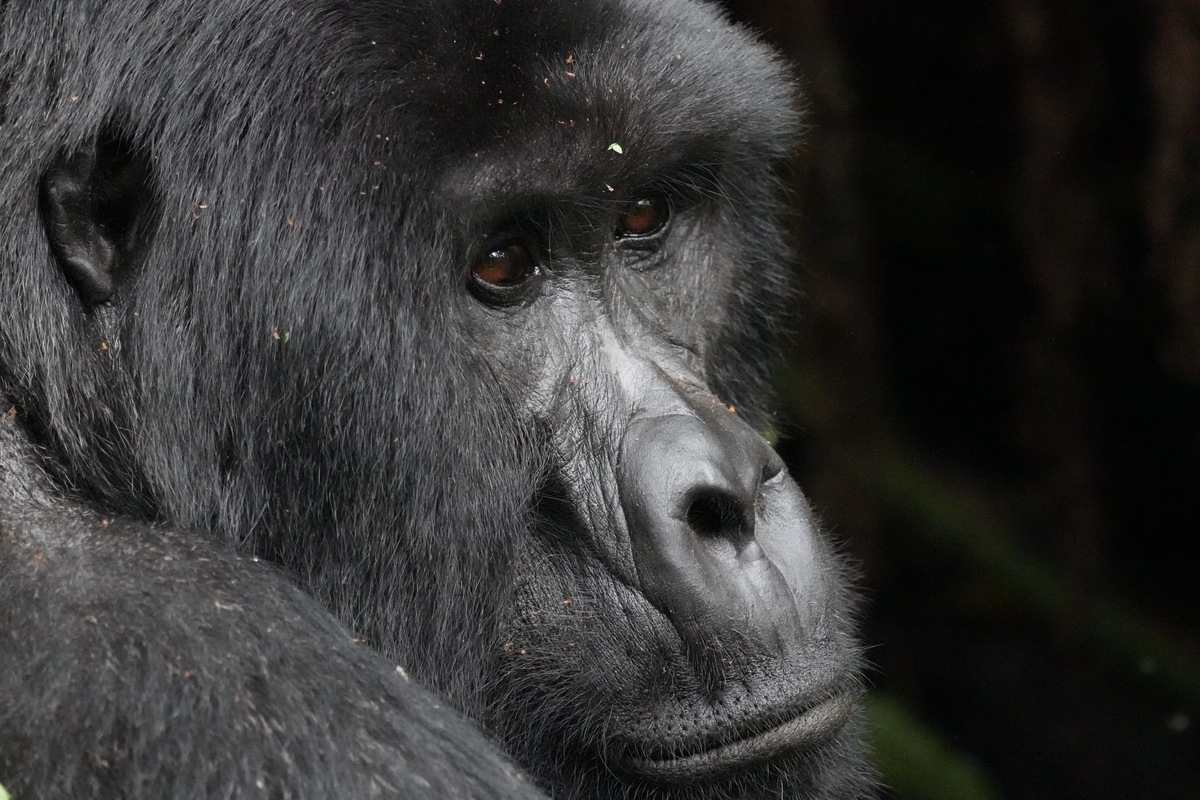
Posho Gorilla Family
For travellers interested in learning more about gorilla conservation, the habituation process offers a particularly fascinating perspective on the work involved in protecting these endangered primates.
Gorilla Trekking Experience in Nkuringo
Gorilla trekking in Nkuringo begins early in the morning with a briefing at the park headquarters. Visitors receive information about the gorilla families, trekking expectations, safety guidelines and responsible behaviour around the animals.
After the briefing, visitors are allocated to a gorilla family and accompanied by experienced park guides, trackers and armed rangers into the forest. The guides share information about the forest ecosystem, gorilla behaviour and conservation efforts while helping visitors navigate the sometimes challenging terrain.
Nkuringo is particularly known for its steep hillsides and mountainous landscape. Some treks can involve considerable uphill and downhill hiking, depending on the location of the assigned gorilla family. Trekking can take several hours, so a reasonable level of physical fitness is recommended.
Once the gorillas are located, visitors are allowed to spend one hour observing them. This is often the highlight of the entire safari. Watching a silverback resting nearby, mothers caring for their young and juveniles playing among the vegetation provides an unforgettable opportunity to appreciate the social lives of these remarkable animals.
For visitors who want to spend more time learning about mountain gorillas, the habituation experience offers a different opportunity, allowing up to four hours with a gorilla group undergoing habituation, subject to permit availability and the applicable park arrangements.
Gorilla Trekking Permits for Nkuringo
A valid gorilla trekking permit is required before visiting a habituated gorilla family in Nkuringo. Permits are issued through the Uganda Wildlife Authority, and advance booking is strongly recommended, particularly during the busy travel seasons.
Under Uganda’s standard gorilla trekking arrangements, each habituated family is visited by a maximum of eight tourists per day. This controlled number helps limit disturbance to the gorillas and supports responsible tourism.
Travellers should also note that the minimum age for mountain gorilla trekking in Uganda is 15 years. Since permits are limited, it is advisable to secure them before confirming the rest of your safari arrangements.
Naseeb Safaris Uganda assists travellers with gorilla permit arrangements, accommodation bookings, transportation and customised Uganda safari itineraries.
Best Time to Visit Nkuringo for Gorilla Trekking
Gorilla trekking in Nkuringo is possible throughout the year because mountain gorillas remain in Bwindi’s forest regardless of the season. However, the experience can vary depending on rainfall, trail conditions and vegetation.
The drier months of June to September and December to February are generally popular with visitors. During these periods, forest trails are often easier to navigate, making hiking more comfortable. These months also coincide with busy travel periods, so gorilla permits and preferred accommodation can become limited.
The wetter months, particularly March to May and October to November, bring more rainfall. Trails can become muddy and slippery, and thick vegetation may make some sections of the forest more challenging to navigate. However, these months can offer quieter trekking conditions and beautiful green scenery.
Regardless of when you visit, it is important to prepare for changing weather conditions. Good hiking boots, waterproof clothing, gardening gloves and a walking stick can make a significant difference during the trek.
Where to Stay in Nkuringo
Nkuringo offers several accommodation options for visitors planning a gorilla trekking safari. Travellers can choose from luxury lodges, comfortable midrange properties and more affordable accommodation depending on their preferences and safari budget.
Some of the accommodation options in and around the area include Nkuringo Bwindi Gorilla Lodge, Clouds Mountain Gorilla Lodge, Gorilla Heights Lodge, Chameleon Hill Lodge, Mutanda Lake Resort, and Nkuringo Campsite Bwindi Backpackers.
Staying in Nkuringo allows visitors to enjoy beautiful views of the surrounding mountains and forest landscapes. Many lodges also provide comfortable rooms, restaurants, gardens and welcoming hospitality, making them suitable places to relax after a challenging day of gorilla trekking.
When planning your accommodation, it is important to consider the location of your lodge in relation to the trekking headquarters. Staying close to the starting point can make the early morning briefing and transfer arrangements easier.
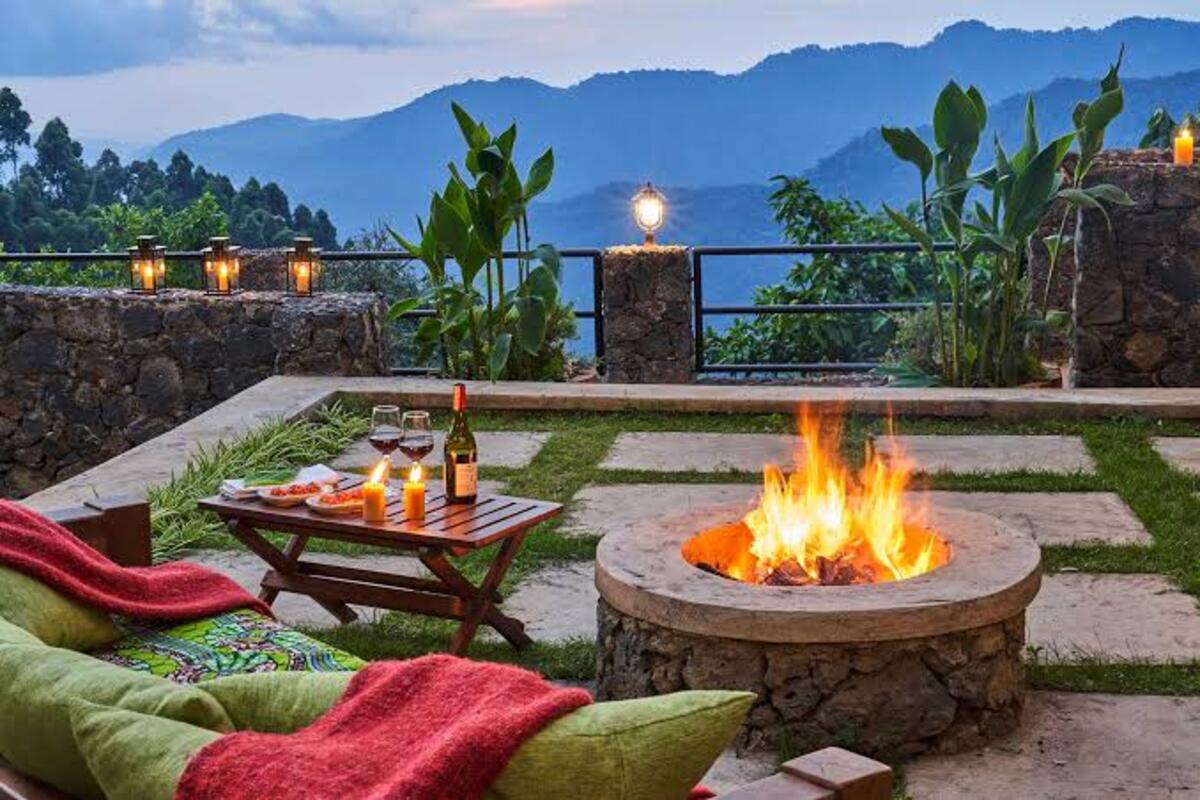
Accommodation in Nkuringo
Other Activities to Enjoy Around Nkuringo
Although mountain gorilla trekking is the main attraction, Nkuringo ffers several other activities that allow visitors to explore the surrounding forest and experience local culture.
Nature walks and hiking trails provide opportunities to discover Bwindi’s rich biodiversity, including different monkey species, forest plants, butterflies and numerous bird species. Birdwatching is particularly rewarding for nature enthusiasts, with the forest supporting several Albertine Rift bird species.
The Kashasha River Trail is an interesting option for visitors who enjoy longer hikes. It passes through beautiful forest landscapes and offers views of the surrounding valleys. The Ivy River Trail is another popular hiking option, connecting different parts of Bwindi through forested valleys and river crossings.
Visitors can also explore the Buniga Forest Trail to learn about the relationship between the Batwa people and Bwindi Impenetrable Forest. This cultural experience provides insight into the traditional forest lifestyle and the history of one of the region’s indigenous communities.
Village walks offer another opportunity to interact with local communities, visit community projects and learn about traditional activities, including basket weaving, crafts, food preparation, music and dance.
These activities can be incorporated into a longer stay in Nkuringo, making the area more than just a gorilla trekking destination.
How to Get to Nkuringo Sector of Bwindi
Nkuringo can be reached by road or domestic charter flight, depending on your starting point, travel schedule and safari budget.
Travellers departing from Kampala or Entebbe can drive southwest through Masaka and Mbarara towards Kabale, before continuing towards Muko and Nkuringo. The journey takes approximately 9–10 hours, depending on road conditions and stops.
Another option is to travel through Kisoro and Lake Mutanda before continuing to Nkuringo. This route offers beautiful scenery, although driving times and road conditions vary.
For visitors travelling from Kigali, Rwanda, Nkuringo can be incorporated into a cross-border Uganda and Rwanda safari. The journey typically involves crossing into Uganda through the Cyanika or Katuna border before continuing towards the southwestern part of Bwindi. This makes Nkuringo an attractive option for travellers who want to combine gorilla trekking in Uganda with other experiences in Rwanda.
Travellers who prefer flying can arrange a domestic charter flight from Entebbe or Kajjansi to Kisoro Airstrip, followed by a road transfer to Nkuringo. Flight and transfer arrangements should be confirmed in advance.
Plan Your Nkuringo Gorilla Trekking Safari with Naseeb Safaris Uganda
Nkuringo offers a remarkable combination of mountain gorilla encounters, challenging forest hikes, beautiful scenery and meaningful cultural experiences. From the historic Nkuringo family to the Christmas and Bushaho groups, each family provides a different opportunity to appreciate the lives of mountain gorillas in their natural environment.
At Naseeb Safaris Uganda, we organise private and tailor-made Uganda gorilla trekking safaris, helping travellers experience Bwindi in a comfortable and well-organised way. We arrange gorilla permits, suitable accommodation, experienced safari guides and reliable 4×4 safari vehicles.
Whether you are planning a short gorilla trekking trip or a longer Uganda wildlife safari combining Bwindi with Queen Elizabeth National Park, Kibale Forest or Murchison Falls National Park, we can help create an itinerary that suits your interests, available time and budget.
Contact us today to start planning your Uganda gorilla trekking adventure.