
Big Five Safaris in Uganda: Lion, Leopard, Elephant, Buffalo & Rhino
Big Five Safaris in Uganda: Lion, Leopard, Elephant, Buffalo & Rhino, Uganda is better known internationally for mountain gorillas and chimpanzees, but its savannahs tell a different story. Across the country’s national parks, elephants move through open grassland, buffalo gather in large herds, lions patrol the plains and leopards keep to the edges of woodland. Rhinos, meanwhile, are at the centre of one of Uganda’s most important wildlife restoration efforts.
For travellers planning a Big Five safari in Uganda, the important thing to understand is that this is not simply a five-animal checklist. The experience depends on where you go, how much time you allow, the season, the quality of guiding and, ultimately, the unpredictable behaviour of wild animals. Uganda’s advantage is the variety around those encounters: the Nile at Murchison Falls, the Kazinga Channel in Queen Elizabeth, the remote valleys of Kidepo and the conservation story surrounding rhinos.
What Are the Big Five in Uganda?
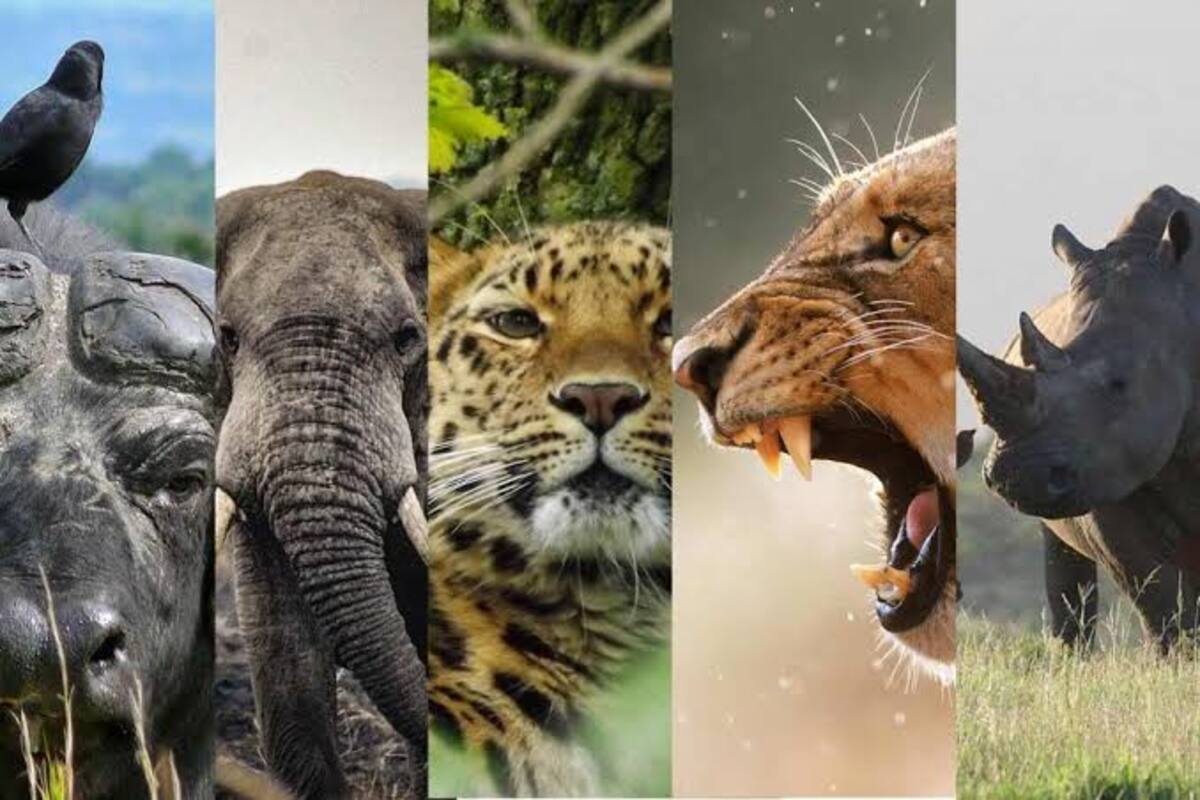
The Big Five are the lion, leopard, African elephant, African buffalo and rhinoceros. The term originated from the animals considered among the most difficult and dangerous to hunt on foot, but today it is primarily associated with wildlife viewing.
Uganda has populations of lion, leopard, elephant and buffalo in several protected areas. The country’s rhino story is somewhat different. Southern white rhinos are being restored through conservation programmes, with Ziwa Rhino Sanctuary playing a central role. Uganda Wildlife Authority currently manages ten national parks as well as wildlife reserves and sanctuaries.
That distinction matters when planning a safari. Seeing four of the Big Five during conventional game drives is one experience; adding rhino tracking makes the journey a broader exploration of Uganda’s conservation landscape.
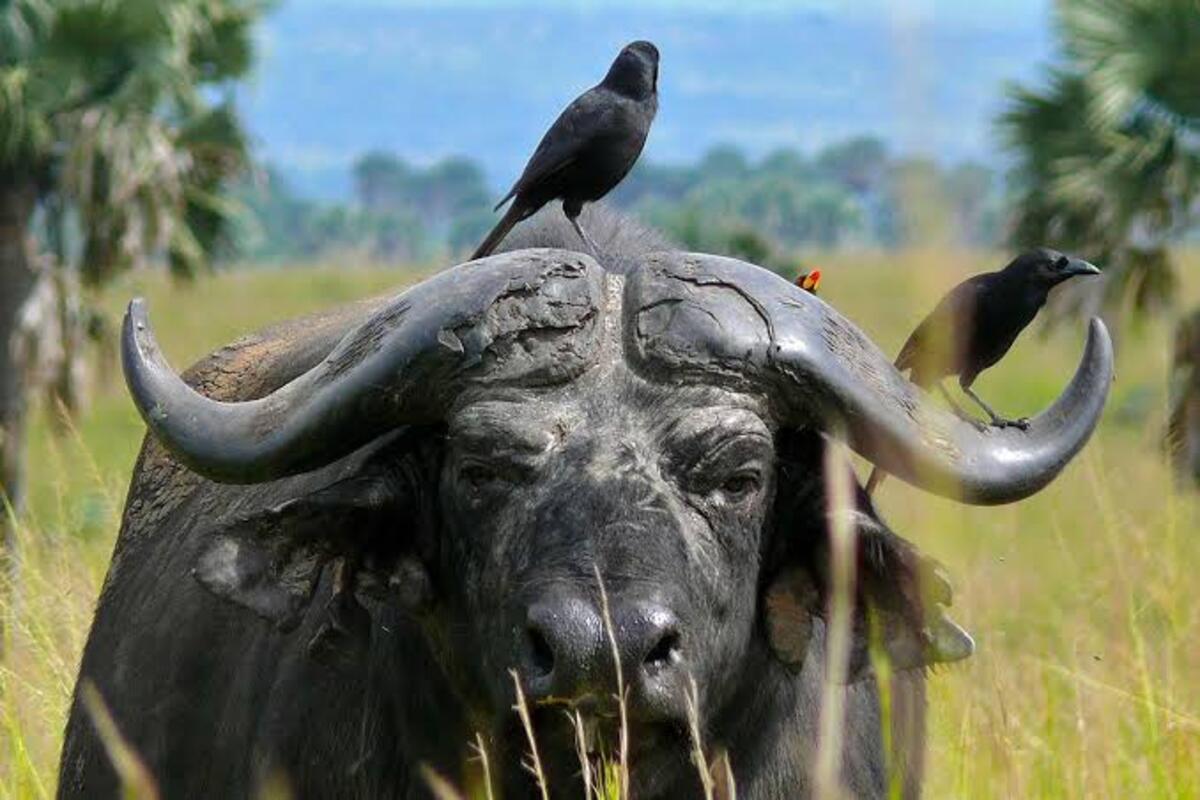
Cape buffalo with Piapiac in Murchison Falls national park
Where Can You See the Big Five in Uganda?
Murchison Falls National Park
For a first Uganda wildlife safari, Murchison Falls National Park is one of the most useful places to start. It is the country’s largest national park and offers extensive savannah habitat where elephants, buffaloes, lions, leopards and other plains wildlife can be encountered.
Game drives in the northern sector, particularly around Buligi, pass through open grassland and woodland where Uganda kob, giraffes, hartebeest and other antelope are also found. Leopards are present but are considerably more elusive than elephants or buffaloes. Finding one may require patience, good observation and some luck.
The wildlife experience is closely tied to the Nile. A boat trip towards the bottom of Murchison Falls can reveal hippos and crocodiles along the river, while elephants and buffalo may come down to drink. The river also attracts a remarkable variety of birds.
Queen Elizabeth National Park
Queen Elizabeth National Park offers a different combination of wildlife and scenery. Its savannah plains, woodland, lakes and the Kazinga Channel create varied habitats for elephants, buffaloes and lions. Leopards occur here too, although they are not animals you should expect to see on every drive.
The southern Ishasha sector is particularly associated with tree-climbing lions. Their behaviour is famous, but there is an important practical point for first-time visitors: lions do not climb trees on demand. Seeing them resting in branches depends entirely on where the animals happen to be and what they are doing that day.
A boat cruise along the Kazinga Channel is another reason to spend time here. From the water, you can watch hippos, crocodiles, elephants, buffaloes and waterbirds without the experience being reduced to another vehicle-based game drive. Queen Elizabeth is among the country’s key wildlife destinations especially with tree-climbing lions.
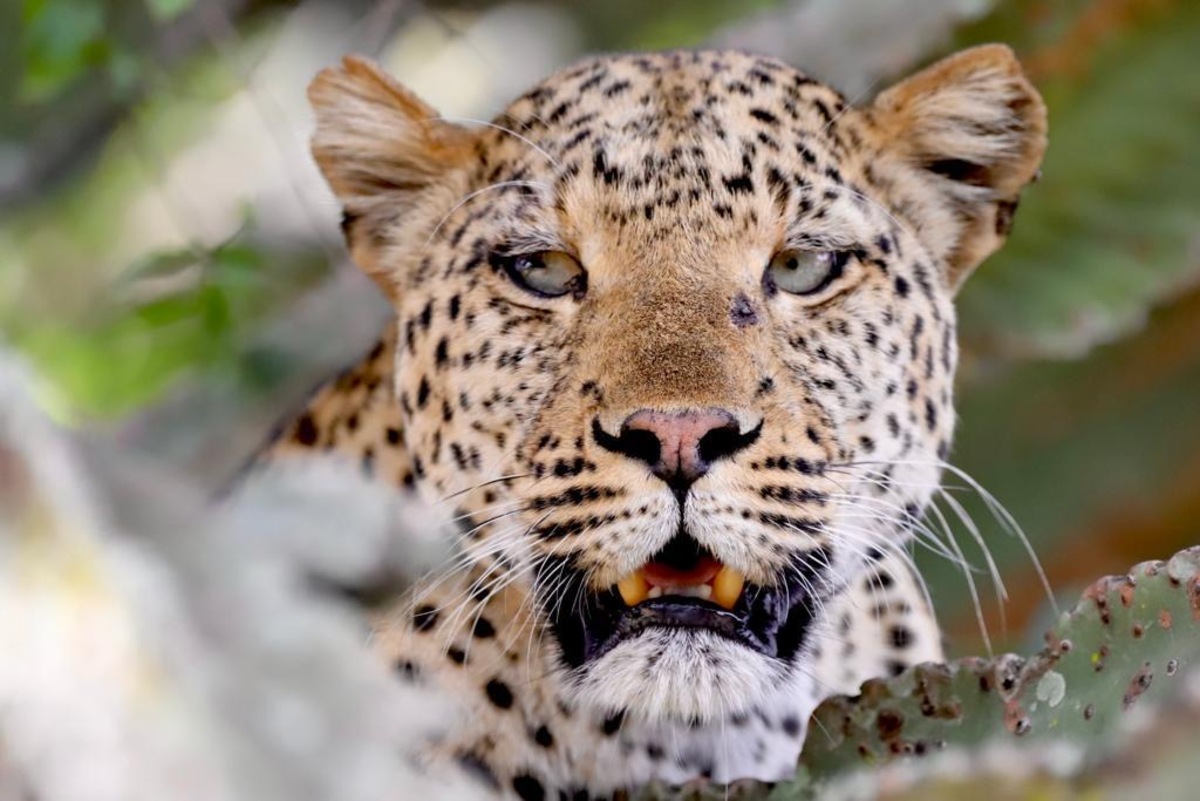
Leopard in Queen Elizabeth National Park
Kidepo Valley National Park
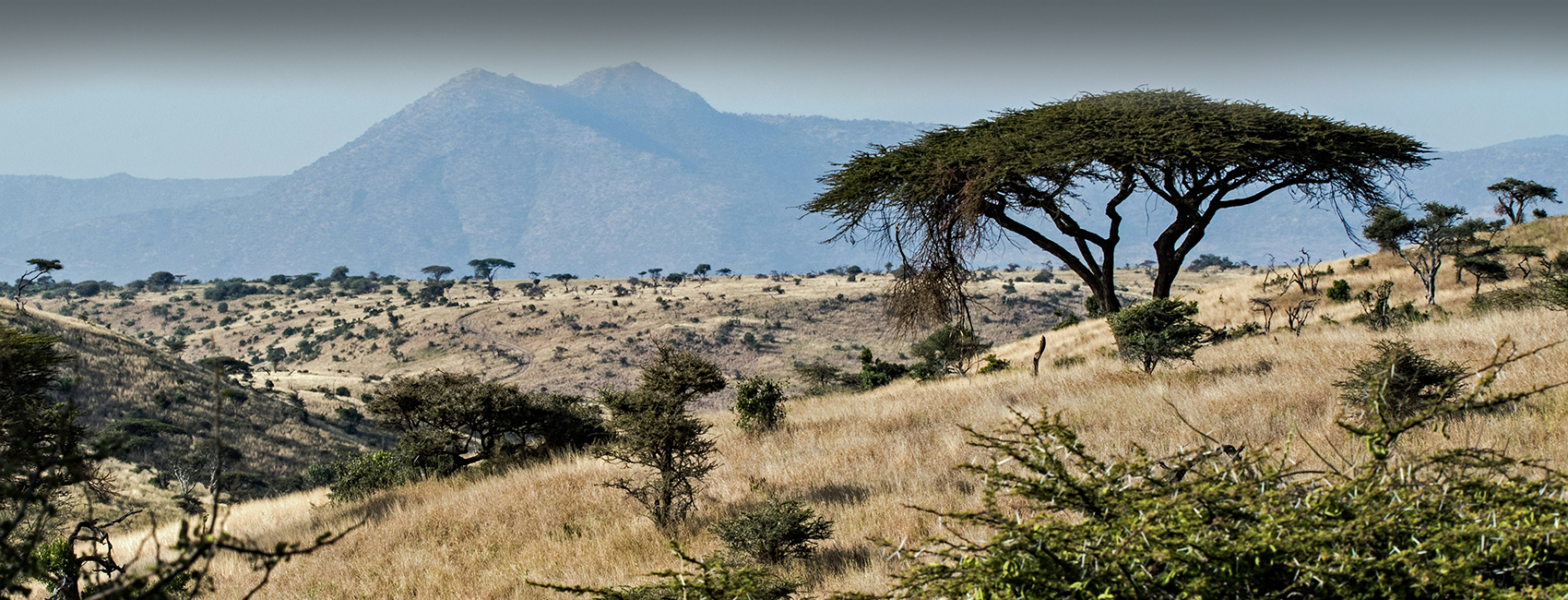
Kidepo is for travellers who have more time and want to include a remote wilderness area in their itinerary. In Uganda’s northeast, the park has broad valleys, rugged mountains and extensive open landscapes.
Lions, elephants, buffaloes and leopards occur in the park, but Kidepo should not be approached as a guaranteed Big Five destination. Its appeal lies partly in the wider experience: fewer people, a remote setting and wildlife viewed against a landscape that feels very different from western Uganda.
There is also an important recent development in Kidepo’s conservation story. In March 2026, UWA began reintroducing southern white rhinos to the park, beginning with two animals as part of a planned total of eight. The move followed more than four decades without rhinos in Kidepo.
This does not mean travellers should currently plan a safari around seeing rhinos in Kidepo. The animals were initially placed in a secure sanctuary within the park for close monitoring and adaptation.
Where Can You See Rhinos in Uganda?
Rhinos require separate consideration when planning a Big Five safari.
Ziwa Rhino Sanctuary, in Nakasongola, has been central to Uganda’s rhino recovery programme since its establishment in 2005. Southern white rhinos were reintroduced there after rhinos had disappeared from Uganda because of poaching, insecurity and habitat loss.
The experience is different from a normal game drive. Rhino tracking is conducted on foot with guides, giving visitors the opportunity to learn about the animals and Uganda’s conservation programme while following the sanctuary’s safety procedures.
Ziwa can fit naturally into a route between Kampala or Entebbe and Murchison Falls. For someone specifically interested in the Big Five, combining rhino tracking with several game drives in Murchison provides a realistic way to search for all five during one trip, although no responsible safari operator should promise that every animal will be seen.
Uganda’s rhino restoration is continuing. UWA reported that additional southern white rhinos were brought into the country in late 2025, while reintroduction efforts have expanded to other suitable areas.
How Long Do You Need for a Big Five Safari?
There is no single ideal length because the answer depends on whether your priority is simply wildlife or a broader Uganda journey.
A shorter safari can concentrate on Ziwa Rhino Sanctuary and Murchison Falls. With more time, Murchison can be combined with Queen Elizabeth National Park. Kidepo requires considerably more travel time and therefore makes more sense when the remote northeast is an important part of the trip.
One common mistake is trying to cover too many parks in too few days. Long road transfers can take time away from the very thing you travelled to Uganda for: being in the wildlife areas. It is usually more rewarding to allow several game drives in fewer parks than to rush through a long list of destinations.
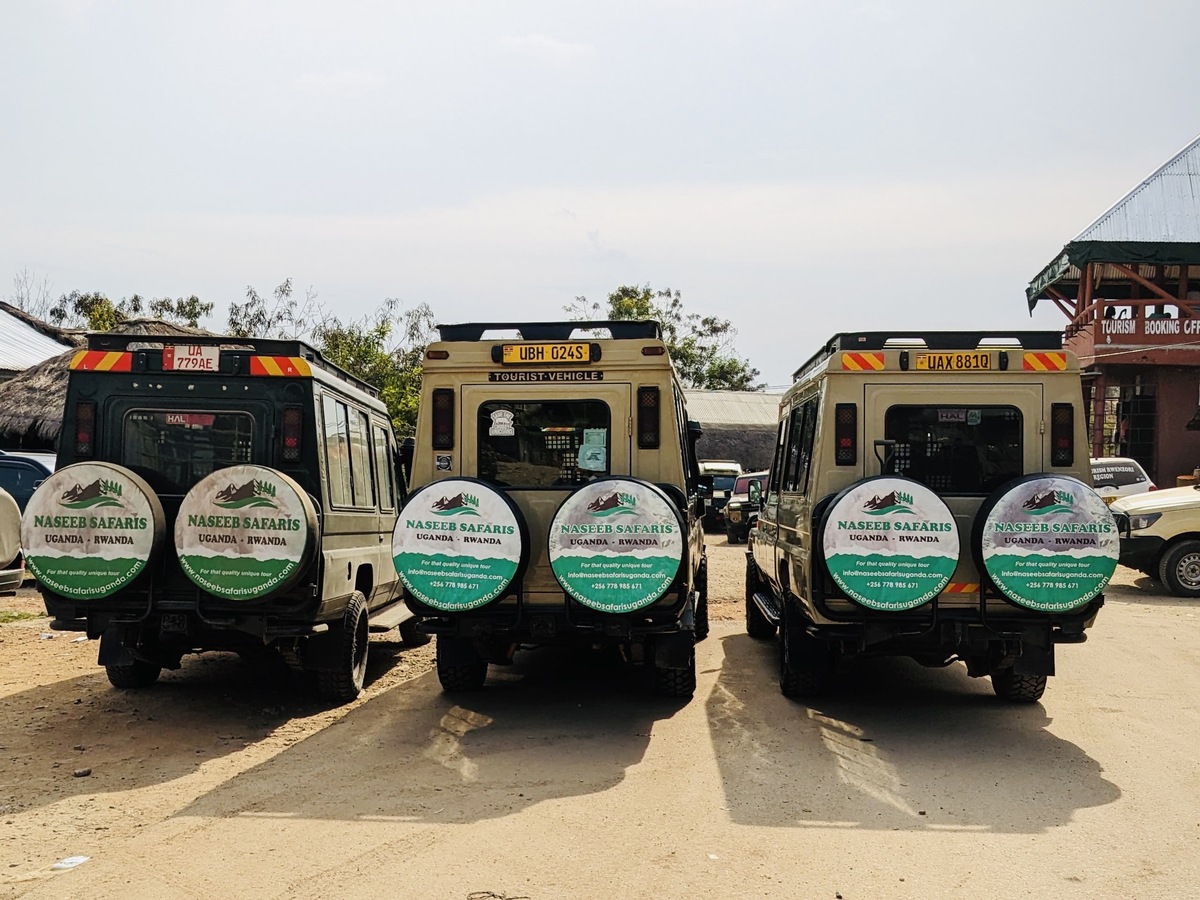
Uganda’s roads and travel times also vary considerably. A private 4×4 safari vehicle is particularly useful on longer itineraries because the journey can be adapted around the traveller’s pace, interests and accommodation choices.
When Is the Best Time for a Big Five Safari in Uganda?
Uganda is a year-round safari destination, but the conditions change with the seasons.
During drier periods, vegetation in some areas becomes less dense and animals may concentrate around dependable water sources, potentially making wildlife easier to locate. Wetter months produce greener landscapes and can be rewarding for photography and birdwatching, although rain can make some unpaved roads more challenging.
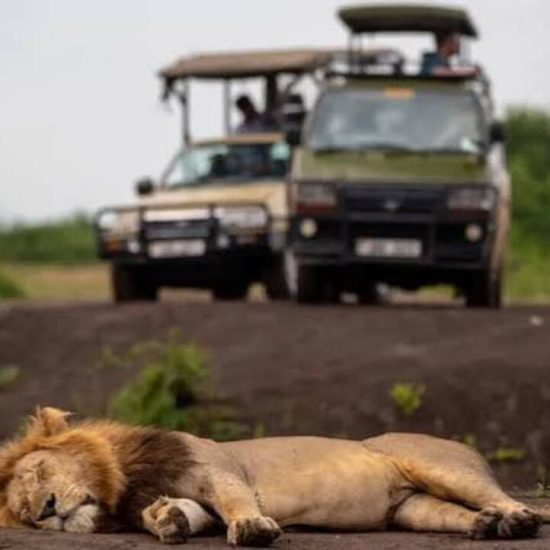
There is therefore no month in which every wildlife sighting is guaranteed. A safari is still a wildlife experience, not a zoo visit. Even in a productive season, a leopard can remain hidden and a pride of lions may spend much of the day resting.
What Should You Expect on a Big Five Game Drive?
Early morning drives are useful because temperatures are cooler and many animals are more active. Later drives can reveal different behaviour as temperatures fall and predators begin moving again.
Your guide is an important part of this experience. A good guide does more than locate animals. They can explain tracks, alarm calls, animal behaviour, vegetation and the relationship between wildlife and the surrounding communities.
Photographers should also resist the temptation to judge a safari only by the number of close-up portraits captured. A distant elephant against a broad landscape, a lion partially concealed in grass or buffalo moving through morning light can tell a better story than a tightly framed photograph.
A camera with a versatile telephoto lens is useful, but photography should never come before responsible wildlife viewing. Keep a respectful distance, avoid sudden movements and follow your guide’s instructions.
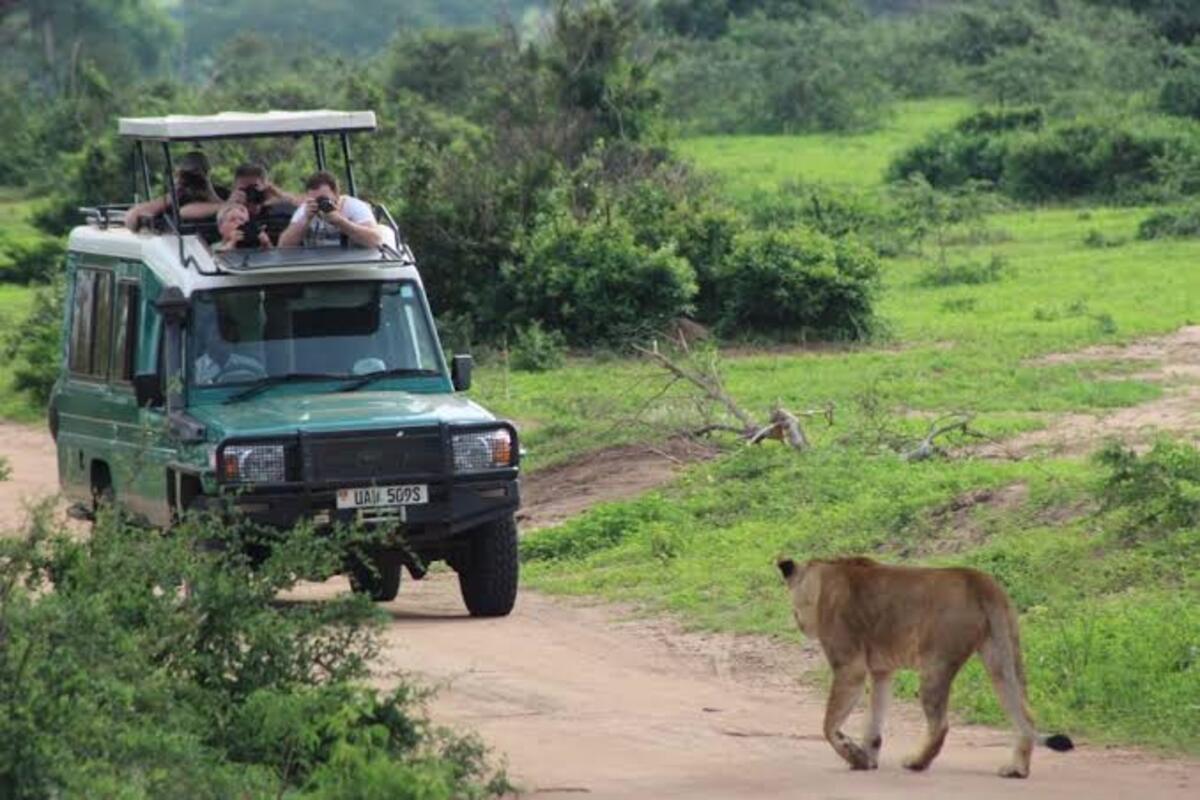
Tourists taking a photo of a lion
What Does a Big Five Safari Cost?
Safari prices vary according to the number of travellers, accommodation level, vehicle, route, season and activities included. Park fees and activities are additional components of the overall cost.
For example, UWA’s July 2024–June 2026 tariff lists international non-resident park entry at US$45 for Murchison Falls and US$40 for Queen Elizabeth, while the launch trips in both parks are listed at US$30. Because tariffs can change, travellers planning a future safari should check the latest UWA rates rather than relying on an old price found online.
Accommodation ranges from straightforward safari camps and lodges to more comfortable properties with additional facilities. Choosing a lodge based solely on its price can be a mistake if it also means adding long daily transfers to reach the best game-viewing areas.
What Should You Pack?
For a Big Five safari, practical clothing matters more than having a large wardrobe. Lightweight, neutral-coloured clothing, comfortable walking shoes, a hat, sunscreen, insect repellent and a light rain layer are useful. Binoculars are highly recommended, particularly for spotting birds and distant wildlife.
Bring spare camera batteries or a reliable charging solution, especially when spending several nights away from major towns. A small day bag is useful for boat trips and nature walks.
If your itinerary includes rhino tracking, ask in advance about the walking conditions and footwear requirements. The same applies if you combine your wildlife safari with chimpanzee or gorilla trekking.
Responsible Wildlife Viewing in Uganda
A safari contributes to conservation when tourism is managed responsibly, but visitors also have a direct role to play. Never feed wild animals, do not pressure a driver to approach an animal too closely, avoid loud behaviour around wildlife and follow park regulations.
It is equally important to remember that national parks are not isolated from the people who live around them. Uganda Wildlife Authority’s conservation work includes community involvement and efforts to address human-wildlife conflict.
Choosing locally operated services, respecting communities and paying fair prices for guiding and other services can help ensure that tourism benefits more than the visitor.
Is a Big Five Safari in Uganda Right for You?
If your main objective is to see five particular animals as quickly as possible, it is worth remembering that wildlife is unpredictable. Uganda is better suited to travellers who appreciate the process as much as the checklist: the early start, the changing landscape, the search for tracks, the sudden appearance of an elephant herd and the quiet moments when nothing seems to happen.
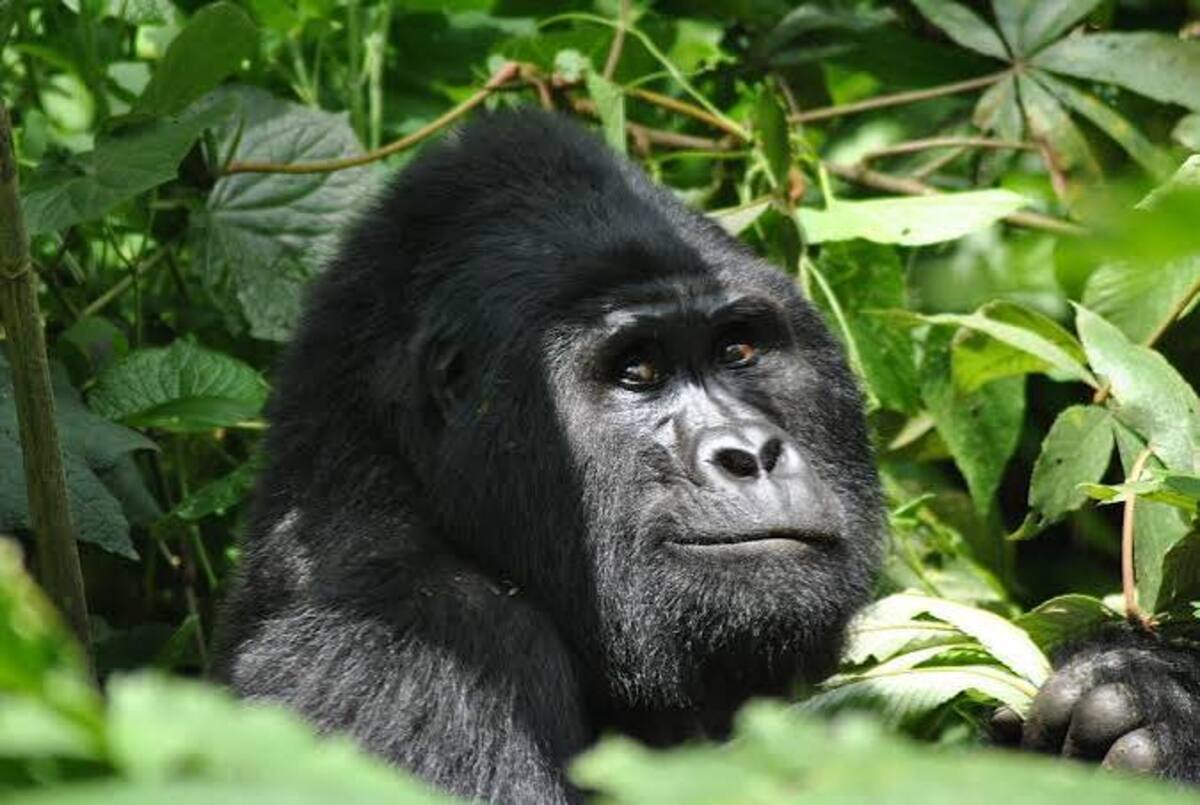
That is also what makes a Uganda safari more varied than a simple Big Five hunt. You can follow rhino conservation at Ziwa, watch elephants beside the Nile, search for lions across Queen Elizabeth’s plains and then continue into forests for chimpanzees or gorillas.
The five animals may be the starting point, but they are not the whole story.
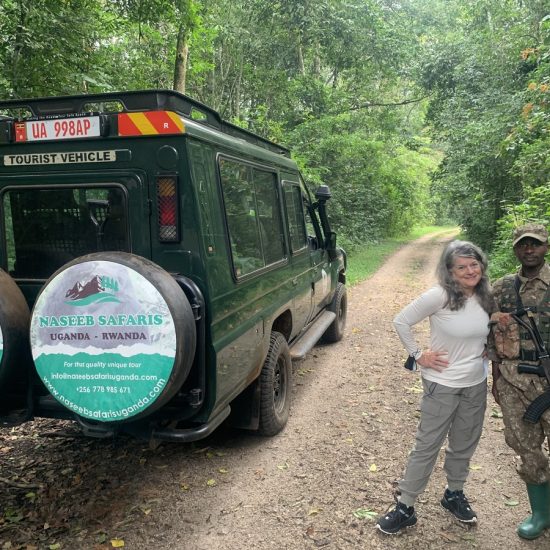
At Naseeb Safaris, we help travellers build Uganda itineraries around the experiences that matter to them, whether that means concentrating on wildlife, adding chimpanzee or gorilla trekking, including cultural experiences or simply allowing more time to explore. If you are considering a Big Five safari, contact us with your travel dates, interests and preferred level of accommodation, and we can help you work out a practical route rather than simply adding every destination to the itinerary.
Frequently Asked Questions
Can you see all the Big Five in Uganda?
Yes, it is possible to plan a safari that includes opportunities to see lion, leopard, elephant, buffalo and rhino. However, sightings of wild animals cannot be guaranteed. Rhino tracking and conventional game drives are also different experiences.
Where is the best place to see the Big Five in Uganda?
Murchison Falls and Queen Elizabeth are important destinations for a conventional wildlife safari, while Ziwa Rhino Sanctuary is central to Uganda’s rhino experience. Kidepo offers another option for travellers with more time.
Are there rhinos in Uganda?
Yes. Uganda has southern white rhinos through its conservation and reintroduction programmes. Ziwa Rhino Sanctuary remains central to the country’s rhino recovery work, while rhinos are also being reintroduced into suitable protected areas.
How many days do I need for a Big Five safari in Uganda?
A shorter trip can focus on Ziwa and Murchison Falls, while a longer itinerary can combine Murchison with Queen Elizabeth. Kidepo is best considered when you have enough time for the additional travel.
Is a Uganda safari safe?
Safari activities take place under park regulations and with experienced guides, but wildlife is wild and visitors should always follow ranger and guide instructions. Never approach animals on foot unless you are participating in an authorised guided activity.
What is the best time for a Big Five safari in Uganda?
Uganda can be visited throughout the year. Drier periods can offer favourable conditions for wildlife viewing, while wetter months bring greener scenery and can be attractive for photography and birdwatching.