
Solo Women Travelling to Uganda For Safari
Solo Women Travelling to Uganda For Safari, Uganda is a rewarding destination for women who want to travel independently without having to experience every part of a journey completely alone. The country combines rainforest trekking, wildlife safaris, lakes, mountains and community experiences, and a well-planned trip can give a solo traveller both independence and the reassurance of local support when it matters.
For a first-time visitor, however, Uganda requires more planning than simply arriving and deciding where to go next. National parks are widely separated, some roads are long and rough, and several of the country’s most important experiences require advance arrangements. The most enjoyable solo journeys usually balance free time with organised transport, knowledgeable guides and accommodation chosen with the traveller’s needs in mind.
Is Uganda suitable for solo female travellers?
Yes, but it helps to understand what solo travel means here. Spending time alone in Entebbe or Kampala is very different from travelling independently between Bwindi, Kibale and Queen Elizabeth National Park.
Uganda’s main safari areas are rural, and road journeys can take several hours. Public transport is available, but it may not be the most convenient option when carrying luggage or travelling between remote parks. For a multi-park safari, having a professional driver-guide can make the journey considerably simpler.
This does not mean a solo traveller has to spend the entire trip in the company of a guide. You can have your own room, choose your activities and enjoy quiet time at a lodge while having organised transport for the longer journeys.
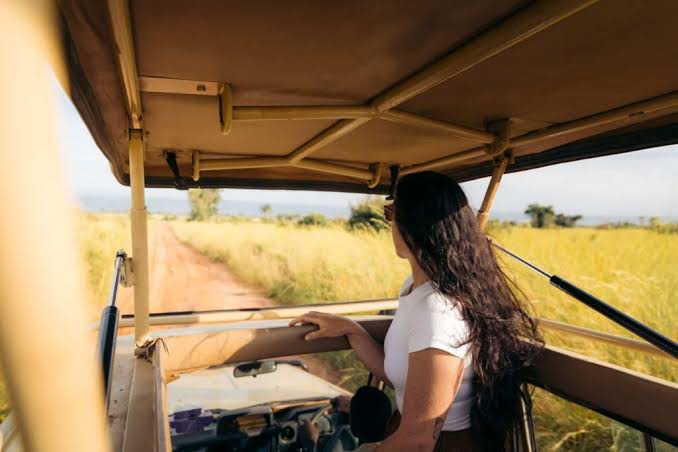
Solo female traveller on a game drive in Murchison falls
Where can solo women travel in Uganda?
The best destination depends on what you want from the trip.
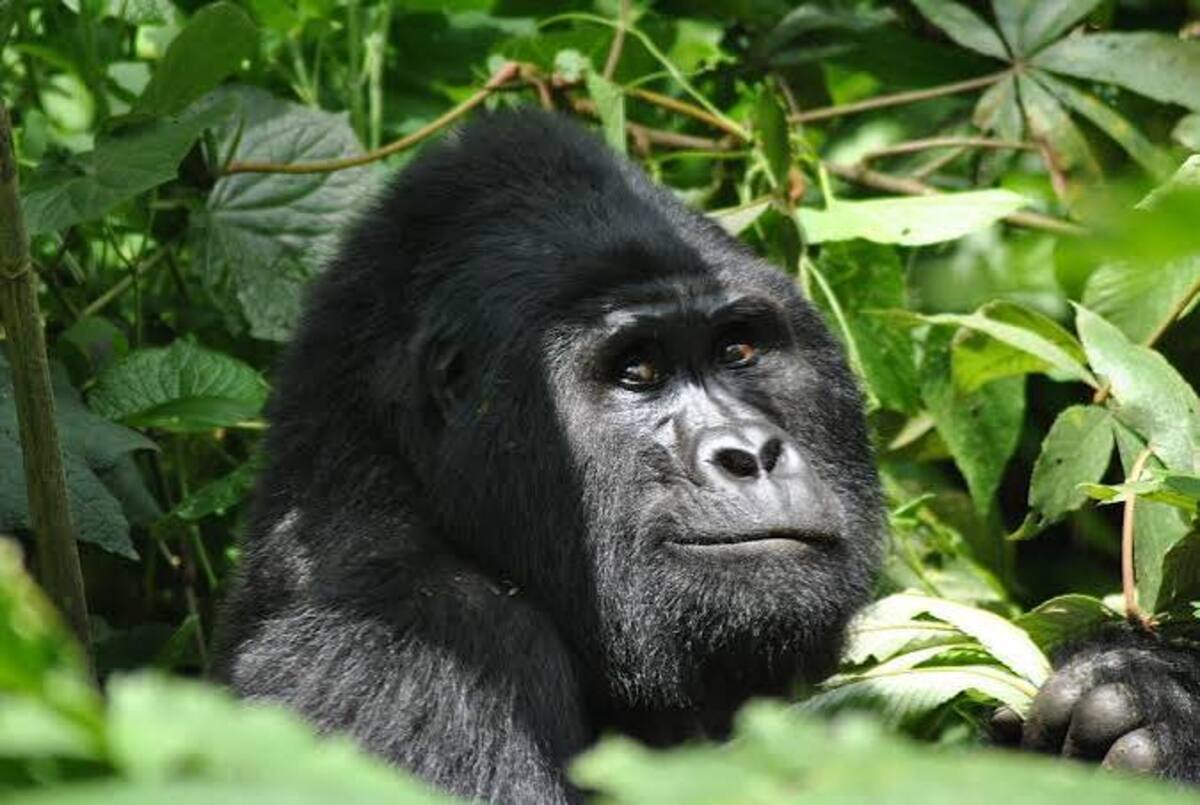
Bwindi Impenetrable National Park is the obvious choice for gorilla trekking. The forest is mountainous and the trek can be physically demanding, gorilla tracking requires moderate fitness and lasting roughly three to seven hours depending on the conditions and location of the gorilla family.
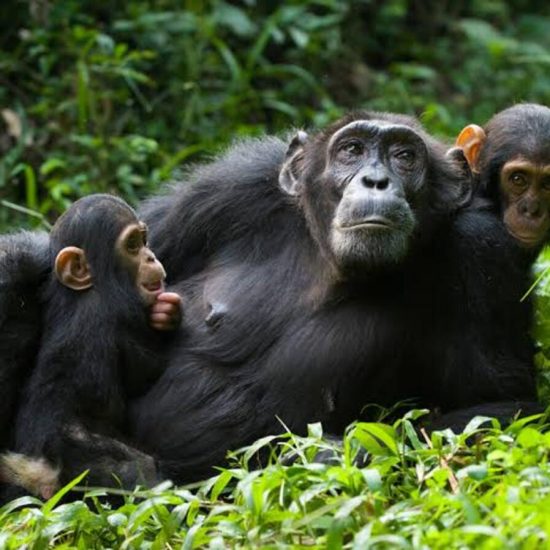
Kibale National Park is particularly appealing to travellers interested in chimpanzees and other primates. Chimpanzee tracking is a guided forest activity rather than an independent walk, and conditions can vary according to weather and where the chimpanzees are moving.
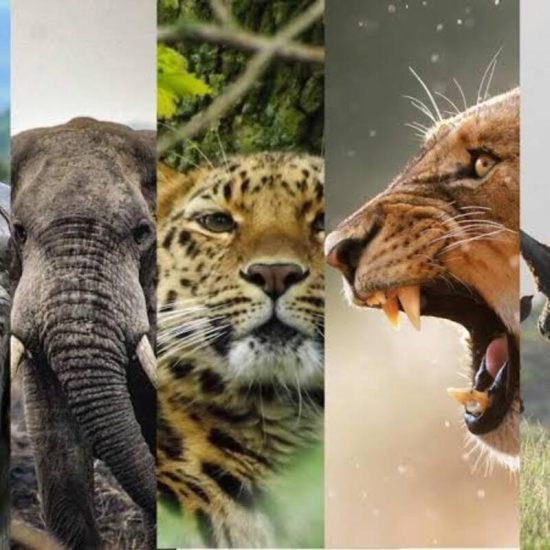
Queen Elizabeth National Park works well for a first safari, combining game drives with the Kazinga Channel boat cruise. Murchison Falls National Park offers another side of Uganda, with broad savannah landscapes and the Nile at the centre of the experience.
For a shorter safari, Lake Mburo National Park is worth considering, particularly if zebras, giraffes and walking experiences appeal to you.
If birds are your priority, Mabamba Swamp, close to Entebbe, is one of the places to consider for a shoebill search.
Should you travel independently or use a safari guide?
For a short urban stay, independent travel may suit you perfectly. For a safari covering several national parks, a local driver-guide can remove much of the logistical work.
Your guide can handle long-distance driving, park procedures and game drives while explaining the landscapes and wildlife along the way. This is particularly useful in western Uganda, where some approaches to Bwindi involve winding roads and sections of unpaved terrain. A 4WD vehicle is recommended for several routes into Bwindi.
Solo does not have to mean isolated. Gorilla and chimpanzee trekking groups, boat cruises, lodge dining areas and shared activities naturally create opportunities to meet other travellers.
If you enjoy socialising, a scheduled group safari can provide that structure. If you prefer deciding your own pace, a private safari gives you more flexibility.
What should solo female travellers know about safety?
The same basic precautions that make sense elsewhere are useful in Uganda: keep valuables secure, avoid carrying unnecessary amounts of cash, use trusted transport and be more cautious after dark in unfamiliar urban areas.
In Kampala and other towns, it is sensible to ask your hotel or lodge to arrange transport when you are unfamiliar with the area. In national parks, follow the instructions of your guide and Uganda Wildlife Authority personnel, particularly around wildlife.
It is also worth leaving your itinerary and accommodation details with someone at home and establishing a simple check-in routine during the trip.
Cultural awareness matters too. Uganda is generally more conservative outside the main tourist areas, so modest clothing is a practical choice when visiting villages, markets and communities. Safari clothing such as lightweight trousers and shirts works well in most settings.
Photography deserves some thought. Ask before photographing people, particularly in villages and markets. A simple request can turn a potentially awkward moment into a friendly interaction.
What is accommodation like for solo travellers?
Solo travellers can stay in everything from simple guesthouses to luxury safari lodges. The choice is less about finding accommodation specifically labelled “solo female friendly” and more about choosing a property with a good location, reliable staff and suitable facilities.
Lodges with communal dining areas can be particularly enjoyable because they provide opportunities to meet other guests without requiring you to join a group throughout the day.
If privacy is important, a private room is usually straightforward to arrange, although solo travellers should ask about single supplements when comparing safari prices. Accommodation is often priced per person sharing, so travelling alone can make the per-person cost higher.
Can a solo woman go gorilla trekking?
Yes. Travelling to Uganda alone does not prevent you from joining a gorilla trek. The trekking experience itself is organised through the park system, with guides and trackers accompanying visitors.
Foreign non-residents currently pay US$800 for a standard gorilla trekking permit. The permit includes the gorilla tracking activity and associated park and guide services.
Gorilla trekking also requires reasonable physical preparation. Bwindi’s terrain consists of steep ridges and valleys, and the duration of a trek depends heavily on where the gorilla family is located that day.
For international visitors, permits should be arranged well ahead of the trip, especially if you have specific dates or a preferred trekking sector. For foreign non-resident gorilla and chimpanzee permits are sold through Uganda Tourism Board-licensed tour operators like Naseeb safaris and many others.
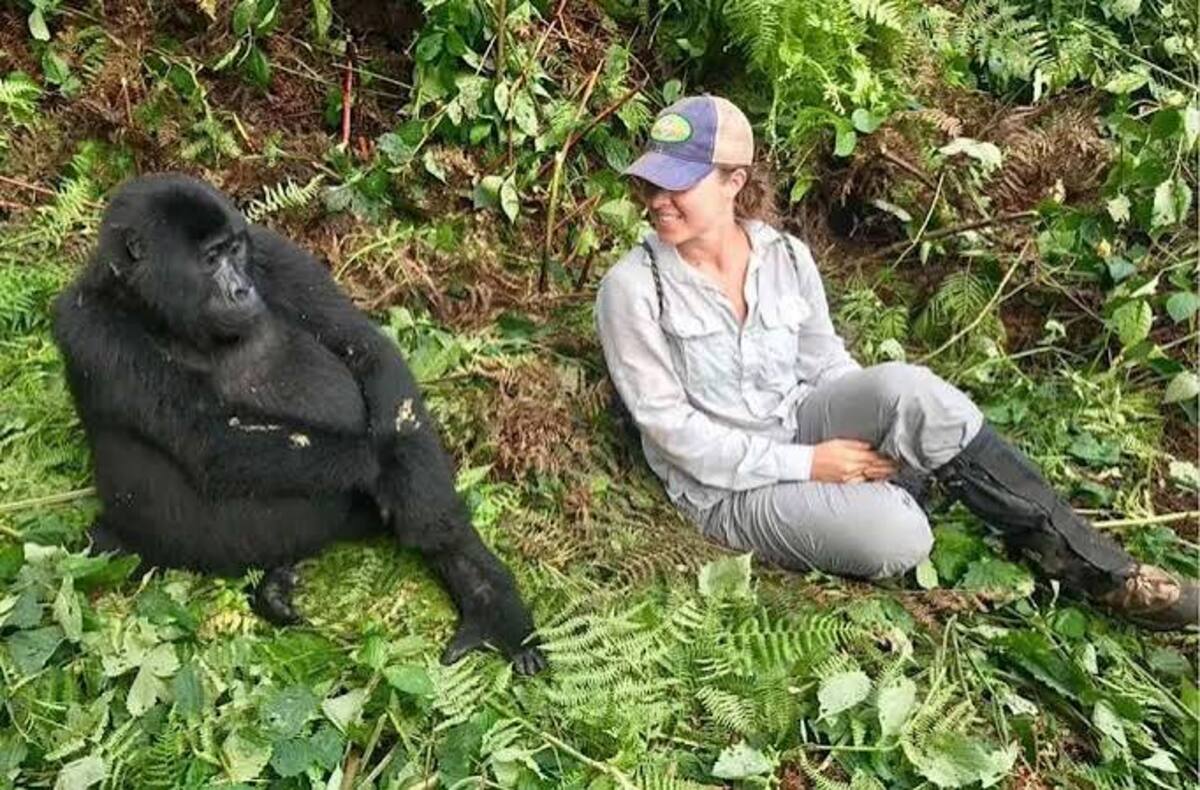
Gorilla Encounter
What about chimpanzee trekking?
Kibale offers one of Uganda’s best-known chimpanzee tracking experiences. Unlike a traditional safari drive, this is a forest walk in which the chimpanzees’ movements influence how long and how far you travel.
UWA’s currently published tariff lists chimpanzee tracking in Kibale at US$250 for foreign non-residents and $300effective 1st January 2027.
Expect uneven ground, vegetation and potentially muddy trails rather than a clearly defined hiking path. Comfortable shoes with good grip are more important than having expensive trekking equipment.
What should a solo woman pack?
Packing for Uganda is mostly about being practical. Lightweight, breathable clothing works well in warmer areas, while a fleece or light jacket can be useful in the cooler highlands.
For forest activities, bring sturdy walking shoes, long trousers, a lightweight waterproof jacket and a small backpack. A reusable water bottle, sunscreen, insect repellent, hat, sunglasses, power bank and binoculars are also useful.
If you are trekking, do not underestimate the value of comfortable footwear. A waterproof layer is worthwhile even during generally dry periods because rain can arrive quickly in forested mountain areas.
Women should also bring personal toiletries and any preferred menstrual products rather than relying on finding a particular brand in smaller towns.
How much fitness do you need?
You do not need to be an athlete to enjoy a Ugandan safari, but some activities are more physically demanding than others.
Game drives and boat cruises require little physical effort. Gorilla trekking can be considerably more demanding because of steep terrain, altitude, mud and unpredictable walking distances. Chimpanzee tracking is generally a forest hike whose difficulty changes with terrain and chimpanzee movements.
If you have limited mobility or concerns about long walks, discuss this with your safari planner before booking. Choosing the right trekking sector, accommodation and itinerary can make a significant difference.
Responsible travel as a solo visitor
Solo travel also provides an opportunity to think about how your money and choices affect the places you visit.
Choose licensed operators and established accommodation, respect park regulations and maintain an appropriate distance from wildlife. When visiting communities, treat cultural experiences as encounters with people rather than performances arranged solely for photographs.
Tourism around protected areas also contributes to local livelihoods and conservation. Uganda’s gorilla conservation programme, for example, has developed alongside long-term protection, scientific research and increasing community participation.
Common mistakes to avoid
One of the biggest mistakes is trying to cover too much of Uganda in a short trip. Long road journeys can make an ambitious itinerary feel rushed.
Another is treating every safari as if wildlife sightings are guaranteed. Animals move freely, weather changes and some species are naturally elusive. A good safari is about observing what the landscape offers rather than ticking off a predetermined list.
It is also worth allowing time between major activities. A quiet afternoon at a lodge can be as valuable as adding another rushed excursion.
Frequently Asked Questions
Is Uganda good for a first solo safari?
It can be, particularly when the longer journeys and park activities are organised in advance. A local guide can make a multi-destination itinerary much easier to manage.
Can I go on safari alone without joining a group?
Yes. A private safari allows you to travel independently while having a dedicated vehicle and guide.
Is gorilla trekking possible for a solo traveller?
Yes. Solo travellers can take part in organised gorilla trekking groups. You do not need to arrive with a group of your own.
How far in advance should I book a gorilla trek?
Book as early as practical if your travel dates are fixed, particularly for popular seasons. Gorilla permits are date-specific, so availability can affect your itinerary.
Is Uganda expensive for solo travellers?
It can cost more per person than travelling as a pair because vehicle and accommodation costs are not always divided between two people. Comparing private, group and different accommodation options can help you understand the overall cost.
Travelling Uganda on your own terms
Solo travel in Uganda is less about being completely independent and more about choosing where you want independence and where local support makes sense. You might spend an afternoon alone beside a lake, share dinner with other travellers at a lodge, walk through Kibale with a ranger the following morning and then spend several days exploring the savannah with your own driver-guide.
That mixture is part of what makes the country interesting for solo travellers. The journey can remain personal without becoming isolated, and carefully chosen support can leave you with more time to experience the destination rather than manage its logistics.
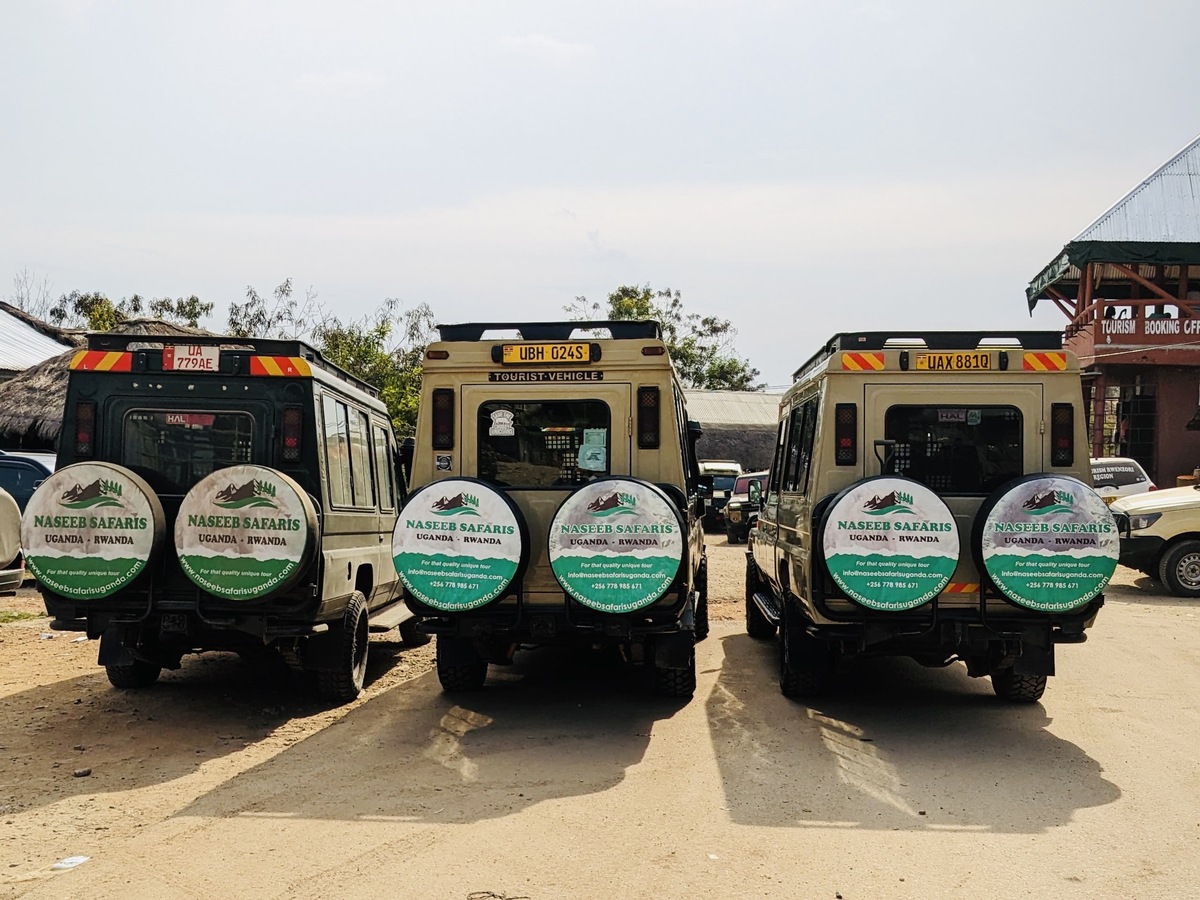
If you are considering travelling to Uganda alone, Naseeb Safaris can help you build a private itinerary around your interests, travel dates, preferred accommodation and activities. Contact the team for practical advice on routes, permits, transport and planning a Uganda safari that suits the way you want to travel.