
Kidepo Valley National Park – Uganda’s Remote Safari Frontier
Kidepo Valley National Park – Uganda’s Remote Safari Frontier, Far from Uganda’s better-known safari circuit lies a landscape that feels strikingly different from the rest of the country. Here, broad savannah plains meet rugged mountain ranges, dry riverbeds wind through open valleys, and wildlife moves across an ecosystem that has changed little over generations. The journey to Kidepo Valley National Park takes longer than most national parks in Uganda, but for many travelers, that’s precisely its appeal.
Rather than crowded wildlife sightings or busy safari tracks, visitors often spend hours exploring without encountering another vehicle. The pace is slower, the scenery more expansive, and every game drive feels less like following a route and more like exploring a living wilderness.
Whether you are planning your first Uganda safari, looking for exceptional wildlife photography, or hoping to experience a quieter side of East Africa, this guide explains what makes Kidepo unique, what you can realistically expect, and how to prepare for your visit.
Where Is Kidepo Valley National Park?
Kidepo Valley National Park occupies Uganda’s far northeastern corner in Kaabong District, within the Karamoja sub-region. It shares a border with South Sudan to the north and lies close to Kenya in the east.
Covering approximately 1,442 square kilometres, it is Uganda’s third-largest national park. Its remote location has helped preserve both its wildlife and its sense of isolation. While reaching the park requires more planning than destinations such as Queen Elizabeth or Murchison Falls National Park, many visitors consider the journey part of the experience.
The drive north gradually reveals a different side of Uganda. Bustling towns give way to open countryside, fertile farmland transitions into semi-arid landscapes, and eventually the dramatic scenery of Karamoja begins to dominate the horizon.
How Do You Get to Kidepo Valley National Park?
There are two practical ways to reach the park, each suited to different travel styles.
By Road
Driving from Kampala typically takes 10–12 hours, depending on the route, weather conditions, and stops along the way.
Most travelers break the journey into two days, often combining the trip with destinations such as:
- Gulu
- Kitgum
- Moroto
- Pian Upe Wildlife Reserve
- Sipi falls
Splitting the drive makes the journey more comfortable while allowing you to explore northern Uganda beyond the safari itself.
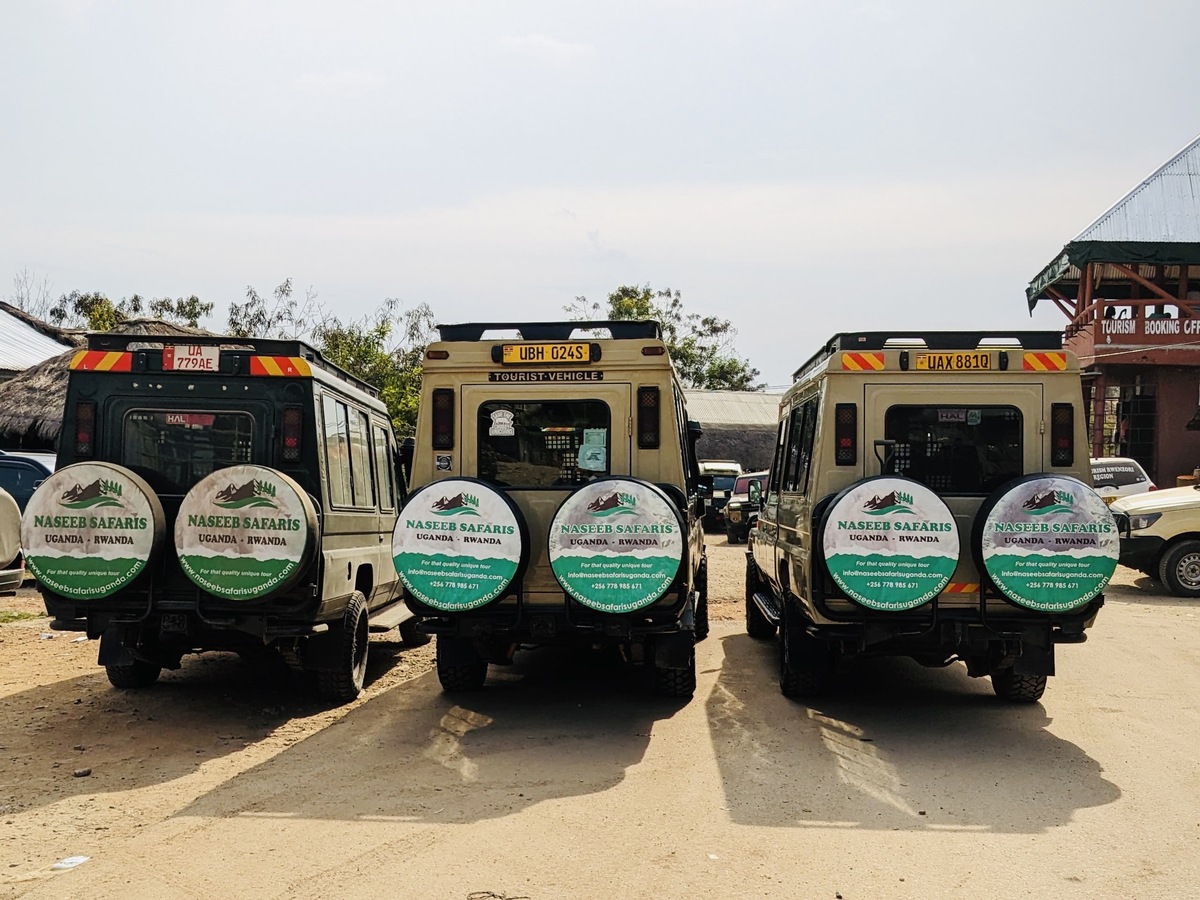
Road conditions have improved considerably over recent years, although sections near the park may still be rough, particularly after heavy rain. A well-maintained 4WD safari vehicle remains the best option.
By Air
If time is limited, scheduled domestic flights from Entebbe to Kidepo Airstrip reduce travel time to around two hours.
Flying is especially popular with:
- luxury safari travelers
- photographers
- honeymooners
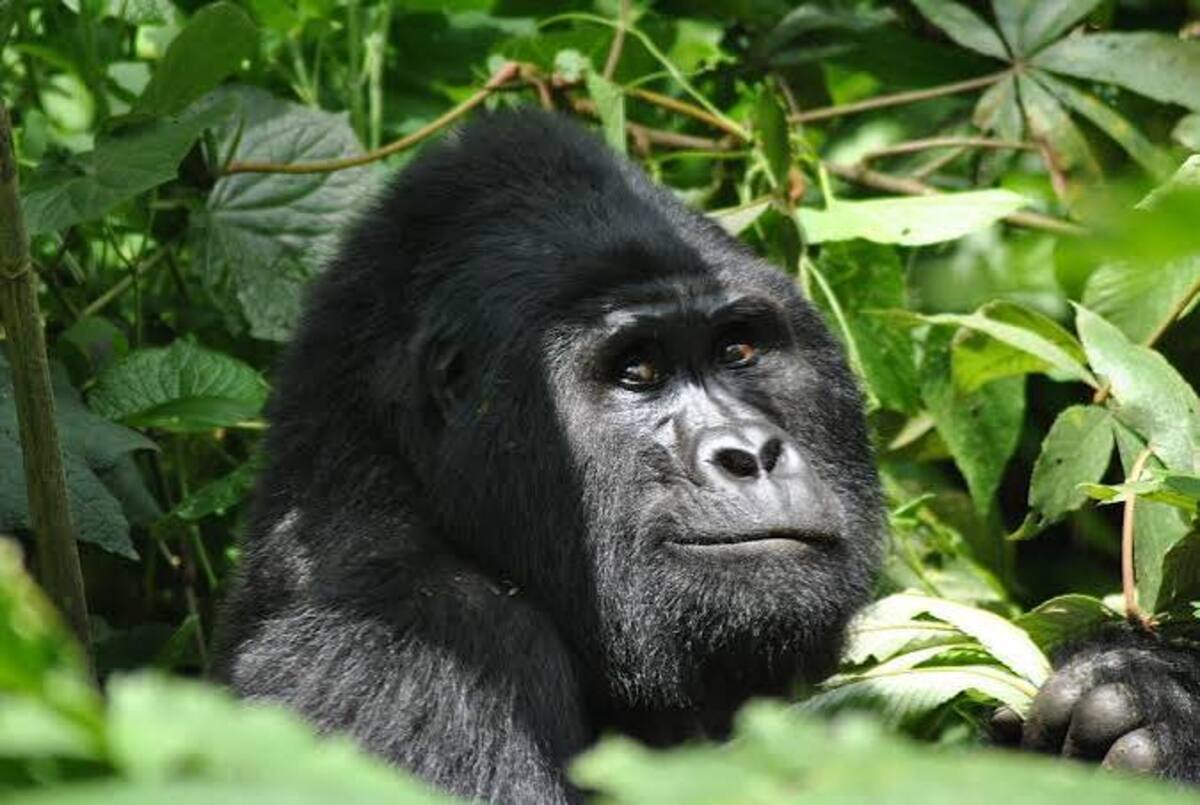
- visitors combining Kidepo with gorilla trekking
- travelers with limited holiday time
Your lodge or safari operator normally arranges transfers from the airstrip to your accommodation.
Why Is Kidepo Different From Other Uganda Safari Parks?
Every Ugandan national park has its own character.
Bwindi is known for mountain gorillas.
Murchison Falls combines wildlife with the Nile.
Queen Elizabeth offers remarkable biodiversity across varied landscapes.
Kidepo stands apart because of its atmosphere.
The park feels genuinely remote. Distances are greater, landscapes are more open, and visitor numbers remain relatively low throughout much of the year. Instead of moving quickly between popular wildlife sightings, guides often spend time observing animal behaviour, waiting for better photographic light, or simply appreciating the landscape itself.
For travelers who value quiet game drives as much as wildlife sightings, this is one of Uganda’s strongest safari destinations.
Reasons many visitors choose Kidepo include:
- excellent predator viewing opportunities
- expansive savannah scenery
- relatively uncrowded game drives
- over 470 recorded bird species like secretary bird
- opportunities to meet the Karamojong and IK communities
- guided walking safaris with Uganda Wildlife Authority rangers
- outstanding conditions for landscape and wildlife photography
Landscapes That Define the Experience
One of the surprises for first-time visitors is just how different the scenery is from the rest of Uganda.
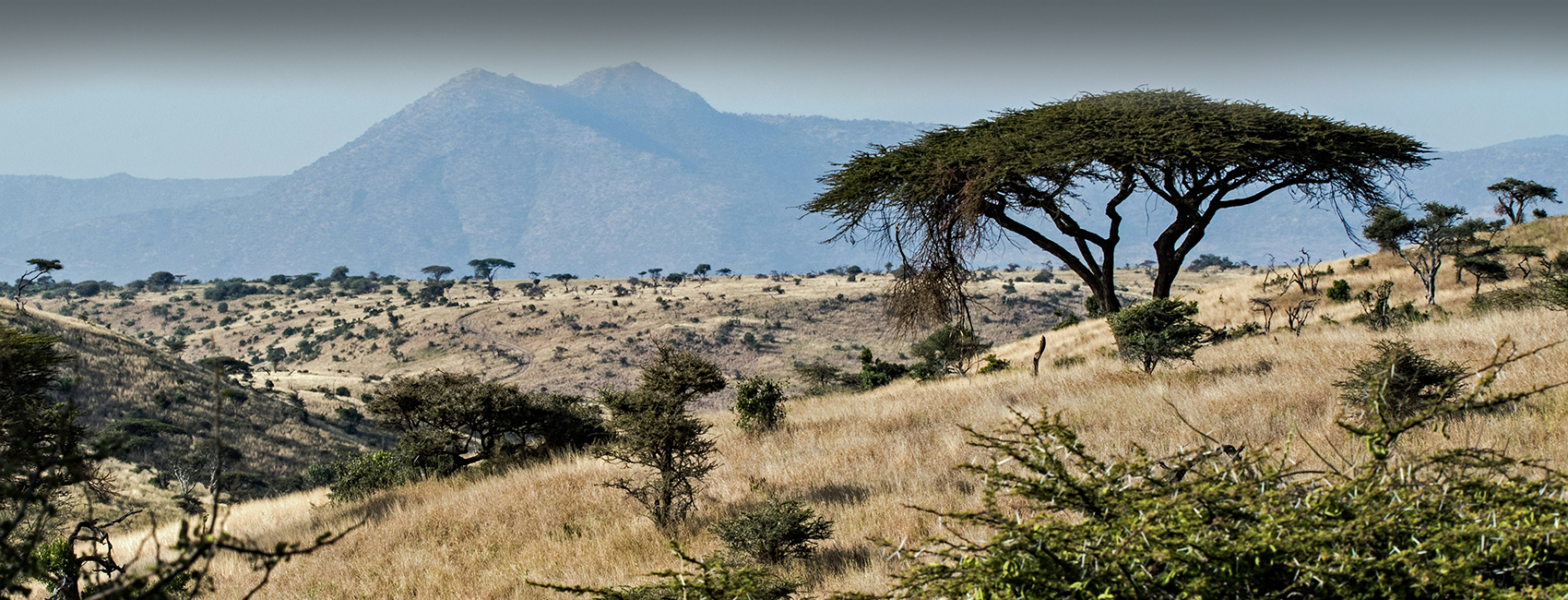
Instead of dense forests and rolling green hills, much of the park consists of open grasslands broken by rocky outcrops, scattered acacia trees, seasonal rivers, and distant mountain ranges.
The scenery changes noticeably throughout the year.
During the rainy seasons, grasses grow quickly, seasonal rivers begin flowing again, and much of the park turns green.
By contrast, the dry months reveal wide golden plains where wildlife becomes easier to spot as vegetation thins.
These seasonal changes mean two visits at different times of year can feel remarkably different.
Exploring the Narus Valley
Most game drives begin in Narus Valley, widely regarded as the park’s wildlife heart.
Unlike many seasonal watercourses elsewhere in Kidepo, Narus retains permanent water for much of the year. This attracts animals throughout the dry season and creates some of Uganda’s most consistent game viewing.
Early morning is often the most productive time to explore.
As temperatures remain cool, mammals become active before seeking shade later in the day. Large herds of buffalo move across the grasslands while elephants travel between water sources. Antelope species graze in the open, creating ideal hunting conditions for predators.
Animals regularly encountered here include:
- African savanna elephants
- Cape buffalo
- Burchell’s zebra
- Uganda kob
- Defassa waterbuck
- Jackson’s hartebeest
- warthogs
- oribi
Predators—including lions, spotted hyenas and occasionally leopards and cheetahs are often found in the same valley because of the abundance of prey.
Wildlife sightings are never guaranteed, but Narus consistently offers some of the highest concentrations of large mammals in Uganda.
The Kidepo Valley: A Different Side of the Park
Further north lies the valley that gives the park its name.
Compared with Narus, wildlife is generally more dispersed here, but the scenery becomes the main attraction.
The broad sandy riverbed of the Kidepo River stretches across the valley floor, framed by the Morungole Mountains and distinctive Borassus palm trees that have become one of the park’s signature landscapes.
In the wet season, grasses and wildflowers transform the valley into an entirely different environment.
During the dry months, the pale riverbed creates striking photographic contrasts against the surrounding hills.
Wildlife encountered here may include:
- ostriches
- zebras
- elephants
- giraffes
- various antelope species
- numerous birds of prey
Many visitors choose to spend time here simply enjoying the scale of the landscape rather than searching constantly for wildlife.
Wildlife You Can Expect to See
More than 75 mammal species have been recorded in the park, including several that are uncommon elsewhere in Uganda.
One of the advantages of Kidepo’s open terrain is visibility. Animals can often be observed from greater distances without vegetation blocking the view, making it easier to watch natural behaviour.
African Elephants
Elephant herds move across both valleys, particularly near permanent water sources during the dry season.
Watching family groups interact young calves staying close to older females while larger bulls browse nearby is often one of the highlights of a safari here.
Cape Buffalo
Buffaloes are among the most frequently encountered animals in the park.
Large herds can sometimes number in the hundreds, particularly around Narus Valley, where reliable water attracts grazing animals throughout the year.
Lions
Kidepo has earned a strong reputation for lion sightings.
The open plains allow guides to scan long distances, increasing the chances of locating prides compared with more densely vegetated parks.
Visitors sometimes find lions resting on rocky outcrops during the heat of the day before becoming more active in the cooler morning and evening hours.
Patience is important. Wildlife follows its own rhythms, and even experienced guides cannot predict exactly where predators will be on any given day.
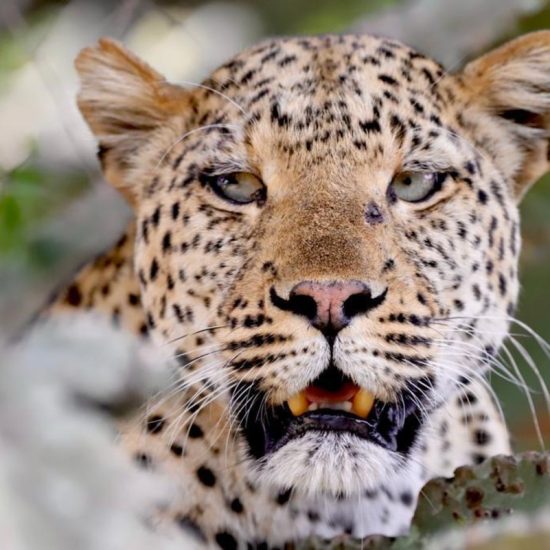
Leopards
Leopards remain elusive across Africa, and Kidepo is no exception.
Most sightings occur during early morning or late afternoon when these solitary cats are more active.
Experienced guides watch for alarm calls from antelope, fresh tracks on safari roads, or movement in large trees where leopards sometimes rest.
Although there is never a guarantee of seeing one, visitors who spend several days in the park have a better chance than those on a short overnight visit.
Cheetahs
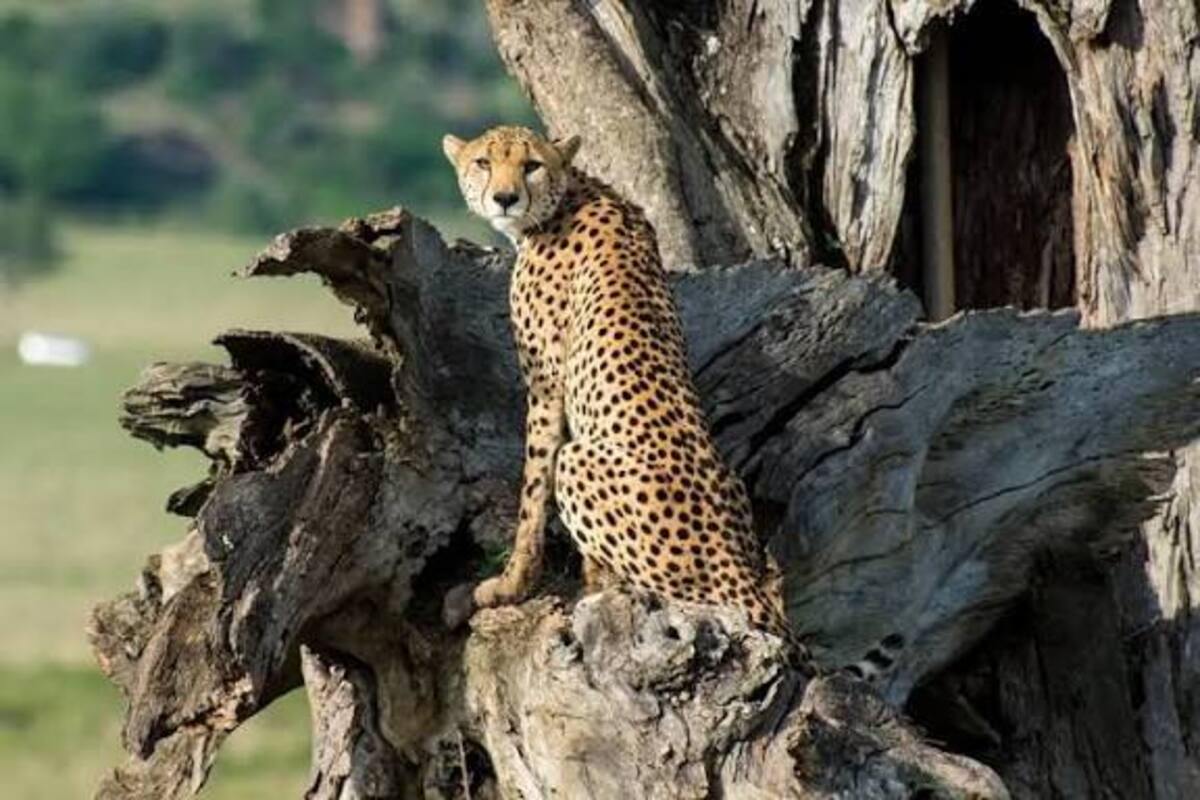
One reason wildlife enthusiasts travel to Kidepo is the opportunity to look for cheetahs.
They are among the species that distinguish the park from many other Ugandan safari destinations.
Because cheetahs prefer open country, the grasslands here provide suitable hunting habitat. Sightings remain unpredictable, but Kidepo offers one of Uganda’s few realistic opportunities to encounter them in the wild.
Other Mammals
Depending on the season and where you explore, you may also encounter:
- Rothschild’s giraffes
- eland
- bohor reedbuck
- bush duiker
- klipspringer
- side-striped jackal
- bat-eared fox
- serval
- striped hyena
- African civet
- aardwolf
Even on days when predators remain hidden, the sheer variety of mammals means game drives are rarely uneventful.
Wildlife Viewing Expectations
One question first-time safari travelers often ask is whether they will definitely see all of these animals.
The honest answer is no.
Kidepo is a protected wilderness, not a zoo. Wildlife moves freely, weather influences animal behaviour, and every game drive is different.
Allowing at least three full days in the park significantly improves your chances of varied sightings while giving enough time to experience different habitats and changing light conditions.
Many experienced safari travellers find that the unpredictability is part of what makes each drive rewarding.
Birdwatching in Kidepo Valley National Park
Kidepo is often celebrated for its large mammals, but birdwatchers know it as one of Uganda’s most rewarding destinations. More than 470 bird species have been recorded here, reflecting the park’s mix of savannah, woodland, wetlands, riverine habitats, and rocky hills.
For experienced birders, the park offers several species that are difficult or impossible to find elsewhere in Uganda. For beginners, even a short game drive usually brings a steady stream of raptors, hornbills, bee-eaters, weavers, and storks.
Among the birds visitors often hope to see are:
- Kori bustard
- Secretary bird
- Ostrich
- Abyssinian roller
- Karamoja apalis
- Clapperton’s francolin
- Eastern paradise whydah
- Egyptian vulture
- Pygmy falcon
- Red-and-yellow barbet
Bird activity is generally highest during the cooler hours of the morning.
The wetter months can be especially rewarding, as migrant species arrive and many resident birds display breeding plumage. Even if birding isn’t your main interest, carrying a small pair of binoculars can transform a game drive by revealing details you might otherwise miss.
A Photographer’s Guide to Kidepo
Kidepo rewards patience more than speed.
Rather than rushing between sightings, photographers often benefit from spending longer with a single subject, watching elephants interact, waiting for lions to lift their heads, or observing giraffes moving across the plains.
The park’s open landscapes create opportunities for images that combine wildlife with dramatic scenery, rather than tightly cropped portraits.
Best Light
The most flattering natural light usually occurs:
- shortly after sunrise
- during the final two hours before sunset
Midday sunlight can be harsh, especially during the dry season, although it often works well for landscape photography.
Photography Tips
- Bring more memory cards than you think you will need.
- Dust can be a challenge, carry a lens cloth and keep spare equipment protected.
- A telephoto lens is ideal for wildlife, while a wide-angle lens captures the park’s expansive scenery.
- Avoid using flash around wildlife.
- Listen to your guide’s advice before asking to reposition the vehicle.
One advantage of visiting here is the lack of traffic around wildlife sightings. Without several vehicles competing for the same position, photographers often have more time to compose thoughtful images.
Safari Activities Beyond the Game Drive
Although wildlife viewing is the main reason most people visit, spending several days in Kidepo allows time for experiences that reveal different sides of the park.
Game Drives
Morning and late afternoon drives remain the highlight of most visits.
Wildlife tends to be more active during cooler temperatures, while the changing light also makes photography more rewarding.
Rather than trying to see every species in one outing, experienced guides adapt each drive to recent wildlife movements, weather conditions, and guest interests.
Some drives focus on predators, while others explore quieter areas where birdlife or scenery becomes the main attraction.
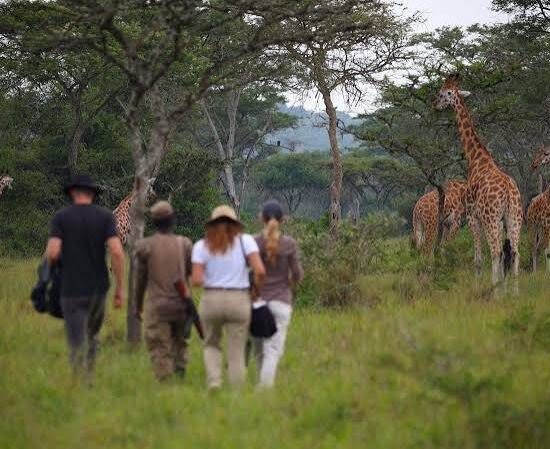
Guided Nature Walks
Leaving the vehicle changes your perspective completely.
Walking with an armed Uganda Wildlife Authority ranger allows you to appreciate details that disappear when travelling by road.
You may notice:
- fresh animal tracks
- bird calls hidden in the canopy
- medicinal plants used by local communities
- termite mounds several metres high
- insects and butterflies
- different grasses and trees that support the ecosystem
The pace is slower, conversations quieter, and your attention naturally shifts toward sounds and smaller details.
Walking safaris are carefully planned with safety as the priority. Routes depend on wildlife movements and ranger assessments on the day.
Meeting the Karamojong
One of the strengths of a safari in northeastern Uganda is that it offers opportunities to learn about both wildlife and people.
The Karamojong are pastoralists whose traditions have long been shaped by cattle, seasonal movement, and life in a challenging environment.
A respectful community visit may include:
- exploring a traditional manyatta (homestead)
- learning about cattle keeping
- watching music and dance performances
- seeing local crafts
- hearing stories about community traditions and daily life
Approached thoughtfully, these visits help visitors understand how people have adapted to this landscape over generations.
Responsible tourism is important. Community experiences should be arranged through reputable operators who ensure local residents benefit directly from tourism.
Hiking to the IK Community
Travelers with an interest in culture and hiking may wish to visit the IK, one of Uganda’s smallest ethnic groups.
Their villages lie on the slopes of Mount Morungole, overlooking the surrounding plains.
Reaching the community involves a guided hike that can be physically demanding, particularly during warmer weather. The exact duration varies depending on the village visited, fitness levels, and trail conditions.
The reward is less about reaching a viewpoint and more about gaining insight into a community that has maintained distinct traditions despite living in a remote mountain environment.
Visits typically include discussions about:
- farming practices
- traditional homes
- local customs
- storytelling
- music
- everyday life
Because numbers remain relatively low, advance planning is recommended if this experience is part of your itinerary.
When Is the Best Time to Visit Kidepo Valley National Park?
Kidepo can be visited throughout the year, but the experience changes with the seasons.
There is no single “perfect” time to visit. The best season depends on your priorities.
Dry Season (December to March and June to September)
These months generally offer the easiest wildlife viewing.
As water becomes less widely available, animals gather around permanent sources, particularly in Narus Valley.
Visitors can usually expect:
- easier wildlife spotting
- drier roads
- fewer weather-related delays
- excellent photography conditions
- comfortable game drives
The landscape becomes more golden, and visibility improves as vegetation thins.
Wet Season (April to May and October to November)
Rain changes the character of the park.
Grasslands become greener, seasonal rivers begin flowing again, and wildflowers appear across many areas.
Although wildlife can be more widely dispersed, the scenery is particularly attractive for landscape photography.
Birdwatchers often prefer this period because migrant birds arrive and many resident species are breeding.
Heavy rainfall occasionally makes some roads slower to navigate, although the park generally remains accessible.
Where to Stay in Kidepo Valley National Park
Accommodation remains relatively limited compared with Uganda’s more visited parks, making early booking worthwhile, especially during peak travel months.
Luxury Lodges
Travelers seeking a high level of comfort will find spacious rooms, excellent dining, and impressive views over the surrounding wilderness.
Popular choices include:
- Apoka Safari Lodge
- Adere Safari Lodge
These properties often appeal to photographers, honeymooners, and visitors flying into the park.
Mid-Range Lodges
Several lodges offer comfortable accommodation at a more moderate price.
Well-known options include:
- Kidepo Savannah Lodge
- Zebra Safari Lodge
These provide a good balance between comfort, location, and value.
Budget Accommodation
Budget-conscious travelers will also find campsites and simple lodges suitable for backpackers, students, researchers, and overland travelers.
Facilities are generally more basic, but staying inside or close to the park still allows early access for morning game drives.
How Far in Advance Should You Book?
Accommodation in Kidepo is limited.
If you are travelling during:
- December to February
- June to August
- public holidays
it’s wise to reserve several months ahead, particularly for luxury lodges and fly-in safaris.
Practical Travel Tips for First-Time Visitors
A little preparation goes a long way in Kidepo.
Road Conditions
Roads within the park are generally suitable for 4WD safari vehicles.
If travelling independently, avoid driving after dark, especially in remote areas.
Mobile Network
Network coverage is improving but remains unreliable in parts of the park.
Download offline maps before you arrive and don’t rely on mobile data throughout your visit.
Cash
Card facilities may not always be available.
Carry sufficient Ugandan shillings for:
- drinks
- souvenirs
- tips
- community purchases
Health
Consult your healthcare provider before travelling regarding:
- recommended vaccinations
- malaria prevention
- personal medications
Carry any prescription medicines with you, as pharmacies are limited in remote areas.
Safety
Kidepo is considered safe for visitors travelling with reputable operators.
As in any wildlife area:
- follow your guide’s instructions
- never leave the vehicle unless permitted
- maintain safe viewing distances
- avoid feeding wildlife
What Should You Pack?
Packing for Kidepo is relatively straightforward, but conditions can change between cool mornings and hot afternoons.
A practical packing list includes:
- lightweight neutral-coloured clothing
- long trousers for walks
- comfortable walking shoes
- sandals for the lodge
- sun hat
- sunglasses
- sunscreen
- insect repellent
- reusable water bottle
- binoculars
- camera and spare batteries
- power bank
- light fleece for early mornings
- lightweight rain jacket
- small backpack for daily excursions
- personal medications
Avoid brightly coloured clothing during game drives, as neutral tones are generally less distracting to wildlife.
Tipping Etiquette
Tipping is appreciated but remains voluntary.
Many visitors choose to tip:
- safari guides
- lodge staff
- porters
- community guides
Amounts vary depending on the level of service and the size of your group.
If you are unsure about local tipping customs, your tour operator can provide current guidance before your trip.
A Suggested Three-Day Kidepo Itinerary
Day 1
- Travel by road or scheduled flight.
- Arrive at your lodge.
- Dinner and overnight.
Day 2
- Sunrise game drive.
- Relaxing breakfast at the lodge.
- Afternoon visit to a Karamojong community.
- Sunset wildlife viewing.
- Overnight in the park.
Day 3
- Optional guided nature walk or birdwatching excursion.
- Return flight or begin the drive back to Kampala.
If your schedule allows, adding an extra day provides greater flexibility for wildlife viewing and makes it easier to include a hike to the IK community.
Responsible Tourism in Kidepo
Tourism contributes directly to wildlife conservation and supports communities living around the park.
Simple choices can make a positive difference.
- Stay on designated tracks.
- Follow ranger instructions.
- Respect wildlife viewing distances.
- Carry reusable water bottles where possible.
- Purchase locally made crafts directly from community groups.
- Ask permission before photographing people.
- Respect local customs during cultural visits.
Responsible travel helps preserve both the park’s ecosystems and the cultural heritage of northeastern Uganda.
Frequently Asked Questions
Is Kidepo Valley National Park worth visiting?
If you are looking for a quieter safari with wide-open landscapes, strong wildlife viewing, and fewer visitors than many East African parks, Kidepo is widely regarded as one of Uganda’s most rewarding destinations.
How many days should I spend here?
Three to five days allows enough time for multiple game drives, cultural experiences, and a more relaxed pace.
Will I definitely see lions?
No safari can guarantee wildlife sightings.
However, Kidepo is considered one of Uganda’s better parks for observing lions because of its open terrain and healthy prey populations.
Can children visit?
Yes, although suitability depends on your children’s ages, the length of the journey, and your chosen accommodation.
Families often prefer fly-in safaris to reduce travel time.
Is Kidepo suitable for older travelers?
Yes! Many lodges cater comfortably to senior travelers, and most wildlife viewing takes place from safari vehicles.
Walking activities can usually be adjusted to suit different fitness levels.
Do I need to be very fit?
General game drives require little physical effort.
Only activities such as hiking to the IK community involve a higher level of fitness.
What happens if it rains?
Game drives usually continue unless weather makes roads temporarily unsafe.
Rain often creates beautiful lighting conditions and excellent photography opportunities.
Can I hire a porter?
Porters are generally not needed for standard game drives.
If undertaking longer hikes, local assistance may sometimes be available depending on the activity.
Are there toilets inside the park?
Visitor facilities are available at several key locations, including park headquarters and lodges.
During longer game drives, your guide will advise where suitable stops can be made.
Can I fly a drone?
No, Drone use inside Uganda’s national parks requires official authorization and is generally prohibited for recreational visitors.
Can I take photographs of wildlife?
Yes! Photography is encouraged, provided visitors follow park regulations and avoid disturbing animals.
Can I combine Kidepo with other destinations?
Yes.
Popular combinations include:
- Murchison Falls National Park
- Pian Upe Wildlife Reserve
- Ziwa Rhino Sanctuary
- Queen Elizabeth National Park
- Bwindi Impenetrable National Park
Final Thoughts
Kidepo Valley National Park rewards travelers who are willing to venture beyond Uganda’s busiest safari destinations. Its broad valleys, abundant wildlife, distinctive cultures, and sense of space create an experience that feels remarkably unhurried.
This is a place where the journey matters as much as the destination, where long stretches of road give way to landscapes few first-time visitors expect, and where memorable moments often come not from ticking animals off a checklist but from watching the rhythm of the wilderness unfold.
Whether you’re hoping to photograph predators, search for rare birds, learn about Karamoja’s cultural heritage, or simply enjoy a safari away from the crowds, Kidepo offers an experience that is difficult to replicate elsewhere in East Africa.
If you are considering including Kidepo in your Uganda safari, the team at Naseeb Safaris can help you compare travel options, choose accommodation that suits your style and budget, and design an itinerary that fits your interests. Whether you prefer a fly-in safari, an overland adventure, or a longer journey through Uganda’s national parks, personalized planning can help you make the most of the time you have.