
Rhino Tracking at Ziwa Rhino Sanctuary Uganda
Rhino Tracking at Ziwa Rhino Sanctuary Uganda, For travellers heading north from Kampala towards Murchison Falls National Park, Ziwa Rhino and Wildlife Ranch offers a chance to do something that feels quite different from a conventional safari. Instead of searching for wildlife from a 4×4, you leave the vehicle and walk through the bush with a trained ranger in search of southern white rhinos.
Located in Nakasongola District along the Kampala–Gulu Highway, the ranch is roughly 176 kilometres from Kampala and makes a practical stop on a northern Uganda safari. But its importance goes beyond tourism. Ziwa is part of Uganda’s effort to restore rhinos to a country where the animals disappeared after years of poaching and instability. Six southern white rhinos were introduced in 2006 from Kenya & USA Florida, and the population has since grown through breeding. The ranch currently reports 58 rhinos.
For a first-time visitor to Uganda, the question is not simply whether you can see a rhino here. It is whether this type of experience fits the safari you are planning, how much time you should allow, and what you should expect when you arrive.
What Is Rhino Tracking at Ziwa Like?
Rhino tracking is a guided walking experience rather than a traditional game drive. The rhinos move freely around the ranch, so there is no fixed viewing point where you are guaranteed to find them.
Your ranger first determines where the animals are and then guides you towards them. Depending on their location, part of the journey may be made by vehicle before you continue on foot.
Once you reach the rhinos, the ranger decides how close the group can safely approach. This is important because these are wild animals, not captive wildlife in an enclosure. Their behaviour, position and surroundings all influence how the encounter unfolds.
The tracking itself can take roughly one to two hours, although the time varies according to the location of the rhinos and conditions on the day.
The walking is generally manageable for visitors with ordinary mobility, but it is still worth wearing proper walking shoes. Anyone with limited mobility should discuss the practical arrangements with their safari operator before travelling.
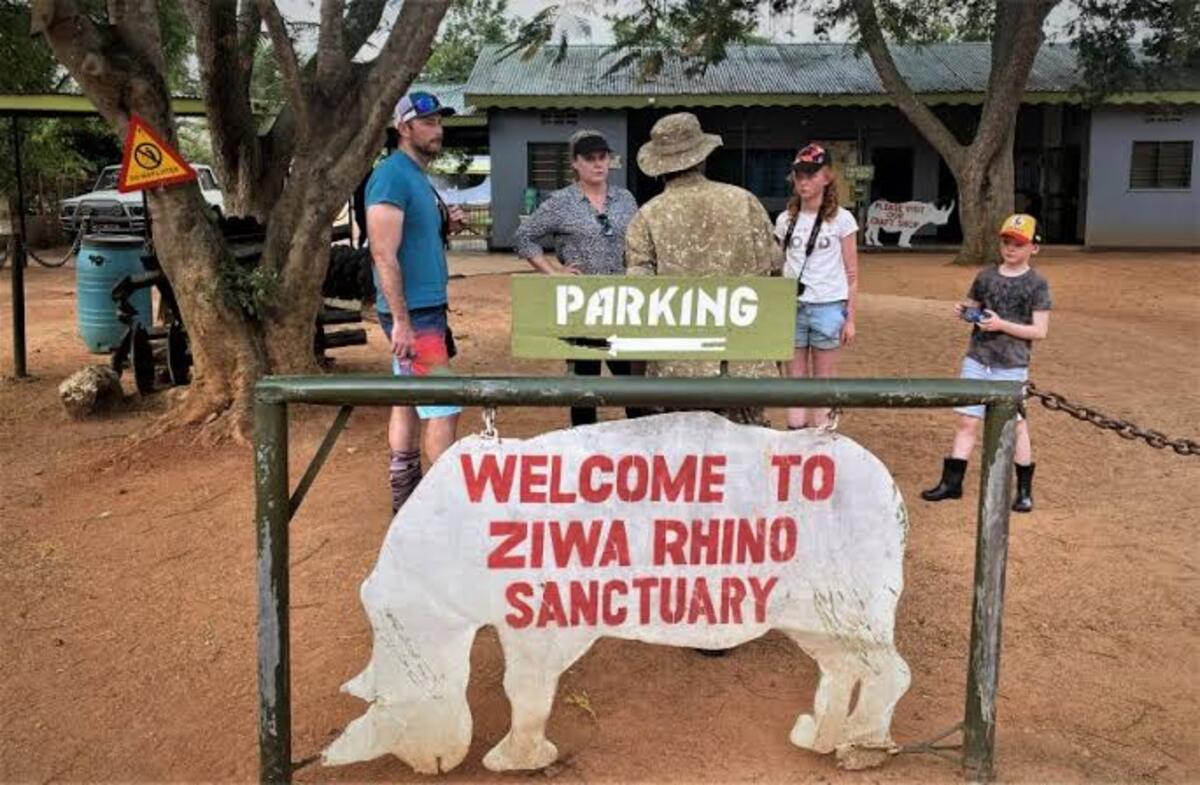
Visitors receiving a ranger briefing before setting out to track the rhinos.
What Can You Expect to See?
The appeal of Ziwa is the change of perspective. You are standing on the ground rather than looking through a vehicle window, listening to your ranger and watching for movement in the vegetation.
The southern white rhinos may be grazing in open areas, resting beneath vegetation or moving through the bush. Because they are free to roam, there is no guarantee that every visit will produce exactly the same encounter.
Do not expect the ranger to rush you towards the animals. A responsible viewing experience depends on allowing the rhinos to remain comfortable and undisturbed. Sudden movements, loud voices and attempts to get closer for photographs are inappropriate.
Photography is encouraged, but the best approach is to let the ranger determine the viewing position. A camera with a moderate or long zoom lens can be useful, particularly when the animals are further away.
Why Is Ziwa Important to Rhino Conservation?
The story behind the sanctuary is one of the strongest reasons to visit.
Rhinos were once part of Uganda’s wildlife heritage, but the country’s wild rhino population was lost following years of poaching and political instability. Ziwa’s reintroduction programme created an opportunity to establish a protected breeding population of southern white rhinos in Uganda.
The six rhinos introduced in 2006 formed the foundation of the population, which has grown through successful breeding.
That makes the experience different from simply adding another animal to a safari checklist. A visit gives travellers an opportunity to understand how conservation programmes work and why protecting large mammals requires more than protecting animals inside a national park.
It is also a useful reminder that wildlife conservation has a history. The rhinos you see today are part of an ongoing effort to restore an animal that had disappeared from Uganda.
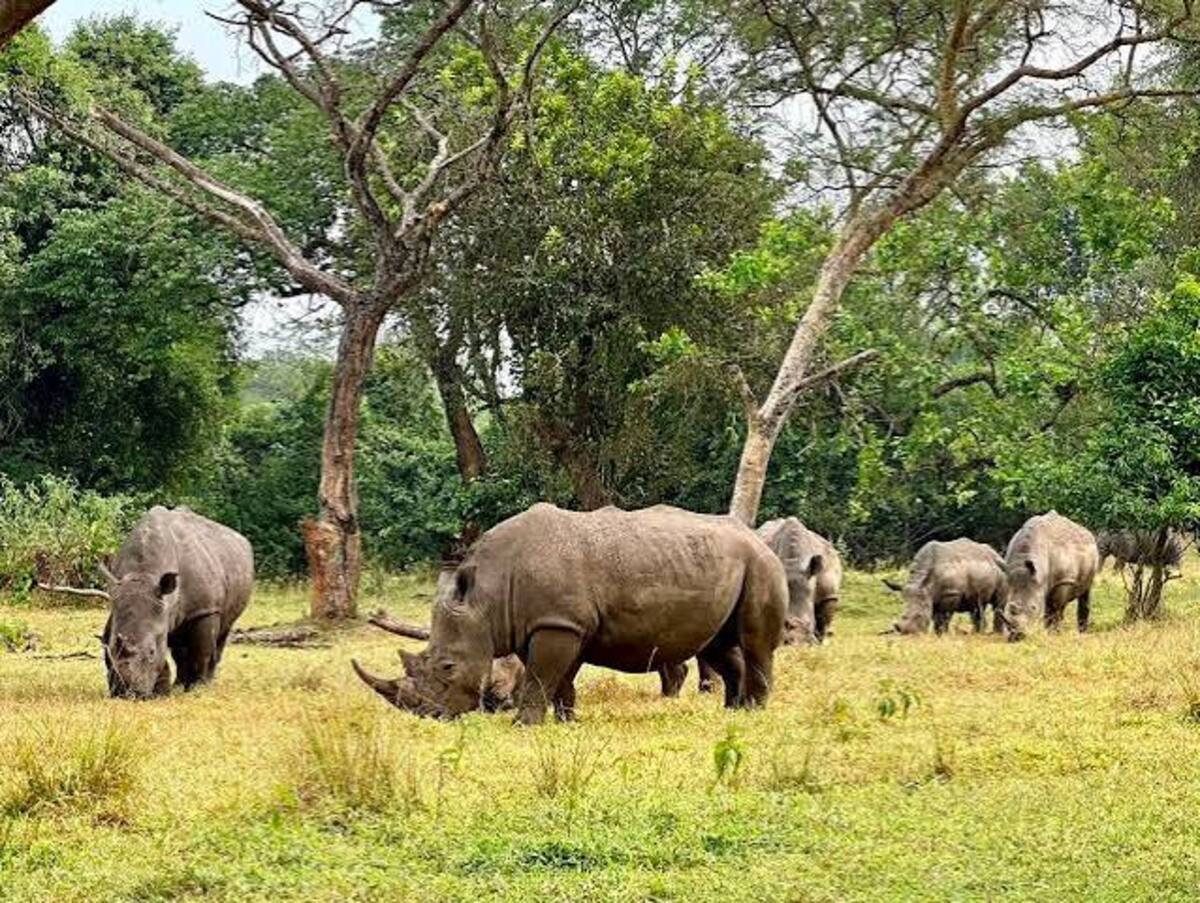
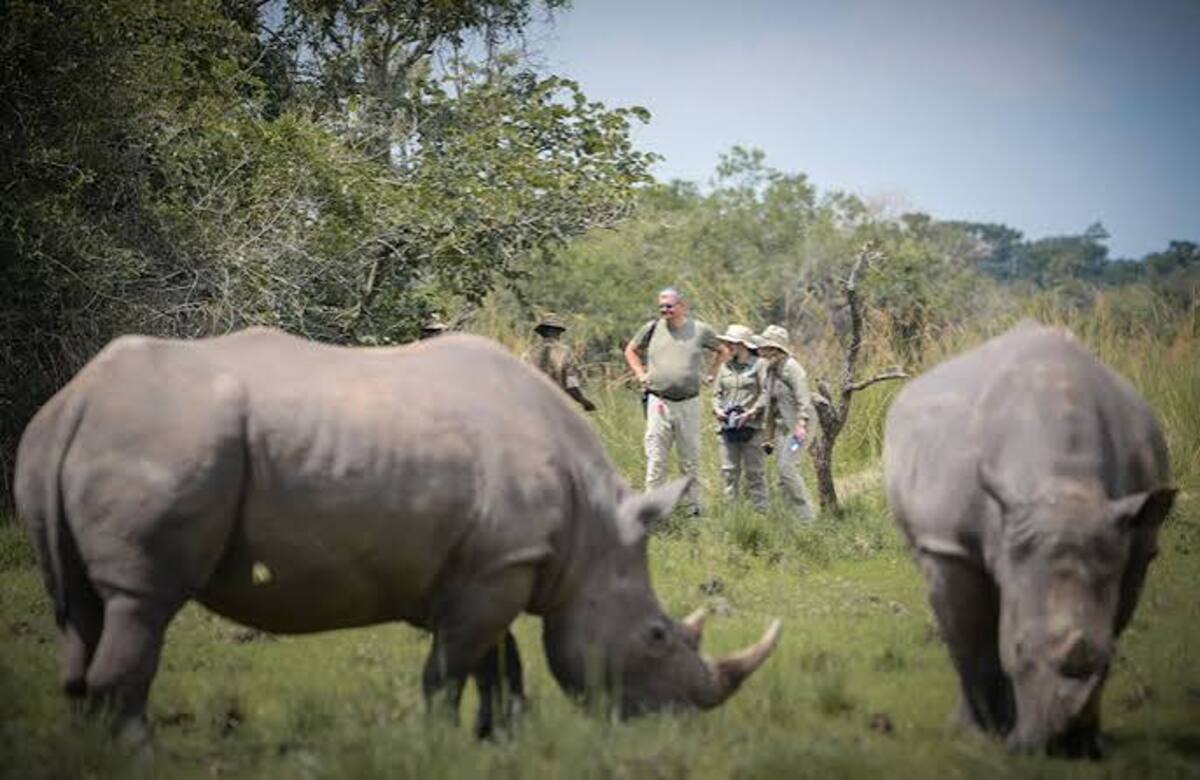
southern white rhinos grazing
Where Is Ziwa Rhino Sanctuary?
Ziwa Rhino and Wildlife Ranch is in Nakasongola District, approximately 176 kilometres from Kampala on the Gulu Highway. The ranch is accessed from the main highway near Nakitoma Trading Centre.
Its position makes it particularly useful for travellers continuing towards Murchison Falls National Park. Rather than making a separate journey from Kampala purely to see rhinos, you can build the activity into a longer northern safari.
A private day trip from Kampala is possible, but it makes for a long day on the road. For most international travellers already planning a Murchison Falls safari, using Ziwa as a stopover makes more sense.
Can You Combine Ziwa With Murchison Falls?
Yes. This is one of the most straightforward ways to include rhino tracking in a Uganda itinerary.
A typical northbound journey can begin around Kampala or Entebbe, continue to Ziwa for rhino tracking and then proceed towards Murchison Falls. The following days can include game drives and a boat cruise on the Nile.
This combination also gives the safari some variety. Ziwa is about tracking one particular species on foot, while Murchison offers a broader wildlife experience from a safari vehicle and boat.
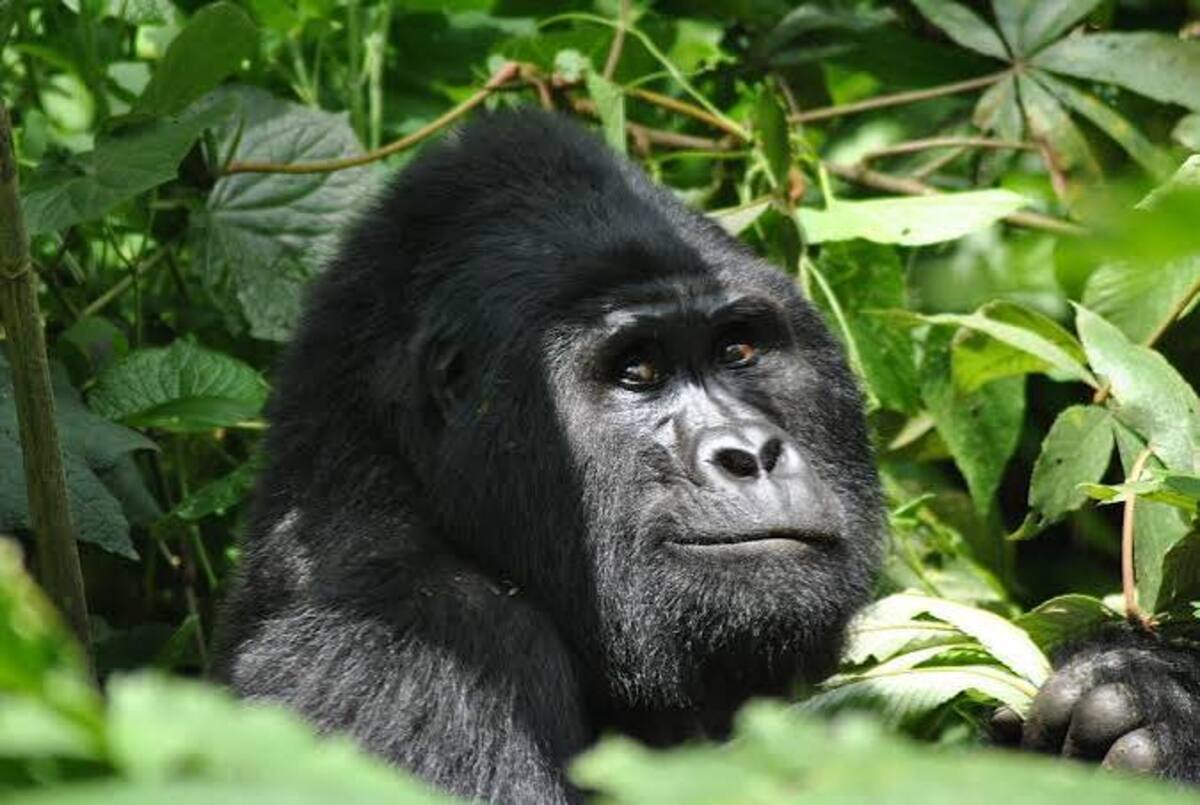
For longer trips, the route can continue southwards towards destinations such as Kibale National Park for chimpanzee tracking, Queen Elizabeth National Park for wildlife viewing, or Bwindi Impenetrable National Park for gorilla trekking.
Other Things to Do at Ziwa
Rhinos are the principal attraction, but they are not the only reason to spend time here.
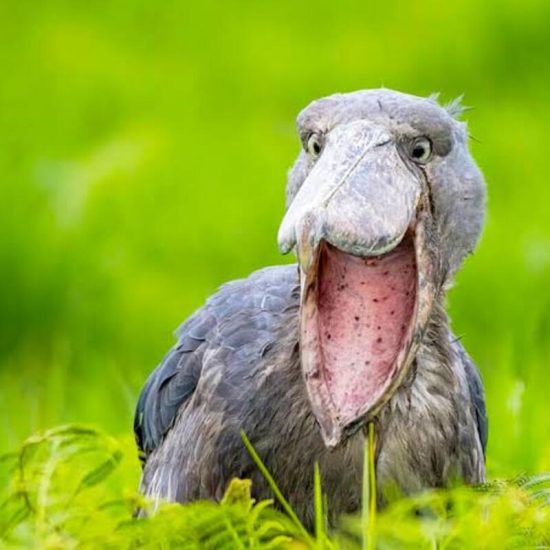
The ranch contains woodland, savannah and wetland habitats and is also of interest to birdwatchers. It currently advertises more than 300 bird species including the prehistoric Shoebill and several other wildlife like zebras, giraffes, Uganda kobs, bushbucks warthogs and many more.
Other activities include nature walks and shoebill excursions. The shoebill experience involves an early-morning canoe trip into the Lugogo Swamp in search of one of Africa’s most distinctive wetland birds.
If your schedule allows an overnight stay, you can make the visit less rushed and potentially include additional activities. The ranch has also recorded nocturnal wildlife around its accommodation and camping areas, including species such as porcupines and aardvarks.
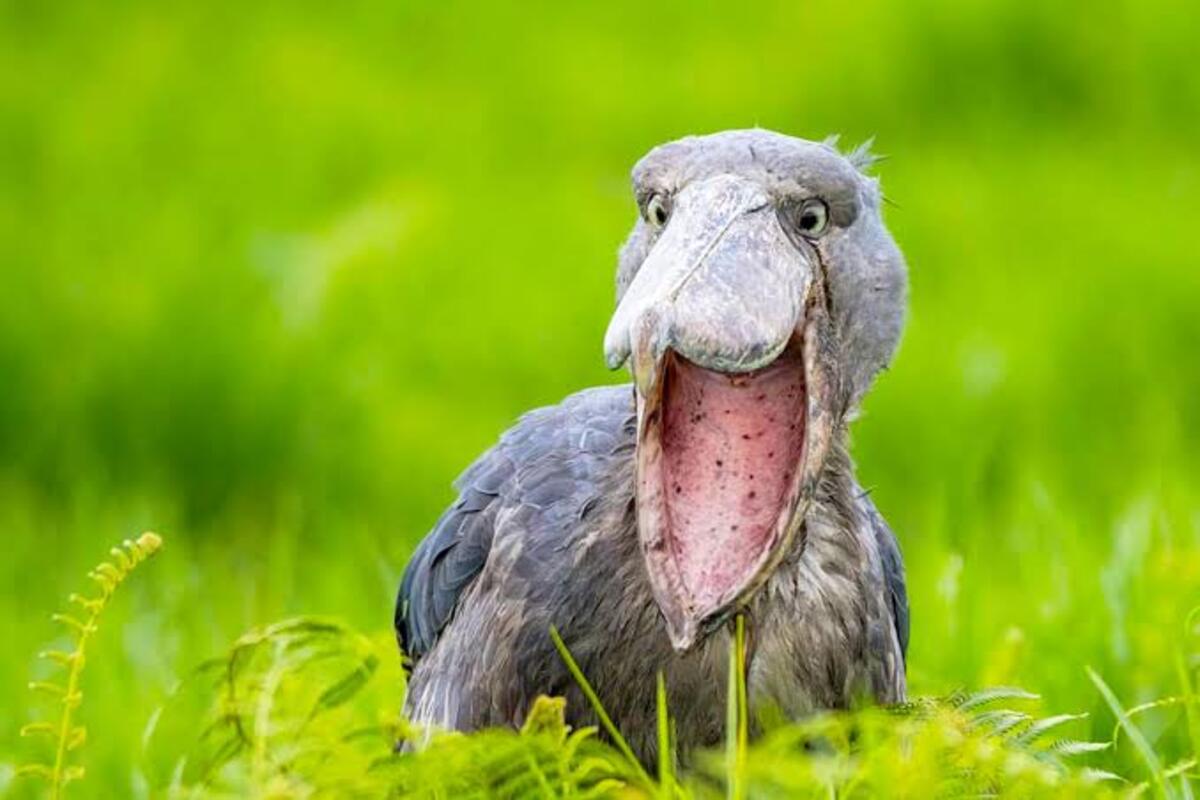
Shoebill at Lugogo swamp in Ziwa rhino sanctuary
How Much Does Rhino Tracking Cost?
Unlike gorilla trekking, where Uganda Wildlife Authority permit pricing is a major part of safari planning, rhino tracking at Ziwa is an activity fee associated with the sanctuary. Entry and activities may be charged separately depending on the current tariff.
For this reason, travellers should confirm the applicable entrance and rhino-tracking fees for their travel date when arranging the safari rather than relying on an older blog or quotation found online.
The same principle applies to additional activities such as birding, nature walks and shoebill excursions.
What Should You Wear and Bring?
You do not need specialist mountaineering equipment, but practical safari clothing makes the experience more comfortable.
Bring:
- Closed, comfortable walking shoes
- Long trousers
- Drinking water
- Insect repellent
- Sunscreen and a hat
- A light rain jacket during wetter periods
- Camera and binoculars if you use them
The terrain and walking conditions can vary, so avoid footwear that is difficult to walk in or clothing that restricts movement.
When Is the Best Time to Visit?
Ziwa can be incorporated into a Uganda safari throughout the year. There is no particular month that guarantees the best rhino sighting because the animals move freely around the ranch.
Uganda’s generally drier periods can make walking and road travel easier, while wetter months can bring greener landscapes and good conditions for birdwatching. Your wider safari plans should therefore play a bigger role in choosing your travel dates than rhino tracking alone.
If Ziwa is part of a journey to Murchison Falls, it is worth planning enough time for the tracking activity without turning the day into an unnecessarily rushed transfer.
Is Rhino Tracking Suitable for Families?
It can be a practical wildlife activity for families because it does not involve the long, demanding forest hikes associated with gorilla trekking or some chimpanzee experiences.
However, families should remember that this is still a wildlife encounter on foot. Children need to be able to listen to the ranger, remain close to the group and follow safety instructions.
Age requirements and participation conditions should be confirmed with the sanctuary when planning a family visit rather than assumed from the rules that apply to gorilla or chimpanzee trekking elsewhere in Uganda.
Travellers with mobility limitations should also discuss the walking conditions in advance.
Rhino Tracking Safety and Responsible Tourism
The most important rule is simple: follow the ranger.
Never approach a rhino independently, attempt to touch one, call an animal towards you or move closer simply to improve a photograph. Keep voices low and remain with the group.
The ranger’s instructions take precedence because the appropriate viewing distance can change according to the animal’s behaviour.
Responsible tourism also means leaving the environment as you found it. Do not litter, disturb vegetation unnecessarily or interfere with wildlife.
The value of the visit extends beyond what happens during the two hours of tracking. Tourism helps create awareness around conservation and gives visitors a chance to understand the work involved in protecting Uganda’s rhino population.
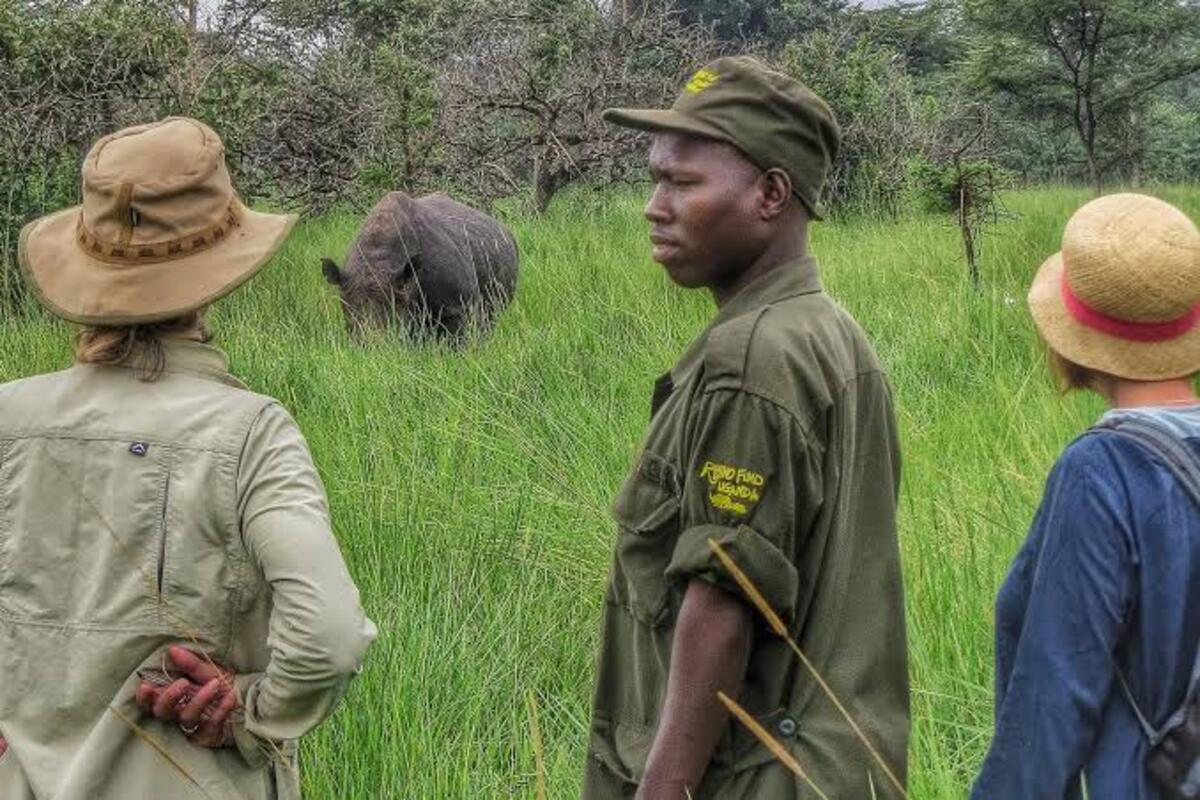
UWA ranger & Tourists in appropriate viewing distance
Frequently Asked Questions
How long does rhino tracking at Ziwa take?
Allow roughly one to two hours for the tracking experience, although the actual duration depends on where the rhinos are and conditions on the day.
Can I see rhinos on foot?
Yes. The main experience involves leaving the vehicle and walking with a trained ranger to locate the rhinos.
Can I visit Ziwa from Kampala in one day?
Yes, but it makes for a long day of travel. It is generally more efficient to include the sanctuary as part of a journey towards Murchison Falls.
Can I combine Ziwa with Murchison Falls?
Yes. The location along the northern route makes this one of the most practical combinations on a Uganda safari.
Do I need to book rhino tracking in advance?
Advance arrangements are sensible, particularly for private safaris, larger groups and itineraries with fixed departure times. Confirm the current operating arrangements and fees before travelling with your tour operator.
Is Ziwa suitable for photographers?
Yes. The open surroundings and proximity to the rhinos can provide good photographic opportunities. A zoom lens gives you flexibility while allowing you to respect the ranger’s recommended distance.
What is the main reason to visit Ziwa?
The attraction is not only the chance to see southern white rhinos. It is the opportunity to encounter them on foot while learning about Uganda’s ongoing rhino conservation story.
Final Thoughts
Ziwa Rhino and Wildlife Ranch occupies an unusual place in Uganda’s safari story. It is both a wildlife destination and a conservation project, giving visitors a chance to see southern white rhinos while understanding how the species has been brought back to Uganda.
For travellers heading towards Murchison Falls, the location makes the experience especially practical. For those with more time, birding, shoebill excursions and other activities provide reasons to stay longer.
The experience is not about guaranteeing a particular photograph or getting as close as possible to a wild animal. It is about walking into the bush with a ranger, finding rhinos in their natural surroundings and understanding why their return to Uganda matters.
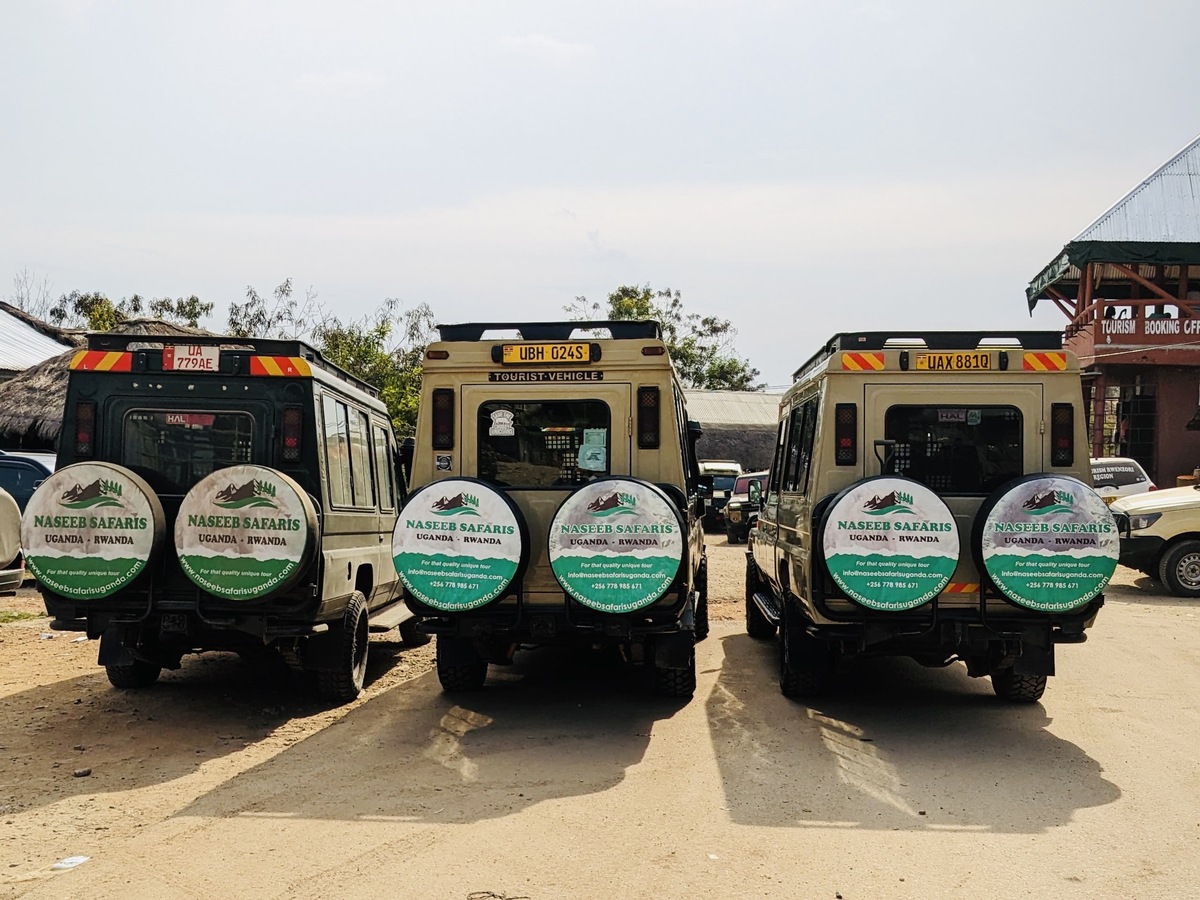
If you are planning a Uganda safari and are unsure whether Ziwa fits your route, Naseeb Safaris can help you work out the most practical combination of destinations, activities and travel time for your particular trip.