
Rwenzori Mountains National Park -Uganda’s Mountains of the Moon
Rwenzori Mountains National Park -Uganda’s Mountains of the Moon, Rising along Uganda’s western border with the Democratic Republic of the Congo, the Rwenzori Mountains offer one of Africa’s most distinctive high-altitude trekking experiences. Known for centuries as the “Mountains of the Moon,”this remote range combines dramatic peaks, ancient forests, glacier-carved valleys, and unusual alpine vegetation found nowhere else on the continent.
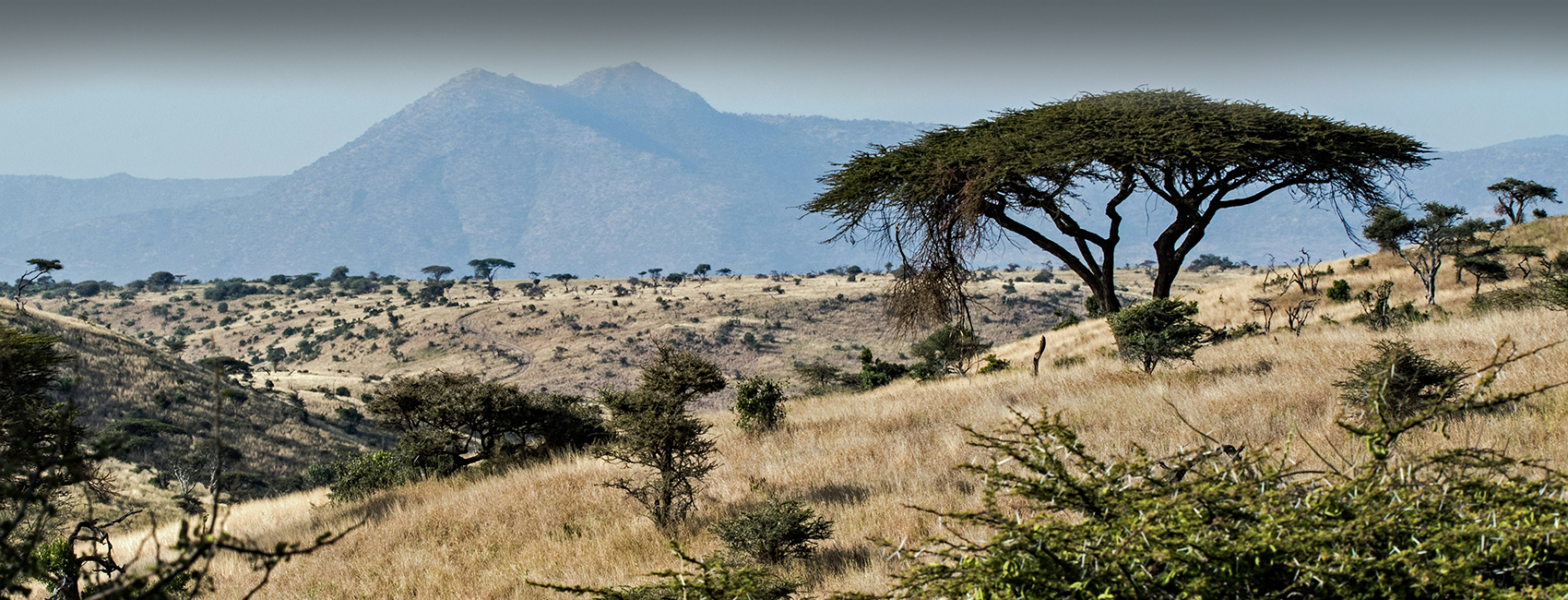
Unlike the more familiar volcanic giants of East Africa, the Rwenzori Mountains are not defined only by their height. The real attraction lies in the journey through changing landscapes: rainforest alive with birds and primates, bamboo forests wrapped in mist, valleys filled with giant lobelias and groundsels, and high-altitude terrain where snow and glaciers still exist close to the Equator.
For travellers planning a Uganda adventure, the Rwenzori Mountains National Park offers something different from traditional safari experiences. This is not a destination where wildlife is viewed from a vehicle across open plains. Instead, it is a place where exploration happens on foot, where every day brings a new environment, and where patience, preparation, and curiosity are rewarded.
Whether you are an experienced mountaineer aiming for Margherita Peak, a keen hiker interested in multi-day mountain trails, or a traveller looking to combine trekking with Uganda’s famous wildlife destinations, understanding what to expect is essential.
This guide explains everything you need to know before visiting the Rwenzori Mountains National Park, including trekking routes, difficulty levels, wildlife, accommodation, permits, weather, packing advice, safety considerations, and how to combine the mountains with a wider Uganda safari.
Where Is Rwenzori Mountains National Park?
Rwenzori Mountains National Park is located in western Uganda, near the border with the Democratic Republic of the Congo. The park protects approximately 996 square kilometres of the eastern and central slopes of the Rwenzori Range, a mountain chain stretching for around 120 kilometres.
The main gateway for most visitors is Kasese, a lively town situated at the foot of the mountains. Kasese provides access to trekking centres, accommodation, transport connections, and supplies before beginning an expedition.
From Uganda’s capital, Kampala, the drive to Kasese usually takes around seven to eight hours by road, depending on traffic and stops along the way. The journey itself is part of the experience, passing through changing landscapes including tea plantations, rolling hills, crater lakes, and rural communities.
Many travellers do not visit the Rwenzori Mountains in isolation. The park is ideally positioned within Uganda’s western tourism circuit, allowing visitors to combine trekking with other major attractions, including:
- Chimpanzee tracking in Kibale National Park
- Game drives and boat safaris in Queen Elizabeth National Park
- Gorilla trekking in Bwindi Impenetrable National Park
- Wildlife and birdwatching experiences in Semuliki National Park
A well-planned western Uganda itinerary can combine mountain adventure, rainforest exploration, and classic safari experiences into one journey.
The Story Behind the Mountains of the Moon
The Rwenzori Mountains have fascinated explorers for thousands of years.
Ancient Greek geographer Claudius Ptolemy, writing in the second century AD, described a mysterious snow-covered mountain range near the source of the Nile River. He called these legendary peaks the “Mountains of the Moon,”believing they were connected to the origins of the Nile.
For centuries, European explorers searched for these mountains described in ancient texts. In 1889, explorer Henry Morton Stanley documented the Rwenzori Range during his expedition through Central Africa, confirming that permanent snow and glaciers existed remarkably close to the Equator.
Today, scientists and conservationists continue to study this unusual mountain environment. The glaciers that once covered larger areas of the highest peaks have significantly declined due to climate change, but the Rwenzori Mountains remain one of Africa’s most important alpine ecosystems.
The name “Mountains of the Moon” has survived because it captures the mystery of this landscape: a place of icy summits, mist-covered forests, and rare plants growing in conditions that seem unexpected in equatorial Africa.
What Makes the Rwenzori Mountains Unique?
Africa has several famous mountain destinations, but the Rwenzori Mountains offer an experience unlike Mount Kilimanjaro or Mount Kenya.
The difference begins with geology.
While Mount Kilimanjaro is a volcanic mountain, the Rwenzori Range was created through tectonic uplift, a geological process that pushed ancient rocks upward over millions of years. This created a landscape of steep valleys, jagged ridges, waterfalls, alpine lakes, and dramatic peaks.
However, the mountains are perhaps best known for their extraordinary vegetation.
A trek through the Rwenzori is like travelling through several different worlds. As altitude increases, the landscape changes gradually:
- Tropical rainforest gives way to bamboo forests.
- Bamboo transitions into giant heather-covered slopes.
- Heather forests lead into open alpine moorlands.
- Giant lobelias and groundsels dominate the high-altitude wetlands.
- Rocky alpine terrain eventually reaches glaciers and summit areas.
These plant communities have adapted to extreme conditions, including freezing nights and intense sunlight during the day. Some species have developed unusual shapes and sizes that make the Rwenzori landscape appear almost prehistoric.
The park’s exceptional biodiversity and geological importance led to its designation as a UNESCO World Heritage Site.
For visitors, this means the reward is not simply reaching a summit. The entire route is the experience.
The Highest Peaks of the Rwenzori Mountains
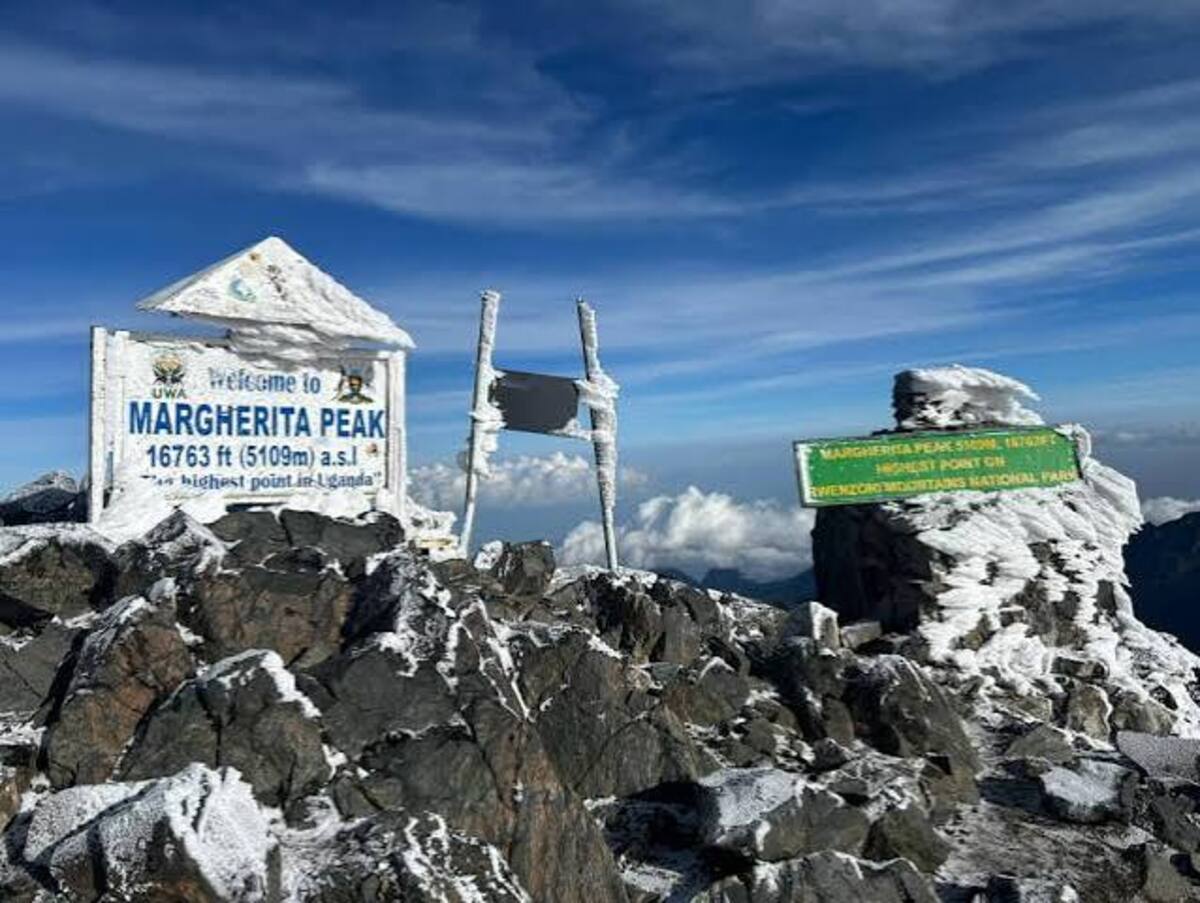
Highest point of Rwenzori mountains Margherita peak
The Rwenzori Range contains several major mountain massifs, each offering different climbing challenges and landscapes.
The principal peaks include:
- Mount Stanley
- Mount Speke
- Mount Baker
- Mount Emin
- Mount Gessi
- Mount Luigi di Savoia
The highest mountain in the range is Mount Stanley, home to Margherita Peak, which rises to approximately 5,109 metres above sea level.
Margherita Peak is the third-highest mountain summit in Africa, after Mount Kilimanjaro and Mount Kenya. However, altitude alone does not explain why the climb is considered challenging.
Unlike some high mountains where the main challenge is simply gaining elevation, a Margherita Peak expedition involves:
- Long trekking days
- Steep ascents and descents
- Muddy trails
- Glacier crossings
- Rock scrambling
- Changing mountain weather
- High-altitude conditions
The final approach requires technical climbing skills, including movement over glaciers and exposed sections. Because of this, summit attempts should only be undertaken with experienced guides and proper preparation.
For those who reach the top, the achievement comes from more than standing on a high point. It represents days of moving through some of Africa’s most unusual wilderness.
Trekking in Rwenzori Mountains National Park: What to Expect.
Trekking is the main reason most travellers visit the Rwenzori Mountains National Park.
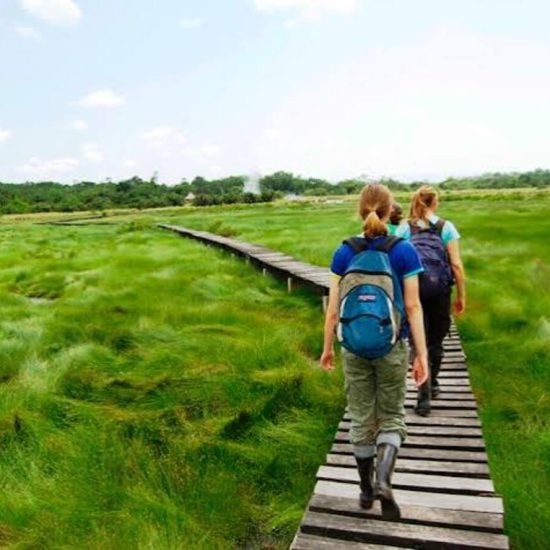
Unlike a conventional hike that focuses mainly on reaching a viewpoint or summit, a Rwenzori trek is a journey through multiple ecosystems. The scenery changes constantly, and each section of the trail reveals a different side of the mountain.
A typical day may begin beneath towering rainforest trees where monkeys move through the canopy and birds call from the forest. Several hours later, the same trail may lead into mist-covered bamboo forests or open valleys filled with unusual alpine plants.
This variety is what makes the Rwenzori experience so different from many other African mountain adventures.
Trekking options range from short guided walks to demanding expeditions lasting more than a week.
Visitors can choose between:
Short Nature Walks and Lower Mountain Hikes
These options are suitable for travellers who want to experience the Rwenzori environment without committing to a long expedition.
They may include:
- Forest walks
- Waterfalls
- Birdwatching
- Wildlife observation
- Scenic viewpoints
- Cultural interactions with nearby communities
These shorter experiences are a good choice for families, travellers combining several Uganda destinations, or visitors with limited time.
Multi-Day Mountain Expeditions
Longer treks allow visitors to explore deeper into the mountain ecosystem.
Depending on the route and itinerary, hikers may spend several nights in mountain huts or camps, gradually moving through different altitude zones.
Expect:
- Early morning starts
- Variable weather
- Physically demanding hiking
- Basic mountain accommodation
- Limited access to electricity and modern facilities
Good preparation is important. The Rwenzori Mountains are rewarding, but they are not a casual walking destination.
Who Is the Rwenzori Trek Suitable For?
The Rwenzori Mountains can be enjoyed by many types of travellers, but choosing the right experience is important.
You do not need to be a professional climber to explore the lower mountain areas. However, longer routes require:
- Good general fitness
- Comfort walking several hours a day
- Ability to handle uneven terrain
- Willingness to adapt to changing weather conditions
Summiting Margherita Peak requires a higher level of preparation because of the altitude and technical sections.
Travellers should avoid comparing the Rwenzori only by distance or number of days. A shorter trek can still feel demanding because of mud, altitude, and weather.
The best itinerary is one that matches your fitness, experience, available time, and personal goals.
Popular Trekking Routes in Rwenzori Mountains National Park
The Rwenzori Mountains offer several trekking routes, each providing a different perspective of this remarkable landscape. The best choice depends on your available time, fitness level, hiking experience, and whether your goal is to reach a summit or simply explore the mountain environment.
Most visitors choose one of three options:
- The Central Circuit Trail
- The Kilembe Trail
- Shorter lower-mountain hikes and nature walks
For travellers planning their first Rwenzori experience, understanding the differences between these routes helps avoid choosing an itinerary that does not match expectations.
The Central Circuit Trail: The Classic Rwenzori Route
The Central Circuit Trail is the traditional route through the heart of the Rwenzori Mountains and remains the most popular option for travellers attempting Margherita Peak.
Typically completed in seven to nine days, the route passes through some of the mountain’s most iconic landscapes, including rainforest, bamboo forests, alpine valleys, and glacier-covered peaks.
A typical journey includes stops such as:
- Nyabitaba Hut
- John Matte Camp
- Bujuku Valley
- Elena Hut
- Kitandara Lakes
- Freshfield Pass
- Margherita Peak
One of the greatest advantages of this route is the gradual transition between ecosystems. Rather than moving quickly into high altitude, trekkers spend several days gaining elevation while allowing their bodies time to adjust.
The scenery changes dramatically along the way. Dense forests gradually open into misty valleys, while unusual plants such as giant lobelias and groundsels become more common at higher elevations.
For many visitors, the Central Circuit is not just about reaching the summit. The journey through these changing environments is equally important.
The Kilembe Trail: A Quieter Alternative
The Kilembe Trail begins from the southern side of the mountains and offers a different experience from the Central Circuit.
This route is particularly popular with experienced hikers who appreciate quieter trails and dramatic scenery. It passes through remote valleys, waterfalls, alpine lakes, and less crowded sections of the mountain.
Highlights often include:
- Beautiful high-altitude landscapes
- Fewer trekkers on the trail
- Excellent mountain photography opportunities
- Access to challenging summit routes
The Kilembe route can also be adapted for different hiking abilities, with shorter options available for travellers who want to explore the mountain without completing a full summit expedition.
Because conditions can vary significantly, travellers should discuss route choice with an experienced trekking operator before booking.
Lower Mountain Hikes and Day Walks
Not every visitor wants to spend a week in the mountains. Fortunately, the Rwenzori region also offers shorter hiking experiences.
Lower mountain walks introduce travellers to the unique environment without requiring advanced climbing skills or extended time away from comfortable accommodation.
These experiences may include:
- Tropical forest exploration
- Birdwatching
- Waterfalls
- Wildlife observation
- Scenic mountain views
- Community visits
They are especially suitable for:
- Families
- Travellers combining several Uganda destinations
- Visitors with limited time
- Those who want a taste of the Rwenzori landscape before committing to a longer trek
A short hike will not provide the same high-altitude experience as a multi-day expedition, but it still reveals why these mountains are considered one of Uganda’s most fascinating natural areas.
Wildlife in Rwenzori Mountains National Park
Although the Rwenzori Mountains are primarily known as a trekking destination, the park also protects a remarkable range of wildlife.
Wildlife viewing here is very different from a traditional savannah safari. In parks such as Queen Elizabeth National Park, animals are often spotted across open grasslands or around water sources. In the Rwenzori forests, encounters are usually quieter and more unpredictable.
The dense vegetation means animals may remain hidden, but experienced guides often identify their presence through tracks, sounds, feeding signs, and movement in the forest.
Possible wildlife sightings include:
- Forest elephants
- African forest buffaloes
- Bushbucks
- Giant forest hogs
- Bush pigs
- Hyraxes
- Tree squirrels
- Clawless otters
- Various reptiles and amphibians
Seeing wildlife in this environment requires patience. A rustle in the vegetation, a distant call, or fresh footprints on the trail can reveal that the forest is far more active than it first appears.
For many visitors, this creates a more intimate connection with nature than traditional game viewing.
Primates of the Rwenzori Mountains
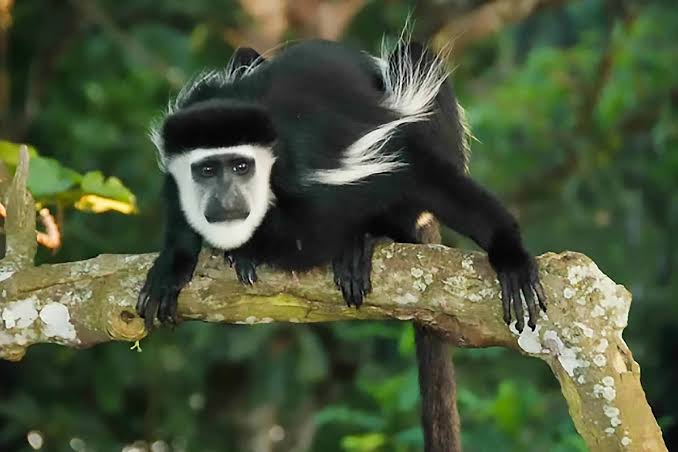
Black & White colobus monkey
The forests of the Rwenzori Mountains support several primate species, adding another layer of discovery for hikers.
Common species include:
- Black-and-white colobus monkeys
- Blue monkeys
- L’Hoest’s monkeys
- Olive baboons
- Vervet monkeys
Early morning is often the best time for wildlife observation. As the forest wakes, monkeys may become active in the canopy while birds begin calling from different layers of vegetation.
Unlike chimpanzee trekking or gorilla trekking, where visitors follow a specific habituated group, encounters in the Rwenzori are usually opportunistic. The excitement comes from not knowing what may appear along the trail.
This difference is important for travellers deciding between Uganda’s primate experiences. Each offers a completely different style of wildlife encounter.
Birdwatching in Rwenzori Mountains National Park
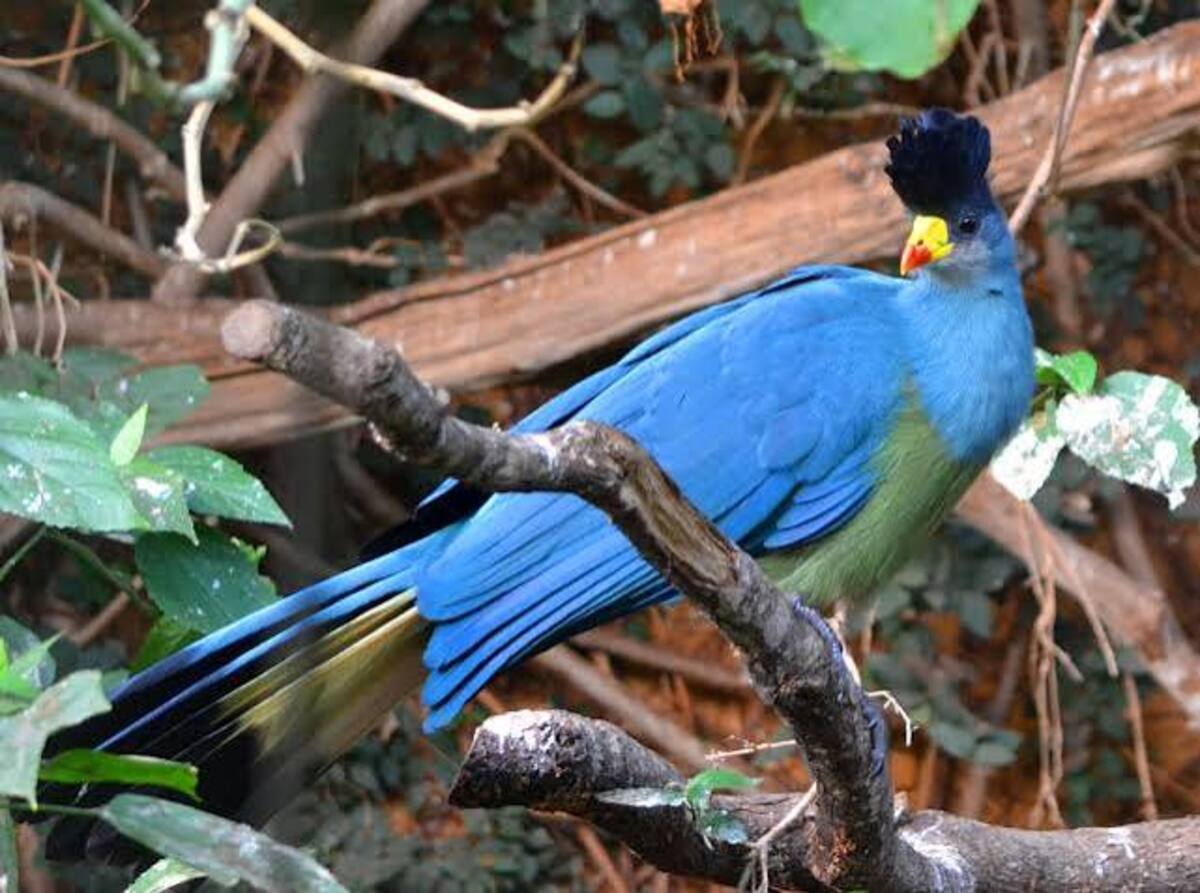
Great Blue Turaco
The Rwenzori Mountains are among Uganda’s most rewarding destinations for bird enthusiasts, particularly those interested in Albertine Rift species.
The park contains a wide range of montane habitats, supporting more than 200 recorded bird species, including several species that are difficult to find elsewhere.
Notable birds include:
- Rwenzori Turaco
- Handsome Francolin
- Rwenzori Batis
- Lagden’s Bushshrike
- Blue-headed Sunbird
- Scarlet-tufted Sunbird
- Archer’s Robin-Chat
- Strange Weaver
- Cinnamon-chested Bee-eater
Bird activity is usually highest during the early morning hours, when the forest is filled with calls and movement.
Photographers and birdwatchers should consider bringing:
- Binoculars
- A camera with a suitable zoom lens
- Waterproof protection for equipment
- Extra batteries or a power bank
Because many birds remain high in the canopy or move quickly through vegetation, patience is often more valuable than expensive equipment.
Exploring the Rwenzori Vegetation Zones
One of the most remarkable aspects of trekking in the Rwenzori Mountains is the speed at which the environment changes with altitude.
A single expedition can pass through several ecological zones, each with its own plants, climate, and atmosphere.
-
Montane Forest Zone
The trek begins in lush tropical rainforest where humidity, vegetation, and wildlife create a completely different environment from Uganda’s savannah parks.
Visitors can expect:
- Tall forest trees
- Thick vines
- Moss-covered branches
- Ferns and orchids
- Flowing streams
- Bird calls throughout the canopy
The forest floor is often damp, and trails may become muddy after rainfall. Good footwear is essential.
This zone is also where many wildlife encounters occur because the dense vegetation provides habitat for mammals and primates.
-
Bamboo Forest Zone
As elevation increases, bamboo forests replace the lower rainforest.
The tall bamboo creates enclosed pathways where mist often hangs between the trees. Light filters through the narrow gaps, creating a quiet and atmospheric section of the trek.
This habitat supports birds and small mammals adapted to higher elevations.
-
Giant Heather Zone
Higher still, trekkers enter forests dominated by giant heathers.
Unlike low-growing garden heather, these plants can grow several metres tall. Their twisted branches are often covered with mosses and lichens, creating a landscape that feels ancient and unusual.
Clouds frequently move through this zone, changing visibility within minutes.
-
Alpine Moorland Zone
The alpine moorland is one of the most recognisable landscapes of the Rwenzori.
Here, giant lobelias and giant groundsels dominate the open valleys. These plants have developed special adaptations to survive freezing nights and strong sunlight.
Walking through this environment is one of the defining moments of a Rwenzori trek.
The landscape feels unlike anywhere else in East Africa.
-
Alpine Zone
At higher elevations, vegetation becomes increasingly sparse.
The environment becomes colder and more exposed, with:
- Rocky slopes
- Hardy alpine plants
- Glacial streams
- Dramatic mountain views
Weather changes quickly here, and trekkers must be prepared for wind, cold temperatures, rain, and limited visibility.
-
Nival Zone and Glacial Areas
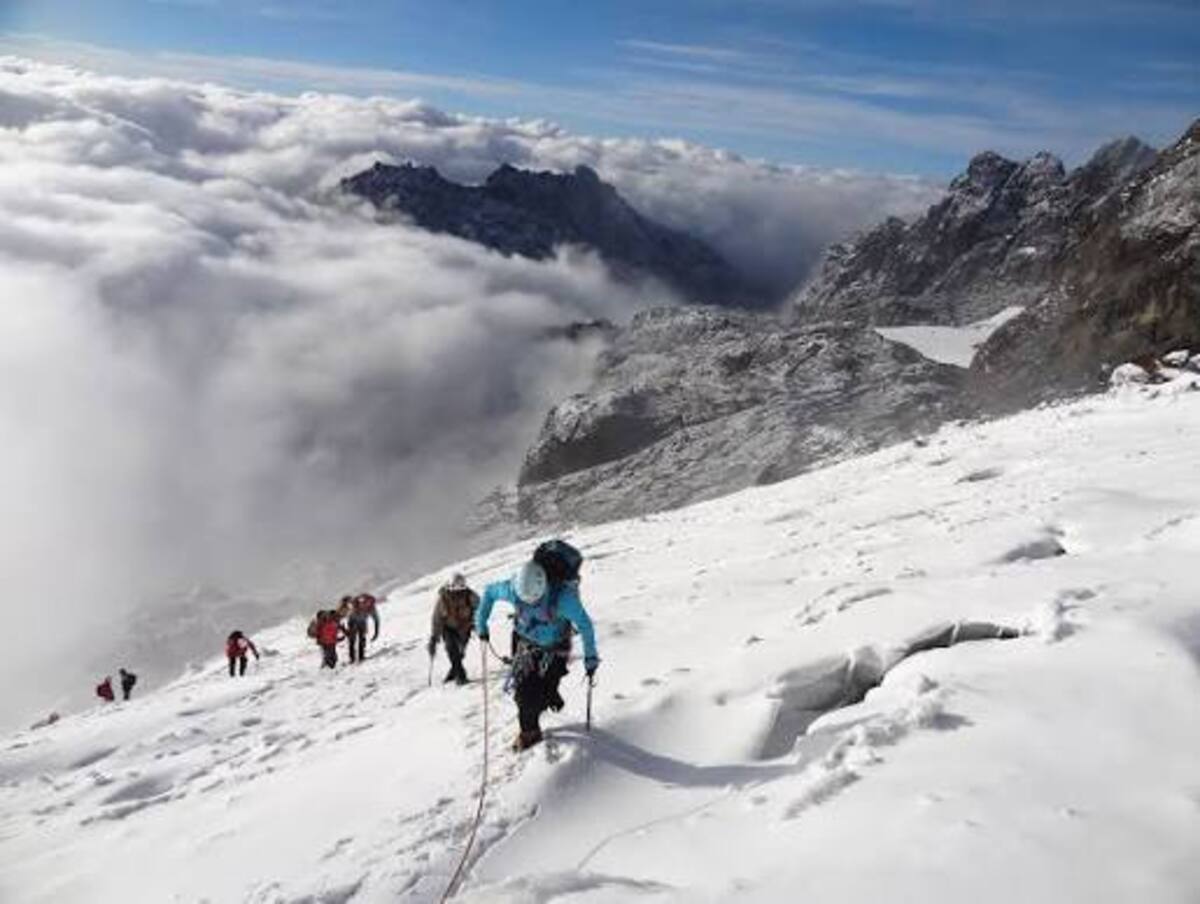
The highest elevations include the summit areas of Mount Stanley, where snowfields, glaciers, and exposed rock dominate the landscape.
Climate change has reduced the size of the Rwenzori glaciers considerably over the past century. However, the remaining ice and snow continue to make this one of Africa’s rare equatorial alpine environments.
Standing among snow and ice so close to the Equator remains one of the most unusual experiences available to mountain travellers.
Climbing Margherita Peak: What the Summit Experience Is Really Like
For many travellers, reaching Margherita Peak on Mount Stanley is the ultimate goal of a Rwenzori Mountains expedition. At 5,109 metres above sea level, it is Africa’s third-highest summit and one of the continent’s most challenging high-altitude climbs.
However, the experience is very different from simply hiking to a viewpoint. A Margherita Peak attempt requires endurance, preparation, and respect for changing mountain conditions.
The challenge comes from the combination of:
- High altitude
- Long trekking days
- Steep and uneven terrain
- Cold temperatures
- Glacier crossings
- Technical climbing sections
- Unpredictable weather
The final summit push usually begins before dawn. Trekkers set out in darkness with headlamps, moving carefully across rocky terrain as temperatures can drop below freezing.
As daylight arrives, the surrounding landscape slowly emerges: rugged peaks, deep valleys, glaciers, and clouds moving below the mountain.
The summit itself is only one part of the achievement. Many climbers find that the most rewarding moments happen along the route—the encouragement between hikers, the support of guides and porters, and the gradual transformation of the landscape with every step.
How Difficult Is Margherita Peak?
Margherita Peak is considered a challenging climb and should not be approached as a standard hiking holiday.
A successful summit attempt usually requires:
- Previous multi-day hiking experience
- Good cardiovascular fitness
- Mental preparation for difficult conditions
- Comfort with heights and exposed sections
- Willingness to walk for several hours each day
You do not necessarily need previous mountaineering experience, but you should understand that this is a demanding expedition.
A common mistake among first-time visitors is focusing only on the summit height. The more important factors are the combination of altitude, weather, terrain, and the number of consecutive trekking days.
A well-paced itinerary with proper acclimatisation improves both safety and enjoyment.
Best Time to Visit Rwenzori Mountains National Park
The Rwenzori Mountains can be visited throughout the year, but conditions vary significantly between seasons.
Unlike many safari destinations where weather mainly affects wildlife viewing, mountain weather directly influences trekking comfort, trail conditions, and summit success.
Dry Seasons: Best Conditions for Trekking
The most favourable trekking periods are generally:
- January to February
- June to August
During these months, travellers often experience:
- Less muddy trails
- Easier river crossings
- Better visibility
- More comfortable camping conditions
- More stable summit conditions
These periods are particularly popular for visitors planning longer expeditions or attempting Margherita Peak.
However, even during the dry seasons, rain and cold conditions are still possible. The Rwenzori Mountains are one of Africa’s wettest mountain regions, and weather can change quickly.
Wet Seasons: Fewer Visitors, More Challenging Conditions
The wetter periods usually occur during:
- March to May
- September to November
During these months, expect:
- Heavier rainfall
- Muddy trails
- More slippery sections
- Cloudier conditions
- Greater need for waterproof equipment
The advantage is that the mountain can feel quieter, and the vegetation is often at its most vibrant.
Photographers may appreciate the dramatic clouds, waterfalls, and lush landscapes that appear during wetter months.
For experienced hikers who are comfortable with challenging conditions, the rainy season can still provide a rewarding experience.
Accommodation Around Rwenzori Mountains National Park
Accommodation choices depend largely on whether you are preparing for a trek, recovering after one, or exploring the wider western Uganda region.
Most travellers stay around Kasese before and after their mountain adventure.
Options range from comfortable lodges to simple guesthouses.
Luxury Lodges
Luxury accommodation near the Rwenzori Mountains provides a relaxing base before or after trekking.
Typical features include:
- Spacious rooms or cottages
- Private bathrooms
- Restaurant facilities
- Gardens and outdoor spaces
- Mountain views
- Comfortable areas for relaxation
These properties are particularly appealing after several days on the trail when travellers appreciate extra comfort.
Mid-Range Lodges
Mid-range accommodation offers a balance between comfort and value.
Travellers can usually expect:
- Clean private rooms
- Hot showers
- Restaurant meals
- Friendly service
- Convenient access to trekking points
These lodges are popular with many safari travellers because they provide comfort without unnecessary expense.
Budget Guesthouses
Budget travellers can find affordable accommodation in Kasese and surrounding communities.
Facilities may be simpler, but many guesthouses provide:
- Clean rooms
- Local hospitality
- Basic meals
- Easy access to transport connections
For travellers spending most of their time trekking or exploring, these options can be practical and comfortable.
Rwenzori Trek Permits and Booking Logistics
Planning a Rwenzori expedition requires more preparation than booking a normal hiking trip.
Trekking arrangements usually involve coordinating:
- National park access
- Trekking permits
- Mountain guides
- Porters
- Accommodation
- Meals
- Equipment requirements
- Emergency planning
For multi-day routes, visitors normally book through an authorised trekking operator who organises the logistics before arrival.
Packages commonly include:
- Park fees
- Professional guides
- Porter support
- Mountain accommodation
- Meals during the trek
- Safety equipment and arrangements
Costs vary depending on:
- Route chosen
- Number of trekking days
- Group size
- Level of accommodation
- Whether a summit attempt is included
Travellers should request a clear breakdown of what is included before booking.
A common mistake is choosing the cheapest option without checking what services are provided. In remote mountain environments, experienced guides, reliable equipment, and good planning are important parts of safety.
Booking several months in advance is recommended, especially during the busiest trekking seasons.
What to Pack for a Rwenzori Mountains Trek
Packing correctly can make a major difference to your comfort and safety.
The Rwenzori Mountains are known for unpredictable weather. A single day may include sunshine, rain, cold temperatures, mist, and strong winds.
The goal is not to carry everything you own, but to prepare for changing conditions.
Essential Clothing
Layering is the most effective approach.
Recommended clothing includes:
- Waterproof hiking jacket
- Waterproof trousers
- Moisture-wicking base layers
- Fleece jacket
- Warm insulated jacket
- Hiking trousers
- Quick-drying shirts
- Thermal underwear
- Warm gloves
- Thermal or wool socks
- Sun hat
- Warm beanie
Avoid cotton clothing because it absorbs moisture and dries slowly.
Footwear
Your hiking boots are among the most important items you will bring.
Choose boots that are:
- Waterproof
- Comfortable and already broken in
- Supportive around the ankle
- Suitable for muddy and rocky terrain
New boots should not be used for the first time on the mountain. Blisters can quickly turn a good trek into a painful experience.
Lightweight sandals or camp shoes are also useful for evenings at mountain huts.
Essential Equipment
Useful items include:
- Trekking poles
- Headlamp with spare batteries
- Sunglasses
- Sunscreen
- Water bottles or hydration bladder
- Personal first-aid kit
- Dry bags for electronics
- Waterproof backpack cover
- Camera with spare batteries
- Power bank
- Binoculars
- Personal medication
- Energy snacks
Even when using porters, keep essential items in your daypack.
Your daypack should contain things you may need during the day, such as:
- Rain protection
- Water
- Camera
- Snacks
- Warm layers
- Medication
Altitude, Fitness, and Safety on the Rwenzori Mountains
Altitude is one of the most important factors to consider before attempting higher Rwenzori routes.
As elevation increases, oxygen levels decrease. Everyone responds differently, regardless of age, fitness level, or previous hiking experience.
Possible symptoms of altitude-related illness include:
- Headache
- Fatigue
- Nausea
- Loss of appetite
- Difficulty sleeping
- Shortness of breath
Experienced guides monitor trekkers throughout the expedition and can recommend slowing down, resting, or descending if necessary.
The safest approach is to:
- Walk at a steady pace
- Stay hydrated
- Eat regularly
- Allow time for acclimatisation
- Avoid excessive alcohol before trekking
- Communicate openly with your guide
Reaching the summit is never more important than your safety.
Can Older Travellers Trek the Rwenzori Mountains?
Age alone does not determine whether someone can enjoy the Rwenzori Mountains.
The important factors are:
- Current fitness level
- Previous hiking experience
- Medical considerations
- Choice of route
- Personal comfort with challenging terrain
Many older travellers successfully complete shorter hikes and carefully planned multi-day treks.
However, anyone considering a high-altitude expedition should discuss their plans with a medical professional, especially if they have health conditions that may affect endurance or altitude tolerance.
Choosing the right itinerary is more important than choosing the most difficult one.
Responsible Tourism and Conservation in the Rwenzori Mountains
The Rwenzori Mountains are protected because of their exceptional natural importance.
The park conserves:
- Rare alpine ecosystems
- Montane forests
- Endemic plant species
- Wildlife habitats
- Important water sources
- Glacial environments
The mountains also play an important role in supporting communities across western Uganda. Rivers originating in the Rwenzori ecosystem provide water for agriculture, people, and wildlife.
However, the region faces environmental challenges, particularly from climate change.
The retreat of glaciers over recent decades highlights the importance of protecting fragile mountain environments.
Visitors can support conservation by:
- Staying on designated trails
- Carrying out all waste
- Avoiding damage to plants
- Respecting wildlife
- Supporting local guides and porters
- Choosing responsible tourism operators
Responsible travel ensures that future generations can experience the same landscapes.
Combining Rwenzori Mountains Trekking with Other Uganda Safari Experiences
One of the advantages of visiting the Rwenzori Mountains is their location within Uganda’s western tourism circuit. Travellers do not have to choose between mountain adventure and wildlife experiences—the region makes it possible to combine both.
A well-planned itinerary can move from alpine landscapes to tropical forests and savannah ecosystems within the same journey.
For first-time visitors to Uganda, combining the Rwenzori Mountains with other destinations creates a more complete understanding of the country’s natural diversity.
Queen Elizabeth National Park: Mountains and Classic Safari Wildlife
Located close to the Rwenzori Mountains, Queen Elizabeth National Park is one of Uganda’s most popular safari destinations.
After days of mountain trekking, the open plains and waterways of the park offer a completely different experience.
Visitors can enjoy:
- Game drives searching for elephants, buffaloes, lions, leopards, and antelope species
- Boat cruises along the Kazinga Channel
- Hippo and crocodile sightings
- Birdwatching
- The Ishasha sector’s famous tree-climbing lions
The contrast is what makes this combination so rewarding. One day you may be walking through mist-covered mountain forests; the next, watching wildlife across open savannah.
Kibale National Park: Combining Mountains with Chimpanzee Tracking
Kibale National Park is one of the best places in Africa for chimpanzee encounters and is often included in western Uganda itineraries.
Known as one of the world’s most important primate destinations, the forest protects several primate species, including chimpanzees, red-tailed monkeys, and black-and-white colobus monkeys.
A Rwenzori and Kibale combination allows travellers to experience two very different environments:
- High-altitude mountain ecosystems
- Lowland tropical rainforest
The contrast between trekking through alpine landscapes and following chimpanzees beneath rainforest canopies makes this one of Uganda’s most diverse travel combinations.
Semuliki National Park: Rainforest, Hot Springs, and Birdlife
Semuliki National Park offers another fascinating addition to a Rwenzori itinerary.
Located in the Albertine Rift region, the park protects one of East Africa’s oldest tropical forests.
Highlights include:
- Sempaya Hot Springs
- Forest walks
- Birdwatching
- Primates
- Cultural experiences
For bird enthusiasts, Semuliki is particularly valuable because of its Central African bird species that are rare elsewhere in Uganda.
Bwindi Impenetrable National Park: Adding Gorilla Trekking
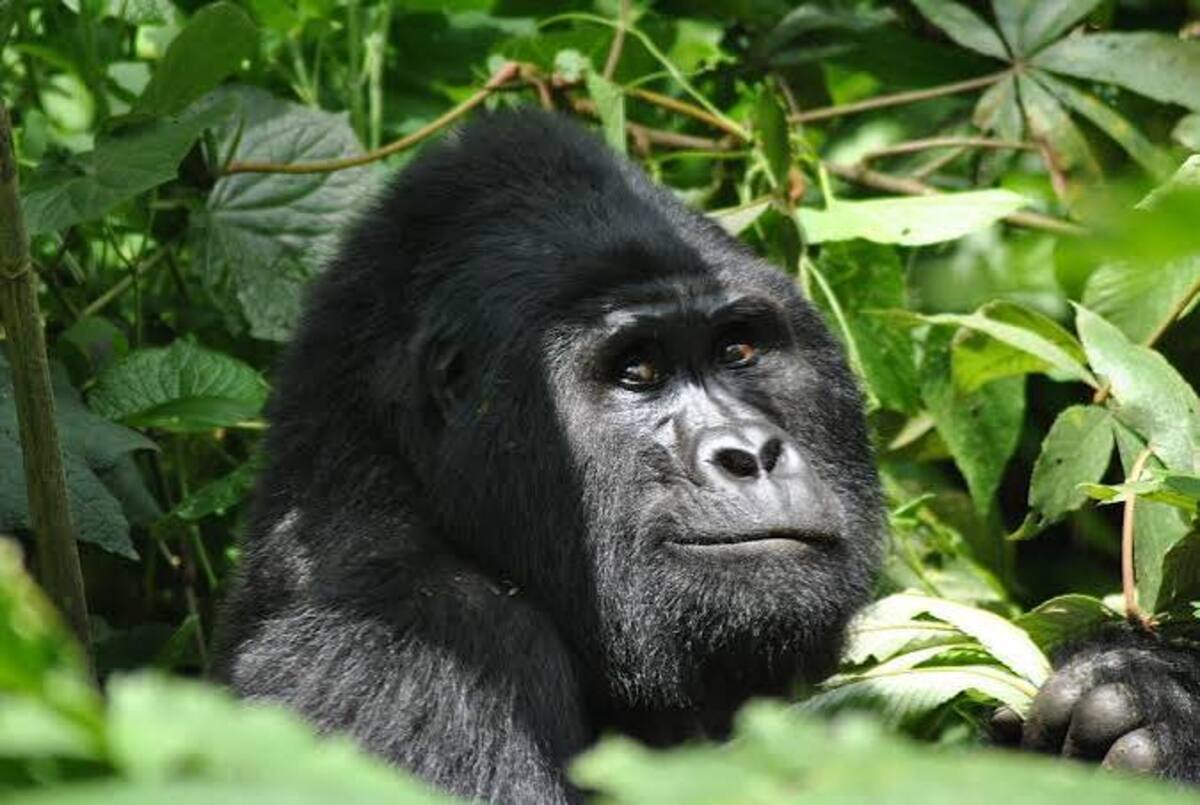
For many travellers, combining the Rwenzori Mountains with gorilla trekking creates the ultimate Uganda adventure.
The two experiences are physically different but share a common theme: exploring protected forests on foot with experienced guides.
A combined itinerary may include:
- Mountain trekking in the Rwenzori
- Gorilla trekking in Bwindi
- Wildlife viewing in Queen Elizabeth National Park
- Cultural experiences with local communities
Gorilla trekking requires separate permits, and availability can influence itinerary planning. Travellers should organise these trips well in advance, especially during popular travel periods.
Suggested Rwenzori Mountains Itineraries
The ideal Rwenzori itinerary depends on your interests, fitness level, and available travel time.
Below are examples of common approaches.
3-Day Rwenzori Experience: Introduction to the Mountains
This option is suitable for travellers who want to experience the Rwenzori environment without committing to a long expedition.
Possible highlights include:
- Guided forest walks
- Waterfalls
- Birdwatching
- Lower mountain landscapes
- Scenic photography
- Cultural encounters
This is a good choice for visitors combining several Uganda destinations or those who want a gentle introduction to mountain landscapes.
5-Day Rwenzori Hiking Adventure: Exploring Higher Elevations
A five-day trek allows travellers to move beyond the foothills and experience more of the mountain’s ecological diversity.
Possible highlights include:
- Tropical rainforest
- Bamboo forests
- Giant heather zones
- Alpine landscapes
- Mountain valleys
- Overnight stays in mountain accommodation
This option suits travellers who enjoy hiking and want a deeper experience without necessarily attempting a summit.
8-Day Margherita Peak Expedition: For Experienced Trekkers
An eight-day expedition is designed for those aiming to reach Margherita Peak.
The journey typically involves:
- Full mountain circuit trekking
- High-altitude camps
- Glacier sections
- Technical climbing areas
- Multiple vegetation zones
- Summit preparation and ascent
This itinerary requires commitment, but it provides the most complete Rwenzori experience.
Why Travel with Naseeb Safaris?
Planning a Rwenzori Mountains adventure involves more than selecting a route. The quality of the experience depends on careful preparation, reliable logistics, experienced mountain teams, and choosing an itinerary that matches your expectations.
Naseeb Safaris helps travellers plan Uganda journeys that combine adventure, wildlife, and cultural experiences while keeping safety and responsible tourism at the centre.
Support can include:
- Tailor-made Rwenzori trekking itineraries
- Experienced mountain guides
- Porter arrangements
- Accommodation planning
- Safari vehicle transfers
- Wildlife safari extensions
- Gorilla and chimpanzee trekking combinations
- Birdwatching experiences
- Cultural activities
Whether you are planning a challenging summit attempt or a shorter mountain experience, the right preparation allows you to focus on enjoying the journey rather than worrying about logistics.
Frequently Asked Questions About Rwenzori Mountains National Park
How fit do I need to be for a Rwenzori trek?
Your fitness requirements depend on the route.
Short hikes and lower mountain walks are suitable for many active travellers. Longer expeditions require good endurance because you may walk several hours each day over uneven terrain.
A Margherita Peak attempt requires a higher level of fitness and preparation because of altitude, distance, and technical sections.
Will I definitely see the Rwenzori glaciers?
No destination can guarantee specific weather or landscape conditions.
The Rwenzori glaciers still exist on the highest peaks, but their size has reduced significantly due to climate change. Visibility also depends on weather conditions during your trek.
Can seniors do the Rwenzori trek?
Yes, some older travellers successfully complete Rwenzori hikes, especially carefully selected routes.
Age is less important than:
- Fitness level
- Health condition
- Hiking experience
- Route choice
Anyone considering a demanding trek should choose an itinerary appropriate for their abilities.
Can I hire a porter for my trek?
Yes. Porters are an important part of many Rwenzori expeditions.
They help carry equipment and supplies, making the trek more manageable for visitors.
Hiring local porters also provides valuable income opportunities for communities around the mountains.
What happens if it rains during the trek?
Rain is common in the Rwenzori Mountains, even during traditionally drier months.
Trekkers should expect wet conditions and prepare with:
- Waterproof clothing
- Dry bags
- Good hiking boots
- Patience with changing conditions
Rain does not necessarily stop a trek, but it can make trails slower and more challenging.
Can I wear shorts while trekking?
Shorts can be comfortable at lower elevations, but long trousers are generally more practical.
Long hiking trousers provide protection from:
- Mud
- Vegetation
- Cold temperatures
- Insects
- Scratches along forest trails
Is there a luggage weight limit?
Weight limits vary depending on the trekking operator and porter arrangements.
Travellers should pack efficiently and bring only essential items.
A smaller, well-organised bag is usually easier to manage on the mountain.
How much should I tip guides and porters?
Tipping is appreciated but should reflect the quality of service rather than being treated as an obligation.
Many travellers choose to tip guides, porters, and support staff at the end of the trek.
Your tour operator can provide current guidance based on local expectations and group size.
Can I take photographs during the trek?
Yes, photography is encouraged, but conditions require preparation.
Useful tips:
- Protect cameras from rain
- Carry spare batteries or a power bank
- Keep equipment accessible
- Avoid delaying the group for photos
- Ask permission before photographing local people
The changing landscapes provide excellent opportunities, especially during early mornings and clearer weather periods.
Is the Rwenzori trek safe?
The Rwenzori Mountains are generally safe when approached with proper planning and experienced guides.
The main challenges are environmental rather than security-related:
- Weather changes
- Altitude
- Slippery trails
- Physical fatigue
Following your guide’s instructions and choosing a reputable operator are important parts of staying safe.
Why the Rwenzori Mountains Deserve a Place on Your Uganda Itinerary
The Rwenzori Mountains are not simply a destination for reaching a summit. They are a journey through one of Africa’s most unusual landscapes, a place where tropical forests, alpine wetlands, glaciers, and rare wildlife exist within the same mountain range.
What makes the experience special is the gradual transformation of the environment. The sounds of the forest, the changing vegetation, the challenge of the trail, and the quiet moments above the clouds all become part of the adventure.
For travellers seeking more than a traditional safari, the Rwenzori Mountains offer an opportunity to slow down, explore on foot, and experience Uganda from a different perspective.
If you are considering a Rwenzori trek and would like help choosing the right route, combining it with a Uganda safari, or planning the practical details, contact Naseeb Safaris for personalised guidance based on your interests, fitness level, and travel plans.