
Planning to Join a Group Tour in Uganda
Planning to Join a Group Tour in Uganda, Uganda is often described as the Pearl of Africa, but its appeal goes far beyond a single headline attraction. In one journey, you can walk through ancient rainforest in search of mountain gorillas, watch elephants feed along riverbanks, cruise past hundreds of hippos, meet local communities, and wake to the calls of birds found nowhere else on Earth.
For many travelers, the question is no longer whether to visit Uganda, but whether to travel independently, book a private safari, or join a group tour.
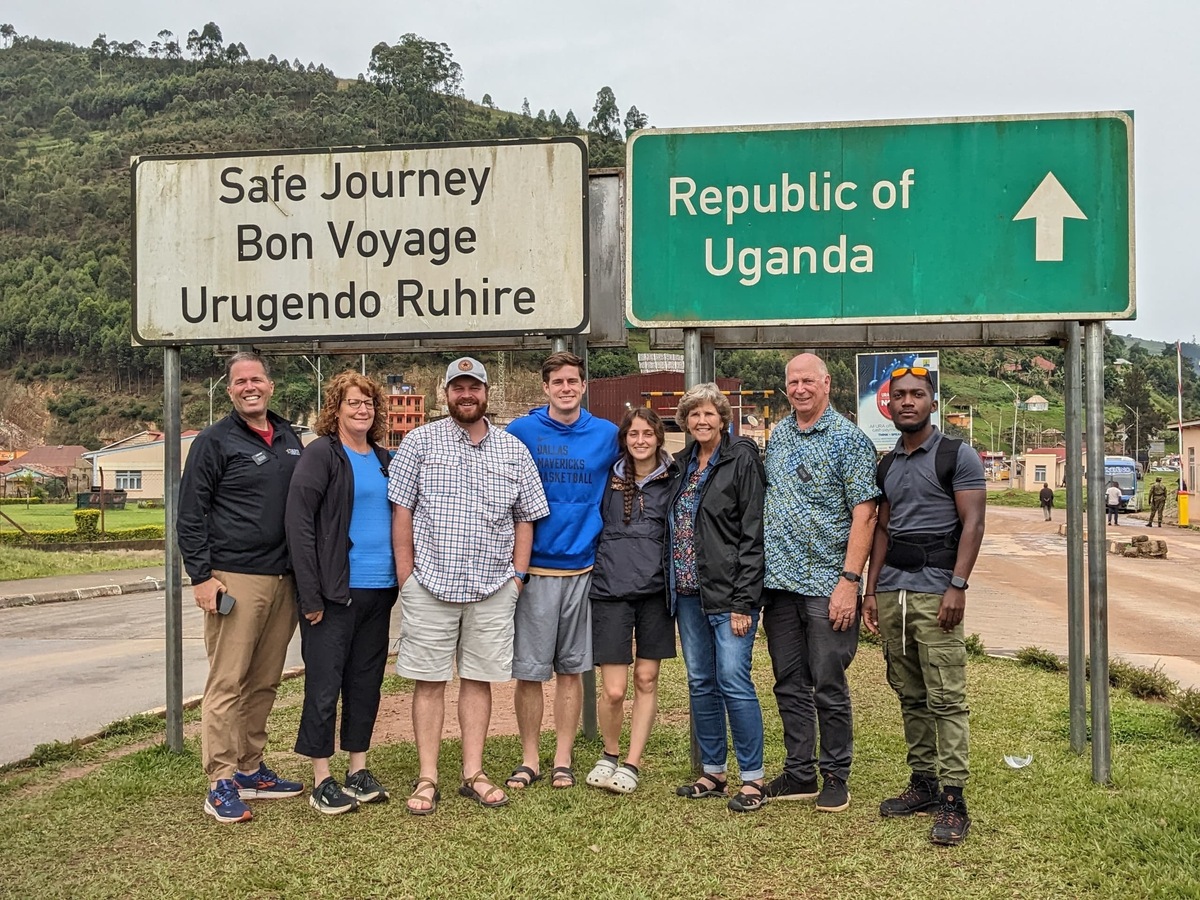
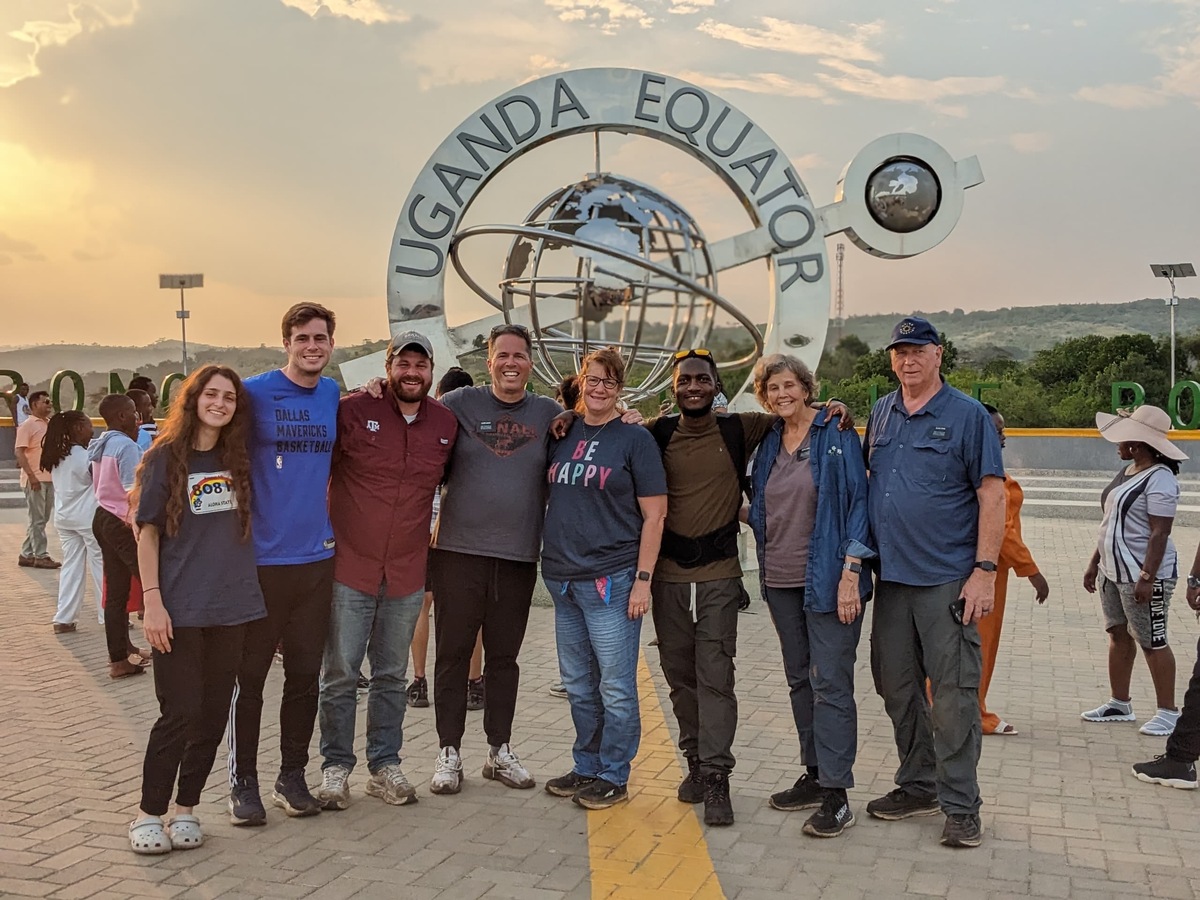
While private safaris remain a popular choice, group tours have become an increasingly attractive option for families, friends, solo travelers, photography clubs, birdwatching groups, schools, corporate teams, and community organizations. Sharing the journey often reduces costs, simplifies planning, and adds another dimension to the experience: enjoying remarkable moments with people who share your curiosity about Africa.
A well-organized group safari is about more than filling seats in a vehicle. It brings together people with different perspectives while allowing everyone to experience Uganda’s wildlife, landscapes, and cultures through the guidance of experienced local professionals.
Why Uganda Works So Well for Group Safaris
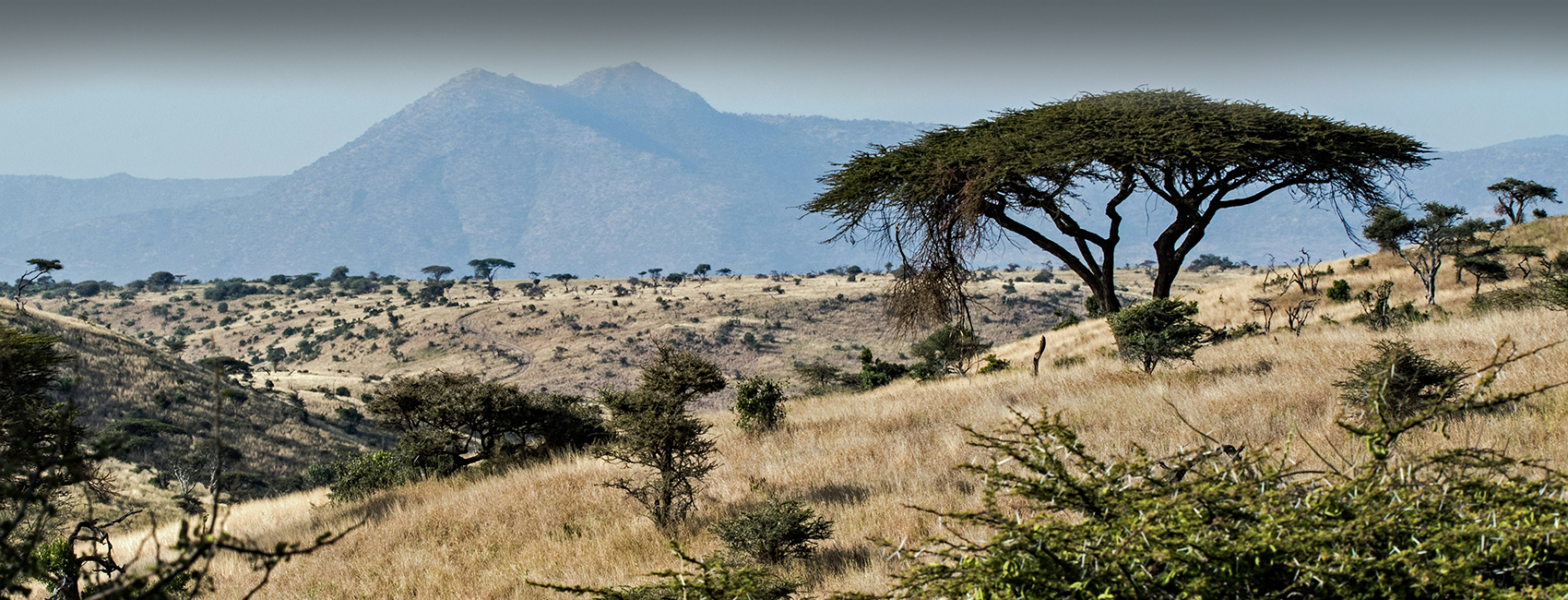
Unlike some safari destinations where attractions are concentrated around a single ecosystem, Uganda offers remarkable variety within one country. Over the course of a week or two, travelers can experience open savannah, tropical rainforest, volcanic crater lakes, wetlands, mountain landscapes, and the mighty River Nile.
This diversity makes itinerary planning surprisingly rewarding for groups with different interests.
A single safari can include:
- Gorilla trekking
- Classic wildlife game drives
- Chimpanzee tracking
- Boat safaris
- Birdwatching
- Cultural experiences
- Guided nature walks
- Community tourism
- Scenic photography
- Adventure activities
Instead of competing for everyone’s attention, these experiences complement one another. Someone fascinated by primates can enjoy the forests of western Uganda, while another traveler interested in photography or birdlife finds equally rewarding opportunities throughout the journey.
The country’s welcoming communities also leave a lasting impression. Many visitors say that conversations with local people become just as memorable as wildlife encounters, offering insight into everyday life beyond the national parks.
Is a Group Safari Right for You?
Group travel isn’t simply the more affordable alternative to a private safari. For many travelers, it creates a richer overall experience.
You may enjoy a group safari if you:
- Like sharing experiences with other travelers.
- Prefer having logistics organized in advance.
- Want to reduce transportation and guiding costs.
- Are traveling alone but don’t want to explore independently.
- Enjoy learning from knowledgeable safari guides.
- Appreciate flexible itineraries that combine several destinations.
Travelers who value complete privacy or want total control over daily schedules may still prefer a private safari. However, many first-time visitors discover that joining a small, well-managed group strikes an excellent balance between structure and flexibility.
The Benefits of Joining a Group Tour in Uganda
Better Value Without Cutting Corners
Safari travel involves costs that are shared regardless of whether one person or six people are traveling. Vehicles, fuel, guiding services, and some logistical expenses become considerably more economical when divided among a group.
This often allows travelers to stay in better accommodation or include activities that might otherwise exceed their budget.
Less Time Planning, More Time Exploring
Planning a Uganda safari involves far more than booking accommodation.
Depending on your itinerary, you may need to arrange:
- National park entry
- Gorilla or chimpanzee permits
- Accommodation across multiple regions
- Road transfers
- Domestic flights
- Boat cruises
- Activity schedules
For first-time visitors, coordinating these moving parts can quickly become complicated. A professionally organized group tour allows travelers to focus on the experience itself rather than the logistics behind it.
Shared Wildlife Moments
Some safari memories naturally become collective experiences.
The excitement of spotting a leopard resting in a fig tree. Watching giraffes cross the road ahead of the vehicle. Hearing the distant call of chimpanzees echo through the forest before finally seeing them high in the canopy.
These are moments people often remember not only because of the wildlife, but because they shared them with others.
Local Knowledge Makes a Difference
Experienced safari guides do much more than drive between destinations.
They explain animal behavior, identify birds, interpret tracks, answer questions about conservation, and help visitors understand how Uganda’s ecosystems fit together.
Their local knowledge often turns an ordinary wildlife sighting into a far deeper learning experience.
Meeting Like-Minded Travelers
Group tours regularly bring together people from different countries and backgrounds who share a common interest in wildlife, photography, conservation, or adventure travel.
Many travelers begin their safari as strangers and finish with friendships that continue long after returning home.
Who Joins Group Tours in Uganda?
Group safaris are remarkably varied. Some departures are built around wildlife viewing, while others focus on education, birding, photography, or cultural exchange.
Common types of groups include:
- Families traveling together
- Friends celebrating birthdays or anniversaries
- Solo travelers joining scheduled departures
- University and school groups
- Corporate teams
- Church and faith-based organizations
- Birdwatching societies
- Photography clubs
- Conservation organizations
- Travel clubs
The best itineraries are those that reflect the interests, fitness levels, and expectations of everyone involved rather than following a rigid template.
Uganda’s Best Destinations for Group Tours
Every national park offers a different perspective on Uganda. Combining several destinations creates a more complete understanding of the country’s wildlife, landscapes, and cultures.
Bwindi Impenetrable National Park
For many international visitors, gorilla trekking is the experience that inspires the entire journey.
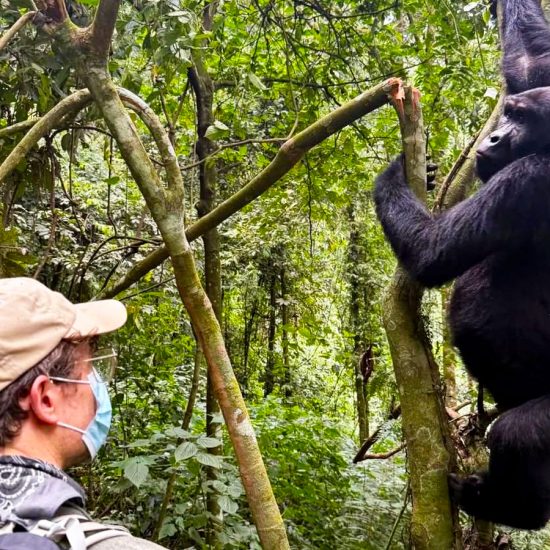
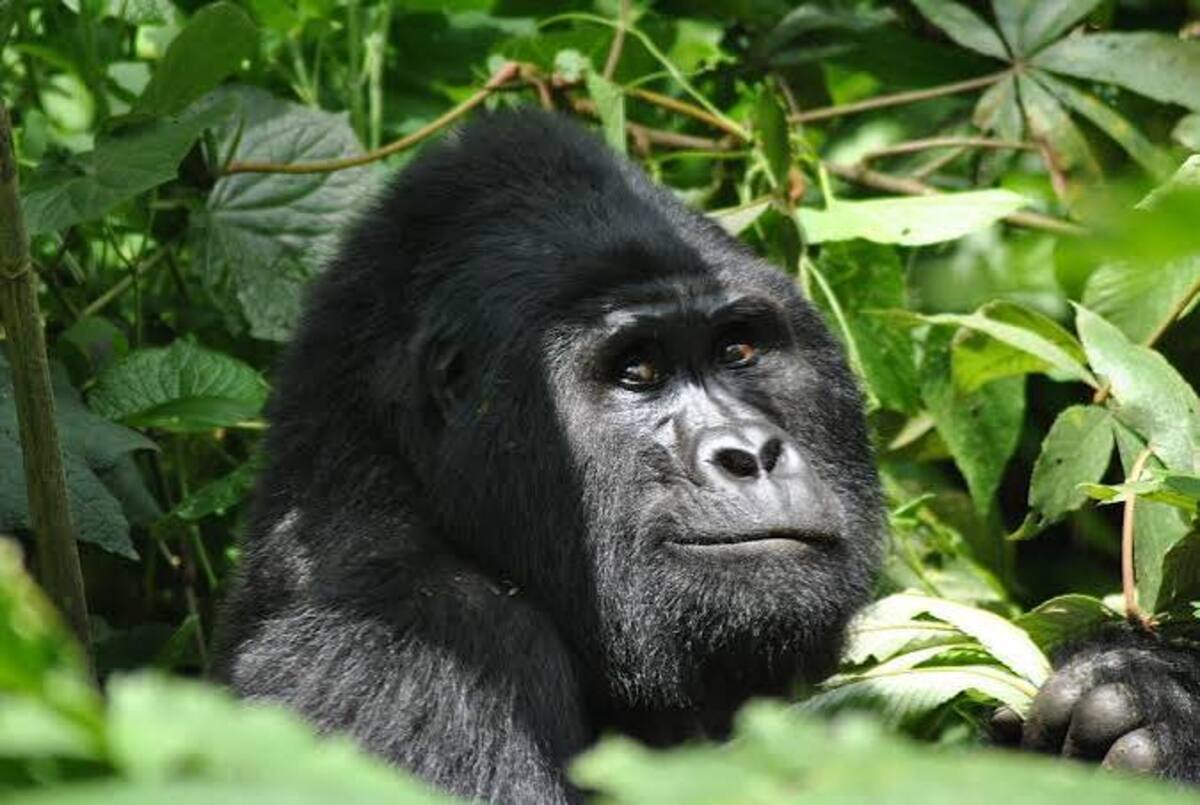
Home to almost half of the world’s remaining mountain gorillas, Bwindi protects one of Africa’s oldest rainforests. Guided treks lead small groups through dense vegetation in search of habituated gorilla families, with trackers locating the animals before visitors enter the forest.
Once the gorillas are found, visitors spend up to one hour observing them at close range while maintaining the required viewing distance.
Every trek is different.
Some gorilla families are reached after less than an hour of walking, while others require several hours over steep and uneven terrain. Rangers assign groups based on factors including fitness and gorilla movements, so flexibility is important.
Travelers who are not participating in gorilla trekking can still enjoy the surrounding region through community visits, guided forest walks, coffee experiences, and cultural performances.
Practical information
- Minimum trekking age: 15 years
- Gorilla permits must be booked well in advance, particularly during the dry seasons.
- Waterproof hiking boots, rain gear, and gloves are strongly recommended.
Queen Elizabeth National Park
Queen Elizabeth National Park offers one of Uganda’s most varied safari experiences.
Within a single park, landscapes change from open grasslands to crater lakes, papyrus wetlands, forest patches, and the famous Kazinga Channel.
Because of this diversity, wildlife viewing remains rewarding throughout the year.
Visitors commonly encounter:
- African elephants
- Buffalo
- Uganda kob
- Waterbuck
- Warthogs
- Hippos
- Nile crocodiles
- Numerous bird species
Predators including lions and leopards are also present, although sightings depend on timing, weather, and a measure of good fortune.
One of the highlights is a boat cruise along the Kazinga Channel. Rather than searching for wildlife across vast plains, visitors drift quietly past animals gathered at the shoreline, often providing excellent opportunities for photography.
Those with additional time may also visit the Ishasha sector, which is known for its population of tree-climbing lions. While these sightings are never guaranteed, the unusual behavior makes this one of the park’s most sought-after experiences.
Good to know
- Early morning and late afternoon game drives usually provide the best wildlife viewing.
- A telephoto lens of at least 200 mm is useful for photography.
- Neutral-colored clothing helps reduce disturbance to wildlife.
Murchison Falls National Park
As Uganda’s largest national park, Murchison Falls combines classic safari landscapes with one of Africa’s most powerful waterfalls.
The journey here follows the Victoria Nile, which suddenly narrows into a rocky gorge only a few metres wide before exploding downstream in a cloud of spray.
Seeing the falls from both the river and the viewing platforms above gives visitors two very different perspectives.
Beyond the waterfall itself, the park supports abundant wildlife across open savannah and riverine habitats.
Typical game drives may reveal:
- Elephants
- Rothschild’s giraffes
- Lions
- Buffalo
- Uganda kob
- Hartebeest
- Oribi
- Hyenas
- Warthogs
Leopards are present but naturally elusive.
One of the park’s signature activities is the afternoon boat cruise toward the base of Murchison Falls.
Along the way, hippos crowd the river, crocodiles bask on sandbanks, elephants often come to drink, and fish eagles call from riverside trees.
For photographers, the changing afternoon light creates excellent opportunities without the constant movement of a vehicle.
Travel planning tips
- The drive from Entebbe or Kampala usually takes a full day.
- Many itineraries include a stop at Ziwa Rhino Sanctuary to track white rhinos on foot.
- Combining game drives with the boat cruise provides the broadest wildlife experience.
Kibale National Park
If gorilla trekking showcases one of Africa’s rarest primates, Kibale introduces visitors to an entirely different side of rainforest life.
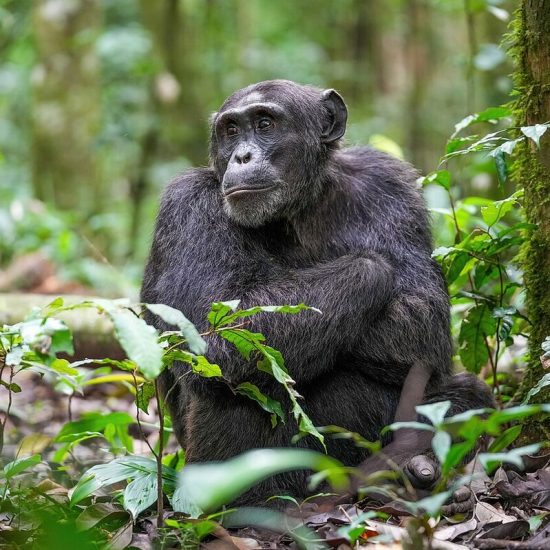
The forest is internationally recognized for its population of wild chimpanzees and is home to thirteen recorded primate species.
Chimpanzee tracking begins with a ranger briefing before small groups enter the forest in search of habituated communities.
Unlike gorillas, chimpanzees move quickly through the canopy, making every encounter dynamic and unpredictable.
As you walk beneath towering trees, the forest itself becomes part of the experience. Bird calls echo through the canopy, insects hum beneath the undergrowth, and monkeys frequently move overhead long before they are seen.
Depending on the season and wildlife activity, visitors may also encounter:
- Black-and-white colobus monkeys
- Red-tailed monkeys
- Blue monkeys
- L’Hoest’s monkeys
- Forest birds
- Butterflies
This park appeals particularly to travelers interested in conservation, ecology, and primate behavior rather than traditional big-game safaris.
Before you go
- Waterproof footwear is useful throughout the year.
- Chimpanzees move quickly, so patience is essential.
- Morning tracking generally offers cooler walking conditions.
Kidepo Valley National Park
Few places in Uganda feel as remote as Kidepo Valley National Park.
Located in the country’s far northeast, the park rewards the long journey with expansive plains framed by rugged mountain ranges and comparatively few visitors.
Its isolation is part of its appeal.
Wildlife here differs from many other Ugandan parks and includes species that are difficult to see elsewhere in the country, such as:
- Cheetahs
- Ostriches
- Greater kudu
- Lesser kudu
- Large buffalo herds
- Lions
Because of the distance from Uganda’s main tourism circuit, Kidepo is best suited to travelers with additional time who want to experience one of East Africa’s least-visited wilderness areas.
Lake Mburo National Park
For travelers with limited time, Lake Mburo offers an accessible introduction to Uganda’s wildlife.
Situated between Kampala and the country’s western safari circuit, it is often included as a stop on longer itineraries or as a destination for weekend group trips.
Although smaller than many of Uganda’s national parks, it supports a surprising variety of wildlife.
Visitors regularly see:
- Zebras
- Giraffes
- Buffalo
- Impalas
- Topi
- Waterbuck
- Hippos
- Common Eland
- Numerous bird species like African finfoot
One feature that sets Lake Mburo apart is the range of activities available beyond traditional game drives.
Groups can also enjoy:
- Guided walking safaris
- Boat cruises
- Birdwatching excursions
- Horseback safaris
Exploring on foot or horseback offers a very different perspective from viewing wildlife in a vehicle, making the park particularly appealing to repeat safari visitors.
Helpful planning tip
Because of its location, Lake Mburo is often paired with Bwindi or Queen Elizabeth National Park, breaking up long driving days while adding another distinctive safari experience.
Gorilla Trekking Group Tours: Planning Around Uganda’s Most Sought-After Experience
For many visitors, seeing mountain gorillas in the wild is the highlight of a trip to Uganda. Group tours can make the logistics easier, particularly when several travelers are coordinating permits, accommodation, and transport.
Gorilla trekking takes place in Bwindi Impenetrable National Park, where visitors are assigned to a habituated gorilla family on the morning of their trek. Groups are deliberately kept small to reduce disturbance to the animals, and each trek is led by experienced Uganda Wildlife Authority rangers.
The walk itself is unpredictable. Some gorilla families are found within an hour, while others may require several hours of hiking through steep, muddy, or densely forested terrain. Rangers monitor the gorillas’ movements daily, so no two treks are exactly alike.
Once the gorillas are located, visitors are allowed one hour to observe them. During that time, you may watch young gorillas playing, mothers caring for infants, or the silverback quietly keeping watch over the family. The encounter is intentionally unhurried, allowing visitors to appreciate natural behaviour without interfering with it.
Gorilla permit information
A gorilla permit is mandatory for every trekker.
While permit prices can change, Uganda Wildlife Authority updates them periodically, so it is always advisable to confirm the current rate before booking. During peak travel periods, permits often sell out months in advance, especially between June and September and from December to February.
Groups planning to travel together should begin arranging permits as early as possible to improve the chances of trekking on the same date and, where possible, being allocated nearby gorilla families.
What if some group members don’t want to trek?
Not every traveler is eligible or interested in gorilla trekking. Children under 15 cannot participate, and some visitors may prefer less physically demanding activities.
Fortunately, the surrounding region offers worthwhile alternatives, including:
- Guided community walks
- Batwa cultural experiences
- Coffee farm visits
- Forest nature walks
- Craft markets
- Scenic viewpoints
These activities allow the whole group to enjoy the destination, even if only some members undertake the trek.
Photography Group Tours
Uganda rewards photographers with an extraordinary variety of subjects.
Within a relatively compact itinerary, it’s possible to photograph rainforest primates, wide savannah landscapes, river wildlife, traditional communities, volcanic crater lakes, and more than a thousand bird species.
Photography-focused group tours usually differ from standard safaris in one important way: they allow more flexibility.
Instead of rushing between destinations, photographers often benefit from:
- Longer game drives
- Early morning departures
- Extended stays at productive wildlife locations
- Time to wait for changing light
- Guides who understand wildlife behaviour and vehicle positioning
Wildlife is unpredictable, and good photographs often depend as much on patience as on equipment.
Photography highlights
Subjects commonly sought by visiting photographers include:
- Mountain gorillas in filtered forest light
- Lions resting after sunrise
- Elephants crossing open grasslands
- Boat safaris with hippos and crocodiles
- Colourful kingfishers and bee-eaters
- Traditional dance performances
- Rural life beyond the national parks
Photography tips
- A telephoto lens between 200 mm and 500 mm is useful for wildlife.
- Bring spare batteries and memory cards, particularly in remote areas.
- Dry bags help protect equipment during boat cruises and rainy weather.
- Respect park regulations regarding flash photography around wildlife.
Birdwatching Group Tours
Uganda consistently ranks among Africa’s leading birding destinations, with more than 1,000 recorded bird speciesfound across forests, wetlands, savannah, mountains, and lakes.
This diversity means birdwatching groups can experience excellent birding throughout much of the country rather than focusing on a single reserve.
Popular birding locations include:
- Bwindi Impenetrable National Park
- Kibale National Park
- Queen Elizabeth National Park
- Murchison Falls National Park
- Lake Mburo National Park
- Mabamba Wetland
- Semliki national park
- Budongo forest reserve
Many international birders hope to see the iconic Shoebill, one of Africa’s most distinctive birds. Although sightings can never be guaranteed, experienced local bird guides understand seasonal movements and habitats, improving the chances of success.
Other sought-after species include forest specialists, Albertine Rift endemics, raptors, kingfishers, hornbills, bee-eaters, turacos, and numerous waterbirds.
Because birds are often identified by both sight and sound, specialist guides add considerable value by recognising calls that visitors might otherwise miss.
Educational and Student Group Tours
Uganda offers opportunities for learning that extend far beyond the classroom.
Educational travel allows students to explore wildlife conservation, ecology, geography, history, culture, and sustainable tourism through direct experience.
Depending on the group’s objectives, an educational itinerary may include:
- Guided national park visits
- Conservation presentations
- Community development projects
- Cultural exchanges
- Forest ecology walks
- Wildlife monitoring activities
- Museum visits
These experiences encourage students to understand the relationship between people, wildlife, and protected landscapes while developing greater awareness of global conservation challenges.
For school and university groups, itineraries should always be designed with appropriate supervision, realistic travel times, and activities suited to participants’ ages and abilities.
Corporate Group Tours and Team Retreats
Uganda’s national parks provide a very different setting from the traditional conference venue.
Increasingly, companies are combining meetings with safari experiences that encourage collaboration, informal conversations, and shared challenges in an entirely new environment.
Depending on available time, a corporate itinerary might include:
- Game drives
- Boat cruises
- Nature walks
- Cultural experiences
- Lodge-based workshops
- Team-building activities
These itineraries are usually most successful when they balance structured activities with enough free time for participants to relax and enjoy the surroundings.
Faith-Based and Community Group Travel
Many churches, charities, and community organizations visit Uganda for cultural exchange, educational partnerships, or volunteer initiatives alongside sightseeing.
Combining wildlife experiences with respectful community visits can provide a broader understanding of the country beyond its national parks.
When planning these trips, it’s important to work with organisations that prioritise ethical partnerships and ensure community visits are welcomed, mutually beneficial, and conducted with respect for local customs.
Planning a Successful Group Safari
Every successful group safari begins long before the first game drive.
Thoughtful planning helps ensure the journey runs smoothly while allowing enough flexibility to adapt to changing weather, wildlife movements, and group interests.
Choosing the Right Accommodation
Uganda offers accommodation for a wide range of budgets, from simple guesthouses to luxury safari lodges overlooking rivers or wildlife-rich plains.
Most group tours choose one of three categories:
Budget
Comfortable guesthouses, simple lodges, and permanent tented camps with essential facilities.
Suitable for school groups, backpackers, and travelers prioritizing activities over accommodation.
Mid-range
The most popular option for international visitors.
These lodges generally provide comfortable private rooms, good meals, reliable service, and convenient locations close to national parks.
Luxury
Luxury lodges offer spacious rooms, premium dining, attentive service, and exceptional settings. Many overlook rivers, forests, or savannah where wildlife can sometimes be seen directly from the property.
When selecting accommodation for a group, location is often just as important as comfort. Staying close to park entrances usually means earlier game drives and less time spent travelling each day.
Getting Around Uganda
Road travel forms the backbone of most safaris.
While major highways are generally paved, many roads inside or near national parks are gravel and can become muddy after heavy rain.
Travel times are often longer than distances suggest, so realistic daily schedules are essential.
Depending on the itinerary, transport options may include:
- Custom-built safari vehicles
- Domestic charter flights
- Scheduled domestic flights
- Boat transfers in selected areas
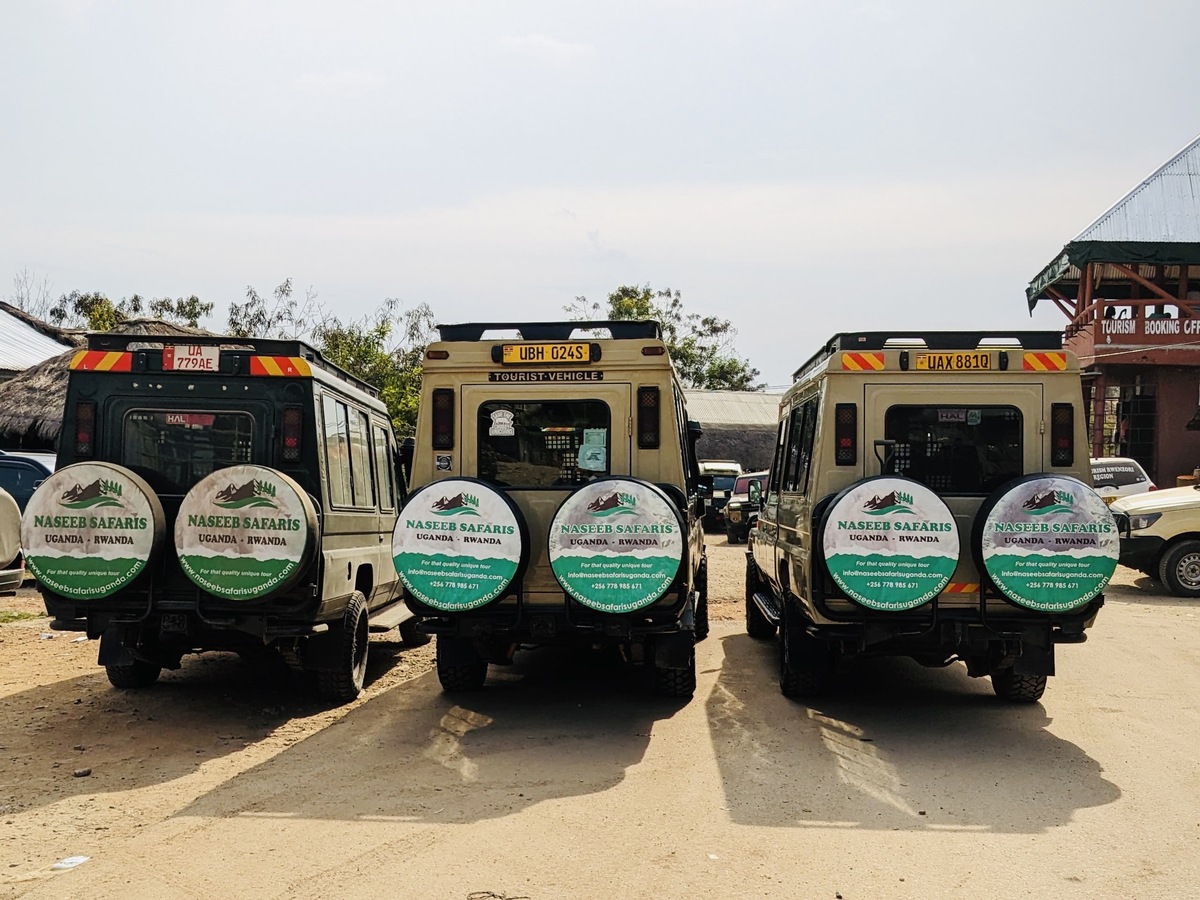
Most safari vehicles feature pop-up roofs, allowing passengers to stand safely while viewing wildlife during game drives.
Travel tip
Avoid trying to include too many parks in a short itinerary.
Spending more time in fewer destinations usually creates a more rewarding safari than constantly moving between locations.
Budgeting for a Group Safari
The overall cost of a Uganda group tour depends on several factors rather than simply the number of days.
These include:
- Group size
- Accommodation standard
- Time of year
- National park fees
- Gorilla or chimpanzee permits
- Domestic flights (if included)
- Optional activities
While sharing transport and guiding costs generally reduces the overall price per person, gorilla permits remain a fixed individual expense and should be factored into the budget from the beginning.
A transparent quotation should clearly explain what is included and what requires additional payment, such as tips, drinks, visas, travel insurance, or optional excursions.
When Is the Best Time for a Group Safari?
Uganda is a year-round destination, but seasonal conditions can influence road access, trekking conditions, wildlife viewing, and photography.
Dry seasons (June to August and December to February)
These months are popular because:
- Walking trails are often drier.
- Wildlife may gather more frequently around permanent water sources.
- Road conditions are generally easier.
- Outdoor activities are less likely to be interrupted by heavy rain.
As a result, accommodation and gorilla permits often book well in advance.
Rainy seasons (March to May and September to November)
Rain brings greener landscapes, fewer visitors, and excellent birdwatching opportunities as migratory species arrive.
Forest trails can become muddy, but gorilla trekking continues throughout the year, and many experienced travelers enjoy the quieter atmosphere.
There is no single “perfect” season—the best time depends on your priorities, budget, and preferred activities.
Fitness and Accessibility
Not every safari activity demands the same level of fitness.
Game drives and boat cruises are suitable for most visitors, while gorilla and chimpanzee trekking involve walking over uneven terrain that may become slippery after rain.
Travelers with mobility concerns should discuss their requirements before booking. Some activities can be adapted, and Uganda Wildlife Authority may, in certain circumstances, assist visitors who need additional support during gorilla trekking.
Hiring a porter is strongly recommended for many trekkers, regardless of age or fitness. Besides helping carry backpacks, porters often provide valuable assistance on steep or muddy trails while supporting local livelihoods.
Responsible Group Travel
Responsible tourism helps ensure Uganda’s wildlife and communities continue benefiting from tourism for generations to come.
Respect wildlife
Observe animals quietly and follow your guide’s instructions.
Never encourage vehicles to crowd wildlife or pressure animals into moving for a better photograph.
Support local communities
Choosing locally owned accommodation, purchasing crafts directly from artisans, and hiring local guides all help tourism income reach surrounding communities.
Reduce environmental impact
Simple choices can make a difference:
- Carry a reusable water bottle.
- Avoid single-use plastics where possible.
- Dispose of waste responsibly.
- Stay on designated trails during guided walks.
- Respect protected habitats.
Responsible travel is not about seeing less—it’s about ensuring future visitors can enjoy the same places under equally healthy conditions.
Sample 8-Day Uganda Group Safari Itinerary
No single itinerary suits every group, but the outline below gives a realistic idea of how a first-time safari can combine Uganda’s most rewarding wildlife experiences without feeling rushed.
Day 1: Arrive in Entebbe
After arriving at Entebbe International Airport, you’ll be met and transferred to your accommodation. Depending on your arrival time, you may have an opportunity to relax, explore the lakeside town, or simply recover from your journey.
In the evening, your safari guide will provide a briefing covering the route, safety guidelines, and what to expect over the coming days.
Day 2: Travel to Murchison Falls National Park
Leave Entebbe behind and head north through Uganda’s changing countryside.
Many itineraries include a stop at Ziwa Rhino Sanctuary, the only place in Uganda where visitors can track wild rhinos on foot with trained rangers. It’s a worthwhile break from the drive and introduces the country’s ongoing conservation efforts.
Arrive at your lodge near Murchison Falls National Park in time to relax before dinner
Day 3: Game Drive and Nile Boat Cruise
Start the day with an early morning game drive when wildlife is often most active.
Depending on conditions, you may encounter elephants, giraffes, buffalo, lions, antelope, warthogs, and a variety of birds.
In the afternoon, board a boat cruise along the Victoria Nile toward the base of Murchison Falls. Hippos crowd the water, crocodiles bask on the riverbanks, and elephants frequently come down to drink.
The combination of land and river safaris offers two very different perspectives on the park.
Day 4: Journey to Kibale National Park
Today’s drive passes through changing landscapes, from open countryside to the greener hills of western Uganda.
Although it’s one of the longer travel days, regular stops for photographs, refreshments, and scenic viewpoints help break up the journey.
Arrive near Kibale National Park in the evening.
Day 5: Chimpanzee Tracking and Cultural Experience
After an early briefing, enter Kibale Forest with experienced rangers in search of wild chimpanzees.
Unlike gorillas, chimpanzees move rapidly through the canopy, creating a lively and energetic tracking experience.
Later in the day, many itineraries include a community visit where travellers can learn about local traditions, farming practices, or coffee production.
Day 6: Queen Elizabeth National Park
Travel south into one of Uganda’s most diverse national parks.
The day typically combines a game drive with a boat cruise on the Kazinga Channel, where large numbers of hippos, buffalo, elephants, crocodiles, and waterbirds gather along the shoreline.
The variety of habitats makes this one of the country’s most rewarding parks for first-time safari visitors.
Day 7: Gorilla Trekking or Alternative Activities
For eligible participants, today is dedicated to gorilla trekking in Bwindi Impenetrable National Park.
After a morning briefing, ranger guides lead small groups into the forest to search for a habituated gorilla family.
The hike varies in length and difficulty, but spending one hour observing mountain gorillas in their natural habitat is often the defining moment of a Uganda safari.
Travelers who are not trekking can choose from activities such as:
- Guided community walks
- Nature trails
- Cultural experiences
- Local coffee tours
Day 8: Return to Entebbe
After breakfast, begin the return journey to Entebbe.
Depending on flight schedules, some travelers continue to Rwanda, Kenya, or Tanzania, while others extend their stay with additional wildlife, birdwatching, or relaxation on Lake Victoria.
Practical Tips for First-Time Group Safari Travelers
Even experienced travelers are sometimes surprised by the practical realities of a Uganda safari. A little preparation goes a long way.
Pack for changing conditions
Temperatures can vary between warm afternoons and cool mornings, particularly in higher-altitude regions.
Useful items include:
- Lightweight neutral-coloured clothing
- Waterproof jacket
- Comfortable hiking boots
- Sun hat
- Sunscreen
- Insect repellent
- Reusable water bottle
- Binoculars
- Camera with spare batteries
- Small daypack
For gorilla trekking, gardening gloves are surprisingly useful for gripping vegetation on steep trails.
Carry cash for small expenses
Credit cards are accepted at many hotels, but cash is still useful for:
- Tipping guides and lodge staff
- Buying local crafts
- Community visits
- Small purchases in rural areas
Ugandan Shillings are widely accepted, while clean, newer US dollar notes are often preferred for larger tourism-related payments.
Travel Insurance Is Essential
Comprehensive travel insurance should cover:
- Medical emergencies
- Trip cancellation
- Lost luggage
- Emergency evacuation
- Adventure activities such as gorilla trekking
Always check that your policy includes the activities on your itinerary.
Respect Wildlife
Remember that every wildlife encounter happens on the animals’ terms.
Maintain quiet voices, follow ranger instructions, and avoid asking guides to approach wildlife too closely simply for photographs.
Responsible behaviour helps protect Uganda’s wildlife while creating a better experience for everyone.
Frequently Asked Questions About Group Tours in Uganda
How fit do I need to be?
It depends on the activities.
Game drives and boat cruises require very little physical effort, while gorilla and chimpanzee trekking involve walking on uneven terrain that may be steep or muddy.
If you’re concerned about fitness, discuss this before booking so the itinerary can be matched to your abilities.
Will I definitely see mountain gorillas?
No wildlife encounter can ever be guaranteed.
However, Uganda’s gorilla trekking success rate is extremely high because trained trackers monitor habituated gorilla families before visitors enter the forest.
Most trekkers successfully locate their assigned gorilla family.
Can I hire a porter during gorilla trekking?
Yes! Porters are available at the starting point of each trek.
Hiring one is highly recommended, even for fit hikers. Besides carrying your backpack, they can provide valuable assistance on difficult sections of the trail while supporting local employment.
Can older travelers join group safaris?
Absolutely, Many safari activities are suitable for older visitors, and itineraries can often be adjusted to match different mobility levels.
Before booking, discuss any medical or mobility concerns with your tour operator.
What happens if it rains?
Rain rarely stops safari activities.
Game drives, boat cruises, and gorilla trekking continue unless conditions become unsafe.
A lightweight waterproof jacket and waterproof footwear are among the most useful items you can pack.
Can I wear shorts on safari?
Shorts are comfortable during game drives and around lodges.
For forest trekking, however, lightweight long trousers provide better protection against insects, thorny vegetation, and stinging plants.
Are there luggage restrictions?
If your itinerary includes domestic flights, baggage allowances are usually lower than on international flights.
Soft-sided duffel bags are generally preferred because they fit more easily into safari vehicles and small aircraft.
Your tour operator will advise you of any applicable weight limits before departure.
How much should I tip?
Tipping is appreciated but remains voluntary.
Many travelers tip:
- Safari guides
- Lodge staff
- Porters
- Rangers during gorilla trekking
Amounts vary depending on group size, length of stay, and the level of service provided.
Can I take photographs during gorilla trekking?
Yes! Photography is allowed, provided flash is disabled.
Move slowly, follow your guide’s instructions, and remember that observing the experience is just as important as photographing it.
Are there toilets at the starting point?
Yes! Gorilla trekking briefing centres have restroom facilities before the trek begins.
Facilities are not available once you are inside the forest, so visitors are encouraged to prepare beforehand.
Why Many Travelers Choose a Group Safari
The strongest memories from Uganda are rarely limited to the wildlife alone.
They often include the conversations around the campfire after sunset, the excitement shared when a guide spots a leopard hidden in the grass, or the quiet moments after a gorilla encounter when nobody feels the need to speak.
Traveling with others brings different perspectives to each day. Someone notices a bird you missed. Another traveler shares photographs from a different angle. Conversations during long drives often become as memorable as the destinations themselves.
For solo travelers, group tours offer companionship without sacrificing the sense of adventure. For families and friends, they provide the reassurance that every logistical detail has been carefully planned, allowing everyone to focus on the experience rather than the schedule.
Whether your interests lie in wildlife, conservation, photography, birdwatching, or cultural discovery, Uganda offers enough variety to create a journey that feels both rewarding and personal.
Plan Your Uganda Group Safari with Naseeb Safaris
Every group travels for different reasons.
Some come to fulfil a long-held dream of seeing mountain gorillas. Others are drawn by birdlife, photography, conservation, or the chance to explore East Africa together with family, friends, colleagues, or fellow enthusiasts.
Whatever brings you here, thoughtful planning makes a meaningful difference.
At Naseeb Safaris, we help groups design itineraries that reflect their interests, travel style, budget, and pace. From arranging gorilla permits and accommodation to coordinating transport and experienced local guides, our goal is to make planning straightforward while creating a safari that feels well-balanced, comfortable, and genuinely rewarding.
If you are considering a group tour in Uganda and would like advice tailored to your travel plans, we would be happy to help you explore the options and build an itinerary that suits your group.