
7-Day Uganda Safari Itinerary with Gorillas & Chimps
7-Day Uganda Safari Itinerary with Gorillas & Chimps, Uganda is often introduced to travellers as the Pearl of Africa, a phrase that can feel overused until you spend time moving through its landscapes. Over the course of a week, the country reveals itself in layers: rainforest alive with primates, savannah plains shaped by volcanic history, and river systems that concentrate wildlife in remarkable density.
A 7-day Uganda safari is not about ticking off destinations quickly. It is about combining the country’s most important ecosystems into a single, well-paced journey. This itinerary is designed for first-time visitors who want a realistic understanding of what they will experience, what is demanding, what is rewarding, and how the days actually unfold on the ground.
Why a 7-Day Uganda Safari Works So Well
Uganda stands out in East Africa because it compresses several distinct safari experiences into relatively short travel distances:
- Mountain gorilla trekking in ancient rainforest
- Chimpanzee tracking in one of Africa’s richest primate habitats
- Classic savannah game drives with lions, elephants, and buffalo
- Boat safaris through high-density wildlife waterways
- Volcanic crater lakes and dramatic Rift Valley scenery
- Strong cultural and community tourism opportunities
Unlike some destinations where long itineraries are required to see variety, Uganda allows a focused one-week safari that still feels complete.
That said, it is important to be honest about pace. Road travel is part of the experience here, and distances that look short on a map can take several hours due to winding terrain and national park routes.
Overview: 7-Day Uganda Safari Itinerary
Day 1: Arrival in Entebbe
Day 2: Transfer to Kibale Forest National Park + Bigodi Wetland
Day 3: Chimpanzee tracking + transfer to Queen Elizabeth National Park
Day 4: Game drive + Kazinga Channel boat safari
Day 5: Transfer to Bwindi Impenetrable National Park
Day 6: Gorilla trekking + Local community experience
Day 7: Return to Entebbe
Day 1: Arrival in Entebbe – First Impressions of Uganda
Most international travelers arrive via Entebbe International Airport, located on the shores of Lake Victoria. After landing, immigration and baggage collection are typically straightforward, though timing can vary depending on flight schedules.
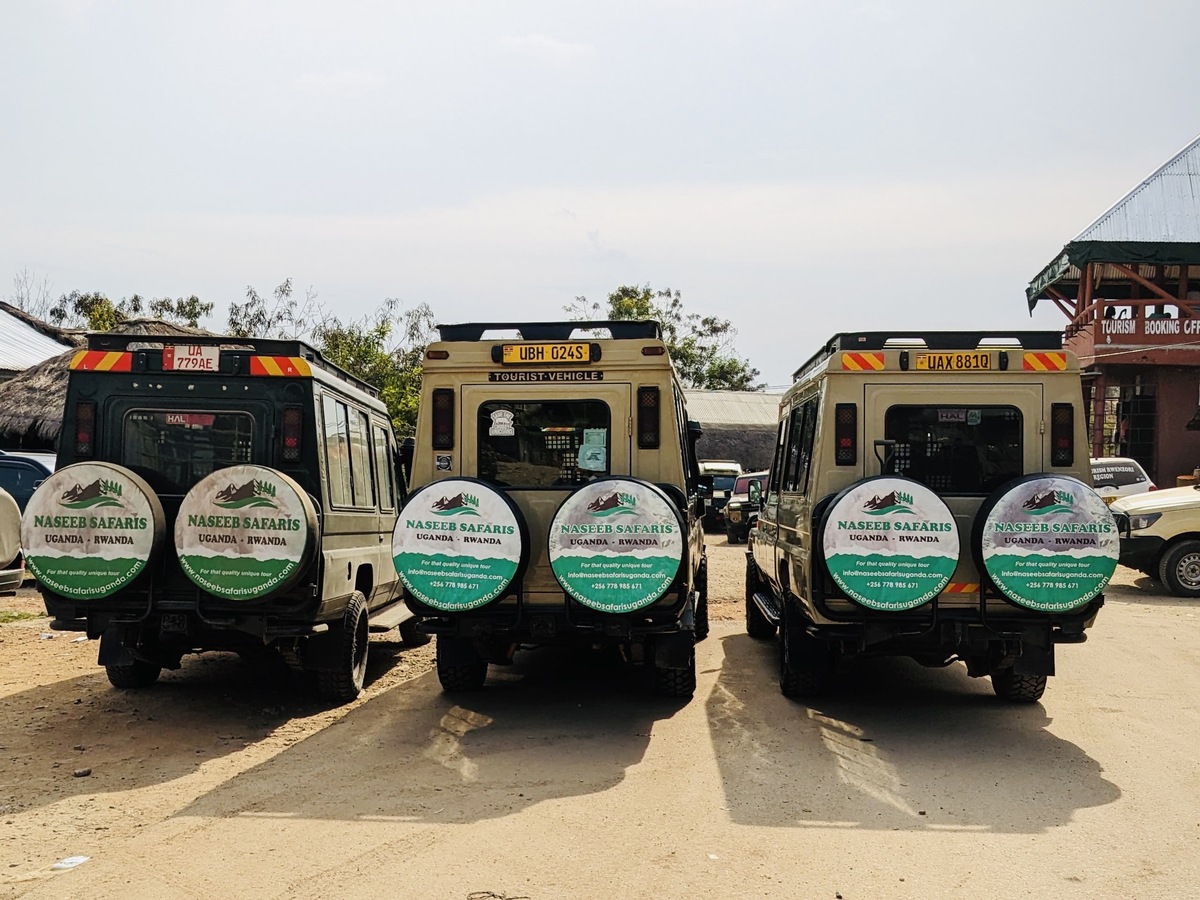
A Naseeb Safaris guide meets you at the airport and transfers you to your hotel in Entebbe. This first day is intentionally light. After a long flight, the goal is to rest and begin adjusting to the pace and climate of East Africa.
Optional activities in Entebbe (depending on arrival time)
Uganda Wildlife Education Centre
A rehabilitation and conservation facility where rescued animals are cared for. It is not a traditional zoo; rather, it offers context on Uganda’s wildlife and conservation efforts.
Entebbe Botanical Gardens
Set along Lake Victoria, these gardens are known for birdlife and relaxed walking paths. Monkeys are often seen moving through the trees, and the lakeshore offers a quiet introduction to Uganda’s natural environment.
Lake Victoria shoreline
Even a short walk along the lake gives a sense of scale—this is Africa’s largest freshwater lake, shaping weather, livelihoods, and ecosystems across the region.
Day 2: Entebbe to Kibale Forest – Into Uganda’s Primate Country
The drive from Entebbe to western Uganda marks a noticeable shift in landscape. Urban edges give way to agricultural land, then rolling hills, tea estates, and eventually dense forest zones.
This journey typically takes most of the day with stops along the way.
What you see en route
Tea plantations and farmland
The hills around Fort Portal are layered with tea estates. The green fields are carefully manicured, often contrasted by small rural settlements and roadside markets.
Crater lake region
This area is shaped by ancient volcanic activity, leaving behind deep green lakes nestled in forested basins.
Kibale Forest National Park
This is one of East Africa’s most important primate habitats. The forest supports:
- 13 primate species like pottos, colobus monkeys
- More than 1,500 chimpanzees
- Over 375 bird species like great blue turaco
- Dense evergreen rainforest ecosystem
For many travellers, Kibale is the first real immersion into Uganda’s rainforest environment.
Day 3: Chimpanzee Tracking in Kibale + Bigodi Wetland Sanctuary
Chimpanzee tracking begins early in the morning with a briefing from Uganda Wildlife Authority rangers. Groups are assigned based on fitness and chimpanzee movement patterns.
What chimpanzee tracking feels like
The forest is not silent. It is layered with sound, bird calls above, rustling leaves, distant drumming on tree trunks, and occasional vocal bursts from chimpanzees communicating across the canopy.
Encounters vary depending on movement, but when found, chimpanzees can be observed:
- Grooming and social bonding
- Feeding in fig trees
- Playing among younger individuals
- Loud territorial calling
- Group coordination and movement
Time spent with them is strictly regulated (usually one hour), designed to minimize disturbance.
Bigodi Wetland Sanctuary (Afternoon Visit)
This community-managed wetland sits near Kibale and plays an important conservation role. It is also one of Uganda’s better birding locations.
Expect:
- Wetland bird species like turacos
- Monkeys such as red-tailed and black-and-white colobus
- Guided community walks
- Local coffee, banana and craft experiences
Day 4: Kibale to Queen Elizabeth National Park – Rift Valley Landscapes
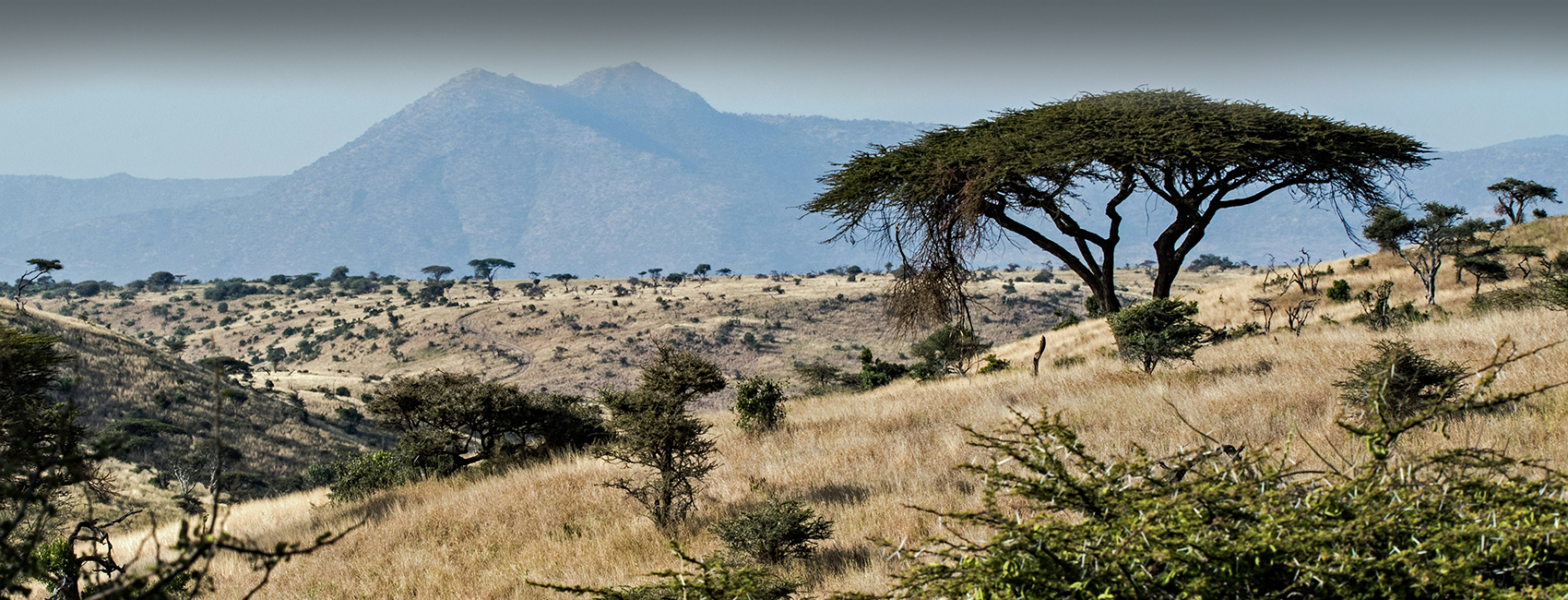
The drive south introduces dramatic Rift Valley scenery—open plains, crater lakes, and escarpments stretching toward the horizon.
About Queen Elizabeth National Park
One of Uganda’s most ecologically diverse protected areas, the park combines:
- Savannah grasslands
- Wetlands and lakes
- Forest pockets
- Volcanic crater landscapes
Wildlife commonly includes:
- African savanna Elephants
- Cape Buffalo
- Uganda kob
- Warthogs
- Lions
- Spotted Hyenas
- Leopards (more elusive)
Evening Game Drive
Late afternoon is a productive time for wildlife viewing as temperatures drop. Animals are more active, and predators begin to move after resting during the heat of the day.
Lighting at this time also makes photography particularly effective.
Day 5: Game Drives and Kazinga Channel Boat Safari
This day is dedicated to exploring the diversity of Queen Elizabeth National Park.
Morning game drive
Early starts offer the best chance of seeing predators and active herbivores. The landscape shifts constantly between open savannah and crater-dotted terrain.
Common sightings include:
- Elephant herds
- Buffalo grazing groups
- Antelope species such as Uganda kob, waterbucks
- Lions resting in grassland shade
- A wide range of birdlife like robin chats
Kazinga Channel Boat Cruise
The Kazinga Channel connects Lake Edward and Lake George and supports one of the highest concentrations of hippos in Africa.
From the boat, wildlife appears at close range along the banks:
- Large hippo pods in the water
- Nile crocodiles along muddy shores
- Elephants drinking and bathing
- Fish eagles and waterbirds overhead
Day 6: Journey to Bwindi Impenetrable National Park
The drive to Bwindi is one of the most scenic transitions in Uganda’s safari circuit. The landscape becomes increasingly steep and green, with terraced hillsides and mist rising in the valleys.
What to expect en route
- Mountainous terrain
- Rural farming communities
- Narrow winding roads
- Expanding rainforest zones
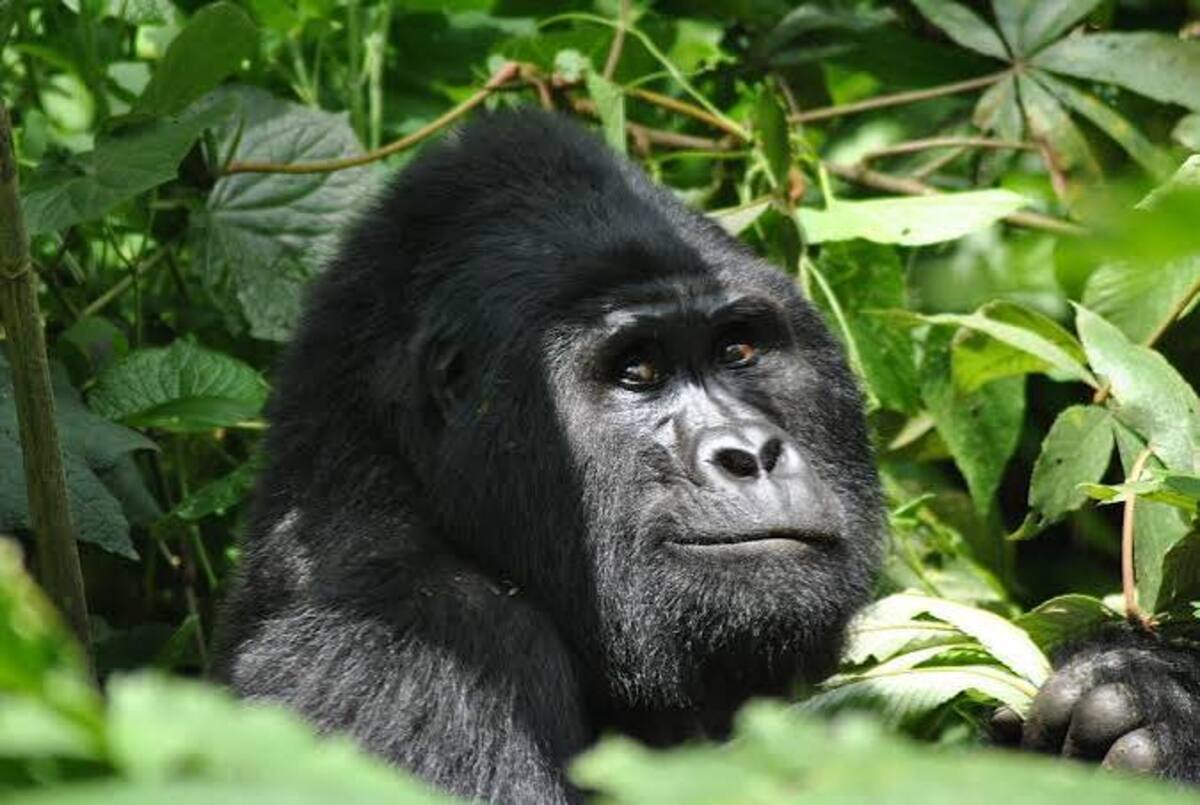
Bwindi Impenetrable National Park is a UNESCO World Heritage Site known for its ancient forest and exceptional biodiversity. It is also home to nearly half of the world’s remaining mountain gorillas.
Gorilla Trekking Preparation Briefing
Before the trek, guides explain group assignments, expected duration, and safety rules. Treks can last anywhere from 1 to 6+ hours depending on gorilla movement.
Recommended preparation includes:
- Waterproof hiking boots
- Long trousers and long sleeves
- Lightweight rain jacket
- Gardening gloves (for vegetation grip)
- Plenty of drinking water
- Packed lunch
- Small daypack
- Energy snacks
Day 7: Gorilla Trekking in Bwindi – The Defining Experience
Gorilla trekking begins early with registration at park headquarters, followed by allocation into groups.
The trek itself
The terrain is uneven and often steep. Trails are not always defined, and vegetation can be thick. Porters are available and highly recommended, both for support and to assist local livelihoods.
As you move deeper into the forest, conditions change. The air becomes cooler, sounds soften, and rangers communicate quietly as they track movement.
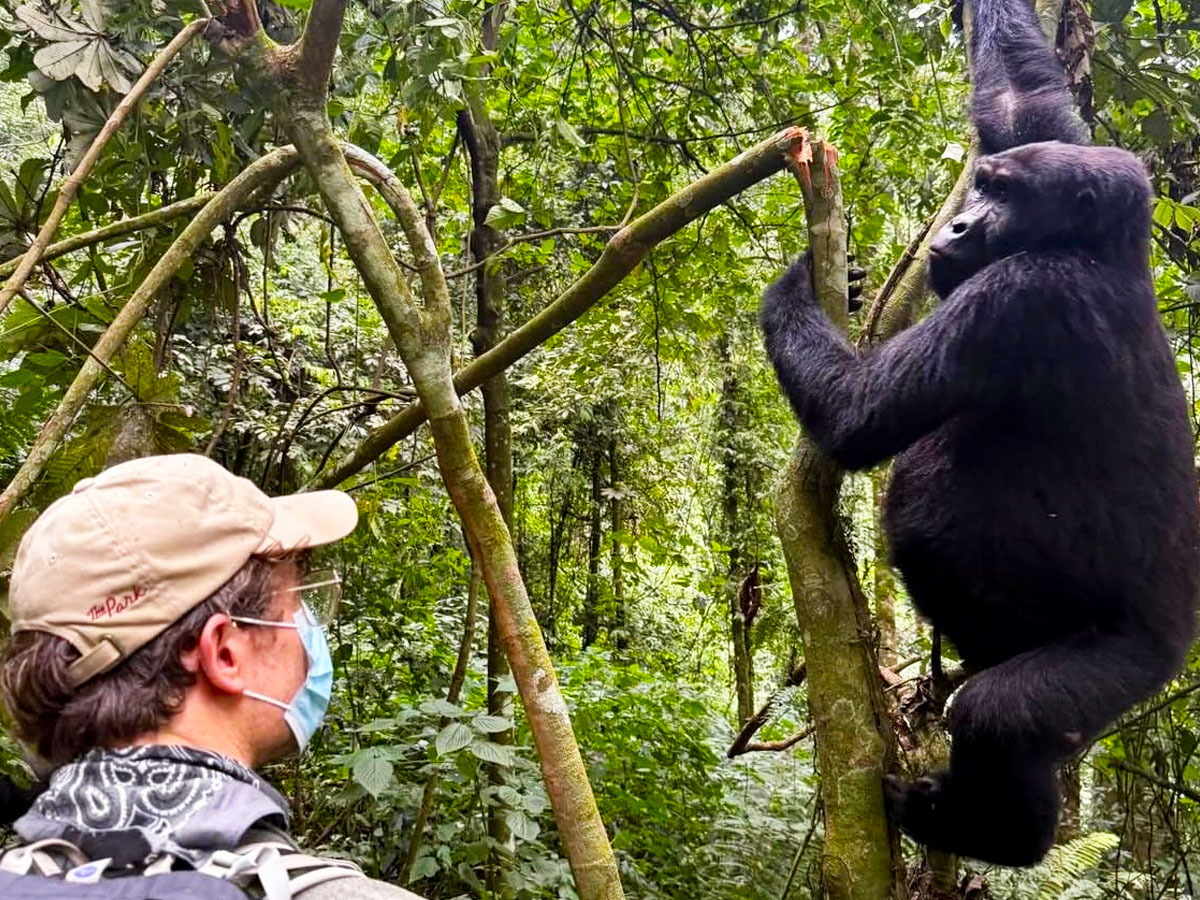
Encountering mountain gorillas
When a gorilla family is located, visitors are given one hour in their presence.
During that time, you may observe:
- Silverbacks monitoring and protecting the group
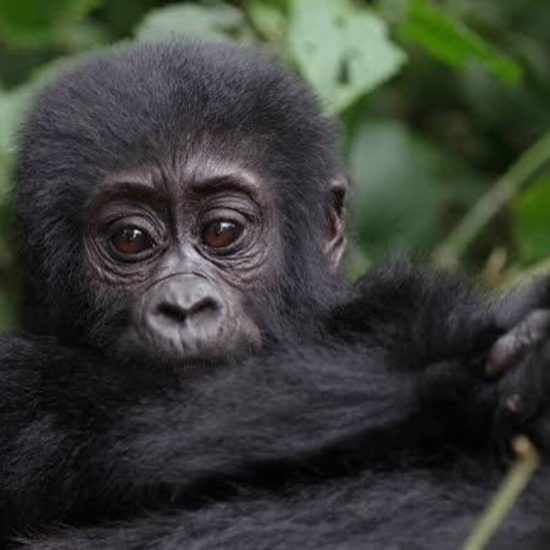
- Mothers caring for infants
- Juveniles playing and climbing
- Feeding behavior in forest clearings
The experience is carefully managed to maintain distance and reduce stress on the animals.
Gorilla trekking permits and expectations
Gorilla trekking permits are required and should be booked well in advance, especially in peak travel seasons. Availability can be limited.
While sightings are highly likely in habituated groups, it is still a wild environment, and conditions can vary.
Best Time to Take a 7-Day Uganda Safari
Uganda can be visited year-round, but conditions vary:
June to September
- Drier trekking conditions
- Easier hiking trails
- High wildlife visibility
December to February
- Generally stable weather
- Good photography light
March to May & October to November
- Lush green landscapes
- Fewer visitors
- Lower accommodation rates
- Discounted permit prices
- Heavier rainfall possible
What to Pack for a Uganda Safari
Packing should focus on practicality and comfort:
- Neutral-colored clothing (avoid bright colors)
- Waterproof jacket
- Hiking boots
- Sun protection (hat, sunscreen, sunglasses)
- Insect repellent
- Binoculars
- Camera with zoom lens
- Lightweight daypack
- Reusable water bottle
- Gloves for trekking
- Power bank
Wildlife You May Encounter
Primates
Mountain gorillas, chimpanzees, colobus monkeys, vervets, baboons, red-tailed monkeys, L’Hoest’s monkeys, and others.
Large mammals
Elephants, buffalo, lions, hyenas, leopards, hippos, warthogs, Uganda kob and others
Birdlife
Over 1,000 species including grey crowned crane, shoebill stork, fish eagles, and numerous wetland species.
FAQs: 7-Day Uganda Safari
How fit do I need to be?
Moderate fitness is enough. Gorilla trekking can be demanding, but pacing is flexible and porters are available.
Will I definitely see gorillas?
Sightings are highly likely in habituated groups, but they are wild animals and movement is not controlled.
Can I hire a porter?
Yes, and it is strongly recommended. It supports both safety and local employment.
Can seniors do the trek?
Yes, older travelers participate regularly. Trek difficulty varies and support is available.
What happens if it rains?
Treks continue in light rain. Forest conditions are wet year-round, so waterproof gear is essential.
Can I wear shorts?
Not recommended for trekking due to vegetation and insects. Long trousers are better.
Is there a luggage limit?
There is usually no strict limit for safari vehicles, but internal flights (if used) may have restrictions.
How much should I tip?
Tipping is discretionary. Guides, rangers, and porters are typically tipped based on service. Consult with your tour operator before travel
Can I take photos?
Yes, but flash photography is not allowed near gorillas.
Are toilets available at trek starting points?
Yes, basic facilities are available at park headquarters.
A Week That Brings Uganda Into Focus
A 7-day journey through Uganda brings together contrasting environments that feel far apart in experience yet are geographically connected. Rainforest encounters, savannah wildlife, and river ecosystems unfold in a sequence that gradually builds understanding rather than overwhelming it.
What stays with most travelers is not just the wildlife, but the sense of proximity, how close the experience feels to natural systems still functioning on their own terms.
For those considering a first safari in Africa, Uganda offers a rare combination of variety and depth within a single week.
To refine your route, select the right lodges, or adjust the pace to match your interests, Naseeb Safaris can help design a personalized itinerary that fits your travel style and expectations.