
Lion Tracking in Queen Elizabeth National Park Uganda
Lion Tracking in Queen Elizabeth National Park Uganda, Uganda offers some of Africa’s most rewarding wildlife experiences, and encountering lions in their natural habitat is among the highlights of a safari in the country. While traditional game drives provide opportunities to spot lions resting in the grasslands or moving through the savannah, Queen Elizabeth National Park offers something more unusual: a chance to participate in lion tracking alongside experienced researchers through the Uganda Carnivore Program.
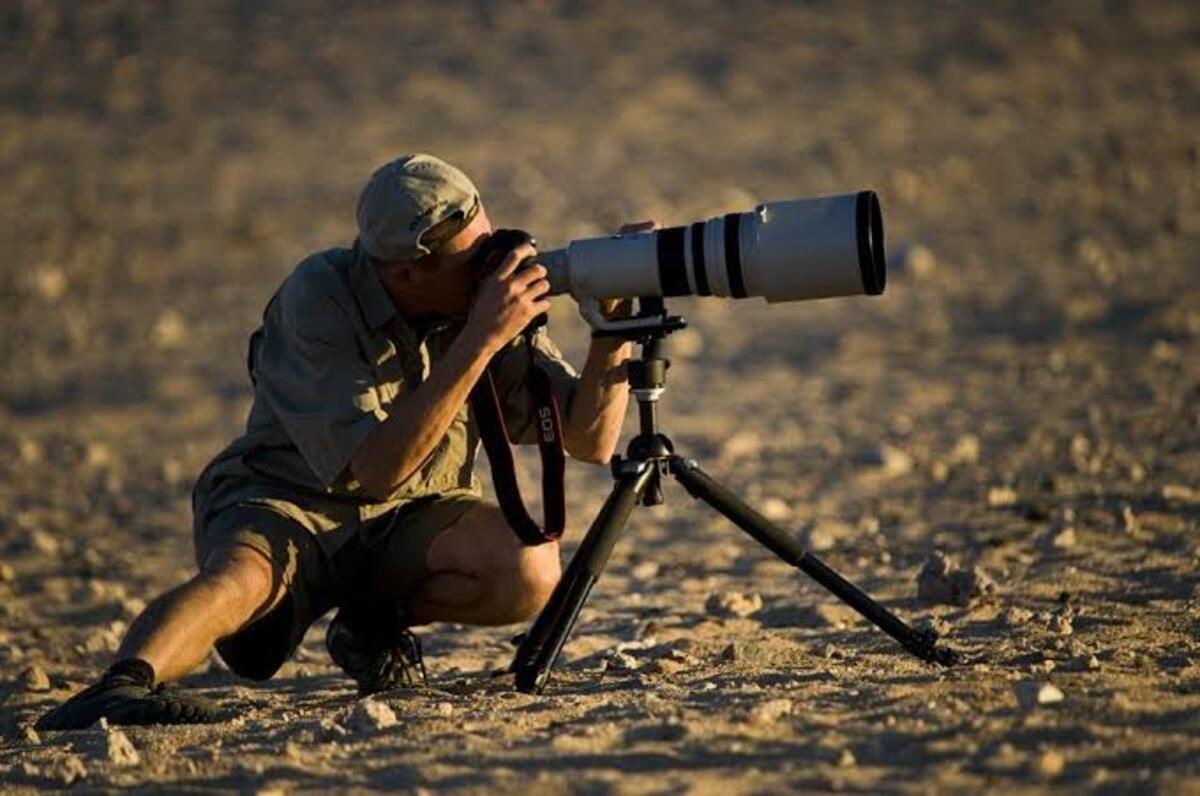
Lion tracking in Uganda provides a closer understanding of the lives of these remarkable predators. Rather than simply searching for lions during a game drive, visitors join a research team to follow selected lions using modern tracking technology. Along the way, they learn about lion behaviour, feeding habits, social structures, territories and the conservation challenges facing Uganda’s big cats. It is an experience that combines wildlife viewing, education and conservation, making it a particularly rewarding activity for travellers interested in understanding Africa’s wildlife beyond the usual safari encounters.
What Is Lion Tracking in Queen Elizabeth National Park?
Lion tracking is a research-based wildlife experience conducted in Queen Elizabeth National Park in collaboration with the Uganda Carnivore Program and the Uganda Wildlife Authority. The programme focuses on monitoring lions and other large carnivores, studying their movements and understanding the challenges affecting their survival.
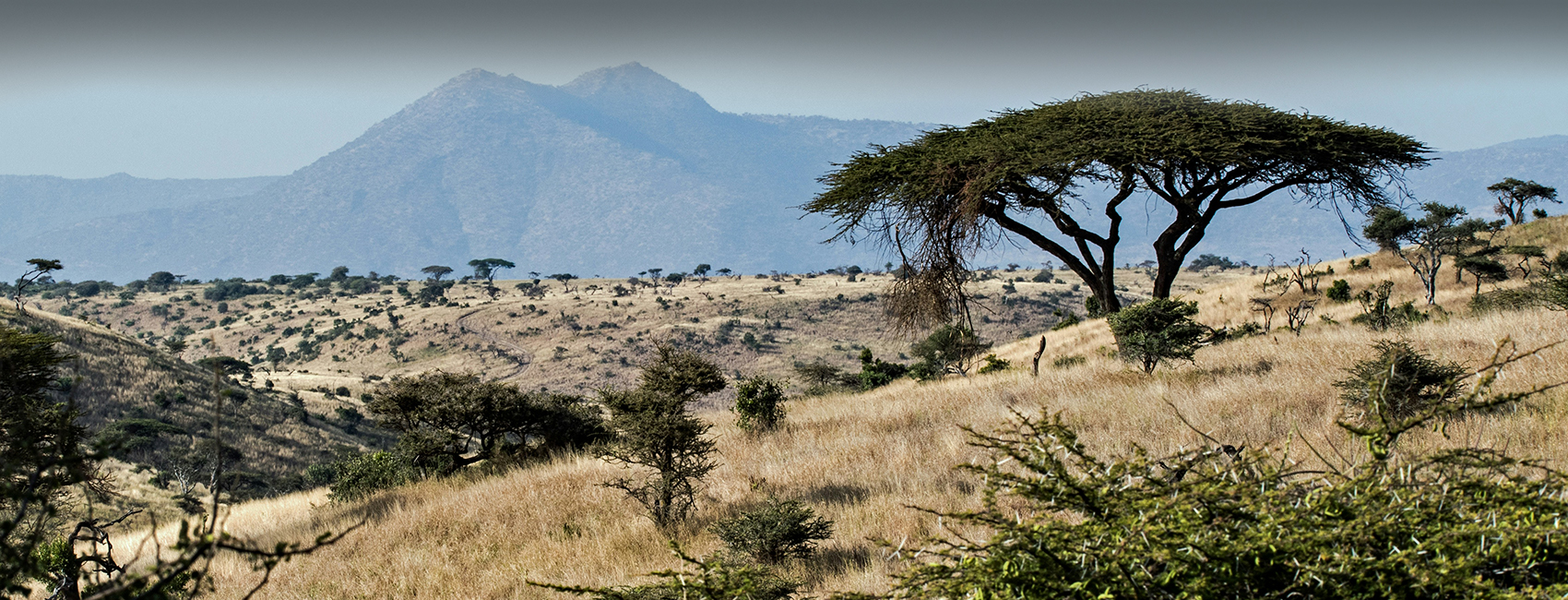
The activity takes place mainly in the northern part of Queen Elizabeth National Park, particularly around the Kasenyi Plains. This open savannah landscape supports a variety of wildlife, including lions, elephants, buffaloes, Uganda kob, warthogs and several antelope species.
Unlike a conventional game drive, where visitors search for animals along established tracks, lion tracking uses information from radio-collared lions to help researchers locate particular individuals or prides. This creates an opportunity to observe lions more closely while learning directly from people involved in their ongoing research and conservation.
The experience is especially interesting because it allows visitors to understand how wildlife researchers collect information that contributes to the protection of Uganda’s lion population.
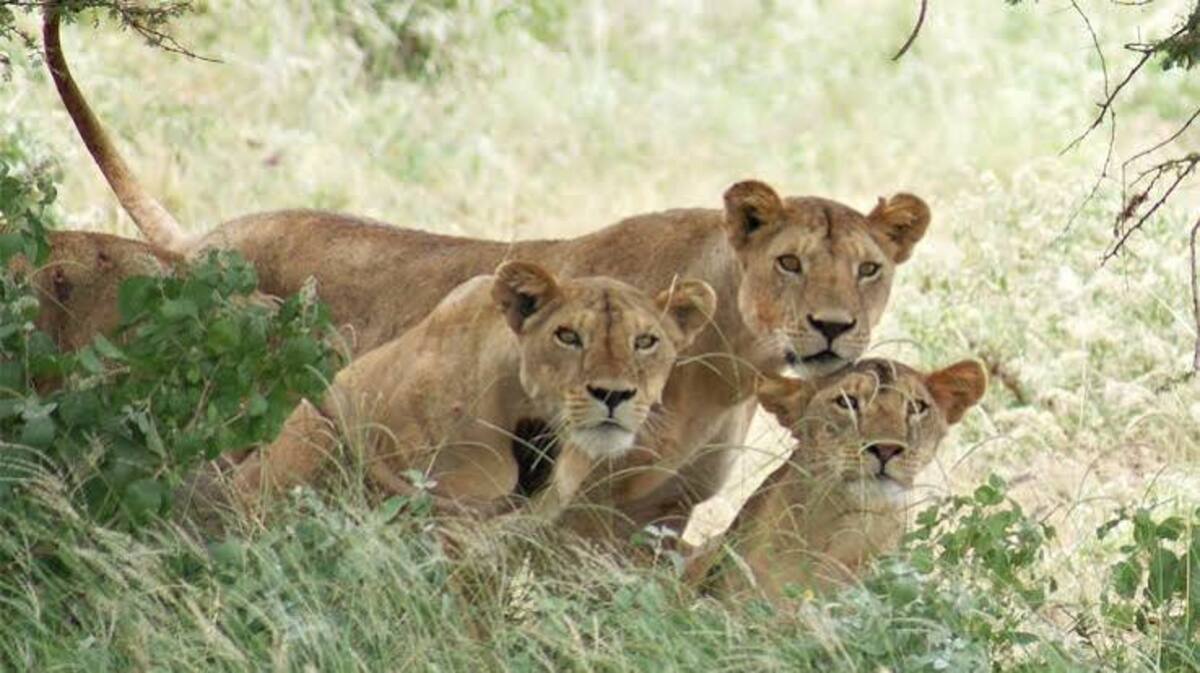
Lion tracking
The Uganda Carnivore Program and Lion Conservation
The Uganda Carnivore Program, formerly known as the Uganda Large Predator Project, is involved in research and conservation work focusing on large carnivores in Uganda’s protected areas. Its work began in the 1990s, initially responding to concerns about lion deaths and the threats facing other predators.
Queen Elizabeth National Park is particularly important for this research because wildlife shares the landscape with communities living around the park. Many of these communities depend on farming and livestock keeping, creating situations where domestic animals and wild predators sometimes come into contact. Such encounters can result in conflict, particularly when lions attack livestock or communities feel their livelihoods are threatened.
Through research, monitoring and community engagement, the Uganda Carnivore Program works to improve understanding of predator behaviour and support conservation initiatives. The programme also uses information collected in the field to monitor lion populations, study their movements and help inform wildlife management decisions.
By participating in lion tracking, visitors gain an appreciation of the work involved in protecting these animals and the importance of maintaining a balance between wildlife conservation and the needs of surrounding communities.
How Does Lion Tracking Work?
One of the most fascinating aspects of lion tracking in Queen Elizabeth National Park is the use of modern tracking technology. Selected lions are fitted with GPS or radio collars that allow researchers to monitor their movements and locate them across the savannah.
These tracking devices transmit signals that researchers use to establish the animals’ approximate locations. A tracking receiver helps the team follow the signal, which becomes stronger as the vehicle approaches the collared lion.
Once the research team identifies a promising location, visitors accompany the researchers and experienced trackers in search of the animals. The vehicle may leave the usual game-drive tracks and move into the savannah, depending on the location of the lions and the conditions on the ground.
When the team gets close, the vehicle engine may be switched off to avoid disturbing the animals. Visitors can then observe the lions resting, interacting, feeding or moving through their natural habitat.
During the experience, researchers explain the purpose of the tracking equipment, how the information is collected and how the data contributes to long-term conservation. Depending on the research taking place, visitors may also have the opportunity to observe some field activities, including the collection of biological samples.
It is important to understand that lion tracking is a wildlife research activity, not a staged encounter. The animals remain in their natural environment, and sightings and interactions depend on their movements and behaviour.
What Can You Expect During a Lion Tracking Experience?
Lion tracking offers a different perspective on wildlife viewing in Uganda. Instead of simply photographing a lion from a distance, visitors have an opportunity to understand what researchers know about individual animals and the lives they lead.
The researchers share information about lion family structures, territorial behaviour, feeding patterns and the different roles played by males and females within a pride. You may learn how lions communicate, how they establish territories and why certain individuals are selected for monitoring.
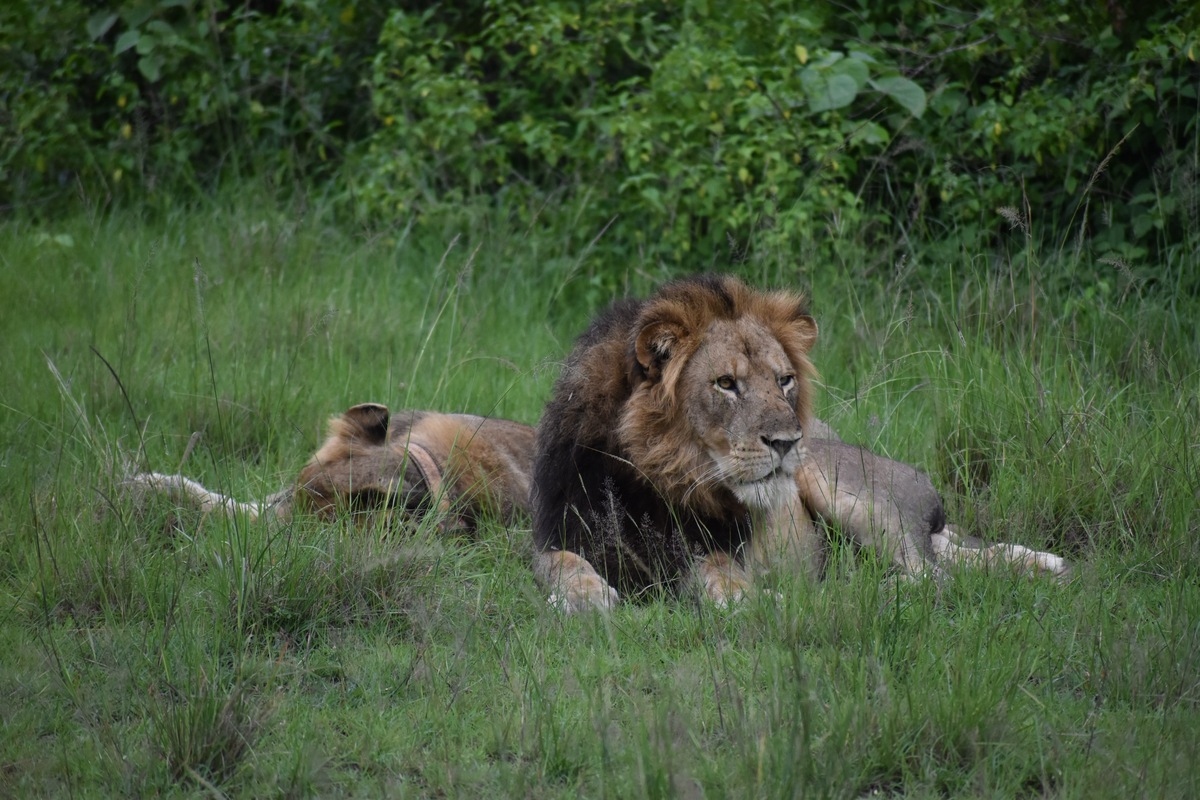
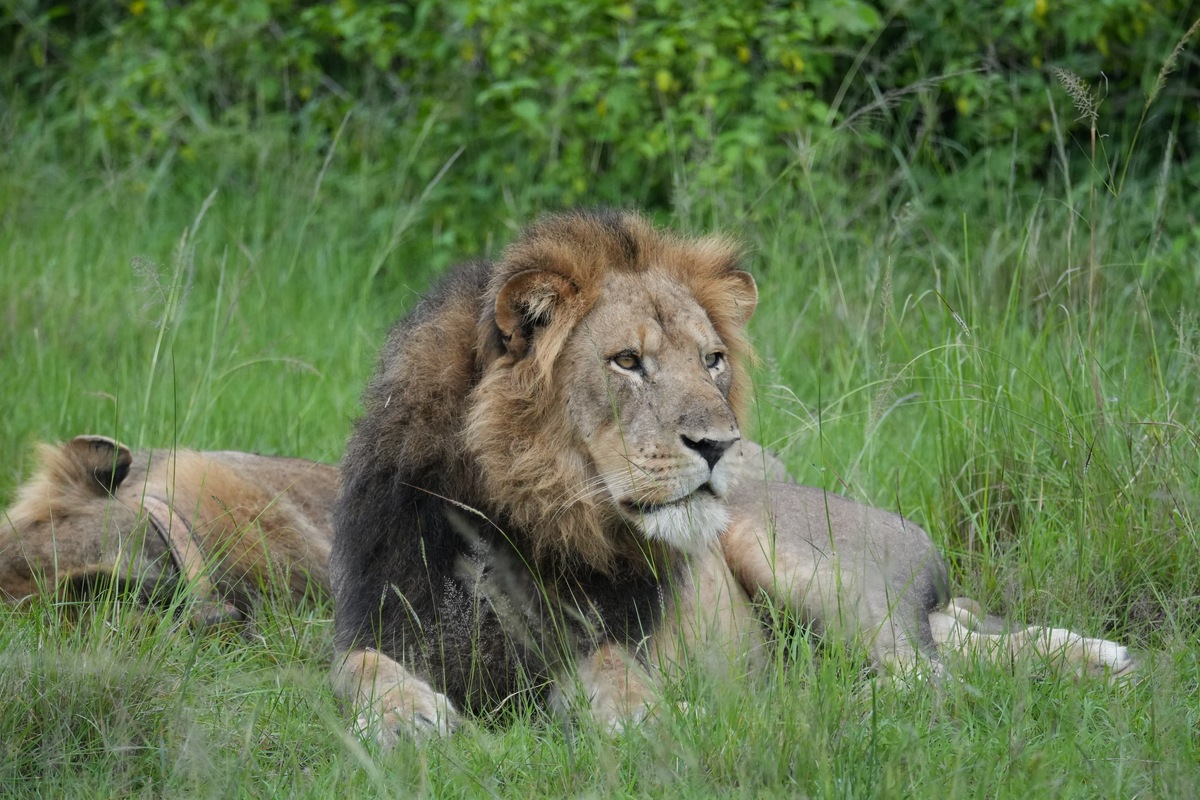
If you encounter an entire pride, you could observe adult lions resting together while younger members play nearby. Depending on the time of day, you may also see lions moving through the grasslands, interacting with one another or preparing to hunt.
The experience can also offer interesting photographic opportunities, particularly when the lions are relaxed and the vehicle can approach without disturbing them. However, photography conditions depend on the animals’ behaviour, vegetation and lighting.
For wildlife enthusiasts, photographers and anyone interested in conservation, this experience adds a valuable educational element to a safari in Queen Elizabeth National Park.
When Is the Best Time for Lion Tracking in Uganda?
Lion tracking in Queen Elizabeth National Park is available throughout the year, although wildlife viewing conditions can vary with the seasons.
The dry seasons, generally from June to September and December to February, are particularly favourable for wildlife viewing. During these months, vegetation is often shorter and animals may be easier to spot across the open Kasenyi Plains. Wildlife also tends to concentrate around available water sources, creating rewarding game-viewing opportunities.
The wetter months, particularly March to May and October to November, bring greener landscapes and can offer a different photographic experience. However, thicker vegetation may sometimes make spotting lions more challenging.
Lion tracking is organised in different sessions throughout the day, including early morning, afternoon and night experiences. Each session generally takes approximately two to three hours, depending on the research activity and the location of the lions.
Early morning sessions are particularly appealing because the savannah is cooler and wildlife is often active. Afternoon and night sessions provide different opportunities to understand the behaviour of lions at different times of the day.
Visitors should arrange their preferred tracking session in advance because participation is limited.
Lion Tracking in Kasenyi Plains and Tree-Climbing Lions in Ishasha
Queen Elizabeth National Park is famous for its lions, but the experience differs depending on which part of the park you visit.
The Kasenyi Plains, in the northern sector, are particularly well known for traditional lion sightings and research-based lion tracking. The open grasslands support large numbers of Uganda kob and other grazing animals, which attract predators such as lions.
Further south, the Ishasha sector is famous for its unusual population of tree-climbing lions. These lions are often seen resting on the branches of large fig trees, particularly during the warmer hours of the day.
Seeing a lion stretched across a tree branch is one of Uganda’s most memorable wildlife encounters. Although tree-climbing behaviour is not exclusive to Ishasha, the sector is particularly renowned for these sightings.
It is worth distinguishing between the two experiences. Lion tracking in Kasenyi involves following selected lions with researchers using tracking equipment, while searching for tree-climbing lions in Ishasha is generally part of a conventional game drive.
If your safari allows enough time, visiting both areas provides an excellent opportunity to experience two different aspects of lion viewing in Uganda.
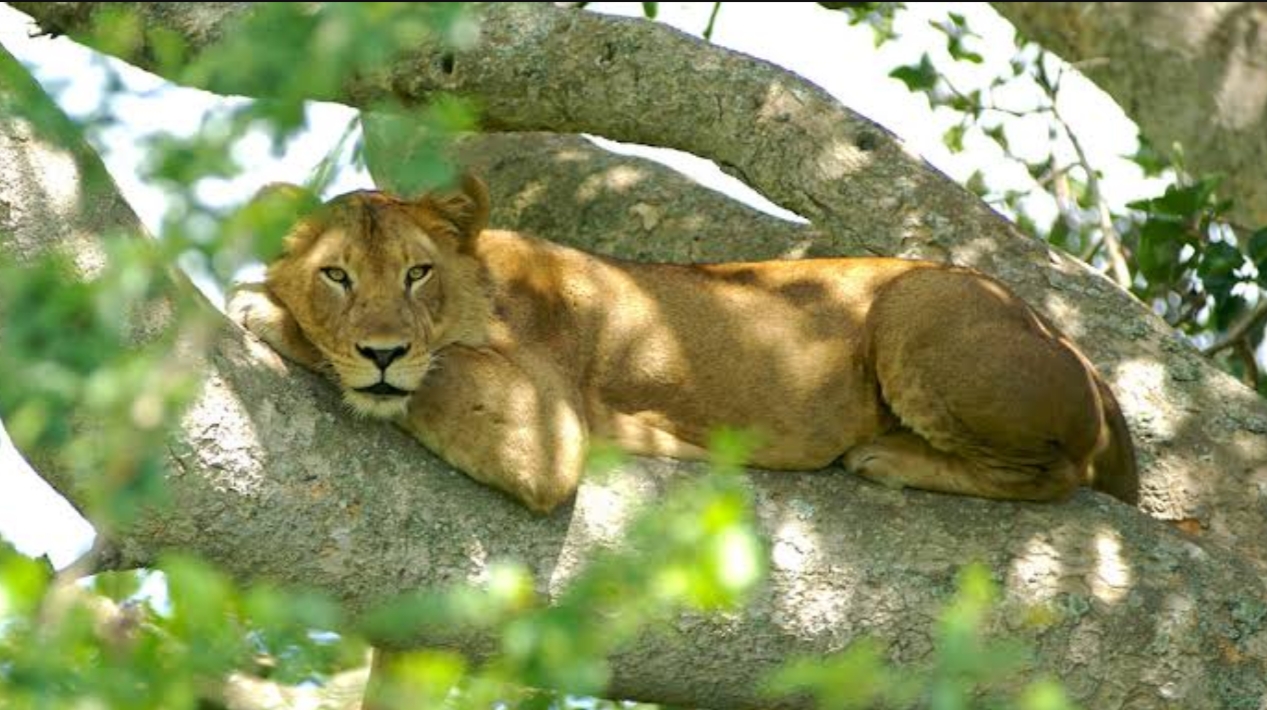
tree climbing lions
Other Wildlife Experiences in Queen Elizabeth National Park
Lion tracking can easily be combined with other activities in Queen Elizabeth National Park, making it possible to explore the park beyond its famous predators.
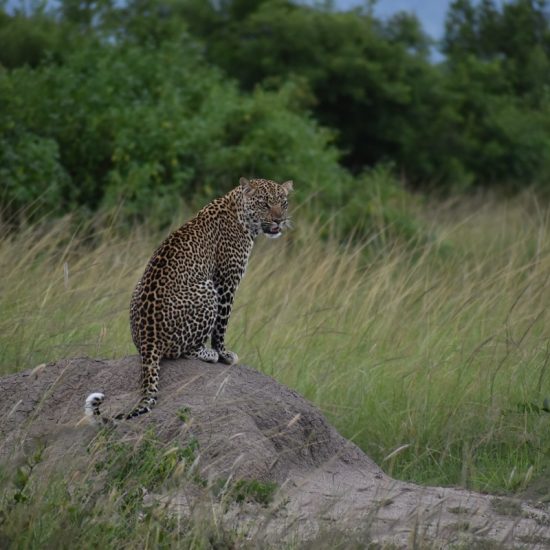
A traditional game drive across the Kasenyi Plains offers opportunities to see elephants, buffaloes, Uganda kob, warthogs, hyenas and numerous bird species. The open grasslands are particularly rewarding for wildlife photography and general game viewing.
Another highlight is a boat cruise along the Kazinga Channel, a natural waterway connecting Lake Edward and Lake George. The channel attracts large concentrations of hippos, crocodiles, buffaloes, elephants and water birds. It is one of the best places in Uganda to observe wildlife gathering around water.
Visitors interested in primates can also explore Kyambura Gorge, where guided chimpanzee trekking offers an opportunity to search for wild chimpanzees in a beautiful forested gorge. The park also has opportunities for nature walks and birdwatching.
The Maramagambo Forest provides another interesting contrast to the open savannah, with opportunities to explore forest habitats, encounter birds and discover some of the park’s less familiar natural attractions.
Combining these activities with lion tracking creates a varied safari experience that showcases the remarkable diversity of Queen Elizabeth National Park.
How to Include Lion Tracking in a Uganda Safari
Lion tracking can be incorporated into a wider Uganda wildlife safari, particularly for travellers who want to explore Queen Elizabeth National Park in greater depth.
A three- or four-day visit to the park provides a good starting point, allowing time for lion tracking, traditional game drives and a boat cruise along the Kazinga Channel. Travellers with additional time can extend their journey to include chimpanzee trekking in Kibale Forest National Park.
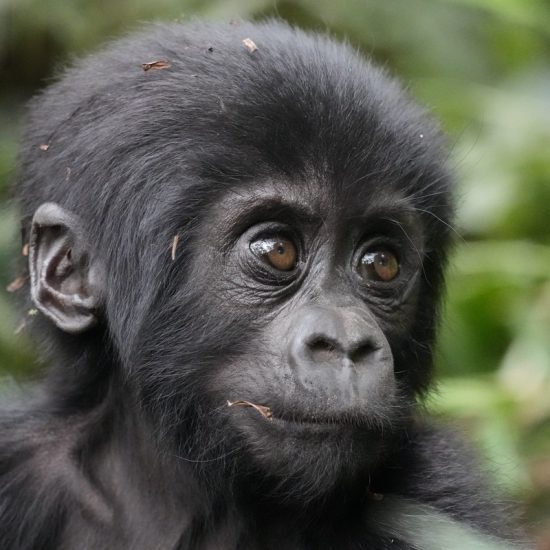
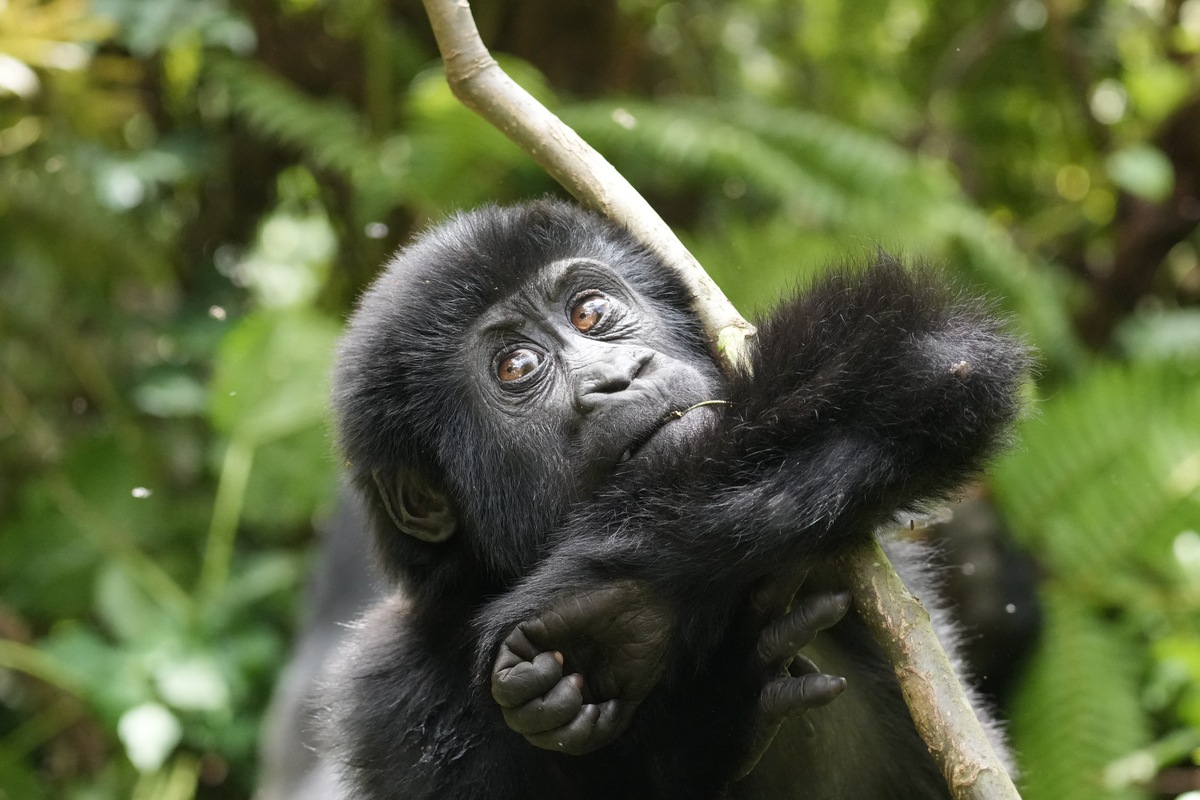
Queen Elizabeth National Park also combines naturally with Bwindi Impenetrable National Park for travellers interested in experiencing both wildlife safaris and mountain gorilla trekking. This combination creates an excellent journey through Uganda’s savannah landscapes and tropical rainforests.
For those travelling from Kampala or Entebbe, the park is generally reached by road, with the journey taking approximately six to seven hours depending on the starting point, route and destination within the park. Domestic flights to nearby airstrips are another option for travellers wishing to reduce road travel time.
Where to Stay During Lion Tracking in Queen Elizabeth National Park
Queen Elizabeth National Park has accommodation options across different locations and budgets. Where you stay can make a difference to your safari arrangements, particularly if you want to participate in an early morning lion tracking session.
For visitors focusing on the Kasenyi Plains, accommodation around the northern sector can be convenient for accessing the research activity and nearby game-drive areas. Options range from comfortable safari lodges to luxury properties overlooking the savannah.
Travellers exploring the Ishasha sector may prefer to spend a night in the southern part of the park to allow more time for searching for tree-climbing lions.
Choosing accommodation based on your planned activities helps reduce unnecessary driving and allows you to enjoy more time in the park.
Why Include Lion Tracking in Your Uganda Safari?
Lion tracking is one of the more distinctive wildlife experiences available in Uganda because it brings visitors closer to the research and conservation work behind protecting the country’s large predators.
It offers more than the excitement of seeing a lion. You learn how researchers monitor individual animals, understand their movements and investigate the challenges that threaten their survival. You also gain a greater appreciation of the relationship between wildlife, protected areas and the communities living around them.
For photographers, nature enthusiasts and travellers who enjoy learning about wildlife, it provides a rewarding addition to a traditional safari. It is also an excellent activity for returning safari travellers who may have already experienced conventional game drives elsewhere in Africa.
Most importantly, lion tracking reminds visitors that conservation is an ongoing effort. Every piece of research contributes to a better understanding of these magnificent animals and the landscapes they depend on.
Experience Lion Tracking in Uganda with Naseeb Safaris
At Naseeb Safaris Uganda, we believe that a memorable safari is about more than seeing wildlife. It is about understanding the places you visit, appreciating their natural heritage and experiencing the stories behind the animals.
As a locally owned Ugandan safari company, we organise private and tailor-made safaris across Uganda and Rwanda, helping travellers discover the country’s most remarkable wildlife and natural attractions.
We can incorporate lion tracking in Queen Elizabeth National Park into a wider Uganda safari, alongside traditional game drives, chimpanzee trekking in Kibale Forest, a boat cruise on the Kazinga Channel and mountain gorilla trekking in Bwindi Impenetrable National Park.
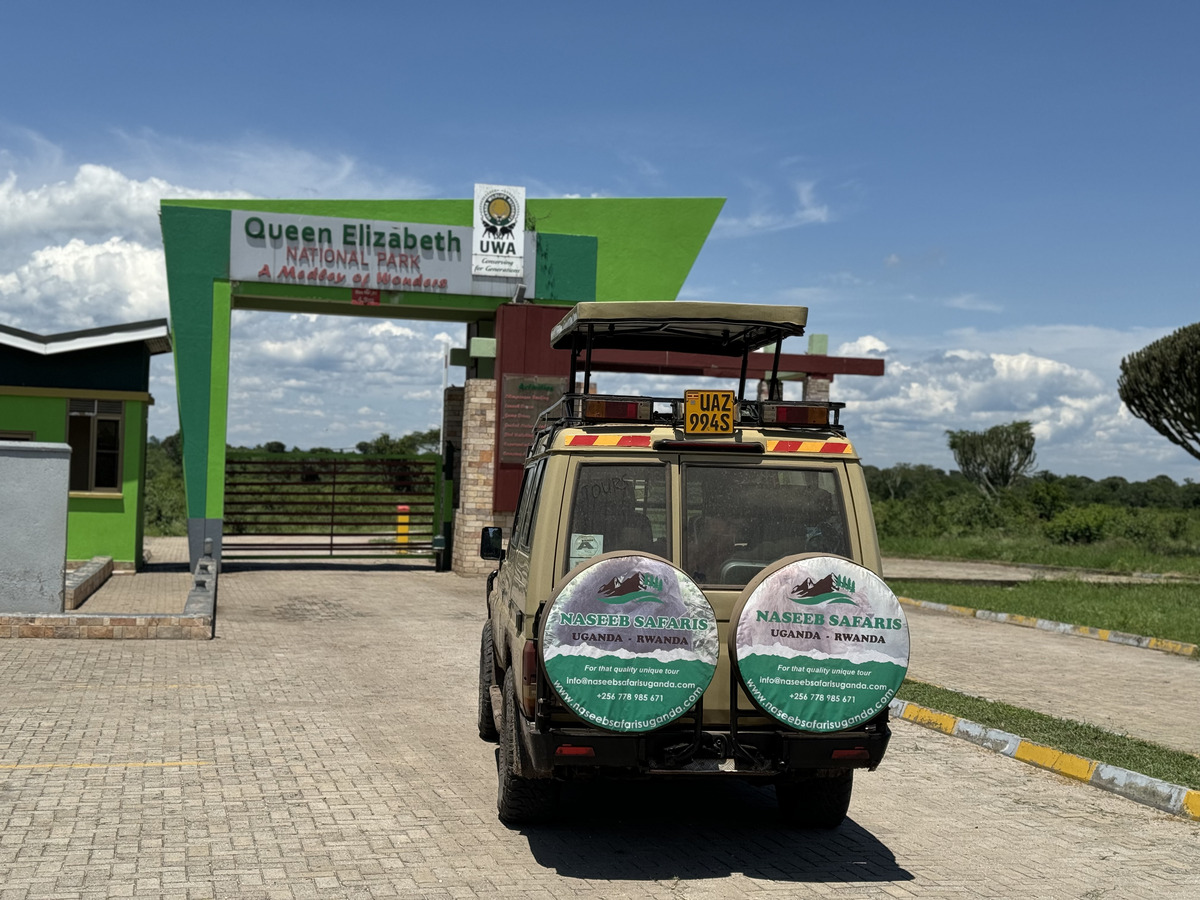
Experience lion tracking with naseeb safaris
Whether you are planning your first African safari or returning to explore Uganda more deeply, our team can help you create a journey that reflects your interests, travel style and available time.
Contact Naseeb Safaris Uganda to start planning your lion tracking experience and discover the remarkable wildlife of the Pearl of Africa.