
Tree Climbing Lions in Ishasha – Queen Elizabeth National Park
Tree Climbing Lions in Ishasha – Queen Elizabeth National Park, There are many reasons travellers come to Uganda’s wilderness areas: the chance to stand beneath ancient rainforest trees searching for mountain gorillas, to watch elephants cross open savannah, or to follow chimpanzees through the forest canopy.
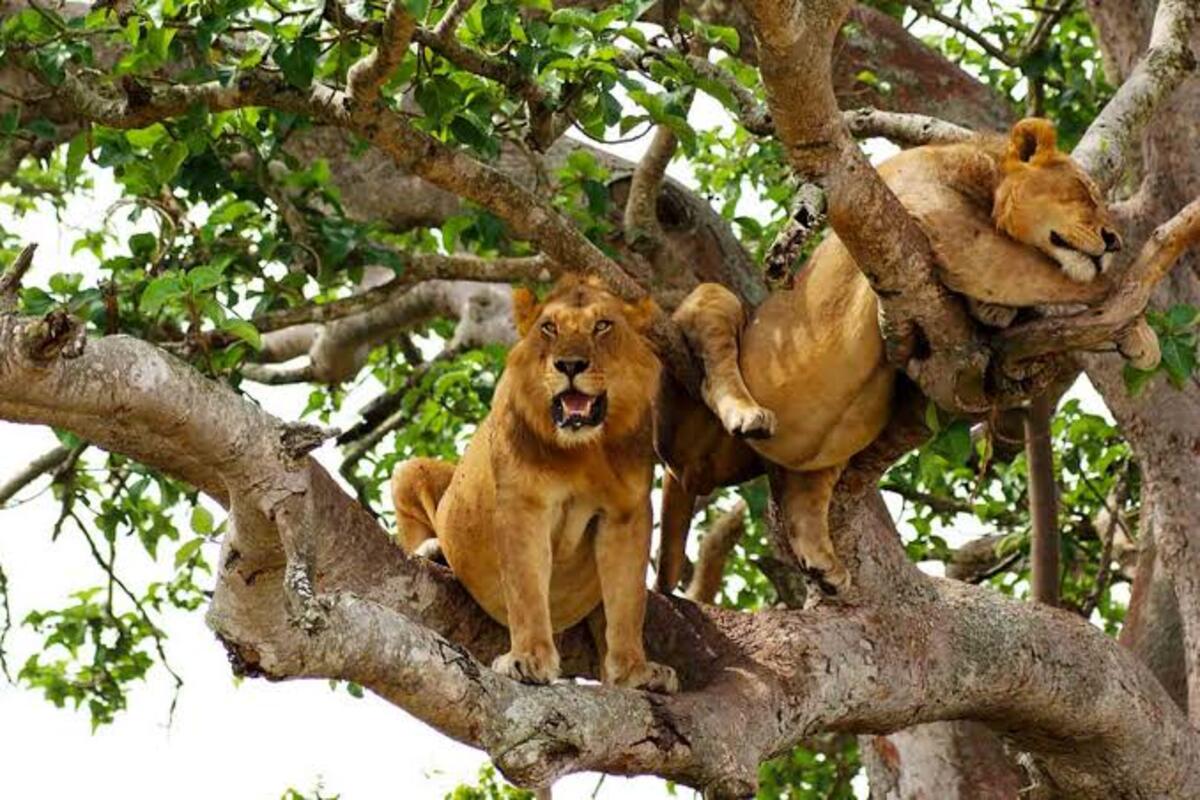
But in the southern corner of Queen Elizabeth National Park referred to as Ishasha, there is a wildlife experience unlike almost any other in East Africa: seeing lions resting high above the ground in the branches of fig and acacia trees.
The tree-climbing lions of Ishasha have become one of Uganda’s most distinctive safari attractions because they were the first lions to be seen climbing trees. These cats adapted to spending long periods above the savannah floor because of heat on the ground, biting insects and existence of trees with soft stems like fig trees which lions’ claws can penetrate easily.
A safari in Ishasha is not only about finding a lion in a tree because now days, all lions climb trees in Uganda including the ones in Murchison falls, Kidepo valley national park and northern part of Queen Elizabeth. It is about exploring a quieter landscape where woodland meets open plains, where elephants move through river valleys, and where every game drive involves reading the environment carefully to understand where wildlife may appear.
This guide explains what makes the Ishasha lions special, where to find them, what a safari experience is really like, and how to plan a visit as part of a wider Uganda safari.
Where Is Ishasha and Why Is It Famous?
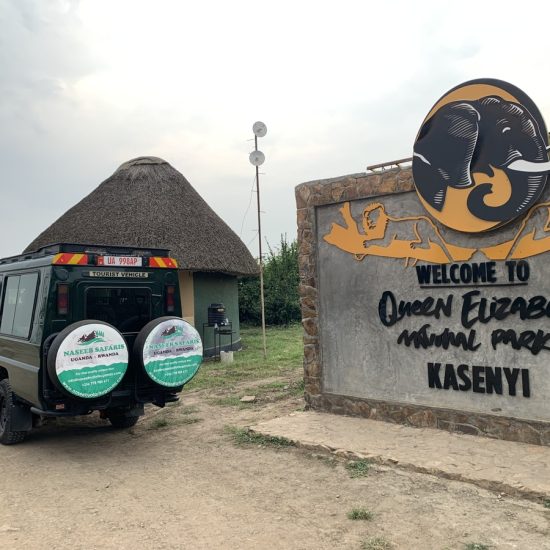
Ishasha is the southern sector of Queen Elizabeth National Park in southwestern Uganda, close to the border with the Democratic Republic of Congo. It forms part of the wider Queen Elizabeth Conservation Area and is often included in Uganda safari itineraries that combine wildlife viewing with gorilla trekking in nearby Bwindi Impenetrable National Park.
The sector is approximately:
- 400 kilometres from Kampala by road
- Around 100 kilometres from Kasese
- Several hours’ drive from Bwindi’s main gorilla trekking areas, depending on the route and sector
Unlike the northern parts of Queen Elizabeth National Park, which are known for the Kazinga Channel boat cruise, crater lakes, and large concentrations of wildlife, Ishasha has a more remote and peaceful character.
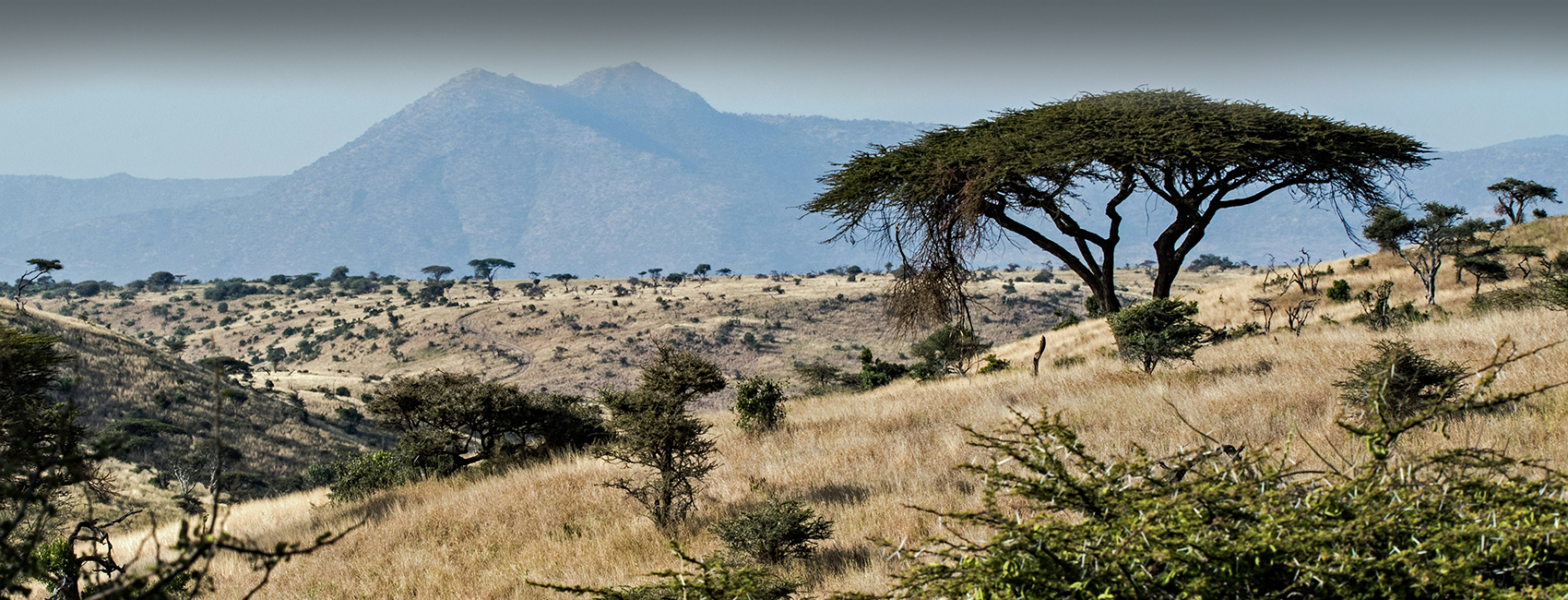
The landscape here is shaped by:
- Open savannah plains
- Fig and acacia woodland
- Seasonal wetlands
- The Ishasha River which acts as a natural boundary between Uganda & DRC
- Views toward the Virunga Mountains across the border
This mixture of habitats creates conditions that support a wide range of species. While the tree-climbing lions are the main attraction, visitors also come here to look for elephants, buffaloes, antelopes like Topi, hippos, birds, and sometimes leopards.
Why Do Lions in Ishasha Climb Trees?
Lions are generally considered animals of the grasslands. Although they are capable of climbing when necessary, they are not natural tree dwellers in the same way as leopards.
That is what makes the Ishasha population so interesting.
Wildlife researchers have studied this behaviour for years, and while there is no single confirmed explanation, several factors are believed to influence why these lions spend time in trees.
Escaping the Heat of the Savannah
During the hottest hours of the day, the temperature on the open plains can become intense. By moving into the shade of large trees, lions can avoid direct sunlight and benefit from cooler air moving through the branches.
Visitors often find the lions lying across thick branches in the afternoon, appearing completely relaxed as they rest after the cooler morning hours.
The sight can seem unusual at first, a large predator balanced several metres above the ground but in Ishasha it has become part of the natural rhythm of the ecosystem.
Avoiding Irritating Insects
Savannah environments can contain large numbers of insects, particularly during warmer periods and rainy seasons.
Climbing into trees may help lions reduce contact with insects on the ground, making their resting periods more comfortable.
Gaining a Better View of Their Territory
From higher branches, lions have an elevated view across the surrounding landscape.
This may help them observe:
- Movements of prey animals
- Other predators
- Activity within their territory
While lions do not climb trees specifically to hunt from above like some predators, the higher position may provide useful awareness of their surroundings.
A Behaviour Learned Within Certain Prides
Another possibility is that tree climbing is partly a learned behaviour.
Young lions often copy adults within their pride. If cubs grow up watching older lions climb trees regularly, they may adopt the same habit as they mature.
Over time, this could help explain why certain lion populations are more likely to climb than others.
What Makes Ishasha’s Lions Different?
Seeing a lion on safari is already a special experience. Seeing one lying across a tree branch adds a completely different dimension.
In many African parks, lion sightings usually involve animals:
- Resting under bushes after a hunt
- Walking across open grassland
- Following a pride through the plains
- Interacting with cubs on the ground
In Ishasha, the scene is often unexpected.
A guide may stop the vehicle and point toward what looks like an ordinary tree. At first, the branches may appear empty. Then, as your eyes adjust, you notice a paw hanging down, a tail moving slowly, or the golden colour of a lion’s coat blending with the leaves.
Possible sightings include:
- Lionesses stretched across branches
- Several lions sharing one tree
- Cubs climbing near adults
- Male lions resting in the shade
The experience is not only about the animal itself. It is about seeing how wildlife adapts to its surroundings.
The Ishasha Safari Experience: Searching for Lions in the Wild
Finding tree-climbing lions is part of what makes the experience rewarding.
These are wild animals moving freely through a large protected area. They are not kept in one location, and sightings can never be guaranteed.
A successful game drive depends on several factors, including:
- The guide’s knowledge of the area
- Recent wildlife sightings
- Understanding of lion behaviour
- Seasonal conditions
- Patience and time spent exploring
Experienced guides know areas where lions are frequently seen and look for signs such as tracks, resting spots, and activity patterns.
A typical game drive begins with the vehicle moving slowly through the savannah while everyone watches the landscape carefully.
The search itself becomes part of the adventure.
You may scan open grasslands where Uganda kobs and topi graze. You may pass beneath enormous fig trees, checking the branches above. You may pause beside the Ishasha River where wildlife gathers during certain seasons.
Then comes the moment every visitor hopes for: a guide quietly stopping the vehicle and directing everyone’s attention upward.
A shape appears between the branches.
A lion is resting above the ground.
It is this combination of anticipation, discovery, and understanding the landscape that makes Ishasha memorable.
Wildlife Beyond the Tree-Climbing Lions
Although the lions are the reason many travellers visit Ishasha, the area offers a much broader safari experience.
The sector supports a variety of wildlife adapted to its mixture of woodland, grassland, and wetlands.
Animals commonly associated with Ishasha include:
- African savanna elephants
- Cape buffaloes
- Common Hippos
- Uganda kobs
- Topi
- Warthogs
- Bushbucks
- Waterbucks
- Olive Baboons
- Various monkey species like vervet monkeys
Leopards are also present, although sightings are much less predictable.
The Ishasha River and surrounding wetlands attract many bird species like swallows, making the area interesting for birdwatchers as well as traditional safari travellers.
The best way to appreciate Ishasha is to see the tree-climbing lions as part of a larger ecosystem not as an isolated attraction. The trees, prey animals, rivers, and changing seasons all play a role in creating the environment where this unusual behaviour exists.
Best Time to See the Tree-Climbing Lions of Ishasha
One of the first questions travellers ask when planning an Ishasha safari is: When is the best time to see the tree-climbing lions?
The honest answer is that wildlife sightings are never guaranteed. The lions of Ishasha live freely within a large protected area, and their behaviour changes with weather, food availability, temperature, and seasonal conditions.
However, some periods generally offer more comfortable safari conditions and better opportunities for wildlife viewing.
For most travellers, the best times to visit are during Uganda’s drier months:
- June to August
- December to February
These months often provide easier road conditions, shorter grass, and better visibility across the savannah.
That said, the wetter seasons also have their advantages, especially for travellers interested in photography, birdwatching, and quieter experiences.
Visiting Ishasha During the Dry Seasons
June to August and December to February
The dry seasons are generally considered favourable for game viewing because wildlife is easier to locate and travel conditions are usually more predictable.
During these months:
- Grass is shorter, making animals easier to spot
- Roads are usually less challenging than during heavy rains
- Animals often gather around remaining water sources
- Photography conditions are often excellent
For tree-climbing lions specifically, the dry season can be a good time to search because the vegetation is less dense and guides may have clearer views across the plains.
The hotter afternoons are also when lions are often found resting in trees, taking advantage of shade and cooler air above the ground.
However, visitors should not expect every safari drive to produce a tree-climbing lion sighting. Even in the best seasons, wildlife remains unpredictable.
Visiting Ishasha During the Rainy Seasons
March to May and September to November
The rainy months transform the landscape.
The plains become greener, bird activity increases, and the scenery takes on a different character. For photographers, this season can create dramatic conditions with rich colours, cloudy skies, and fresh vegetation.
Advantages of visiting during the rainy season include:
- Fewer safari vehicles in some areas
- Excellent birdwatching opportunities
- Lush green landscapes
- Good conditions for landscape photography
Challenges may include:
- More difficult road conditions after heavy rainfall
- Thicker vegetation making some wildlife harder to spot
- Longer travel times on certain routes
Travellers who value quieter experiences often enjoy visiting during these months, especially when they are prepared for changing weather.
The Best Time of Day for Seeing Lions in Trees
The timing of your game drive can influence what you see.
Morning Game Drives
Early mornings are among the best times for general wildlife viewing.
The temperatures are cooler, and many animals are still active after the night.
Morning drives may offer opportunities to see:
- Lions moving through the grasslands
- Antelopes grazing
- Elephants travelling between feeding areas
- Birds becoming active
Morning light is also excellent for photography, creating softer colours and fewer harsh shadows.
Afternoon Game Drives
Afternoons are often associated with the famous tree-climbing lion sightings.
As temperatures rise, lions may seek shade and move into trees where they can rest comfortably.
This is when visitors commonly see the classic Ishasha scene: a lion stretched across a large branch above the savannah.
A knowledgeable guide will know areas where lions are frequently observed, but patience is still important. Wildlife does not follow a timetable.
Photography Tips for Capturing Ishasha’s Tree-Climbing Lions
The tree-climbing lions of Ishasha are among Uganda’s most photographed wildlife subjects, but capturing a meaningful image requires more than simply pointing a camera toward the animal.
The best photographs tell the story of the place, the relationship between the lion and the landscape around it.
Bring a Suitable Zoom Lens
Lions may be several metres above the ground, and safari vehicles must maintain a respectful distance.
A telephoto lens helps you capture details such as:
- Facial expressions
- Paw positions
- Interactions between pride members
- The texture of the tree branches
A zoom lens also allows you to photograph without encouraging drivers to move too close.
Use the Light Carefully
The strongest midday sunlight can create harsh shadows, especially on animals resting under leaves.
The best natural light is usually:
- Early morning
- Late afternoon
These times provide warmer tones and better contrast.
Try photographing the entire scene rather than only the lion’s face. A picture showing the tree, savannah, and surrounding environment often communicates the uniqueness of Ishasha better than a close-up alone.
Be Patient
Wildlife photography rewards waiting.
A lion may remain motionless for a long time. However, patience can lead to special moments:
- A yawn
- A change of position
- Cubs interacting
- A lion looking across the plains
- A tail moving through the branches
The quiet moments are often the ones that create the strongest memories.
What to Expect on an Ishasha Game Drive
An Ishasha game drive feels different from visiting a busier wildlife destination.
The landscape often feels open and peaceful. There may be long periods of quiet exploration as your guide reads the environment and searches for signs of wildlife.
A typical drive may pass through:
- Open savannah
- Woodland areas
- River edges
- Wildlife corridors
- Known lion territories
Your guide does more than search for animals. A good safari experience includes interpretation, understanding why animals live where they do and how different parts of the ecosystem connect.
During the drive, you may learn about:
- Animal tracks and signs
- Predator and prey relationships
- Seasonal wildlife movements
- Conservation challenges
- The importance of protecting habitats
This context turns a wildlife viewing trip into a deeper understanding of the natural world.
How to Reach Ishasha for a Safari
Ishasha is usually visited as part of a western Uganda safari circuit rather than as a standalone destination.
Most international travellers begin their journey in Kampala or at Entebbe International Airport before travelling west by road.
Common safari routes include:
Kampala / Entebbe to Ishasha
The journey takes approximately:
- 8–9 hours by road, depending on stops and conditions
Most itineraries divide the journey with wildlife stops or an overnight stay near Queen Elizabeth National Park or Lake Mburo national park.
From Queen Elizabeth National Park
Travellers already visiting the northern sectors of the park can continue south toward Ishasha.
From Bwindi Impenetrable National Park
Many gorilla trekking itineraries combine Bwindi with Ishasha because of their location in southwestern Uganda.
The drive between the two destinations can vary depending on which sector of Bwindi you visit and road conditions at the time.
Road Conditions and Travel Considerations
Road conditions in western Uganda are generally manageable, but travellers should expect a mixture of:
- Paved highways between major towns
- Gravel roads near parks
- Rougher sections during rainy periods
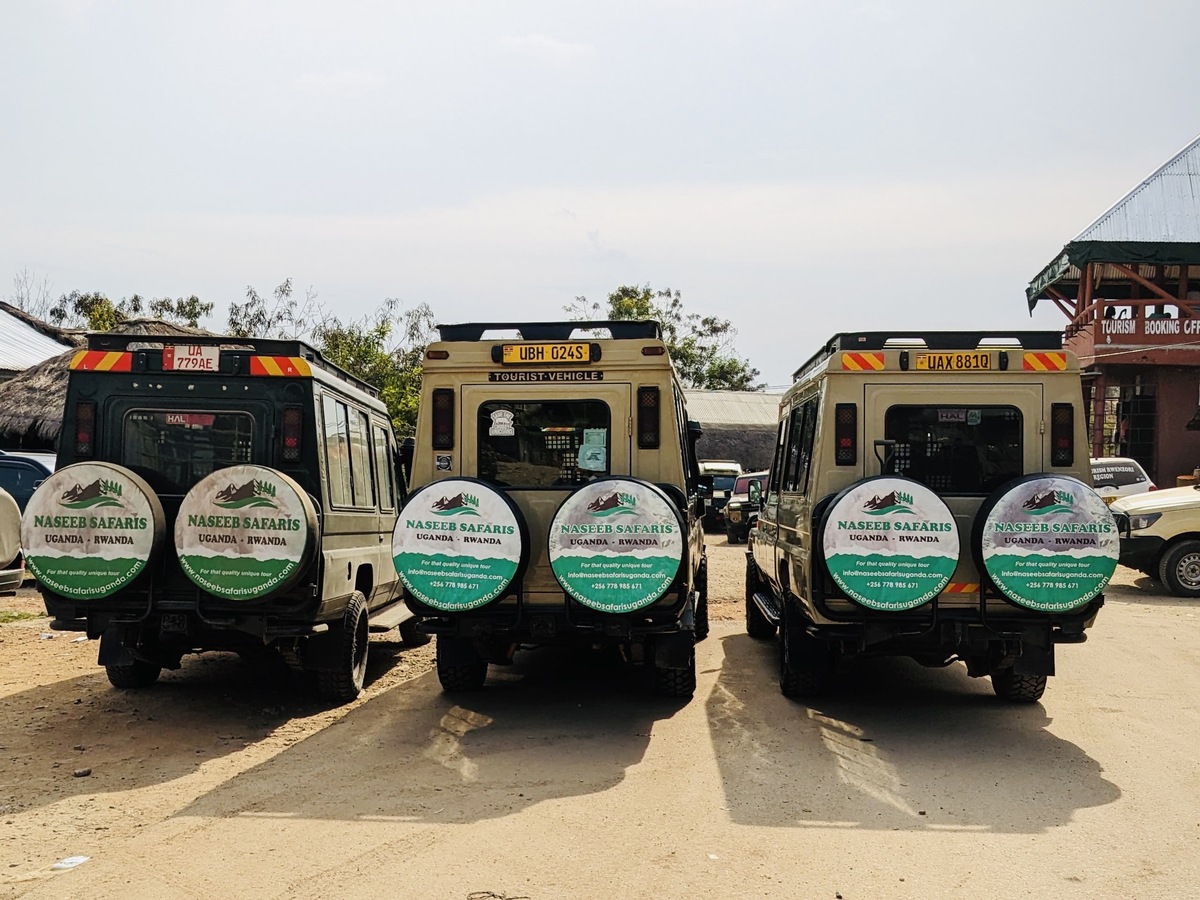
A 4×4 safari vehicle is strongly recommended for comfort and reliability, especially during wet seasons.
Travel times can take longer than distances suggest because safari routes include mountain roads, rural areas, wildlife stops, and changing conditions.
A common mistake first-time visitors make is planning journeys too tightly. Uganda is best experienced with enough time to enjoy the landscapes rather than rushing between destinations.
Combining Ishasha With Gorilla Trekking
One of the biggest advantages of visiting Ishasha is its position within Uganda’s southwestern safari circuit.
Many travellers combine:
- Queen Elizabeth National Park
- Ishasha sector
- Bwindi Impenetrable National Park
This creates a journey that moves between two very different environments.
One day may involve searching for lions among savannah trees.
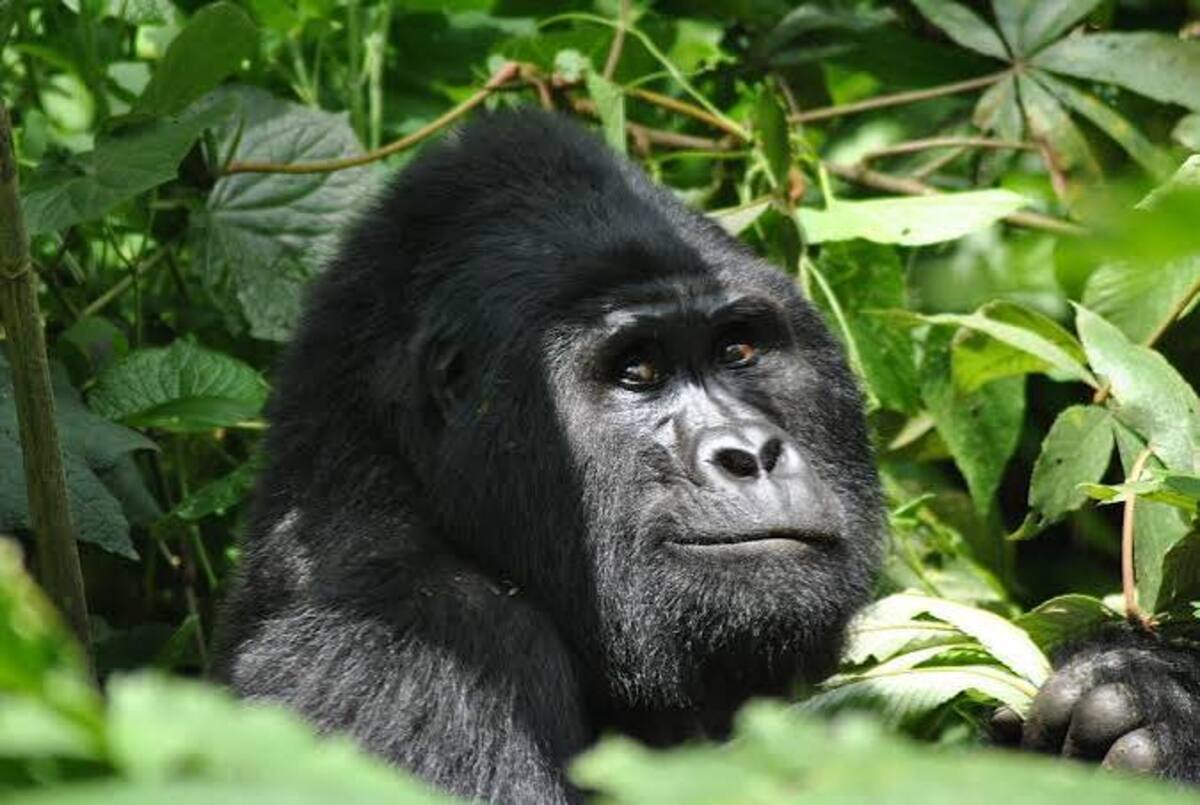
The next may involve walking beneath rainforest canopy while looking for mountain gorillas.
The contrast is one of Uganda’s greatest travel strengths: within the same safari, visitors can experience open wilderness, tropical forests, primates, and large mammals.
Sample Ishasha Safari Itinerary Ideas
3-Day Queen Elizabeth and Ishasha Safari
Day 1: Kampala / Entebbe to Queen Elizabeth National Park
- Scenic drive through western Uganda
- Arrival near the park
- Evening game drive if time allows
- Overnight near Queen Elizabeth National Park
Day 2: Ishasha Tree-Climbing Lion Experience
- Early breakfast
- Transfer to Ishasha sector
- Game drive searching for tree-climbing lions
- Wildlife viewing and photography
- Afternoon exploration
- Overnight near Ishasha
Day 3: Morning Safari and Departure
Options may include:
- Morning game drive
- Kazinga Channel boat cruise
- Return journey or continuation toward Bwindi
5-Day Ishasha and Gorilla Trekking Safari
A popular combination itinerary includes:
Day 1
Arrival and transfer toward Queen Elizabeth National Park.
Day 2
Explore Ishasha and search for tree-climbing lions.
Day 3
Transfer toward Bwindi Impenetrable National Park.
Day 4
Mountain gorilla trekking experience.
Day 5
Departure or continuation of Uganda journey.
This route allows travellers to experience two of Uganda’s most distinctive environments: savannah and rainforest.
Where to Stay When Visiting Ishasha
Choosing where to stay can influence how much time you spend exploring the area. Because Ishasha is part of a larger safari circuit, accommodation decisions often depend on your overall itinerary, budget, and whether you are continuing toward Bwindi for gorilla trekking.
Options range from comfortable safari lodges overlooking the wilderness to simpler camps that focus on affordability and proximity to the park.
The best choice is usually the one that allows enough time for game drives without spending unnecessary hours travelling each day.
Luxury Safari Lodges
Luxury lodges around Ishasha are designed for travellers who want comfort combined with a strong connection to nature.
They typically offer:
- Spacious rooms or private cottages
- Restaurant dining
- Scenic locations
- Comfortable lounge areas
- Guided safari support
- Relaxing spaces after game drives
Some luxury properties like Ishasha wilderness camp are positioned close to wildlife areas, allowing guests to enjoy views of the surrounding wilderness from their accommodation.
These options are popular with honeymoon travellers, photographers, and visitors who prefer a slower-paced safari experience.
Mid-Range Accommodation
Mid-range lodges provide a balance between comfort and cost.
They are often suitable for:
- Couples
- Families
- Small groups
- First-time safari travellers
Facilities commonly include:
- Comfortable rooms
- Private bathrooms
- Meals
- Basic safari amenities
- Convenient access to park activities
For many travellers, mid-range accommodation like Enjojo lodge offers the best value because more of the budget can be allocated toward experiences such as additional game drives or combining Ishasha with gorilla trekking.
Budget Accommodation and Camping Options
Budget travellers can also enjoy Ishasha without sacrificing the safari experience.
Affordable accommodation may include:
- Simple guesthouses
- Community-run stays
- Basic campsites
These options are often chosen by travellers who prefer spending more on activities rather than accommodation.
While facilities may be simpler, many visitors appreciate the friendly service and the opportunity to experience the area in a more straightforward way.
When booking budget accommodation like Ishasha jungle lodge, it is worth checking:
- Bathroom arrangements
- Electricity availability
- Meal options
- Distance from park entrances
How Much Does an Ishasha Safari Cost?
The cost of visiting Ishasha varies widely depending on the type of safari you choose.
Factors that influence the price include:
- Length of the safari
- Accommodation level
- Number of travellers
- Type of vehicle
- Guide services
- Additional activities
- Whether the trip includes gorilla trekking
A private safari with upgraded accommodation will cost more than a shared group trip with simpler lodging.
A realistic safari budget should include:
- Transport and fuel
- Park entrance fees
- Accommodation
- Meals
- Professional guide services
- Activities
- Tips
- Optional experiences
Travellers should also remember that Uganda is a destination where logistics matter. Paying for experienced guides, reliable vehicles, and responsible operators often improves the overall experience.
Uganda Safari Packing List: What to Bring for Ishasha
Packing for an Ishasha safari is similar to preparing for most East African wildlife trips, but a few items make the experience more comfortable.
Clothing
Choose practical, lightweight clothing that can handle changing conditions.
Recommended items include:
- Neutral-coloured shirts and trousers
- Lightweight long-sleeved clothing
- Comfortable walking shoes
- A warm layer for cool mornings
- A rain jacket
- A hat for sun protection
Avoid very bright colours during wildlife activities, as softer tones blend better into natural surroundings.
Photography Equipment
For travellers interested in wildlife photography, useful equipment includes:
- Camera with a zoom lens
- Extra batteries
- Memory cards
- Binoculars
- Dust protection for equipment
A pair of binoculars is valuable even for travellers who are not photographers. Animals are often first noticed as movement or shapes in the distance.
Personal Essentials
Useful items include:
- Sunscreen
- Insect repellent
- Sunglasses
- Reusable water bottle
- Personal medication
- Small daypack
- Hand sanitiser
If you are combining Ishasha with gorilla trekking, pack for both environments. Forest trekking requires additional preparation because conditions can be wetter and more physically demanding.
Fitness Requirements and Accessibility
An Ishasha safari is generally accessible for travellers with a wide range of fitness levels.
Unlike gorilla trekking, which involves walking through rainforest terrain, most wildlife viewing in Ishasha is done from a safari vehicle.
However, visitors should consider:
- Long driving distances
- Time spent sitting in a vehicle
- Uneven ground at some viewpoints
- Early morning starts
For travellers with mobility concerns, it is important to discuss requirements before travelling.
Safari vehicles can often accommodate different needs, but arrangements should be made in advance.
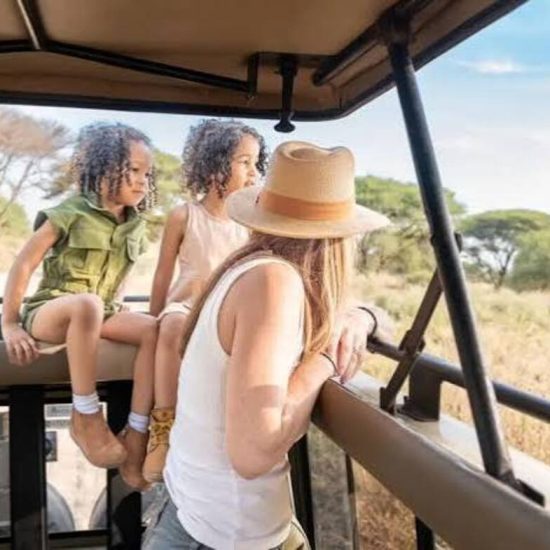
Families with children and older travellers can enjoy Ishasha, especially when itineraries are designed with comfortable travel times and enough rest periods.
What Happens If It Rains During an Ishasha Safari?
Rain is part of Uganda’s natural cycle, and it should not be seen as something that ruins a safari.
A rainy day can bring its own rewards:
- Fresh green landscapes
- Dramatic skies
- Active birdlife
- Cooler temperatures
However, rain can affect:
- Road conditions
- Travel times
- Wildlife visibility
A good safari plan allows flexibility. Guides adjust routes depending on conditions and continue searching for wildlife while prioritising safety.
Packing a waterproof jacket and protecting camera equipment will help you enjoy the experience regardless of weather.
Responsible Tourism and Protecting Ishasha’s Lions
The tree-climbing lions of Ishasha are valuable not only because they attract visitors, but because they represent a unique example of wildlife adaptation.
Protecting these lions depends on protecting the wider ecosystem that supports them.
Challenges facing wildlife conservation include:
- Habitat pressure
- Human-wildlife conflict
- Changes in prey populations
- Disease risks
- Environmental changes
Conservation is not only about protecting individual animals. Lions depend on healthy populations of prey species, functioning habitats, and positive relationships between parks and surrounding communities.
Tourism can contribute to conservation when visitors choose responsible operators and follow ethical wildlife practices.
How Visitors Can Support Conservation
Keep a Respectful Distance
Wild animals should always be allowed to behave naturally.
Guides position vehicles carefully to provide good viewing opportunities while avoiding unnecessary disturbance.
Never ask a driver to move closer than park guidelines allow for the sake of a photograph.
Keep Noise Levels Low
Quiet observation improves the experience for both wildlife and visitors.
A calm vehicle allows travellers to notice natural behaviour that may be missed when animals are disturbed.
Never Feed Wildlife
Feeding animals changes their natural behaviour and can create safety problems.
Wildlife encounters are most meaningful when animals remain completely wild.
Support Local Communities
Communities living near protected areas play an important role in conservation.
Choosing locally connected tourism services, purchasing local products, and respecting local cultures helps ensure tourism benefits reach beyond the park boundaries.
Common Mistakes First-Time Visitors Make
A well-planned Ishasha safari is usually more enjoyable when travellers avoid common planning mistakes.
Expecting Guaranteed Lion Sightings
The tree-climbing lions are famous, but they are not in one fixed location.
A responsible safari operator will never promise guaranteed wildlife sightings.
Trying to See Everything Too Quickly
Uganda’s destinations are spread across a large landscape.
Trying to combine too many parks into a short trip can lead to long drives and less time enjoying each location.
Packing Only for Hot Weather
Although Uganda has a warm climate, mornings can be cool, especially during early game drives.
A light jacket is useful.
Forgetting That Road Travel Takes Time
Distances on a map can look manageable, but rural roads and safari routes often require patience.
Building flexibility into your itinerary creates a more enjoyable journey.
Frequently Asked Questions About Tree-Climbing Lions in Ishasha
Where can I see tree-climbing lions in Uganda?
The famous tree-climbing lions are commonly found in the Ishasha sector of Queen Elizabeth National Park but also can be seen in Murchison falls, Kidepo Valley and northern part of Queen Elizabeth.
Why do lions climb trees in Ishasha?
Researchers believe the behaviour may help lions escape heat, avoid insects, gain a better view of their surroundings, and may also be a learned behaviour passed between generations.
Will I definitely see the tree-climbing lions?
No wildlife sighting can be guaranteed.
The lions are wild animals and move freely throughout the park. However, experienced guides improve the chances of finding them by understanding local conditions, lion territories, and recent sightings.
What is the best time to see the tree-climbing lions?
Dry seasons, especially June to August and December to February, are generally favourable for wildlife viewing.
Afternoon game drives are often productive because lions frequently seek shade in trees during warmer parts of the day.
How long should I spend in Ishasha?
Most travellers spend one or two days exploring Ishasha.
One day may be enough for a quick visit, but two days provide more time for multiple game drives and a better chance of experiencing the area at a relaxed pace.
Can I combine Ishasha with gorilla trekking?
Yes! Ishasha is an excellent addition to a gorilla trekking itinerary because it sits within Uganda’s southwestern safari region.
Many travellers combine:
- Queen Elizabeth National Park
- Ishasha
- Bwindi Impenetrable National Park
Are Ishasha lions dangerous?
All wild lions should be treated with respect.
Visitors must remain inside the safari vehicle unless their guide advises otherwise. Following professional guidance ensures a safe experience.
Is Ishasha suitable for families?
Yes! Families can enjoy Ishasha, especially children interested in wildlife and nature.
A family-friendly itinerary should consider comfortable travel times, suitable accommodation, and realistic expectations about time spent in vehicles.
Can seniors do an Ishasha safari?
Yes! Because most wildlife viewing happens from a vehicle, many older travellers enjoy Ishasha.
Travellers with mobility concerns should discuss requirements when planning their safari so suitable arrangements can be made.
Can I hire a porter in Ishasha?
Porters are not normally required for Ishasha game drives because there is little walking involved.
However, if your itinerary includes gorilla trekking in Bwindi, hiring a porter is strongly encouraged. Porters provide valuable assistance on forest trails and tourism income for local communities.
Can I take photographs of the lions?
Yes! Photography is one of the highlights of visiting Ishasha.
Use a zoom lens where possible, avoid disturbing animals for a better angle, and follow your guide’s instructions about positioning.
Are there toilets at the starting point?
Facilities vary depending on your exact route, lodge, and park entrance.
It is best to use available facilities before entering remote areas and ask your guide about stops during longer drives.
Why the Tree-Climbing Lions of Ishasha Are Worth the Journey
The appeal of Ishasha is not simply that lions climb trees.
It is the feeling of discovering something unusual in a landscape where nature still follows its own rhythm.
A quiet drive across the plains may reveal elephants moving through woodland, antelopes grazing near the river, or a lion resting above the ground in a way that challenges what many visitors expect from a big cat.
The experience encourages travellers to look more closely.
A tree is not always just a tree.
A patch of grassland is not empty.
The landscape is full of signs, relationships, and stories waiting to be understood.
The tree-climbing lions of Ishasha are a reminder that wildlife is constantly adapting and that conservation protects more than individual species—it protects the ecosystems that allow these remarkable behaviours to continue.
Planning Your Ishasha Safari With Naseeb Safaris
A successful wildlife journey depends on thoughtful planning: choosing the right route, allowing enough time, selecting suitable accommodation, and working with guides who understand the landscape.
Naseeb Safaris helps travellers create personalised Uganda and Rwanda safari experiences that combine Ishasha with other destinations such as:
- Queen Elizabeth National Park
- Bwindi gorilla trekking
- Kibale chimpanzee tracking
- Murchison Falls National Park
- Kidepo valley National Park
- Sipi falls
- Uganda birding destinations like Semliki
Whether your priority is photography, wildlife viewing, gorilla trekking, or a broader exploration of Uganda, a carefully designed itinerary can help you experience the country at the right pace.
Contact Naseeb Safaris to plan an Ishasha safari that matches your interests, travel style, and expectations.