
The Batwa People of Uganda: Bwindi Impenetrable National park
The Batwa People of Uganda: Bwindi Impenetrable National park, Often referred to as the “Keepers of the Forest,” the Batwa are among the oldest indigenous communities of the Great Lakes region of Central Africa. For thousands of years, they lived as hunter-gatherers in the tropical rainforests of what is now Uganda, Rwanda, Burundi and the Democratic Republic of Congo. In southwestern Uganda, their ancestral home was the ancient forest of Bwindi and the neighbouring Mgahinga forests, where they developed an extraordinary understanding of the natural environment.
For the Batwa, the forest was much more than a place to live. It provided food, shelter, medicine and everything they needed to sustain their communities. Their traditions, spiritual beliefs and cultural identity were closely connected to the forest and its wildlife. Today, a Batwa cultural experience near Bwindi Impenetrable National Park offers visitors an opportunity to learn about this remarkable heritage, listen to their stories and understand how their lives changed following the establishment of the national parks.
Whether you are visiting Bwindi for mountain gorilla trekking or exploring the cultural heritage of southwestern Uganda, spending time with the Batwa adds another dimension to your journey.
Who Are the Batwa People of Uganda?
The Batwa are an indigenous forest community whose traditional territories extended across parts of Uganda, Rwanda, Burundi and the Democratic Republic of Congo. In Uganda, they traditionally lived in the forests of Bwindi Impenetrable Forest and Mgahinga, relying on their knowledge of the natural environment to survive.
For generations, the Batwa lived as hunter-gatherers, moving through the forest in search of wild fruits, roots, mushrooms, honey and small game. They used bows and arrows for hunting and gathered plants for both food and traditional medicine. Their homes were simple temporary shelters made from branches, leaves and other materials available in the forest.
Their knowledge of the forest was passed from one generation to another through storytelling, observation and everyday activities. They understood which plants could be eaten, where to find water, how to identify medicinal herbs and how to track animals through the undergrowth. The forest also held deep spiritual significance, influencing their beliefs, ceremonies and traditional practices.
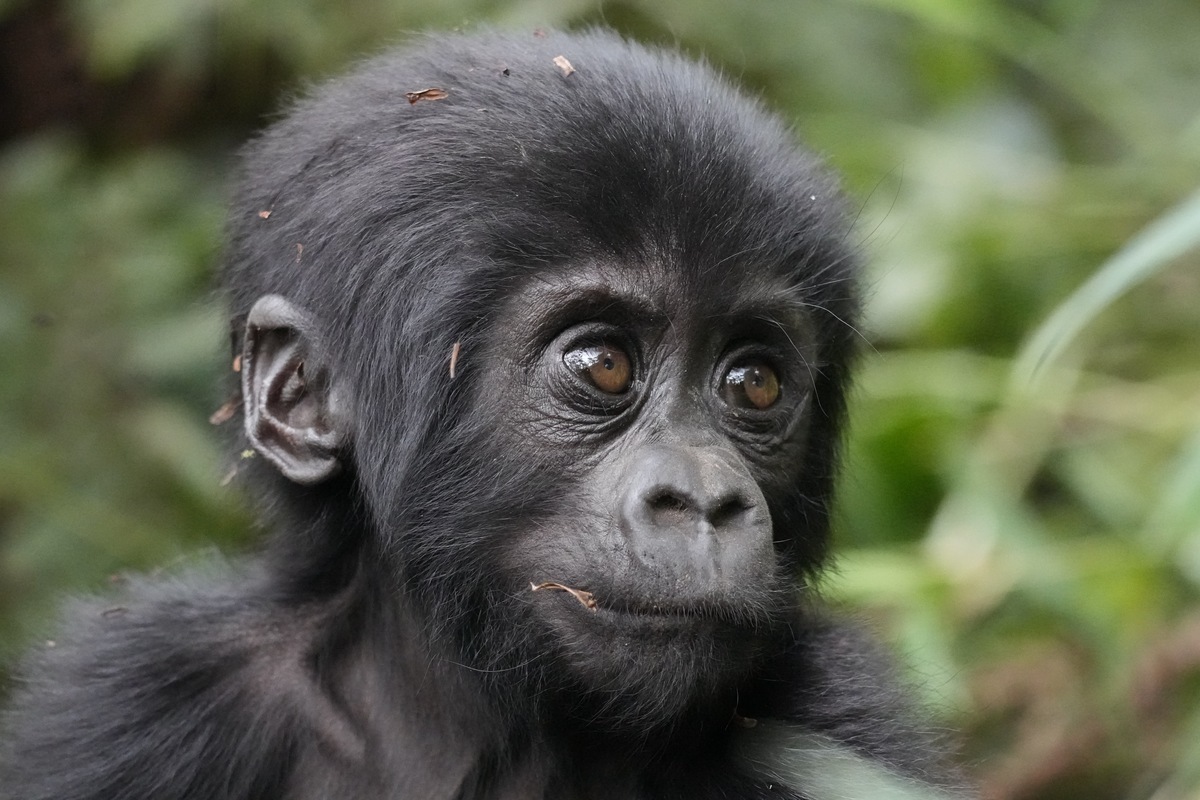
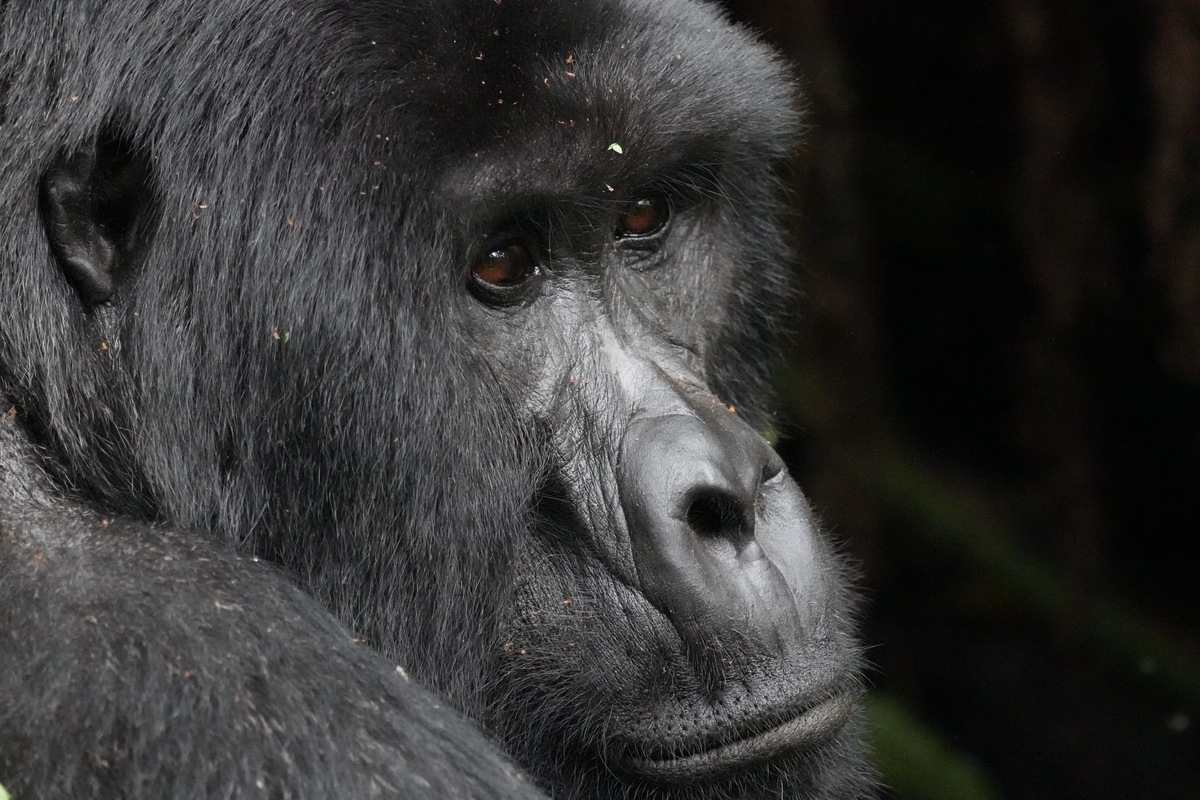
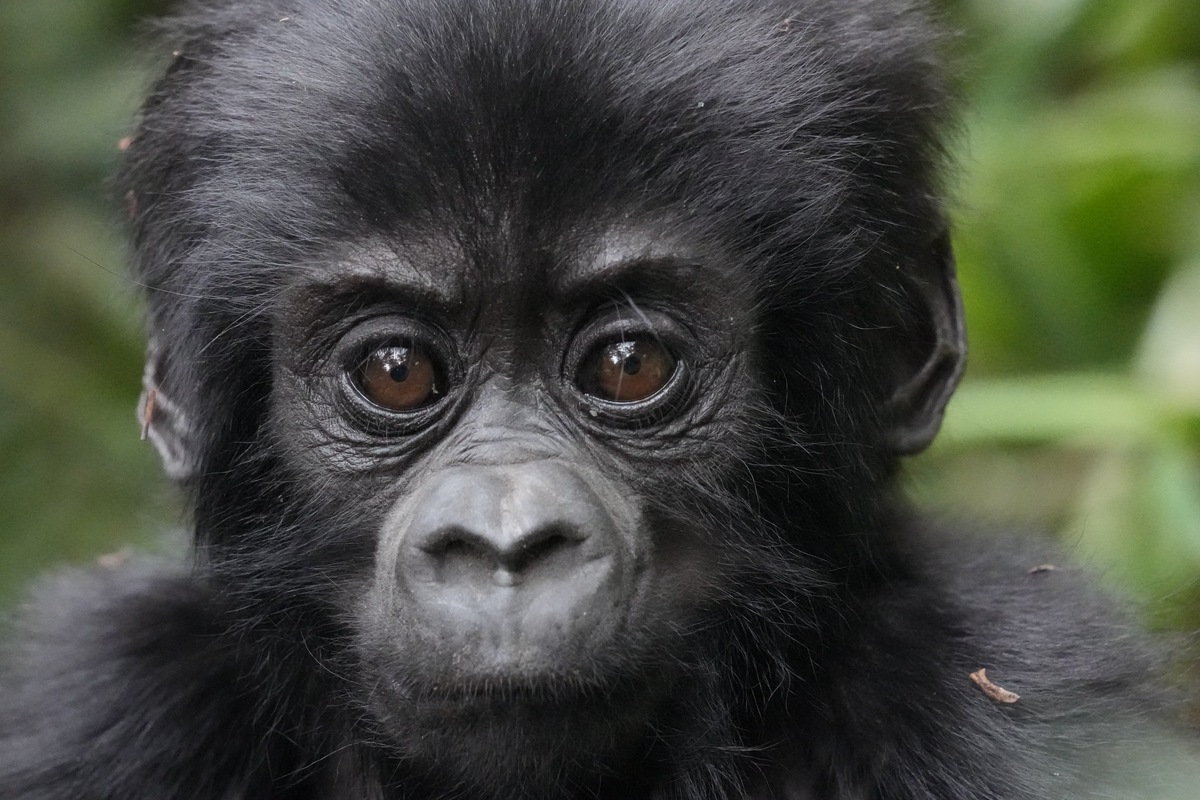
The Batwa developed a close relationship with the natural environment, including the mountain gorillas that inhabit Bwindi. Their traditional way of life was closely connected to the rhythms of the forest, which provided almost everything they needed.
The Batwa and Their Ancestral Home in Bwindi Forest
Bwindi Impenetrable Forest is internationally recognised for its biodiversity and is one of the most important habitats for endangered mountain gorillas. However, long before it became a national park and a destination for gorilla trekking, the forest was home to the Batwa.
For the Batwa, Bwindi was a source of life and a place of spiritual belonging. They depended on its natural resources for their daily needs, gathering fruits, collecting honey, hunting small animals and identifying plants with medicinal properties. They also constructed temporary shelters using forest materials and moved according to the availability of food and other resources.
Their relationship with the forest extended beyond survival. It was central to their identity, traditions and understanding of the world. Many of their stories and spiritual practices were associated with particular places within the forest.
One traditional saying captures this connection: a Mutwa loves the forest as much as their own body. It reflects the importance of the forest in Batwa culture and helps explain why losing access to their ancestral home had such a profound impact on their community.
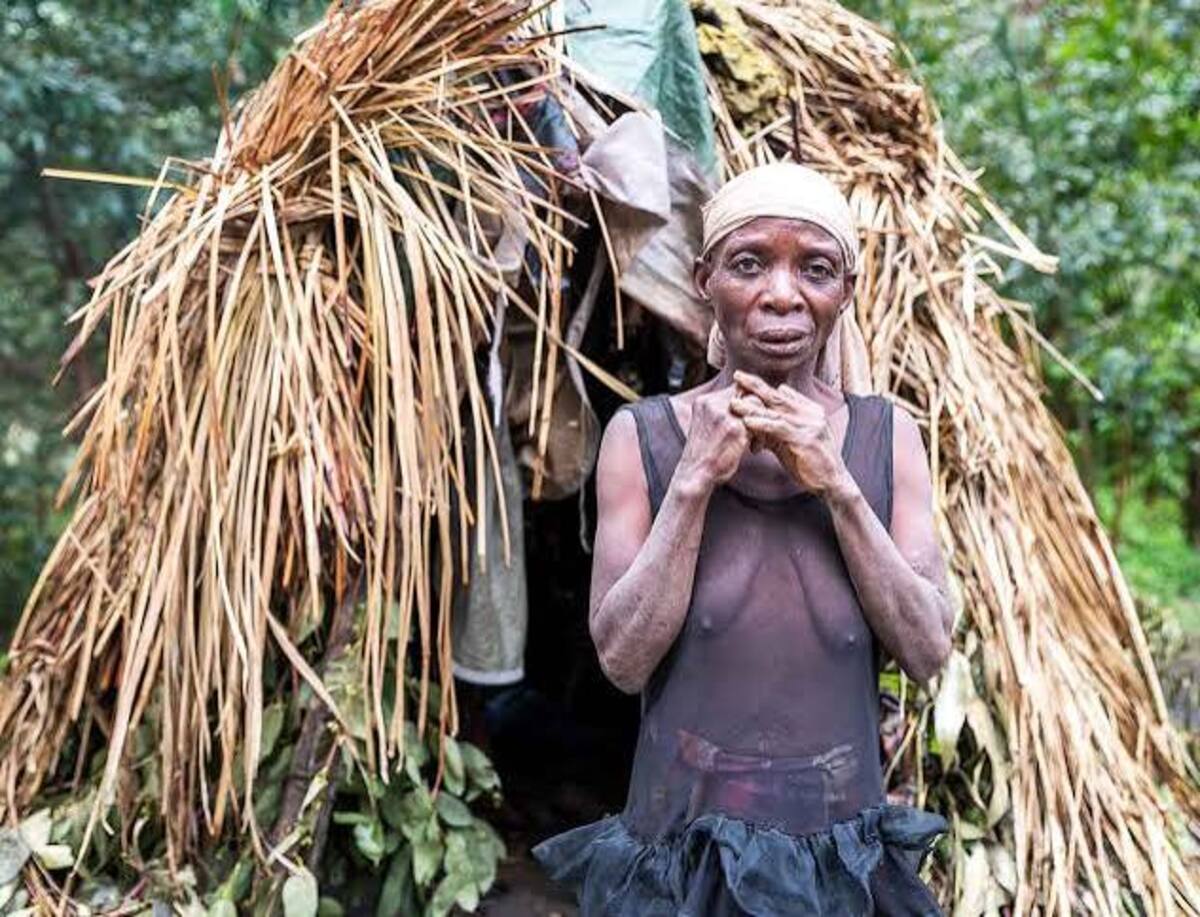
Mutwa of Bwindi
What Happened to the Batwa When Bwindi Became a National Park?
The history of the Batwa took a dramatic turn in the early 1990s when Bwindi Impenetrable Forest and Mgahinga were established as protected areas to conserve their forests, wildlife and endangered mountain gorillas. With the establishment of these national parks in 1991, the Batwa were evicted from their traditional forest homes.
The changes were profound. A community that had depended on the forest for generations suddenly lost access to the land and natural resources that sustained its way of life. Their traditional hunting and gathering skills became difficult to practise, while adapting to a society based on farming, land ownership and other forms of employment presented significant challenges.
The displacement was not simply a loss of shelter or access to food. It also affected their spiritual traditions, cultural practices and connection to places that had been central to their identity for generations. Many Batwa families faced poverty, land insecurity and discrimination as they adjusted to life outside the forest.
The establishment of Bwindi and Mgahinga played an important role in protecting Uganda’s mountain gorillas and conserving some of the country’s most valuable natural habitats. However, the Batwa experience also highlights an important part of conservation history: the need to recognise the rights, livelihoods and cultural heritage of indigenous communities who have traditionally depended on protected landscapes.
Understanding this history makes a visit to the Batwa community more meaningful. It allows visitors to appreciate not only the traditions that have survived but also the challenges the community continues to face.
How Do the Batwa Live Today?
Today, the Batwa live in communities around Bwindi and Mgahinga, outside the forests that were once their ancestral homes. Their lifestyles have changed considerably, and many families depend on small-scale farming, casual labour and other income-generating activities.
Some community members have gained access to education, healthcare and housing through support from development organisations and community initiatives. The Batwa Development Program, among other initiatives, works to improve living conditions, support education and promote the preservation of Batwa culture.
Nevertheless, challenges remain. Limited access to productive land, poverty, social discrimination and the gradual loss of traditional knowledge continue to affect many families.
Cultural tourism has become one way for Batwa communities to share their heritage with visitors while generating income. Through guided experiences, traditional performances and storytelling, community members have opportunities to present their history in their own voices and pass important knowledge to younger generations.
Visiting the Batwa is therefore not simply about observing an ancient way of life. It is also an opportunity to understand a living community, its changing circumstances and its efforts to preserve its cultural identity.
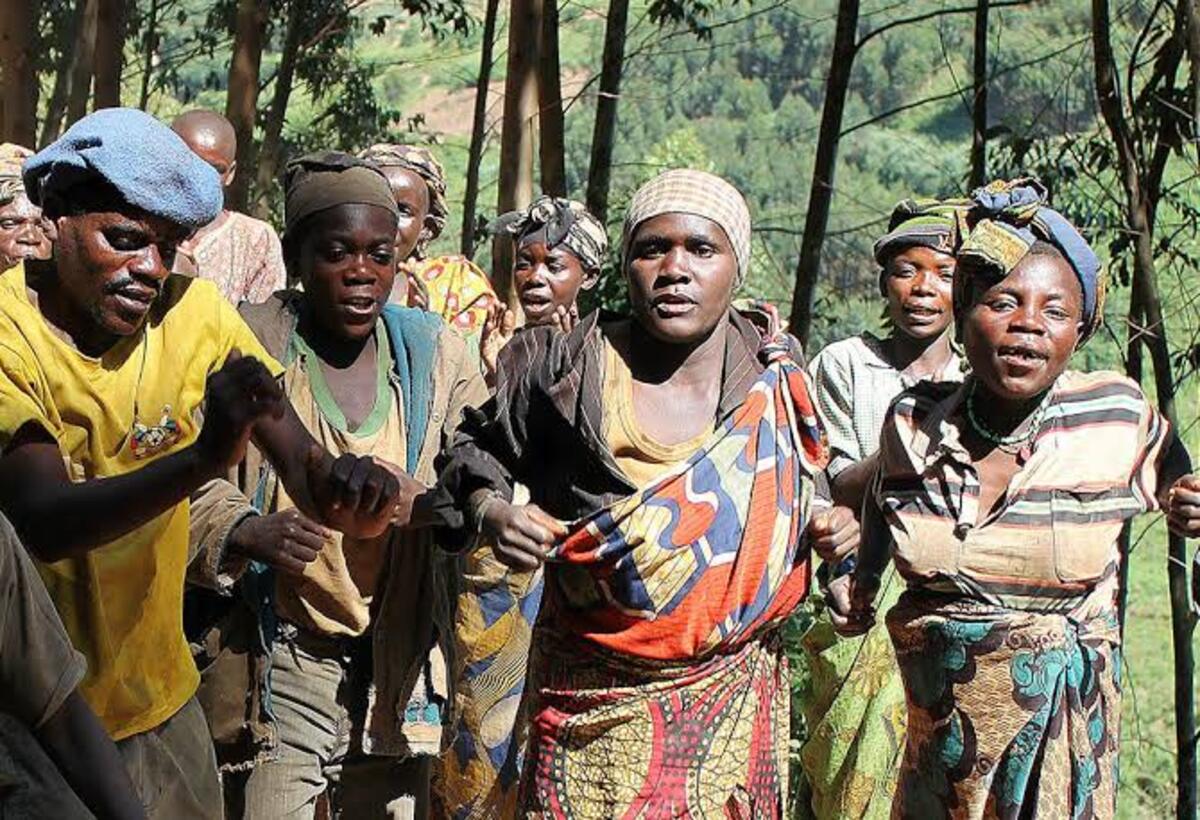
Batwa community today
What to Expect During the Batwa Cultural Experience in Bwindi
The Batwa cultural experience provides a closer look at the traditions, knowledge and everyday activities that once shaped life in the forest. It is generally organised as a guided community visit, with the activities depending on the location and programme.
Some experiences begin with a guided walk through the forest, following trails associated with the Batwa’s traditional way of life. During the walk, guides explain how their ancestors searched for food, gathered medicinal plants, collected honey and hunted small game using traditional bows and arrows. You may also learn how they identified edible roots, fruits and other forest resources and constructed temporary shelters using branches and leaves as well as starting fire using wood.
At a Batwa homestead, visitors can observe aspects of traditional food preparation and learn how women prepared, cooked and served meals using locally available ingredients. Community members share stories about their customs, family life and the knowledge passed down through generations. These conversations offer a more personal understanding of their relationship with the forest and how their daily lives have changed.
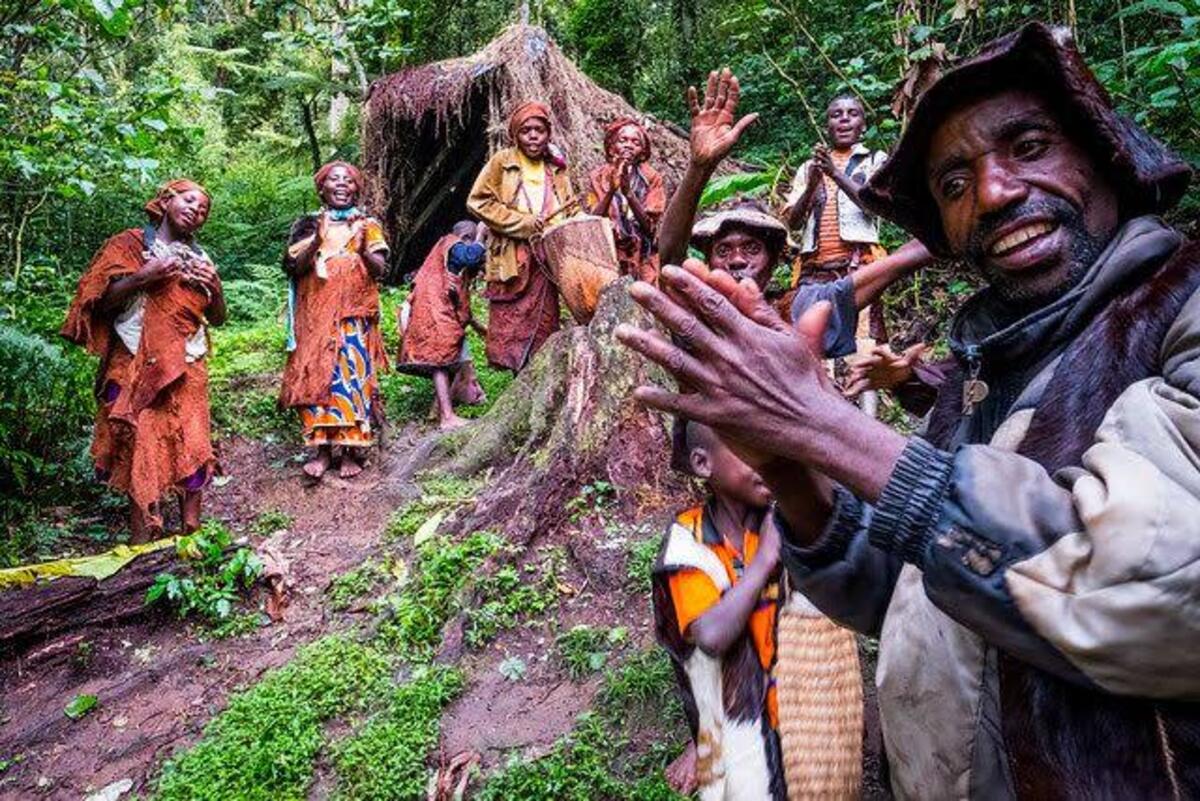
Traditional music, dance and storytelling are also important parts of the experience. The performances offer an opportunity to appreciate the Batwa’s musical traditions, while community elders and other members share stories about their history, spiritual beliefs and experiences. Visitors are encouraged to interact with community members, ask questions and learn directly from the people whose heritage is being shared.
The experience is particularly rewarding because it goes beyond a conventional cultural performance. It provides an opportunity to listen, learn and understand the history behind the traditions.
Traditional Batwa Hunting, Food Gathering and Forest Medicine
One of the most fascinating aspects of Batwa culture is the depth of knowledge developed through generations of living in the forest.
Traditionally, the Batwa hunted small game using bows and arrows, relying on their ability to track animals and understand their movements. They also gathered wild fruits, roots, mushrooms and honey, depending on the season and availability of natural resources.
Their understanding of forest plants was equally important. Different roots, leaves and herbs were used in traditional medicine, and knowledge of their properties was passed down through generations. During a cultural visit, community members demonstrate how particular plants were traditionally identified and used.
Shelter construction was another important skill. Using branches, leaves and other natural materials, the Batwa built temporary homes that suited their forest lifestyle. These practical skills demonstrate how closely their everyday activities were connected to their surroundings.
Learning about these traditions offers a fascinating perspective on the relationship between indigenous communities and their natural environment. It also helps visitors appreciate the depth of traditional ecological knowledge that can easily be overlooked when exploring a forest primarily for its wildlife.
Why Include a Batwa Cultural Visit in Your Uganda Safari?
Most visitors travel to Bwindi Impenetrable National Park for the opportunity to encounter endangered mountain gorillas in their natural habitat. Gorilla trekking is undoubtedly one of Uganda’s most memorable wildlife experiences, but the region also has a rich cultural history worth exploring.
A visit to the Batwa community complements gorilla trekking by introducing a different perspective on Bwindi. Instead of focusing only on the wildlife, visitors learn about the people who once called the forest home and whose history is closely connected to the landscape.
The experience also provides an opportunity to support community-based tourism. By participating in a cultural visit, travellers contribute to local income opportunities while helping create a platform for Batwa community members to share their traditions and knowledge.
For travellers interested in culture, history and responsible tourism, the Batwa experience is a meaningful addition to a Bwindi safari. It is particularly valuable for those who want to understand Uganda beyond its national parks and wildlife attractions.
Best Time to Visit the Batwa Community in Bwindi
The Batwa cultural experience can generally be included in a Uganda safari throughout the year. Bwindi is a year-round destination, although the forest receives rainfall in all seasons.
The drier months, particularly June to September and December to February, are popular for gorilla trekking and other outdoor activities. During the wetter months, especially March to May and October to November, forest trails can become muddy and slippery, making suitable walking shoes and rain protection important.
If you are planning a gorilla trekking safari, the Batwa cultural experience can be arranged as part of your itinerary, depending on the community programme, location and available time. Your safari operator can advise on the most suitable arrangement and whether the visit works best before or after your gorilla trek.
A Meaningful Cultural Experience Beyond Gorilla Trekking
The Batwa story is an important part of the history of Bwindi Impenetrable National Park. Their ancestral connection to the forest, traditional knowledge and experiences following displacement provide a perspective that goes beyond wildlife conservation.
Meeting the Batwa offers an opportunity to appreciate their cultural heritage, listen to their stories and understand the changes that have shaped their lives. It is a reminder that the forests of Uganda are not only important natural habitats but also landscapes with deep human histories.
When planning your Uganda safari with Naseeb Safaris Uganda, consider including a Batwa cultural experience alongside gorilla trekking in Bwindi. It is an opportunity to discover another side of Uganda, connect with local communities and gain a deeper appreciation of the people and stories behind one of Africa’s most remarkable forests.