
Travelling Solo in Uganda – Exploring the Pearl of Africa Alone
Travelling Solo in Uganda – Exploring the Pearl of Africa Alone, Travelling alone has a way of changing how you experience a destination. Without the routines and expectations of group travel, you notice more: the sounds of a forest at dawn, conversations with local people, the details of a landscape passing by your vehicle window, and the small moments that often become the strongest memories.
Uganda is particularly suited to this style of travel. The country combines wildlife, forests, mountains, lakes, and cultural experiences in a way that allows solo travelers to explore independently while still having access to experienced guides and local support when needed.
From tracking mountain gorillas through the misty forests of the southwest to watching elephants along the banks of the Nile, a solo Uganda safari offers both adventure and connection. You can spend your days exploring remarkable landscapes and your evenings reflecting on experiences that are entirely your own.
For first-time solo travelers, Uganda provides a balance that many people look for: the freedom of travelling alone without having to manage every detail by yourself.
At Naseeb Safaris, we understand that solo travel requires careful planning. A successful solo safari is built on reliable logistics, knowledgeable guides, safe transportation, and an itinerary that matches your interests and comfort level.
This guide explains everything you need to know about planning solo tours in Uganda, including the best destinations, safety advice, travel preparation, costs, activities, and practical tips to help you make informed decisions.
Why Uganda Is an Excellent Choice for Solo Travellers
Many people associate solo travel with independence, curiosity, and personal discovery. Uganda offers all three, while providing plenty of opportunities to connect with local communities, guides, and fellow travelers along the way.
The country’s variety is one of its greatest strengths. Within one journey, a solo traveler can experience:
- Mountain gorilla trekking in ancient rainforest
- Wildlife safaris across open savannah
- Chimpanzee tracking in tropical forests
- Boat cruises on lakes and rivers
- Cultural experiences with local communities
- Adventure activities around the Nile
- Scenic landscapes and peaceful nature retreats
Unlike some destinations where independent travel requires complex planning, Uganda’s main attractions are well connected through experienced safari operators, lodges, and local guides.
A solo journey here can be as adventurous or relaxed as you choose.
You may spend one day hiking through a forest searching for primates and the next day sitting quietly beside a lake, reading a book or watching birds move across the water.
What Makes a Solo Safari in Uganda Different?
A safari is often imagined as a shared experience, but travelling alone can create a more personal connection with the landscape.
When you are not following another person’s schedule, you have more freedom to spend time on what interests you most.
You may choose to:
- Watch wildlife for longer periods
- Ask your guide more questions
- Spend extra time photographing landscapes
- Focus on birdwatching
- Explore cultural experiences more deeply
- Adjust your pace according to your energy levels
A solo safari is not necessarily about being alone throughout the journey. Many travelers find connections naturally through guides, lodge staff, local communities, and other visitors.
The difference is that the journey belongs completely to you.
Is Uganda Safe for Solo Travellers?
Safety is one of the most common questions people ask when considering solo travel.
Uganda welcomes international visitors and has a long history of tourism, particularly around national parks and wildlife experiences. However, responsible travel habits are important, just as they are anywhere in the world.
Solo travelers should approach Uganda with the same awareness they would use when visiting any unfamiliar destination.
Helpful precautions include:
- Booking activities with reputable tourism providers
- Keeping passports, money, and important documents secure
- Following advice from local guides
- Respecting wildlife regulations
- Avoiding unnecessary risks in unfamiliar areas
- Informing someone of your travel plans
- Carrying emergency contact details
One of the advantages of travelling with an experienced safari company is having local support throughout your journey. Your guide can assist with navigation, cultural questions, park regulations, and unexpected situations.
Solo travel does not mean handling everything alone.
Best Destinations for Solo Tours in Uganda
Uganda offers destinations that appeal to different types of solo travelers. Whether your priority is wildlife, adventure, photography, culture, or relaxation, there are several regions worth considering.
Bwindi Impenetrable National Park: A Personal Gorilla Trekking Experience
For many visitors, gorilla trekking is the main reason to travel to Uganda.
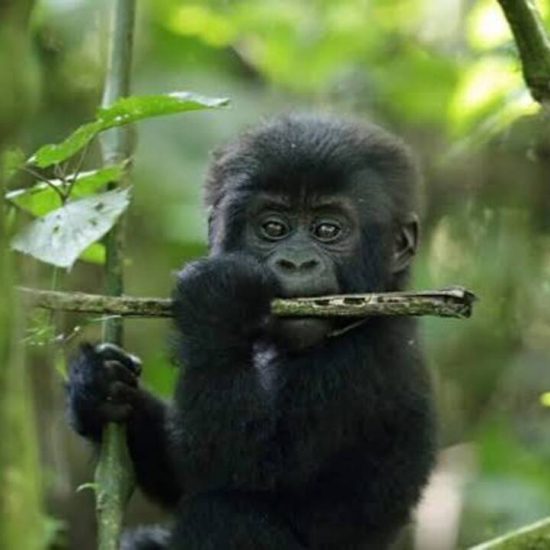
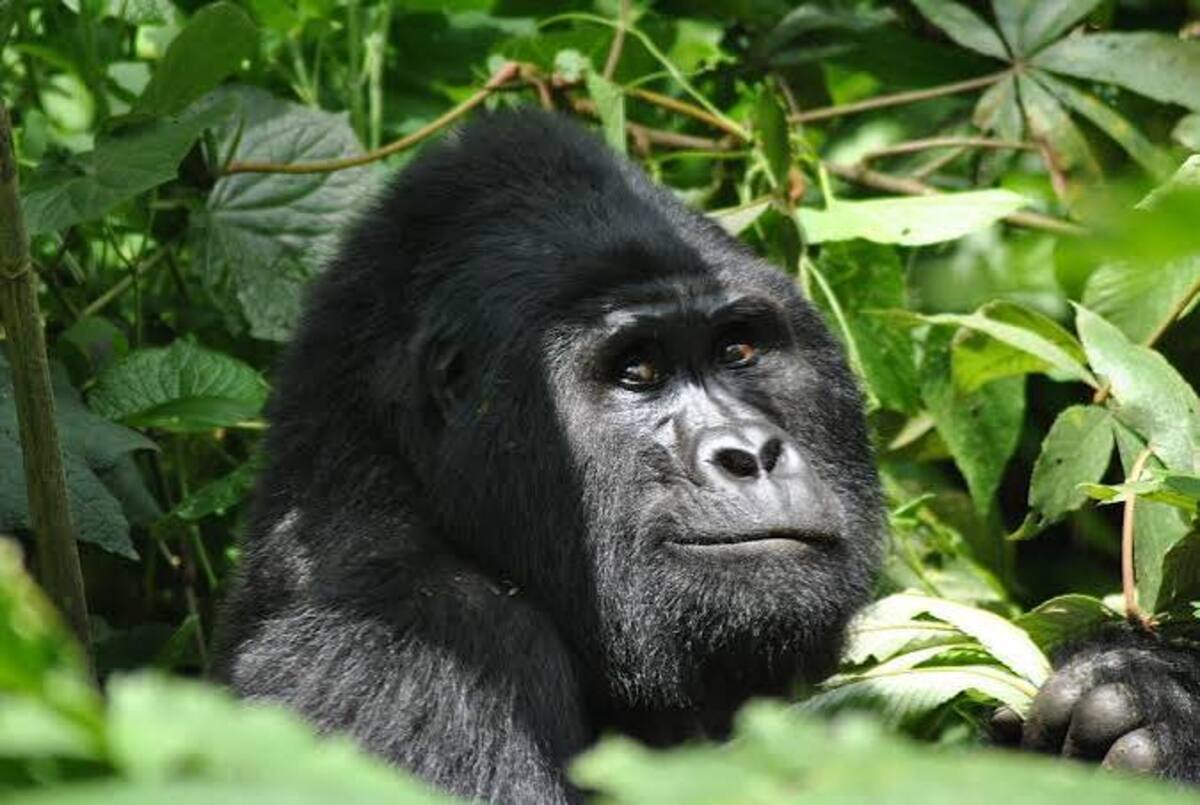
Located in southwestern Uganda, Bwindi Impenetrable National Park protects one of the world’s remaining populations of mountain gorillas. The forest is ancient and dense, with steep slopes, thick vegetation, and a constantly changing atmosphere.
A typical trek begins with a ranger briefing before visitors enter the forest with trackers who monitor habituated gorilla families.
The walk itself varies greatly. Some groups may be found relatively close to the starting point, while others require several hours of hiking through challenging terrain.
Walking through the forest, listening to the sounds around you, and finally observing gorillas in their natural environment creates a powerful connection with the place.
Visitors may see gorillas:
- Feeding on vegetation
- Moving through the forest
- Resting together
- Caring for young members of the group
The encounter is carefully managed to protect both visitors and gorillas, with strict guidelines on time spent with the animals, viewing distances and wearing face masks when you come to sight with these gentle giants.
Gorilla Trekking Practical Information
Gorilla Permits
A gorilla trekking permit is required for every visitor.
Permit prices are set by the Uganda Wildlife Authority and can change, so travelers should confirm current rates when planning their trip.
Because daily trekking numbers are limited to 8 people per gorilla family, permits are often booked months in advance, particularly during popular travel periods.
Many safari companies arrange permits as part of a complete itinerary, helping travelers coordinate transport, accommodation, and trekking dates.
How Fit Do You Need to Be?
Fitness requirements vary because every trek is different.
The terrain can include:
- Steep hills
- Uneven paths
- Muddy sections
- Dense vegetation
You do not need to be an experienced mountaineer, but regular walking and preparation will make the experience more comfortable.
Solo travelers can also hire a local porter. Porters assist with bags and provide support on difficult sections of the trail while benefiting directly from tourism income.
Queen Elizabeth National Park: A Classic Solo Safari Destination
Queen Elizabeth National Park is one of Uganda’s most accessible and diverse wildlife destinations.
Its landscapes include open grasslands, wetlands, lakes, and forest areas, creating opportunities to see a wide range of wildlife.
Solo travelers can enjoy:
- Game drives
- Kazinga Channel boat cruises
- Birdwatching
- Photography
- Scenic viewpoints
- Salty crater lakes experiences
The park is home to species including:
- African savanna Elephants
- Cape Buffalo
- Hippos
- Uganda kob
- Warthogs
- Numerous bird species like lapwings, cray crowned cranes.
Lions and leopards are also present, although wildlife sightings are never guaranteed.
The Kazinga Channel boat cruise is especially popular because it offers a slower way to experience the park. Sitting on the water provides excellent views of animals along the shoreline and allows solo travelers to enjoy the landscape from a different perspective.
For photographers and nature lovers, this destination offers plenty of opportunities to observe and capture Uganda’s wildlife.
Murchison Falls National Park: River Adventures and Wildlife Encounters
Northern Uganda’s Murchison Falls National Park is a strong choice for solo travelers who want a traditional safari experience combined with dramatic landscapes.
The park takes its name from the point where the Nile River forces its way through a narrow gorge of about 7m before continuing northwards, through the savannah. The falls are one of the region’s most recognisable natural features, but the surrounding wilderness is equally important to the experience.
A solo traveler here can combine several activities:
- Morning or afternoon game drives
- Boat cruises along the Nile River
- Visits to viewpoints overlooking the falls
- Wildlife photography
- Sport fishing
- Birdwatching
The open plains provide opportunities to see animals such as:
- African savanna Elephants
- Rothschild Giraffes
- Cape Buffalo
- Antelope species like Jackson hartebeest
- Hippos
- Nile crocodiles
- Spotted hyenas
Lions and leopards are also found in the park, although sightings depend on many factors, including season, location, and animal movement.
The Nile boat cruise is often a highlight because it allows travelers to observe wildlife from a different angle. As the boat moves slowly along the river, you may see hippos resting in the water, crocodiles along the banks, and birds hunting or feeding near the shoreline.
For solo travelers, this slower pace can be a welcome contrast to game drives. It provides time to take photographs, ask questions, and simply enjoy the surroundings.
Kibale Forest National Park: Chimpanzee Tracking and Forest Exploration
For travelers fascinated by primates, Kibale Forest offers one of Uganda’s most rewarding nature experiences.
The forest is known for chimpanzee tracking, where visitors follow experienced guides and trackers in search of habituated chimpanzee communities.
The experience is different from a typical safari. Instead of scanning open landscapes from a vehicle, visitors move through a living forest ecosystem.
As you walk beneath the canopy, you may hear:
- Birds calling from the trees
- Monkeys moving through branches
- Insects creating constant background sounds
- Leaves shifting as animals move nearby
Chimpanzee encounters are unpredictable because these are wild animals. Some days involve longer walks before finding them, while other days may bring quicker sightings.
Beyond chimpanzees, Kibale is home to other 12 primates, including:
- Red-tailed monkeys
- Black-and-white colobus monkeys
- L’Hoest’s monkeys
- Pottos
- Olive baboons
- Bushbabies
Solo travelers often appreciate forest experiences because they encourage observation and patience. The journey is not only about reaching a destination but also about noticing the environment along the way.
Jinja: Adventure, Culture, and Meeting Other Travellers
Located near the source of the Nile River, Jinja is one of Uganda’s most popular destinations for travelers seeking adventure.
While traditional safaris focus on wildlife, Jinja offers a different style of experience. It is a place where solo travelers can participate in activities, meet other visitors, and experience local life.
Popular activities include:
- White water rafting
- Zip lining
- Boat cruises on river Nile
- Cultural tours
- Cycling excursions
- Visiting local markets
- Exploring historical sites
Jinja is particularly appealing for solo travelers because many activities naturally bring people together. It is common for visitors staying in the area to share experiences and connect with travelers from different countries.
For those who want a balance between adventure and social interaction, Jinja can be an excellent addition to a Uganda itinerary.
Lake Bunyonyi: A Peaceful Stop Between Adventures
Lake Bunyonyi is one of Uganda’s most relaxing destinations and a popular addition to safari itineraries. Bunyonyi means small birds because of so many bird species around this lake.
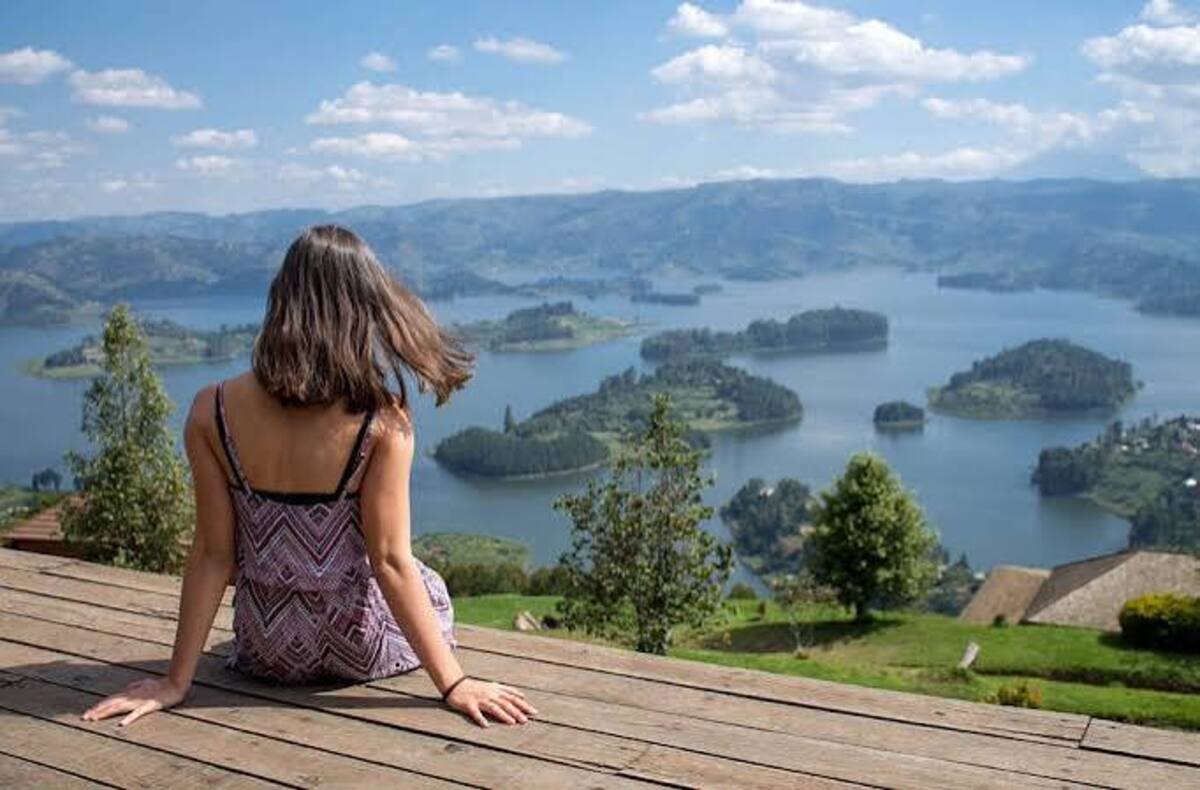
Located in southwestern Uganda near the Rwanda border, the lake is surrounded by green hills and small islands. Its calm atmosphere makes it an ideal place to slow down after active experiences such as gorilla trekking. It’s the deepest lake in Uganda with 900m depth.
Solo travelers often come here to:
- Rest after hiking activities
- Enjoy canoe trips
- Explore the islands
- Photograph landscapes
- Spend quiet time reading or reflecting
The lake also provides opportunities to interact with local communities and learn more about daily life in the surrounding region.
For many travellers, this type of peaceful stop creates balance within a busy safari itinerary.
Planning Your Solo Tour in Uganda
A successful solo trip begins with choosing an itinerary that matches your interests, energy level, and travel style.
Uganda offers many possibilities, but trying to include too many destinations can make the journey feel rushed.
The best itineraries allow enough time to enjoy each place.
Decide What Type of Solo Experience You Want
Before booking, consider what matters most to you.
Are you mainly interested in:
- Gorilla trekking?
- Wildlife photography?
- Birdwatching?
- Cultural experiences?
- Adventure activities?
- Relaxed nature escapes?
- Luxury lodge stays?
- Budget travel?
Your priorities will influence where you go, how long you stay, and what type of accommodation works best.
A traveler focused on primates may spend more time in Bwindi and Kibale, while someone interested in classic safari experiences may prioritise Queen Elizabeth, Murchison Falls, lake Mburo and Kidepo valley national park.
How Many Days Do You Need for a Solo Uganda Safari?
The ideal length depends on your interests and budget.
A short trip of around 3–5 days may focus on one major experience, such as:
- Gorilla trekking
- A nearby wildlife safari
- Jinja adventure activities
A longer itinerary of 7–14 days allows a more complete experience combining:
- Gorilla trekking
- Chimpanzee tracking
- Savanna national parks
- Cultural experiences
Many first-time visitors choose a longer itinerary because Uganda’s attractions are spread across different regions, and travel between destinations can involve several hours on the road.
Transportation and Road Conditions in Uganda
Most safari journeys in Uganda are completed by road.
For international visitors, having a professional driver-guide is often the easiest and most comfortable option because they understand:
- Park routes
- Road conditions
- Wildlife areas
- Local regulations
- Travel timing
Distances can sometimes look short on a map but take longer than expected because of rural roads, traffic, weather, and stops along the way.
Common travel times may include:
- Kampala to Bwindi: approximately 8–9 hours depending on route and sector
- Kampala to Queen Elizabeth National Park: approximately 5–7 hours
- Kampala to Murchison Falls: approximately 5–7 hours if ziwa rhino stop over is included.
The journey itself is part of the experience. Road trips often pass through villages, farmland, landscapes, and changing environments that reveal another side of Uganda.
Accommodation Options for Solo Travellers
Uganda offers accommodation for different budgets and travel styles.
Budget Accommodation
Suitable for travelers who prioritise experiences over luxury.
Options may include:
- Simple lodges
- Guesthouses
- Basic safari camps
Mid-Range Accommodation
A popular choice for many safari travelers.
These properties often provide:
- Comfortable rooms
- Good locations
- Restaurant facilities
- Nature views
Luxury Accommodation
Ideal for travelers looking for extra comfort after days of exploration.
Luxury lodges may offer:
- Spacious rooms
- Private settings
- Premium dining
- Exceptional views
- Additional services
Solo travelers should consider whether they prefer shared social spaces or more private accommodation.
Naseeb safaris can recommend lodges based on your preferences, budget, and destinations.
Understanding Solo Safari Costs
The cost of a solo Uganda safari depends on several factors.
Main price influences include:
- Number of days
- Accommodation level
- Private or shared transport
- Gorilla or chimpanzee permits
- Number of destinations
- Activities included
- Time of travel
Solo travelers pay more per person because transportation and guide costs are all on them and not shared. However, there are ways to manage costs, including:
- Choosing mid-range accommodation
- Joining scheduled departures where available
- Selecting fewer destinations
- Travelling during less busy periods
The most important step is understanding exactly what is included in your package.
A reliable operator should clearly explain:
- Accommodation
- Transport
- Park fees
- Activity costs
- Meals included
- Additional expenses
What Should Solo Travelers Pack for Uganda?
Packing well can make a major difference to your comfort during a Uganda safari. The country’s landscapes and activities vary greatly, so your luggage should prepare you for everything from warm savannah days to cool forest mornings.
A practical packing list includes:
- Comfortable walking shoes or hiking boots
- Lightweight, breathable clothing
- A warm fleece or jacket for early mornings and evenings
- Long trousers for forest walks and outdoor activities
- Long-sleeved shirts for sun and insect protection
- Rain jacket or waterproof layer
- Sun hat and sunglasses
- Sunscreen
- Insect repellent
- Personal medication
- Reusable water bottle
- Small daypack
- Camera equipment and spare batteries
- Travel documents and copies
- Power adapter suitable for Uganda
For gorilla trekking and forest activities, clothing should focus on comfort and protection rather than style. Trails can be muddy, vegetation can be dense, and weather conditions can change quickly.
Neutral colours such as brown, green, and beige are often recommended for wildlife activities because they blend more naturally with the environment.
Avoid wearing very bright colours during forest walks where possible.
Photography Tips for a Solo Uganda Safari
Uganda offers excellent opportunities for wildlife and landscape photography, but good images often depend on patience rather than expensive equipment.
Solo travelers have one advantage: flexibility. You can spend more time waiting for the right moment without needing to consider a group schedule.
Helpful photography tips include:
Bring the Right Equipment
Consider carrying:
- A camera with a zoom lens for wildlife
- Extra memory cards
- Spare batteries
- A lightweight tripod or support if needed
- Lens cleaning equipment
Smartphones can also capture excellent travel moments, especially landscapes and cultural experiences.
Respect Wildlife Photography Rules
Photography should never come before animal welfare.
During gorilla trekking:
- Do not use flash
- Follow ranger instructions
- Maintain the required distance
- Avoid sudden movements
During game drives:
- Listen to your guide
- Avoid distracting the driver
- Be patient with wildlife behaviour
The best wildlife photographs often come from observing quietly rather than trying to force a moment.
Cultural Experiences for Solo Travellers in Uganda
Uganda’s appeal extends far beyond wildlife.
Meeting people, learning local traditions, and understanding everyday life can become some of the most meaningful parts of a solo journey.
Depending on your itinerary, cultural experiences may include:
- Visiting local communities
- Learning traditional cooking methods
- Exploring markets
- Meeting local artisans
- Coffee farm visits
- Traditional music and dance performances
- Conversations with community guides
Solo travelers often find these experiences especially rewarding because they encourage direct interaction.
A conversation with a local guide, a shared meal, or learning the story behind a traditional craft can provide a deeper understanding of the country.
Responsible cultural tourism should always be based on respect. Communities are not attractions; they are places where people live, work, and share their traditions.
Responsible Solo Travel in Uganda
Tourism plays an important role in supporting conservation and communities across Uganda.
As a visitor, your choices can help protect the places you travel through.
Responsible travel practices include:
- Respecting wildlife regulations
- Keeping a safe distance from animals
- Avoiding litter and unnecessary plastic waste
- Supporting locally owned businesses
- Choosing ethical tourism providers
- Respecting cultural traditions
- Following conservation guidelines
For gorilla and chimpanzee experiences, responsible tourism is particularly important because these animals are vulnerable to human diseases and disturbances.
Simple actions such as following visitor limits, maintaining distance, and listening to guides help protect these populations.
Responsible travel is not about limiting your experience. It often creates a deeper connection with the destination.
Common Mistakes Solo Travelers Make in Uganda
Good preparation helps avoid problems that can affect your experience.
Some common mistakes include:
Trying to See Too Much in Too Little Time
Uganda may appear small on a map, but travel between destinations can take several hours.
A rushed itinerary can mean spending more time in vehicles than enjoying experiences.
A better approach is choosing fewer destinations and allowing enough time to appreciate each one.
Booking Gorilla Trekking Too Late
Gorilla permits are limited and demand can be high during popular travel periods.
Solo travelers should plan ahead, especially if their dates are fixed.
Underestimating the Weather
Uganda’s climate varies by region.
Rain can occur even during generally drier periods, especially in forest areas.
Packing waterproof clothing and allowing flexibility helps avoid disappointment.
Choosing the Cheapest Option Without Checking Inclusions
A lower price does not always mean better value.
Before booking, confirm what is included, reputation and expertise of the tour operator.
Clear communication prevents unexpected costs later.
Why Choose Naseeb Safaris for a Solo Uganda Adventure?
Travelling alone does not mean you have to organise every detail yourself.
A knowledgeable safari company like Naseeb safaris can provide the local expertise and support needed to make your journey smoother.
At Naseeb Safaris, we focus on creating personalised Uganda safari experiences that combine independence with reliable support.
We help solo travelers with:
- Custom itinerary planning
- Gorilla and chimpanzee trekking arrangements
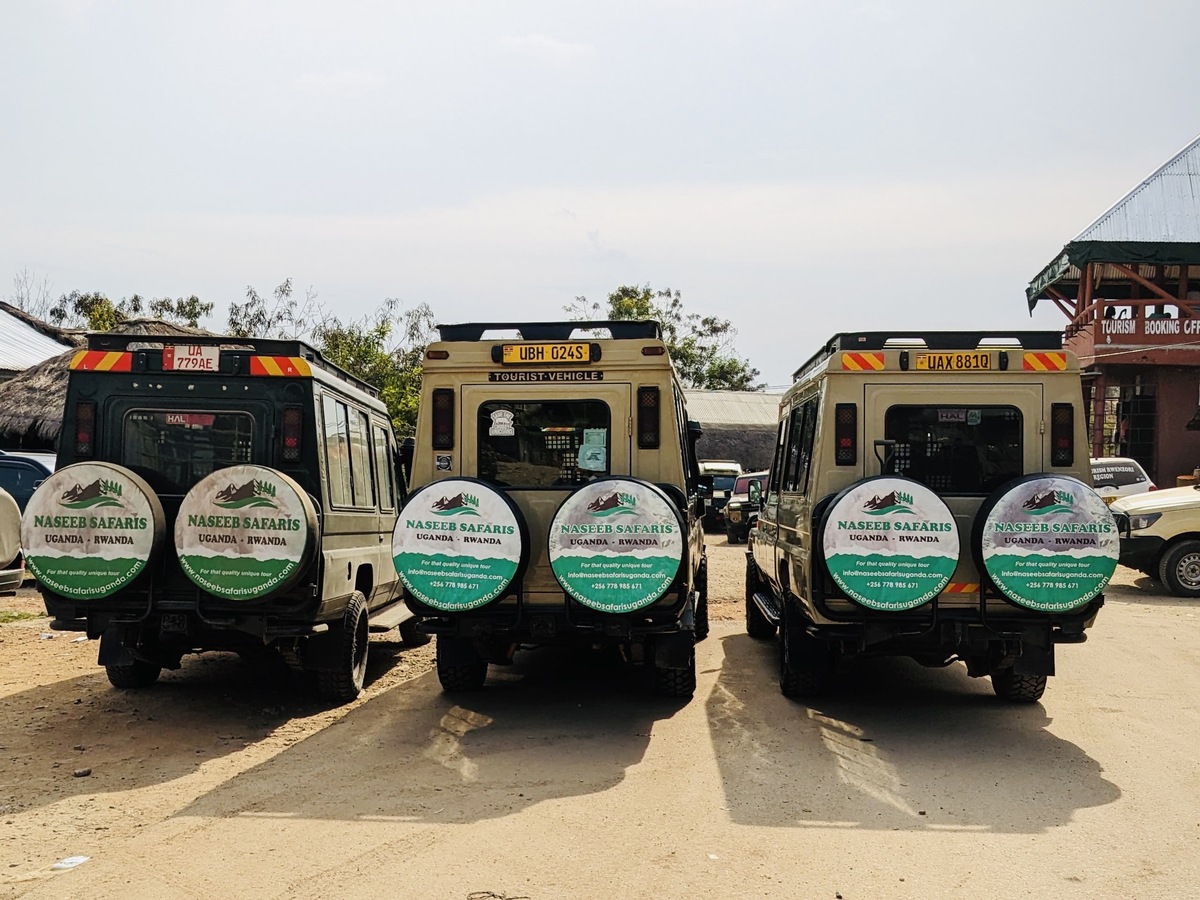
- Comfortable 4×4 Safari transportation
- Accommodation recommendations
- Experienced local guides
- Cultural experiences
- Practical travel advice
Our goal is to help you explore Uganda confidently while allowing space for the personal discovery that makes solo travel special.
A good solo journey should feel adventurous, comfortable, and well organised.
Frequently Asked Questions About Solo Tours in Uganda
Can I travel to Uganda alone?
Yes. Many international travelers visit Uganda independently and enjoy successful solo journeys.
However, because many attractions involve remote areas and long-distance travel, many solo visitors choose to work with a safari operator for transport, permits, and local guidance.
Is Uganda good for first-time solo travelers?
Uganda can be an excellent choice for first-time solo travelers, especially those interested in wildlife, nature, and cultural experiences.
The availability of guided activities means you can enjoy independence while still having professional support.
What is the best time to visit Uganda for a solo safari?
Uganda can be visited throughout the year.
Many travelers prefer the drier periods, generally around June to August and December to February, because roads may be easier and outdoor activities more comfortable.
However, the best time depends on your priorities.
Rainy seasons can bring greener landscapes, fewer visitors, and excellent photography opportunities.
How much does a solo Uganda safari cost?
There is no single price because costs depend on:
- Trip length
- Accommodation style
- Destinations
- Transport arrangements
- Activities included
Solo travelers often pay higher per-person rates because some costs are not shared with anyone else but different budget levels are possible.
Will I meet other travellers during my trip?
Yes! Many travelers meet others at:
- Safari lodges
- During Gorilla and chimpanzee trekking
- Adventure activities
- Cultural experiences
- Backpacker accommodations
Uganda attracts visitors from many countries, making it easy to share conversations and experiences.
Can seniors travel alone in Uganda?
Yes, provided the itinerary matches their comfort level.
Many activities can be adapted
More physically demanding activities, such as gorilla trekking, require additional consideration and preparation.
Can I hire a porter for gorilla trekking?
Yes! Porters are available at trekking starting points and can assist with carrying bags and navigating difficult sections.
Hiring a porter also directly supports local employment.
What happens if it rains during my safari?
Rain does not usually stop safari activities.
However, trails may become muddy, and road journeys may take longer.
A waterproof jacket, suitable shoes, and a flexible attitude are important.
Discovering Uganda on Your Own Terms
A solo journey through Uganda is about more than visiting famous attractions.
It is about learning to slow down and pay attention: the movement of wildlife across the savannah, the sounds of a rainforest, conversations with people you meet along the way, and the quiet moments between adventures.
Travelling alone gives you the freedom to experience Uganda in your own way. It allows you to choose what matters most, whether that is tracking gorillas through Bwindi, watching chimpanzees in the forest, exploring the Nile, or simply enjoying time surrounded by nature.
With thoughtful preparation and the support of Naseeb safaris, a local tour company, a solo Uganda safari can be a journey of discovery, confidence, and connection.
Plan Your Solo Uganda Safari With Naseeb Safaris
If you are considering travelling to Uganda alone, Naseeb Safaris can help you design an itinerary that matches your interests, comfort level, and travel goals.
Whether your dream is gorilla trekking, wildlife photography, cultural exploration, or a complete Uganda safari adventure, our team can provide personalised guidance and practical support from planning to arrival.
Contact Naseeb Safaris to begin creating your solo Uganda journey.