
Chimpanzee Tracking in Budongo Forest Murchison Falls
Chimpanzee Tracking in Budongo Forest Murchison Falls, For travellers heading to northern Uganda, Budongo Forest offers an opportunity to step away from the open savannah of Murchison Falls and into a completely different world. Beneath a tall canopy of forest trees, chimpanzees move between feeding areas, communicate with loud calls and spend much of their day travelling through the trees.
Chimpanzee tracking in Budongo is not a wildlife viewing experience from a vehicle. It is a guided walk through natural forest, following the movements and signs of a habituated chimpanzee community. Some days involve relatively little walking; on others, the chimpanzees may be deeper in the forest and the search takes longer.
That uncertainty is part of what makes the experience interesting. You are entering the animals’ environment rather than waiting for wildlife to appear beside a safari road.
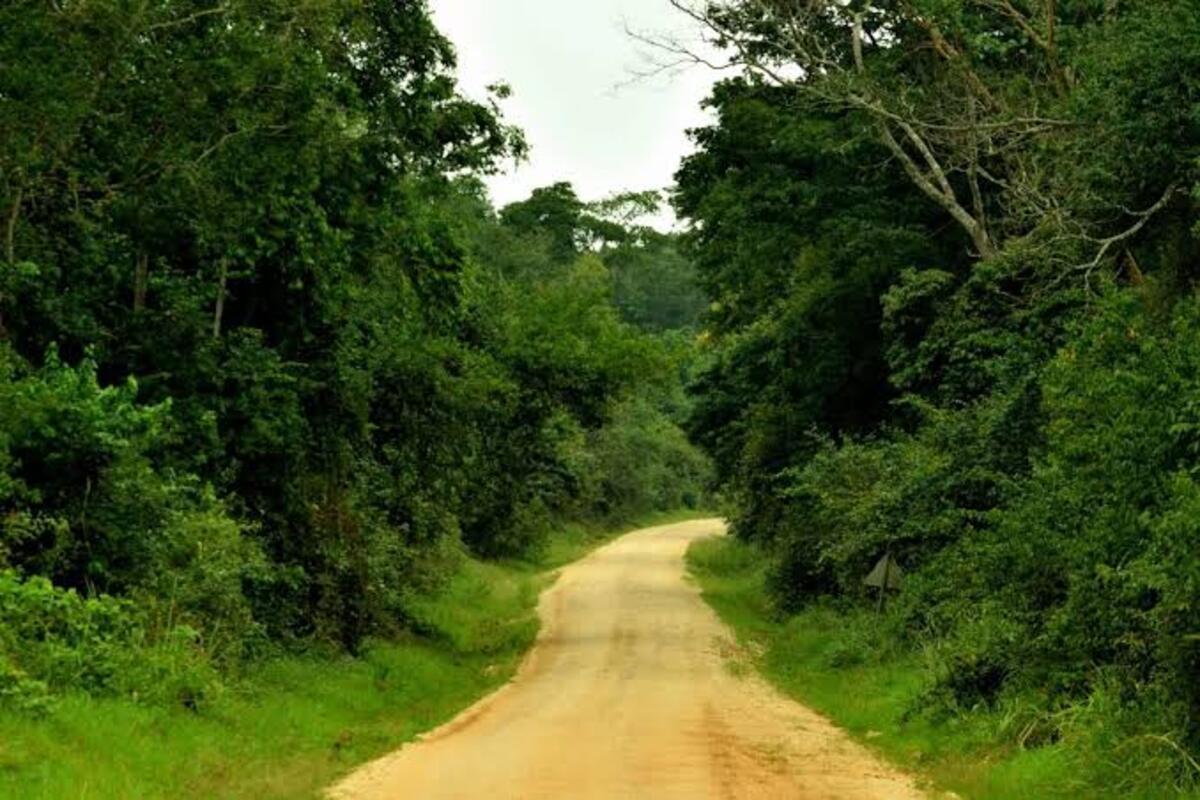
Road to Budongo forest
Where Is Budongo Forest?
Budongo Forest Reserve lies in northwestern Uganda, close to Murchison Falls National Park and within the wider Murchison Falls Conservation Area. The best-known chimpanzee tracking area for visitors is Kaniyo Pabidi, in the southern part of the forest.
Its position makes it particularly useful for travellers already planning a Murchison Falls safari. Rather than travelling to southwestern Uganda specifically for chimpanzees, you can incorporate a forest walk into a northern itinerary that may also include game drives and a boat trip on the Victoria Nile.
Budongo is also an important forest ecosystem in its own right, supporting chimpanzees, other primates and a wide variety of birds.
What Is Chimpanzee Tracking in Budongo Like?
The experience normally begins with a briefing before you enter the forest. Guides explain the walking route, wildlife-viewing rules and precautions before visitors set off in small groups.
Once inside, the guides and trackers look for signs of the chimpanzees and follow their movements. Their calls can sometimes be heard before the animals are visible, while feeding remains, nests and other signs can provide clues about where a group has travelled.
The amount of walking varies. The chimpanzees are free-ranging wild animals, so there is no fixed route or guaranteed distance. The tracking can take anywhere from roughly 1½ hours to several hours depending on the animals’ movements.
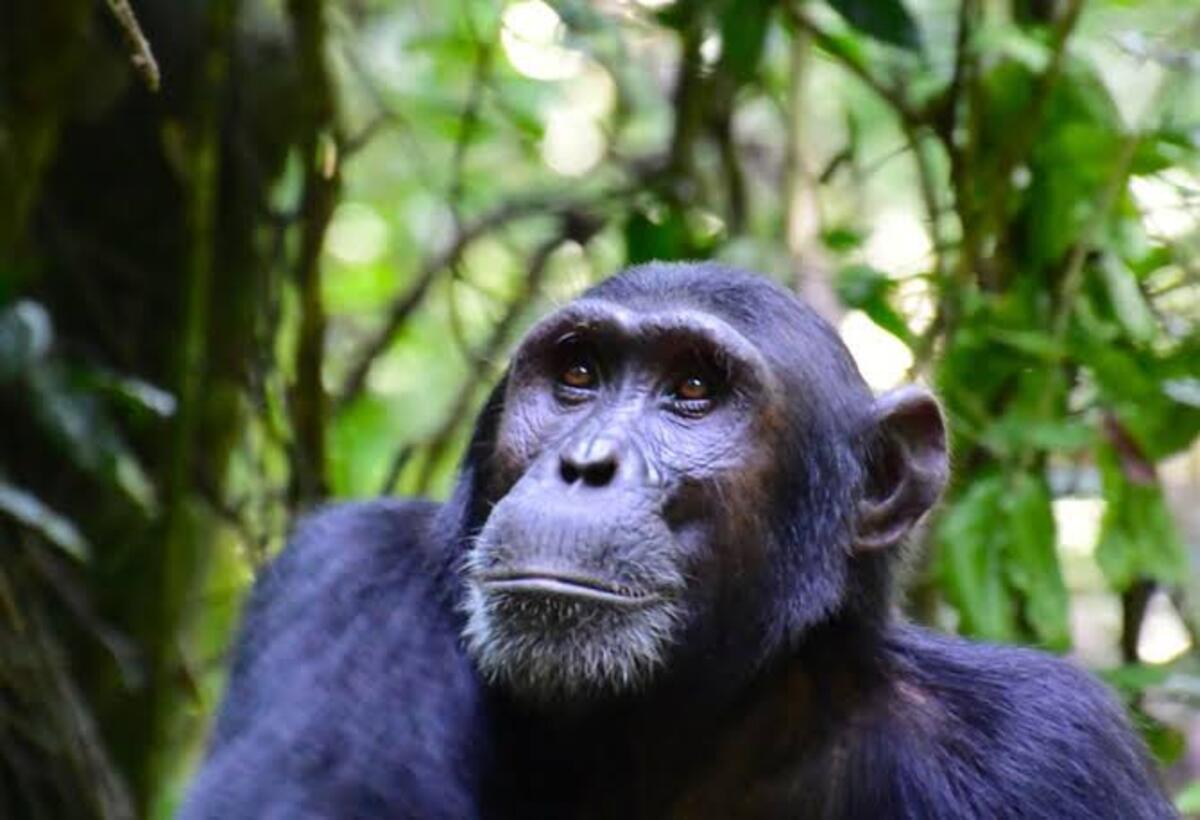
When the chimpanzees are located, the reward is watching natural behaviour rather than a staged encounter. You may see them feeding, grooming, travelling through the canopy or calling to other members of the community.
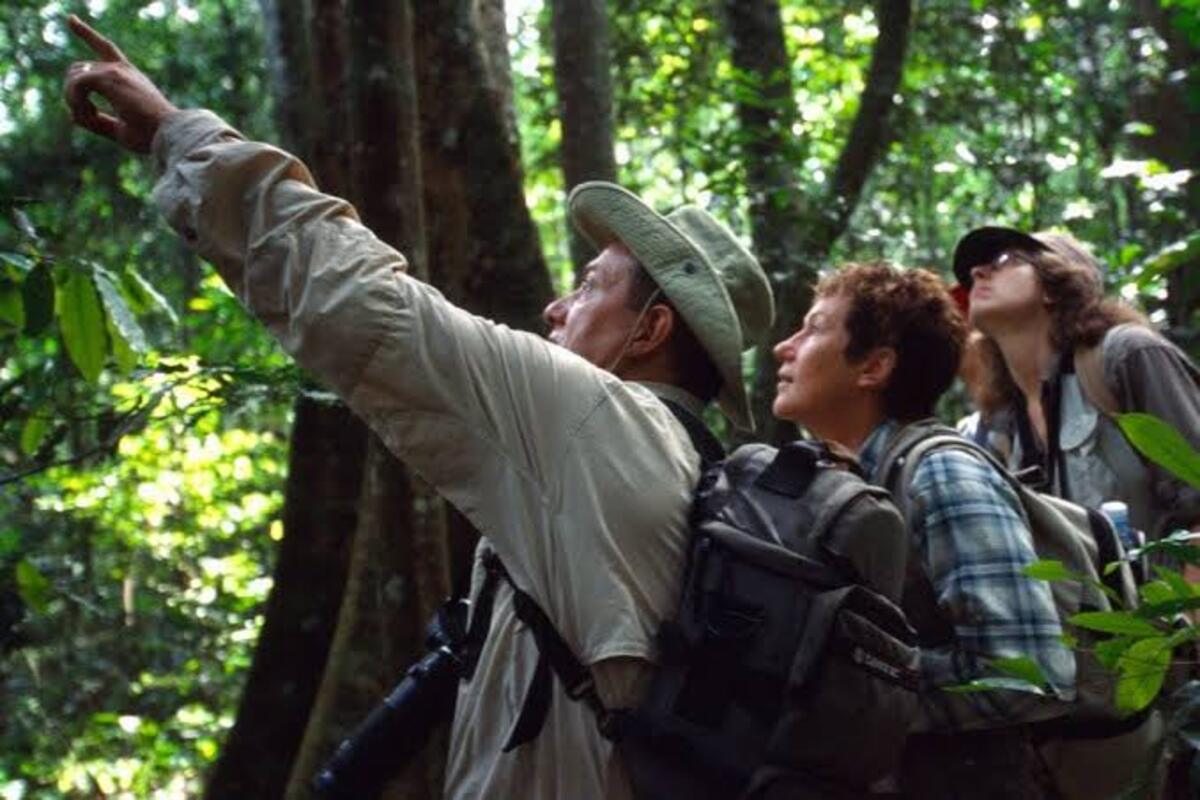
Tourists finding the chimpanzees
What Wildlife Can You See?
Chimpanzees are the main reason to come, but they are not the only animals that make the walk interesting.
Depending on the route and the day, you may encounter black-and-white colobus monkeys, blue monkeys and olive baboons. Birdwatchers have another reason to slow down, as Budongo’s forests support a diverse range of forest birds.
The forest itself deserves attention. Look upwards as well as along the trail: much of the activity takes place in the canopy, where monkeys and birds can be surprisingly easy to miss if you are focused only on the ground.
For this reason, a good forest guide adds considerably to the experience. Identification of calls, tracks, plants and smaller creatures can turn a simple walk into a broader introduction to the ecosystem.
How Long Does the Experience Take?
There is no single guaranteed duration for Budongo chimpanzee tracking. The search may be relatively short if the chimpanzees are nearby, while a more mobile group can require considerably more walking.
Travellers should therefore avoid scheduling another activity immediately afterwards unless there is sufficient flexibility.
Tracking sessions are generally offered in the morning and afternoon, with early morning particularly attractive for visitors who enjoy being in the forest when it is cooler and wildlife is becoming active. Exact departure times should be confirmed when your permit is arranged.
Is Chimpanzee Tracking Difficult?
Budongo is not a high-altitude mountain trekking destination, and the Kaniyo Pabidi area is comparatively manageable for visitors who are reasonably active. However, this is still a forest walk.
Expect exposed roots, uneven ground, vegetation and potentially muddy trails after rain. You may also need to walk for several hours if the chimpanzees have moved away from the starting point.
You do not need to be an experienced hiker, but comfortable walking shoes and a reasonable level of fitness will make the experience much easier.
Travellers with mobility limitations should discuss their requirements with their safari operator before booking. Forest trails are natural rather than purpose-built paths, so accessibility can vary considerably.
What Should You Wear?
Dress for walking rather than for a conventional game drive.
Long trousers and a lightweight long-sleeved shirt provide useful protection from vegetation and insects. Shoes should have good grip, particularly during wetter periods.
A practical day pack should contain drinking water, insect repellent, sunscreen, a light rain jacket and protection for camera equipment. Avoid carrying unnecessary heavy equipment because you may be walking for several hours.
When Is the Best Time to Visit?
Budongo can be visited throughout the year, and there is no month in which chimpanzee sightings can be guaranteed.
The drier periods of June to September and December to February are generally easier for walking because trails are less likely to be muddy. However, rainfall is part of the rainforest environment, and wetter conditions can produce lush vegetation and active forest life.
One important point for visitors is that chimpanzees do not necessarily stay close to the tracking trail during dry weather. Their movements depend on food availability and other natural factors. The most useful approach is therefore to choose your travel dates according to your wider Uganda itinerary rather than assuming there is one perfect month for chimpanzee tracking. UWA notes that chimpanzee tracking takes place throughout the year at Uganda’s established chimpanzee destinations.
How Much Does Budongo Chimpanzee Tracking Cost?
Currently a chimpanzee permit is $130 for foreign non-residents although Chimpanzee permit prices can changeanytime, so it is better to confirm the current rate when planning your safari.
Remember that the chimpanzee permit is only one component of the trip. Your total budget may also include accommodation, transportation, meals, guiding, Murchison Falls National Park activities and other park-related fees.
Where Should You Stay?
Most travellers visiting Budongo combine the forest experience with accommodation around Murchison Falls or along the approach from Masindi.
The right location depends on the rest of your itinerary. If chimpanzee tracking is combined with several days of game drives and a Nile boat cruise, staying within or near the Murchison Falls area can reduce unnecessary driving. If the forest walk is part of a journey towards or away from the park, accommodation around the southern approach may make more sense.
For a safari involving early morning tracking, ask your operator to plan the overnight location around the activity like Pabidi lodge Budongo rather than choosing accommodation purely on price.
Can You Combine Budongo with Murchison Falls?
This is one of the strongest reasons to choose Budongo.
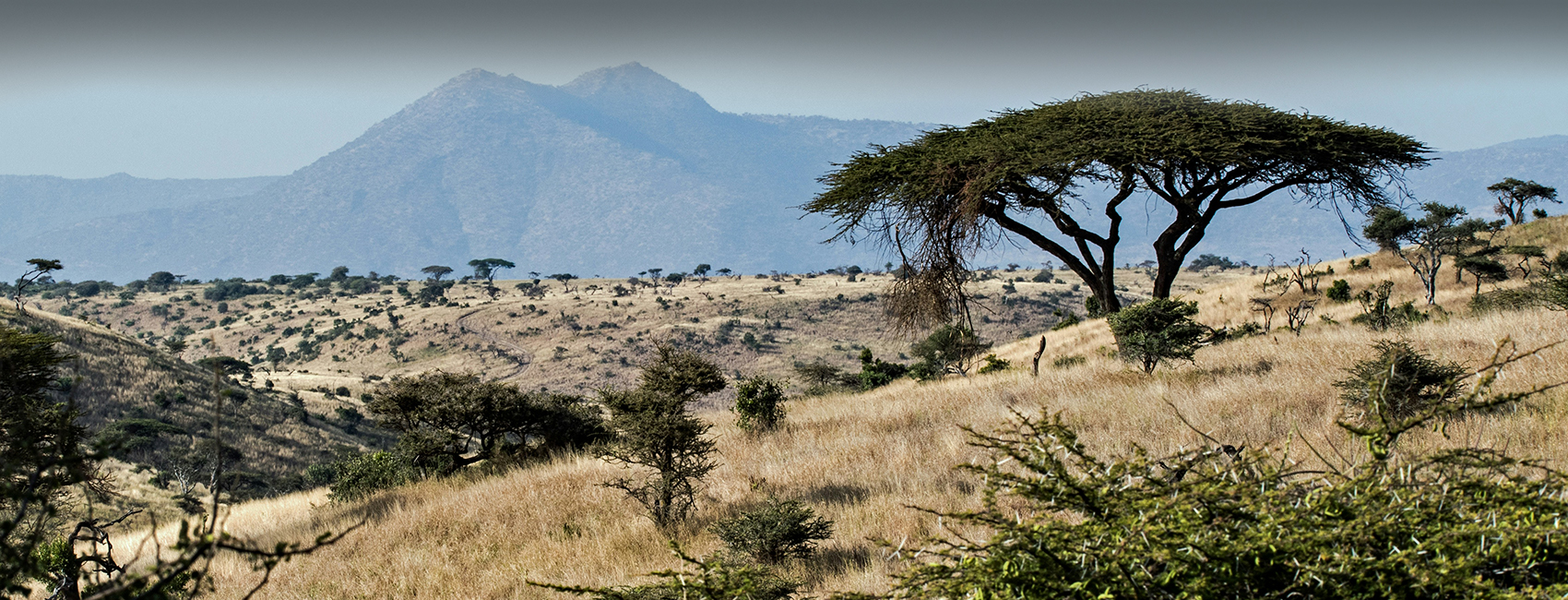
A typical northern Uganda itinerary can combine chimpanzee tracking with game drives through Murchison Falls National Park, where the landscape changes from woodland and forest to open savannah. A boat cruise on the Victoria Nile adds yet another perspective, particularly for wildlife along the river.
The result is a varied safari without having to build the entire journey around primates.
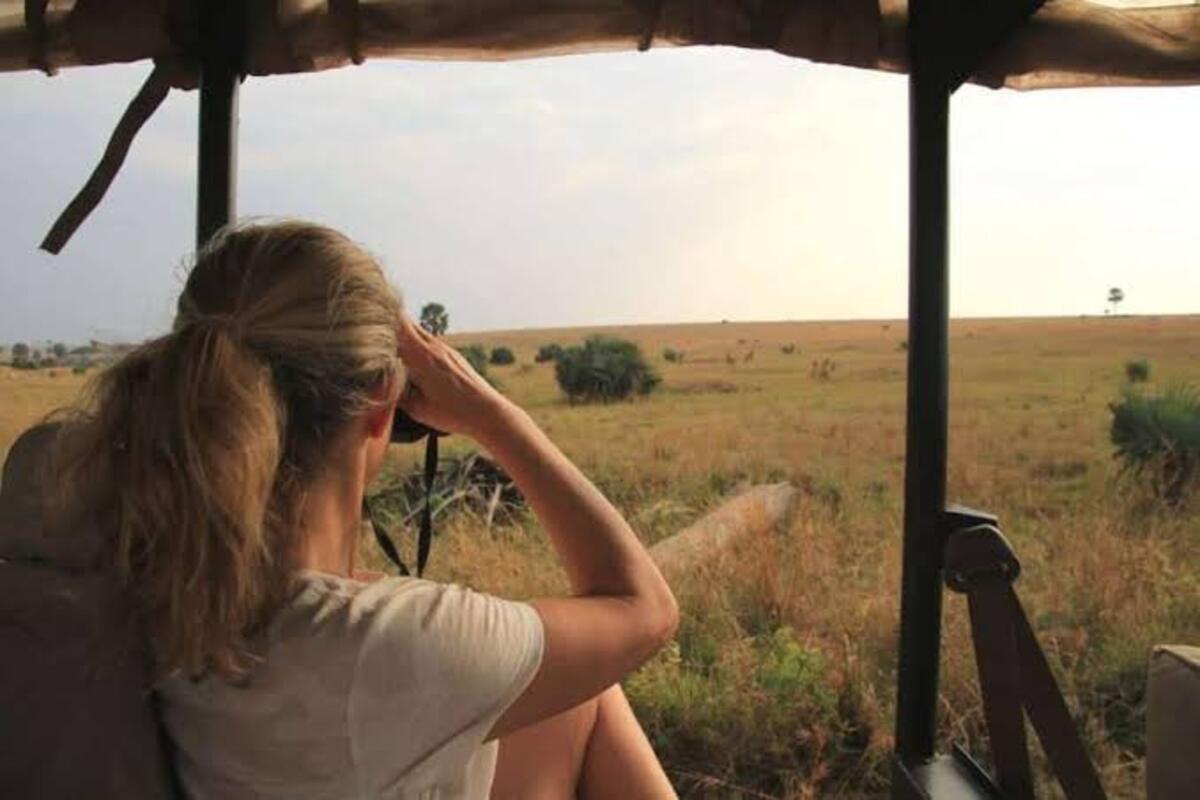
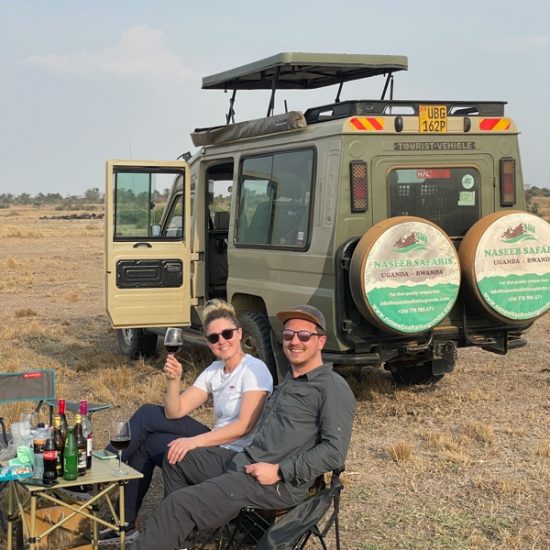
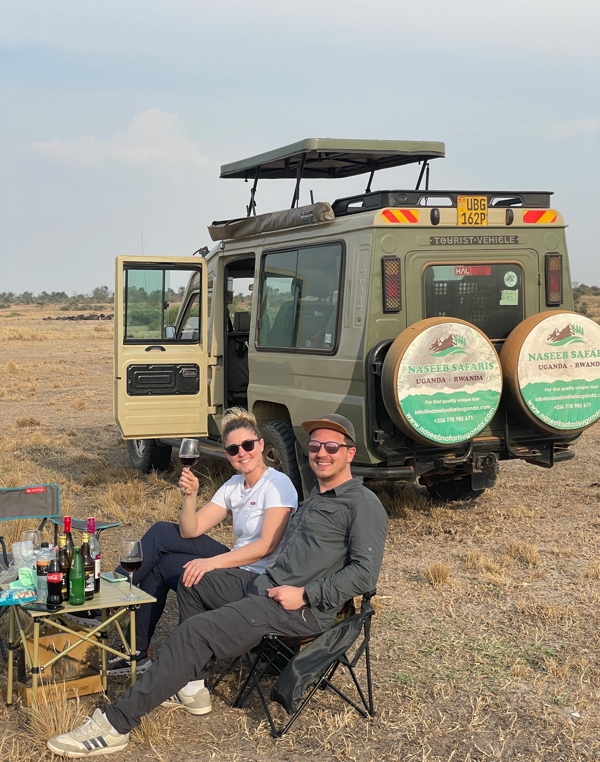
A tourist enjoying a game drive in Murchison Falls
Budongo or Kibale for Chimpanzees?
The two destinations offer different kinds of safari experiences.
Kibale National Park is Uganda’s best-known chimpanzee destination and is particularly suited to travellers making primates a major focus of their itinerary. Budongo makes more geographical sense for travellers visiting Murchison Falls and wanting to add chimpanzee tracking without travelling south to Kibale.
The decision therefore depends largely on your route and priorities. If your safari already includes Murchison Falls, Budongo can fit naturally into the journey. If chimpanzees are the central reason for your Uganda trip, Kibale may deserve consideration as a dedicated primate destination.
Responsible Chimpanzee Tracking
Chimpanzees are wild animals and should be treated accordingly. Visitors should never attempt to touch, feed or attract them, and flash photography should be avoided.
Do not join a tracking activity if you are unwell without first checking the current guidance. Great apes can be vulnerable to human-borne diseases, making responsible visitor behaviour important for their welfare. UWA identifies disease as one of the threats facing chimpanzees in Uganda.
Following the guide’s instructions is not simply a matter of park rules. It helps keep both visitors and chimpanzees safe while allowing the animals to continue behaving naturally.
Tipping is not compulsory, but if your guide, tracker or porter provides particularly helpful service, a gratuity is a common way to show appreciation. Your safari operator can advise on appropriate local practice.
What Should First-Time Visitors Know?
The biggest mistake is treating chimpanzee tracking like a guaranteed wildlife show. Even habituated chimpanzees decide where they go, how quickly they move and how high they climb.
Bring patience. Listen to the forest. Give your guide time to interpret what you are hearing and seeing.
It is also worth leaving some flexibility in your day’s schedule. A tracking walk can take longer than expected, especially when the chimpanzees are moving through the forest.
Most importantly, come prepared for the experience to be about more than the photograph. Sometimes the most memorable part is the sudden call from somewhere above you, followed by the search through the canopy to find the animal responsible.
Frequently Asked Questions
How old do you have to be to track chimpanzees in Budongo?
The minimum age is 12 years for Budongo but should be confirmed when booking because wildlife activity regulations can change..
Are chimpanzee sightings guaranteed?
No. Tracking follows wild chimpanzees whose movements change from day to day. The skill of the trackers can improve the chances of finding them, but no responsible operator should promise a guaranteed sighting.
How long does chimpanzee tracking take?
The duration varies according to where the chimpanzees are and how they move. Allow several hours rather than planning another activity immediately afterwards.
Can I photograph the chimpanzees?
Yes, photography is part of the experience, but bring equipment that you can comfortably carry through the forest. A versatile zoom lens is generally more practical than several heavy lenses. Avoid flash photography and follow the guide’s instructions.
Can I combine chimpanzee tracking with Murchison Falls?
Yes. Budongo’s location makes it particularly convenient to combine the forest experience with game drives and a Nile boat cruise in the Murchison Falls area.
Planning Your Budongo Chimpanzee Experience
Chimpanzee tracking in Budongo is a good reminder that Uganda’s wildlife experiences are not confined to the savannah. Here, the journey takes you beneath a forest canopy, following sounds, tracks and movement until a chimpanzee appears among the branches.
For travellers already exploring Murchison Falls, it provides a different pace and a different way of experiencing Uganda’s wildlife. You trade the open view from a safari vehicle for the slower rhythm of walking, listening and searching.
If you are planning a Uganda safari and are unsure whether Budongo fits your route, Naseeb Safaris can help you work out the practical details, including transport, accommodation, chimpanzee permits and how to combine the forest with Murchison Falls or other destinations. The aim is to build an itinerary around the experience you actually want, rather than simply adding activities for the sake of it.