
Best Time to Visit Uganda for Safari
Best Time to Visit Uganda for Safari, Uganda’s safari experience does not depend on a single “perfect month.” Instead, it changes with rainfall patterns that influence wildlife movement, road conditions, forest accessibility, and even photography quality.
This guide explains those seasonal differences in practical terms so you can decide when to travel based on what matters most to you, gorilla trekking conditions, wildlife viewing, birdwatching, budget, or crowd levels.
Uganda’s Safari Seasons Explained
Uganda sits on the equator, but altitude keeps temperatures fairly stable year-round. The real variation comes from rainfall, not temperature.
Rather than four traditional seasons, Uganda has:
- Two dry seasons
- Two rainy seasons
Dry Seasons
- June to August (main dry season, peak safari period)
- December to February (short dry season, high travel demand)
Rainy Seasons
- March to May (long rains, wettest period)
- September to November (short rains, lighter and more variable)
Temperatures generally stay between:
- 24°C–30°C daytime
- 12°C–18°C night
Rain can fall at any time of year, but intensity and frequency change with the season.
What Each Season Means for a Safari Experience
Understanding rainfall patterns helps you predict:
- How easy it is to track wildlife
- Road conditions between parks
- Gorilla trekking difficulty
- Hotel availability and pricing
- Photography conditions
Dry Season Conditions
During dry months, vegetation is thinner and wildlife tends to gather around rivers and waterholes. Roads inside and between parks are also more reliable.
Rainy Season Conditions
Rain transforms landscapes into dense green environments. Wildlife is still present, but sightings can require more patience and patience is often rewarded with quieter encounters.
Best Overall Time to Visit Uganda for Safari
For most first-time travelers, the most practical travel windows are:
June to August
December to February
These months offer:
- More predictable wildlife viewing
- Easier gorilla trekking conditions
- Better road access to remote parks
- Higher chances of clear photography light
This is also when safari routes are most frequently combined into multi-park itineraries.
June to August: Peak Safari Season in Detail
This is the busiest safari period in Uganda and for good reason.
Wildlife Viewing Conditions
As water sources shrink, animals concentrate in visible areas. Game drives often produce sightings of:
- Elephants moving in herds
- Buffalo grazing in open plains
- Lions resting or hunting in early mornings
- Giraffes and antelopes in savannah zones
Where This Works Best
- Queen Elizabeth National Park – varied ecosystems and reliable sightings
- Murchison Falls National Park – strong elephant and giraffe populations
- Kidepo Valley National Park – remote, dry, and less visited
Gorilla Trekking Conditions
Forest trails in Bwindi and Mgahinga are generally less slippery. While trekking is never “easy,” dry months reduce physical strain and improve stability on steep terrain.
Travel Logistics
- Roads between parks are more predictable
- Less risk of weather-related delays
- Longer itineraries are easier to manage
December to February: Short Dry Season
This period mirrors many of the advantages of mid-year travel but with slightly different travel dynamics.
What to Expect
- Warm, stable weather conditions
- Clearer skies for photography
- Strong wildlife visibility in savannah parks
- Busy tourism period around holidays
Many travelers from Europe and North America visit during this time, so early booking is important.
Gorilla Trekking in This Season
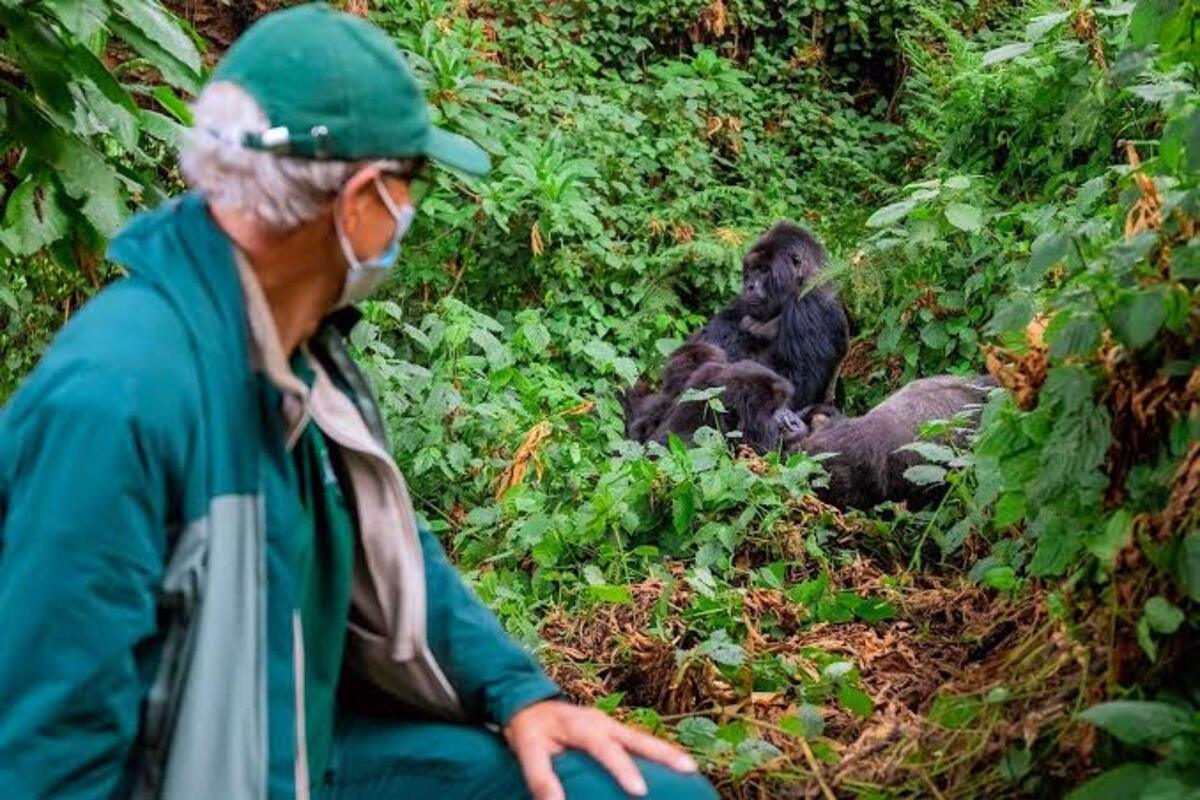
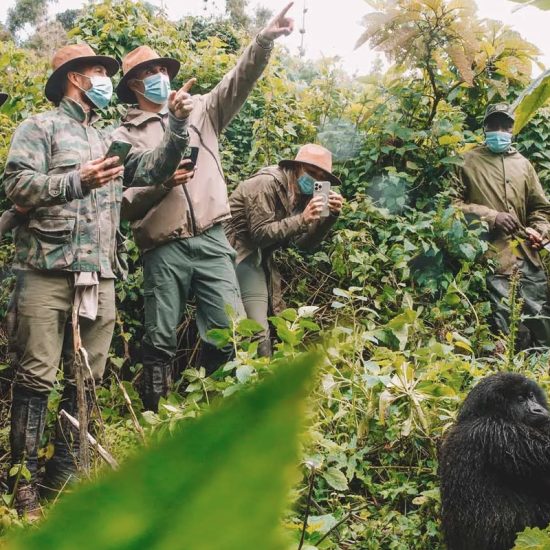
Tourist in sight with a gorilla family
Conditions in Bwindi and Mgahinga are often favorable:
- Less mud on trails
- Good visibility in forest clearings
- Comfortable hiking conditions
Rainy Season Travel in Uganda
Rainy seasons are often misunderstood. While conditions are wetter, they also offer advantages that dry months cannot replicate.
March to May: Long Rains (Green Season)
This is the wettest period of the year.
What Changes on Safari
- Roads may become slower and more challenging
- Some tracks can become muddy
- Wildlife is still present but more dispersed
What Improves
- Landscapes become extremely green
- Fewer tourists in parks
- Better lodge availability and pricing
- Quieter wildlife encounters
For photographers, this is one of the most visually rich periods of the year.
September to November: Short Rains
Rainfall is lighter and more unpredictable, often falling in short bursts rather than continuous storms.
Why This Season Is Often Overlooked
It offers a balance between value and experience:
- Lower accommodation costs
- Fewer visitors in national parks
- Active birdlife and breeding activity
- Landscapes still lush from previous rains
This period is particularly appealing to experienced safari travellers.
Best Time for Gorilla Trekking in Uganda
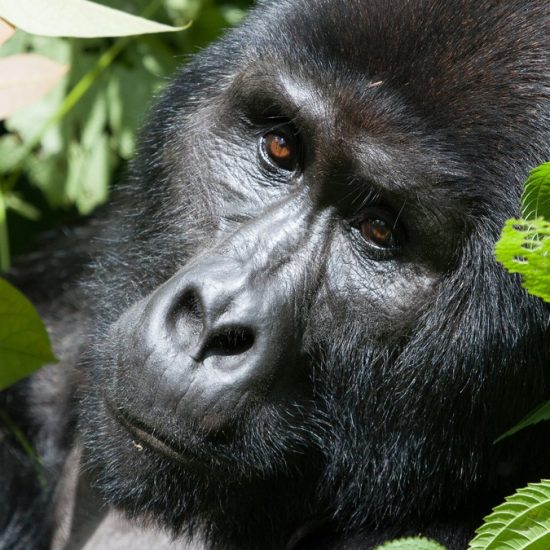
Gorilla trekking is possible year-round in both:
- Bwindi Impenetrable National Park
- Mgahinga Gorilla National Park
Most Comfortable Months
- June to August
- December to February
These months generally offer:
- Firmer trekking paths
- Easier movement through forest terrain
- Improved visibility for photography
Trekking During Rainy Seasons
Rain does not stop gorilla trekking. In fact:
- Forest vegetation is thicker and more vibrant
- Gorilla families may range at lower elevations
- Permit availability can be slightly better
Best Time for Wildlife Safaris in Uganda
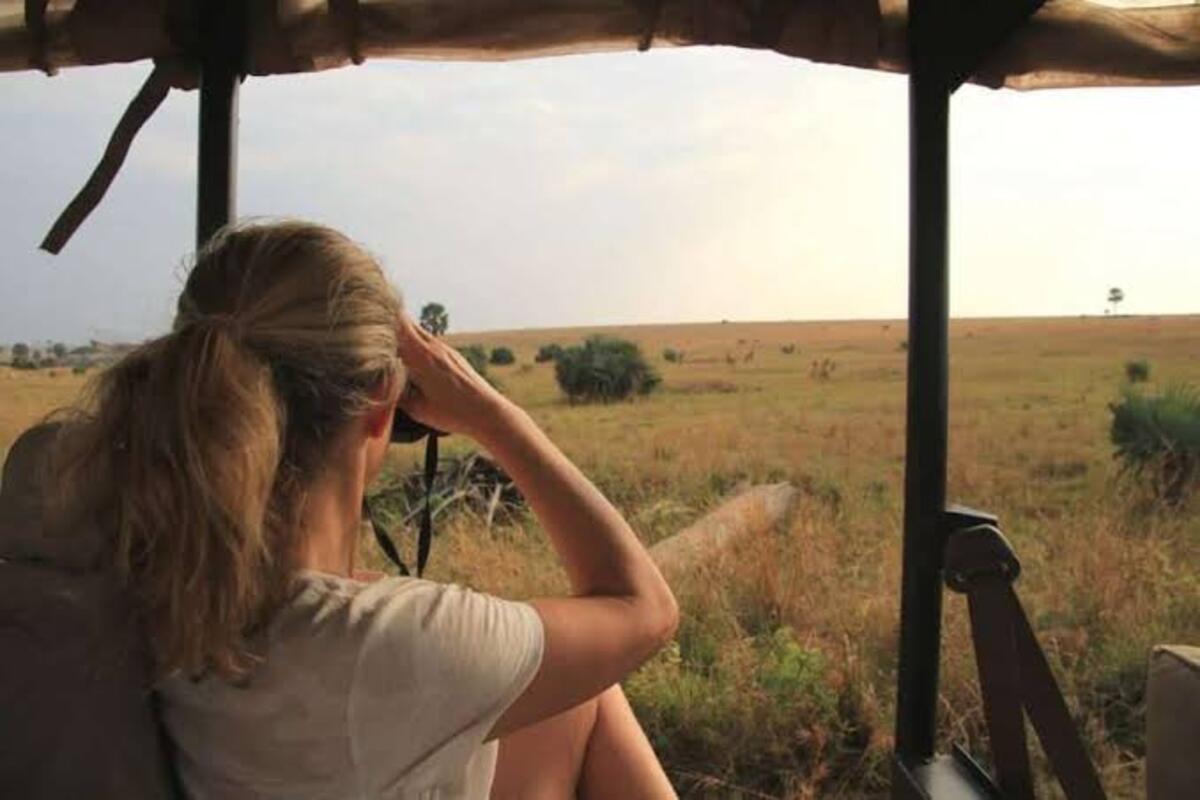
A tourist enjoying a game drive
Queen Elizabeth National Park
Known for tree-climbing lions and diverse ecosystems.
Best conditions:
- Dry seasons for clearer sightings
- Boat cruises on the Kazinga Channel remain productive year-round
Murchison Falls National Park
Uganda’s largest protected area offers consistent wildlife viewing.
Expect:
- Elephants near the Nile
- Giraffes in open plains
- Strong predator sightings in dry months
Kidepo Valley National Park
Remote and less visited, with a strong wilderness feel.
Dry season improves:
- Predator visibility
- Herd concentrations near water sources
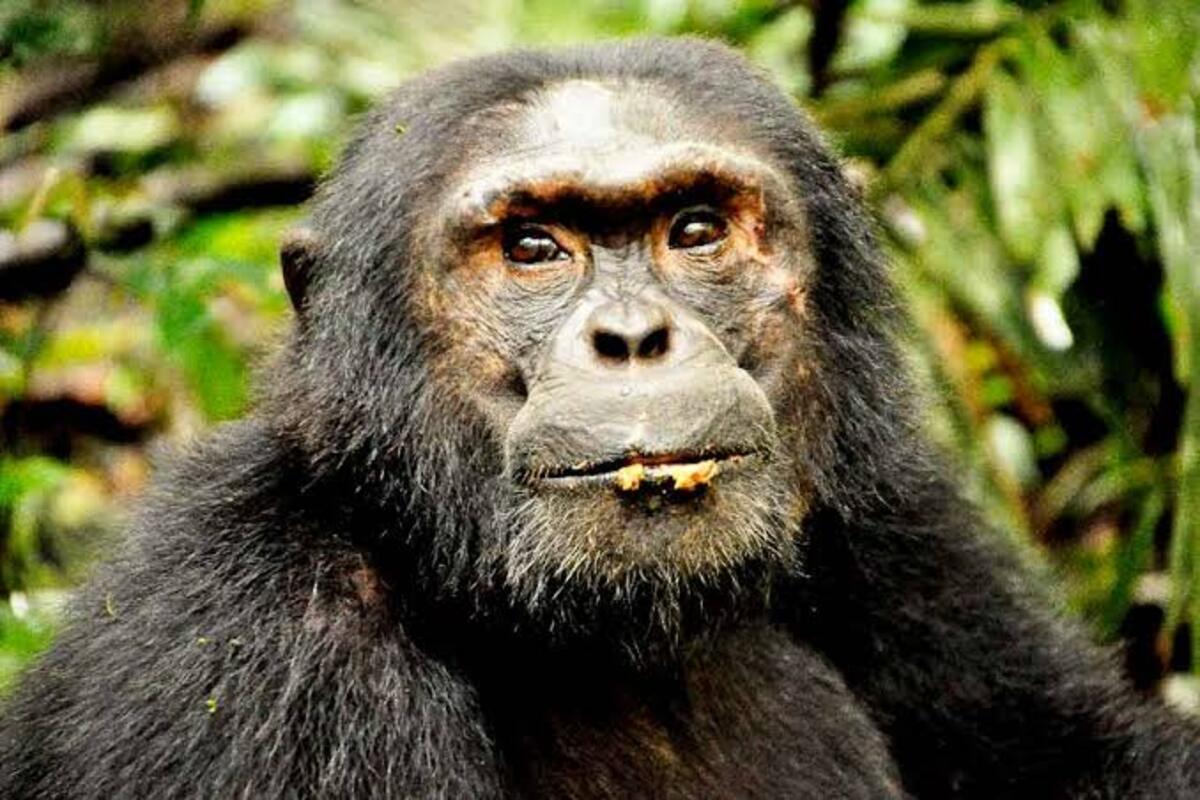
Chimpanzee Tracking: When to Go
Key locations include:
- Kibale Forest National Park
- Budongo Forest Reserve
- Kyambura Gorge
- Kalinzu Forest
Best Conditions
- Dry seasons are easier for walking trails
- Rainy seasons offer dense forest atmosphere and active primate behavior
Chimpanzees are present year-round, so sightings are not season-dependent.
Birdwatching in Uganda
Uganda is one of Africa’s strongest birding destinations, with over 1,000 recorded species.
Best Birding Window
- September to April
This period includes:
- Migratory bird arrivals like flamingos
- Breeding activity
- High species diversity
Notable sightings may include:
- Shoebill stork
- African fish eagle
- Great blue turaco
Month-by-Month Safari Overview
- January: Dry, excellent all-round safari conditions
- February: One of the most reliable wildlife months
- March: Transition into rainy season begins
- April: Wettest landscapes, fewer tourists
- May: Lush scenery, reduced travel costs
- June: Peak safari season begins
- July: Strong gorilla trekking conditions
- August: High wildlife visibility continues
- September: Birding improves, fewer crowds
- October: Mixed weather, good value travel
- November: Short rains, green landscapes
- December: Dry season returns, high demand
Best Time to Visit Uganda on a Budget
For lower costs and fewer crowds, consider:
- March to May
- October to November
Benefits include:
- Lower lodge rates
- Discounted permit rates
- Easier availability of gorilla permits in some periods
- Quieter parks
- Flexible itineraries
What to Pack for Uganda Safari
Regardless of season:
- Lightweight, breathable clothing
- Waterproof jacket or poncho
- Sturdy hiking boots
- Long trousers and long sleeves
- Insect repellent
- Sunscreen
- Hat
- Binoculars
- Camera with zoom lens
For gorilla trekking specifically:
- Waterproof gear is essential year-round
- Gloves can help on muddy forest trails
Practical Travel Tips
Gorilla Permits
Book several months in advance during peak season, as availability is limited.
Combine Destinations
A balanced itinerary often includes:
- Gorilla trekking
- Savannah safari
- Boat safari on the Nile or Kazinga Channel
Weather Flexibility
Wildlife movement is unpredictable; some of the best sightings happen outside planned moments.
Choosing Seasons Wisely
Shoulder months often offer the best balance between cost and experience.
FAQs: Visiting Uganda for Safari
How fit do I need to be for gorilla trekking?
A moderate fitness level is enough. Treks vary from short walks to several hours depending on gorilla location.
Will I definitely see gorillas?
Success rates are extremely high, but wildlife encounters are never 100% guaranteed in advance.
Can I hire a porter?
Yes. Porters are available at trailheads and are strongly recommended for support and carrying bags.
Can older travelers do the trek?
Yes, older travelers regularly participate. Fitness matters more than age.
What happens if it rains during trekking?
Trekking continues. Rain is part of the rainforest environment.
Can I wear shorts?
Not a good idea, Long trousers are strongly recommended due to vegetation and insects.
Is there a luggage weight limit?
Yes, especially on domestic flights and during portered treks. Soft bags are preferred.
How much should I tip?
Tipping is customary for guides, rangers, and porters. Amounts vary depending on service. Talk to your tour operator for guidance.
Can I take photos of gorillas?
Yes, but flash photography is not allowed.
Are there toilets at trek starting points?
Yes, basic facilities are available at park briefing areas.
Uganda does not have a single “best” safari season. Instead, each period offers a different version of the landscape, wildlife behavior, and travel experience.
Dry months provide ease and predictability. Rainy months offer quieter parks and more immersive scenery. Both can deliver meaningful encounters with gorillas, chimpanzees, and savannah wildlife.
What matters most is aligning your travel timing with the kind of experience you want on the ground, whether that is easier trekking, fewer visitors, or lower costs.
When you are ready to plan your journey, thoughtful timing and route design can make a significant difference in how the experience unfolds.
For tailored Uganda safari planning, Naseeb Safaris can help design an itinerary that matches your travel goals, pace, and interests.