
Leopard Tracking in Queen Elizabeth National Park Uganda
Leopard Tracking in Queen Elizabeth National Park Uganda, Queen Elizabeth National Park is one of Uganda’s most rewarding wildlife destinations, offering visitors the opportunity to explore diverse landscapes and encounter some of Africa’s most fascinating animals. Among its many wildlife experiences, leopard tracking stands out as a particularly exciting activity for travellers interested in observing elusive predators in their natural habitat. While leopards are present in several Ugandan national parks, Queen Elizabeth National Park is one of the best places to learn about and search for these secretive big cats, particularly in the Kasenyi Plains.
Unlike an ordinary game drive, leopard tracking offers a more focused wildlife experience. Visitors join experienced Uganda Wildlife Authority ranger guides and trackers to follow the movements of a monitored leopard using tracking equipment. The experience provides an opportunity to understand leopard behaviour, learn about their movements and, with some luck, observe these magnificent animals at close range in the wild.
What Is Leopard Tracking in Queen Elizabeth National Park?
Leopard tracking is a specialised wildlife activity that involves following the movements of selected leopards that have been fitted with research collars. These collars help researchers and trained trackers monitor the animals’ movements and gather information about their behaviour, habitat and daily activities.
In Queen Elizabeth National Park, the activity takes place around the Kasenyi Plains, an area known for its open savannah grasslands and diverse wildlife. During the experience, visitors are accompanied by an armed ranger guide and a tracker who use tracking equipment and radio communication to help locate the leopard being monitored.
The advantage of this activity is that visitors do not have to depend entirely on chance encounters during an ordinary game drive. Instead, the tracking team uses information about the leopard’s movements to identify areas where the animal may be found. However, leopards are naturally elusive, and their movements can change, so a sighting is never guaranteed.
What to Expect During a Leopard Tracking Experience
Leopard tracking in Queen Elizabeth National Park is conducted during morning and evening hours, with morning tracking often offering particularly good opportunities to locate the animals as they return to resting places after their nocturnal activities.
The experience begins with a briefing from the ranger guide, who explains the tracking process and what visitors should expect. Once the tracking team has information about the leopard’s possible location, the driver follows the ranger’s directions towards the relevant area of the park.
Unlike conventional game drives that generally follow established tracks, leopard tracking can involve driving away from the main game routes when conditions and park regulations allow. This makes the experience particularly interesting because visitors may explore areas they would not normally reach during a regular game drive.
The trackers use radio communication and information from the monitoring equipment to establish the leopard’s location. Where the animal is nearby and the terrain allows, the team carefully approaches the area to provide visitors with an opportunity to observe it without unnecessarily disturbing its natural behaviour.
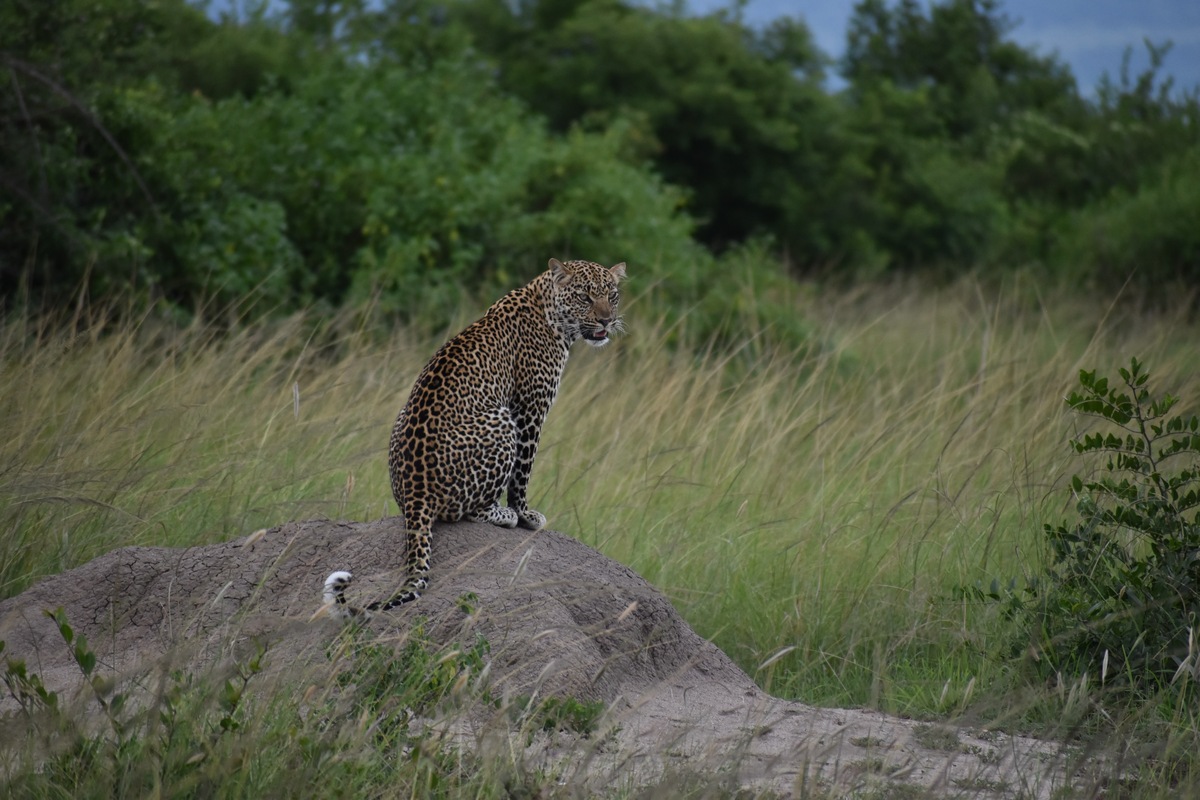
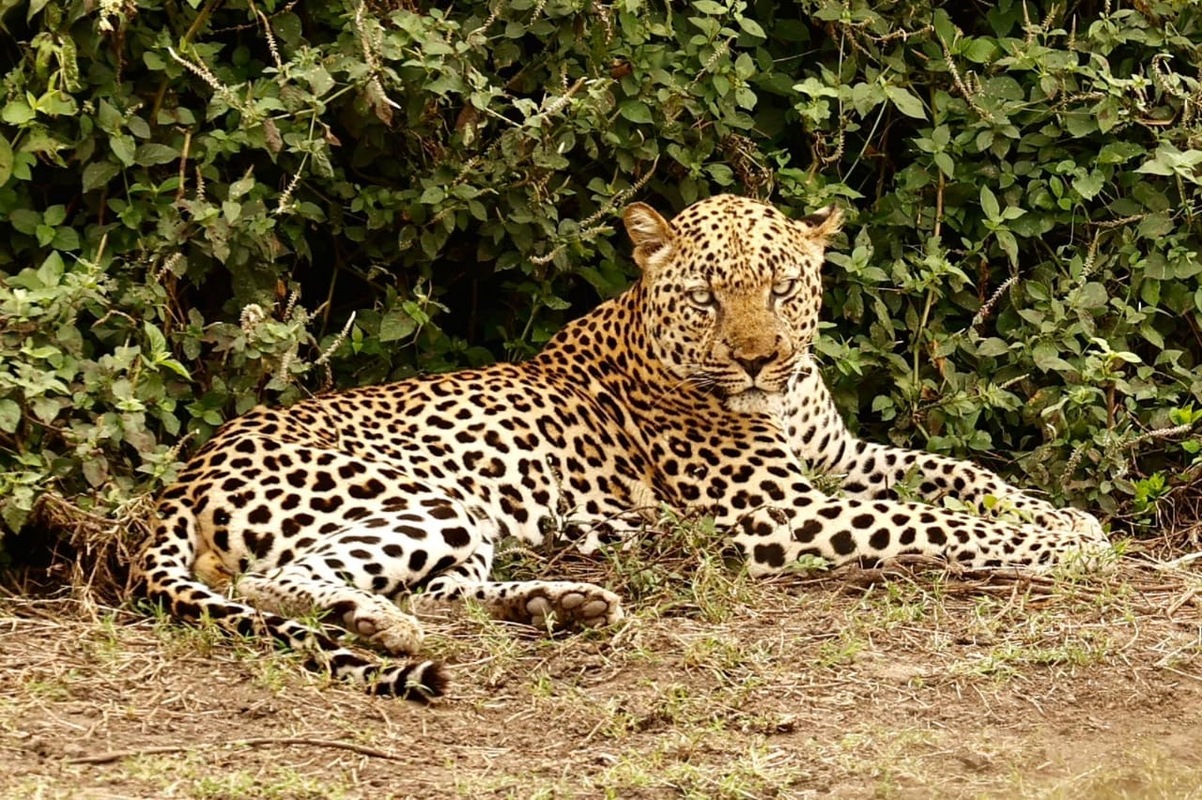
A successful encounter can reveal fascinating details about the leopard’s daily life. Visitors may observe the animal resting beneath a tree, walking through the grassland, climbing a tree, playing or interacting with other members of its species. Occasionally, visitors may witness courtship or mating behaviour, although such encounters depend entirely on what the animal is doing at the time.
Once the observation is complete, the vehicle returns to the main game tracks, where visitors can continue enjoying a regular game drive and looking for other wildlife in the park.
What to Expect During a Leopard Tracking Experience
Why Is Leopard Tracking Different From an Ordinary Game Drive?
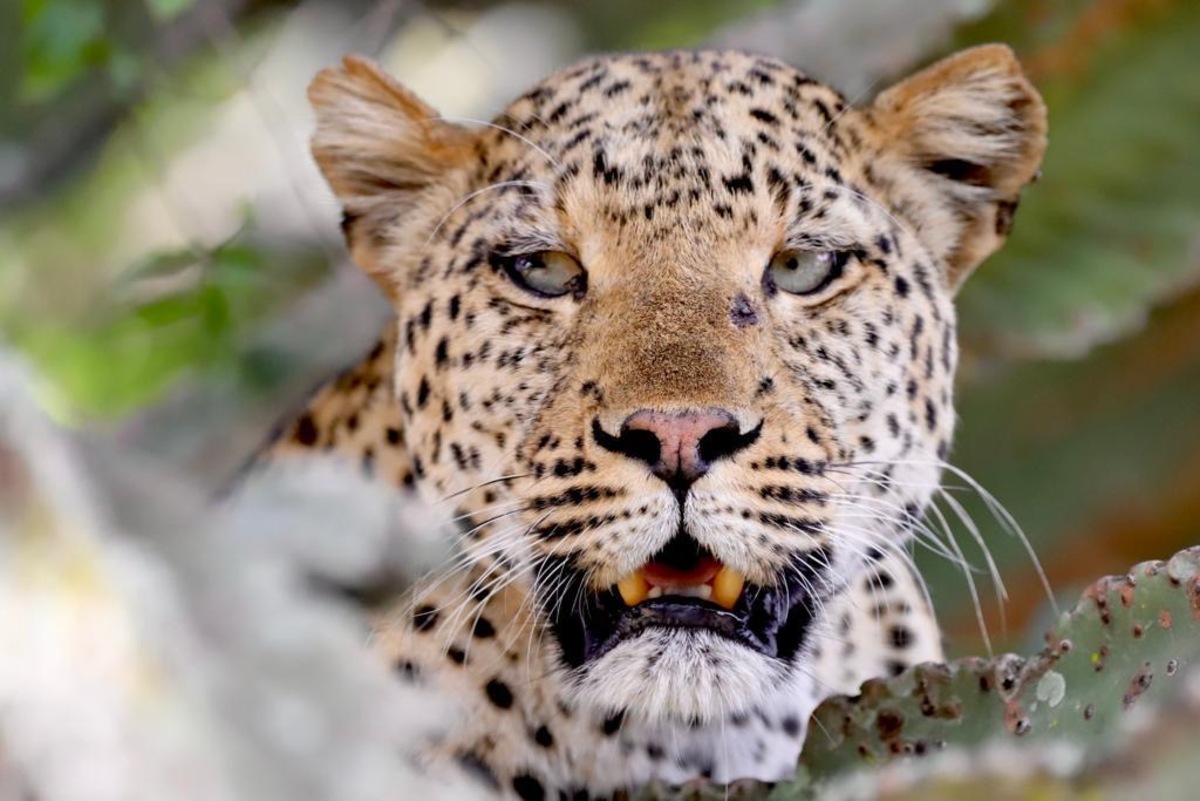
Leopards are among Africa’s most difficult large predators to spot. They are solitary, naturally cautious and spend much of their time resting in concealed places, particularly during the hotter hours of the day. Their spotted coats also provide excellent camouflage in the surrounding vegetation.
During an ordinary game drive, visitors may encounter a leopard by chance, but sightings are unpredictable. Leopard tracking offers a more specialised approach because the team uses information from monitored animals to narrow down their possible location.
Another important difference is the educational aspect of the experience. Visitors have the opportunity to learn directly from the ranger guides and trackers about leopard movements, territorial behaviour, feeding habits and the conservation research taking place in Queen Elizabeth National Park.
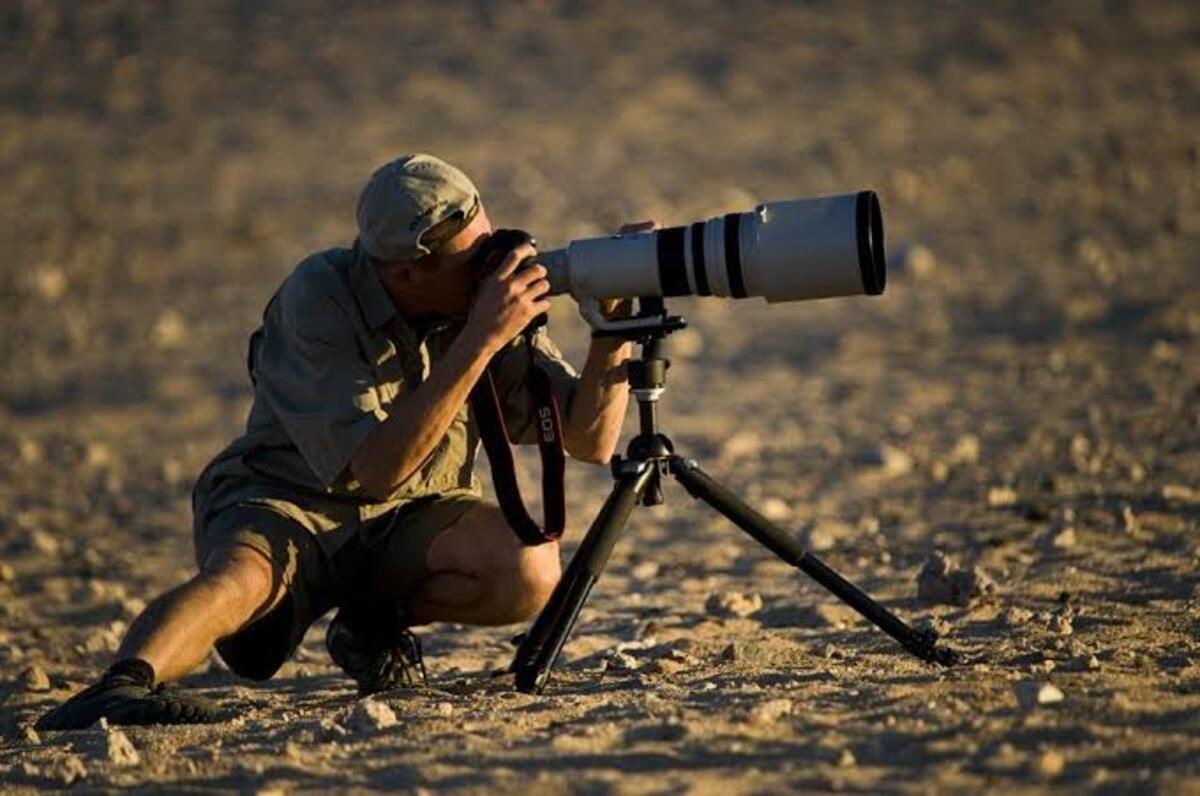
For photographers, wildlife enthusiasts and travellers who have a particular interest in big cats, leopard tracking can add a fascinating dimension to a Uganda safari.
Best Time for Leopard Tracking in Queen Elizabeth National Park
Leopard tracking in Queen Elizabeth National Park is possible throughout the year, although weather and seasonal conditions can influence the overall experience.
The dry seasons, generally from June to September and December to February, are often considered favourable periods for wildlife viewing in the Kasenyi Plains. During these months, vegetation is generally shorter, visibility is better and some of the park’s tracks are easier to navigate. Morning tracking can be particularly rewarding as leopards return to their resting places after spending time moving around their territories at night.
The rainy seasons, usually from March to May and October to November, also offer opportunities for leopard tracking. However, the experience can become more challenging because of thicker vegetation, reduced visibility and muddy or slippery tracks. Heavy rainfall may also affect access to certain areas of the park.
Although the dry months are generally preferred, there is no single season that guarantees a leopard sighting. Wildlife movements are unpredictable, and the quality of the experience depends on several factors, including the animal’s location and prevailing conditions.
Where Does Leopard Tracking Take Place in Queen Elizabeth National Park?
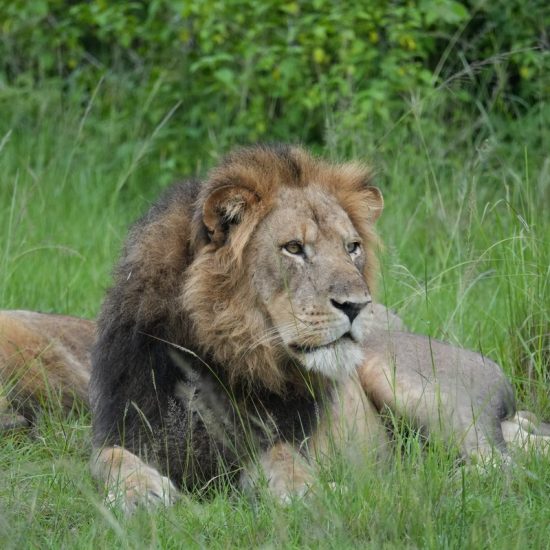
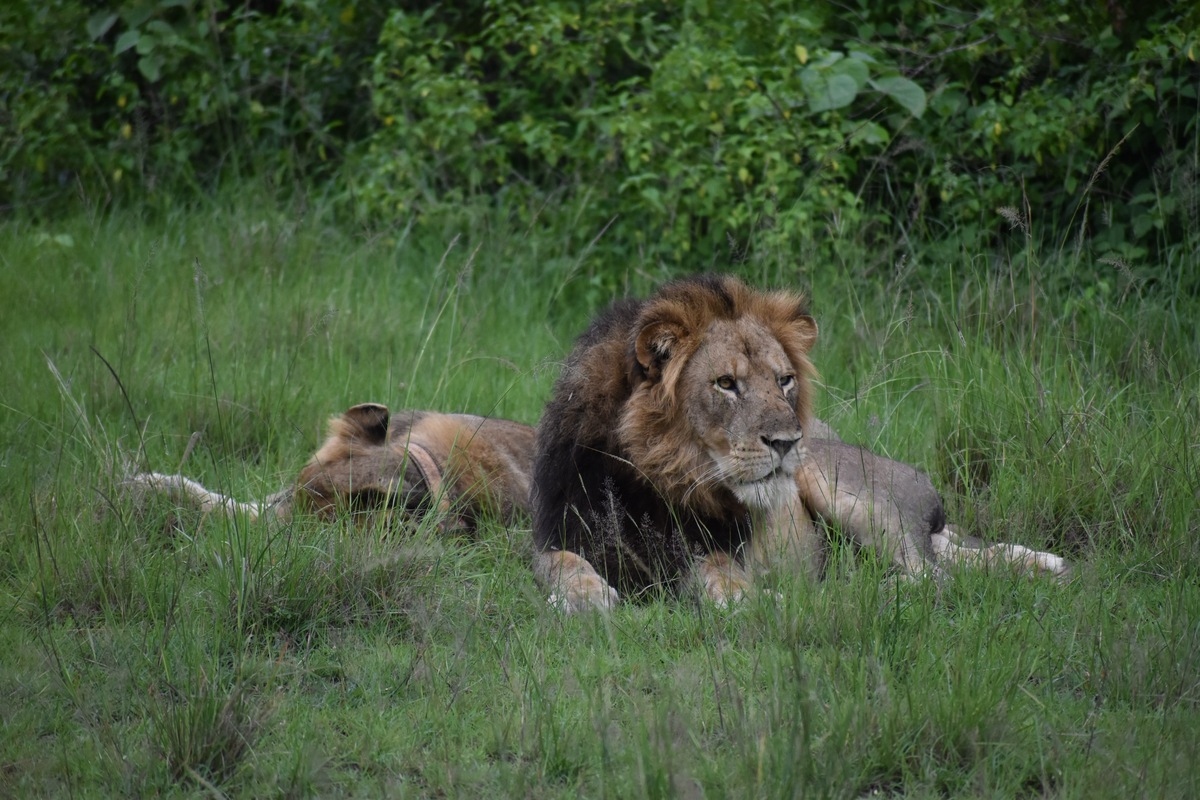
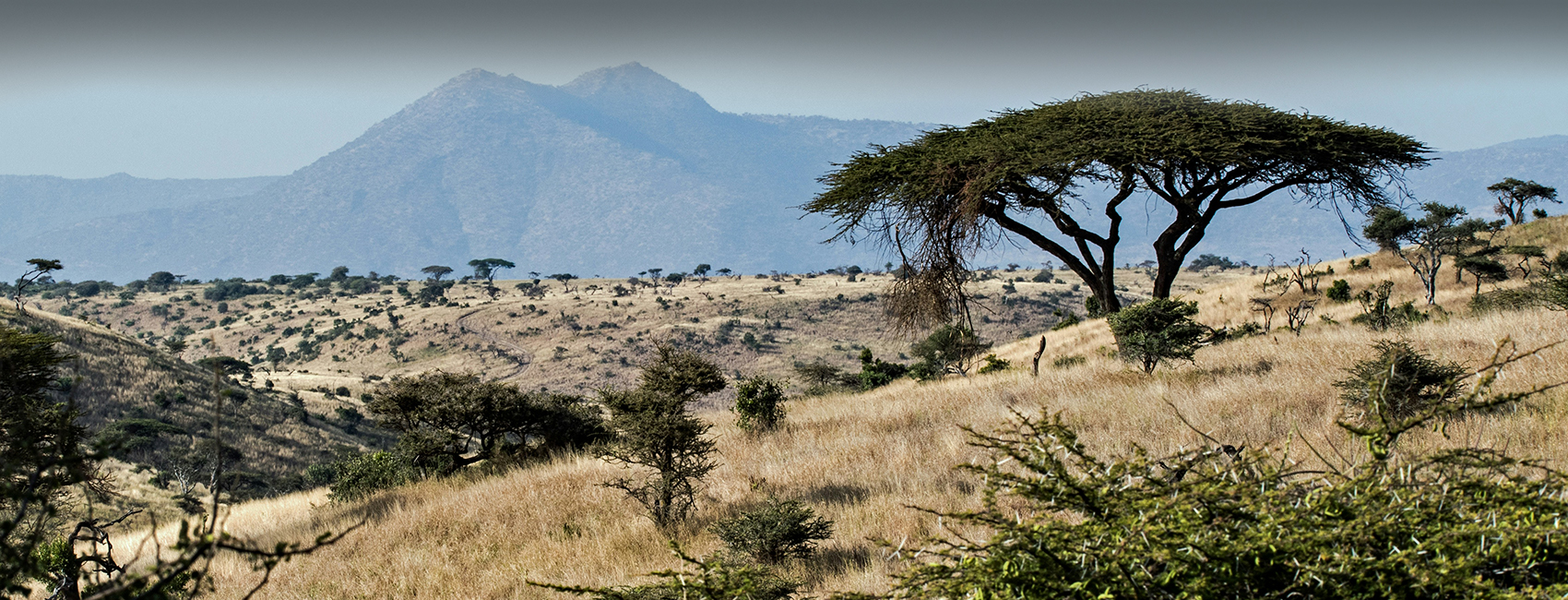
The main area associated with leopard tracking is the Kasenyi Plains in the northern part of Queen Elizabeth National Park. This open savannah landscape is an important wildlife viewing area and is particularly well known for its Uganda kob populations, which attract predators such as lions and leopards.
The surrounding grasslands, scattered trees and natural vegetation provide suitable habitats for leopards. The landscape also offers excellent opportunities for photography, especially during the early morning and late afternoon when the light is softer.
Kasenyi is also a popular area for conventional game drives, giving visitors the opportunity to combine leopard tracking with searches for elephants, buffaloes, Uganda kobs, warthogs, waterbucks and other wildlife.
Leopard Tracking Take Place in Queen Elizabeth National Park
Where to Stay for a Leopard Tracking Safari
Travellers planning a leopard tracking experience should consider accommodation around the Kasenyi and Mweya areas of Queen Elizabeth National Park. Staying close to the northern part of the park can make it easier to participate in early morning activities without spending too much time travelling to the starting point.
Accommodation options in and around the area include Mweya Safari Lodge, Kasenyi Safari Camp, Engiri Game Lodge, Buffalo safari Lodge, Queen Elizabeth Bush Lodge and Elephant Plains Lodge.
The choice of accommodation depends on your preferred comfort level, budget and overall safari itinerary. Some travellers prefer a comfortable lodge with additional facilities, while others enjoy smaller safari camps that offer a closer connection to the surrounding wilderness.
At Naseeb Safaris Uganda, we help travellers select accommodation that works well with their planned wildlife activities and the other destinations included in their Uganda safari.
How to Get to Queen Elizabeth National Park for Leopard Tracking
Queen Elizabeth National Park can be reached by road or air, depending on your travel preferences, available time and safari itinerary.
By road, the journey from Kampala or Entebbe generally takes between six and eight hours, depending on the route, road conditions and stops along the way. One route passes through Masaka, Mbarara, Bushenyi and Rubirizi before reaching the southern parts of the park. Another route passes through Mubende, Fort Portal and Kasese, providing access to the northern sections, including the Kasenyi and Mweya areas.
The road journey is an interesting part of a Uganda safari, allowing visitors to experience the country’s changing landscapes, rural communities, farmlands and scenic countryside.
For travellers with limited time, charter flights are another option. Flights can be arranged from Entebbe International Airport or Kajjansi Airfield to airstrips serving the Queen Elizabeth National Park area, including Mweya and Kasese. Flight availability and the most suitable airstrip depend on the operator and the planned itinerary.
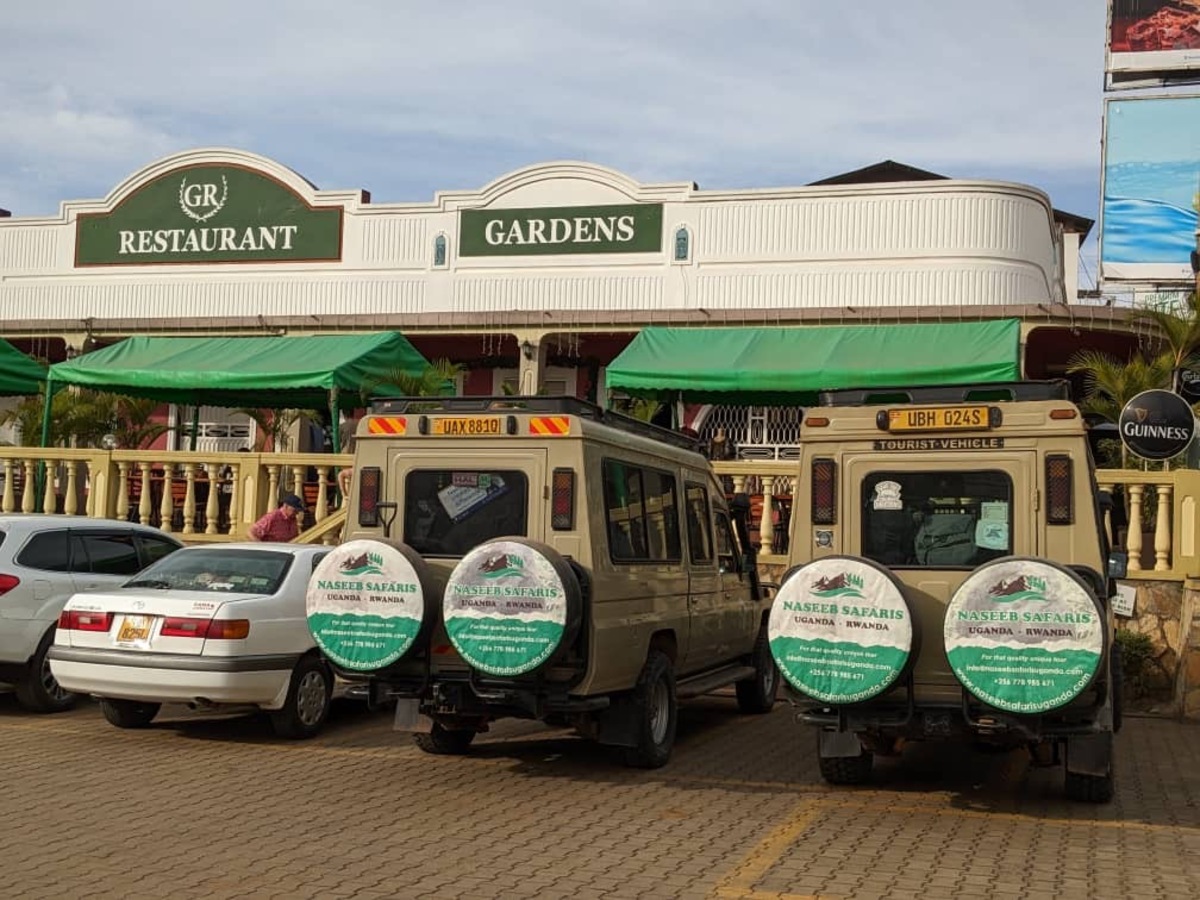
Getting to Queen Elizabeth by road
Combine Leopard Tracking With Other Wildlife Experiences in Queen Elizabeth National Park
One of the advantages of visiting Queen Elizabeth National Park is the variety of wildlife activities available within the same destination. Leopard tracking can be combined with morning and afternoon game drives across the Kasenyi Plains, where visitors have opportunities to search for lions, elephants, buffaloes, Uganda kobs and other savannah wildlife.
A boat cruise along the Kazinga Channel is another highlight. The channel connects Lakes Edward and George and supports large populations of hippos, crocodiles and numerous water birds. Elephants and buffaloes are also frequently seen gathering along its banks to drink and cool off.
Visitors with additional time can explore the Ishasha sector in the southern part of the park, which is famous for its tree-climbing lions. The forested Kyambura Gorge and nearby wildlife habitats also provide opportunities to discover a different side of Queen Elizabeth’s remarkable biodiversity.
Combining these activities creates a more complete safari experience, allowing visitors to appreciate the park’s diverse habitats and wildlife rather than concentrating on a single species.
Experience Leopard Tracking on a Uganda Safari With Naseeb Safaris
For travellers who want to go beyond ordinary game drives, leopard tracking offers an opportunity to explore the fascinating world of one of Africa’s most elusive predators. It combines wildlife observation, conservation knowledge and the excitement of following an animal whose movements are rarely easy to predict.
At Naseeb Safaris Uganda, we organise private and customised Uganda safaris that can include leopard tracking in Queen Elizabeth National Park alongside other memorable wildlife and nature experiences. Whether you are planning a dedicated wildlife safari or a longer journey combining Queen Elizabeth National Park with Murchison Falls, Kibale Forest, Bwindi Impenetrable National Park or Lake Mburo, we can help you create an itinerary around your interests, travel dates and preferred accommodation.
Discover Uganda’s remarkable wildlife with Naseeb Safaris and experience the Pearl of Africa beyond the ordinary game drive