
10-Day Uganda Scheduled Group Safari in June with Gorillas
10-Day Uganda Scheduled Group Safari in June with Gorillas, A ten-day Uganda safari in June offers a varied introduction to the country’s wildlife, forests and changing landscapes. This itinerary combines mountain gorilla trekking in Bwindi Impenetrable National Park, chimpanzee tracking in Kibale National Park, game drives in Murchison Falls and Queen Elizabeth national parks, and a final wildlife experience in Lake Mburo National Park. It also includes a visit to Ziwa Rhino Sanctuary, where visitors can track southern white rhinos on foot.
The route starts in Entebbe, travels north to Murchison Falls, continues through western Uganda and Bwindi, then turns east towards Lake Mburo before returning to Entebbe. It covers several of Uganda’s major safari highlights, although the distances involved make it a relatively active trip with some long driving days.
For solo travellers and couples, a scheduled group joining safari offers a way to share transport, guiding and other arrangements with fellow travellers on fixed departure dates. The itinerary suits visitors who want to experience Uganda’s main wildlife attractions without organising each part of the journey independently.
Why Visit Uganda in June?
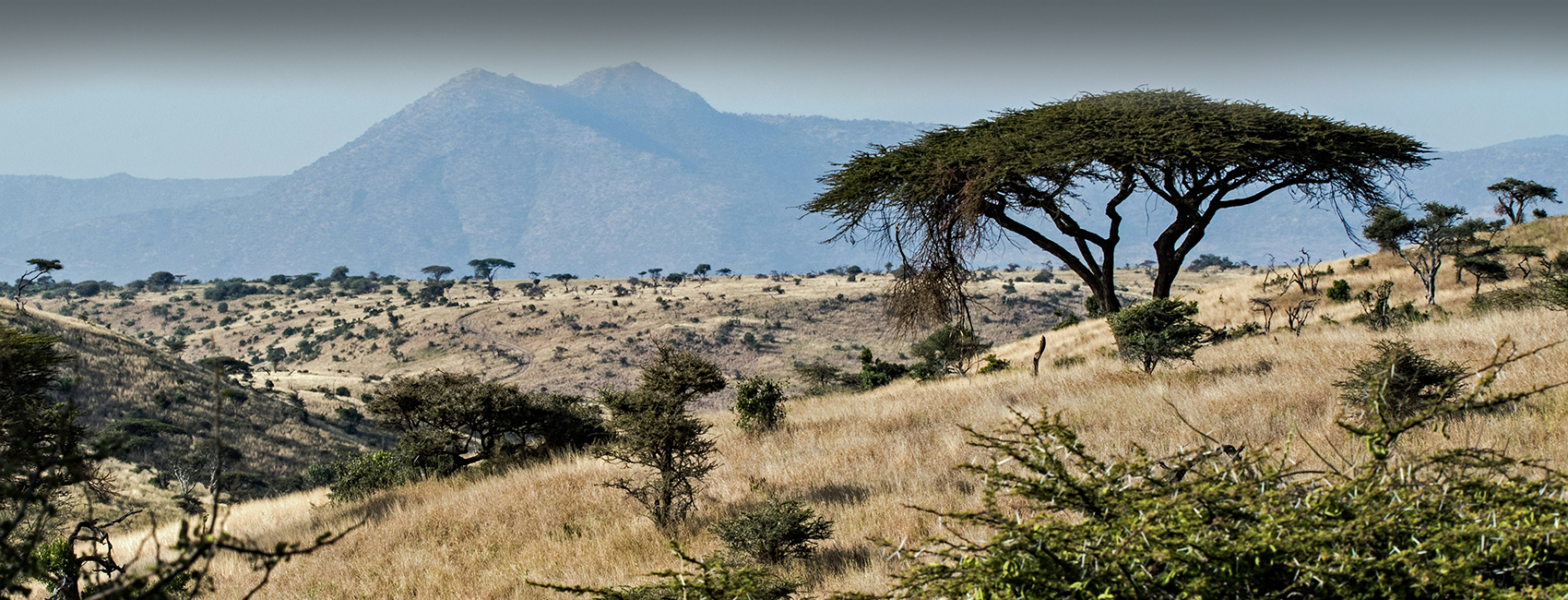
June marks the beginning of Uganda’s main dry-season travel period. Road travel is often more straightforward than during the wetter months, and vegetation in some savannah areas begins to thin, which can help with wildlife viewing.
However, Uganda does not become completely dry. Murchison Falls, Queen Elizabeth and Lake Mburo contain open grassland and woodland, while Kibale and Bwindi are tropical forest environments where rain can occur throughout the year. Trails may remain muddy, even when conditions elsewhere are relatively dry.
June is also a popular month for gorilla trekking. Permits and accommodation at convenient locations can become limited, particularly for travellers with fixed departure dates. Booking early gives you a better chance of securing the required arrangements.
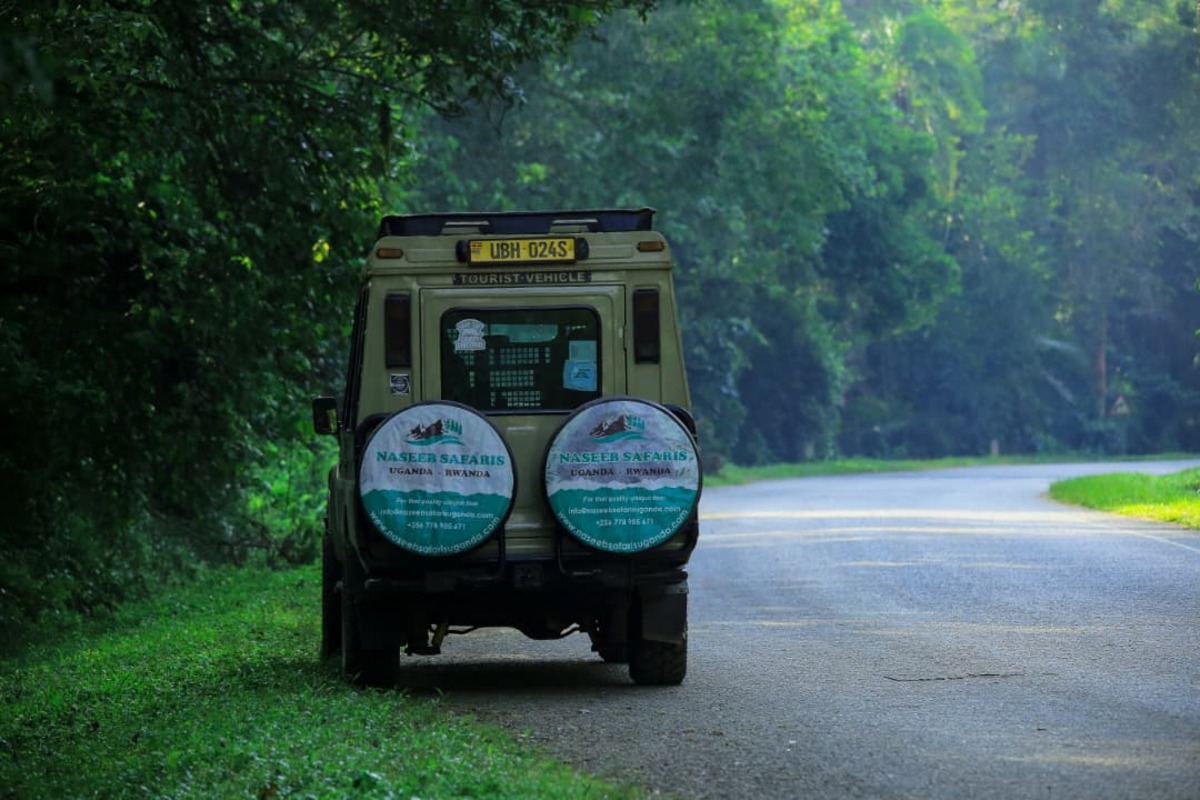
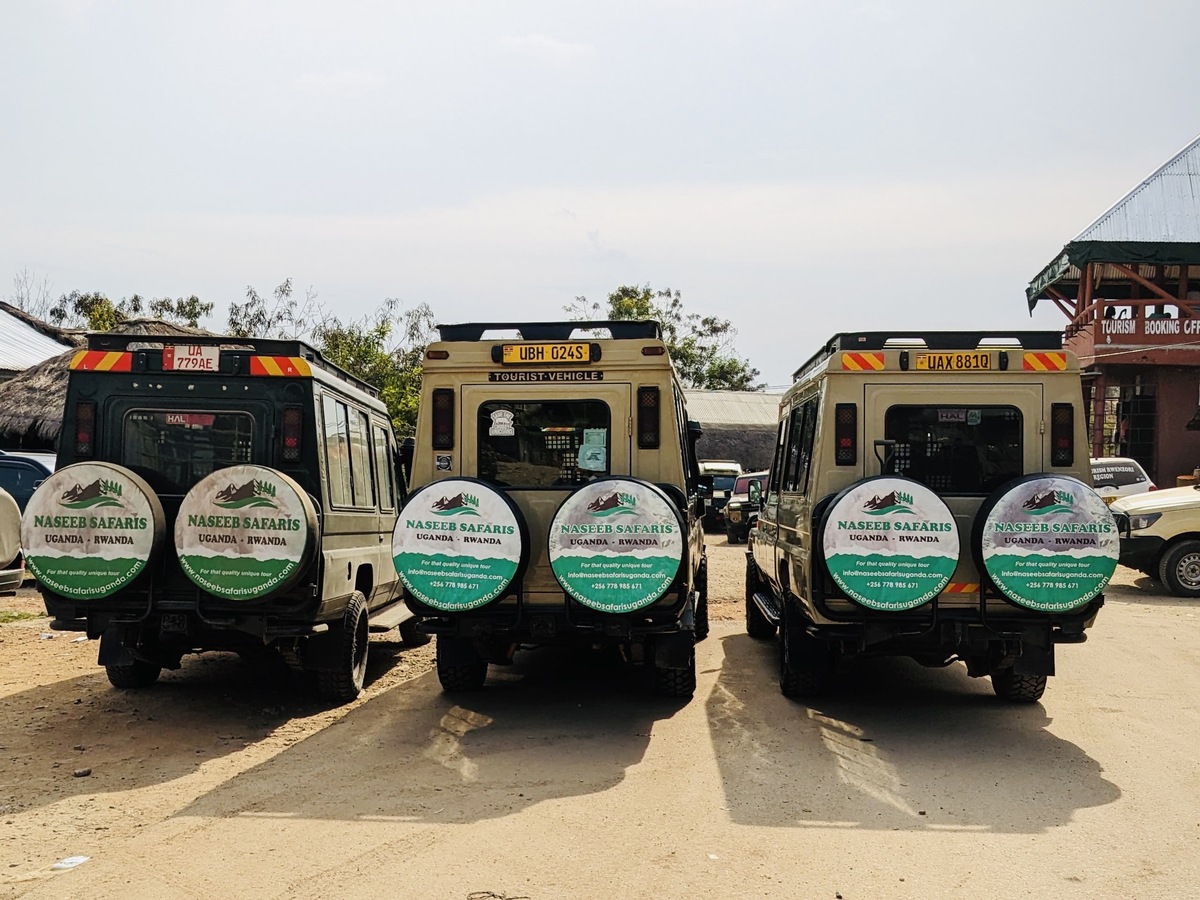
A safari jeep in Kibale forest
What Is a Scheduled Group Joining Safari?
A scheduled group safari follows a planned itinerary and departure date, with travellers sharing a vehicle and guide. Rather than arranging a private safari exclusively for your party, you join other visitors following the same route.
This format can be particularly practical for solo travellers who want to share the cost of safari transport. Couples and friends may also appreciate the opportunity to meet people from different countries along the way.
The main trade-off is flexibility. Departure dates, accommodation arrangements and activities are generally fixed, and changes may not be possible once permits and lodges are confirmed.
Before reserving a place, check the maximum group size, vehicle arrangements, accommodation category, room-sharing policy, included meals and activities, and any single-room supplement.
It is equally important to understand the pace. This ten-day route covers northern, western and southwestern Uganda, so several days involve substantial driving. It offers considerable variety, but travellers who prefer slower travel may want to compare it with a longer private itinerary.
Your 10-Day Uganda Safari Itinerary
Day 1: Entebbe to Murchison Falls via Ziwa Rhino Sanctuary
The journey begins in Entebbe, travelling north towards Murchison Falls National Park. En route, the safari stops at Ziwa Rhino Sanctuary for a guided rhino-tracking experience on foot.
Ziwa protects southern white rhinos in a managed natural environment. Accompanied by a trained guide, visitors walk through the sanctuary in search of the animals. The experience offers a different perspective from viewing wildlife from a vehicle, although sightings are not guaranteed.
After the activity, continue towards Murchison Falls, Uganda’s largest national park. The drive takes you through towns, farmland and changing countryside before reaching the park area.
This is a demanding first day because the rhino visit and onward transfer take time. Depending on the departure time, road conditions and sanctuary arrangements, arrival at the lodge may be late.
Day 2: Game Drive and Boat Cruise in Murchison Falls National Park
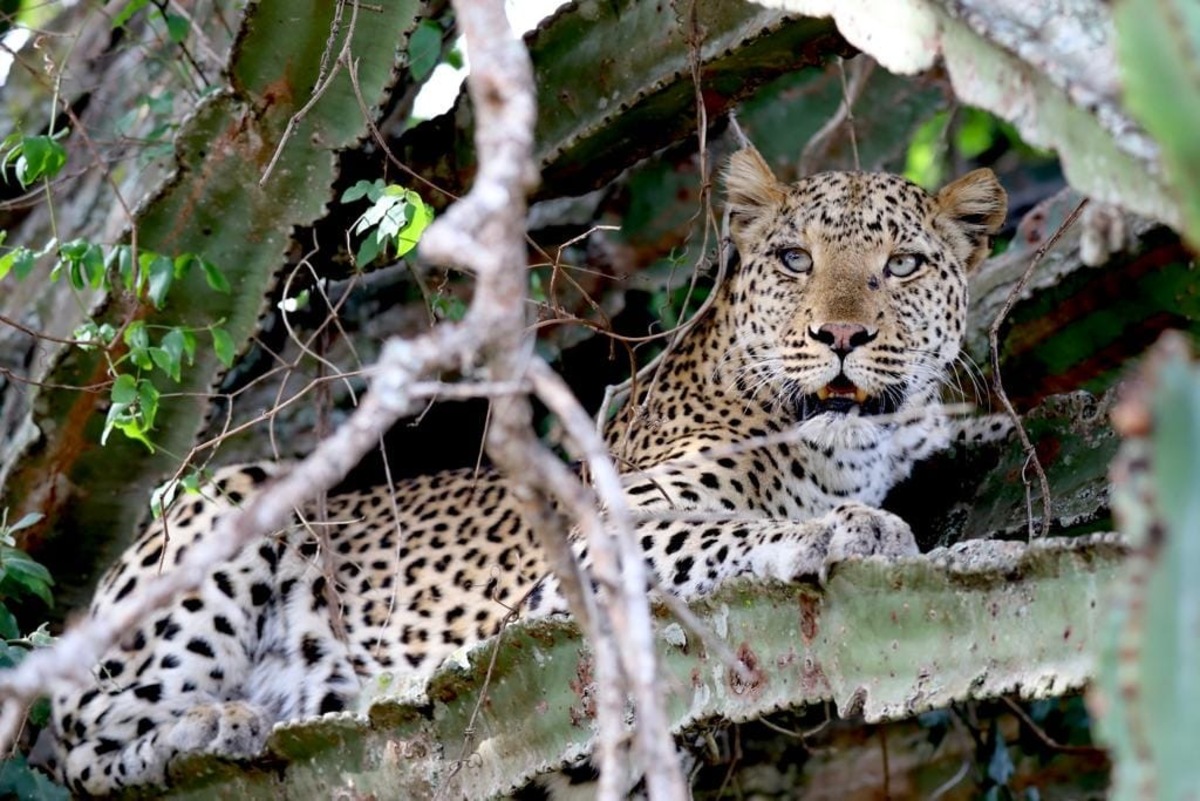
An early game drive explores the northern sector of Murchison Falls, where open grassland and woodland provide habitat for elephants, giraffes, buffaloes, antelopes and several predators.
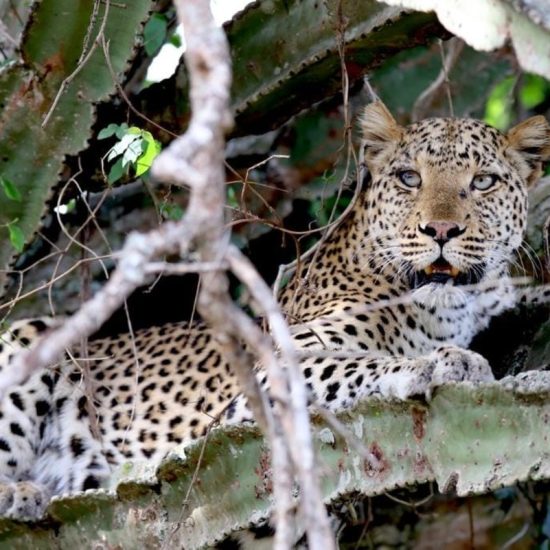
Wildlife activity is often most noticeable in the cooler hours of the morning. Your guide looks for fresh tracks, movement and other signs while scanning the landscape. Lions and leopards occur in the park, but sightings depend on luck, timing and conditions.
Later, a boat cruise along the Victoria Nile offers a different view of the ecosystem. Hippos gather in sections of the river, while crocodiles and waterbirds may be seen along the banks. Elephants and other animals sometimes approach the water.
The boat trip also provides a view of the river as it approaches the falls. An additional hike to the top of Murchison Falls may be possible if the schedule and transfer arrangements allow; confirm whether it is included in your particular departure.
Day 3: Murchison Falls to Kibale National Park
Today involves a substantial road transfer south towards Kibale National Park. The scenery changes from the open landscapes of Murchison Falls to cultivated countryside, greener hills and forested areas.
Allow for a long day on the road. Actual driving time depends on the route, traffic, road conditions and stops, so the schedule should not rely on an overly optimistic arrival time.
Kibale is one of Uganda’s best-known destinations for chimpanzee tracking. Its tropical forest supports chimpanzees and other primates, alongside a rich variety of forest birds.
After arrival, settle into your accommodation and prepare for the following day’s forest activity. Keeping the evening relaxed is worthwhile, particularly after the early starts and long drive of the preceding days.
Day 4: Chimpanzee Tracking in Kibale Forest
Chimpanzee tracking begins with a briefing from park staff before visitors enter the forest with experienced guides and trackers. The group follows signs of chimpanzee activity, including calls, movement and feeding sites.
Unlike a game drive, this experience depends on walking through the forest. The chimpanzees move freely through their habitat, sometimes travelling along the ground and sometimes climbing high into the canopy.
Once the group locates them, visitors can observe their behaviour within the applicable viewing rules. Chimpanzees may feed, groom, rest, call to one another or move between trees. Their behaviour changes throughout the day, so no two encounters are exactly alike.
The walk can be physically demanding, depending on where the chimpanzees are located and how quickly they move. Forest trails can be uneven and slippery, and visitors should be comfortable walking for a period of time.
If the schedule permits, a visit to the nearby Bigodi Wetland Sanctuary provides another opportunity to explore the area’s biodiversity and community conservation initiatives. Confirm whether this is included or offered as an optional activity.
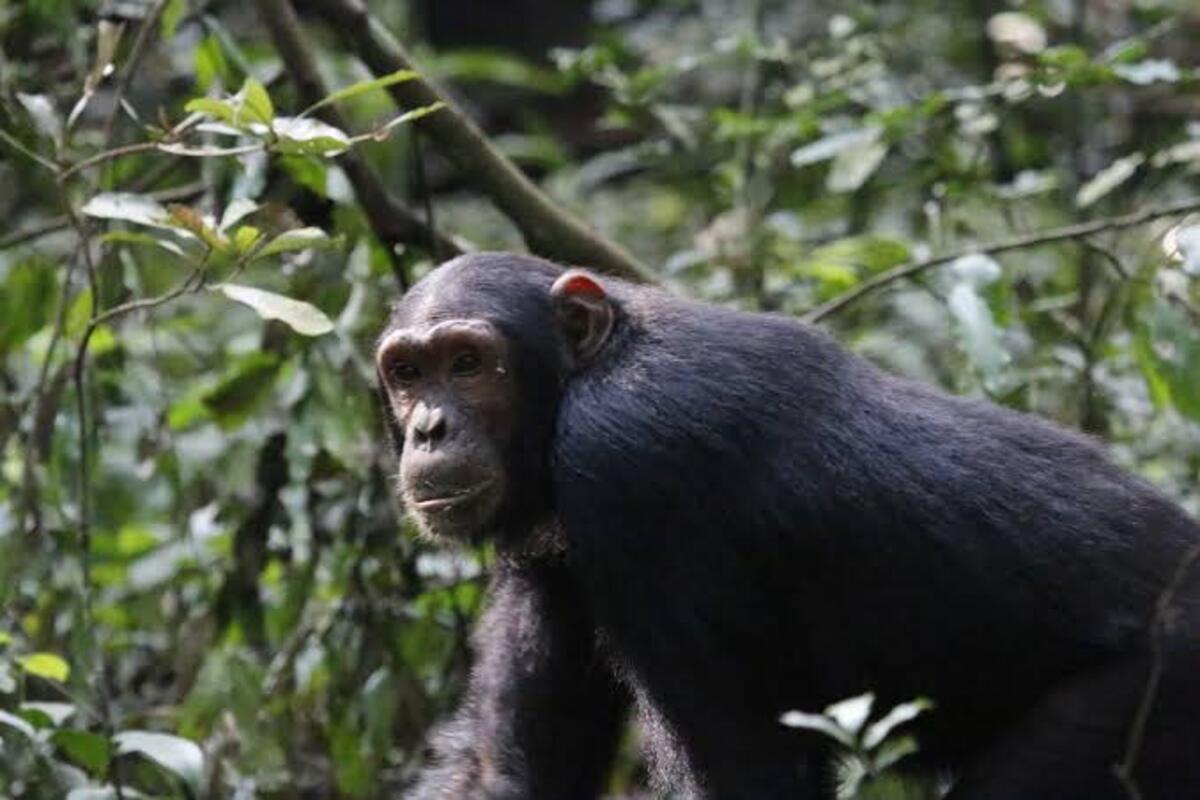
A chimpanzee moving through Kibale’s canopy
Day 5: Kibale to Queen Elizabeth National Park
Leave Kibale and travel towards Queen Elizabeth National Park. The route passes through western Uganda’s countryside, with views of cultivated hills and, depending on the route, the crater-lake landscape around the park’s northern approaches.
Queen Elizabeth contains a mixture of savannah, woodland, wetlands and forest habitats. This diversity supports elephants, buffaloes, antelopes, hippos and numerous bird species.
After checking in, the afternoon may allow time to relax or take part in a scheduled activity, depending on the departure’s confirmed arrangements. If the group arrives early enough, a game drive may be possible, but it should not be assumed without checking the itinerary.
Day 6: Wildlife Viewing in Queen Elizabeth National Park
An early game drive explores the park’s savannah, where wildlife often becomes more active during the cooler hours. Elephants and buffaloes are among the animals visitors may encounter, alongside Uganda kob, warthogs and other antelopes.
Lions occur in the park, and specialist lion or leopard tracking may be available through separate arrangements. Neither activity guarantees a sighting, and any additional fees should be confirmed before booking.
Later, a boat cruise along the Kazinga Channel offers a slower wildlife-viewing experience. The channel connects Lake Edward and Lake George and attracts large numbers of water-associated animals and birds.
Hippos are commonly seen in the water, while crocodiles, buffaloes, elephants and waterbirds may appear along the banks. The boat also provides good opportunities for photography without the need to follow animals on foot.
Day 7: Queen Elizabeth National Park to Bwindi Impenetrable National Park
The journey continues south towards Bwindi Impenetrable National Park, home to mountain gorillas. Savannah gradually gives way to cultivated hills, winding roads and increasingly dense vegetation.
Driving times vary according to the sector of Bwindi used for the gorilla trek. The park has several trekking sectors, and they are not interchangeable in terms of location. Accommodation should be selected to match the confirmed permit sector.
The road journey can take several hours, particularly when the route includes winding or rough sections. A comfortable 4×4 and a well-planned schedule make the transfer easier, but travellers should still expect a full day of travel.
Once at the lodge, prepare for the following morning. Organise your trekking clothes, waterproof jacket, daypack and camera so that you do not have to rush before the briefing.
Day 8: Mountain Gorilla Trekking in Bwindi
Gorilla trekking is the central experience for many visitors to Bwindi. The day begins with a briefing from park staff, followed by assignment to a habituated gorilla family and a guided walk into the forest.
There is no fixed trekking duration. Some groups find their gorilla family after a relatively short walk, while others spend several hours following the trackers. The terrain can be steep, muddy and uneven, even in June.
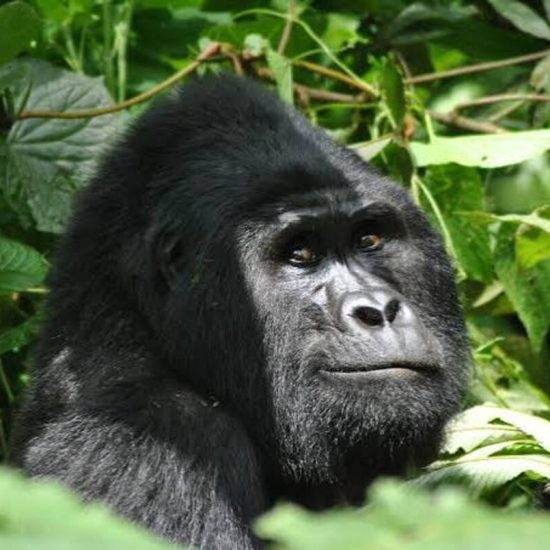
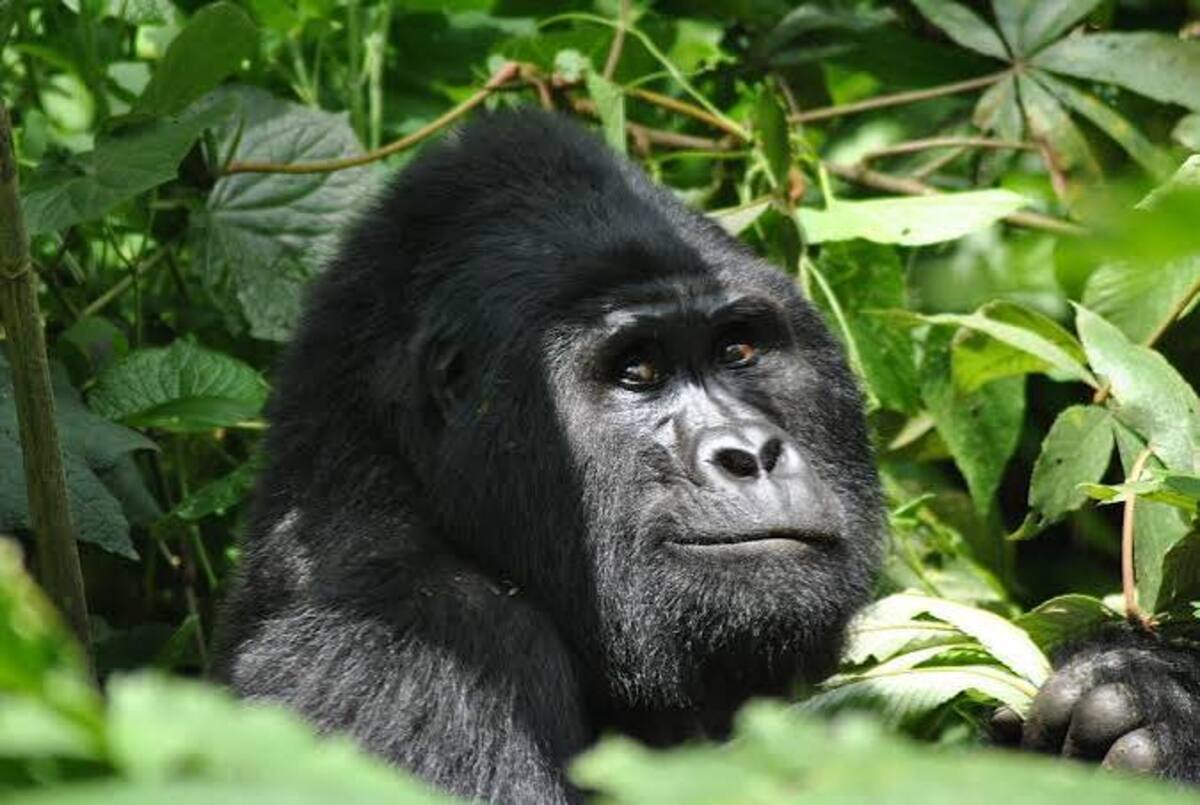
When the gorillas are located, visitors have a regulated period to observe them. A silverback may rest in the vegetation while younger gorillas play or the group feeds and moves through the forest.
The encounter takes place in the animals’ natural habitat. Dense foliage, changing light and movement can make photography challenging, so it is best to focus on observing their behaviour rather than trying to capture a perfect image.
A reasonable level of fitness helps, but specialist hiking experience is not essential. Porters are available to carry daypacks and provide assistance on difficult sections. Anyone with mobility concerns should discuss their needs before booking because the terrain can be demanding.
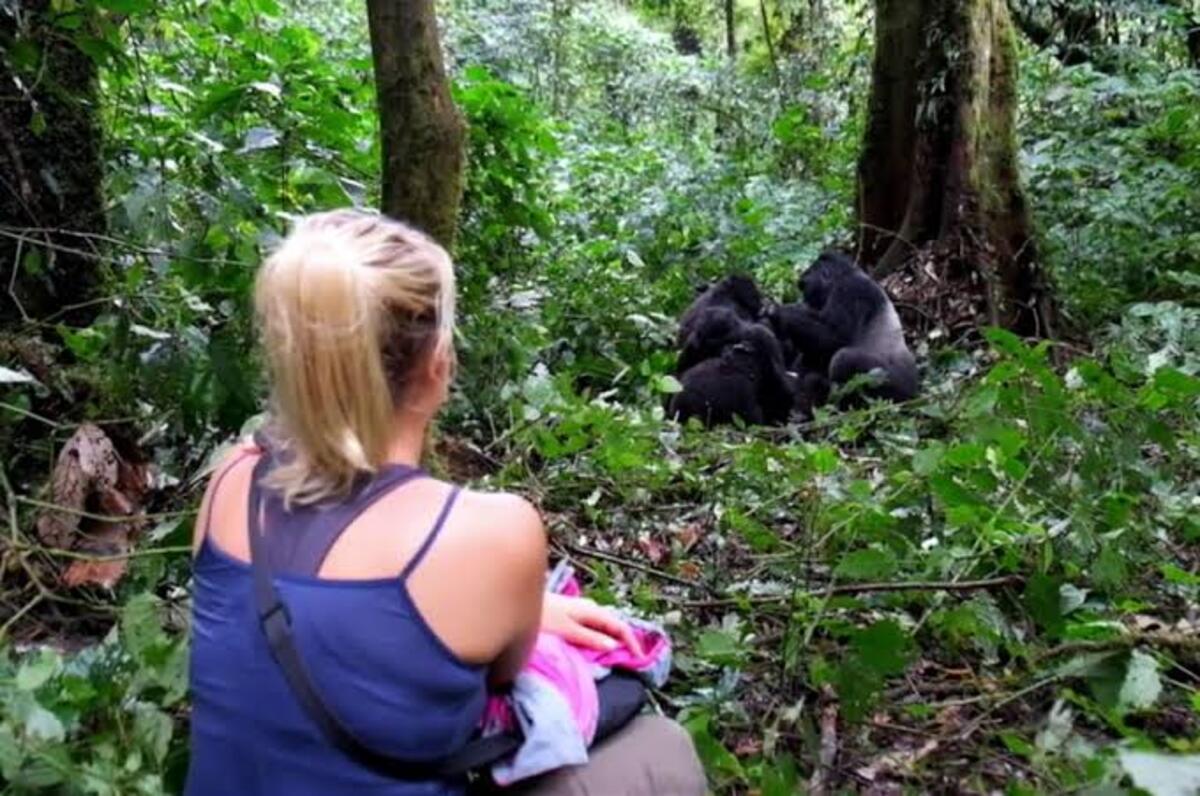
Visitors quietly observing gorillas through natural vegetation
Day 9: Bwindi to Lake Mburo National Park
After breakfast, travel east towards Lake Mburo National Park. This is another substantial transfer, taking you away from Bwindi’s forested mountains and back towards Uganda’s open grasslands and acacia woodland.
Lake Mburo is smaller than Uganda’s larger savannah parks, but it offers a different wildlife experience. Zebras, impalas, buffaloes, elands and several other antelope species occur here, alongside a variety of birds.
The park is also known for activities such as guided nature walks and cycling safaris when arranged through authorised providers. These offer a different way to experience the landscape, although availability depends on the schedule and activity selected.
Depending on departure time and arrival conditions, there may be an opportunity for a short evening game drive. After a long journey, however, the main priority may be reaching the lodge and resting before the final day.
Day 10: Lake Mburo and Return to Entebbe
The final morning may begin with a short game drive, depending on the group’s schedule and the time needed to return to Entebbe.
Lake Mburo offers the possibility of seeing zebra, impala, buffalo and other wildlife in a landscape that differs from the forests of Kibale and Bwindi. Sightings vary, and the morning activity should be planned around the departure time rather than treated as a guarantee.
Afterwards, travel back to Entebbe. Allow sufficient time for traffic, road delays and any international flight arrangements. A same-day international departure should only be planned after confirming the expected arrival time with the safari operator and airline.
If you have a late flight, the schedule may work comfortably. For an early departure, an additional night in Entebbe is a safer option.
What Does a June Uganda Safari Cost?
The total price depends on the scheduled departure, accommodation category, group size, vehicle arrangements and activities included. Gorilla and chimpanzee permits are important components, but they are not the only costs.
Before booking, request a written breakdown covering:
- Gorilla trekking and chimpanzee tracking permits.
- Ziwa rhino tracking and any applicable activity fees.
- Accommodation and included meals.
- Safari transport, fuel and guiding.
- Game drives and the boat cruises included in the itinerary.
- Park entry fees and any additional activities.
- Airport transfers, if included.
- Single-room supplements and any excluded expenses.
Permit rates can change between tariff periods. Confirm the official rates applicable to your travel dates rather than relying on an old online quotation.
What Should You Pack for June?
June is a useful time to prepare for both warm savannah conditions and damp forest trails. The key is to pack in layers and protect your equipment from rain.
For the forest activities, bring sturdy hiking shoes with good grip, long trousers, a lightweight waterproof jacket, gardening gloves and a small daypack. Insect repellent, sunscreen, a reusable water bottle and a hat are also useful.
Pack lighter clothing for game drives, together with a fleece or light jacket for cool mornings and evenings. A waterproof cover or dry bag helps protect your phone, camera and other valuables.
For photography, a versatile zoom lens can be more practical than carrying several heavy lenses on a forest trek. Bring spare batteries and memory cards, and check the rules on flash photography and equipment use during wildlife encounters.
Accommodation on a Scheduled Group Safari
Accommodation standards vary according to the departure’s price category. Options near the national parks range from simple lodges to comfortable mid-range properties and higher-end safari accommodation.
Location is particularly important around Bwindi. Confirm which trekking sector is allocated and where the group stays, as the wrong lodge location can add unnecessary driving on gorilla trekking morning.
Also check whether the price includes private rooms, whether a single supplement applies, and which meals are provided. After several long transfers and early starts, a convenient location and a comfortable place to rest can make a substantial difference to the trip.
Responsible Wildlife Viewing and Tipping
Wildlife tourism works best when visitors respect the animals and the people who protect their habitats. Follow the instructions of guides and rangers, keep the required distance from gorillas and chimpanzees, never feed wildlife, and avoid littering.
During forest activities, keep your voice low and follow all health and viewing rules. Do not touch wild animals, even when they appear relaxed.
Tipping guides, drivers, trackers and porters is customary when visitors are pleased with the service. The amount depends on the quality of service, the length of the activity and personal preference. Ask your operator for current local guidance if you are unsure.
Common Mistakes to Avoid
Underestimating the driving distances: Murchison Falls, Kibale, Queen Elizabeth, Bwindi and Lake Mburo cover a broad route. Some transfers take much of the day, so this itinerary is better suited to travellers comfortable with road travel.
Assuming June means no rain: Forest trails can remain wet and slippery. Waterproof clothing and suitable footwear are important.
Booking permits before confirming the route: Gorilla permits are sector- and date-specific. Make sure the permit, accommodation and itinerary match before finalising arrangements.
Leaving bookings until the last minute: June is popular for safari travel, and the availability of permits and suitable accommodation can be limited.
Planning an early international flight after the final drive: The return from Lake Mburo takes several hours. An extra night in Entebbe can reduce the risk of missing a flight.
Expecting guaranteed wildlife sightings: Guides work to find animals, but wildlife moves freely. A good safari allows room for uncertainty and appreciates the landscape as well as the animals.
Frequently Asked Questions
Is June a good month for a Uganda safari?
Yes. June is generally a popular month for wildlife viewing and gorilla trekking. Conditions are often favourable for road travel, although rain remains possible, especially in forest areas.
Can I see gorillas, chimpanzees and the Big Five in ten days?
You can combine gorilla trekking, chimpanzee tracking and wildlife viewing in this itinerary. Murchison Falls and Queen Elizabeth offer opportunities to see several of the Big Five, while rhino tracking takes place at Ziwa Rhino Sanctuary. However, seeing every member of the Big Five is never guaranteed.
Is this scheduled group safari suitable for solo travellers?
Yes, provided you are comfortable sharing transport and following a fixed itinerary. Confirm the group size, room arrangements and any single supplement before booking.
How difficult is gorilla trekking in Bwindi?
Difficulty varies with the location of the gorillas, terrain and weather. Some treks are relatively short, while others require several hours on steep, muddy trails. Porters can help carry bags and provide assistance, but the trek still requires physical effort.
How far in advance should I book a June safari?
Book as early as practical, particularly if you have fixed dates. Gorilla permits, accommodation and places on scheduled departures can become limited. Confirm all components before making non-refundable travel arrangements.
Does the safari include Murchison Falls and Lake Mburo?
This itinerary includes both parks, along with Ziwa Rhino Sanctuary, Kibale, Queen Elizabeth and Bwindi. The precise activities included at each destination depend on the confirmed scheduled departure.
Is ten days enough for Uganda?
Ten days allows you to experience several of Uganda’s main wildlife and primate destinations. This route is relatively fast-paced, however, and does not cover every major region. Travellers who prefer fewer long drives may benefit from extending the trip.
What should I know about the final drive to Entebbe?
Lake Mburo is several hours by road from Entebbe. Travel times depend on traffic, stops and road conditions. If you have an international flight on the last day, confirm the expected arrival time carefully or consider spending an additional night near the airport.
A Ten-Day Journey Through Uganda’s Changing Landscapes
From tracking rhinos on foot at Ziwa to listening for chimpanzees in Kibale and watching mountain gorillas in Bwindi, this itinerary brings together several different ways of experiencing Uganda’s wildlife. Murchison Falls and Queen Elizabeth add the open landscapes of the savannah, while Lake Mburo offers a quieter final encounter with the country’s grassland animals.
The journey also gives a sense of Uganda beyond its wildlife. Rural towns, cultivated hills, forest communities and the changing scenery between parks are all part of travelling across the country.
A scheduled group safari suits travellers who value a planned route and shared travel arrangements and who are comfortable with some long driving days. If you prefer more time at each destination, a slower or private itinerary may be worth considering.
If you are interested in a 10-day June scheduled group safari in Uganda, Naseeb Safaris can help you review the departure date, available permits, accommodation, inclusions and group arrangements before you commit. The important thing is to choose a trip that matches your interests, budget and expectations.