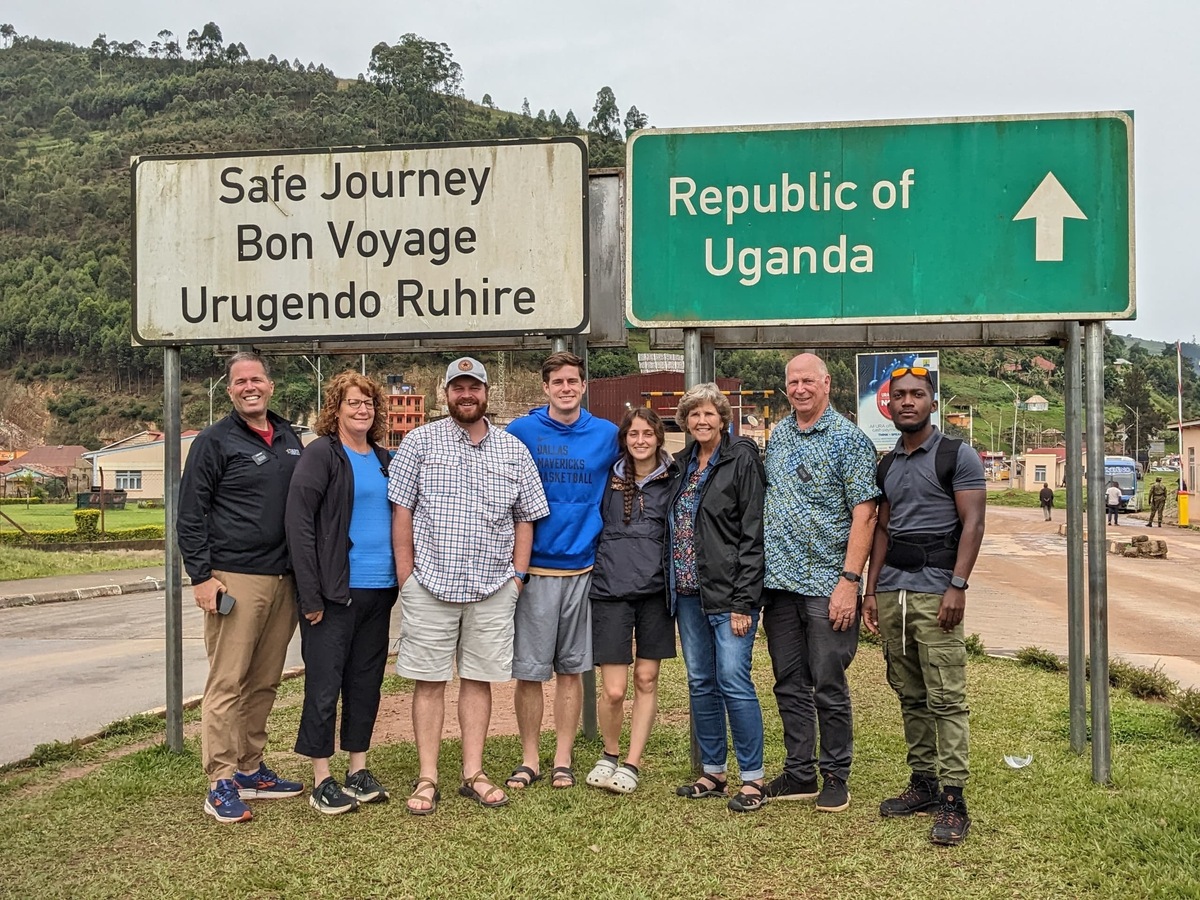

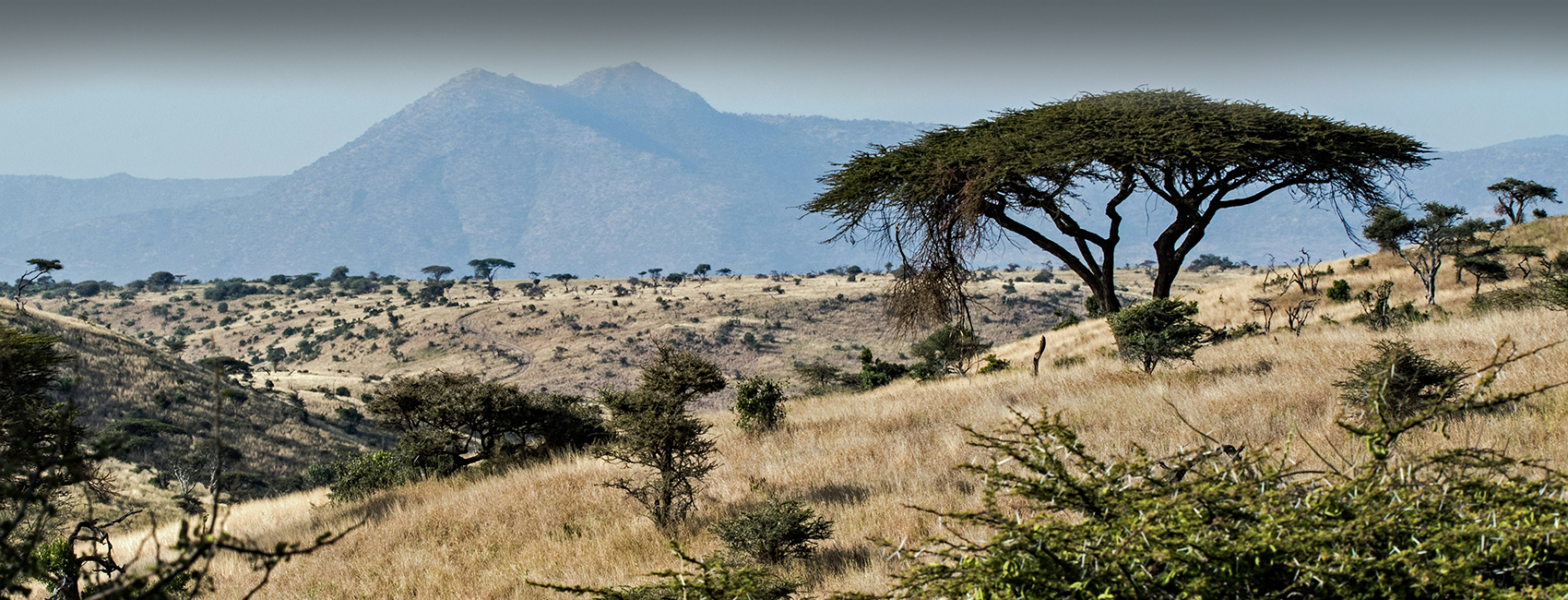
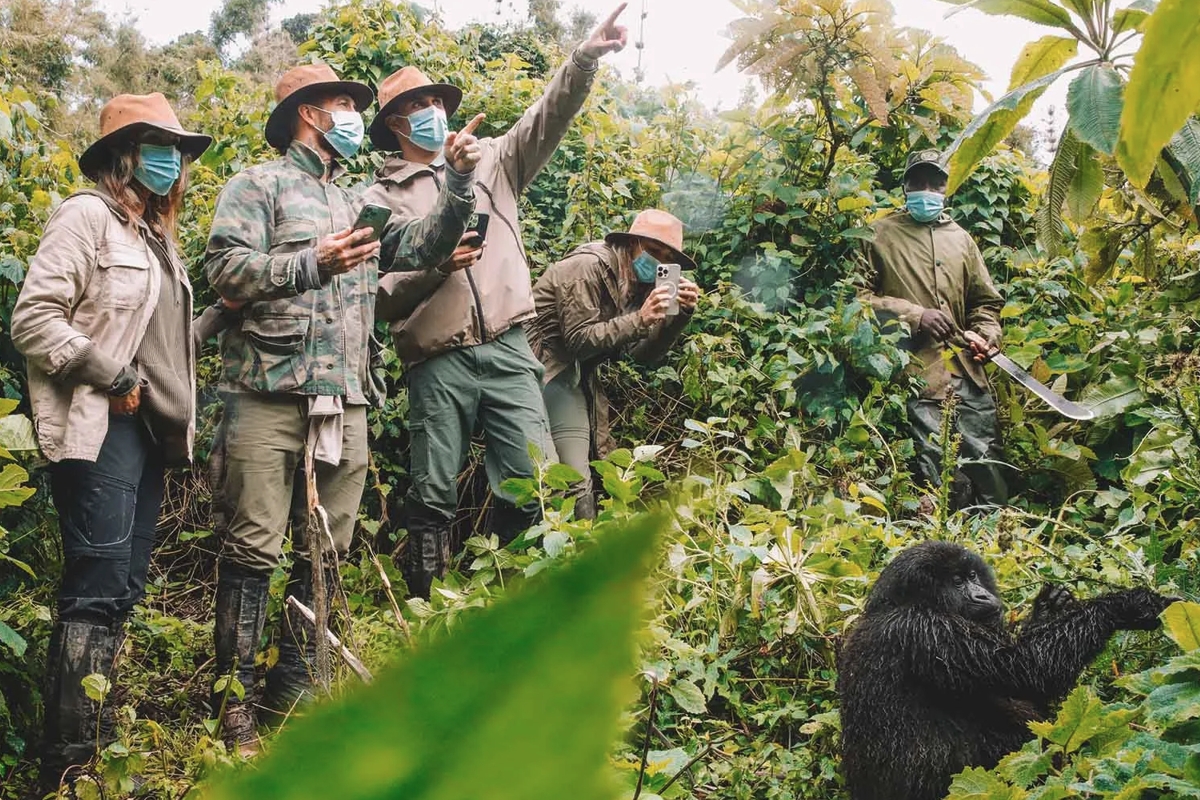
How Difficult Is Gorilla Trekking in Uganda?
How Difficult Is Gorilla Trekking in Uganda?, Gorilla trekking in Uganda sits somewhere between a forest hike and a wildlife expedition. It is not a casual walk, but it is also not a technical climb reserved for expert hikers. The real challenge lies in the unpredictability of the terrain, the movement of the gorillas, and the conditions of the rainforest rather than any single physical requirement.
For many travelers, this is the moment Uganda becomes real: dense vegetation closing in, steep ridges underfoot, and the understanding that you are searching for one of the world’s rarest primates in their natural home.
This guide breaks down what the experience actually feels like, how demanding it can be, and how to prepare so you can decide whether it fits your travel plans.
What Gorilla Trekking in Uganda Involves
Uganda is home to more than half of the world’s remaining mountain gorillas, mainly found in two protected areas: Bwindi Impenetrable National Park and Mgahinga Gorilla National Park.
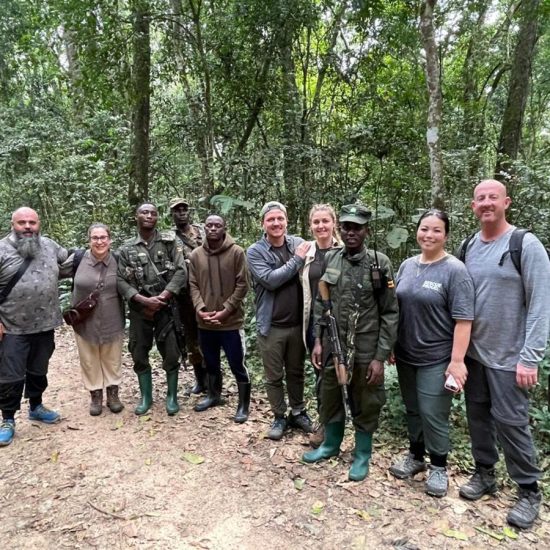
Unlike a traditional safari where wildlife is viewed from a vehicle, gorilla trekking is a walking experience through forested mountains. Each morning, ranger teams track different gorilla families and determine their location. Visitors are then assigned a group and guided into the forest to find them.
Once the gorillas are located, you are allowed one hour in their presence.
Everything before that moment is the trek itself.
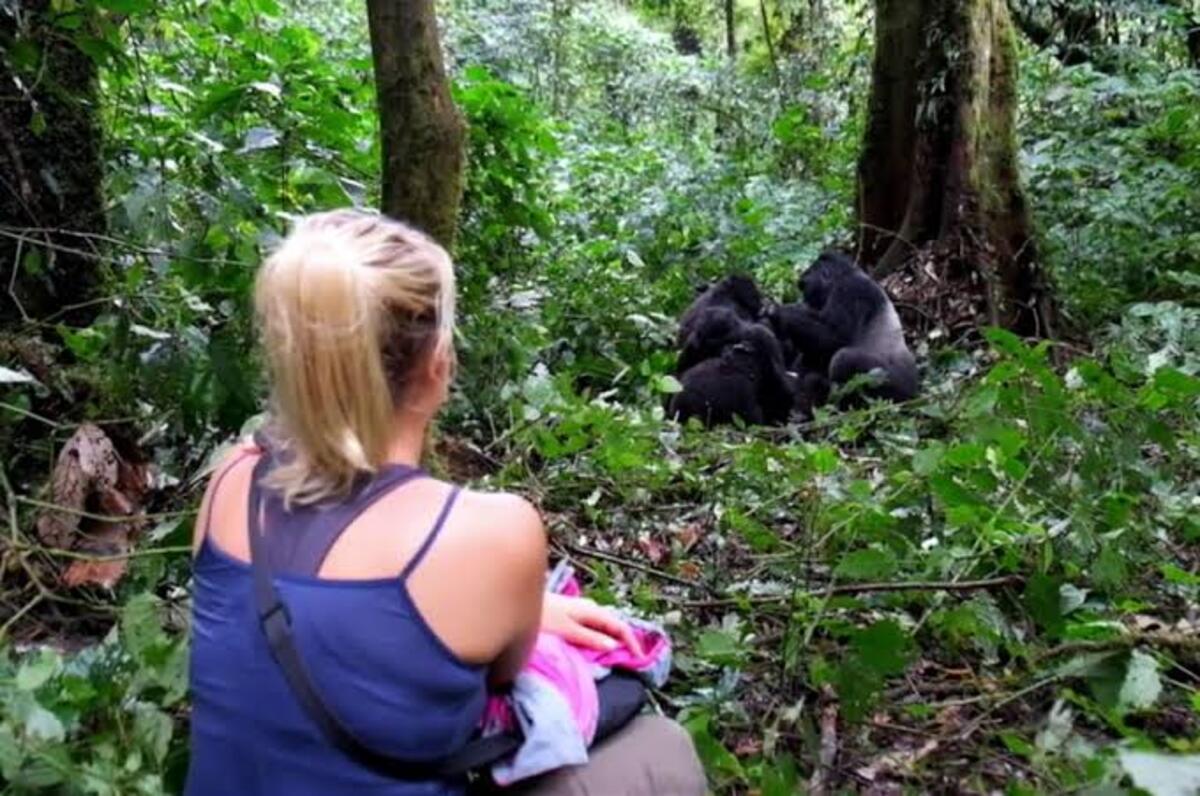
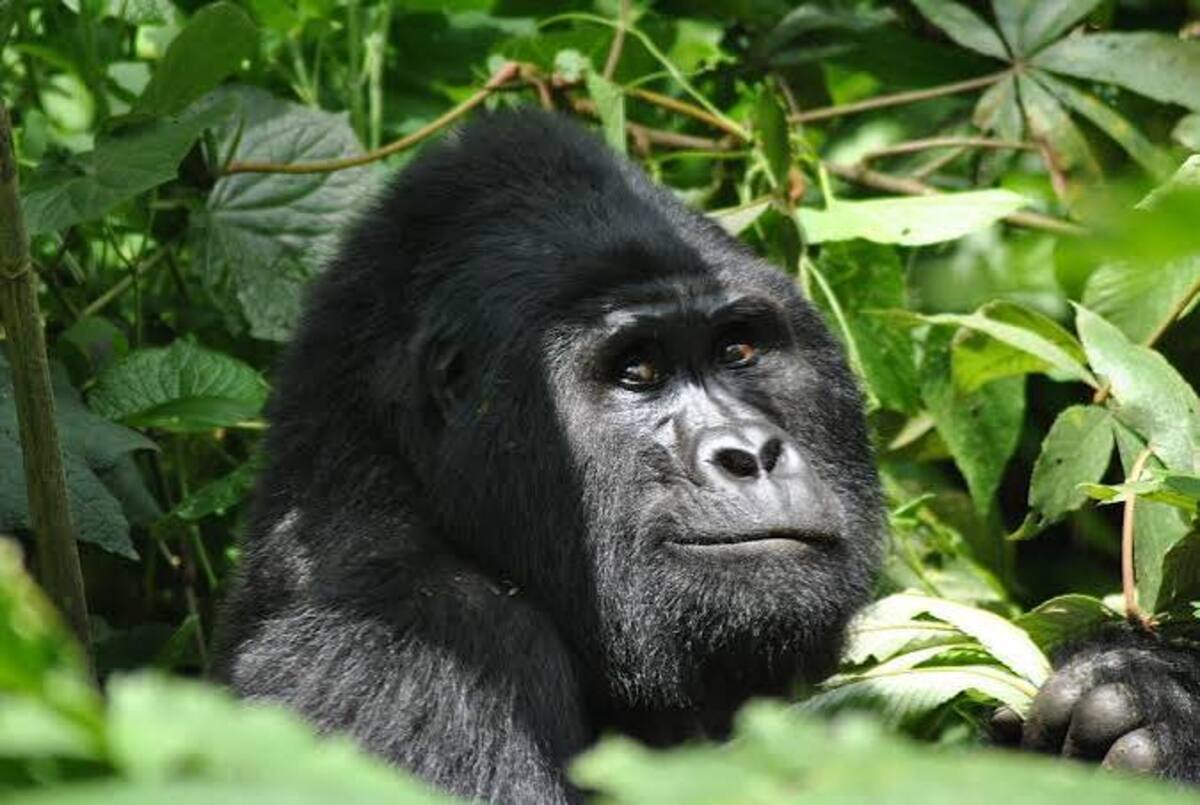
Visitors quietly observing gorillas through natural vegetation
Why Gorilla Trekking Can Feel Demanding
The difficulty is not constant. Some days are relatively gentle, while others can be physically demanding. Several natural factors shape the experience.
-
Steep and uneven terrain
Much of Bwindi lies on a rugged mountain system with elevations ranging roughly from 1,160 to over 2,600 meters. The landscape is rarely flat.
Expect:
- Steep uphill climbs followed by sharp descents
- Narrow footpaths cut through thick vegetation
- Muddy, slippery sections after rain
- Uneven roots and hidden rocks underfoot
In some places, you will naturally use your hands for balance.
-
Unpredictable trekking duration
There is no fixed hiking time.
Some gorilla families are located within 30–60 minutes of walking. Others may require 4–6 hours of hiking before you reach them. The trackers move ahead early each morning, but gorillas continue to shift through the forest.
This unpredictability is central to the experience. It is also why two visitors on the same day can have completely different levels of effort for example it took me less than an hour to come to sight with the gorillas the last time I did gorilla trekking.
-
Altitude and stamina
Although not extreme by mountaineering standards, altitude can still be noticeable, especially for travelers arriving from sea-level destinations.
You may feel:
- Slight breathlessness on steep climbs
- Faster fatigue than expected
- Increased sweating during exertion
The solution is simple: a steady pace and frequent short breaks.
-
Rainforest weather conditions
The forest is part of a tropical ecosystem, and rain is always possible, regardless of season.
Wet conditions can lead to:
- Slippery trails
- Heavier mud on forest paths
- Reduced visibility in dense sections
Even in drier months, sudden showers are common. Waterproof gear is not optional.
-
Dense vegetation
The word “impenetrable” in Bwindi Impenetrable National Park is not poetic exaggeration.
You move through:
- Thick vines and undergrowth
- Fern-filled valleys
- Bamboo zones
- Tangled forest edges where paths are sometimes cleared by rangers
Progress can feel slow because the forest constantly reshapes the path but this is all part of the experience.
How Fit Do You Need to Be?
A common misconception is that gorilla trekking requires high athletic fitness. In reality, it requires endurance rather than speed or strength.
Most travelers who can:
- Walk for 2–5 hours at a steady pace
- Handle hills or stairs
- Move comfortably on uneven ground
are usually able to complete a trek.
Visitors in their 60s and 70s regularly take part successfully. Fitness helps, but preparation matters more than athletic ability.
Porters and guides also adjust pacing to suit the group, and trekking assignments can sometimes reflect fitness levels when possible.
Gorilla Trekking Difficulty Levels (Realistic Breakdown)
Easy treks (less common but possible)
- 1–2 hours total walking
- Gentle slopes
- Gorillas located relatively close
Suitable for: less active travelers, seniors, or first-time hikers.
Moderate treks (most common)
- 2–5 hours hiking
- Mixed terrain with occasional climbs
- Some muddy or steep sections
Suitable for: most visitors with average fitness.
Challenging treks
- 4–6+ hours hiking
- Steep ridges and dense forest sections
- Physically demanding ascents
Suitable for: active travelers comfortable with long hikes.
Which Trekking Areas Feel Easier or Harder?
The experience varies depending on the sector you are assigned within Bwindi.
Buhoma Sector, Bwindi Impenetrable National Park
Often considered one of the more accessible starting points, with established trails and relatively gentler terrain in some areas.
Rushaga Sector, Bwindi Impenetrable National Park
Home to many habituated gorilla families. Trek difficulty varies widely depending on the group location.
Ruhija Sector, Bwindi Impenetrable National Park
Higher elevation terrain, often involving more climbing but rewarding forest scenery.
Nkuringo Sector, Bwindi Impenetrable National Park
Known for steep hills and physically demanding treks. Best suited for experienced or adventurous hikers.
Can Older Travellers or Less Mobile Visitors Trek?
Yes. Gorilla trekking is more accessible than many assume.
For travelers with limited mobility, a specially adapted carrying chair service is available in all sectors. This is supported by trained local porters and allows visitors who cannot hike to still reach gorilla families.
It is important to note that this service must be arranged in advance at an extra cost and depends on availability.
Why Hiring a Porter Makes a Big Difference
Porters are one of the most valuable but underrated parts of the experience.
They can:
- Carry backpacks
- Offer support on steep or muddy sections
- Help stabilize you during difficult climbs
- Assist with navigating slippery terrain
Hiring a porter also directly supports local communities living around the parks.
The fee is modest by safari standards, and many travelers say it transforms their trekking experience from difficult to manageable.
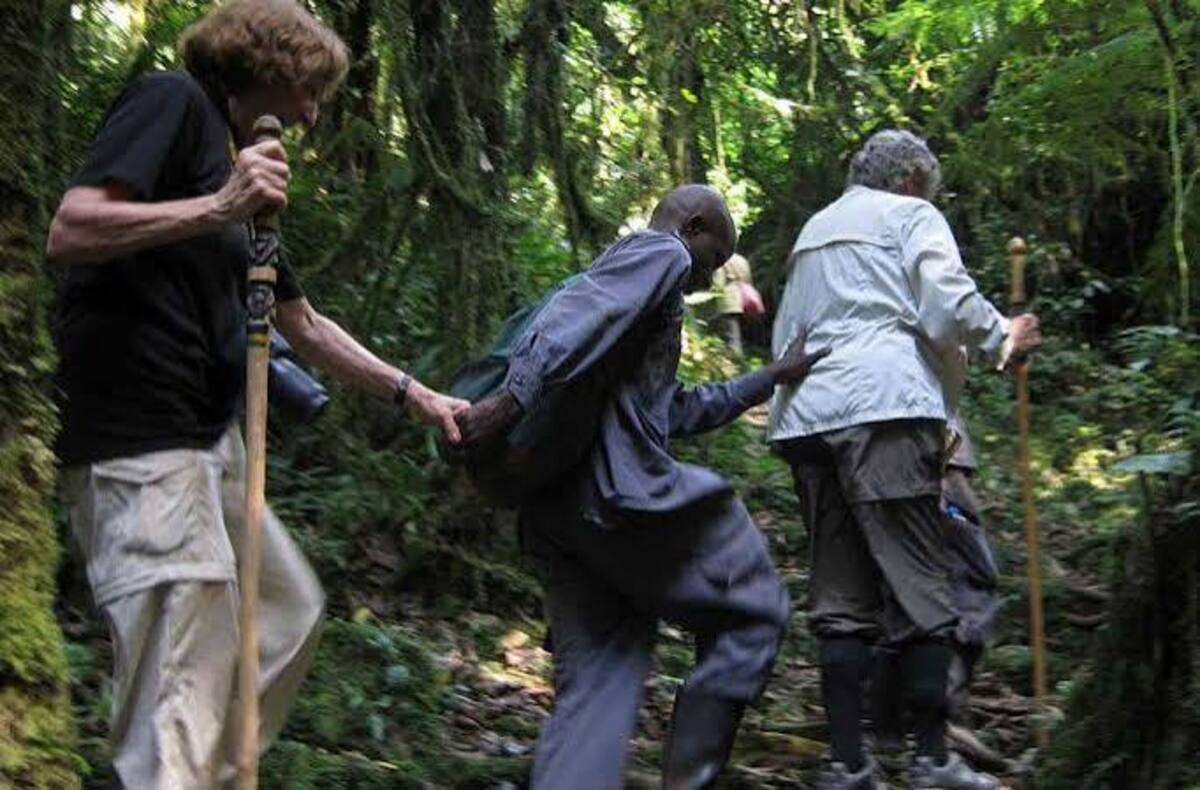
A porter assisting a traveller on a steep, muddy section of Bwindi trail
What a Gorilla Trek Feels Like (Step by Step)
The day begins early, often before sunrise. At the park headquarters, visitors gather for registration and a ranger briefing.
After assignments are made, groups set off in different directions. The first part of the walk may pass through farmland before entering dense forest.
As you go deeper:
- Bird calls become more frequent
- The air feels cooler and more humid
- Vegetation thickens around the path
- You may hear monkeys moving above the canopy
At some point, communication crackles through the radio: the gorillas have been located nearby.
The final approach becomes quieter. Movement slows. Then, almost without warning, the forest opens into a moment that feels suspended in time.
A silverback sits in the vegetation. Mothers groom infants. Young gorillas move through branches with surprising ease.
The physical effort fades quickly into the background.
How to Prepare for Gorilla Trekking
Preparation does not need to be extreme, but a few weeks of light training helps significantly.
Helpful preparation includes:
- Regular walking (30–60 minutes daily)
- Stair climbing for leg strength
- Weekend hikes on uneven trails
- Light strength training (squats, lunges, step-ups)
- Basic cardio like cycling or swimming
The goal is not peak fitness, it is comfort with sustained movement.
Essential Packing List for Comfort
- Waterproof hiking boots with ankle support
- Long trousers and long-sleeved shirts
- Lightweight rain jacket
- Gardening gloves for vegetation grip
- At least 2 litres of water provided by the tour operator
- Energy snacks
- Small backpack (ideally carried by a porter)
- Walking stick (usually provided at the park)
Is Gorilla Trekking Harder Than a Normal Safari?
Yes. A traditional game drive involves minimal physical effort, while gorilla trekking requires active hiking through challenging terrain. However, it is generally easier than high-altitude mountain climbs or multi-day trekking expeditions.
Is Gorilla Trekking Worth the Effort?
The difficulty is part of what makes the experience meaningful. Unlike viewing wildlife from a distance, you are entering the same environment as the gorillas and following their movement through it.
The anticipation builds with every step, and the encounter itself often feels earned rather than simply observed.
Gorilla trekking in Uganda is best described as moderately challenging, with conditions that vary widely from one trek to another. The experience can include steep climbs, muddy trails, and several hours of walking, but it remains accessible to most travelers with reasonable mobility and preparation.
What makes it stand out is not just the wildlife encounter, but the journey through one of Africa’s most complex forest ecosystems to reach it.
For many travelers, it becomes less about physical difficulty and more about perspective—the realization that some of the most powerful wildlife experiences come after effort, patience, and unpredictability.
If seeing mountain gorillas in the wild is part of your travel plans, thoughtful preparation makes all the difference.
For tailored planning, permits, and guidance on choosing the right trekking sector and accommodation, Naseeb Safaris can help design a trip that matches your fitness level, timing, and expectations.
FAQs
How fit do I need to be for gorilla trekking?
Moderate fitness is enough. If you can walk for several hours and handle hills, you can complete a trek.
Will I definitely see gorillas?
Sightings are extremely reliable because trackers locate groups in advance. However, timing and duration vary.
Can I hire a porter?
Yes. Porters are available at the start point and are highly recommended for comfort and support.
Can older travelers do the trek?
Yes. Many travelers in their 60s, 70s, and beyond complete treks successfully, and carrying services may be available.
What happens if it rains?
Trekking continues in most conditions. Rain jackets and waterproof gear are essential.
Can I wear shorts?
It is not recommended due to vegetation, insects, and mud. Long trousers are better.
Is there a luggage limit?
Only a small daypack is carried during the trek. Larger luggage stays at your lodge.
How much should I tip?
Tipping is voluntary but common for guides and porters. Amounts vary depending on service and group size. For more information, consult with your tour operator.
Can I take photos?
Yes, but flash photography is not allowed when near gorillas.
Are toilets available during the trek?
Facilities are available at the park headquarters, but not inside the forest although arrangements can be made by rangers.