
Lake Mburo National Park Travel Guide – Wildlife, Walking Safaris
Lake Mburo National Park Travel Guide – Wildlife, Walking Safaris, Unlike Uganda’s better-known safari destinations, where vast landscapes and large predators often dominate the conversation, Lake Mburo National Park offers a different pace of travel. Here, wildlife is experienced at ground level. You can walk through the savannah with an armed ranger, paddle quietly past hippos on a morning boat cruise, or watch a herd of zebras grazing against a backdrop of acacia woodland without another vehicle in sight.
Located just a few hours from Kampala, the park is often overlooked by travellers heading directly to Bwindi Impenetrable National Park or Queen Elizabeth National Park. Yet its accessibility, varied activities and relaxed atmosphere make it one of the most rewarding places to begin or end a Uganda safari.
Whether you have a single night to spare or several days to explore, this guide explains what makes Lake Mburo different, what you can realistically expect to see, and how to plan your visit.
Where Is Lake Mburo National Park?
Lake Mburo National Park lies in Kiruhura District in western Uganda, approximately 240 kilometres (150 miles)from Kampala. Covering around 370 square kilometres, it is Uganda’s smallest savannah national park, but its relatively compact size makes wildlife viewing efficient and varied.
The journey by road typically takes 3½ to 4 hours, making it the closest savannah safari destination to both Kampala and Entebbe.
For many visitors, the drive includes a stop at the Uganda Equator, where travellers can stretch their legs, take photographs, browse craft shops and watch demonstrations explaining how water behaves differently on either side of the equatorial line.
Its location also makes the park an excellent stopover when travelling between central Uganda and the country’s southwestern attractions.
Many itineraries combine it with:
- Bwindi Impenetrable National Park
- Queen Elizabeth National Park
- Kibale National Park
- Lake Bunyonyi
- Mgahinga Gorilla National Park
Rather than treating it as simply an overnight stop, many travellers find it deserves at least two nights to enjoy its distinctive activities.
Why Visit Lake Mburo National Park?
Every Ugandan national park has its own character.
Murchison Falls is known for dramatic river landscapes. Queen Elizabeth combines classic game viewing with diverse ecosystems. Bwindi is synonymous with mountain gorillas.
Lake Mburo offers something different: the chance to experience wildlife beyond the confines of a safari vehicle.
Because elephants are absent from the park, Uganda Wildlife Authority rangers can safely lead guided walking safaris through parts of the reserve. Horseback riding and cycling are also possible, activities that are rarely available elsewhere in Uganda’s protected areas.
Visitors come here for:
- Guided walking safaris
- Traditional game drives
- Boat cruises on Lake Mburo
- Horseback safaris
- Cycling excursions
- Birdwatching
- Ankole long horned cattle experience
- Photography
- Scenic landscapes
- Short safari breaks from Kampala
The combination of these experiences makes the park particularly appealing to first-time safari travellers looking for more than game drives alone.
What Wildlife Can You See?
Although the park is relatively small, it supports a surprisingly rich variety of mammals.
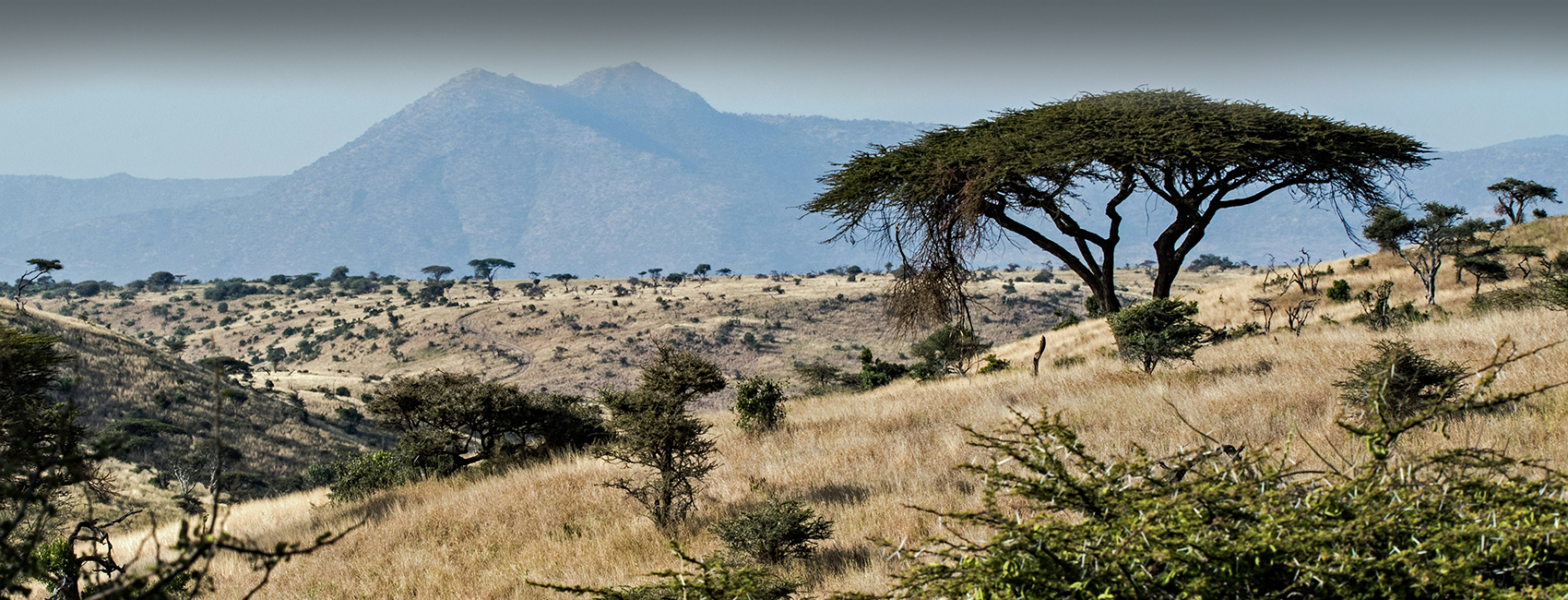
Wildlife is generally easier to spot here than in heavily forested parks because much of the landscape consists of open grassland, scattered acacia woodland and wetlands.
Animals frequently seen include:
- Plains zebras
- Rothschild’s giraffes
- Impalas
- Topis
- Elands
- African cape buffalo
- Bushbucks
- Defassa waterbucks
- Common Warthogs
- Hippos
- Mongooses
Predators are present but naturally more elusive.
Leopards and spotted hyenas inhabit the park and are most likely to be encountered during guided night drives rather than daytime game drives.
One feature that makes the park particularly distinctive is its population of impalas. Despite giving Kampala its name, these antelope occur naturally in only one Ugandan national park, Lake Mburo.
The reserve is also one of the country’s most reliable places to see large herds of zebra.
Wildlife sightings always depend on season, weather and luck, but visitors usually encounter a good variety of animals during even a short stay.
Game Drives: What Should You Expect?
Game drives remain the most popular way to explore the park.
Early morning and late afternoon are generally the most productive times, when temperatures are cooler and animals are more active.
Rather than racing from sighting to sighting, guides often encourage visitors to slow down and appreciate smaller details: fresh tracks crossing the road, birds following grazing buffalo, or impalas standing alert after hearing movement in nearby bushes.
Common daytime sightings include:
- Zebra herds
- Giraffes
- Topis
- Buffalo
- Warthogs
- Waterbucks
- Elands
- Bushbucks
The park’s rolling hills provide elevated viewpoints that make it easier to scan the surrounding plains.
Unlike larger safari destinations where vehicles sometimes gather around a single animal, it’s not unusual here to spend long stretches without seeing another safari vehicle.
That quieter atmosphere is one of the park’s defining qualities.
Night Game Drives
After sunset, the park reveals a different side of its wildlife.
Guided night drives offer opportunities to search for nocturnal species using spotlights operated by experienced rangers.
Possible sightings include:
- Leopards
- Spotted hyenas
- Bush babies
- Klipspringers
- Genets
- White-tailed mongooses
- Porcupines
Because these animals are naturally elusive, sightings cannot be guaranteed. The experience is often as much about exploring the sounds and atmosphere of the African night as it is about finding specific species.
Walking Safaris: Experience the Savannah on Foot
Walking through a national park changes the way you experience wildlife.
Without the noise of an engine, you begin noticing details that often go unnoticed from inside a vehicle: the scent released by crushed wild herbs, fresh hoofprints in damp soil, birds calling from nearby trees, and insects moving through tall grass.
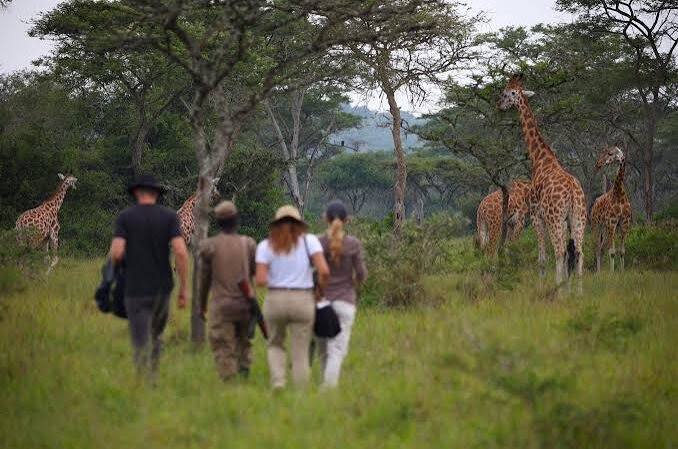
Lake Mburo is Uganda’s best-known destination for guided walking safaris.
Each walk is led by an armed Uganda Wildlife Authority ranger who ensures visitor safety while interpreting the landscape.
Rather than approaching animals closely, the emphasis is on understanding the ecosystem.
Along the way you may encounter:
- Grazing zebras
- Giraffes browsing acacia leaves
- Impalas
- Elands
- Buffalo viewed from a safe distance
- Numerous bird species like piapiac, Martial eagle
Your guide may also point out:
- Animal tracks
- Dung identification
- Medicinal plants
- Termite mounds
- Traditional uses of local vegetation
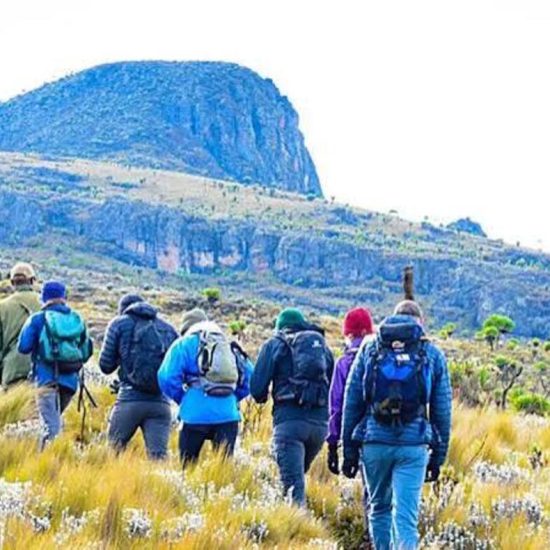
Walking safaris are suitable for most visitors with moderate fitness.
They are not strenuous hikes, but comfortable walking shoes and sun protection are essential.
Is a Walking Safari Safe?
This is one of the questions first-time visitors ask most often.
Yes, walking safaris are carefully managed by trained Uganda Wildlife Authority rangers.
Routes are selected according to recent wildlife movements, and guides continuously monitor the surroundings throughout the walk.
Visitors are expected to:
- Stay together as a group.
- Follow ranger instructions immediately.
- Speak quietly.
- Avoid sudden movements.
- Never attempt to approach wildlife independently.
The experience is designed to help visitors appreciate animals in their natural environment while maintaining a safe distance.
Why Many Travellers Wish They Had Stayed Longer
Lake Mburo is often marketed as a convenient overnight stop on the journey to Uganda’s southwestern parks.
While that’s certainly possible, many visitors later realise they underestimated how much there is to do.
A single night allows time for little more than an evening game drive and an early departure. Spending two or three nights creates space to combine several activities, such as a walking safari, boat cruise, horseback ride, and game drives without feeling rushed.
It also increases your chances of seeing a wider variety of wildlife under different conditions and at different times of day.
While game drives reveal the park’s grasslands, a boat cruise offers a different perspective. From the water, the pace slows, allowing you to watch wildlife with little disturbance.
Most cruises take place on Lake Mburo, the largest of the park’s five lakes, and usually last around two hours. Early morning departures are popular with birdwatchers, while late afternoon trips often coincide with softer light for photography.
As the boat moves quietly along the shoreline, you may see:
- Pods of hippos resting in the shallows
- Nile crocodiles basking on muddy banks
- African fish eagles scanning the water from tall trees
- Pied kingfishers hovering before diving
- African jacanas walking across floating vegetation
- Herons, cormorants and egrets feeding along the reeds
Wildlife activity varies from day to day, but the cruise provides a welcome contrast to exploring by road.
Horseback Safaris
One of the park’s most distinctive experiences is exploring the savannah on horseback.
Unlike vehicles, horses allow visitors to move quietly through the landscape. Wildlife often remains calm, making it possible to observe animals behaving naturally rather than moving away at the sound of an engine.
Depending on your chosen ride and experience level, you may encounter:
- Zebras grazing nearby
- Rothschild’s giraffes browsing acacia trees
- Impalas moving through open grassland
- Elands feeding in small groups
- Warthogs trotting across the plains
Horseback safaris are led by experienced guides and are suitable for both beginners and confident riders, although minimum age and weight restrictions may apply depending on the operator.
Advance booking is recommended, especially during the peak travel seasons.
Birdwatching in Lake Mburo National Park
With more than 350 recorded bird species, the park is one of Uganda’s rewarding birdwatching destinations, particularly for visitors interested in wetland species.
The combination of lakes, papyrus swamps, woodland and open savannah creates a remarkable variety of habitats within a relatively small area.
Birdwatchers regularly look for:
- African Fish Eagle
- Papyrus Gonolek
- Grey Crowned Crane
- Saddle-billed Stork
- Brown-chested Lapwing
- White-winged Warbler
- African Finfoot
The elusive Shoebill has occasionally been recorded in nearby wetlands, but visitors should understand that sightings within the park itself are uncommon and cannot be relied upon when planning a trip.
Early mornings generally provide the best bird activity, particularly around the lakes and papyrus edges.
The Lakes and Wetlands
Although the park takes its name from Lake Mburo, it protects a network of interconnected lakes linked by seasonal wetlands.
These include:
- Lake Mburo
- Lake Kazuma
- Lake Kigambira
- Lake Bwara
- Lake Rubanga
Together they support fish, reptiles, waterbirds and many mammals that visit the shoreline to drink.
The wetlands also play an important ecological role by filtering water and providing breeding habitat for numerous bird species.
For photographers, the lakes create opportunities that differ from Uganda’s larger savannah parks, offering reflections, misty mornings and changing light throughout the day.
Best Time to Visit Lake Mburo National Park
The park is open throughout the year, and wildlife can be seen in every season. The best time to visit depends more on the type of experience you’re looking for than on a single “perfect” month.
Dry Seasons
June to August
December to February
These months are generally preferred for game viewing because roads are usually in better condition and vegetation is shorter, making wildlife easier to spot.
Advantages include:
- Easier game drives
- Comfortable walking safaris
- Good wildlife visibility
- Lower chance of heavy rain disrupting activities
Accommodation can fill quickly during these periods, so booking ahead is advisable.
Rainy Seasons
March to May
September to November
Rain brings fresh grass, greener landscapes and excellent birdwatching opportunities.
While some tracks may become muddy, the scenery is particularly rewarding for photographers, and visitor numbers are often lower.
Short afternoon showers are common, but they rarely prevent activities from taking place.
Where to Stay
Accommodation around the park ranges from luxury safari lodges to budget-friendly camps, making it suitable for different travel styles.
Luxury Lodges
Well-known options include:
- Mihingo Lodge
- Kigambira Safari Lodge
These properties typically offer spacious rooms, excellent views and easy access to park activities.
Mid-Range Lodges
Popular choices include:
- Rwakobo Rock Lodge
- Kigarama wilderness lodge
These provide comfortable accommodation without the premium price of luxury lodges.
Budget Accommodation
Travellers looking for simple, affordable options often consider:
- Eagle’s Nest Lodge
- Leopard Rest Camp
Budget accommodation generally offers comfortable rooms, friendly service and convenient access to the park.
When choosing where to stay, consider how early your planned activities begin. Lodges closer to the park gates can reduce travel time before sunrise game drives.
Getting There and Road Conditions
Most visitors travel by road from Kampala or Entebbe.
The main highway is paved for most of the journey, while the roads inside the park are gravel tracks that vary in condition depending on recent rainfall.
A standard safari vehicle is suitable throughout the year, although four-wheel drive provides extra comfort during wetter months.
If you are continuing to Bwindi or Queen Elizabeth National Park, Lake Mburo fits naturally into a broader western Uganda safari circuit.
What to Pack
Packing for Lake Mburo is generally less demanding than packing for mountain gorilla trekking, but a few essentials will make your visit more comfortable.
Clothing
- Lightweight, neutral-coloured clothing
- Comfortable walking shoes
- Light fleece for cool mornings
- Wide-brimmed hat
- Rain jacket
Equipment
- Binoculars
- Camera
- Spare batteries
- Reusable water bottle
- Small daypack
Personal Items
- Sunscreen
- Sunglasses
- Insect repellent
- Personal medication
If you are joining a walking safari, avoid brightly coloured clothing and open sandals.
Photography Tips
The park offers varied photographic opportunities beyond traditional wildlife portraits.
Some of the best images often include:
- Zebras framed by acacia trees
- Reflections on Lake Mburo
- Giraffes against rolling hills
- Early morning mist over the wetlands
- Silhouettes during sunset game drives
For wildlife photography:
- Bring a telephoto lens if available.
- Morning and late afternoon provide the best light.
- Keep a lens cloth handy during dusty game drives.
- Avoid photographing directly into harsh midday sunlight when possible.
Don’t overlook landscape photography, the lakes and hills are just as much a part of the experience as the wildlife.
Responsible Tourism
Every safari has an impact, and small decisions can help protect the park’s wildlife and surrounding communities.
Visitors are encouraged to:
- Follow guide instructions.
- Keep a respectful distance from wildlife.
- Never feed animals.
- Dispose of litter responsibly.
- Support local crafts and community initiatives where appropriate.
- Stay on designated roads and walking routes.
Responsible travel helps ensure that future visitors can enjoy the same landscapes and wildlife.
Common Mistakes First-Time Visitors Make
A few simple preparations can improve your experience considerably.
Common mistakes include:
- Treating the park as only a quick stopover.
- Forgetting binoculars.
- Wearing bright clothing on walking safaris.
- Assuming predators are easily seen during daytime drives.
- Not allowing enough time for birdwatching.
Many visitors discover that the quieter experiences, walking, boating and simply watching wildlife without rushing, become the highlights of their stay.
Accessibility
The park is one of Uganda’s more accessible safari destinations.
Standard game drives and boat cruises are suitable for many travellers with limited mobility, although assistance may be required when boarding boats or entering safari vehicles.
Walking safaris involve uneven natural terrain and may not be suitable for everyone.
If accessibility is a priority, discuss your requirements before booking so activities and accommodation can be matched to your needs.
Frequently Asked Questions
How far is Lake Mburo National Park from Kampala?
The park is approximately 240 kilometres from Kampala, and the journey usually takes between 3½ and 4 hours by road.
Is Lake Mburo suitable for families?
Yes. Families often enjoy game drives, boat cruises and birdwatching. Walking safaris may have minimum age requirements depending on park regulations.
Can I combine Lake Mburo with other parks?
Yes. It is commonly combined with Bwindi Impenetrable National Park, Queen Elizabeth National Park, Kibale National Park and Mgahinga Gorilla National Park.
What makes Lake Mburo different from other Ugandan parks?
It is Uganda’s best-known destination for guided walking safaris and one of the few places in East Africa where horseback safaris are offered inside a national park.
Will I see lions?
No. Lions are not found in Lake Mburo National Park. Visitors interested in seeing lions should consider Queen Elizabeth National Park or Murchison Falls National Park.
Can I visit as a day trip?
Yes, although an overnight stay allows enough time to enjoy several activities rather than simply driving through the park.
Is malaria prevention recommended?
Visitors should seek medical advice before travelling to Uganda. Malaria prevention is commonly recommended for many parts of the country.
What should I wear?
Lightweight neutral-coloured clothing, comfortable walking shoes, a hat and a light waterproof jacket are suitable throughout the year.
Final Thoughts
Lake Mburo National Park rewards travellers who appreciate the quieter side of safari travel. Instead of focusing solely on dramatic predator sightings, it invites you to slow down, explore on foot, spend time on the water and notice the smaller details that often pass unnoticed elsewhere.
Watching giraffes browse across open hillsides, listening to fish eagles calling over the lake or following fresh animal tracks during a guided walk creates a different connection with the landscape, one built on observation rather than simply ticking species off a list.
For travellers looking for a safari that combines wildlife, scenery and varied activities within easy reach of Kampala, Lake Mburo is well worth including in a Uganda itinerary.
Plan Your Lake Mburo Safari with Naseeb Safaris
Whether you are looking for a short wildlife escape from Kampala or planning a longer journey through Uganda’s national parks, Naseeb Safaris can help you build an itinerary that matches your interests, travel style and budget.
Our team can assist with accommodation, park activities, transport and combining Lake Mburo with destinations such as Bwindi, Queen Elizabeth and Kibale to create a seamless safari experience.