
Planning Luxury Gorilla Safaris in Uganda
Planning Luxury Gorilla Safaris in Uganda, Mountain gorilla trekking is one of the few wildlife experiences where the encounter is measured not by the number of animals you see, but by the depth of the moment itself. After hiking through dense rainforest alongside experienced trackers, you spend a carefully regulated hour observing a gorilla family going about its daily life. There is no performance, no feeding, and no staged interaction, just the privilege of quietly sharing their habitat.
Uganda has become one of Africa’s leading destinations for travelers seeking this experience without compromising on comfort. Alongside protected forests that shelter almost half of the world’s remaining mountain gorillas, you will find intimate luxury lodges, highly trained guides, scenic domestic flights, excellent cuisine, and thoughtfully planned itineraries that combine conservation with authentic travel.
Luxury here is less about extravagance and more about removing the logistical challenges that often accompany remote travel. Instead of worrying about permits, road transfers, or accommodation, you can focus on the experience itself.
Whether you are planning a honeymoon, celebrating a milestone, travelling with family, or simply looking for an exceptional wildlife journey, this guide explains what to expect, how to prepare, and how to decide whether a luxury gorilla safari in Uganda is the right choice for you.
Why Choose Uganda for a Luxury Gorilla Safari?
Many travelers compare Uganda with Rwanda before deciding where to trek mountain gorillas. Both countries offer remarkable experiences, but Uganda appeals to visitors who want to combine gorilla trekking with a broader safari while enjoying excellent luxury accommodation and good overall value.
Rather than visiting for a single activity, many travelers spend 8 to 14 days exploring several regions, combining rainforest trekking with classic wildlife safaris, chimpanzee tracking, boat cruises, and cultural visits.
A Significant Population of Mountain Gorillas
Uganda protects nearly half of the world’s remaining wild mountain gorillas within two protected areas:
- Bwindi Impenetrable National Park
- Mgahinga Gorilla National Park
The large number of habituated gorilla families provides visitors with multiple trekking locations and generally better permit availability than destinations with fewer groups.
Because each gorilla family occupies a different territory, every trek unfolds differently. Some require relatively short walks, while others involve several hours of hiking across steep forest slopes.
More Than Gorilla Trekking
One reason many luxury travelers choose Uganda is the variety of experiences available within a single itinerary.
Depending on the length of your safari, you can combine gorilla trekking with:
- Big Five game drives
- Chimpanzee tracking
- Boat safaris
- Birdwatching
- Scenic domestic flights
- Guided nature walks
- Community visits
- White water rafting
- Coffee and tea experiences
- Cultural performances
Instead of spending your entire holiday in one location, you experience several of Uganda’s distinct landscapes, from rainforest to open savannah.
Luxury That Fits Naturally into the Landscape
Luxury accommodation near Uganda’s gorilla parks has developed considerably over the past decade.
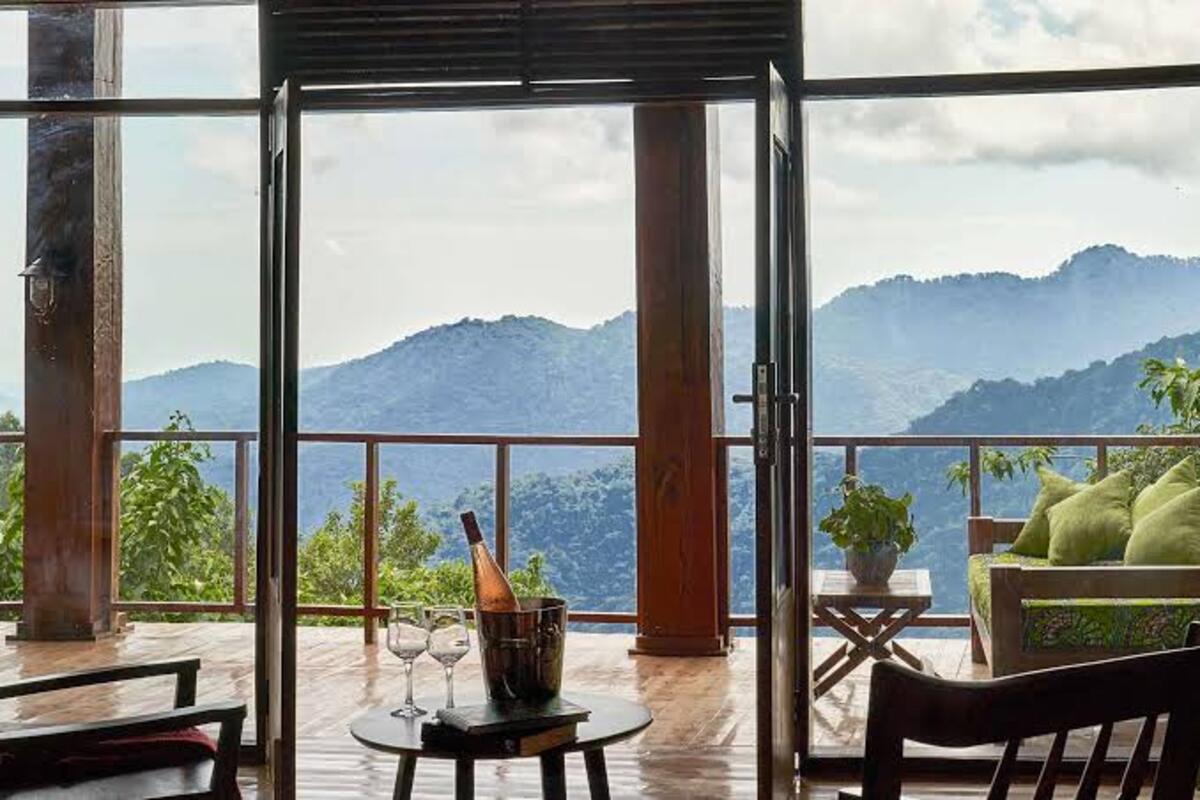
Rather than large resorts, most properties are small lodges with spacious cottages or private villas overlooking the forest. Many are designed using local materials and emphasize privacy, sustainability, and personalised service.
Depending on your choice of lodge, you may find:
- Private forest-view cottages
- Butler service
- Fine dining using local produce
- Fireplaces for cool evenings
- Spa treatments
- Outdoor bathtubs
- Guided forest walks
- Complimentary laundry services
The emphasis is on creating a comfortable base before and after trekking while preserving the natural character of the surrounding forest.
A Safari That Supports Conservation
Gorilla tourism plays a direct role in protecting one of the world’s most endangered great apes.
Every trekking permit contributes toward:
- Wildlife protection
- Ranger salaries
- Veterinary care
- Forest management
- Community development projects
- Local employment
Responsible tourism has become an important conservation tool, giving nearby communities a long-term economic incentive to protect the forests rather than exploit them.
For many visitors, knowing that their trip contributes to conservation adds another layer of meaning to the experience.
Where Does Luxury Gorilla Trekking Take Place?
Uganda offers two national parks where visitors can trek mountain gorillas.
Although both provide excellent wildlife encounters, they offer different landscapes, trekking styles, and accommodation options.
Bwindi Impenetrable National Park
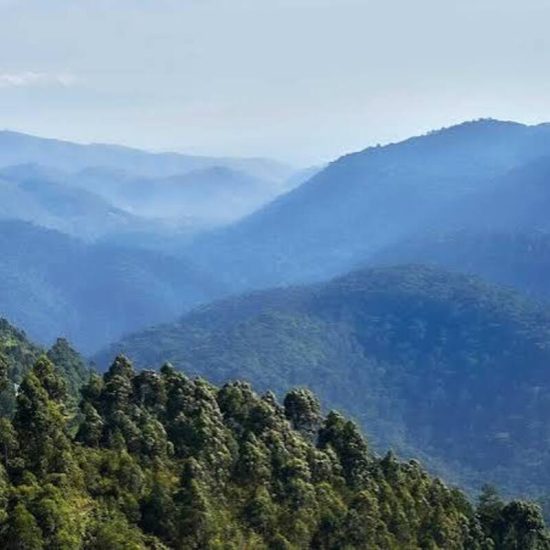
Most luxury gorilla safaris take place in Bwindi Impenetrable National Park, a UNESCO World Heritage Site known for its ancient rainforest and exceptional biodiversity.
Covering more than 321 square kilometres, Bwindi is home not only to mountain gorillas but also hundreds of bird species, butterflies, forest elephants, and several types of primates.
The park is divided into four trekking sectors, each with its own character.
Buhoma
Located in the northern section of the park, Buhoma is the original gorilla trekking area and remains one of the most accessible.
It offers:
- Several well-established luxury lodges
- Good road access
- Historic gorilla families
- Easy connections with Queen Elizabeth National Park
It is often a good choice for first-time visitors combining gorilla trekking with a traditional wildlife safari.
Ruhija
Situated at a higher elevation, Ruhija tends to be quieter than Buhoma.
Travelers often choose it for:
- Cooler temperatures
- Mountain scenery
- Excellent birdwatching
- Smaller visitor numbers
Trails here can involve steeper climbs, although trekking difficulty always depends on the location of the assigned gorilla family.
Rushaga
Rushaga has the largest number of habituated gorilla families in Uganda.
Its advantages include:
- Better permit availability
- Several luxury accommodation options
- Opportunities for the Gorilla Habituation Experience
- Flexible itinerary planning
Because more gorilla families live in this sector, it is often recommended during busy travel periods.
Nkuringo
Nkuringo sits on one of the highest ridges overlooking the Albertine Rift Valley.
Visitors who stay here often appreciate:
- Panoramic views
- Peaceful atmosphere
- Boutique luxury lodges
- Excellent photography opportunities
The terrain is generally steeper than some other sectors, making a porter particularly valuable for many trekkers.
Mgahinga Gorilla National Park
Although much smaller than Bwindi, Mgahinga offers an equally rewarding trekking experience.
The park forms part of the larger Virunga Conservation Area shared by Uganda, Rwanda, and the Democratic Republic of Congo.
Its landscape is very different from Bwindi.
Instead of dense rainforest throughout, visitors hike beneath volcanic peaks, bamboo forests, and open mountain slopes.
Many travelers choose Mgahinga because it offers:
- Fewer visitors
- Dramatic volcanic scenery
- Easier logistics for some itineraries
- Opportunities to combine gorilla trekking with golden monkey tracking
For photographers, the more open terrain can sometimes provide cleaner backgrounds and softer natural light than the denser forest of Bwindi.
What Makes a Gorilla Safari Truly Luxurious?
Luxury is not defined simply by five-star accommodation. The greatest value often comes from thoughtful planning that allows you to experience remote destinations with minimal stress.
Personalised Itinerary Design
No two travelers have exactly the same priorities.
Some want a honeymoon focused on privacy and relaxation. Others prefer combining gorilla trekking with game drives, chimpanzee tracking, or photography.
A tailor-made itinerary can include:
- Private vehicle and guide
- Flexible travel pace
- Domestic flights
- Special dietary arrangements
- Celebration experiences
- Additional nights for relaxation
- Cultural visits matched to your interests
Well-designed itineraries also account for travel fatigue, reducing unnecessary transfers and allowing enough time to enjoy each destination.
Seamless Logistics
The forests where gorillas live are remote, and planning independently can involve coordinating permits, flights, accommodation, transfers, and park schedules.
Luxury safaris simplify these logistics by arranging:
- Gorilla permits
- Airport transfers
- Domestic flights
- Lodge reservations
- Private road transport
- Park entry arrangements
- Experienced driver-guides
Instead of managing multiple bookings, travelers enjoy a smoother journey from arrival to departure.
Expert Local Guides
An experienced guide contributes far more than transportation.
Throughout your journey, they explain:
- Uganda’s wildlife
- Local cultures
- Conservation challenges
- Birdlife
- Forest ecology
- Animal behaviour
On trekking day, Uganda Wildlife Authority rangers and trackers take over inside the park, working together to locate your assigned gorilla family while ensuring both visitor safety and gorilla welfare.
Many travellers find that these conversations become one of the most memorable aspects of the safari.
Is a Luxury Gorilla Safari Right for You?
Luxury gorilla trekking appeals to travelers who value comfort but also want meaningful experiences in nature.
It may be a particularly good fit if you:
- Prefer private rather than group travel
- Want assistance arranging permits and logistics
- Appreciate high-quality accommodation after active days
- Plan to combine gorilla trekking with a longer Uganda safari
- Are celebrating a honeymoon, anniversary, retirement, or family milestone
- Want your trip to contribute to wildlife conservation
It is less suited to travelers looking for a fast-paced sightseeing holiday. Gorilla trekking involves early starts, changing weather, and time spent hiking through mountainous rainforest. Luxury accommodation adds comfort before and after the trek, but the forest experience itself remains intentionally wild.
The Gorilla Trekking Experience: What to Expect
For most visitors, trekking day is the highlight of the journey. While every experience is different, the overall process follows a carefully managed routine designed to protect both visitors and the gorillas.
Your day usually begins shortly after sunrise at the relevant Uganda Wildlife Authority headquarters, where trekkers gather for registration and a mandatory briefing.
Rangers explain:
- Gorilla trekking rules
- Safety procedures
- Forest conditions
- Responsible wildlife viewing
- What to expect during the hike
Visitors are then assigned to a specific habituated gorilla family.
How Difficult Is the Trek?
There is no standard trekking distance.
Some groups locate gorillas within an hour, while others spend several hours hiking through steep terrain before reaching them.
The forest is mountainous, and conditions change with the weather. Even during the drier months, trails can be muddy, slippery, and uneven.
A moderate level of fitness is helpful, but exceptional fitness is not required.
If you have mobility concerns, age-related limitations, or previous injuries, discuss them with your safari planner in advance. Rangers can often allocate visitors to gorilla families that are more accessible, although this cannot be guaranteed because gorillas move freely within the forest.
Hiring a porter is strongly recommended for almost everyone, not because the trek is impossible without one, but because having someone carry your backpack and offer support on steep sections makes the day considerably more comfortable.
Hiring a porter also provides valuable income for local communities.
The Moment You Meet the Gorillas
Once trackers locate the gorilla family, visitors leave walking sticks and larger bags behind before approaching quietly.
From this point, the pace slows dramatically.
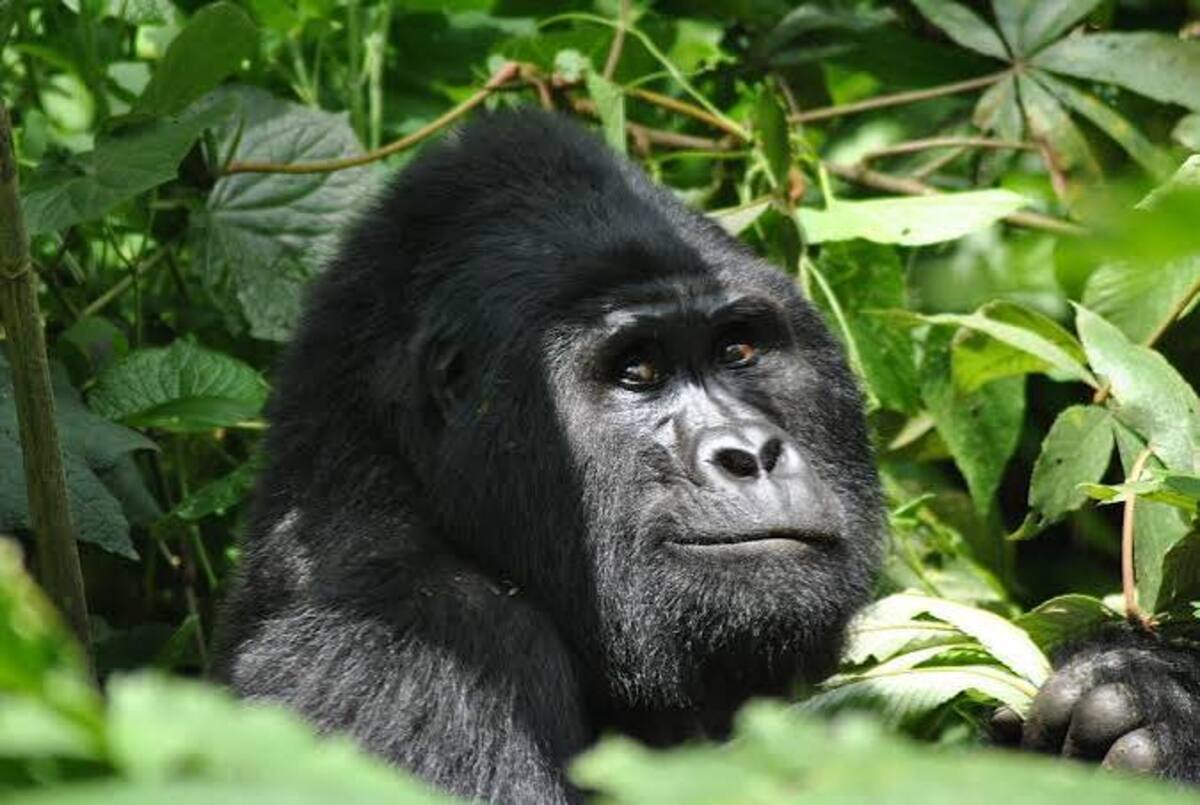
You spend up to one hour observing the family from a respectful distance, usually around seven metres, although gorillas occasionally move closer on their own.
Some families spend long periods feeding quietly.
Young gorillas wrestle and climb nearby vegetation, its such an amazing moment to be alive.
Mothers care for infants while silverbacks monitor the group with remarkable calm.
The experience often feels surprisingly peaceful. Instead of dramatic action, visitors usually remember the subtle moments, a young gorilla’s curiosity, quiet eye contact, or the sound of leaves being stripped from branches, the experience doesn’t leave you the same.
Photography is permitted without flash, allowing visitors to document the encounter while keeping disturbance to a minimum.
Luxury Accommodation Near Uganda’s Gorilla Parks
Where you stay shapes much of the overall safari experience.
After several hours of hiking, returning to a comfortable lodge overlooking the rainforest becomes part of the reward.
Rather than large hotels, most luxury properties offer a limited number of cottages or suites designed to blend into the surrounding landscape.
Spacious Forest Retreats
Luxury lodges typically include:
- Private cottages or villas
- Comfortable king-size beds
- Spacious bathrooms
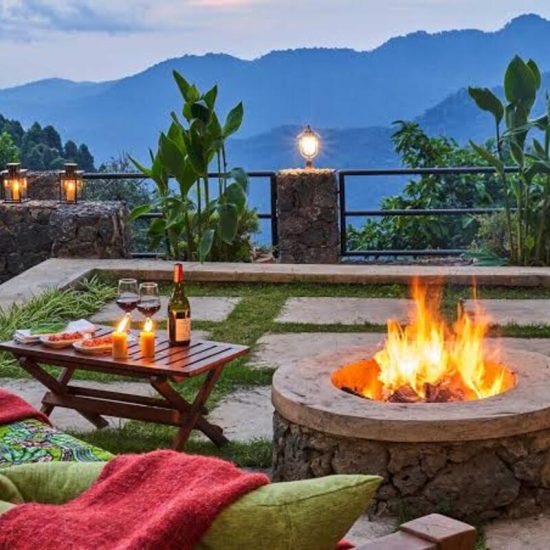
- Fireplaces for cool evenings
- Private verandas
- Forest or valley views
- Wi-Fi in common areas or guestrooms (availability varies)
Many properties are intentionally small, creating a quieter atmosphere that suits the remote setting.
Dining That Reflects the Region
Meals are often prepared using fresh Ugandan ingredients alongside international cuisine.
Depending on the lodge, guests may enjoy:
- Three-course dinners
- Outdoor lunches overlooking the forest
- Freshly baked breads
- Locally grown coffee
- Seasonal fruits and vegetables
- Special dietary menus with advance notice
Because many guests leave early on trekking mornings and trekking time is unpredictable, lodges usually provide packed lunches to enjoy in the forest after meeting the gorillas.
Wellness After the Trek
Many high-end lodges recognise that trekking is physically demanding.
Common wellness facilities include:
- Massage treatments
- Spa therapies
- Yoga sessions
- Outdoor lounges
- Fire pits
- Hot baths with forest views
These simple comforts often become appreciated after a long day on the trail.
Sustainability Is Part of the Experience
Many of Uganda’s finest lodges were designed with conservation in mind.
Examples include:
- Solar power
- Rainwater harvesting
- Plastic reduction initiatives
- Community employment
- Locally sourced building materials
- Support for nearby schools and conservation projects
Luxury travel increasingly focuses on responsible tourism, and many visitors actively seek accommodation that contributes positively to the surrounding communities.
Why Many Travelers Choose Fly-In Gorilla Safaris
Uganda is larger than many first-time visitors expect.
Driving from Entebbe or Kampala to Bwindi can take eight to nine hours, depending on your trekking sector and road conditions.
For travelers with limited time or those who simply prefer a more relaxed journey, scheduled domestic flights provide a practical alternative.
Benefits include:
- Reduced travel time
- Less fatigue before trekking
- Scenic views over Uganda’s landscapes
- Additional time at the lodge
- Easier connections with other safari destinations
Flights usually depart from Entebbe International Airport or Kajjansi Airfield and land at airstrips close to the gorilla trekking sectors, where your guide transfers you to the lodge.
For itineraries of five to seven days, flying often allows you to spend more time enjoying the destination rather than travelling between it.
Combining Gorilla Trekking with Other Experiences
Although gorilla trekking is often the highlight, many visitors discover that Uganda’s diversity is what makes the overall safari especially rewarding.
Chimpanzee Tracking
Chimpanzees provide a completely different wildlife encounter.
Where gorillas are generally calm and deliberate, chimpanzees are energetic, vocal, and constantly moving through the forest canopy.
Many itineraries include chimpanzee tracking in Kibale Forest before or after gorilla trekking, allowing visitors to experience two of Africa’s great apes in one journey.
Classic Wildlife Safaris
Uganda also offers excellent game viewing.
Popular additions include:
- Queen Elizabeth National Park
- Murchison Falls National Park
- Kidepo Valley National Park
- Lake Mburo National Park
Depending on your itinerary, wildlife sightings may include:
- Lions
- African savanna Elephants
- Leopards
- African Cape Buffalo
- Rothschild Giraffes
- Common Hippos
- Nile Crocodiles
- Numerous antelope species like Waterbucks, topis
Because these parks are relatively close to one another by safari standards, they combine naturally with gorilla trekking.
Boat Safaris
Boat cruises provide a slower pace between game drives.
Popular locations include:
- Kazinga Channel
- Nile River
- Lake Mburo
- Lake Bunyonyi
- Lake Mutanda
- Lake Victoria
These cruises often offer excellent opportunities to photograph hippos, crocodiles, elephants, buffalo, and waterbirds from close range.
Cultural Experiences
Responsible tourism extends beyond wildlife.
Many luxury itineraries include opportunities to meet local communities through carefully managed visits that benefit residents directly.
Experiences may include:
- Traditional dance performances
- Coffee-making demonstrations
- Craft workshops
- Community walks
- Banana experience
- Witch doctors experience
- Storytelling with local guides
These encounters offer valuable insight into daily life while supporting community-based tourism initiatives.
Best Time to Visit for a Luxury Gorilla Safari
Mountain gorilla trekking takes place throughout the year.
There is no single “perfect” season, but weather influences trail conditions and visitor numbers.
June to September
This is generally considered the busiest period.
Visitors often experience:
- Lower rainfall
- Firmer trails
- Good safari conditions across Uganda
- High demand for permits and lodges
Booking well in advance is advisable.
December to February
Another popular dry season with similar advantages.
These months are particularly attractive for holiday travel and photography.
March to May and October to November
Rainfall is generally higher during these months.
Trails may become muddier, but there are advantages:
- Fewer visitors
- Greener forest
- Dramatic misty landscapes
- Excellent photography conditions
- Occasionally better lodge availability
Rain rarely lasts all day, and gorilla trekking continues unless conditions become unsafe.
How Much Does a Luxury Gorilla Safari Cost?
Luxury gorilla safaris vary depending on several factors.
The overall price is influenced by:
- Duration of the itinerary
- Time of year
- Choice of accommodation
- Domestic flights or road transfers
- Number of travelers
- Included activities
- Level of exclusivity
Most luxury packages include:
- Gorilla trekking permit
- Luxury accommodation
- Meals
- Private guide
- Private vehicle
- Airport transfers
- Park fees
- Domestic flights (where applicable)
As of 2026, a Uganda gorilla trekking permit costs US$800 per international non-resident, while premium itineraries generally range from several thousand dollars per person depending on the level of luxury and itinerary length.
Rather than focusing solely on price, compare what is included. Lower-priced packages may exclude flights, permits, premium lodges, or private transport.
Expert Tips for Planning a Luxury Gorilla Safari
A well-planned itinerary can make the difference between a good safari and one that feels relaxed, rewarding, and free from unnecessary stress. Because gorilla trekking permits are limited and the parks are in remote areas, planning ahead is particularly important.
Book Early
Luxury lodges have relatively few rooms, and gorilla permits are issued in limited numbers for each habituated gorilla family. If you’re travelling during the busiest periods—typically June to September or December to February, it’s wise to start planning six to twelve months in advance.
Booking early also gives you a wider choice of trekking sectors, flight schedules, and accommodation.
Choose the Right Trekking Sector
Each sector of Bwindi offers a different atmosphere, road access, and selection of lodges.
Rather than asking which sector is “best,” consider questions such as:
- Do you want to combine gorilla trekking with Queen Elizabeth National Park?
- Would you prefer a quieter area with fewer visitors?
- Are scenic views a priority?
- Are you planning to fly or travel by road?
An experienced safari planner can recommend a sector that suits your interests rather than simply choosing the first permits available.
Allow Time to Enjoy the Journey
Many first-time visitors try to fit too much into a short itinerary.
If your schedule allows, spend an extra night before or after trekking. A slower pace gives you time to enjoy the lodge, recover after the hike, and explore nearby communities or nature walks instead of moving immediately to the next destination.
What Should You Pack?
Packing thoughtfully makes trekking more comfortable, especially since weather conditions can change quickly.
Essential clothing
- Waterproof hiking boots with good grip
- Long trousers
- Long-sleeved shirt
- Lightweight waterproof jacket
- Moisture-wicking clothing
- Hat
- Gardening or trekking gloves for gripping vegetation
Daypack essentials
- Refillable water bottle
- Packed lunch
- Snacks
- Sunscreen
- Insect repellent
- Camera
- Spare batteries
- Binoculars
- Personal medication
- Small dry bag for electronics
Avoid bright white clothing if possible, as darker, earthy colours are more suitable in the forest.
Photography Tips
Photographing gorillas presents unique challenges.
The forest is often shaded, and the animals are constantly moving between patches of light and dense vegetation.
To improve your results:
- Use a camera that performs well in low light.
- Bring a fast lens if possible.
- Increase ISO rather than using flash.
- Shoot in continuous mode to capture expressions and movement.
- Keep your camera ready without spending the entire hour behind the viewfinder.
Remember that the experience itself is just as valuable as the photographs you take home.
Tipping Etiquette
Tipping is appreciated throughout Uganda’s tourism industry, although it remains discretionary.
Visitors commonly tip:
- Gorilla trekking porters
- Uganda Wildlife Authority rangers
- Driver-guides
- Lodge staff
Many lodges provide guidance on local tipping customs, and your safari guide can advise on appropriate amounts based on your itinerary.
Accessibility and Senior Travellers
Gorilla trekking is not limited to young or highly athletic visitors.
Each year, many travellers in their 60s, 70s, and even older successfully complete the trek.
If you have concerns about mobility:
- Mention them during the planning stage.
- Request a shorter or more accessible trek where possible.
- Hire a porter.
- Consider using a sedan chair (often called the “African helicopter”), carried by a trained team for visitors with significant mobility limitations. This service is available at an additional cost of $ 300 and should be arranged in advance.
Responsible Gorilla Tourism
Every rule during the trek is designed to protect the gorillas.
Visitors are asked to:
- Maintain the recommended viewing distance.
- Follow ranger instructions at all times.
- Avoid flash photography.
- Keep noise to a minimum.
- Never feed wildlife.
- Stay with your assigned group.
Anyone showing symptoms of a contagious illness may not be allowed to trek, as mountain gorillas are highly susceptible to many human diseases.
Although this can be disappointing, these precautions are essential for the long-term survival of the species.
Frequently Asked Questions
How fit do I need to be?
A reasonable level of fitness is helpful, but you do not need to be an experienced hiker. Trek lengths vary each day, and porters are available to assist with carrying bags and providing support on difficult sections.
Will I definitely see mountain gorillas?
While wildlife can never be guaranteed, Uganda has an exceptionally high success rate because experienced trackers locate each habituated gorilla family before visitors begin their trek.
Can I hire a porter?
Yes! Porters are available at every trekking sector. Hiring one not only makes the hike easier but also provides an important source of income for local communities.
Can older travellers take part?
Yes! Many seniors successfully complete gorilla treks each year. Discuss any mobility concerns before booking so appropriate arrangements can be made.
What happens if it rains?
Treks continue in light or moderate rain.
Waterproof clothing and sturdy boots are strongly recommended, as forest weather can change quickly throughout the day.
Can I wear shorts?
Long trousers are generally the better choice.
They help protect against stinging plants, insects, and scratches from dense vegetation.
Is there a luggage weight limit on domestic flights?
Yes! Most scheduled safari flights within Uganda have baggage limits, often around 15 kilograms (33 pounds) in soft-sided luggage. Check the allowance with your safari operator before travelling.
How much should I tip?
There is no fixed amount.
Your guide can explain current local customs, and tipping should reflect the quality of service you receive.
Can I take photographs?
Yes! Photography is encouraged, but flash photography is prohibited because it may disturb the gorillas.
Final Thoughts
Luxury gorilla trekking is about far more than staying in an exceptional lodge or travelling in comfort.
It is an opportunity to spend time in one of Africa’s oldest rainforests, learn from dedicated conservation professionals, and observe one of our closest relatives in an environment that has changed little over thousands of years.
The experience asks visitors to slow down. There are no crowds around the gorillas, no hurried schedules during the encounter, and no guarantee that every moment will unfold as expected. That unpredictability is part of what makes the experience so memorable.
Whether your itinerary includes only gorilla trekking or combines wildlife safaris, chimpanzee tracking, and cultural experiences across Uganda, thoughtful planning will help you make the most of your time here.
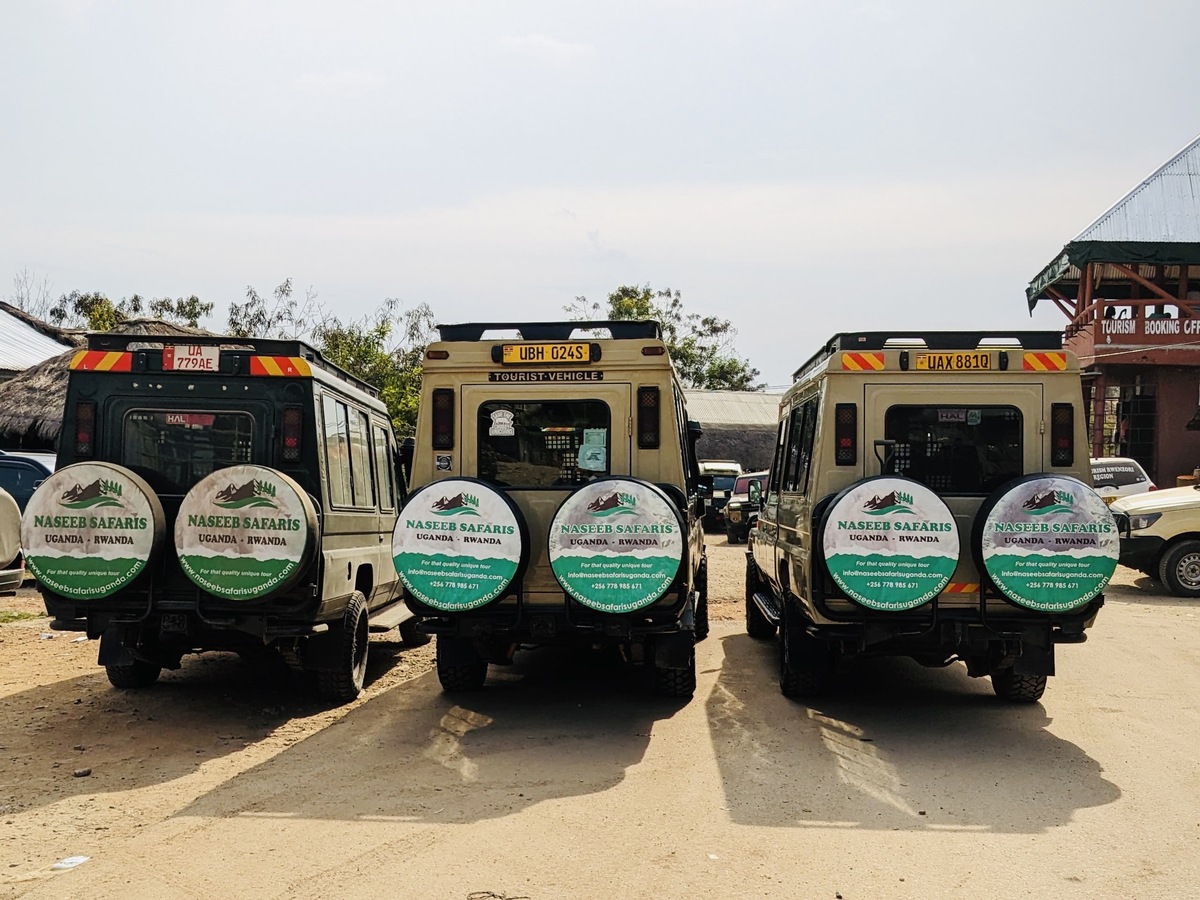
If you are considering a luxury gorilla safari and would like expert advice tailored to your interests, travel dates, and budget, the team at Naseeb Safaris can help you design a personalised itinerary, arrange permits, recommend suitable lodges, and ensure every part of your journey runs smoothly.