
Best Tour Operators in Uganda – Naseeb Safaris
Best Tour Operators in Uganda – Naseeb Safaris, Planning a safari in Uganda involves far more than choosing which national parks to visit. The company you travel with will influence everything from your wildlife sightings and accommodation choices to the pace of your journey and the quality of the local insights you gain along the way.
Uganda rewards curious travelers. Within a relatively compact area, you can trek through rainforest in search of endangered mountain gorillas, watch elephants grazing beneath acacia trees, cruise along the Nile beside hippos and crocodiles, track wild chimpanzees, and spend time with communities whose traditions remain closely connected to the landscapes around them.
Unlike destinations where the focus is solely on game drives, Uganda offers a safari that combines wildlife, culture, forests, mountains, rivers, and conservation into one journey. Making the most of that experience starts with selecting a knowledgeable and reliable tour operator.
This guide explains what distinguishes a professional safari company, what you should expect before booking, and how to choose an operator that matches your travel style, budget, and interests.
Why Uganda Appeals to So Many Safari Travellers
Uganda has quietly become one of Africa’s most rewarding safari destinations because of its remarkable variety. Rather than spending days driving between distant parks, visitors can combine several very different experiences within a single itinerary.
Depending on how much time you have, it’s possible to include:
- Gorilla trekking in Bwindi Impenetrable National Park or Mgahinga Gorilla National Park
- Chimpanzee tracking in Kibale Forest, Budongo, Kalinzu or Kyambura Gorge
- Classic game drives in open savannah
- Boat safaris along the Nile and Kazinga Channel
- Birdwatching in forests, wetlands, and grasslands
- Community visits and cultural experiences
- Hiking and mountain adventures
- Scenic road trips through tea plantations, crater lakes, and rolling countryside
That diversity makes Uganda suitable for many different types of travellers, including first-time safari visitors, photographers, birdwatchers, families, honeymooners, and experienced wildlife enthusiasts looking for something beyond the traditional East African safari.
Why Your Choice of Tour Operator Matters
Many travelers compare safari prices before anything else. While budget is important, the experience you have often depends more on the quality of planning than on the cost of the trip itself.
A well-organized safari should feel seamless. Permits are secured on time, accommodation fits your expectations, drives are planned around wildlife activity, and your guide helps you understand the places you visit rather than simply transporting you between them.
An experienced local operator also knows how to adapt when conditions change. Heavy rain, road repairs, wildlife movements, or flight delays are all part of travel in East Africa, and having a knowledgeable team behind the scenes can make a significant difference.
What Makes a Good Uganda Safari Company?
Deep Local Knowledge
Guidebooks provide useful background, but they cannot replace current local knowledge.
Experienced Ugandan operators understand details that only come from working in the parks year after year, including:
- Seasonal wildlife movements
- Changing road conditions
- Park regulations
- Weather patterns
- The best times for different activities
- Lodge standards and recent updates
- Cultural customs visitors should respect
This practical knowledge helps create itineraries that are both realistic and enjoyable.
For example, a journey that looks efficient on a map may involve rough mountain roads or slower travel than many first-time visitors expect. An experienced operator plans accordingly, reducing unnecessary travel fatigue.
Professional Safari Guides
Your guide is often the person you spend the most time with during your safari.
The best guides do much more than identify wildlife. They explain animal behaviour, interpret tracks, discuss conservation challenges, introduce local history, and answer the countless questions that naturally arise during a journey.
A knowledgeable guide can help visitors notice details they might otherwise miss from a leopard resting in dense branches to the alarm calls that reveal predators nearby.
Good guides also understand pacing. They know when to pause for photography, when to move quietly, and when to spend extra time at a particularly rewarding wildlife sighting.
Flexible, Personalised Itineraries
No two travelers are looking for exactly the same safari.
Some want to spend several days photographing wildlife. Others are visiting primarily for gorilla trekking. Families often need shorter driving days, while experienced birdwatchers may prioritise wetlands over big-game parks.
A quality operator will tailor an itinerary around factors such as:
- Available travel time
- Budget
- Wildlife interests
- Fitness level
- Preferred accommodation style
- Group size
- Pace of travel
Rather than fitting every traveler into the same schedule, a personalised itinerary creates a journey that feels more relaxed and rewarding.
Honest Pricing and Clear Communication
Safari pricing can sometimes appear confusing because many expenses are bundled together.
Before confirming your trip, you should clearly understand:
- What is included in the quoted price
- Whether gorilla permits are included
- Park entrance fees
- Meals
- Internal flights, if applicable
- Airport transfers
- Accommodation category
- Private versus shared vehicle arrangements
A trustworthy operator answers questions openly and provides transparent quotations without hidden charges appearing later in the planning process.
Responsible Tourism Practices
Travel has a direct impact on wildlife conservation and local communities.
Many visitors understandably want to know whether their trip contributes positively to the places they visit.
Responsible safari companies typically:
- Employ local guides and drivers
- Support community-owned tourism initiatives
- Follow wildlife viewing regulations
- Work with licensed accommodation providers
- Encourage environmentally responsible travel practices
- Promote respectful cultural interactions
For gorilla trekking in particular, responsible tourism has become one of the most important sources of funding for conservation and community development around protected forests.
Choosing an operator that shares these values helps ensure tourism continues to benefit both wildlife and local people.
Questions to Ask Before Booking a Uganda Safari
Comparing operators becomes much easier when you ask the same practical questions.
Consider asking:
Is the company licensed?
A legitimate Ugandan tour operator should be appropriately registered and licensed to operate safaris by Uganda tourism Board. Naseeb safaris is fully licensed to operate. Check for licensed companies here UTB licensed tour companies
Are gorilla permits included?
Permits represent one of the largest costs of many itineraries. Confirm whether they are already included or quoted separately, All Naseeb safaris packages come with both gorilla and chimpanzee permits included where applicable
Who will be guiding the trip?
Ask whether you will travel with an experienced Ugandan guide throughout your safari, All Naseeb safaris guides are born & raised in Uganda and Rwanda with years of experience and know these countries inside and out.
What type of vehicle will be used?
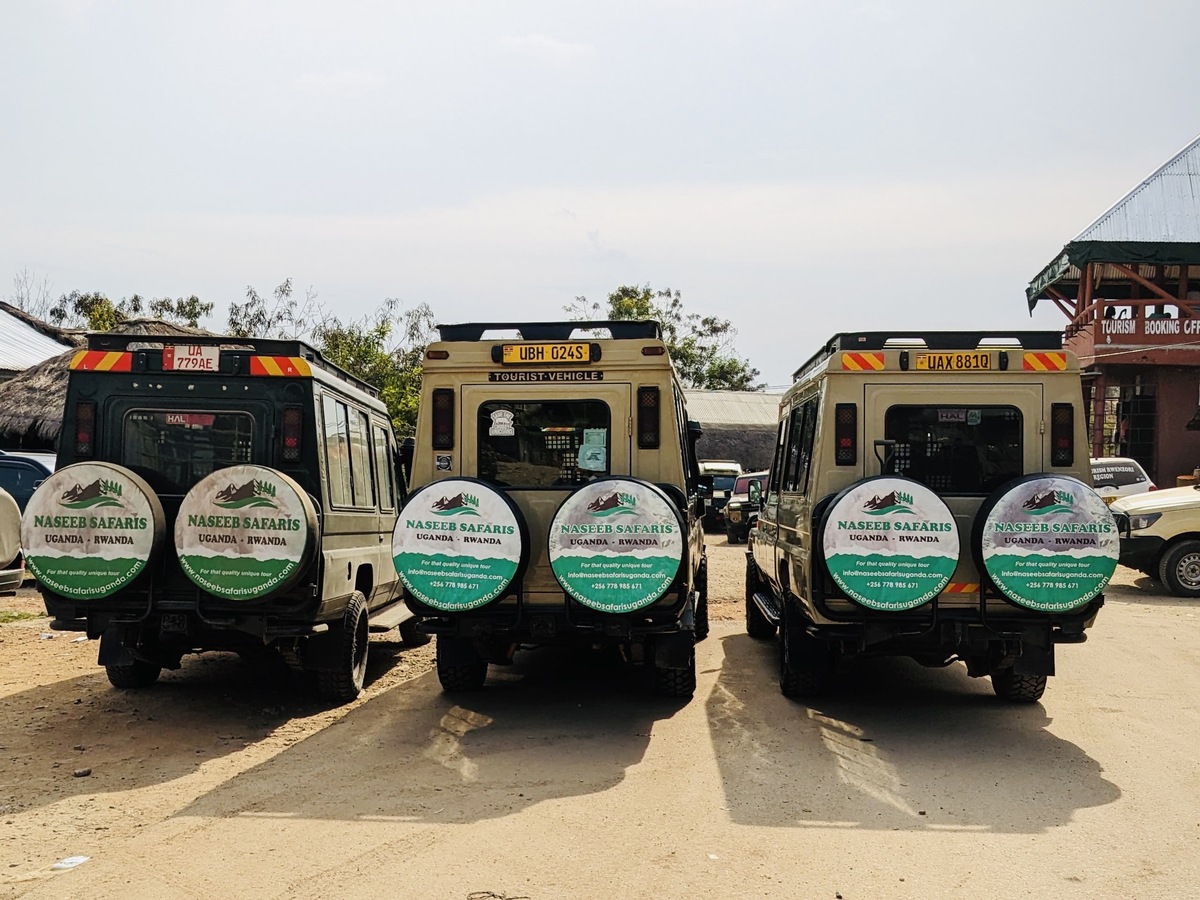
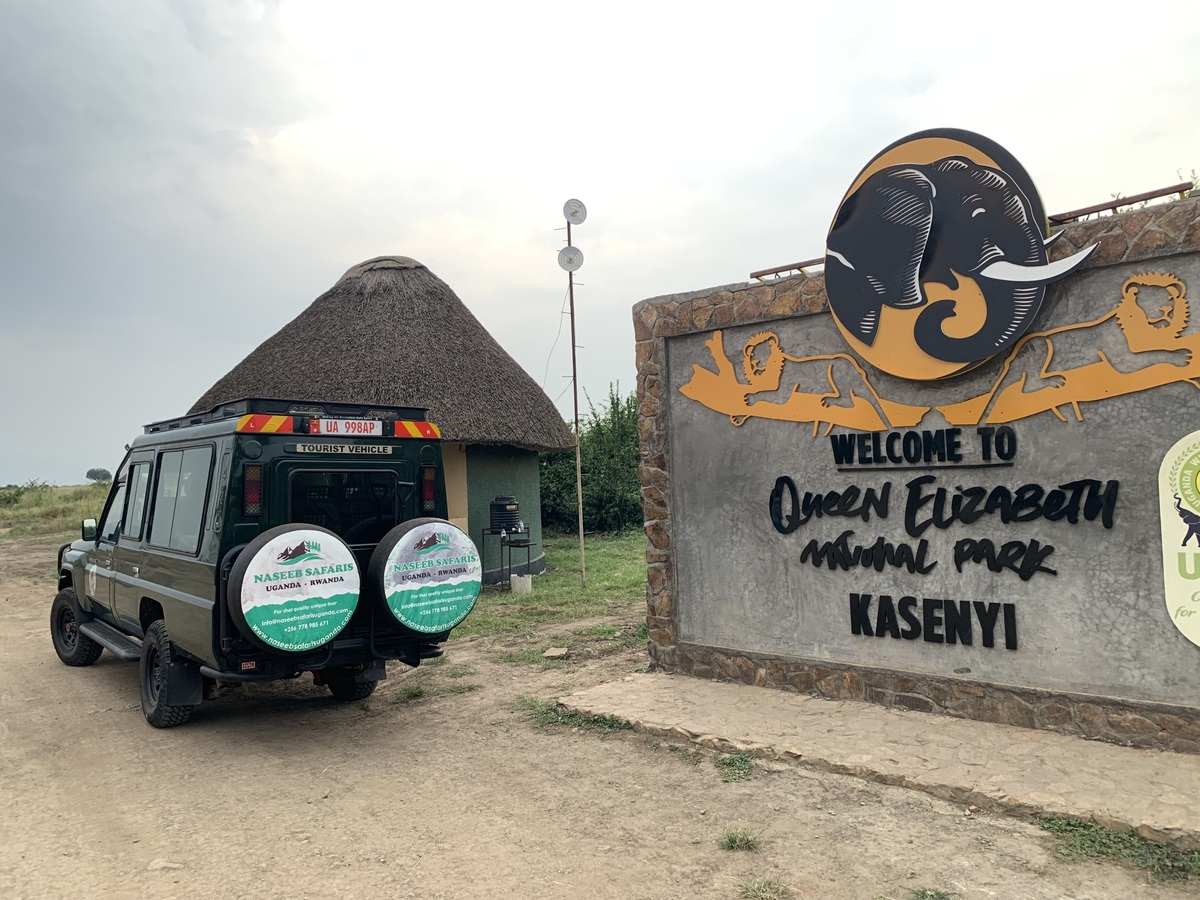
Comfort matters, particularly on longer journeys. Most private safaris use customised 4×4 vehicles with pop-up roofs for wildlife viewing. At Naseeb safaris, we went an extra mile and only use latest 4X4 Land cruisers/ jeeps with AC, Charging ports, and fridge for extra comfort and a seamless trip.
What accommodation standard is included?
Terms such as “mid-range” or “luxury” can vary between operators. Ask for lodge names or examples whenever possible, Naseeb safaris budget accommodation options is normally referred to as mid-range by most past clients after arrival, this is how much we love to see our clients satisfied.
How far in advance should I book?
If your itinerary includes gorilla trekking, booking several months ahead is recommended, particularly during the dry seasons when permits are in highest demand.
Common Mistakes First-Time Visitors Make
Many travelers visiting Uganda for the first time make similar planning mistakes. Being aware of them can help you enjoy a smoother safari.
Underestimating Driving Times
Road improvements continue across Uganda, but journeys between parks can still take longer than many visitors expect.
Itineraries that appear short on a map may involve winding mountain roads, gravel sections, or slower travel through rural areas.
Booking Gorilla Permits Too Late
Permits are limited each day to protect mountain gorillas and minimise visitor impact.
If gorilla trekking is your priority, secure permits before booking international flights whenever possible.
Packing the Wrong Clothing
Uganda’s climate varies with altitude.
Visitors often experience warm afternoons in the savannah, cool mornings in the highlands, and wet conditions during rainforest treks—all within the same itinerary.
Lightweight layers, waterproof clothing, and sturdy walking boots are generally more useful than heavy luggage.
Choosing Price Over Experience
The lowest quotation isn’t always the best value.
An itinerary with knowledgeable guides, realistic travel times, reliable vehicles, and carefully selected accommodation often provides a much more enjoyable safari than one built around the lowest possible price.
Exploring Uganda with the Right Safari Company
Once you have chosen a reputable tour operator, the next step is deciding what you want to experience. Uganda offers remarkable variety for a country of its size, and a thoughtfully planned itinerary can combine rainforest trekking, classic wildlife viewing, river cruises, and cultural encounters without feeling rushed.
Rather than trying to see everything, the most rewarding safaris balance a few carefully chosen destinations with enough time to appreciate each one.
Gorilla Trekking: Uganda’s Signature Wildlife Experience
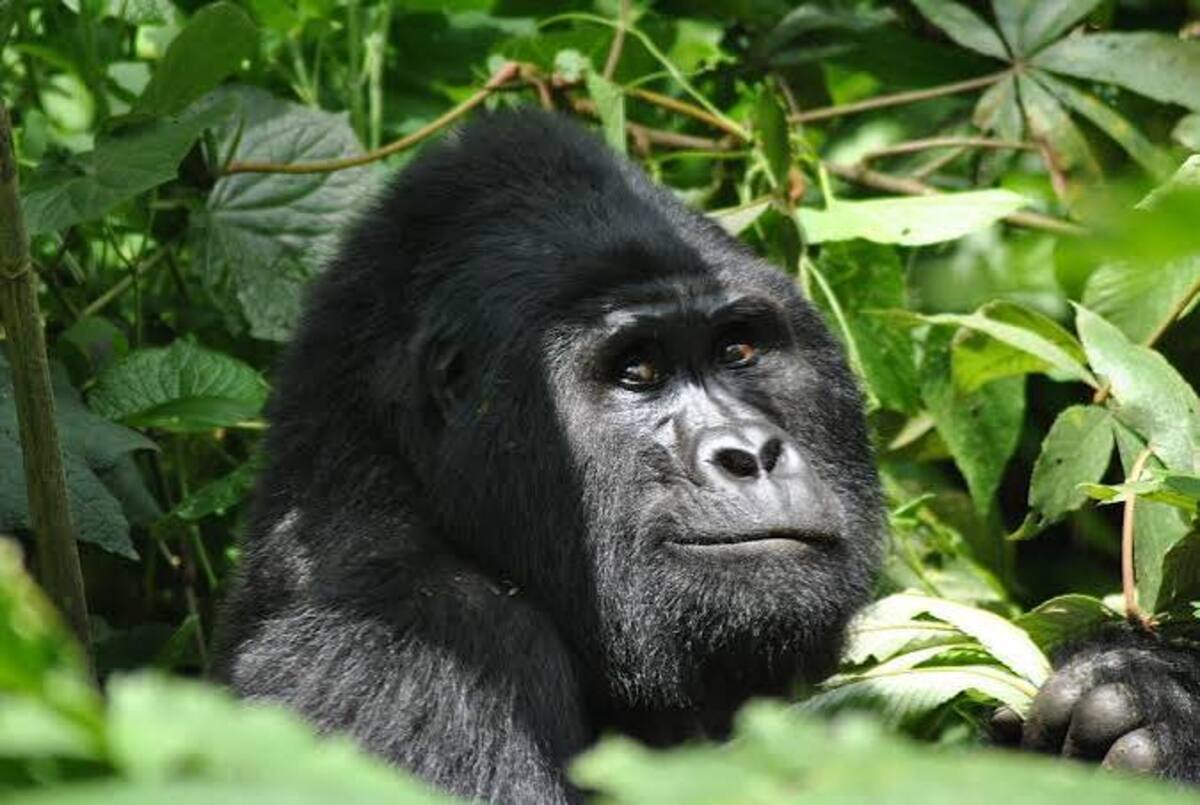
For many visitors, seeing mountain gorillas in the wild is the reason they travel to Uganda. The country protects more than half of the world’s remaining mountain gorillas, making it one of the best places anywhere to observe these endangered primates in their natural habitat.
Treks take place in two protected areas:
- Bwindi Impenetrable National Park
- Mgahinga Gorilla National Park
Each morning, small groups of about 8 people are assigned to a habituated gorilla family before setting off with Uganda Wildlife Authority rangers and trackers.
The trek itself is part of the experience. Depending on where the gorillas have moved, the walk can last anywhere from one to several hours. Some routes follow relatively gentle forest paths, while others involve steep, muddy slopes and dense vegetation.
Once your group reaches the gorillas, you will spend up to one hour observing them. During that time, you may watch juveniles playing, mothers caring for infants, or the dominant silverback quietly monitoring the family.
Unlike viewing wildlife from a vehicle, gorilla trekking happens on foot and at close range of about 7 metres. The encounter is carefully managed to minimise disturbance while allowing visitors to observe natural behaviour.
Gorilla Trekking Permit Costs
Every visitor needs a permit issued by the Uganda Wildlife Authority.
Permit prices occasionally change, at the time of writing, a gorilla permit cost $800 for a foreign non-resident, so it’s important to confirm current rates when planning your trip. Because daily permits are limited, they often sell out months in advance during the busiest travel seasons.
Most safari companies including Naseeb safaris Uganda can arrange permits as part of a complete itinerary, saving visitors the challenge of securing them independently.
Fitness Expectations
One of the most common questions first-time visitors ask is whether they are fit enough for gorilla trekking.
There isn’t a simple answer because every trek is different.
Some groups locate their assigned gorillas within an hour, while others spend much longer hiking through mountainous terrain.
Reasonable mobility and a moderate level of fitness are helpful, but visitors of many ages successfully complete the trek each year.
Those who prefer extra support can usually hire a local porter at the trailhead. Besides helping carry bags, porters often provide a welcome hand on steep or slippery sections of the trail.
Uganda’s National Parks Beyond the Rainforest
While gorillas receive much of the attention, Uganda’s savannah parks offer excellent wildlife viewing with fewer vehicles than many better-known safari destinations elsewhere in East Africa.
Each park has its own character, landscapes, and wildlife highlights.
Queen Elizabeth National Park
Stretching between Lake Edward and Lake George, Queen Elizabeth National Park combines open grasslands, cratersalty lakes, wetlands, forests, and the famous Kazinga Channel.
Its diversity supports an impressive variety of wildlife, including:
- Elephants
- Buffalo
- Uganda kob
- Hippos
- Crocodiles
- Warthogs
- Leopards
- Spotted hyenas
- More than 600 recorded bird species like gonoleks, coucals
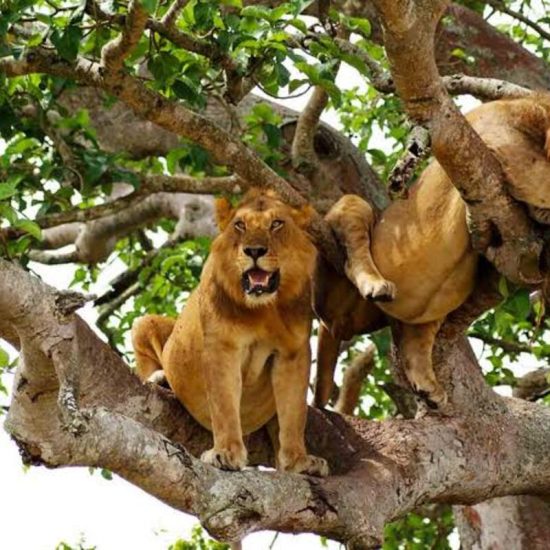
The Ishasha sector is particularly well known for its tree-climbing lions given its where a lion was first seen climbing a tree, although sightings can never be guaranteed. When conditions are right, visitors may find lions resting in large fig trees during the heat of the day.
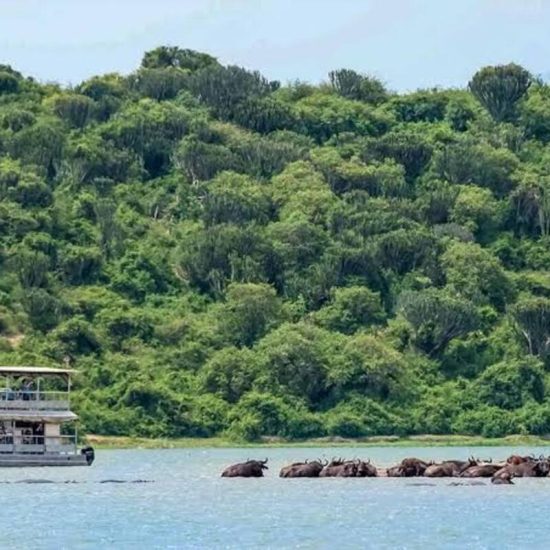
Boat cruises along the Kazinga Channel provide a different perspective. Large concentrations of hippos often gather close to the shoreline while elephants, buffalo, and numerous water birds come to drink like kingfishers, pelicans
Murchison Falls National Park
Uganda’s largest national park combines classic safari landscapes with one of the country’s most dramatic natural landmarks.
Here, the Nile is forced through a narrow rock gorge of about 7m before plunging 43m downstream as Murchison Falls.
Visitors typically combine morning or afternoon game drives with a river cruise towards the falls.
Wildlife commonly seen includes:
- Rothschild’s giraffes
- African savanna Elephants
- Cape Buffalo
- Jackson’s hartebeest
- Uganda kob
- Hippos
- Nile crocodiles
Predators such as lions and leopards are present but, as with any safari, sightings depend on timing, weather, and a measure of luck.
A visit to the top of the falls offers a completely different experience from the river below, where visitors can appreciate both the immense force and the surprisingly narrow gap through which the Nile passes.
Kidepo Valley National Park
For travelers willing to venture farther north, Kidepo offers one of East Africa’s most remote safari landscapes.
Its isolation means fewer visitors, wide open valleys, and a strong sense of wilderness.
Wildlife includes:
- Lions
- Cheetahs
- Buffalo
- Zebras
- Ostriches
- Elephants
- Numerous antelope species like secretary bird, Karamoja apalis, breasted rollers.
Beyond wildlife, many visitors appreciate the cultural experiences available with nearby Karamojong & IKcommunities, whose traditions remain closely connected to the region’s pastoral lifestyle.
Reaching the park requires more travel time than Uganda’s southern destinations, making it particularly suitable for longer itineraries.
Lake Mburo National Park
Located within convenient driving distance of Kampala, Lake Mburo National Park is often included at the beginning or end of longer safaris.
Although it is Uganda’s smallest savanna national park, it offers activities that are unavailable elsewhere in the country.
Visitors can enjoy:
- Guided walking safaris
- Horseback safaris
- cycling
- Boat cruises
- Night game drives (where available)
- Birdwatching
- Cultural experiences like long horned cattle
The park is especially known for zebras, impalas, giraffes, eland, and numerous wetland bird species.
Its relaxed atmosphere also makes it a good option for travellers who prefer shorter driving distances.
Chimpanzee Tracking
Meeting wild chimpanzees offers a very different experience from gorilla trekking.
Chimpanzees are highly social, energetic, and often vocal. Rather than quietly resting together, they move through the forest, call to one another, feed in the canopy, and interact constantly.
Uganda’s most popular tracking locations include:
- Kibale Forest National Park
- Budongo Forest reserve
- Kalinzu forest reserve
- Kyambura Gorge
Kibale is generally considered the country’s premier chimpanzee destination due to its high population density and well-developed tracking programme.
Tracking conditions vary daily because chimpanzees travel continuously in search of food.
Visitors should be prepared for uneven forest trails and periods of walking before locating the group.
Birdwatching in Uganda
Uganda is recognised as one of Africa’s leading birding destinations, with more than 1,080 recorded bird species across forests, wetlands, mountains, lakes, and savannah ecosystems.
Even travelers who don’t consider themselves birdwatchers often find themselves noticing the remarkable diversity of colours, calls, and behaviours throughout their journey.
Among the species many visitors hope to see are:
- Shoebill
- Great Blue Turaco
- Grey Crowned Crane
- African Fish Eagle
- Various kingfishers like giant, woodland
- Hornbills like Abyssinian ground hornbill
- Bee-eaters like little bee-eater
- Sunbirds like olive bellied sunbird
Birding can be incorporated into almost any safari rather than requiring a dedicated specialist itinerary.
Experienced guides understand seasonal movements and know which habitats offer the best opportunities at different times of year.
Cultural Experiences That Add Context
Wildlife is only one part of Uganda’s story.
Many travelers find that spending time with local communities gives greater meaning to the landscapes they visit.
Depending on your itinerary, cultural experiences may include:
- Batwa community visits near Bwindi
- Coffee farm tours
- Traditional cooking demonstrations
- Village walks
- Local craft workshops
- Dance and music performances
- Community-run tourism projects
The most rewarding visits encourage genuine interaction rather than staged performances. They provide opportunities to learn about local livelihoods, traditions, and the relationship between surrounding communities and protected wildlife areas.
Responsible operators work with community organisations to ensure tourism provides meaningful local benefits.
Choosing the Right Style of Safari
Uganda caters to a wide range of budgets without limiting access to its major attractions.
Luxury Safaris
Luxury itineraries typically include high-end lodges, spacious private rooms, personalised guiding, and customised vehicles. Many properties overlook rivers, forests, or open savannah, allowing wildlife viewing even between activities.
Mid-Range Safaris
Mid-range safaris remain the most popular option for many international visitors.
They combine comfortable accommodation, private transport, and well-planned itineraries while keeping costs manageable.
Budget Safaris
Budget travel does not necessarily mean sacrificing the experience itself.
Many affordable itineraries still include the same national parks and activities, with savings coming from simpler accommodation, shared transport, or camping options where available.
When comparing prices, focus on overall value rather than accommodation category alone. Experienced guides, reliable vehicles, and realistic itineraries often have a greater impact on your safari than luxury facilities.
Planning Your Uganda Safari
Once you have chosen your destinations and travel style, a little preparation goes a long way. Uganda is an easy country to explore with the right planning, but knowing what to expect before you arrive will help you make the most of your time.
When Is the Best Time to Visit Uganda?
Uganda is a year-round safari destination thanks to its equatorial climate, but the experience varies slightly with the seasons.
Dry Seasons (June to August and December to February)
These months are generally the most popular for safari travel because trails are usually drier and wildlife is often easier to spot around permanent water sources.
Dry conditions are especially helpful for:
- Gorilla trekking
- Chimpanzee tracking
- Game drives
- Hiking
- Photography
Because these are peak travel periods, accommodation and gorilla permits often book well in advance.
Wet Seasons (March to May and September to November)
Rainfall is more frequent during these months, particularly in the rainforest regions.
While muddy trails can make trekking more challenging, there are also advantages:
- Fewer visitors
- Lush green landscapes
- Excellent birdwatching
- Softer light for photography
- Greater lodge availability
Rain rarely lasts all day, but visitors should be prepared for changing weather.
Getting Around Uganda
Most international visitors arrive through Entebbe International Airport before beginning their safari by road or domestic flight.
Road Travel
The majority of safaris use customised 4×4 vehicles with experienced driver-guides.
Road conditions vary considerably.
Major highways between cities are generally paved, while many park access roads are gravel or dirt tracks that become slower after heavy rain.
Driving between destinations often takes longer than visitors expect, making realistic itineraries especially important.
Domestic Flights
Several national parks can also be reached by scheduled or charter flights.
Flying reduces travel time considerably, particularly for:
- Kidepo Valley National Park
- Murchison Falls National Park
- Bwindi (selected airstrips)
Although flights increase the overall cost, they may allow travelers with limited time to include more destinations comfortably.
Accommodation Options
Uganda offers accommodation across a wide range of budgets.
Choices include:
- Luxury safari lodges
- Boutique eco-lodges
- Comfortable mid-range camps
- Guesthouses
- Budget lodges
- Community-owned accommodation
- Campsites in selected locations
Many lodges are located close to national park gates, reducing early morning travel before activities.
Rather than focusing only on star ratings, consider factors such as location, service, sustainability, and proximity to your planned activities.
What Should You Pack?
Packing for Uganda is simpler when you prepare for changing conditions rather than a single climate.
Essential items include:
- Lightweight long-sleeved shirts
- Quick-drying trousers
- Waterproof jacket
- Comfortable hiking boots
- Hat
- Sunscreen
- Insect repellent
- Reusable water bottle
- Small daypack
- Binoculars
- Camera with spare batteries
- Waterproof bag for electronics
For gorilla trekking, gardening gloves can also be useful when steadying yourself on steep or muddy trails.
Avoid brightly coloured clothing during wildlife activities. Neutral colours such as green, brown, or khaki blend more naturally with the environment.
Photography Tips
Uganda offers exceptional opportunities for photography, but success often depends on preparation rather than expensive equipment.
Some practical tips include:
- Carry extra batteries, as charging opportunities may be limited during longer journeys.
- Bring sufficient memory cards.
- Use a rain cover for cameras during forest treks.
- Keep your flash turned off around wildlife.
- Be patient rather than rushing between sightings.
- Always ask permission before photographing local people.
For gorilla trekking, remember that you’ll be photographing under forest canopy where light levels can be low. A camera that performs well in low light or a lens with a wide aperture can make a noticeable difference.
Tipping Etiquette
Tipping is appreciated throughout Uganda’s tourism industry, although it remains voluntary.
Common situations where visitors choose to tip include:
- Safari guides
- Drivers
- Lodge staff
- Restaurant servers
- Gorilla trekking porters
- Community guides
Many lodges provide a communal staff tip box alongside guidance on local customs.
If you are unsure about appropriate amounts, your tour operator can provide current recommendations based on your itinerary.
Safety and Health
Uganda is a well-established safari destination that welcomes visitors from around the world each year.
Like travel anywhere, a few sensible precautions help ensure a smooth trip.
These include:
- Following guidance from your safari guide and park rangers.
- Keeping a respectful distance from wildlife.
- Drinking bottled or treated water where recommended.
- Carrying any personal medications.
- Having comprehensive travel insurance.
- Checking vaccination and visa requirements before departure.
During gorilla and chimpanzee tracking, visitors with contagious illnesses may not be allowed to participate in order to protect the primates from human diseases.
Responsible Travel
Tourism plays an important role in protecting Uganda’s wildlife and supporting communities living alongside national parks.
Visitors can contribute by:
- Staying on designated trails.
- Following ranger instructions.
- Avoiding litter.
- Respecting local customs.
- Purchasing locally made crafts.
- Supporting community tourism initiatives.
- Choosing operators committed to responsible tourism.
Conservation is one of Uganda’s greatest tourism success stories, and responsible visitors help ensure these protected landscapes continue to thrive.
Is Uganda Suitable for Families?
Many areas of Uganda work well for families, although some activities have minimum age requirements.
For example, gorilla trekking and chimpanzee tracking generally require participants to be at least 15 years old.
Families travelling with younger children often enjoy:
- Boat cruises
- Game drives
- Nature walks
- Cultural experiences
- Rhino tracking at Ziwa Rhino Sanctuary
- Lake-based activities
A family-friendly itinerary can be adjusted to reduce long driving days while keeping younger travellers engaged.
Accessibility Considerations
Some safari activities are naturally more physically demanding than others.
Game drives, boat cruises, and many cultural visits are accessible to a wide range of travellers.
Gorilla trekking, however, involves uneven terrain and varying levels of difficulty.
Visitors with limited mobility should discuss their needs with their tour operator before booking. In some cases, sedan chair services or additional porter assistance may be available, allowing more people to experience gorilla trekking safely.
Planning ahead gives operators the best opportunity to make suitable arrangements.
Frequently Asked Questions
How fit do I need to be for gorilla trekking?
Most visitors with a moderate level of fitness complete the trek successfully. Some hikes are relatively short, while others can be considerably more demanding. Hiring a porter is recommended for many visitors, regardless of fitness level.
Will I definitely see gorillas?
Sightings are never guaranteed because these are wild animals. However, habituated gorilla families are monitored daily, and the success rate for locating them is extremely high.
Can I hire a porter?
Yes. Porters are available at the starting point of gorilla treks for an additional fee. Hiring one supports local livelihoods and can make the trek significantly more comfortable.
Can older travellers participate?
Many older travellers successfully complete gorilla trekking each year. The best approach is to discuss your mobility and fitness honestly with your tour operator so the most suitable gorilla family can be requested where possible.
What happens if it rains?
Activities continue in most weather conditions.
Rain is common in Uganda, particularly in rainforest regions, so waterproof clothing and proper hiking boots are important regardless of the season.
Can I wear shorts?
Long trousers are generally recommended for forest walks to help protect against insects, stinging plants, and scratches from vegetation.
Is there a luggage weight limit?
If your itinerary includes domestic flights, luggage restrictions usually apply. Soft-sided bags are generally preferred over hard suitcases.
Your tour operator will provide the exact allowance before departure.
How much should I tip?
There is no fixed amount.
Tipping depends on the level of service, the length of your safari, and your personal preference. Your operator can advise on customary ranges.
Can I take photographs during gorilla trekking?
Yes, photography is permitted.
Flash photography is not allowed, and visitors should always follow ranger instructions to avoid disturbing the gorillas.
Are there toilets at the trekking starting point?
Yes. Most briefing centres have basic toilet facilities before the trek begins, although facilities are generally not available once you are inside the forest.
Final Thoughts
A safari in Uganda is about far more than checking wildlife off a list.
It’s a journey through remarkably varied landscapes where rainforest meets savannah, where conservation and community tourism work together, and where every park offers a different perspective on the country’s natural heritage.
Whether your priority is observing mountain gorillas, photographing wildlife, exploring remote national parks, or learning about local cultures, careful planning helps transform a good trip into a deeply rewarding one.
Choosing a knowledgeable local tour operator gives you access not only to logistics and accommodation but also to the expertise, flexibility, and insight that allow you to experience Uganda with greater confidence and understanding.
Plan Your Safari with Naseeb Safaris
Every traveller has different priorities, whether that’s gorilla trekking, wildlife photography, birdwatching, cultural experiences, or a combination of several destinations.
If you are still deciding where to go or how many days to spend in Uganda, the team at Naseeb Safaris can help you design an itinerary that reflects your interests, travel style, and budget. From securing gorilla permits to recommending the right accommodation and travel routes, you will receive practical guidance to help you plan your journey with confidence. Contact us today