
Bigodi Wetland Sanctuary: Birdwatching and Primate Experience
Bigodi Wetland Sanctuary: Birdwatching and Primate Experience, It is one of Uganda’s most rewarding destinations for birdwatching, nature walks and community-based tourism. Located in Magombe Swamp, on the edge of Kibale Forest National Park in western Uganda, this beautiful wetland is a popular stop for visitors exploring the Kibale region, particularly those coming for chimpanzee trekking. The sanctuary is known for its remarkable bird diversity, different primate species, lush vegetation and meaningful cultural experiences. Beyond its natural attractions, Bigodi Wetland Sanctuary is an excellent example of how community participation can contribute to wildlife conservation while improving the livelihoods of local people.
Unlike many protected natural areas managed primarily by government institutions, Bigodi Wetland Sanctuary is a community-based conservation initiative. Its establishment aimed to protect the Magombe Swamp and its rich biodiversity while ensuring that the surrounding communities benefit directly from tourism. Local people play an important role in managing the sanctuary, guiding visitors and protecting its natural resources. A significant proportion of the income generated through tourism supports community development projects, including education, healthcare and employment opportunities. Visiting Bigodi is therefore not simply about enjoying nature; it is also an opportunity to support local conservation efforts.
The History and Meaning of Bigodi Wetland Sanctuary
Bigodi Wetland Sanctuary was traditionally known as Magombe, a local name commonly translated as “the graveyard”. According to local accounts, the swamp acquired this name following incidents in which people lost their lives while attempting to cross the wetland during the construction of a bridge many years ago. Over time, the area became widely recognised for its ecological importance and was developed into a community conservation and tourism destination.
Today, Bigodi is among the most popular nature-based tourism attractions near Kibale Forest National Park. Its conservation approach demonstrates how protecting wetlands can create opportunities for sustainable tourism, community development and environmental education. The swamp provides an important habitat for birds, primates, butterflies and numerous other forms of wildlife, making it an essential part of the wider Kibale ecosystem.
Birdwatching at Bigodi Wetland Sanctuary
Birdwatching is one of the main reasons travellers visit Bigodi Wetland Sanctuary. The wetland is particularly attractive to bird enthusiasts because its open vegetation, swamp channels and forest edges provide excellent opportunities to observe birds in their natural habitats. While Kibale Forest is famous for its dense tropical rainforest, Bigodi offers a different birding environment where visitors can sometimes enjoy clearer views of birds moving through the vegetation.
The sanctuary is home to approximately 138 recorded bird species, making it an important birding destination in western Uganda. Its combination of wetland, woodland and forest-edge habitats attracts a remarkable variety of resident and seasonal birds. The presence of insects, frogs and other small creatures also provides an important food source for many species, supporting the area’s rich birdlife.
Some of the notable birds that visitors may encounter include the great blue turaco, African pitta, black bee-eater, crowned eagle, purple-breasted sunbird, blue-breasted kingfisher, yellow-rumped tinkerbird, little greenbul and brown-chested alethe. The grey-crowned crane, Uganda’s national bird, is another species that makes the country’s birdwatching experiences particularly special.
For keen birdwatchers, walking through the wetland with an experienced local birding guide can make a considerable difference. Guides are familiar with the calls, feeding habits and preferred habitats of different bird species, helping visitors identify birds that might otherwise go unnoticed. Binoculars and a good camera are useful additions, particularly for observing birds perched in trees or moving through the wetland vegetation.
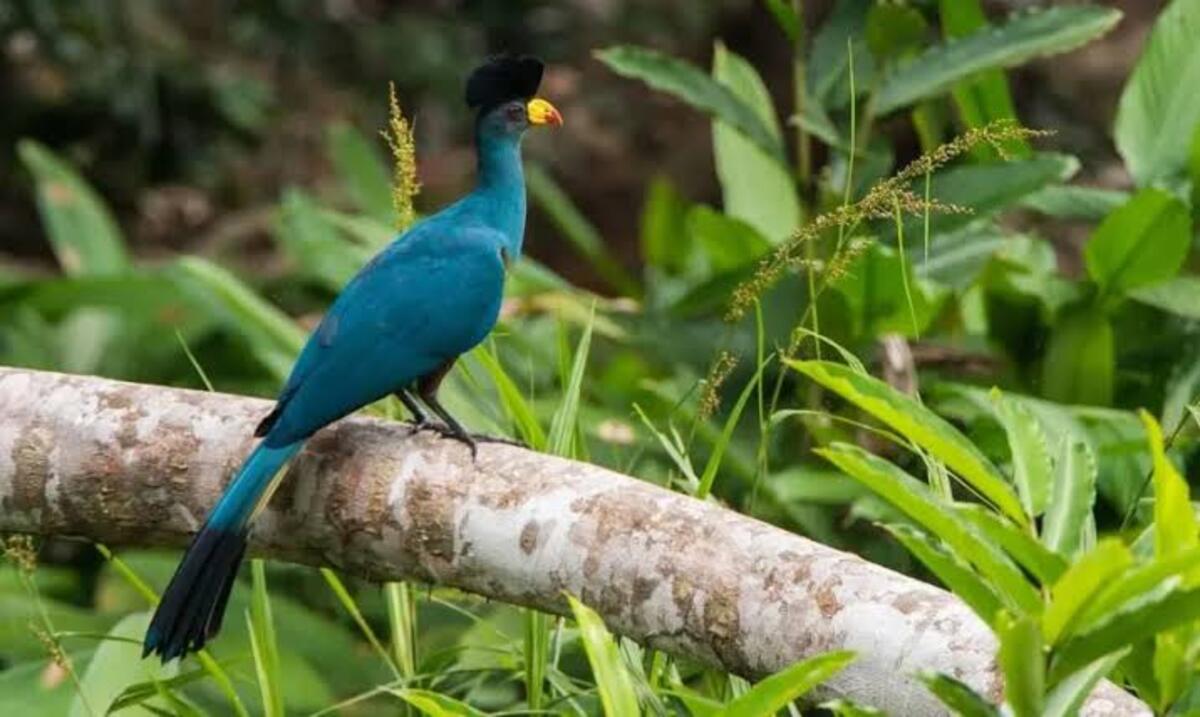
Birdwatching
Primate Watching at Bigodi Wetland Sanctuary
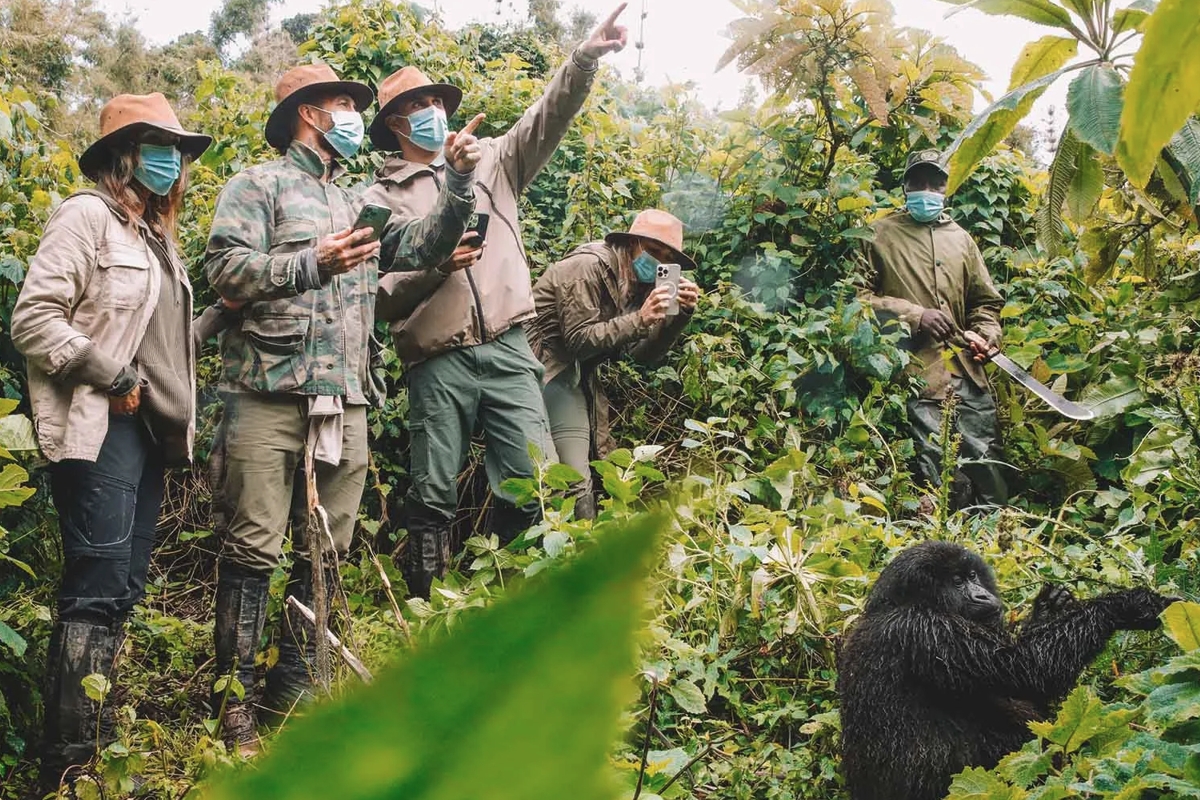
Although Bigodi is particularly famous for birdwatching, its wildlife extends well beyond birds. The wetland and surrounding forest patches provide habitat for several primate species, making nature walks interesting for visitors who enjoy observing monkeys in their natural environment.
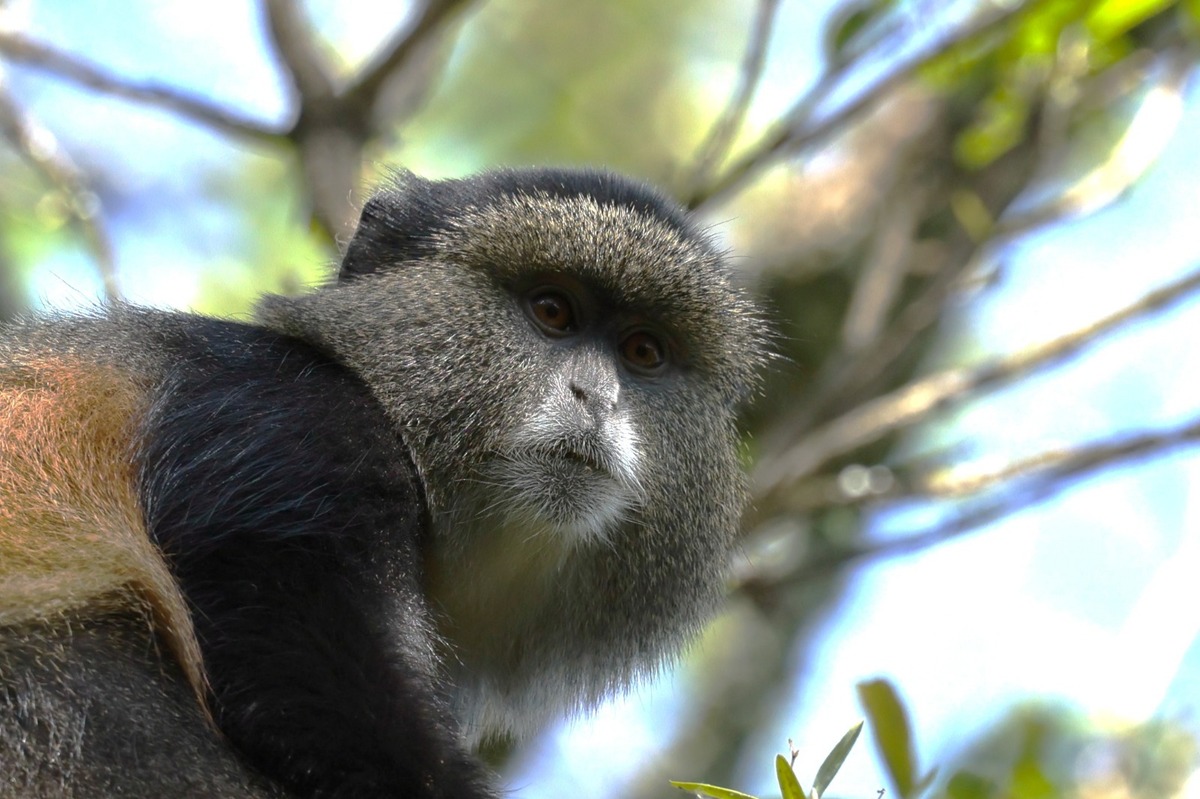
During a guided walk, visitors may encounter red-tailed monkeys, black-and-white colobus monkeys, blue monkeys, grey-cheeked mangabeys and olive baboons. These primates are often seen moving through the trees, feeding on fruits and leaves or interacting within their groups. Their presence adds another dimension to the Bigodi experience, especially for travellers who have already enjoyed chimpanzee trekking in Kibale Forest.
Unlike chimpanzee trekking, where visitors follow habituated chimpanzee communities through the rainforest, Bigodi nature walks offer a more relaxed opportunity to appreciate smaller wildlife and the surrounding ecosystem. Sightings are never guaranteed, but the sanctuary’s biodiversity makes each walk an interesting experience.
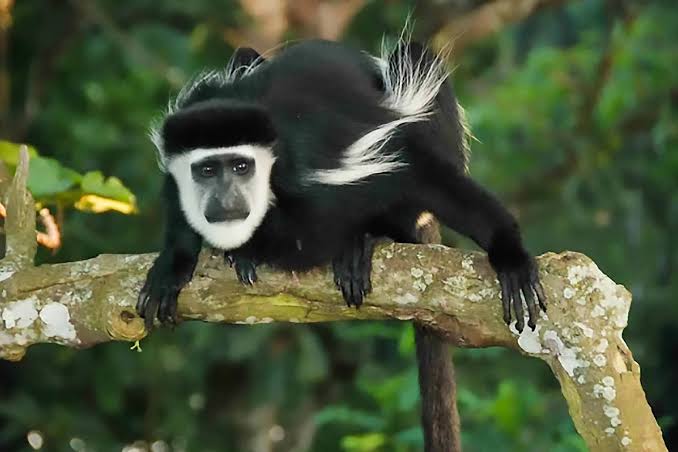
Black & White colobus monkey
Nature Walks Through Bigodi Wetland Sanctuary
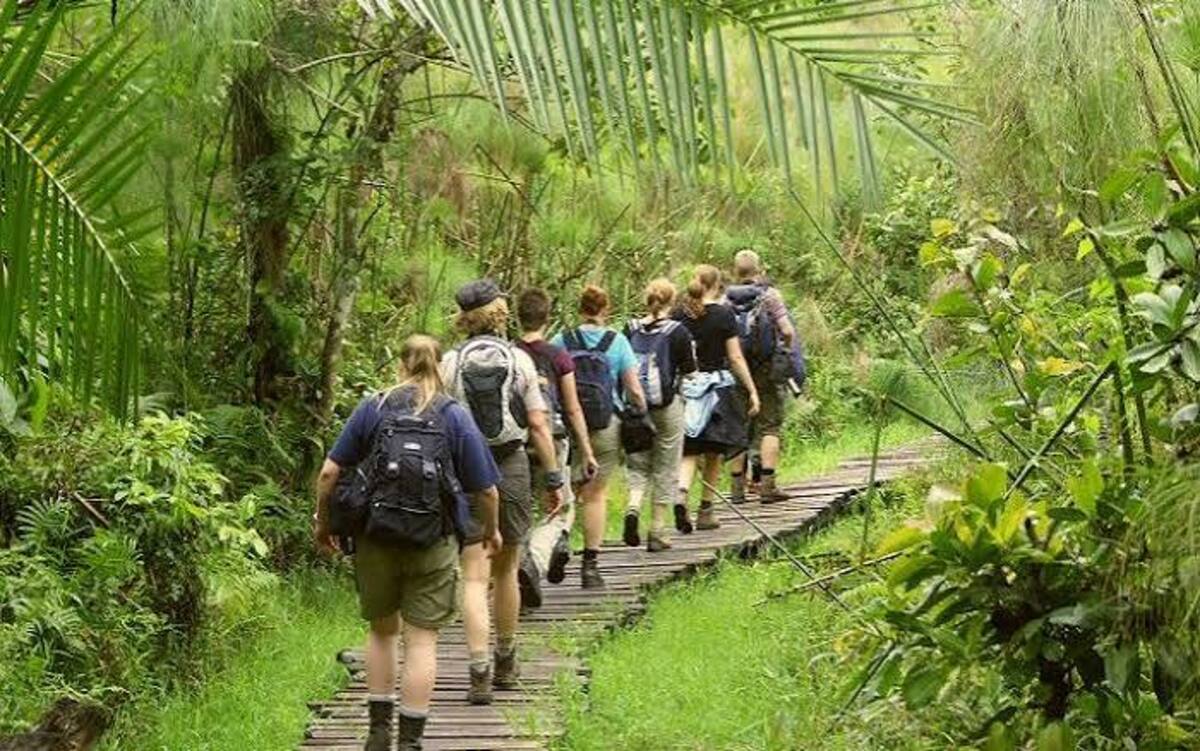
A guided nature walk is one of the best ways to explore Bigodi Wetland Sanctuary. Visitors follow established trails through the swamp and surrounding forest vegetation, discovering different plant species, birds, butterflies and primates along the way. The walking experience provides an opportunity to appreciate the ecological importance of wetlands while enjoying the peaceful atmosphere of the Ugandan countryside.
Nature walks are normally conducted with knowledgeable local guides who understand the sanctuary’s wildlife, vegetation and walking routes. Their knowledge helps visitors identify different species, recognise bird calls and understand the relationships between the wetland and the surrounding environment.
The walks generally take approximately three hours, depending on the route, wildlife sightings and interests of the visitors. Morning and afternoon excursions are possible, with the cooler hours often providing comfortable conditions for walking and wildlife observation. Visitors should wear comfortable walking shoes, carry drinking water and consider bringing rain protection, as the weather around Kibale can change quickly.
Cultural and Village Walks in Bigodi
One of the most meaningful experiences at Bigodi Wetland Sanctuary is the opportunity to explore the neighbouring village and learn about the lives of the local communities. These cultural walks introduce visitors to the traditions, daily activities and livelihoods of people living around the wetland.
During a village visit, travellers can interact with local residents, learn about traditional farming practices and discover how different households use locally available resources. Depending on the experience arranged, visitors may also participate in activities such as preparing traditional Ugandan meals, learning about local crafts and understanding the cultural importance of different plants and foods.
The village experience also highlights the relationship between tourism and community development. Through the sanctuary, local people benefit from guiding opportunities, tourism-related employment and community projects that support education and healthcare. Visitors can gain a better understanding of how responsible tourism contributes to protecting natural resources while creating economic opportunities for surrounding communities.
For international travellers interested in experiencing Uganda beyond its national parks and wildlife, a cultural walk in Bigodi offers a valuable opportunity to connect with local people and appreciate everyday life in rural western Uganda.
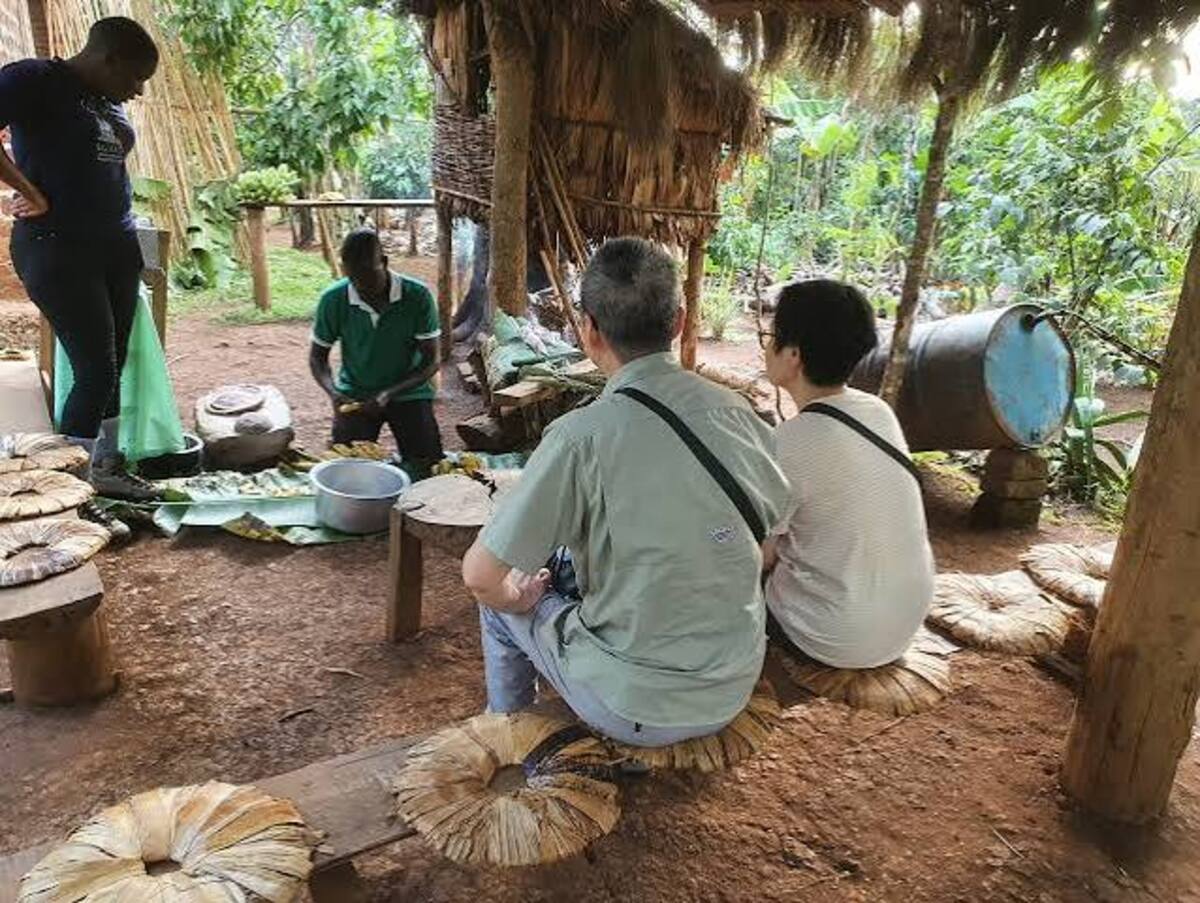
Cultural visits
Why Visit Bigodi Wetland Sanctuary After Chimpanzee Trekking in Kibale?
Bigodi Wetland Sanctuary is an excellent addition to a safari in Kibale Forest National Park because the two destinations offer different but complementary wildlife experiences. Kibale is internationally recognised for its chimpanzee population and is one of the best places in Uganda to observe wild chimpanzees in their natural rainforest habitat. After spending the morning tracking chimpanzees, visitors can enjoy a more relaxed afternoon exploring Bigodi’s wetlands and surrounding community.
The contrast between the two experiences makes the combination particularly rewarding. Chimpanzee trekking involves following chimpanzees through dense forest terrain, sometimes requiring considerable physical effort depending on their location. At Bigodi, visitors enjoy guided walks along established trails while looking for birds, monkeys, butterflies and other wetland wildlife.
Combining these activities also allows travellers to appreciate the wider biodiversity of the Kibale region rather than concentrating exclusively on chimpanzees. It is an excellent option for birdwatchers, nature lovers, photographers and visitors who want to make the most of their time in western Uganda.
Best Time to Visit Bigodi Wetland Sanctuary
Bigodi Wetland Sanctuary can be visited throughout the year, although weather conditions may influence the walking experience and wildlife observation. Uganda generally experiences wetter and drier seasons, and these seasonal changes affect the condition of the trails and the surrounding vegetation.
The relatively drier months, particularly June to September and December to February, are popular for nature walks because trails are generally easier to navigate. These periods also coincide with busy safari seasons in Uganda, making Bigodi a convenient addition to itineraries that include Kibale, Queen Elizabeth National Park and Bwindi Impenetrable National Park.
The wetter months, particularly March to May and October to November, bring more rainfall. Walking trails can become muddy, but the wetland remains beautiful, with lush vegetation and plenty of natural activity. Birdwatchers may also find these periods rewarding because migratory birds can add to the diversity of species present in the area.
For the best experience, visitors should arrange their walks with the sanctuary guides and allow enough time to explore without rushing. Early morning and afternoon walks are generally comfortable, although the ideal time depends on the activities planned and the species visitors hope to encounter.
How to Get to Bigodi Wetland Sanctuary
Bigodi Wetland Sanctuary is located in western Uganda, near Kibale Forest National Park, in the Bigodi community along the Fort Portal–Kamwenge road. Its convenient location makes it easy to include in a chimpanzee trekking safari or a wider Uganda wildlife tour.
Travellers driving from Kampala should expect approximately five to six hours on the road, depending on traffic, road conditions and the chosen route. The journey passes through Uganda’s countryside, offering views of rural settlements, cultivated landscapes and the green hills of western Uganda. Visitors can also access Bigodi from Fort Portal, which is approximately an hour’s drive away, depending on the starting point and road conditions.
Most travellers visit Bigodi as part of a guided safari to Kibale Forest National Park. A private safari vehicle provides flexibility to combine chimpanzee trekking, wetland walks and other attractions in the region. For visitors continuing to Queen Elizabeth National Park, Bigodi can also be incorporated into the journey through western Uganda.
Where to Stay When Visiting Bigodi Wetland Sanctuary
There are several accommodation options around Kibale Forest National Park, ranging from comfortable budget lodges to luxury forest retreats. Staying near the park allows visitors to access the chimpanzee trekking starting points and Bigodi Wetland Sanctuary without spending too much time travelling.
Accommodation choices include forest lodges, community-based guesthouses and safari camps around Kanyanchu, Bigodi and the wider Kibale area. Travellers looking for a comfortable stay can consider properties such as Turaco treetops lodge, which offers convenient access to Kibale’s main attractions. The best accommodation depends on individual preferences, budget, travel dates and the type of safari experience planned.
It is advisable to arrange accommodation in advance, particularly during the busy safari months when demand around Kibale can be high.
Include Bigodi Wetland Sanctuary in Your Uganda Safari with Naseeb Safaris
A visit to Bigodi Wetland Sanctuary adds a rewarding nature and cultural experience to a Uganda safari. Whether you are interested in birdwatching, photography, primate viewing or learning about local communities, the sanctuary offers an opportunity to experience another side of Uganda’s remarkable biodiversity.
At Naseeb Safaris Uganda, we organise private and tailor-made Uganda safaris that combine chimpanzee trekking in Kibale Forest National Park with guided nature walks and cultural experiences at Bigodi Wetland Sanctuary. Depending on your interests and available time, we can also include other destinations such as Queen Elizabeth National Park, Murchison Falls National Park, Bwindi Impenetrable National Park and Lake Bunyonyi.
Our local team helps arrange transportation, accommodation, permits and guided activities, allowing you to enjoy your journey at a comfortable pace. Whether you are planning a dedicated chimpanzee trekking holiday or a longer Uganda wildlife safari, we can customise an itinerary around your interests and travel budget.
Contact Naseeb Safaris Uganda to include Bigodi Wetland Sanctuary in your next Uganda safari.