
Lake Bunyonyi, Uganda: Discover the Beautiful Lake of Little Birds
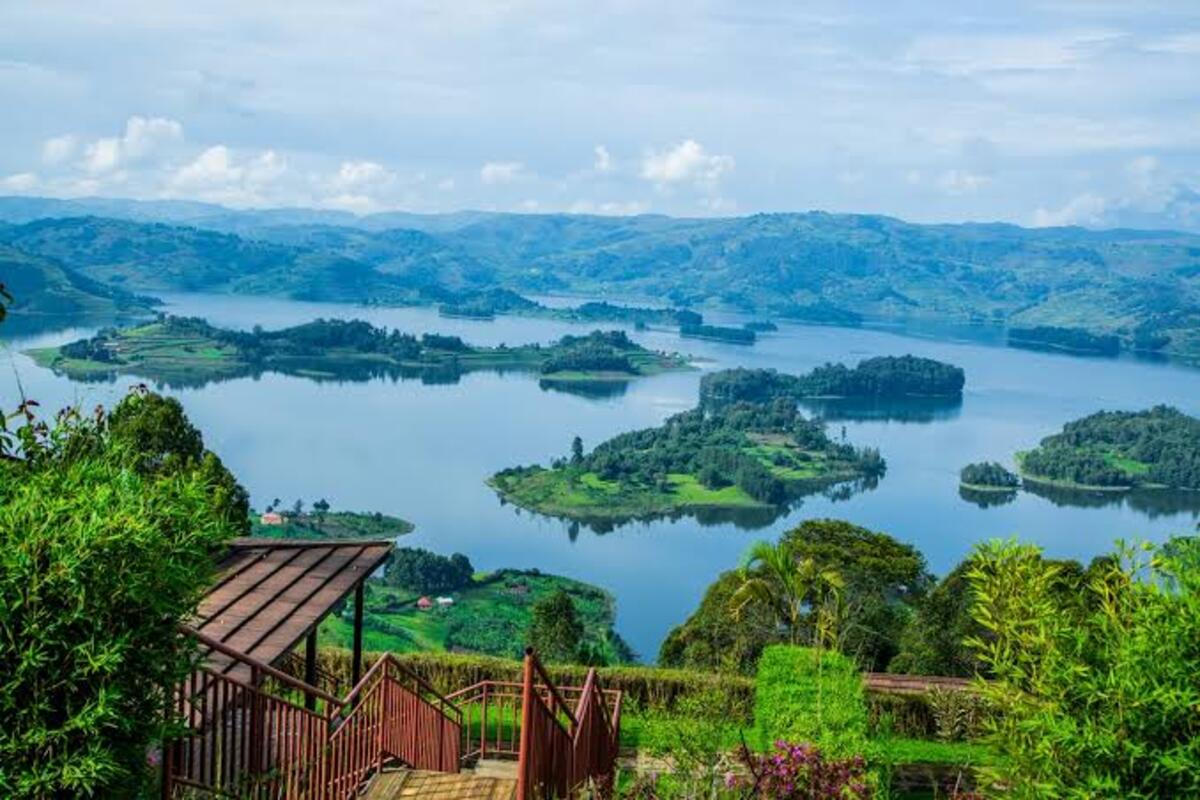
Lake Bunyonyi, Uganda: Discover the Beautiful Lake of Little Birds, It is one of Uganda’s most beautiful and peaceful destinations, offering breathtaking scenery, rich cultural experiences and opportunities to relax in nature. Often described as the Lake of Little Birds, Lake Bunyonyi is famous for its numerous islands, green terraced hills, calm waters and remarkable birdlife. Located in southwestern Uganda, between Kabale and Kisoro districts, close to the border with Rwanda, it is an ideal destination for travellers looking to experience a quieter side of the Pearl of Africa.
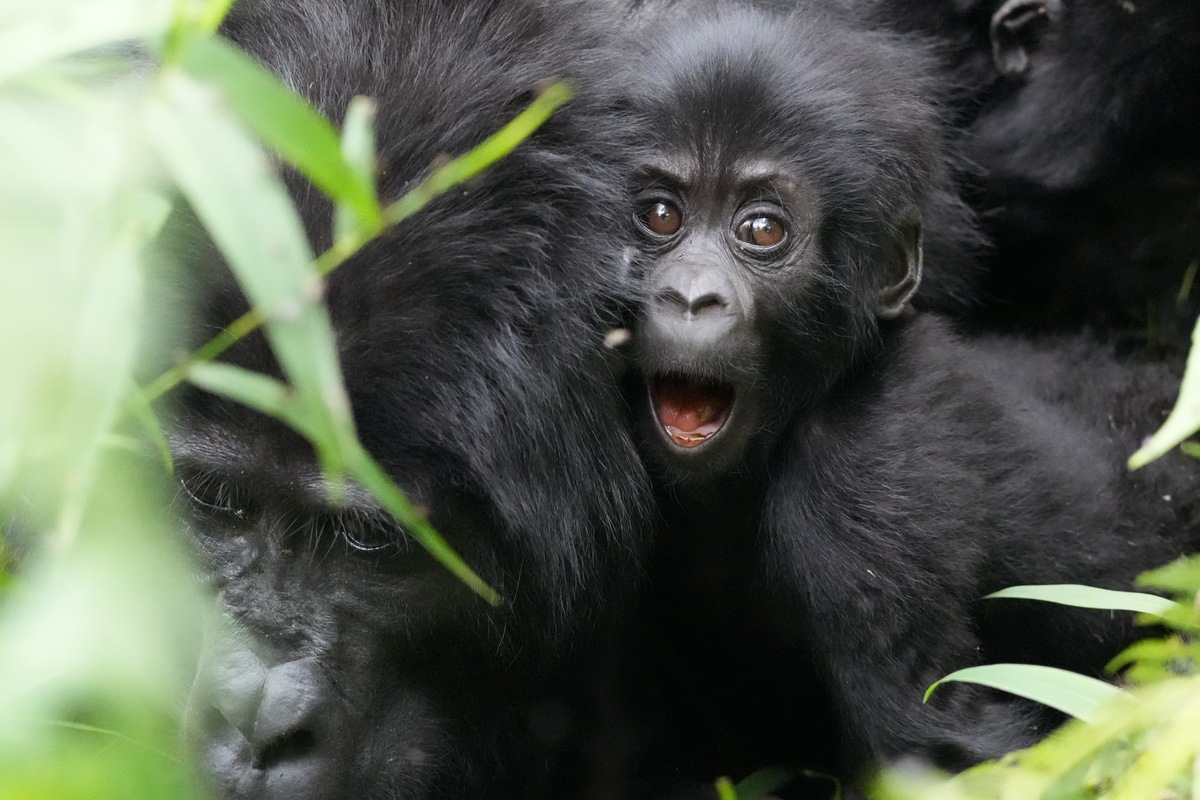
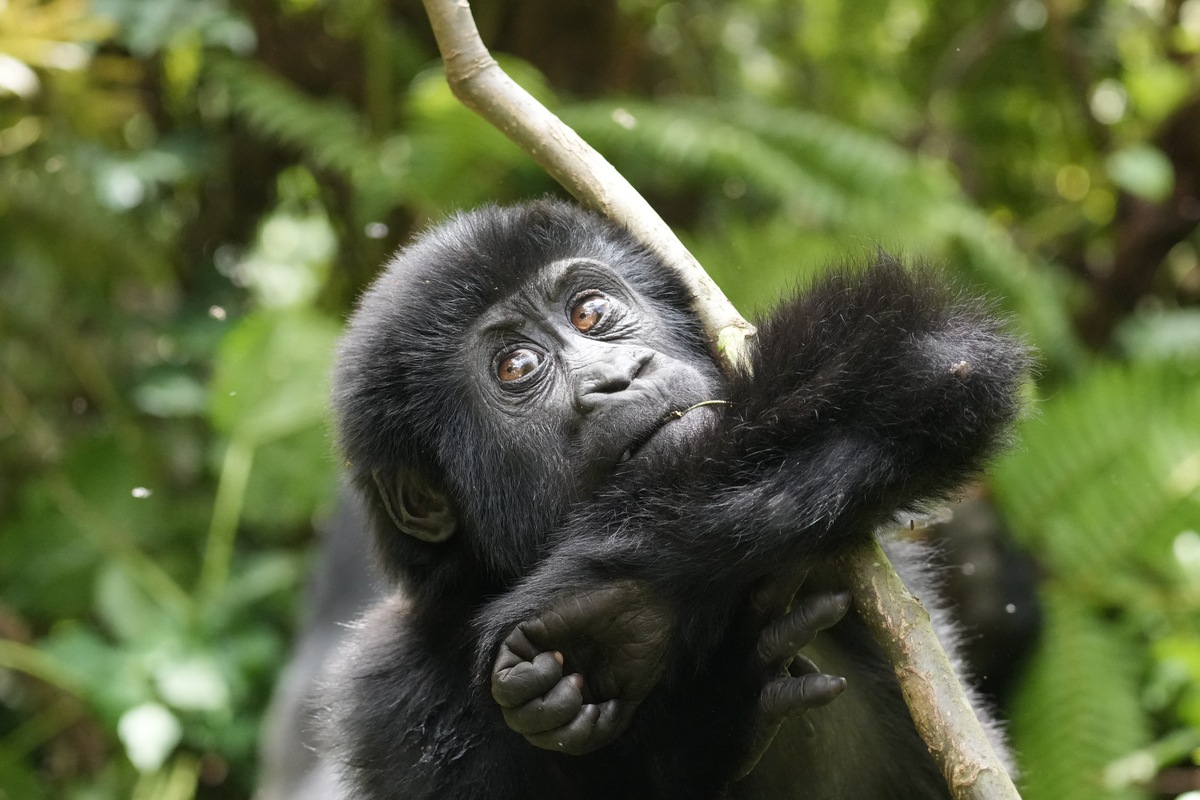
With its spectacular landscape and peaceful atmosphere, Lake Bunyonyi is particularly popular with visitors returning from gorilla trekking in Bwindi Impenetrable National Park. After spending time hiking through the rainforest in search of mountain gorillas, travellers can enjoy a relaxing stay along the lake, take a boat ride between its islands or simply appreciate the beautiful views from their accommodation. Whether you are planning a Uganda safari, a romantic getaway, a family holiday or an extended nature adventure, Lake Bunyonyi offers a memorable experience.
Where Is Lake Bunyonyi Located?
Lake Bunyonyi is situated in southwestern Uganda, approximately 25 kilometres from Kabale town and within convenient driving distance of Bwindi Impenetrable National Park. It lies close to the Uganda-Rwanda border, making it an attractive stop for travellers exploring Uganda and Rwanda on the same holiday.
The journey from Kampala takes approximately seven to nine hours by road, depending on traffic and road conditions. Travellers entering Uganda through Kigali, Rwanda, can also reach Lake Bunyonyi in approximately two to three hours, depending on the border crossing and starting point.
The lake stretches approximately 25 kilometres in length and is surrounded by steep, green hills, terraced farmland and small communities. Its elevated setting, beautiful islands and cool highland climate create a landscape that is quite different from Uganda’s savannah national parks and tropical rainforests.
Why Is Lake Bunyonyi Called the Lake of Little Birds?
The name Bunyonyi comes from the local language and means “place of many little birds”. The name reflects the remarkable birdlife found around the lake, where numerous species can be spotted along the shoreline, in the surrounding vegetation and among the islands.
Lake Bunyonyi is particularly attractive to birdwatchers, with more than 200 recorded bird species in the wider area. Visitors may encounter grey crowned cranes, herons, African harrier-hawks, cardinal woodpeckers, weavers, firefinches and various other forest and wetland birds.
Nyombi Swamp is among the interesting birding areas around the lake. A guided boat excursion offers an opportunity to explore the wetland vegetation and observe birds in their natural environment. For visitors interested in combining birdwatching with a relaxing holiday, Lake Bunyonyi provides an excellent setting.
The 29 Islands of Lake Bunyonyi
One of the most distinctive features of Lake Bunyonyi is its collection of 29 islands scattered across the water. Each island contributes to the lake’s beautiful scenery, with some covered in thick vegetation, while others have settlements, accommodation facilities and cultivated land.
Exploring the islands by boat is one of the best ways to appreciate the beauty of Lake Bunyonyi. Among the most recognised islands are Akampene, commonly known as Punishment Island, and Kyahugye Island, both of which have interesting histories and attractions.
Akampene Island – Punishment Island
Akampene Island is one of the most historically significant islands on Lake Bunyonyi. It is commonly known as Punishment Island because of an old Bakiga cultural practice in which unmarried pregnant girls were abandoned on the small island as punishment for becoming pregnant outside marriage.
The practice reflected the traditional social expectations of the time, when unmarried pregnancy was strongly condemned within the community. In some historical accounts, men who could not afford the customary bride price also visited the island to find wives.
Today, Akampene is an important historical attraction where visitors can learn about the traditional customs and social history of the Bakiga people. A guided boat trip provides an opportunity to see the island and understand the stories associated with its past.
Kyahugye Island
Kyahugye Island is another interesting destination on Lake Bunyonyi, known for its beautiful vegetation, scenic surroundings and opportunities for nature activities. The island features a mixture of papyrus, reeds and different tree species, creating a pleasant environment for birdwatching and nature walks.
Visitors can enjoy walking through the island, appreciating the surrounding lake views and observing some of the wildlife found in the area. Its peaceful setting makes it an attractive stop for travellers exploring Lake Bunyonyi by boat.
Bwama and Njuyeera Islands
Bwama and Njuyeera are also among the islands with interesting histories. During the twentieth century, Bwama Island became associated with a leprosy treatment and settlement centre established by Dr Leonard Sharp. Njuyeera, sometimes referred to as Sharp’s Island, was connected to this historical settlement.
Today, these islands form part of the cultural and historical story of Lake Bunyonyi and offer visitors an opportunity to understand some of the area’s past.
Things to Do at Lake Bunyonyi, Uganda
Lake Bunyonyi offers a variety of activities for travellers interested in nature, culture, adventure and relaxation. Unlike Uganda’s major wildlife parks, where activities often revolve around game drives and wildlife tracking, Lake Bunyonyi provides a slower travel experience centred on its islands, water activities and surrounding communities.
Boat Cruises and Canoeing
A boat cruise is one of the most rewarding activities at Lake Bunyonyi. Travelling across the calm waters allows visitors to explore the different islands, enjoy panoramic views of the surrounding hills and learn about the history of the lake from a local guide.
Traditional dugout canoe excursions offer a more cultural and intimate way to explore the lake. Visitors can choose guided half-day or full-day canoeing experiences, depending on their interests and available time.
Early morning boat trips are particularly beautiful when mist rises above the water and the surrounding hills. Evening excursions also provide a peaceful atmosphere, with the sounds of birds, frogs and crickets creating a memorable natural experience.
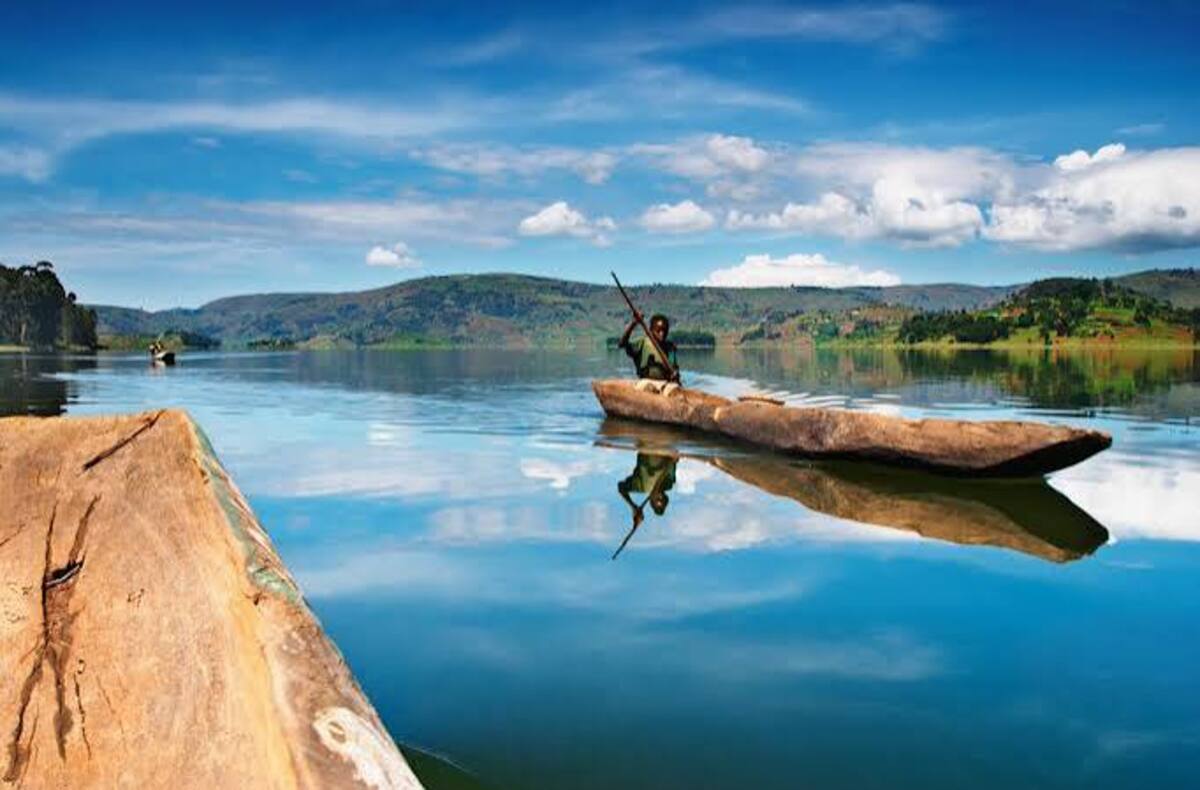
Canoeing on lake bunyonyi
Swimming in Lake Bunyonyi
Lake Bunyonyi is widely known for its calm waters and is generally considered suitable for swimming in designated areas. Unlike many other African lakes, it is not known to have resident populations of hippos or crocodiles, making it an attractive destination for visitors interested in swimming.
The cool freshwater provides a refreshing experience, particularly after a long journey or several days of gorilla trekking in Bwindi. However, visitors should follow local guidance, use recognised swimming areas and check current water-safety advice before entering the lake.
Birdwatching
For bird lovers, Lake Bunyonyi is one of the most rewarding places to visit in southwestern Uganda. Its wetlands, islands, surrounding hills and cultivated landscapes support a wide variety of bird species.
Among the birds visitors may encounter are grey crowned cranes, African harrier-hawks, herons, cardinal woodpeckers, red-billed firefinches and different species of weavers. Guided birdwatching excursions can be arranged around the lake, including visits to suitable wetland habitats.
The experience is particularly enjoyable for photographers and travellers who appreciate Uganda’s diverse birdlife.
Nature Walks and Hiking
The hills surrounding Lake Bunyonyi offer excellent opportunities for guided nature walks and hiking. Walking through the surrounding communities and terraced farmland allows visitors to appreciate the area’s landscape while learning about local agriculture and everyday life.
Some trails provide beautiful panoramic views of the lake and its islands, particularly during the early morning and late afternoon. Visitors can also explore selected islands on foot, enjoying the fresh mountain air and peaceful natural surroundings.
Cycling Around Lake Bunyonyi
Cycling is another enjoyable way to explore the countryside around Lake Bunyonyi. Local trails and rural roads pass through villages, cultivated hillsides and scenic viewpoints, offering opportunities to experience the daily life of the communities surrounding the lake.
Depending on the route, cycling can be combined with cultural visits, photography stops and interactions with local residents.
Cultural Experiences with the Bakiga and Batwa Communities
Lake Bunyonyi is surrounded by communities with rich cultural traditions, particularly the Bakiga people, who are among the area’s original inhabitants. Their culture is reflected in traditional music, energetic dances, storytelling, farming practices and local customs.
Visitors can learn about Bakiga traditions through guided cultural experiences and performances. The famous Bakiga dance is particularly energetic, involving rhythmic movements, jumping and traditional music.
The Batwa people also have a cultural connection to southwestern Uganda. Historically, they lived as forest-dwelling communities in the forests of Bwindi and Mgahinga before being displaced following the establishment of conservation areas. Visitors can learn about their history, traditional knowledge, music and cultural heritage through appropriately organised community experiences.
These encounters provide a deeper understanding of the people and traditions that make southwestern Uganda such an interesting destination.
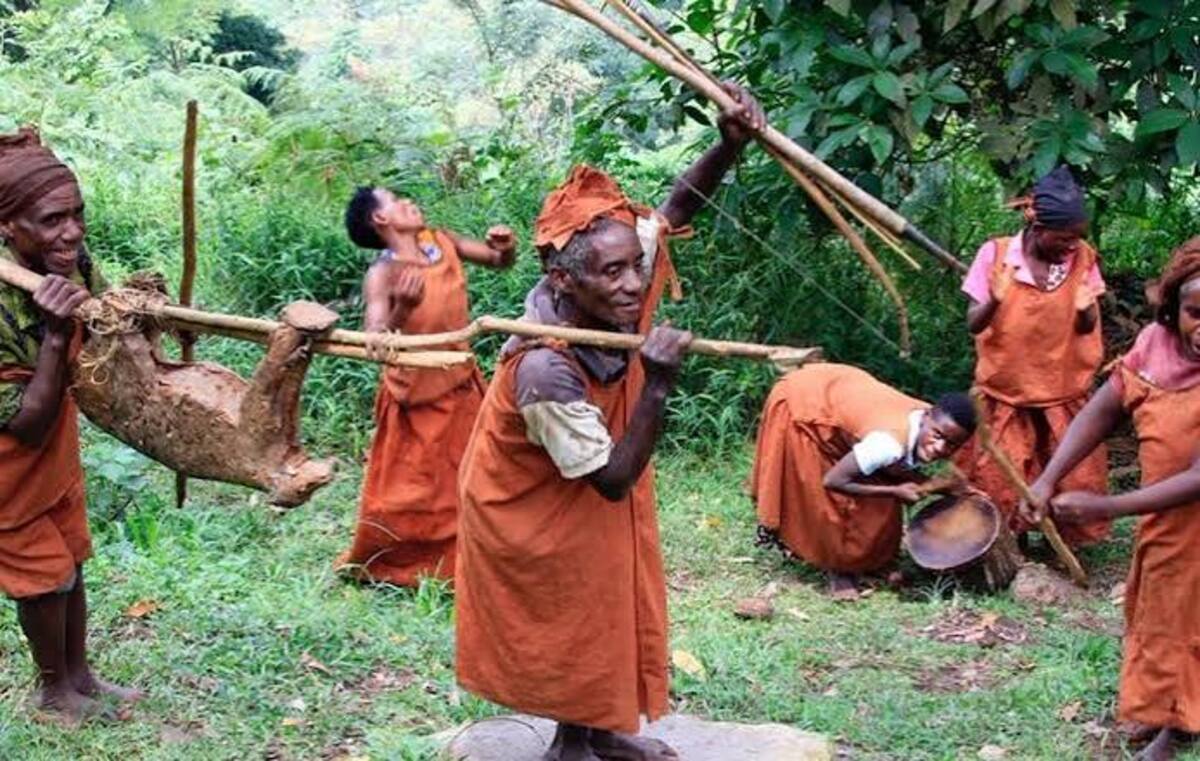
Community Visits
Accommodation at Lake Bunyonyi
Lake Bunyonyi has a good selection of accommodation facilities, ranging from budget camps and island retreats to comfortable midrange lodges and luxury properties. Many establishments enjoy beautiful views of the lake and offer opportunities to relax in peaceful surroundings.
Bushara Island Camp is a popular option for travellers looking for a nature-oriented stay. Located on Bushara Island, the camp offers cottages, safari tents and camping facilities, making it suitable for couples, families and groups.
Heritage Lodge Habuharo provides an island accommodation experience surrounded by the peaceful waters of Lake Bunyonyi. Guests can enjoy comfortable rooms, an on-site restaurant and beautiful lake scenery.
Arcadia Cottages is another attractive option, particularly for travellers who appreciate panoramic views. Located on the hillside overlooking the lake, the property provides a beautiful setting for relaxation, boat excursions and enjoying the surrounding landscape.
Bunyonyi Safari Resort offers accommodation along the lake and provides facilities suitable for visitors looking for a comfortable midrange stay. Other options include Lake Bunyonyi Eco Resort, Lake Bunyonyi Overland Resort, Byoona Amagara Island Retreat and BirdNest Resort.
The best accommodation depends on your budget, preferred comfort level, travel style and whether you would rather stay on an island or along the mainland shoreline.
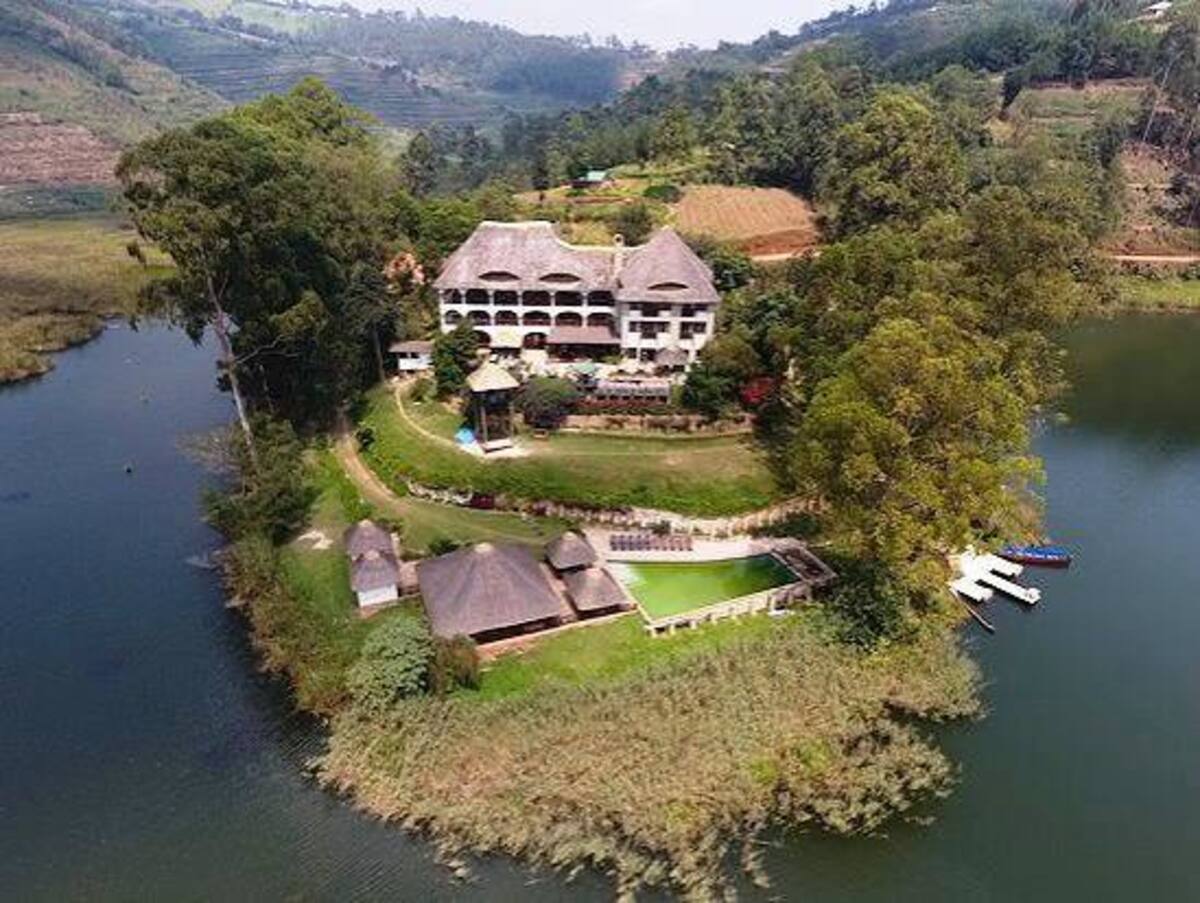
Bird-nest accommodation at lake Bunyonyi
Lake Bunyonyi as Part of a Uganda Gorilla Trekking Safari
One of the best ways to experience Lake Bunyonyi is by combining it with gorilla trekking in Bwindi Impenetrable National Park. The lake is particularly convenient for travellers visiting the southern sectors of Bwindi, including Rushaga and Nkuringo.
After an unforgettable encounter with mountain gorillas in the rainforest, Lake Bunyonyi offers a peaceful place to rest and enjoy the beautiful scenery of southwestern Uganda.
Travellers can spend one or two nights at the lake, enjoying boat cruises, birdwatching, cultural experiences and nature walks before continuing their journey.
Lake Bunyonyi can also be combined with other destinations, including Mgahinga Gorilla National Park, Lake Mutanda and Queen Elizabeth National Park, depending on the duration of the safari.
For visitors travelling between Uganda and Rwanda, the lake is also a convenient stop when connecting a gorilla trekking experience in Bwindi with onward travel through Kigali.
Best Time to Visit Lake Bunyonyi
Lake Bunyonyi can be visited throughout the year because its beautiful scenery and activities are available in every season. However, weather conditions can influence the experience, particularly for visitors planning boat excursions, hiking and birdwatching.
The drier periods, generally from June to September and December to February, are popular for travelling in southwestern Uganda. During these months, there are often better conditions for road travel, outdoor activities and exploring the surrounding hills.
The rainy seasons, usually from March to May and October to November, bring greener landscapes and beautiful scenery. However, rain can make some hiking trails muddy and road journeys slower.
For travellers combining Lake Bunyonyi with gorilla trekking, the best time to visit often depends on the availability of gorilla permits and the overall safari itinerary.
How to Get to Lake Bunyonyi
There are two main routes for reaching Lake Bunyonyi, depending on where your Uganda safari begins.
Travellers starting in Kampala or Entebbe can drive southwest towards Mbarara and Kabale before continuing to the lake. The road journey takes approximately seven to nine hours, depending on traffic, road conditions and stops along the way.
Another option is travelling through Kigali in Rwanda. From Kigali, visitors can drive north towards the Katuna or Cyanika border crossing, depending on their itinerary, before continuing into southwestern Uganda. The journey from Kigali generally takes around two to three hours, depending on the chosen route and border procedures.
For travellers visiting Bwindi Impenetrable National Park, the journey between the lake and the different gorilla trekking sectors can be arranged as part of a private safari itinerary.
Travelling with a professional safari guide and a comfortable 4×4 safari vehicle makes it easier to explore the region while enjoying the beautiful countryside along the way.
Why Include Lake Bunyonyi on Your Uganda Safari?
Lake Bunyonyi offers a different perspective of Uganda, away from the busy wildlife-viewing circuits and rainforest trekking trails. Its peaceful islands, beautiful terraced hills, cultural heritage and remarkable birdlife make it one of the country’s most rewarding destinations for relaxation and nature experiences.
For first-time visitors to Uganda, it provides an opportunity to experience the country’s natural beauty beyond gorilla trekking and traditional wildlife safaris. For returning travellers, it offers a reason to explore southwestern Uganda at a slower pace.
Whether you want to enjoy a traditional canoe ride, discover the history of Punishment Island, photograph the beautiful landscapes, experience local culture or simply relax overlooking the water, Lake Bunyonyi has something special to offer.
Plan Your Lake Bunyonyi Holiday with Naseeb Safaris Uganda
At Naseeb Safaris Uganda, we organise personalised Uganda safaris that allow travellers to discover the country’s most beautiful destinations at their own pace. As a locally owned Ugandan safari company, we understand the region and help visitors create meaningful journeys combining nature, wildlife, culture and relaxation.
We can include Lake Bunyonyi in your Uganda itinerary alongside mountain gorilla trekking in Bwindi Impenetrable National Park, golden monkey tracking in Mgahinga, chimpanzee trekking in Kibale Forest and wildlife safaris in Queen Elizabeth National Park.
Whether you are planning a short gorilla trekking holiday or a longer Uganda and Rwanda adventure, our team can help arrange accommodation, private transport, guided activities and a safari itinerary suited to your interests and budget.
Contact Naseeb Safaris Uganda to start planning your journey to Lake Bunyonyi and discover why Uganda is known as the Pearl of Africa.