
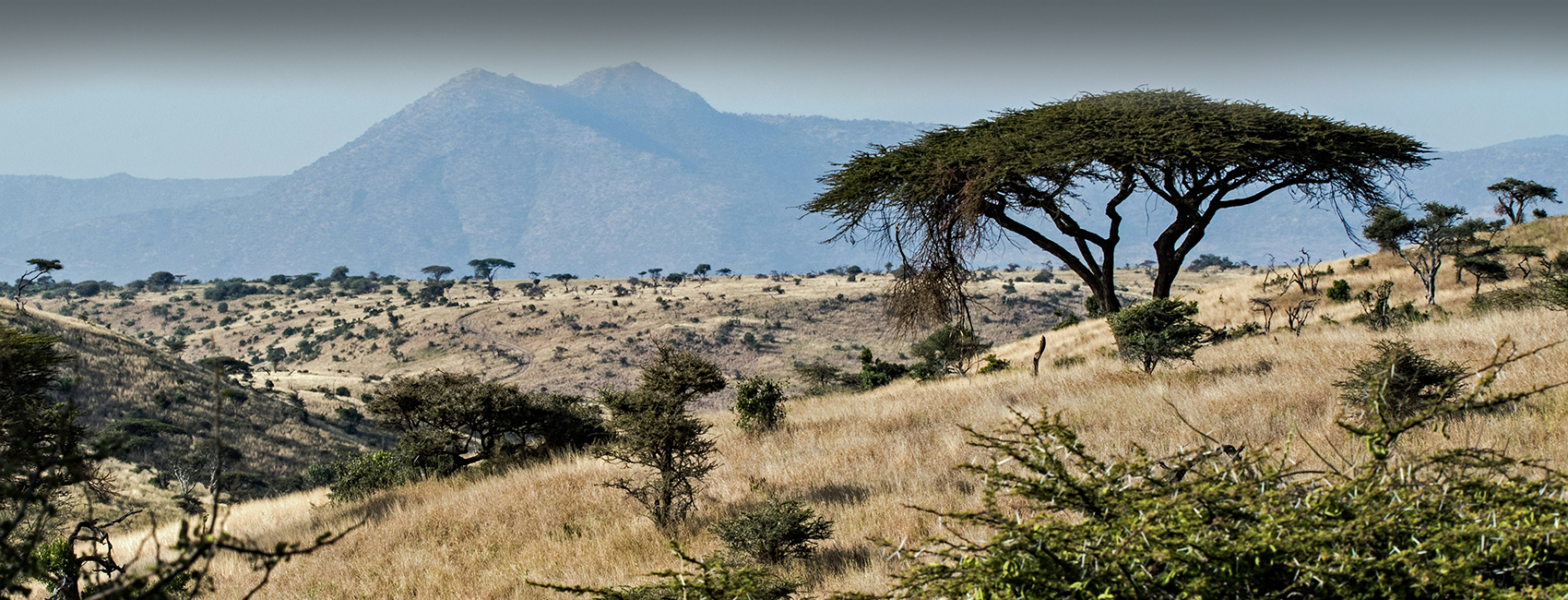
7-Day Uganda Group Safari in December with Gorillas
7-Day Uganda Group Safari in December with Gorillas, A seven-day Uganda safari offers enough time to experience three of the country’s most remarkable wildlife encounters: tracking chimpanzees in Kibale National Park and mountain gorillas in Bwindi Impenetrable National Park as well as game drives in Queen Elizabeth national park. A scheduled group joining safari brings these experiences together in one week, with a route through western Uganda’s forests, countryside and wildlife areas.
For first-time visitors, this format offers a practical way to explore Uganda without arranging every transfer, permit and lodge independently. You share a safari vehicle and guide with other travellers, follow a planned itinerary and have the opportunity to meet people with similar interests. It can also suit solo travellers who prefer company on the road.
There are compromises. Seven days leave little room for major changes, and the journey involves long drives, early mornings and two physically demanding forest activities. Understanding these trade-offs helps you decide whether a December group safari is the right choice.
Is December a Good Time for a Uganda Gorilla and Chimpanzee Safari?
December is a popular month for Uganda safaris, particularly around Christmas and New Year. It can be a good time to combine gorilla trekking with chimpanzee tracking, provided you plan ahead and remain flexible about the weather.
Uganda lies on the equator, but its weather does not follow a simple pattern of constant heat and sunshine. December often brings favourable conditions for travel, although rain remains possible in both Kibale and Bwindi. Forest trails can become slippery, and mist or cloud may affect photography.
For travellers, the main consideration is preparation rather than trying to predict every shower. Waterproof clothing, suitable footwear and a flexible attitude make a difference.
December also attracts international holidaymakers. Gorilla permits are limited by date and availability, while accommodation around the main trekking areas can fill up quickly. Christmas and New Year departures deserve particular attention.
When should you book? Arrange your safari as early as possible once your dates are reasonably firm. A scheduled group departure depends on several places being available together, including gorilla permits, chimpanzee tracking slots and suitable accommodation.
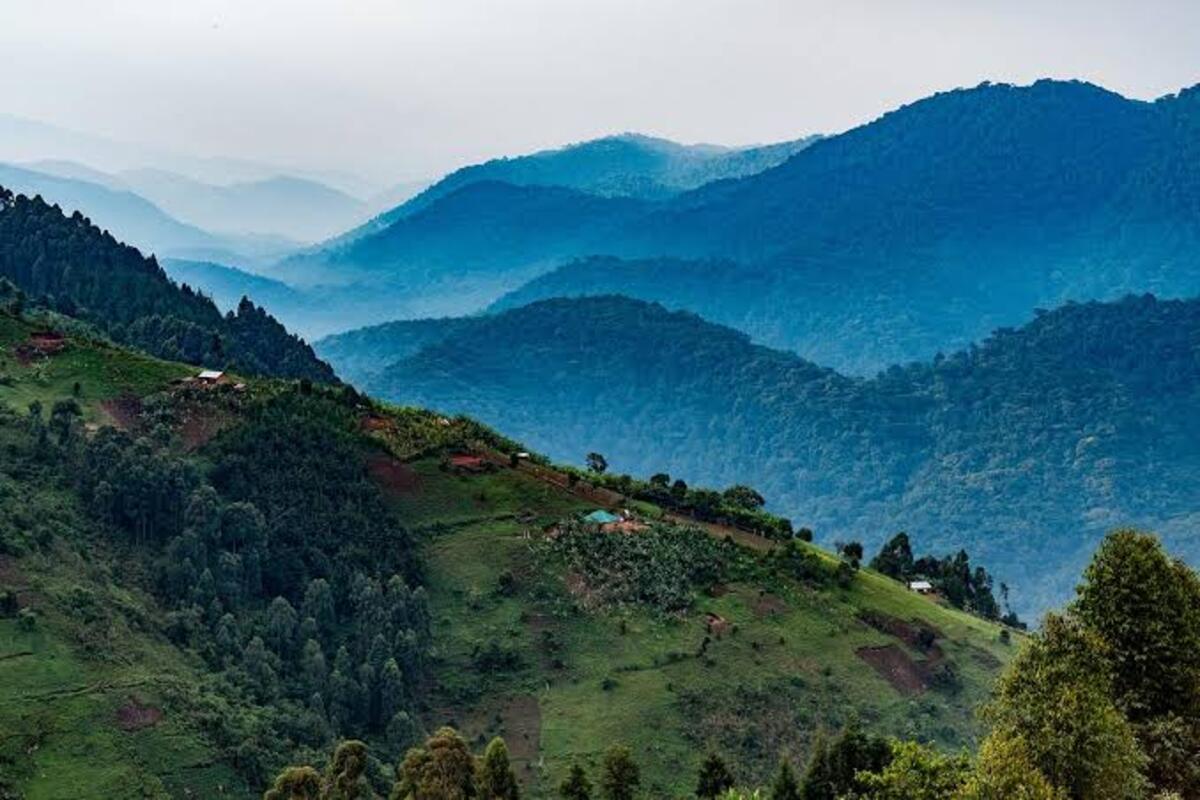
Forested hills of Bwindi
What Does a Seven-Day Uganda Group Safari Include?
The main attraction is the combination of two primate experiences without needing a longer holiday. The route usually starts in Entebbe or Kampala, heads west towards Kibale, continues through the Queen Elizabeth National Park region and finishes in Bwindi.
The precise route, accommodation and activities depend on the scheduled departure. A game drive in Queen Elizabeth National Park may be included, but travellers should check the confirmed itinerary rather than assume every safari offers the same activities.
Day 1: Travel from Entebbe or Kampala to Kibale
The first day is largely a road transfer towards western Uganda. As the journey progresses, the urban surroundings give way to cultivated hills, small trading centres, rural communities and the greener landscapes around Fort Portal and Kibale.
The drive can take much of the day, depending on the starting point, traffic and stops. Keep essential medication, drinking water and a light jacket accessible rather than packing everything into luggage stored in the vehicle.
Day 2: Chimpanzee Tracking in Kibale National Park
Kibale is one of Uganda’s principal destinations for chimpanzee tracking. After a briefing, you enter the forest with trained guides and trackers who help locate a habituated chimpanzee community.
Unlike a game drive across open savannah, this activity involves moving through forest where visibility can be limited. You may hear calls from the trees before spotting the chimpanzees. The animals move between the ground and canopy, so sightings depend on their location and behaviour.
Walking duration varies. Some encounters involve relatively straightforward trails, while others require longer walks through uneven or muddy ground.
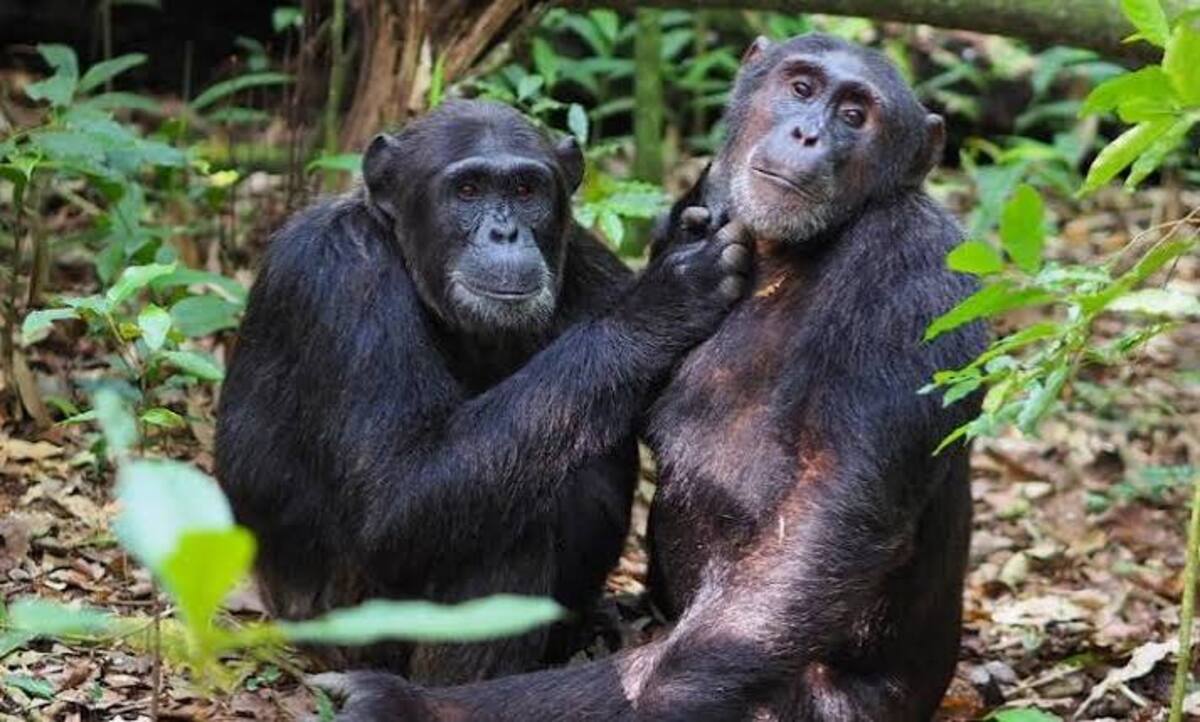
Chimpanzees grooming in Kibale
Day 3: Travel Through the Queen Elizabeth National Park Region
The journey towards southwestern Uganda passes through landscapes that differ from Kibale’s dense forest. Depending on the group itinerary, there may be time for a game drive or another planned wildlife activity in Queen Elizabeth National Park.
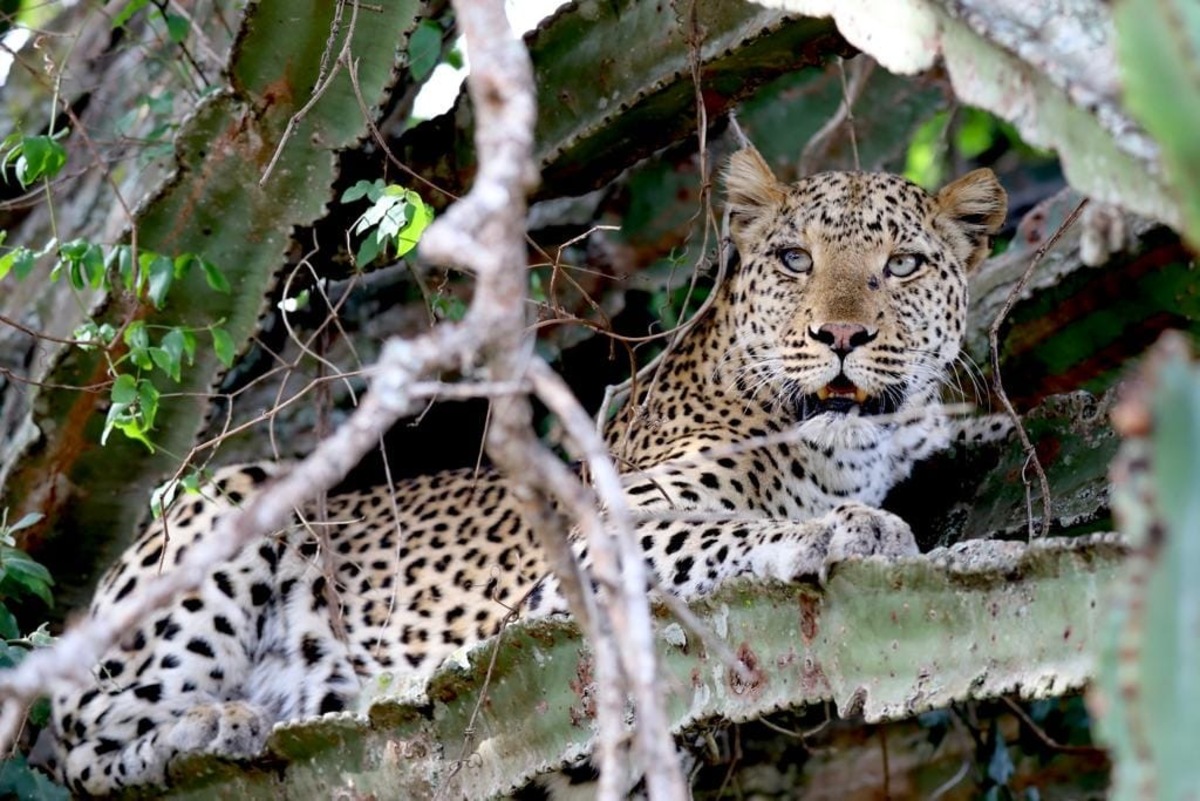
The park supports elephants, buffaloes, several antelope species, hippos and lions, among other wildlife. Sightings depend on location, season and animal movement; a game drive never guarantees a particular species.
If the schedule includes only a transfer, treat the day as a travel day rather than expecting an extensive safari experience. This distinction matters when comparing itineraries offered at different prices.
Days 4–5: Continue Towards Bwindi and Prepare for Gorilla Trekking
The route continues into the highlands of southwestern Uganda. Roads become increasingly winding, and travel times depend on the gorilla trekking sector, road conditions and weather.
Bwindi has four main trekking sectors: Buhoma, Ruhija, Rushaga and Nkuringo. The accommodation should be selected with the assigned trekking sector in mind. Staying far from the starting point can mean a very early departure on trekking morning.
The precise allocation of travel, relaxation and trekking days varies between scheduled departures. Before paying a deposit, check which day the gorilla trek takes place and how the itinerary handles the journey between Queen Elizabeth National Park and Bwindi.
Day 6: Gorilla Trekking in Bwindi Impenetrable National Park
Gorilla trekking begins with a briefing from park staff, followed by a guided walk into the forest in search of an assigned habituated gorilla family.
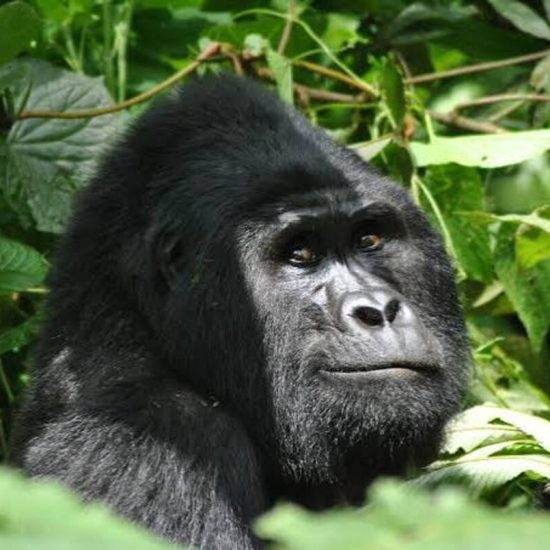
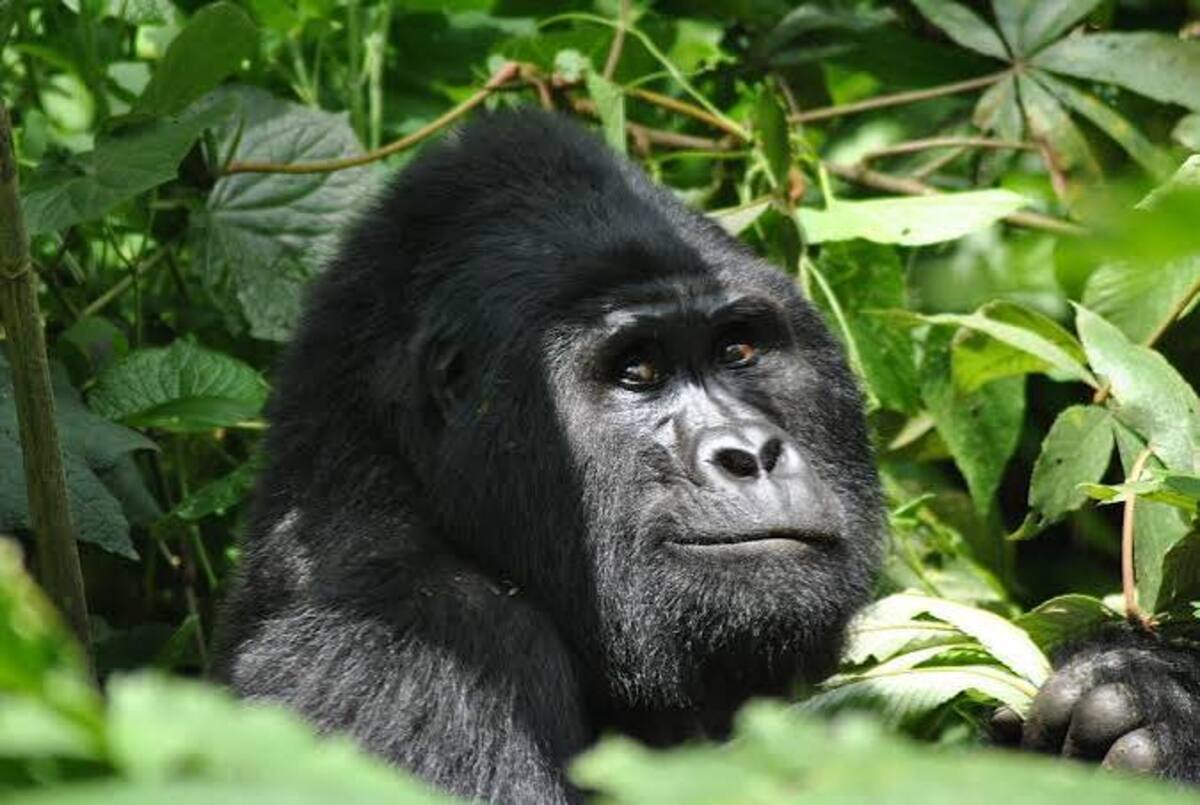
The walk may last several hours. Once the gorillas are located, visitors generally receive one hour to observe them under the applicable park rules. The experience can involve watching a silverback resting, younger gorillas playing or family members feeding among the vegetation.
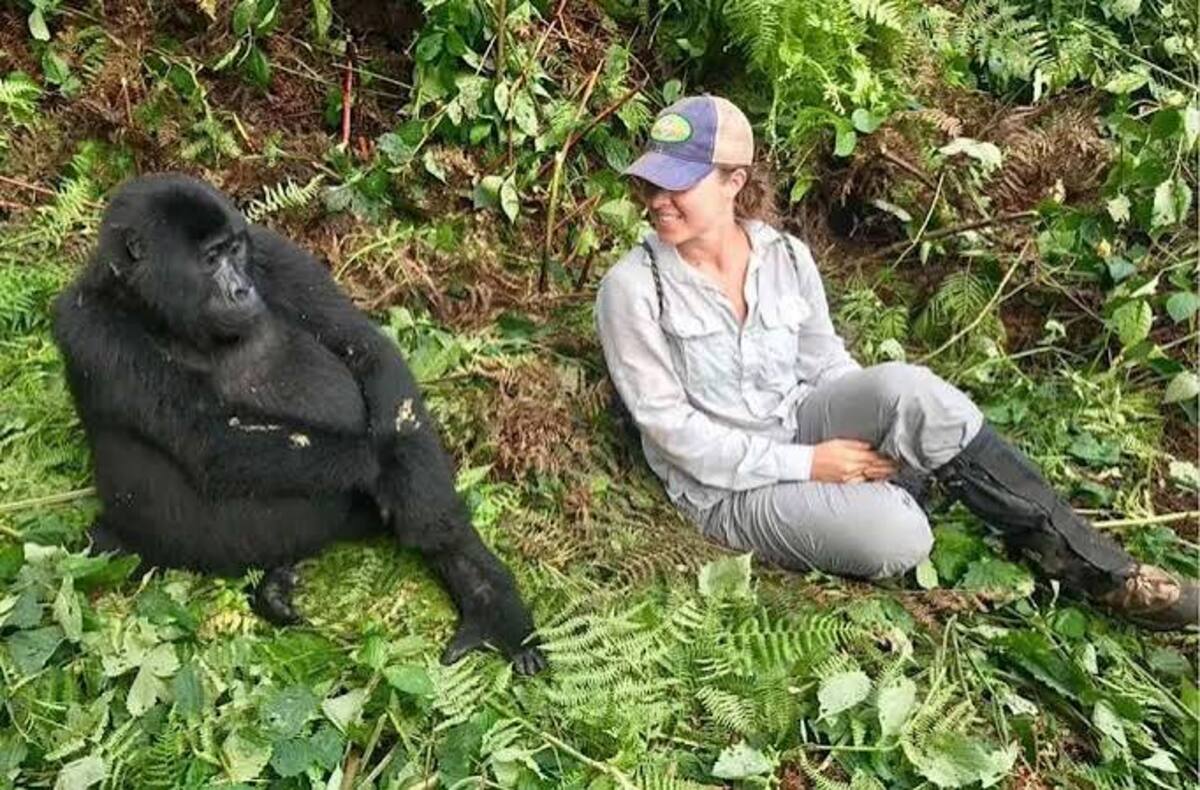
Gorilla Encounter
Day 7: Return Journey or Scheduled Transfer
The final day depends on the confirmed itinerary. A road transfer from Bwindi to Entebbe can take much of the day, with timing affected by the trekking sector, road conditions and stops.
Do not assume that a road arrival time is guaranteed. If you have an international flight, ask the operator how the final transfer is arranged and whether the schedule leaves a suitable margin. Where practical, an overnight stay near the departure airport can reduce the pressure of connecting a long road journey with an international flight.
How Much Do Gorilla and Chimpanzee Permits Cost?
Permit fees form a significant part of the cost of a Uganda primate safari. The rates depend on the visitor category, activity and applicable tariff period.
| Activity | Historical permit rate |
| Gorilla tracking in Bwindi or Mgahinga | US$800 per person |
| Chimpanzee tracking in Kibale | US$250 per person, $300 starting 1st January 2027 |
A permit is only one part of the total safari price. Accommodation, meals, vehicle transport, guiding, park activities and transfers also contribute to the cost.
How Difficult Is Gorilla Trekking?
Gorilla trekking requires reasonable mobility and the ability to walk over uneven terrain. The treks require moderate fitness and last approximately three to seven hours, followed by one hour observing a habituated family.
The actual difficulty varies considerably. Steep slopes, exposed roots, wet soil and dense vegetation can make sections of the walk demanding. Rain can also change the condition of the trail during the day.
You do not need to be an athlete, but you should be comfortable with sustained walking. If you have mobility limitations or concerns about managing steep ground, discuss them with your operator before committing to the trip.
Porters are available at trekking areas and can carry a daypack or assist where appropriate. Hiring one provides useful support and creates a source of income for people living around the park.
Chimpanzee tracking also involves walking through forest. Although the terrain and duration differ from one outing to another, it is sensible to prepare for both activities rather than treating one as an easy excursion.
Is a Scheduled Group Joining Safari Right for You?
A scheduled group safari suits travellers who want a planned itinerary and are comfortable sharing transport and experiences with others.
The advantages
- Shared costs: The vehicle, driver-guide and other arrangements are spread across the group.
- Company on the road: Solo travellers can enjoy the social side of a shared safari.
- Organised logistics: Permits, accommodation and transport are coordinated around a fixed departure.
- A defined timeframe: The itinerary helps travellers fit two major primate experiences into a short holiday.
The limitations
- Less flexibility: You normally cannot change the route or spend longer at a particular location whenever you wish.
- Shared space: Vehicle arrangements and daily schedules must work for everyone.
- A busy week: Long transfers and early starts leave limited time for rest.
- Fixed dates: Your travel plans must match the departure and the available permits.
A private safari may suit you better if you want more time for photography, need a slower pace or prefer to choose your own accommodation. A group departure is worth considering if the dates, budget and itinerary suit your needs.
Accommodation and Transport: What Should You Expect?
Accommodation standards vary between group departures. Budget options generally prioritise basic comfort and location, while mid-range and upper-mid-range lodges may offer more space, additional facilities and a different level of service.
Ask for the actual lodge names before booking. Also check whether meals, drinking water, park activities and airport transfers are included. The words mid-range and comfortable can mean different things between operators.
Transport deserves equal attention. The western Uganda circuit involves long distances, winding roads and occasional rough sections. A suitable safari vehicle, an experienced driver-guide and realistic daily schedules all contribute to the quality of the journey.
Travellers prone to motion sickness may wish to carry appropriate medication after consulting a healthcare professional. Keep a small daypack within reach for essentials, and do not plan demanding activities immediately after every long transfer.
What Should You Pack for December?
Pack for warm conditions at lower elevations, cooler mornings in the highlands and the possibility of rain.
Useful items include:
- Sturdy hiking shoes with good grip.
- Lightweight long trousers and long-sleeved shirts.
- A waterproof jacket and a small daypack.
- Gardening gloves for gripping vegetation on the trail.
- Insect repellent, sunscreen and a refillable water bottle.
- A waterproof cover or dry bag for electronics.
- Binoculars and a camera with a suitable lens, if you use them.
- Personal medication and any essential travel documents.
For photography, a telephoto lens can help frame animals without needing to approach them. In dense forest, however, light can be limited, and branches or leaves may obstruct the view. A camera with reliable low-light performance can be more useful than carrying several heavy lenses.
Keep luggage manageable, particularly on a shared vehicle where storage space is divided among passengers.
Responsible Wildlife Viewing
Gorilla and chimpanzee tourism depends on careful management of encounters between people and wildlife. Follow the instructions of park staff, keep the required distance, avoid touching or feeding animals and never use flash where prohibited.
If you feel unwell before a primate trek, tell your guide or the relevant park staff. Respiratory infections can pose a risk to great apes, so health precautions and park rules matter even when they affect the day’s plans.
Responsible travel also includes respecting local communities, asking permission before photographing people and avoiding litter. Porters, guides, lodge teams and other local workers contribute to the visitor experience and benefit from tourism when travellers use local services responsibly.
Common Mistakes to Avoid
Booking too late: December demand can put pressure on permits and accommodation. Confirm availability before making non-refundable travel arrangements.
Underestimating the road journeys: A seven-day itinerary covers a lot of ground. Check the daily schedule rather than judging distances from a map.
Choosing accommodation without checking its location: The correct trekking sector matters more than a lodge’s name or general description.
Packing unsuitable footwear: Slippery forest trails require footwear with reliable grip. Comfortable shoes around the lodge may not be adequate for trekking.
Scheduling an international flight too tightly: Long transfers can take longer than planned. Build in a suitable buffer or consider an overnight stay near the airport.
Expecting guaranteed wildlife sightings: The objective is to observe animals in their natural environment. Their movements and behaviour cannot be scheduled.
Frequently Asked Questions
Is December a good month for gorilla trekking in Uganda?
Yes, December can be a suitable month. Rain remains possible in Bwindi, so prepare for muddy trails and changing weather. Book permits and accommodation early, particularly for travel around Christmas and New Year.
How much does a seven-day Uganda gorilla and chimpanzee safari cost?
The total depends on the permit rates applicable to your travel dates, accommodation category, group size, transport and included activities. Ask for a detailed quotation showing what is included and excluded rather than comparing headline prices alone.
Can I join a Uganda safari as a solo traveller?
Yes. Scheduled group safaris can suit solo travellers who are happy to share a vehicle and follow a fixed itinerary. Confirm whether the price assumes shared accommodation and whether a single-room supplement applies.
Do I need to be very fit for this safari?
You should be comfortable walking for several hours over uneven ground. Gorilla trekking can involve steep and muddy trails, and chimpanzee tracking also requires walking in forest terrain. Discuss mobility concerns with your operator before booking.
Will I see gorillas and chimpanzees?
The safari is organised around tracking both species, but wildlife encounters cannot be guaranteed. Park staff and trackers work to locate habituated groups, and the animals’ movements determine how the encounter unfolds.
What is included in a scheduled group safari?
Packages commonly combine transport, a driver-guide, accommodation, meals and planned activities, but inclusions vary. Confirm that both primate permits, park fees, transfers and the listed accommodation are included in your particular quotation.
How far in advance should I book a December safari?
Book as early as your plans allow. December is a popular holiday period, and availability depends on the precise departure date, gorilla permits, chimpanzee tracking slots and lodge capacity. Confirm the departure before purchasing non-refundable international flights.
Is a group safari better than a private safari?
Neither is automatically better. A group safari can make shared travel more economical and sociable, while a private safari offers greater control over the itinerary and pace. The best option depends on your budget, preferences and available time.
A Week Between Uganda’s Two Great Primate Forests
The value of this seven-day journey lies in the contrast between its two central experiences. In Kibale, chimpanzee calls carry through the canopy as you follow guides into a busy tropical forest. In Bwindi, the terrain rises into a different kind of rainforest, where finding a mountain gorilla family requires patience, careful walking and respect for the animals’ space.
The journey between them reveals another side of Uganda: rural communities, cultivated hills, open wildlife landscapes and the winding roads of the southwest. Seven days cannot cover the whole country, and this route is not designed for a slow, comprehensive exploration. It does, however, offer a focused introduction to Uganda’s primates.
If you are considering a December departure, Naseeb Safaris can help you compare scheduled group options, understand the permit and accommodation arrangements, and decide whether the itinerary fits your fitness, budget and travel dates. The important first step is choosing a trip that matches the experience you want, rather than simply fitting as much as possible into one week.