
Gorilla Habituation Experience in Uganda: Bwindi Forest
Gorilla Habituation Experience in Uganda: Bwindi Forest, There is a significant difference between seeing a mountain gorilla and having enough time to watch what it does when you are not in a hurry.
Uganda’s Gorilla Habituation Experience offers up to four hours with a mountain gorilla group that is still becoming accustomed to human presence. Instead of the one-hour viewing period allowed on a standard gorilla trek, visitors join the habituation process alongside guides, trackers and conservation personnel.
The experience takes place in Bwindi Impenetrable National Park and is more demanding, more expensive and less predictable than ordinary gorilla trekking. For travellers who are particularly interested in primates, photography or conservation, however, those differences are precisely the point.
What is gorilla habituation?
Gorilla habituation is the gradual process of helping wild mountain gorillas become comfortable with carefully controlled human presence. It is not domestication. The animals remain wild, and the objective is to allow researchers and rangers to observe them without causing unnecessary stress or changing their natural behaviour.
A group undergoing habituation can behave differently from a fully habituated family. It may be more cautious around people, move deeper into vegetation or change direction unexpectedly. The people accompanying the group therefore have to pay close attention to its behaviour.
For visitors, this means the experience is less like arriving at a predictable viewing point and more like participating in an ongoing field experience.
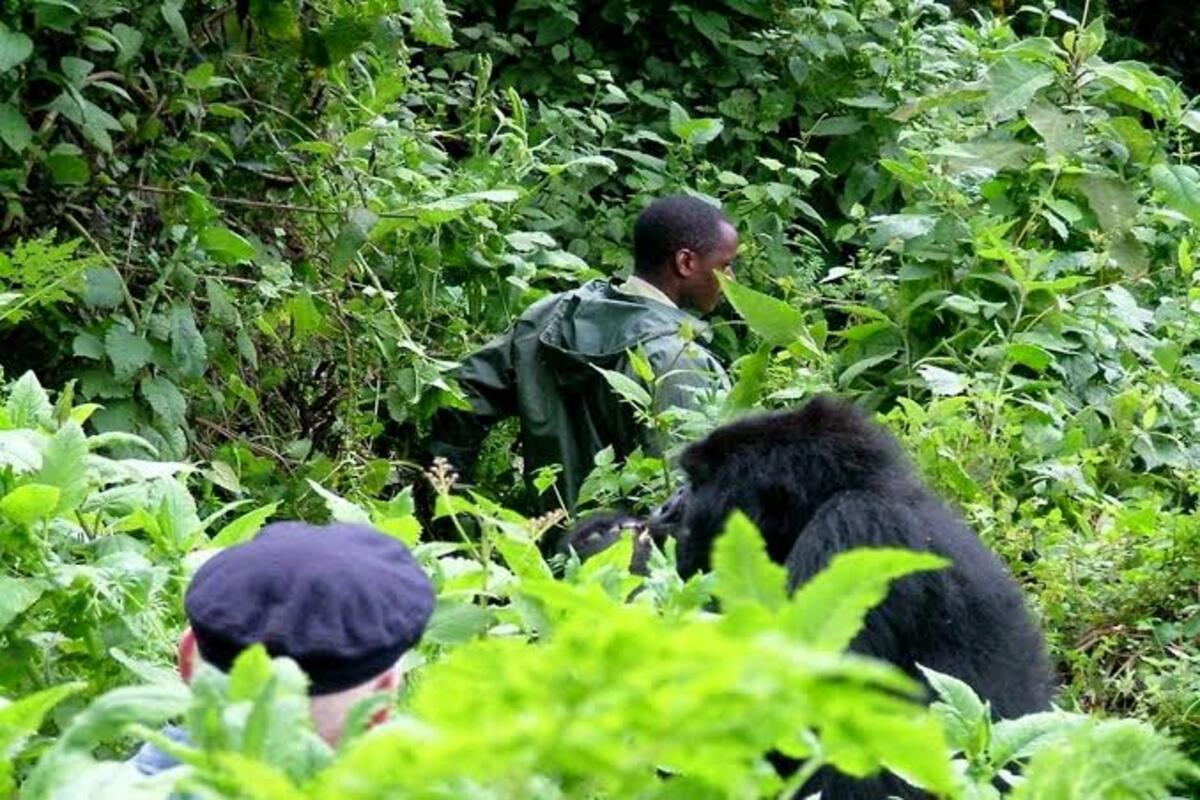
A ranger moving quiently through Bwindi’s dense forest
Where does the Gorilla Habituation Experience take place?
The experience is associated with the southern part of Bwindi, particularly the Rushaga area. Bwindi itself is a mountainous rainforest and one of Uganda’s principal habitats for mountain gorillas.
Reaching the gorillas is part of the adventure. There are no safari roads leading directly to a family. Depending on where the animals have moved, the trek can involve steep slopes, thick vegetation, slippery ground and sections without a clearly defined trail.
The starting sector matters when planning accommodation. Staying close to the appropriate trailhead the night before can make an early morning departure considerably easier.
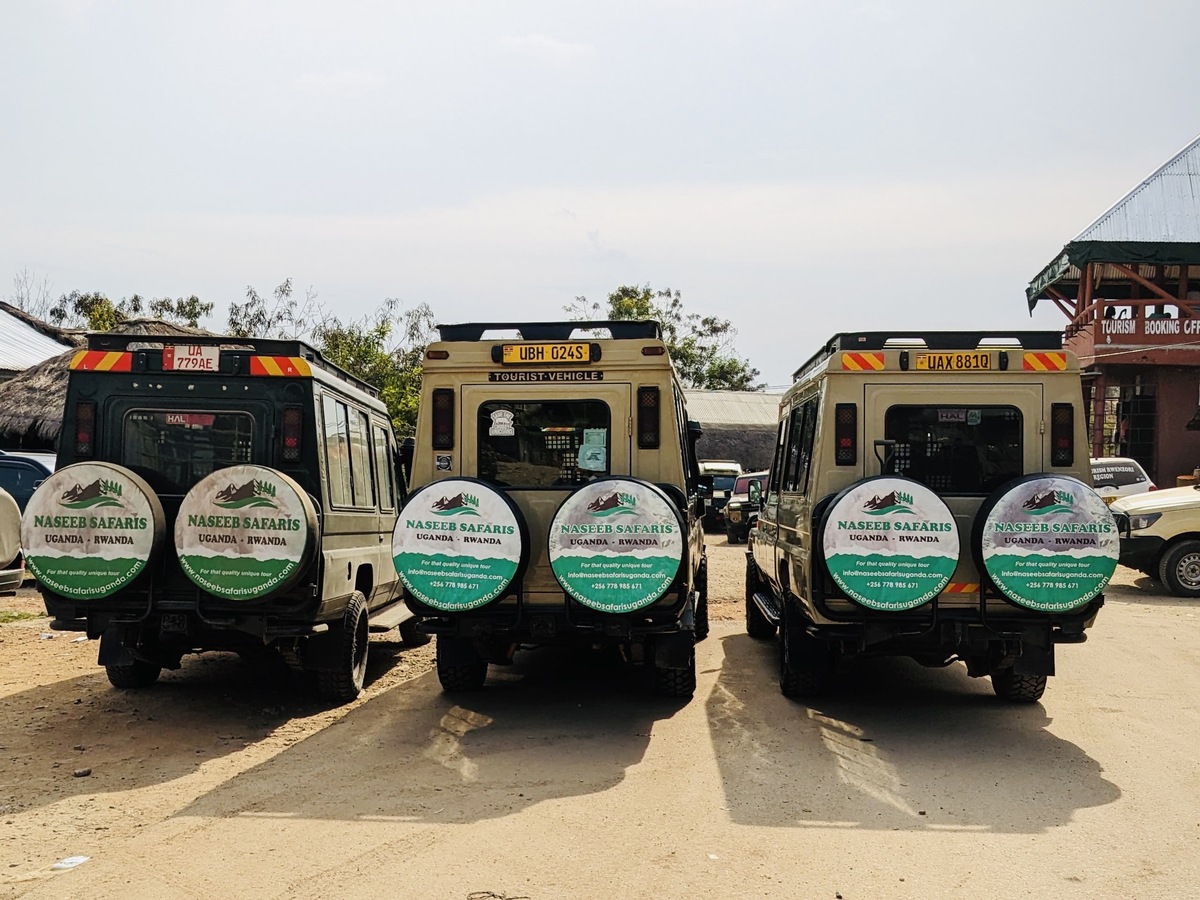
Road travel is also an important consideration. A 4WD vehicle is recommended for several approaches to the southern Bwindi sectors, and the roads around the Kisoro, Nkuringo and Rushaga areas include winding and sometimes rough sections.
What happens on the day?
The day normally begins with an early briefing before entering the forest. Rangers explain the rules for approaching the gorillas and how visitors should behave around them.
Then comes the search.
Trackers work out where the family has moved and guide the group through the forest. The walking time can vary considerably, so visitors should not plan another tightly scheduled activity immediately afterwards.
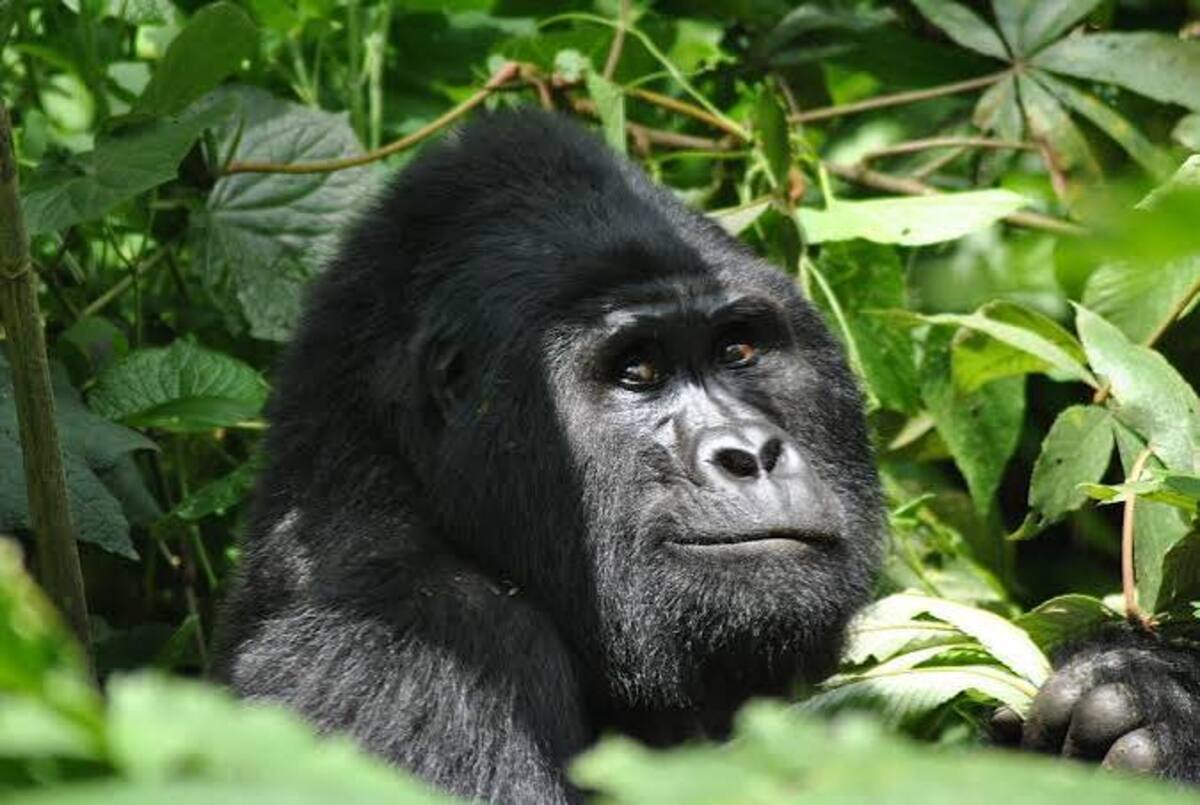
Once the gorillas are located, the experience becomes slower. Rather than watching the clock after an hour, you have four hours to observe the gorilla family.
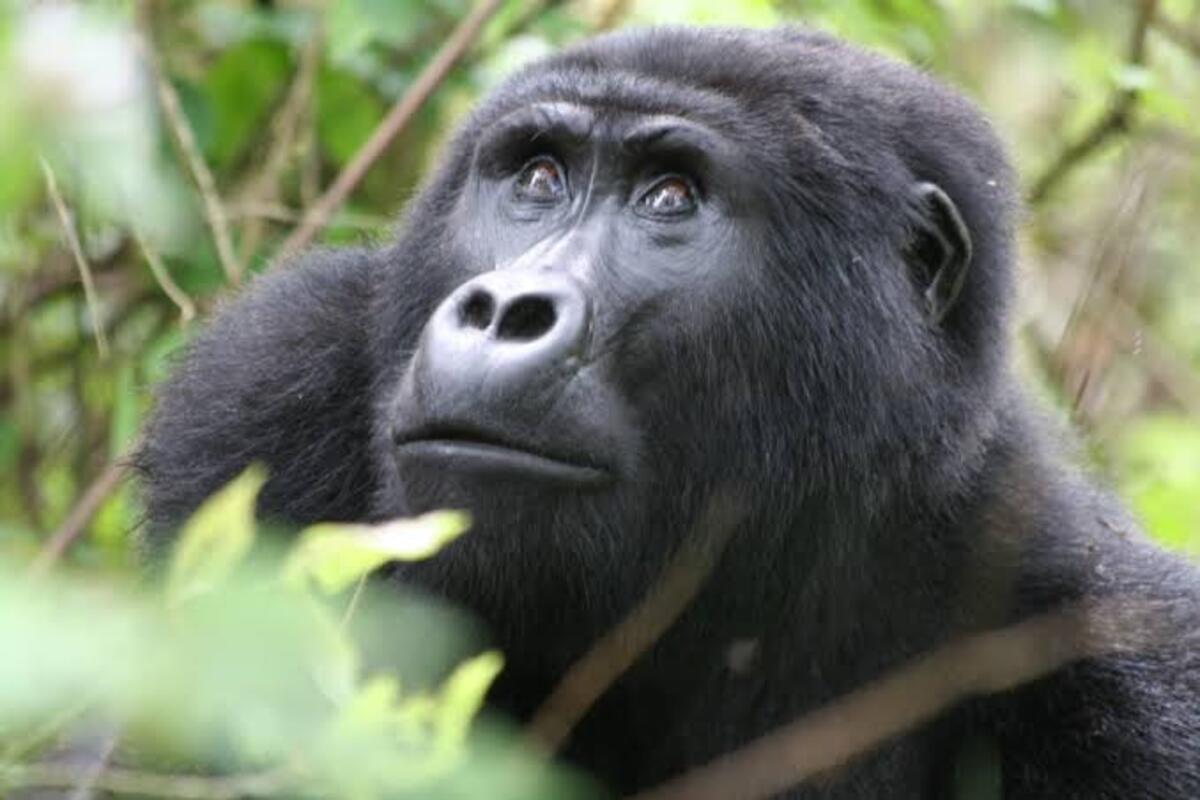
A gorilla may feed, rest, groom another member of the family, climb through vegetation or simply sit quietly. Infants can be particularly interesting to watch, but their behaviour cannot be predicted. Sometimes the most useful lesson is simply learning to sit quietly and observe.
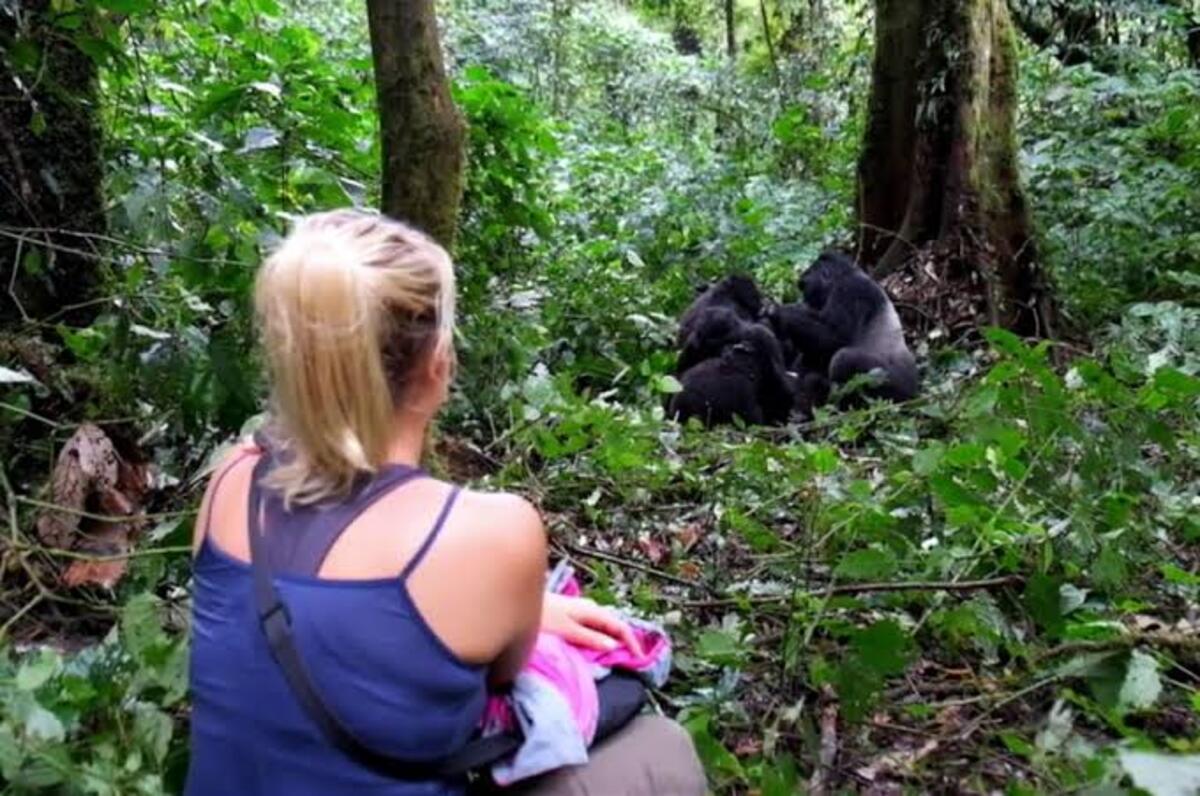
Visitors quietly observing gorillas through natural vegetation
Four hours versus one hour: what is the real difference?
The standard Uganda gorilla trek gives visitors a maximum of one hour with a habituated gorilla family once the group has been located. UWA describes standard tracking as requiring moderate fitness, with the entire activity potentially lasting several hours depending on where the gorillas are.
The habituation experience extends the viewing period to up to four hours.
That does not mean four hours of constant close-up photography. There can be periods of waiting, walking and following the animals as they move through the forest.
What the additional time provides is a better opportunity to observe behaviour as it unfolds. A family that is resting when you arrive may become active later. Individuals may interact, feed or move to another part of the forest.
For photographers, the extra time also provides more opportunities to work with changing light and different compositions without feeling that every photograph must be taken immediately.
How much does gorilla habituation cost?
For foreign non-residents, the Gorilla Habituation Experience is at $1,500 per person currently, effective 1st January 2027, Gorilla Habituation Experience will cost $1800 per person, so travellers should check the tariff applicable to their trekking date before paying.
This is the permit cost, not the total cost of a safari. Accommodation, transportation, meals, porter services and other activities are separate.
The standard gorilla trekking permit is substantially less expensive ($800), which is why travellers should decide first whether the additional time is genuinely important to them rather than assuming habituation is automatically the better choice.
UWA also requires foreign non-resident gorilla and chimpanzee permits to be purchased through a Uganda Tourism Board-licensed tour operator like Naseeb safaris and many others.
Who is gorilla habituation best suited to?
The experience can make particular sense for travellers who want more time to observe primate behaviour rather than simply see gorillas.
It may appeal especially to wildlife photographers, dedicated primate enthusiasts, conservation-minded travellers and people returning to Uganda for a second gorilla experience.
It is less suitable if you are working with a tight budget, have limited time in Uganda or are uncomfortable with a physically demanding day in dense forest. A standard gorilla trek still provides an exceptional opportunity to observe mountain gorillas without the additional cost and extended time commitment.
The important question is not whether four hours sounds better than one. It is whether you personally value the additional time enough to justify the difference in cost and effort.
How difficult is the trek?
There is no single distance or duration that can be promised in advance. Gorilla groups move, and the terrain around them determines how much walking is required.
Expect uneven ground, steep sections, mud, dense vegetation and potentially wet conditions. A reasonable level of fitness will make the day more comfortable.
Travellers should prepare by walking regularly before their safari, particularly on hills or uneven surfaces.
A porter can also be valuable. Porters can carry daypacks and camera equipment and assist trekkers on difficult sections. Hiring one also provides direct income to someone from the local community.
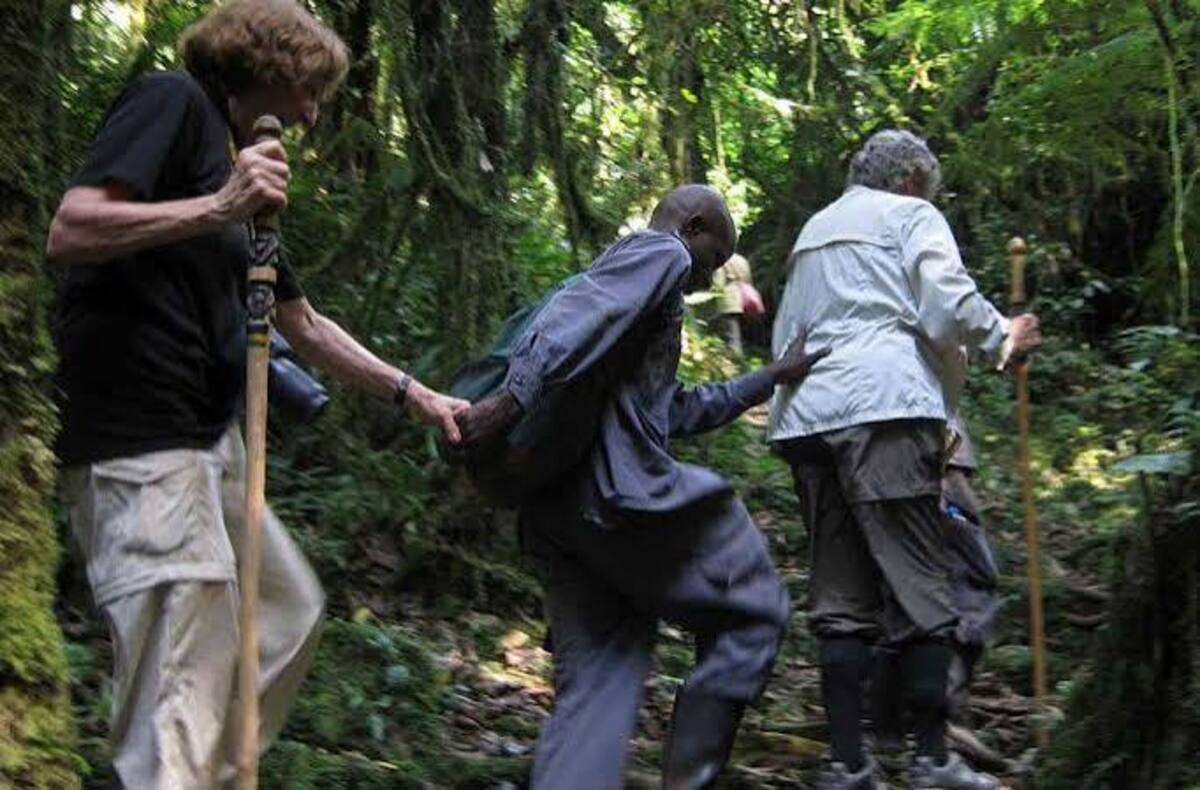
A porter assisting a traveller on a steep, muddy section of Bwindi trail
What should you pack?
Bwindi’s rainforest environment calls for practical clothing rather than fashionable safari outfits.
Wear sturdy, broken-in hiking boots with good grip. Long trousers and long sleeves help protect against vegetation, while a lightweight waterproof jacket is useful even during generally drier periods.
A small daypack should contain water, snacks, sunscreen, insect repellent and any personal medication. Photographers should carry spare batteries and memory cards and protect cameras from rain.
Useful items include:
- Waterproof hiking boots
- Long trousers and long-sleeved clothing
- Lightweight rain jacket
- Gardening or trekking gloves
- Water and snacks
- Small backpack
- Camera protection or dry bag
- Walking poles if you normally use them
Avoid bringing more equipment than you can comfortably carry for several hours.
When should you go?
Gorilla habituation is available throughout the year, but weather conditions in Bwindi can change quickly because this is rainforest rather than a dry savannah environment.
Drier periods can make trails easier to navigate, while wetter conditions can produce muddy and slippery ground. Rain should remain a possibility regardless of the month.
Rather than choosing dates solely around weather forecasts, consider permit availability, accommodation and the rest of your Uganda itinerary.
Booking well ahead is sensible because habituation has fewer available places than ordinary gorilla trekking. This is particularly important if your travel dates are fixed.
Where should you stay?
For an early forest activity, location is more important than simply choosing a lodge based on its facilities.
Accommodation around the relevant southern Bwindi sector reduces the amount of driving required before the briefing. After a long day in the forest, it also means you do not have to face another lengthy transfer immediately.
Travellers should also consider whether they want a simple forest lodge, comfortable mid-range accommodation or a more upscale property. The right choice depends on the wider safari budget and how much time you are spending in Bwindi.
Responsible gorilla tourism
The privilege of entering gorilla habitat comes with strict responsibilities.
Visitors should never attempt to touch or feed the gorillas, make loud noises or deliberately attract their attention. Follow the ranger’s instructions at all times and do not take part in the activity if you are unwell.
Mountain gorillas are vulnerable to human-borne illnesses because of their close biological relationship with people. Respecting the rules is therefore about more than visitor safety; it helps protect the animals themselves.
Gorilla tourism also supports a wider conservation economy. In and around Bwindi, tourism provides employment for guides, trackers, porters and hospitality workers, while conservation efforts increasingly involve neighbouring communities. UWA’s recent reporting highlights the continuing importance of community participation in protecting gorilla habitat.
Gorilla habituation or standard trekking?
The choice comes down to priorities.
Choose standard gorilla trekking if you want a shorter encounter, have a more limited budget or are visiting gorillas for the first time and primarily want to experience the species in the wild.
Consider habituation if you want substantially more observation time and are particularly interested in behaviour, photography or the conservation process itself.
Neither experience guarantees a particular photograph or behaviour. Gorillas remain wild animals, and that uncertainty is an important part of the experience.
Frequently Asked Questions
How long do you spend with gorillas during habituation?
The Gorilla Habituation Experience allows up to four hours of observation once the gorilla group has been located. The trek to and from the group is additional.
How much is gorilla habituation in Uganda?
The revised 2026–27 tariff lists US$1,800 per foreign non-resident. Tariffs can change, so confirm the applicable rate for your travel date before payment.
Is gorilla habituation available in Mgahinga?
The habituation experience is associated with Bwindi rather than Mgahinga. Standard gorilla trekking, however, is available in both Bwindi Impenetrable National Park and Mgahinga Gorilla National Park.
How fit do I need to be?
You should be comfortable walking for several hours over steep, uneven and sometimes muddy terrain. The exact difficulty depends on where the gorillas are located that day.
Should I hire a porter?
Yes, particularly if you are carrying camera equipment or are concerned about steep terrain. A porter can make the physical side of the trek easier while also providing income to someone from the surrounding community.
How far ahead should I book?
Advance booking is recommended because habituation places are limited to only four people per day. Travellers with fixed dates, especially during popular safari periods, should arrange permits and accommodation as early as possible.
Planning Your Gorilla Habituation Experience
Gorilla habituation is not simply a longer version of a standard trek. The extra hours change the rhythm of the experience, giving you more opportunity to watch a wild gorilla family rather than simply fitting the encounter into a one-hour window.
It also asks more of the traveller: more time, more physical effort and a larger budget. For someone genuinely interested in gorilla behaviour and conservation, those trade-offs may be exactly what makes the experience worthwhile.
If you are considering habituation as part of a wider Uganda safari, Naseeb Safaris can help you plan the permit, accommodation, transport and other destinations around your preferred travel dates. Contact us with your approximate dates and interests, and we can help you work out whether habituation or standard gorilla trekking fits your trip.