
Uganda’s Low-Season Gorilla and Chimpanzee Permit Discounts
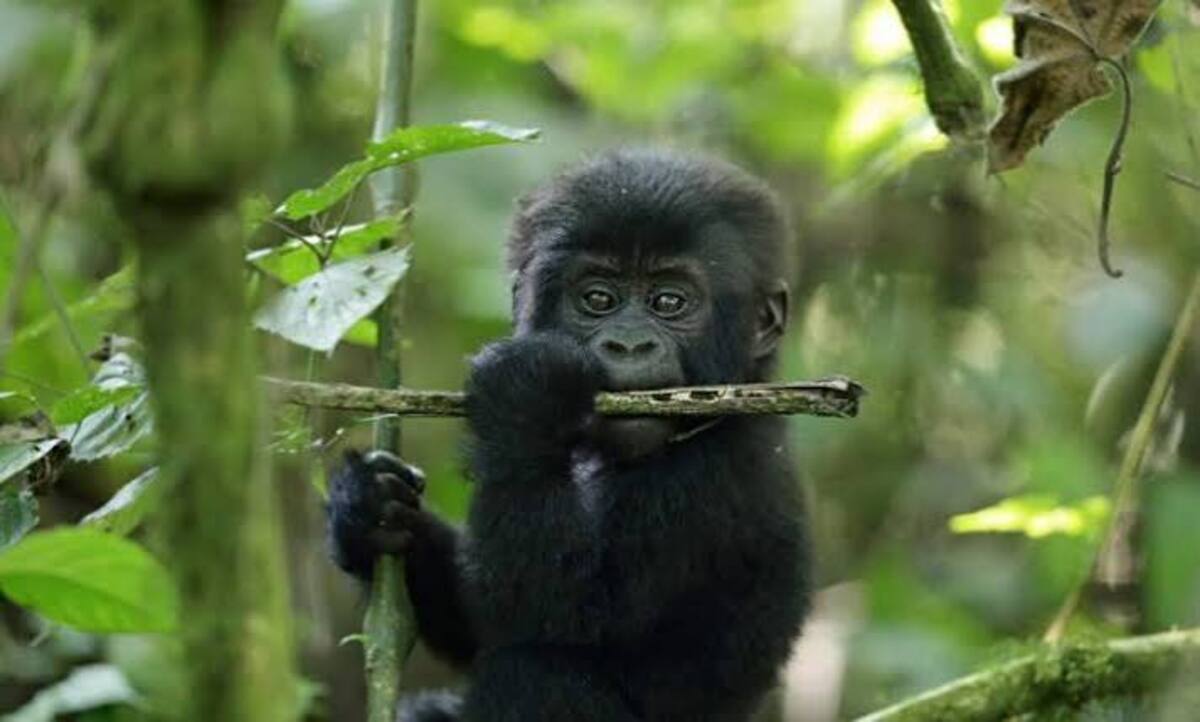
Uganda’s Low-Season Gorilla and Chimpanzee Permit Discounts, For many travellers, seeing mountain gorillas in the wild ranks among Africa’s most meaningful wildlife experiences. The chance to spend an hour observing a gorilla family in its natural habitat or to follow a troop of wild chimpanzees through the forests of western Uganda requires careful planning, especially when it comes to permits.
To encourage travel during quieter months, the Uganda Wildlife Authority (UWA) has introduced discounted permit rates for gorilla trekking and chimpanzee tracking during April, May, and November. The savings can be substantial, making it easier to extend your safari, upgrade your accommodation, or include additional national parks without dramatically increasing your budget.
Just as importantly, traveling during these months often offers a different kind of experience: greener landscapes, fewer visitors, and greater flexibility when choosing trekking dates.
This guide explains how the low-season permits work, who they are best suited for, what to expect during these months, and how to plan a rewarding Uganda safari while taking advantage of the reduced prices.
What Are Uganda’s Low-Season Permit Discounts?
Uganda Wildlife Authority offers reduced permit prices during three months of the year:
- April
- May
- November
These months generally coincide with Uganda’s wetter seasons, when visitor numbers are lower than during the traditional safari peak.
Gorilla Trekking Permit Prices
For eligible travel dates, the discounted rates are:
| Visitor Category | Low-Season Rate |
| Foreign Non-Resident | USD 600 |
| Foreign Resident | USD 500 |
For comparison, the standard gorilla trekking permit for foreign non-residents is USD 800, reducing the cost by USD 200 per person during the promotional period.
Chimpanzee Tracking Permit Prices
Discounted chimpanzee permits are available at:
| Visitor Category | Low-Season Rate |
| Foreign Non-Resident | USD 200 |
| Foreign Resident | USD 150 |
The regular foreign non-resident permit costs USD 250, providing a saving of USD 50 per person.
Although permit prices change occasionally, these seasonal rates represent one of the most significant opportunities for visitors hoping to reduce the overall cost of a Uganda safari.
What Should Travellers Know Before Booking?
Reduced permit prices come with a few important conditions that are worth understanding before making travel arrangements.
Generally:
- Discounted permits are valid only for April, May, and November.
- Payment is typically required in full when the permit is confirmed.
- Discounted permits are generally not transferable or reschedulable once issued.
Because permit policies can change, it’s sensible to confirm the latest conditions before booking.
If you are travelling internationally, it is usually best to finalize your flights and purchase comprehensive travel insurance before your permit is issued.
Why Has Uganda Introduced Low-Season Discounts?
Uganda receives visitors throughout the year, but travel patterns naturally fluctuate.
The busiest safari months are typically:
- June
- July
- August
- September
- December
- January
- February
During these periods, gorilla permits can sell out months in advance, particularly for the most popular sectors of Bwindi Impenetrable National Park like Rushaga.
April, May, and November usually see fewer visitors because of increased rainfall. Rather than leaving lodges and parks underused, the discounted permits encourage more people to travel during these quieter months.
The approach benefits more than just visitors.
Steadier tourism throughout the year supports employment for guides, porters, lodge staff, drivers, and local communities whose livelihoods depend on wildlife tourism. Revenue from permits also contributes to conservation efforts that protect Uganda’s endangered mountain gorillas and other wildlife.
Is the Low Season Actually a Good Time to Visit?
Many first-time visitors hesitate when they see the words “rainy season” on a travel calendar.
In reality, low season doesn’t mean parks close or wildlife disappears.
Mountain gorillas remain within their territories year-round, chimpanzees continue to be tracked daily, and Uganda’s national parks operate throughout the year.
What changes most noticeably is the atmosphere.
You will often encounter fewer safari vehicles, quieter lodges, and less competition for permits.
The forests also look very different.
Fresh rainfall transforms the landscape, streams flow more strongly, and the vegetation becomes noticeably greener than during the driest months.
Of course, there are trade-offs. Trails can be muddier, drives occasionally take longer, and rain showers may interrupt parts of the day. For many travellers, however, these are reasonable compromises given the financial savings and reduced visitor numbers.
Four Reasons Many Experienced Travellers Choose the Low Season
A More Peaceful Trekking Experience
One of the biggest advantages isn’t financial, it’s simply having more space.
While gorilla trekking groups are always limited in size (Usually 8 people), the surrounding visitor facilities often feel less busy during April, May, and November.
That can mean:
- less crowded briefing areas
- more relaxed lodge environments
- greater flexibility when selecting accommodation
- quieter forest trails before and after treks
The wildlife experience itself remains carefully managed regardless of season, but many visitors appreciate the slower pace.
Better Conditions for Photography
Rainforests naturally look their richest after rainfall.
Photographers often appreciate:
- soft, diffused light beneath cloud cover
- richer greens
- dramatic mist in the forest
- fewer harsh shadows
- saturated colours after rain
While cameras should always be protected from moisture, many wildlife photographers deliberately visit during wetter months because the forest atmosphere can produce distinctive images.
Accommodation Can Cost Less
Permits are only one part of a safari budget.
Many lodges reduce their room rates during quieter travel periods, particularly those near Bwindi, Kibale, and Queen Elizabeth National Park.
The savings vary depending on the property, but they can make higher-end accommodation considerably more affordable than during peak season.
Instead of increasing your budget, you may find it possible to upgrade from a standard room to a forest cottage or luxury lodge.
More Flexibility with Permit Availability
During the busiest months, preferred trekking dates can sell out well in advance.
Low season often provides greater flexibility for travelers who:
- are booking closer to departure
- have limited vacation dates
- want to combine multiple parks
- prefer specific accommodation
That said, discounted permits have become increasingly popular. Waiting until the last minute still carries the risk that your preferred dates or trekking sector may no longer be available.
Booking several months ahead remains the safest approach.
How Much Could You Save?
The reduced permit prices quickly add up, especially for couples or families.
For example, two travelers booking:
- two gorilla permits
- two chimpanzee permits
would save:
| Activity | Total Saving |
| Gorilla trekking | USD 400 |
| Chimpanzee tracking | USD 100 |
| Combined permit savings | USD 500 |
If lower lodge rates are available during the same period, the overall savings across an entire safari may exceed USD 1,000 for two people.
That extra budget can significantly expand your itinerary rather than simply reducing its cost.
Ways to Use the Savings
Instead of shortening your safari to stay within budget, many travelers use the permit savings to experience more of Uganda.
Upgrade Your Accommodation
Consider spending a little more on where you stay.
A more comfortable lodge can provide:
- better access to the park
- improved food options
- forest views
- private cottages
- extra time to relax after trekking
After a physically demanding gorilla trek, many visitors appreciate returning to accommodation where they can recover comfortably.
Add Another National Park
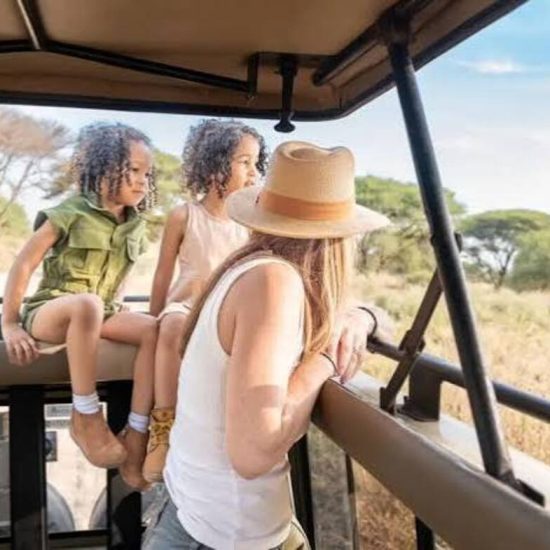
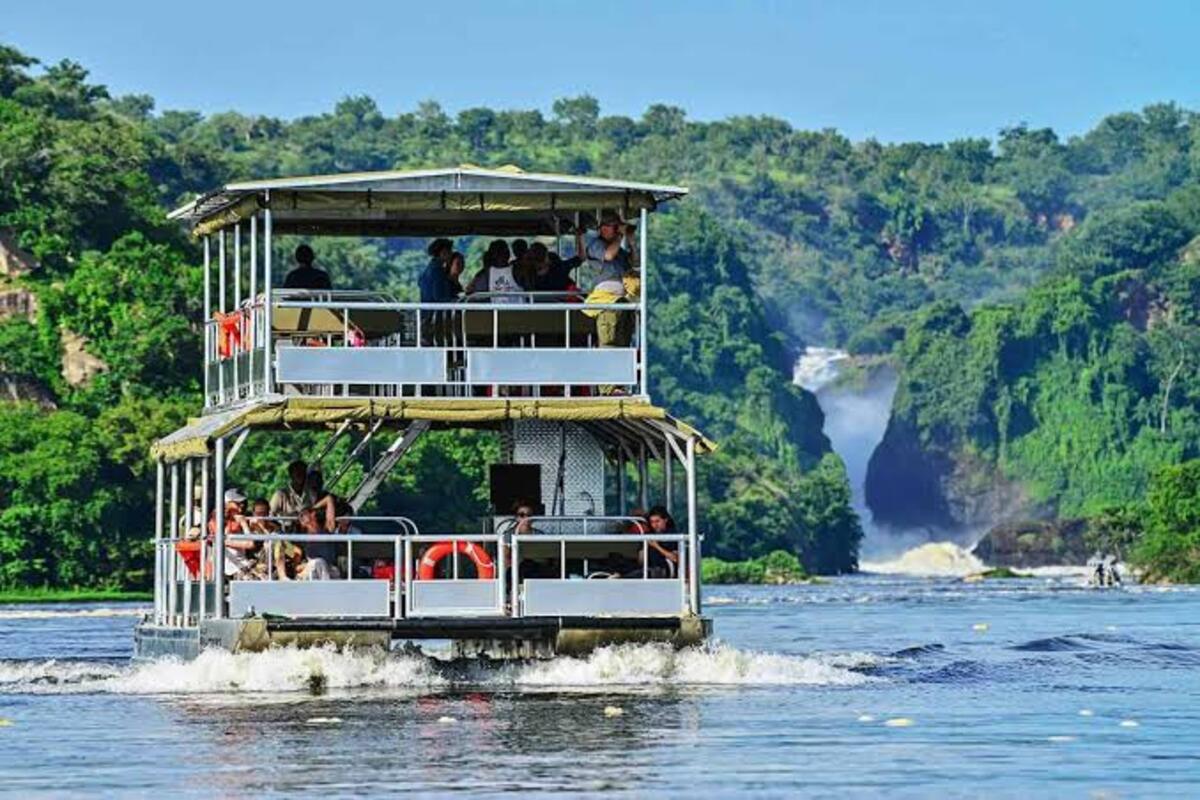
The savings may be enough to include destinations such as Queen Elizabeth and Murchison falls National Parkswhere visitors can combine:
- morning game drives
- boat cruises
- elephants
- buffalo
- Lions
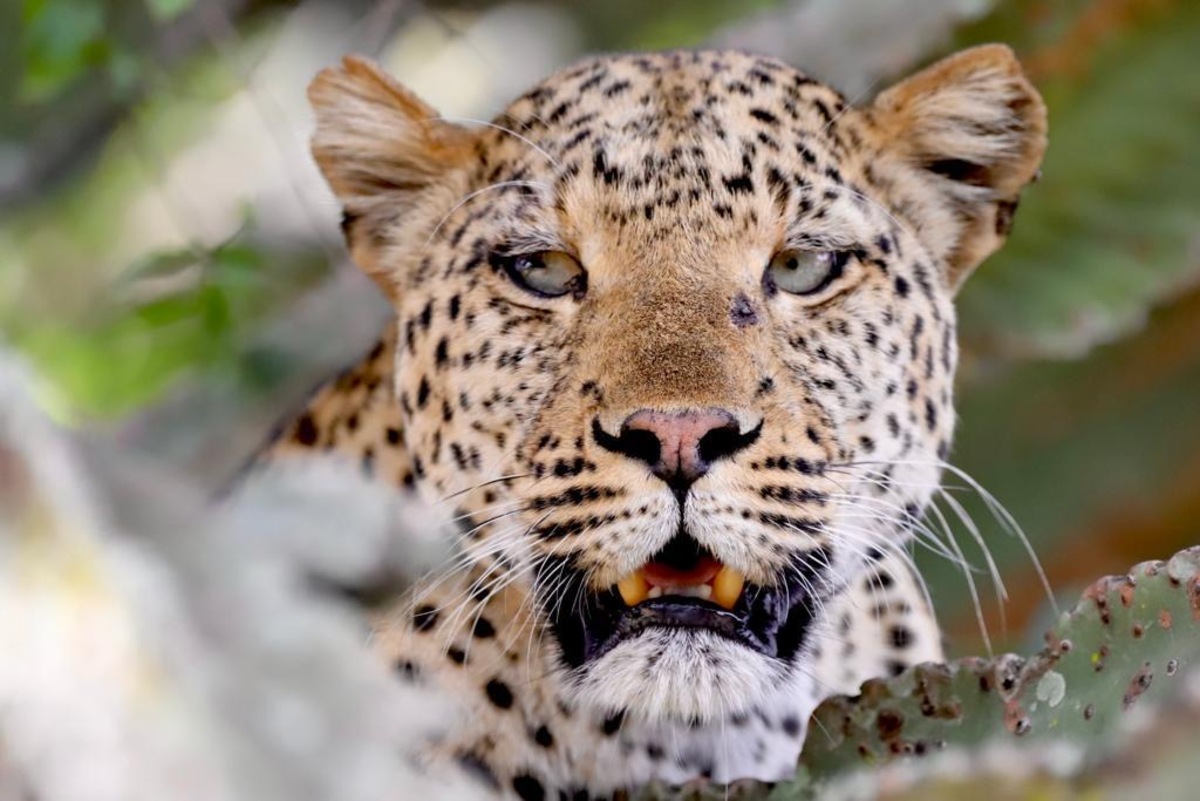
- Leopards
- Rhinos
- hippos
- numerous bird species like great blue turaco
For travelers interested in both primates and classic African wildlife, this creates a more varied safari without dramatically increasing overall costs.
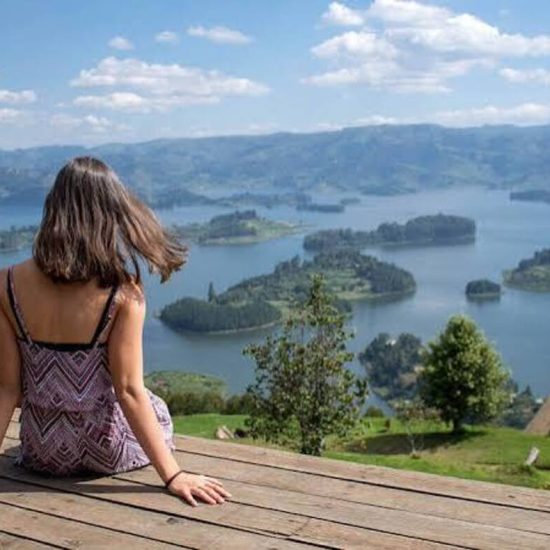
Spend Time at Lake Bunyonyi
Many itineraries include Lake Bunyonyi after gorilla trekking.
Rather than immediately beginning the journey back to Entebbe, spending a night or two beside the lake offers time to slow down before travelling home.
Visitors often enjoy:
- canoe excursions
- birdwatching
- village visits
- island tours
- lakeside walks
The relaxed pace provides a welcome contrast after several days of early starts and wildlife activities.
Sample 7-Day Low-Season Uganda Safari
One way to make the most of the discounted permits is by combining Uganda’s best-known wildlife experiences into a single itinerary.
| Day | Activity |
| 1 | Arrive in Entebbe |
| 2 | Drive to Kibale National Park |
| 3 | Chimpanzee tracking |
| 4 | Continue to Queen Elizabeth National Park |
| 5 | Morning game drive and Kazinga Channel boat cruise |
| 6 | Gorilla trekking in Bwindi Impenetrable National Park |
| 7 | Visit Lake Bunyonyi before departing |
This route combines primate encounters, classic safari wildlife, and one of Uganda’s most scenic lakes while taking advantage of the seasonal permit savings.
Gorilla Trekking During the Rainy Season: What Should You Expect?
One of the biggest questions first-time visitors ask is whether trekking is more difficult during Uganda’s wetter months. The honest answer is yes but not always in the way many people imagine.
Rain can make forest trails muddy and slippery, particularly on steep hillsides. Depending on where your assigned gorilla family is feeding, the trek could last anywhere from under an hour to most of the day. The distance changes daily because the gorillas move freely through the forest.
The good news is that Uganda Wildlife Authority rangers monitor each habituated family every day. Before your trek begins, guides know the general location of the gorillas and plan the route accordingly.
You will also have support throughout the experience.
Most visitors choose to hire a local porter. Besides carrying your daypack, they can offer a steady hand on steep sections, making the trek easier and directly supporting local livelihoods.
Walking sticks are available at the park headquarters, and experienced ranger guides set a pace that works for the group.
Rather than viewing the rain as a disadvantage, many travelers find it enhances the atmosphere. Mist settles between the trees, the forest feels alive with birdsong and insects, and every step reinforces that you are entering one of Africa’s oldest remaining rainforests.
How Fit Do You Need to Be?
You don’t need to be an athlete, but you should be comfortable walking on uneven ground for several hours.
Preparation can make a noticeable difference. In the weeks before your trip, regular walks, hill climbing, or light hiking help build stamina and confidence.
If you have mobility concerns or medical conditions, discuss them with your safari planner before booking. Uganda Wildlife Authority can sometimes allocate visitors to gorilla families requiring shorter walks, although this cannot be guaranteed.
Chimpanzee Tracking in the Low Season
While gorillas tend to move at a leisurely pace, chimpanzees are considerably more energetic.
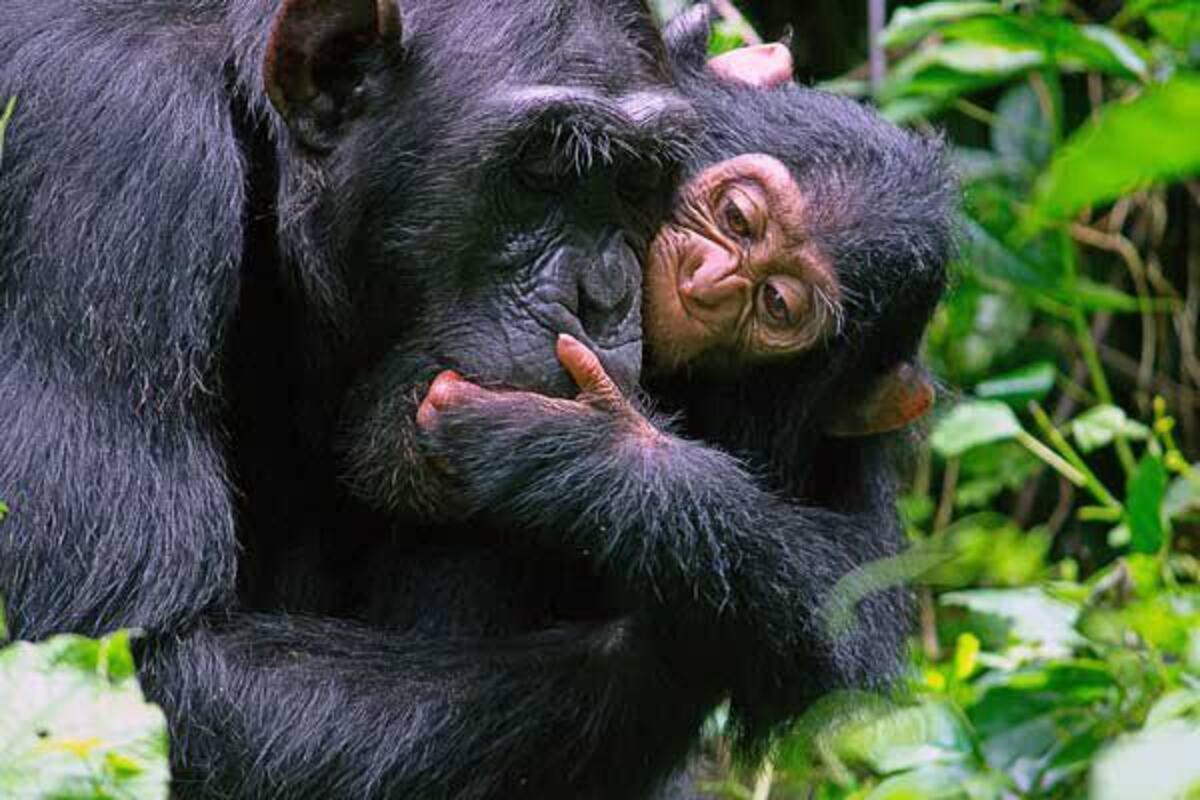
Tracking them in Kibale National Park often involves following vocalizations through the forest as guides interpret calls and movement. Once the chimpanzees are located, visitors may watch them feeding, grooming, climbing, or moving rapidly through the canopy.
Rain rarely prevents tracking. Instead, it changes the character of the forest.
Fresh vegetation appears more vibrant, streams flow strongly, and bird activity often increases after showers. Kibale is also home to several other primate species, including black-and-white colobus monkeys, red-tailed monkeys, L’Hoest’s monkeys, olive baboons, and grey-cheeked mangabeys, so encounters frequently extend beyond chimpanzees.
Keep in mind that chimpanzees are wild animals. Some sightings involve extended viewing, while others may require walking as the group moves through the forest. Patience is part of the experience.
What Should You Pack?
Packing well can make a significant difference to your comfort, especially during the wetter months.
A practical packing list includes:
- Waterproof hiking boots with good ankle support
- Lightweight rain jacket
- Quick-drying trousers
- Long-sleeved shirts for sun and insect protection
- Gardening or trekking gloves for gripping vegetation on steep trails
- Small daypack
- Backpack rain cover
- Refillable water bottle
- Camera with waterproof protection
- Spare batteries and memory cards
- Insect repellent
- Sunscreen
- Hat
- Personal medication
Avoid packing bulky clothing. Uganda’s daytime temperatures are generally comfortable, even when rain is expected.
Choosing Accommodation During the Low Season
One of the overlooked benefits of travelling during April, May, or November is the wider choice of accommodation.
Many lodges offer seasonal rates while maintaining the same level of service.
Depending on your budget, you will find:
Budget Lodges
Ideal for travelers prioritizing wildlife experiences over luxury, with comfortable rooms and simple facilities close to the parks. Examples include Nshongi camp
Mid-Range Lodges
Often the best balance between comfort and value, offering private rooms, good dining, and attractive forest or savannah views. Examples include Turaco treetops
Luxury Lodges
High-end safari lodges typically include spacious cottages, excellent cuisine, attentive service, and carefully designed locations overlooking forests or wildlife areas. During low season, these properties can become considerably more affordable than during peak travel months. Examples include silverback lodge, Nkuringo Bwindi lodge
Regardless of your budget, staying close to your trekking starting point reduces early morning travel and allows for a more relaxed start to the day.
Getting Around Uganda
Most visitors combine gorilla trekking with other parks, making road travel an important part of the experience.
Travel between destinations is usually by 4×4 safari vehicle. While major highways are paved, many park access roads are gravel and can become rough after heavy rain.
Journey times may be longer than expected, so itineraries should allow sufficient time between destinations rather than trying to cover too much ground in a few days.
Domestic flights are also available between Entebbe and selected airstrips near Bwindi, Queen Elizabeth National Park, and other safari destinations. Flying reduces travel time but generally increases the overall cost of the safari.
Photography Tips for Gorilla and Chimpanzee Trekking
Photographing wildlife in dense rainforest presents different challenges from photographing animals on the open savannah.
To improve your chances of capturing memorable images:
- Use a camera that performs well in low light.
- A zoom lens offers flexibility without getting too close to wildlife.
- Increase your ISO when necessary rather than relying on flash.
- Keep shutter speeds high enough to capture moving chimpanzees.
- Pack waterproof protection for your equipment.
- Carry a microfiber cloth to remove moisture from lenses.
Flash photography is not permitted during gorilla trekking, both for animal welfare and visitor safety.
Equally important, remember to spend some time simply observing. Many travellers discover their strongest memories come from putting the camera down for a few moments and watching the animals without looking through a viewfinder.
Responsible Tourism Matters
Every gorilla permit contributes directly to conservation and helps support the communities living alongside Uganda’s protected areas.
Visitors also play an important role.
Responsible trekking includes:
- Following ranger instructions at all times.
- Maintaining the required viewing distance.
- Speaking quietly around wildlife.
- Never feeding animals.
- Remaining with your assigned group.
- Carrying all litter out of the park.
If you are feeling unwell, particularly with flu-like symptoms, inform your guide before trekking. Mountain gorillas share much of our genetic makeup and can be vulnerable to human illnesses.
Booking Tips First-Time Visitors Often Miss
A few simple decisions can make your safari much smoother.
- Book permits before confirming accommodation, as permit availability determines your trekking date.
- Allow a recovery day after gorilla trekking if possible rather than planning a long drive immediately afterward.
- Hire a porter even if you think you won’t need one, the support is valuable, and the income benefits local communities.
- Bring cash in small denominations for tips and personal purchases in rural areas.
- Don’t underestimate travel distances between parks when planning your itinerary.
- Purchase comprehensive travel insurance that covers trip interruption and medical emergencies.
Frequently Asked Questions
Will I definitely see gorillas?
Sightings are never guaranteed because the animals are wild. However, habituated gorilla families are monitored daily, and the success rate for locating them is extremely high.
Can I hire a porter?
Yes. Porters are available at the park headquarters before your trek begins. Hiring one is highly recommended, regardless of your fitness level.
Can seniors go gorilla trekking?
Many older travelers successfully complete gorilla treks every year. Fitness matters more than age, and shorter treks may sometimes be available depending on gorilla movements.
What happens if it rains?
Treks continue in light and moderate rain. Waterproof clothing and proper hiking boots make the experience much more comfortable.
Can I wear shorts?
Long trousers are generally recommended to protect your legs from stinging plants, insects, and dense vegetation.
Are there toilets at the starting point?
Yes. Visitor reception areas at the main trekking sectors provide toilet facilities before the trek begins. Facilities are generally not available once you’re inside the forest.
Is there a luggage weight limit?
If you’re travelling on domestic safari flights, baggage allowances are usually lower than those on international flights. Check the allowance with your airline before packing.
How much should I tip?
Tipping is discretionary but widely appreciated. Many travelers choose to tip guides, porters, lodge staff, and drivers based on the level of service received.
Can I take photographs?
Yes. Photography is encouraged, provided flash is not used during gorilla encounters.
Should I still book early if I’m travelling in the low season?
Yes. Although permit availability is generally better than during peak months, discounted permits are increasingly popular and can sell out well before the travel date.
Is Uganda Better Value Than Other Gorilla Trekking Destinations?
For many travelers, the answer is yes.
Uganda offers the opportunity to combine mountain gorilla trekking, chimpanzee tracking, traditional game drives, boat safaris, birdwatching, cultural experiences, and scenic landscapes within a single itinerary.
When the seasonal permit discounts are available, that value becomes even stronger. Instead of choosing between primates and a classic safari, many visitors can comfortably include both.
Final Thoughts
Uganda’s low-season permit discounts are about more than saving money. They create opportunities to travel differently.
Fewer visitors, quieter forests, greener landscapes, and greater flexibility can make April, May, and November rewarding months to experience the country’s remarkable wildlife. While rain should be expected, it rarely prevents trekking, and many travelers find the changing weather adds to the atmosphere rather than detracting from it.
If your schedule allows you to travel during these months, the reduced permit prices may free up part of your budget for an extra national park, a more comfortable lodge, or a longer stay. Combined with thoughtful planning and realistic expectations, a low-season safari can offer exceptional value without compromising the quality of the experience.
Whether your interests lie in meeting mountain gorillas, tracking wild chimpanzees, exploring the savannah of Queen Elizabeth National Park, or unwinding beside Lake Bunyonyi, Uganda remains one of Africa’s most rewarding wildlife destinations throughout the year.
Planning Your Safari with Naseeb Safaris
Every traveler has different priorities, whether that’s photography, birding, luxury accommodation, family travel, or keeping within a specific budget.
The Naseeb Safaris team can help you understand current permit availability, explain seasonal travel conditions, recommend accommodation that matches your preferences, and design an itinerary that makes the most of Uganda’s low-season opportunities. If you are considering travel during April, May, or November, get in touch for personalized advice and up-to-date planning assistance.