
Gorilla Habituation Experience vs Normal Gorilla Trekking in Uganda
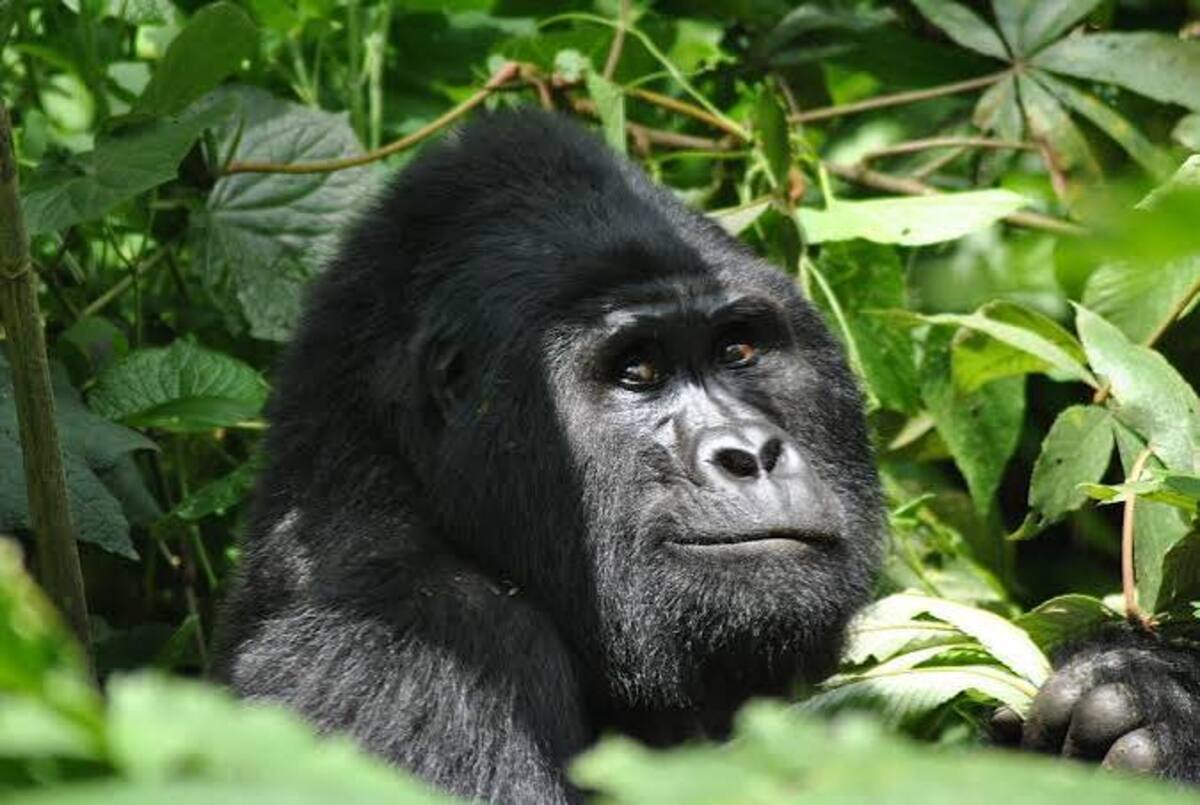
Gorilla Habituation Experience vs Normal Gorilla Trekking in Uganda, Uganda offers one of the world’s rare opportunities to step into the rainforest and observe endangered mountain gorillas in their natural environment. Deep in the ancient forests of Bwindi Impenetrable National Park, visitors can spend time with gorilla families that have become accustomed to the presence of carefully managed human visitors.
For many travelers planning a Uganda safari, the biggest decision is not whether to see gorillas, it is which gorilla experience is right for them.
Uganda offers two main options:
- Gorilla trekking, where visitors spend one hour with an already habituated gorilla family.
- The Gorilla Habituation Experience, where visitors spend up to four hours with a gorilla family that is still undergoing the habituation process.
Both experiences support gorilla conservation and provide rare insight into the lives of these remarkable primates. However, they suit different types of travelers. Your choice depends on your available time, budget, fitness level, photography goals, and how deeply you want to understand gorilla behavior.
This guide explains the differences between gorilla trekking and gorilla habituation in Uganda, including costs, difficulty, photography opportunities, preparation advice, and what you can realistically expect during each experience.
Understanding Uganda’s Mountain Gorillas
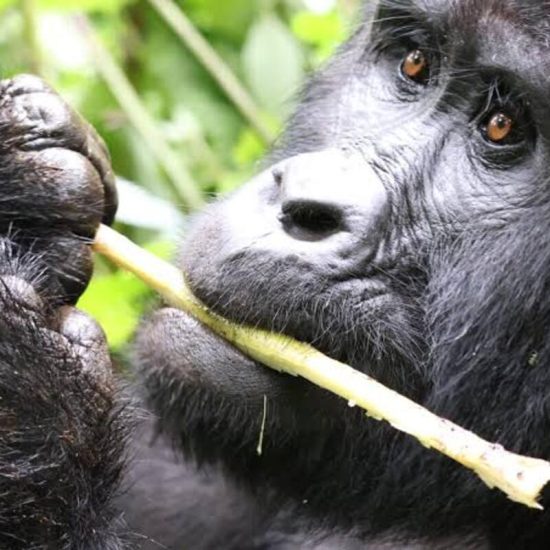
Mountain gorillas are among the rarest mammals on Earth. They survive only in the forests of Uganda, Rwanda, and the Democratic Republic of Congo, where conservation efforts have helped protect their remaining habitat.
Uganda is home to a significant proportion of the world’s mountain gorilla population, with most living in Bwindi Impenetrable National Park and a smaller population found in Mgahinga Gorilla National Park.
Unlike many wildlife encounters where animals are viewed from a vehicle, gorilla experiences involve entering their forest habitat on foot. The journey itself is part of the adventure. Trails pass through dense vegetation, steep hillsides, and areas where the forest feels almost untouched.
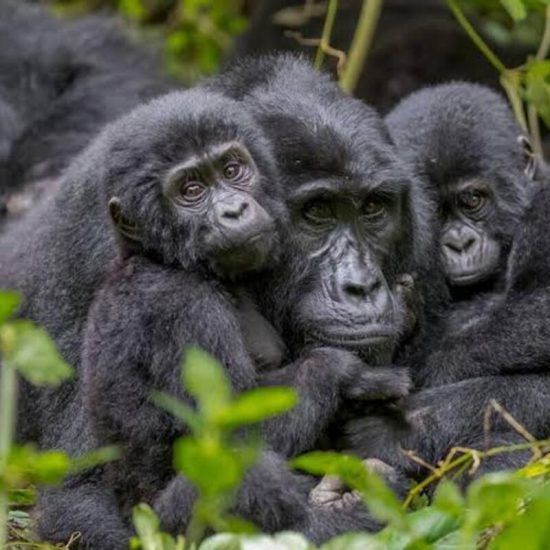
Mountain gorillas share around 98% of their DNA with humans, and many visitors are struck by their familiar behaviors:
- Mothers caring for young infants
- Juveniles playing and testing their surroundings
- Family members grooming each other
- Silverbacks protecting their groups, pounding their chests to show dominance
- Individuals communicating through sounds, gestures, and expressions
However, it is important to remember that these are still wild animals. The experience is not a zoo visit or a controlled animal interaction. Rangers carefully manage encounters to protect both visitors and gorillas.
What Is Normal Gorilla Trekking in Uganda?
Normal gorilla trekking is the traditional way most travelers experience Uganda’s mountain gorillas.
During a trek, visitors join a group led by Uganda Wildlife Authority rangers who track the location of an already habituated gorilla family. These families have completed the habituation process and are considered comfortable enough with limited human presence for controlled tourism visits.
Once the gorillas are located, visitors are allowed to spend one hour observing them.
The one-hour limit is carefully designed to reduce stress on the animals while allowing visitors to witness natural behaviors.
What Happens During a Gorilla Trekking Day?
A typical trekking day begins early in the morning.
Visitors report to the park headquarters for:
- Registration and permit verification
- A safety briefing from rangers
- A welcome dance from the local community
- Gorilla trekking rules and guidelines
- Group assignment
- Meeting the ranger team
Before entering the forest, visitors are usually divided into smaller groups and assigned a gorilla family. Rangers consider several factors when allocating groups, including:
- Visitor fitness levels
- Age and physical ability
- Available gorilla families
- Current gorilla locations
The trek itself can vary considerably.
Some visitors reach the gorillas after a short walk, while others may hike for several hours through challenging terrain. The exact duration depends on where the gorilla family moved after making their nests the previous evening.
Typical conditions may include:
- Steep forest slopes
- Muddy paths
- Dense vegetation
- Uneven ground
- Changing weather conditions
Once the gorillas are found, the pace changes. The group settles quietly nearby while visitors watch the family feed, rest, move through vegetation, or interact with one another.
What Is the Gorilla Habituation Experience?
The Gorilla Habituation Experience is a more immersive conservation-focused encounter available only in Uganda.
Instead of visiting a fully habituated gorilla family, visitors accompany researchers, trackers, and conservation teams as they spend time with a gorilla group that is still learning to tolerate human presence.
The experience allows up to four hours with the gorillas, giving visitors more time to observe behavior, ask questions, and understand the conservation process behind gorilla tourism.
This experience takes place in the Rushaga Sector, located in the southern part of Bwindi.
Because only a limited number of permits are available each day, habituation experiences are more exclusive than standard trekking.
What Does Gorilla Habituation Mean?
Habituation is the gradual process of helping wild gorillas become comfortable with human observers while maintaining their natural behaviors.
The process usually takes about 5-8 years and requires careful monitoring by conservation experts.
During habituation, researchers study:
- Feeding patterns
- Social relationships
- Communication
- Nest building
- Infant development
- Health conditions
- Movement patterns
- Reactions to human presence
The goal is not to tame the gorillas.
A habituated gorilla is still a wild animal. The process simply reduces fear and allows controlled observation that supports conservation, research, and responsible tourism.
Only after a family shows consistent tolerance toward humans can it become available for regular trekking.
Gorilla Trekking vs Gorilla Habituation: The Main Differences
Choosing between these experiences becomes easier when you understand how they compare.
| Feature | Gorilla Trekking | Gorilla Habituation Experience |
| Time with gorillas | 1 hour | Up to 4 hours |
| Location | Several Bwindi sectors and Mgahinga | Rushaga Sector, southern Bwindi |
| Group size | Maximum 8 visitors | Maximum 4 visitors |
| Main focus | Wildlife encounter | Conservation and behavioral learning |
| Photography opportunities | Very good | Excellent due to longer viewing time |
| Permit cost | Lower | Higher |
| Availability | More permits available | Limited permits |
| Best suited for | First-time visitors and travelers with limited time | Photographers, researchers, and travelers seeking deeper immersion |
Time With the Gorillas: One Hour vs Four Hours
The biggest difference is simply time.
During normal trekking, the one-hour encounter passes quickly. Visitors may see several behaviors, but there is limited opportunity to wait for specific moments.
The habituation experience provides a longer window. With four hours available, visitors may observe changes in activity as the gorillas move through their routine.
For example, a family may begin by resting, later becoming active, feeding, interacting, or moving through the forest.
The extra time does not guarantee dramatic behaviour, wildlife always follows its own rhythm but it increases the chance of seeing different aspects of gorilla life.
Learning and Conservation: A Different Kind of Experience
Standard trekking introduces visitors to gorillas and contributes significantly to conservation through tourism revenue.
The habituation experience goes deeper by placing visitors alongside the teams involved in understanding and protecting these animals.
Participants may learn how trackers identify individual gorillas, how researchers monitor family health, and why long-term conservation work is essential.
For travellers interested in wildlife science, conservation, or photography, this additional context can transform the experience from a viewing opportunity into a lesson about protecting endangered species.
Gorilla Trekking vs Gorilla Habituation: Group Size, Photography, Difficulty, and Costs
The difference between gorilla trekking and the Gorilla Habituation Experience is not only about the number of hours spent in the forest. The size of the group, the style of the encounter, the physical demands, and the overall cost all influence which experience will suit you best.
For some travelers, the traditional trek provides everything they hoped for: a rare opportunity to sit quietly near wild gorillas in the rainforest. For others, the longer and more research-focused habituation experience offers the deeper connection they are looking for.
Understanding these differences before booking helps you choose an experience that matches your expectations.
Group Size and Exclusivity
The number of people sharing the encounter can significantly affect the atmosphere of a gorilla experience.
Gorilla Trekking Groups
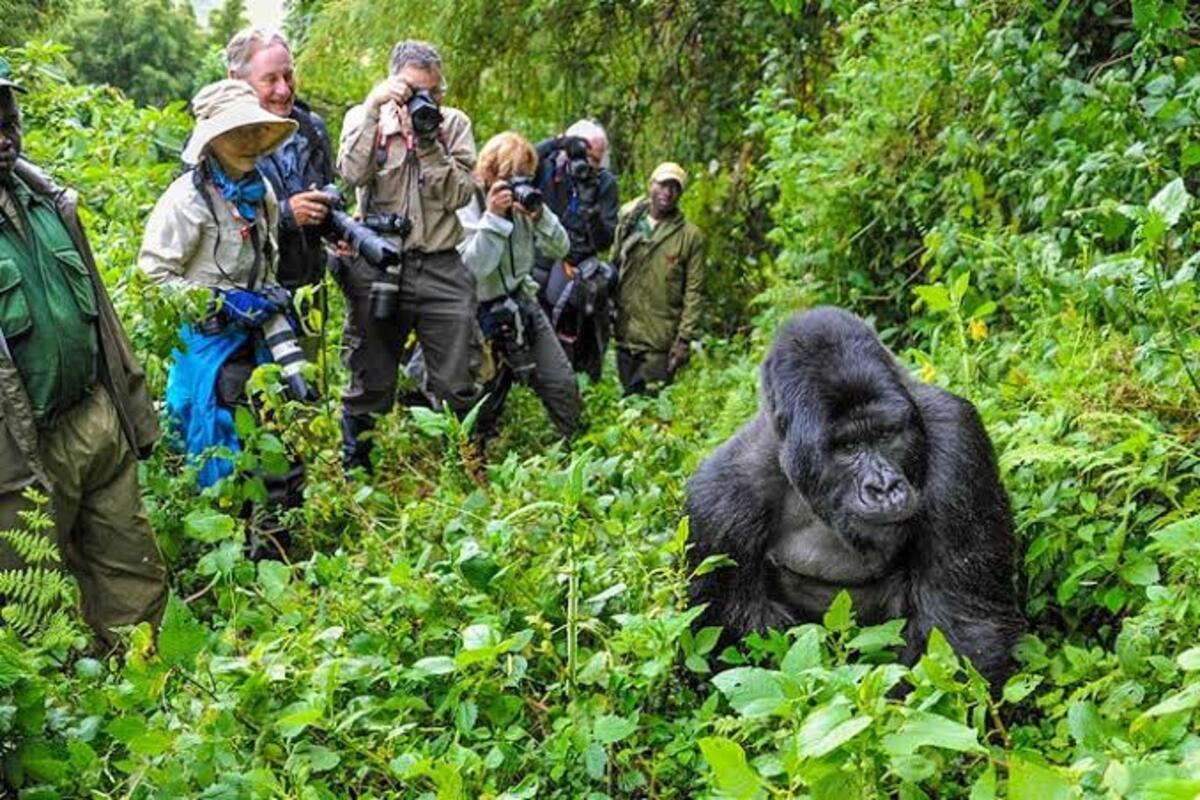
For standard gorilla trekking, groups can include up to eight visitors per gorilla family.
Although this is still a small number compared with many wildlife experiences, the presence of several people can influence the feeling of the encounter. Everyone must remain together, follow ranger instructions, and position themselves carefully to avoid crowding the gorillas.
Because trekking is the more popular option, permits are generally easier to obtain, especially when travelers plan several months ahead.
Gorilla Habituation Groups
The Gorilla Habituation Experience is limited to four visitors per gorilla family.
The smaller group size creates a quieter experience and allows more opportunities to ask questions, observe details, and move carefully through the forest with less disruption.
For travelers who value privacy, photography, or a slower pace, this smaller setting is a major advantage.
Best choice for exclusivity: Gorilla Habituation Experience
Which Experience Is Better for Photography?
Both gorilla experiences offer excellent photography opportunities, but the habituation experience provides important advantages for serious photographers.
Photography in the rainforest is challenging. Light levels change constantly, vegetation can block views, and gorillas may move unexpectedly. Even with good equipment, patience is often more important than the camera itself.
Photography During Normal Gorilla Trekking
A one-hour encounter can still produce incredible photographs.
Visitors may capture:
- A silverback looking through the vegetation
- A mother carrying or feeding an infant
- Juveniles playing nearby
- Family members resting together
- Feeding behavior
However, the limited time means photographers must work quickly. There may not be enough time to wait for changing light or a specific behavior.
Photography During Gorilla Habituation
The additional hours make a significant difference.
A longer encounter allows photographers to:
- Wait for better lighting conditions
- Observe changing behaviors
- Capture more natural interactions
- Spend less time rushing between shots
- Study individual gorillas and their personalities
The smaller group size also reduces competition for viewing positions.
For wildlife photographers, documentary filmmakers, or travelers carrying professional camera equipment, habituation is usually the preferred choice.
Best choice for photography: Gorilla Habituation Experience
Physical Difficulty: Is Gorilla Habituation Harder Than Gorilla Trekking?
A common assumption is that the four-hour habituation experience must be much harder than standard trekking.
In reality, the physical challenge depends less on the type of permit and more on where the gorillas are located on the day of your visit.
Both experiences involve hiking through Bwindi’s rugged rainforest environment.
You may encounter:
- Steep uphill sections
- Slippery mud after rainfall
- Thick vegetation
- Uneven trails
- Long periods of walking or standing
Some treks are relatively short, while others can involve several hours of hiking before reaching the gorillas.
The forest does not follow a fixed route. Gorillas move freely, and rangers track their location each morning.
How to Prepare Physically
You do not need to be an athlete to participate, but reasonable fitness helps.
Before your safari, consider:
- Walking regularly on uneven terrain
- Building stamina through longer walks
- Practicing uphill hiking if possible
- Breaking in your hiking boots before travel
Travelers with mobility concerns should discuss their needs with their safari planner before booking.
Hire a Porter: A Small Decision That Makes a Big Difference
Hiring a porter is strongly recommended for both experiences.
Porters can:
- Carry your backpack
- Offer support on steep sections
- Help with difficult terrain
- Improve your comfort during long hikes
- Provide income opportunities for local community members
Many visitors find that having a porter allows them to focus more fully on the forest and wildlife experience.
Gorilla Permit Costs: Trekking vs Habituation
Gorilla permits are one of the largest expenses of a Uganda safari, and prices should be confirmed when planning because they can change.
Currently, standard gorilla trekking permits in Uganda cost US$800 per person, while the Gorilla Habituation Experience permit costs US$1,500 per person. (raised to $ 1,800 effective January 2027)
The difference reflects the longer time spent with the gorillas, smaller groups, and the conservation-focused nature of the experience.
Permit fees contribute toward:
- Gorilla habitat protection
- Ranger operations
- Anti-poaching efforts
- Veterinary monitoring
- Scientific research
- Conservation programs
- Community development initiatives
For many travellers, the permit is not simply an entrance ticket—it is a direct contribution toward protecting one of the world’s most endangered wildlife species.
Is Gorilla Habituation Worth the Extra Cost?
The answer depends on what you want from your safari.
The Gorilla Habituation Experience may be worth the additional cost if you:
- Want maximum time with gorillas
- Enjoy wildlife photography
- Prefer smaller groups
- Have a strong interest in conservation
- Want to understand gorilla behavior in greater detail
- Are comfortable investing more in a specialized experience
However, standard gorilla trekking remains an extraordinary wildlife encounter.
For many first-time visitors to Uganda, one hour with a mountain gorilla family is already a deeply meaningful experience.
The best choice is not always the more expensive option, it is the one that fits your travel goals.
Who Should Choose Normal Gorilla Trekking?
Standard gorilla trekking is ideal for many travelers, especially those visiting Uganda for the first time.
Choose normal trekking if you are:
A First-Time Gorilla Visitor
The classic trek provides the essential gorilla experience: entering the rainforest, finding a wild gorilla family, and spending time observing them.
Traveling on a Limited Schedule
Many Uganda safari itineraries combine gorilla trekking with other destinations such as:
- Queen Elizabeth National Park
- Kibale National Park
- Murchison Falls National Park
A standard trek fits more easily into shorter safari programs.
Traveling With Different Fitness Levels
Because trekking groups are allocated based on ability where possible, standard trekking may be more suitable for mixed groups.
Watching Costs Carefully
The lower permit price makes it easier to include gorilla trekking within a broader Uganda safari budget.
Who Should Choose the Gorilla Habituation Experience?
Habituation is especially suitable for travelers who want more than a brief wildlife encounter.
It is often chosen by:
Wildlife Photographers
The longer viewing time creates more opportunities for thoughtful images.
Conservation Enthusiasts
Travelers interested in wildlife protection often appreciate seeing the research and monitoring side of gorilla conservation.
Repeat Uganda Visitors
Those who have already completed a standard trek may choose habituation for a different perspective.
Travellers Seeking a More Exclusive Experience
The smaller groups and limited availability create a quieter, more specialised adventure.
Booking Your Gorilla Experience: How Early Should You Plan?
Gorilla permits are limited, especially for the Gorilla Habituation Experience.
Travelers should consider booking several months in advance, particularly if visiting during peak travel periods:
- June to September
- December to February
Early planning is especially important if you:
- Need a specific trekking sector
- Want particular accommodation
- Are traveling as a group
- Have fixed international flight dates
Last-minute availability can sometimes exist, but it should not be relied upon for a carefully planned Uganda safari.
Where Does the Gorilla Habituation Experience Take Place?
One of the most important differences between gorilla trekking and gorilla habituation is where the experience happens.
Standard gorilla trekking is available across different sections of Uganda’s gorilla habitat, including several sectors of Bwindi Impenetrable National Park and Mgahinga Gorilla National Park.
The Gorilla Habituation Experience, however, is currently offered only in the Rushaga Sector of southern Bwindi.
This means travelers choosing habituation need to plan their safari around this specific region.
Rushaga is located in the southern part of Bwindi and is surrounded by forested hills, small villages, and scenic landscapes. The area is also well positioned for travelers who want to combine gorilla experiences with other attractions in southwestern Uganda.
Accommodation options near Rushaga range from simple forest lodges to more comfortable safari properties. Staying nearby is recommended because trekking days begin early, often requiring guests to arrive at the park headquarters in the morning.
Best Time to Experience Gorilla Trekking and Habituation in Uganda
Gorilla trekking and habituation experiences are available throughout the year. There is no month when gorilla encounters stop completely.
However, Uganda’s seasons can influence trail conditions, photography, accommodation availability, and overall travel comfort.
Dry Seasons: June to September and December to February
These months are generally considered the easiest periods for forest trekking.
Advantages include:
- Firmer hiking trails
- Less rainfall during many trekking days
- Easier movement through muddy sections
- Comfortable conditions for longer hikes
Because these periods coincide with popular safari seasons, permits and accommodations can become limited.
Travellers visiting during these months should plan well in advance.
Wet Seasons: March to May and October to November
The rainy seasons bring different advantages.
Although trails can become more challenging, many travelers appreciate this period because:
- The forest is especially lush
- Bird activity is often excellent
- Landscapes appear greener
- Visitor numbers may be lower
- Accommodation availability may be better
Rain does not necessarily mean a cancelled trek. In Bwindi, weather can change quickly, and rainfall is part of the rainforest environment.
A common mistake first-time visitors make is assuming that rainy season means the experience will be poor. In reality, many visitors enjoy the quieter atmosphere and vibrant forest conditions.
What Should You Pack for Gorilla Trekking or Habituation?
Preparation can make a significant difference to your comfort in the forest.
The right equipment helps you handle rain, mud, changing temperatures, and long walking periods.
Essential Gorilla Trekking Packing List
Bring:
- Waterproof hiking boots with good grip
- Long trousers
- Long-sleeved shirt
- Waterproof rain jacket
- Gardening gloves or lightweight hiking gloves
- Warm layer for cool mornings
- Hat or cap
- Small backpack
- Reusable water bottle
- Energy snacks
- Sunscreen
- Insect repellent
- Camera equipment
- Spare batteries or power bank
- Binoculars
A walking stick is also useful, especially on steep or muddy sections. Many lodges can help arrange one locally.
Clothing Advice: What Should You Wear?
The rainforest environment is unpredictable.
Even during warmer months, early mornings can feel cool, and rainfall can happen without warning.
Recommended clothing:
- Lightweight layers
- Quick-drying materials
- Neutral colors such as green, brown, or grey
Avoid wearing bright colors that may stand out unnecessarily in the forest environment.
Can You Wear Shorts?
Shorts are possible, but most travelers find long trousers more comfortable.
Long trousers help protect against:
- Thorny vegetation
- Mud splashes
- Insects
- Scratches from forest plants
Long socks pulled over trousers are also popular among trekkers because they provide additional protection.
Gorilla Trekking Rules and Responsible Tourism Guidelines
Gorilla tourism depends on maintaining a careful balance between visitor experiences and animal protection.
Before entering the forest, rangers provide a detailed briefing. These rules are designed to protect both gorillas and humans.
Important guidelines include:
Keep a Safe Distance
Visitors are generally required to maintain a distance of around 7 meters from gorillas.
However, because gorillas move freely, they may occasionally approach visitors. In these situations, follow ranger instructions and remain calm.
Do Not Touch the Gorillas
Even if a gorilla comes close, visitors should never attempt to touch it.
Humans can transmit illnesses to gorillas, including respiratory infections.
Avoid Visiting When Sick
Visitors showing signs of illness should inform their guide or ranger.
Protecting gorilla health is one of the most important responsibilities of every visitor.
Keep Voices Low
Quiet observation allows the gorillas to behave naturally and improves the experience for everyone.
Follow Photography Guidelines
Photography is allowed, but visitors should:
- Avoid using flash
- Keep camera movements slow
- Listen to ranger instructions
- Avoid blocking other visitors
Photography Tips for Gorilla Encounters
Capturing good gorilla photographs requires patience and preparation.
The rainforest creates challenging conditions:
- Low natural light
- Dense vegetation
- Moving subjects
- Changing backgrounds
Helpful tips include:
Bring Extra Batteries
Cold and humid conditions can affect battery performance.
Use a Camera Setting Suitable for Low Light
Many gorilla encounters happen beneath the forest canopy, where lighting can be limited.
Focus on Behavior, Not Only Portraits
Some of the most meaningful images show interaction:
- A mother with an infant
- Juveniles playing
- Grooming behavior
- Feeding moments
- Family relationships
Respect the Experience Beyond the Camera
It is easy to become focused on getting the perfect photograph. Remember that the encounter itself is the experience. Take time to watch without a lens between you and the gorillas.
Can You Combine Gorilla Habituation With Other Uganda Safari Experiences?
Yes. Many travelers combine their gorilla experience with Uganda’s other wildlife destinations.
Uganda is often called the “Pearl of Africa” because of the variety of landscapes and ecosystems found within a relatively compact country.
A gorilla safari can be combined with:
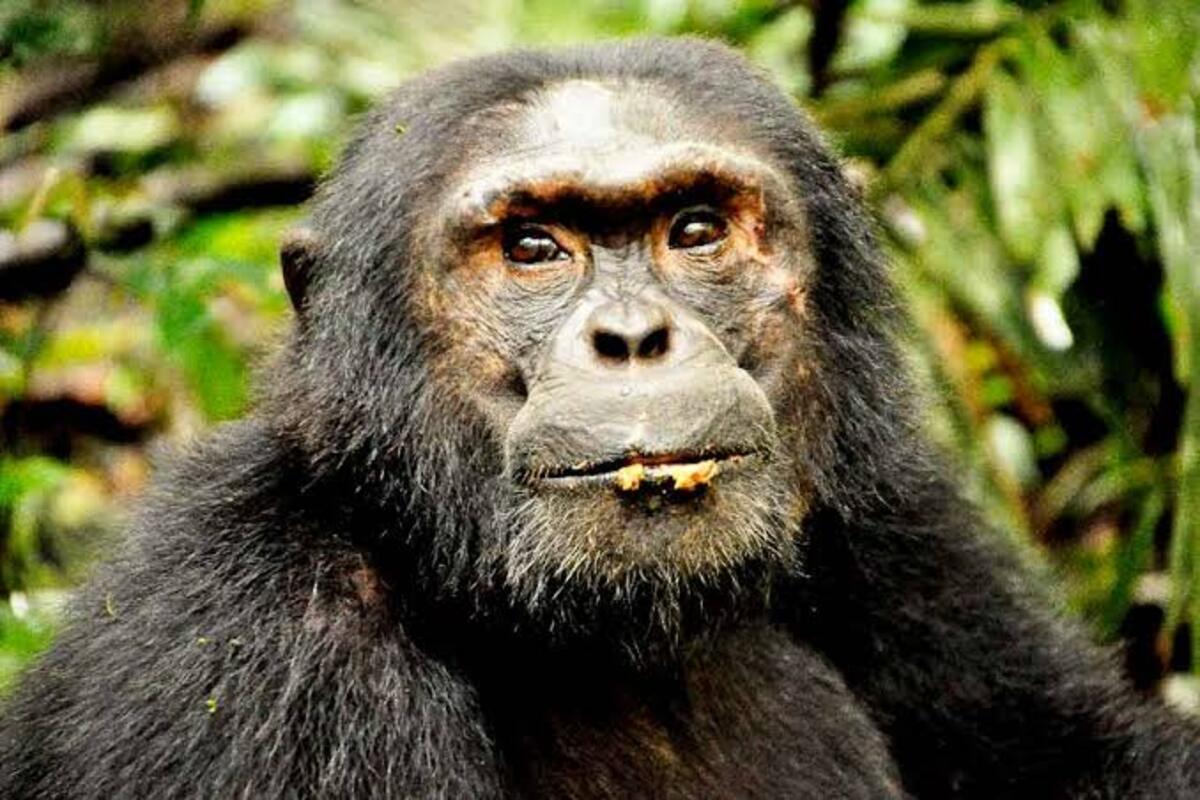
Chimpanzee Tracking
The forests of Kibale National Park are famous for chimpanzee encounters.
Many travellers enjoy comparing the behaviour of chimpanzees and mountain gorillas, two closely related but very different primates.
Game Drives and Boat Safaris
Uganda also offers classic African safari experiences.
Visitors may explore:
- Queen Elizabeth National Park for wildlife drives and boat cruises
- Murchison Falls National Park for river safaris and dramatic landscapes
- Kidepo Valley National Park for remote wilderness experiences
Wildlife highlights may include elephants, lions, buffalo, hippos, giraffes, and many bird species.
Cultural and Scenic Experiences
Travelers can also include:
- Community visits
- Birdwatching
- Nature walks
- Golden monkey trekking
- Scenic lakes such as Lake Bunyonyi
A well-designed itinerary allows travellers to experience Uganda beyond the gorilla encounter itself.
The Conservation Impact of Gorilla Tourism
Mountain gorilla conservation is one of the clearest examples of how responsible tourism can support wildlife protection.
Revenue from gorilla permits helps fund:
- Ranger patrols
- Habitat protection
- Veterinary care
- Scientific monitoring
- Anti-poaching initiatives
- Conservation education
- Local community programs
Gorilla tourism also creates employment opportunities for guides, trackers, porters, lodge staff, and communities living near protected areas.
For visitors, this means the permit is contributing to a much larger conservation effort beyond the hours spent in the forest.
Protecting gorillas requires cooperation between conservation organisations, government agencies, local communities, and responsible travellers.
Frequently Asked Questions About Gorilla Habituation and Trekking
How fit do I need to be for gorilla trekking?
You should have a reasonable level of fitness, but you do not need to be an experienced hiker.
The main challenge is walking through uneven rainforest terrain, sometimes for several hours.
Regular walking and preparation before your trip can make the experience more comfortable.
Will I definitely see gorillas?
Gorilla sightings are highly reliable because rangers track habituated families daily.
However, gorillas are wild animals, and sightings cannot be guaranteed with absolute certainty.
The trek is an opportunity to enter their habitat and observe them if conditions allow.
Can I hire a porter for gorilla trekking?
Yes! Porters are available and highly recommended. They provide practical assistance while also supporting local livelihoods.
Can seniors do the gorilla trek?
Yes, many older travelers successfully complete gorilla experiences.
However, fitness levels vary greatly. Travelers with concerns about mobility should discuss their situation before booking.
Some sectors and trekking options may be more suitable than others.
What happens if it rains during the trek?
Rain is normal in Bwindi’s rainforest.
Treks usually continue unless there are safety concerns. Waterproof clothing and proper footwear are essential.
Is there a luggage weight limit for gorilla trekking?
There is generally no special luggage limit for the trek itself, but visitors should carry only what they need in a small daypack.
Large luggage stays at your accommodation or safari vehicle.
How much should I tip gorilla guides and porters?
Tipping is not mandatory, but it is appreciated when you feel the service was good.
Many travelers choose to tip:
- Rangers and guides
- Trackers
- Porters
- Lodge staff
The amount depends on service quality and your personal budget.
Can I take photos during the gorilla experience?
Yes! Photography is allowed, but flash photography is prohibited.
Always follow ranger instructions and avoid allowing photography to interfere with the experience.
Are there toilets at the gorilla trekking starting point?
Yes, toilets are available at park headquarters.
However, there may be limited facilities once you enter the forest, so it is important to use the facilities before starting the trek.
Choosing Between Gorilla Trekking and Gorilla Habituation: Which Experience Is Right for You?
There is no single “best” gorilla experience in Uganda. The right choice depends on what you hope to gain from your time in the forest.
Both experiences offer something rare: the chance to sit quietly near mountain gorillas in their natural habitat, watching a family interact without the barriers of a traditional wildlife viewing experience.
The difference comes down to depth and time.
Choose Normal Gorilla Trekking If You Want:
- Your first mountain gorilla encounter
- A shorter and more affordable experience
- More flexibility when combining gorillas with other Uganda safari destinations
- A meaningful wildlife experience within a limited travel schedule
One hour may sound brief, but it is enough to create a powerful connection. Watching a silverback move through the forest, seeing a mother care for her infant, or observing young gorillas play can be deeply memorable.
For many travelers, the classic trek is all they need.
Choose the Gorilla Habituation Experience If You Want:
- More time observing gorilla behavior
- A smaller, quieter group
- Better opportunities for wildlife photography
- A deeper understanding of conservation work
- A more specialized experience
Four hours with a gorilla family provides more time to observe the rhythm of their day. You may see changes in behavior that are difficult to witness during a shorter visit.
However, longer does not always mean better for every traveler. The habituation experience requires more time, a higher budget, and a willingness to spend a longer day in demanding forest conditions.
The best experience is the one that matches your interests and travel style.
Gorilla Habituation Experience vs Gorilla Trekking: Quick Decision Guide
| If you are… | Best option |
| Visiting Uganda for the first time | Gorilla Trekking |
| A wildlife photographer | Gorilla Habituation |
| Traveling on a tighter budget | Gorilla Trekking |
| Interested in conservation research | Gorilla Habituation |
| Combining gorillas with a wider safari | Gorilla Trekking |
| Looking for a smaller group experience | Gorilla Habituation |
| Limited on time | Gorilla Trekking |
| Passionate about primates and behavior | Gorilla Habituation |
Planning Your Uganda Gorilla Safari With Confidence
A successful gorilla experience depends on more than choosing a permit.
The most comfortable trips are built around thoughtful planning:
- Choosing the right trekking sector
- Booking permits early
- Selecting accommodation that suits your travel style
- Allowing enough time between destinations
- Preparing physically for rainforest hiking
- Packing appropriate clothing and equipment
Many first-time visitors underestimate travel distances in Uganda. Although the country is not enormous, mountain roads and rural routes can make journeys take longer than expected.
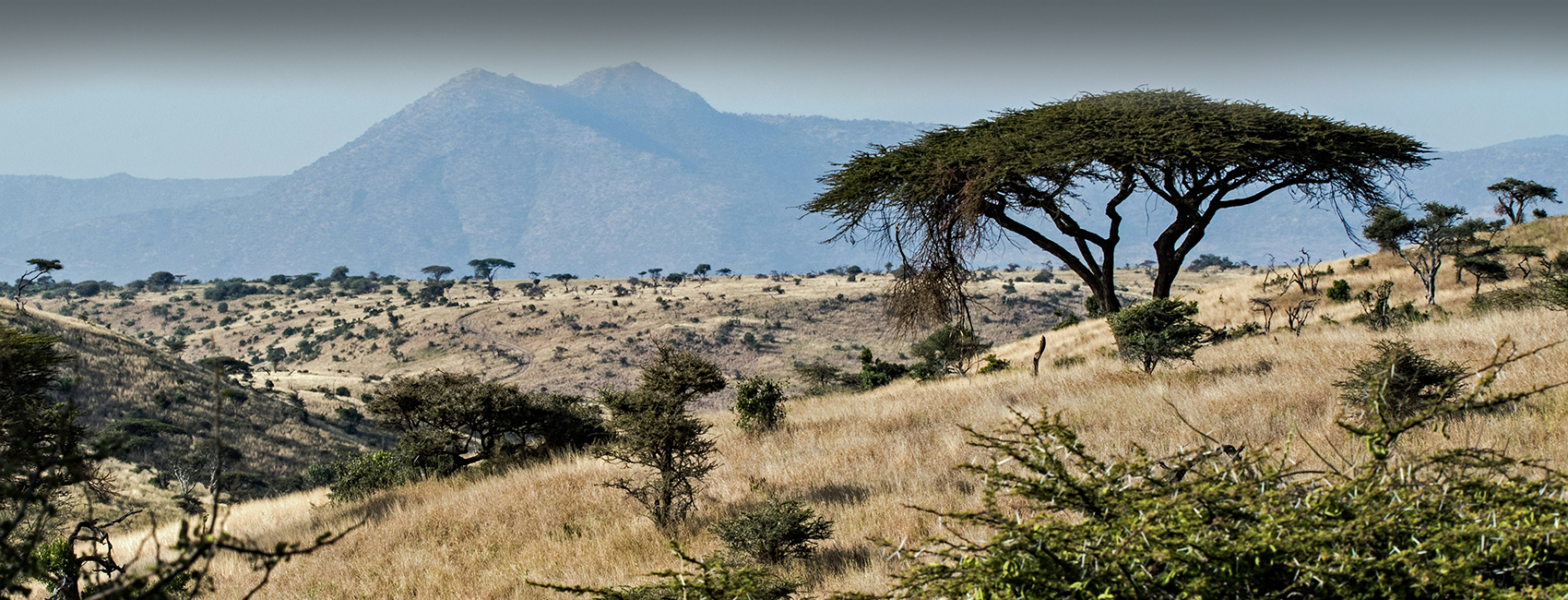
For example, traveling between safari regions often involves several hours on the road, but the changing landscapesfrom farmland and villages to forests and savannah are part of the experience.
Responsible Gorilla Tourism: Protecting the Future of the Species
A gorilla encounter is not only about what travelers receive; it is also about what they help protect.
Every responsible visitor plays a role in conservation by following park guidelines and supporting tourism systems that benefit wildlife and nearby communities.
Responsible gorilla tourism means:
- Respecting distance rules
- Avoiding visits when sick
- Following ranger instructions
- Supporting local guides and porters
- Choosing operators committed to ethical tourism practices
The continued survival of mountain gorillas depends on protecting their forest habitat and ensuring that conservation benefits reach the people who live alongside these protected areas.
A carefully managed tourism experience allows travelers to witness these animals while contributing to their protection.
Final Thoughts: A Rare Window Into the World of Mountain Gorillas
The choice between gorilla trekking and the Gorilla Habituation Experience is ultimately a choice between two different ways of experiencing the forest.
The traditional trek offers a remarkable introduction to mountain gorillas—a chance to leave the everyday world behind and spend time observing one of Earth’s most fascinating species.
The habituation experience goes further, offering additional hours, smaller groups, and a closer look at the conservation work involved in protecting these animals.
Whichever option you choose, the experience is shaped by patience, respect, and an understanding that you are entering the home of wild animals. The forest is not a stage prepared for visitors; it is a living ecosystem where every encounter happens on the gorillas’ terms.
That is what makes the experience so meaningful.
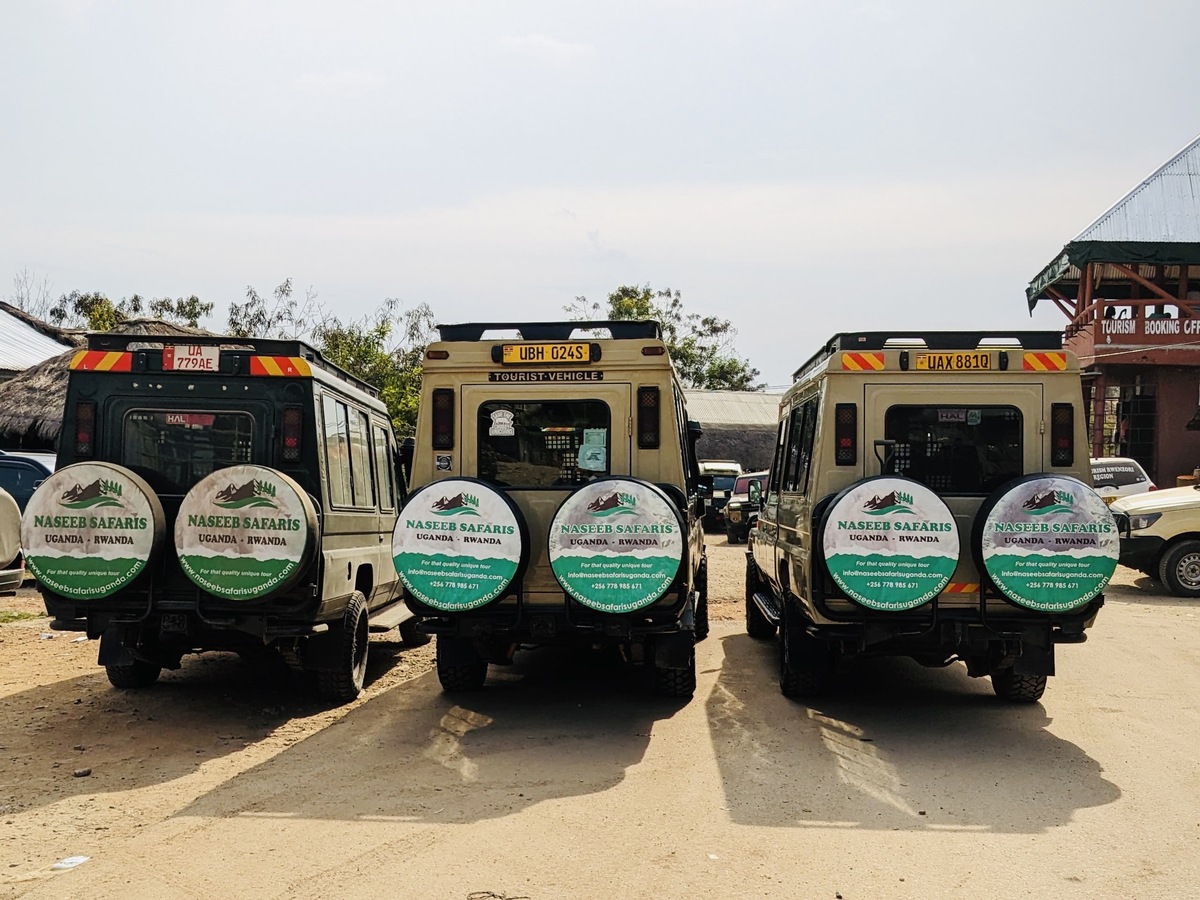
If you are planning a Uganda gorilla safari and would like help choosing between standard trekking and the Gorilla Habituation Experience, Naseeb Safaris can assist with permit planning, accommodation selection, transport arrangements, and creating an itinerary that matches your interests and travel style.
About Booking Your Gorilla Safari With Naseeb Safaris
Planning a gorilla safari involves many details, from securing permits to choosing the right lodge and arranging transportation between Uganda’s national parks.
Naseeb Safaris helps international travelers design personalized Uganda safari experiences with practical guidance throughout the planning process.
Whether you choose the one-hour gorilla trekking experience or the extended Gorilla Habituation Experience, careful preparation ensures you spend less time worrying about logistics and more time enjoying the forest.
Contact Naseeb Safaris to begin planning your Uganda gorilla adventure.