
Gorilla Trekking vs Chimpanzee Trekking in Uganda
Gorilla Trekking vs Chimpanzee Trekking in Uganda, Uganda offers something few destinations can match: the chance to step into ancient forests and meet some of our closest living relatives in their natural environment.
For many travelers planning a Uganda safari, the biggest primate decision comes down to two experiences:
- Mountain gorilla trekking in Uganda
- Chimpanzee trekking in Uganda
Both involve walking through tropical forests, both are guided wildlife encounters, and both offer rare opportunities to observe intelligent primates away from captivity. But the experiences feel very different.
A gorilla trek is often slower and more reflective. It takes you deep into rainforest terrain in search of a habituated gorilla family, where the reward is a quiet hour observing animals that share many similarities with humans.
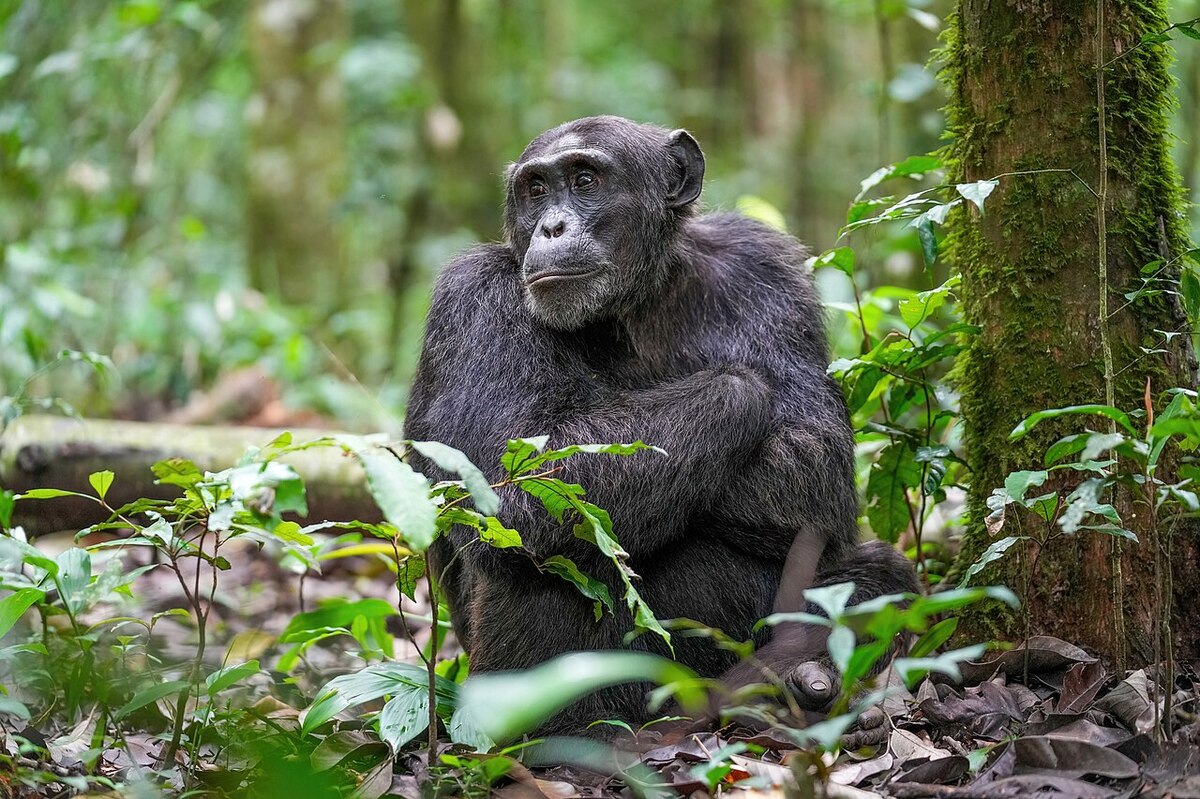
Chimpanzee trekking is usually more energetic. Chimpanzees move quickly through the forest, communicate loudly, and display complex social behaviors that make every encounter unpredictable.
So, which experience should you choose?
The answer depends on what you value most: the emotional impact of seeing endangered mountain gorillas, the excitement of observing active chimpanzee communities, your budget, your fitness level, and how much time you have in Uganda.
This guide compares gorilla trekking and chimpanzee trekking in Uganda to help you make an informed choice and prepare for your journey.
Understanding Uganda’s Primate Trekking Experiences
Uganda is often known as the Pearl of Africa because of the remarkable variety of landscapes and wildlife found within its borders. From savannah plains and crater lakes to mist-covered mountains and ancient forests, the country supports an impressive range of species.
Its forests are home to several primates, including:
- Mountain gorillas
- Chimpanzees
- Golden monkeys
- Colobus monkeys
- Mangabeys
- Other forest-dwelling species
Unlike traditional safaris where wildlife is viewed from a vehicle, primate trekking requires travelers to become part of the forest environment. The journey happens on foot, following clues left behind by animals and relying on the knowledge of experienced guides and trackers.
A typical primate trekking experience involves:
- Walking through natural forest habitats
- Learning about animal behavior and conservation
- Following signs such as calls, nests, and movement patterns
- Spending controlled viewing time near habituated primate groups
The forests are not predictable environments. Some days involve short walks before animals are found, while others require longer hikes over uneven ground. That uncertainty is part of what makes these encounters different from conventional wildlife viewing.
Both gorilla and chimpanzee trekking require patience, respect for wildlife, and an understanding that visitors are entering the animals’ habitat rather than visiting an attraction created for humans.
Gorilla Trekking in Uganda: A Close Encounter with Mountain Gorillas
Gorilla trekking is one of Uganda’s most sought-after wildlife experiences.
The adventure involves hiking through rainforest to locate a habituated family of mountain gorillas. Once the group is found, visitors spend a limited period observing their behavior under the guidance of trained trackers and park rangers.
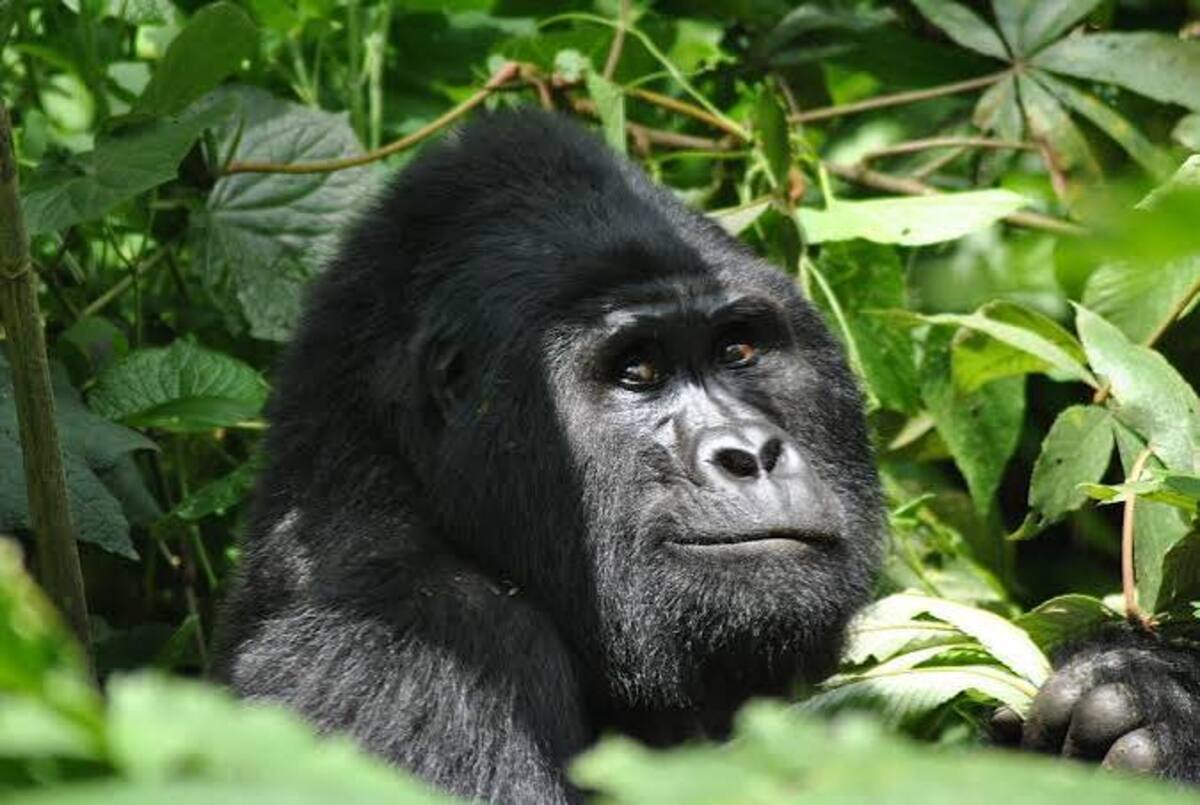
The experience is powerful because gorillas share many physical and behavioral similarities with humans. They live in family groups, care for their young, communicate socially, and display individual personalities.
Mountain gorillas share approximately 98% of their DNA with humans, which helps explain why encounters often feel remarkably personal.
However, the experience should not be viewed as a guaranteed close interaction. Gorillas remain wild animals, and their behavior changes depending on their location, mood, and surroundings. The goal is respectful observation, not interaction.
Where Can You Go Gorilla Trekking in Uganda?
Uganda has two main destinations for mountain gorilla trekking:
- Bwindi Impenetrable National Park
- Mgahinga Gorilla National Park
Both parks protect populations of endangered mountain gorillas, but each offers a different trekking environment.
Bwindi Impenetrable National Park
Bwindi is Uganda’s most famous gorilla trekking destination and home to numerous habituated gorilla families.
The forest is ancient and dense, with tangled vegetation, steep valleys, and a network of trails that pass through one of Africa’s most important rainforest ecosystems.
The park is divided into four main trekking sectors:
- Buhoma
- Ruhija
- Rushaga
- Nkuringo
Each sector has its own character.
Some areas are better suited for travelers who prefer shorter or less demanding hikes, while others involve steeper terrain and longer walks. Choosing the right sector can make a significant difference, especially for older travelers, families, or visitors concerned about fitness.
Mgahinga Gorilla National Park
Located in southwestern Uganda near the borders of Rwanda and the Democratic Republic of Congo, Mgahinga forms part of the larger Virunga conservation landscape.
The park offers a different atmosphere from Bwindi. Its volcanic scenery, bamboo forests, and mountain setting create a unique trekking environment.
Mgahinga generally receives fewer visitors, making it appealing for travelers looking for a quieter forest experience.
The park is also home to golden monkeys, allowing visitors to combine different primate experiences in one location.
What Happens During a Gorilla Trek?
A gorilla trekking day usually starts early in the morning.
After arriving at the park headquarters, visitors attend a briefing where rangers explain:
- Safety guidelines
- Trekking expectations
- Gorilla conservation rules
- How to behave during the encounter
Visitors are then assigned a gorilla family and begin walking into the forest with guides and trackers.
A typical day follows this pattern:
- Arrival at the park headquarters
- Ranger briefing
- Meeting guides and trackers
- Entering the forest
- Searching for the assigned gorilla group
- Spending approximately one hour observing the gorillas
- Returning from the forest
The total duration varies considerably.
Some travelers may reach gorillas within an hour, while others may spend several hours hiking before finding them. The location of each gorilla family changes naturally as they move through the forest.
The trek itself is part of the experience.
How Difficult Is Gorilla Trekking?
Gorilla trekking is often described as a moderate to challenging activity, but difficulty varies greatly between individuals and trekking locations.
The main factors affecting difficulty include:
- Where the gorilla family is located
- Weather conditions
- Trail quality
- Altitude
- Personal fitness level
Travelers should expect:
- Uneven forest paths
- Mud, especially during rainy periods
- Steep climbs and descents
- Dense vegetation
- Humid conditions
Bwindi is not a paved hiking trail. It is a living rainforest environment where routes can change depending on conditions.
That said, gorilla trekking is not only for experienced hikers. Many travelers with average fitness levels complete the trek successfully when they prepare properly.
Helpful preparation includes:
- Walking regularly before your trip
- Practicing with your hiking boots
- Building stamina through longer walks
- Carrying only essential items
Travelers who need additional support can hire a porter. Porters assist with carrying bags and helping on difficult sections of the trail.
Hiring a porter is also a meaningful way to support nearby communities because many porters come from villages surrounding the parks.
Chimpanzee Trekking in Uganda: Exploring the World of Our Closest Relatives
While gorilla trekking is often associated with quiet, emotional encounters, chimpanzee trekking offers a faster-paced look into the lives of highly social and intelligent primates.
Chimpanzees are among humans’ closest living relatives. Their behavior can feel surprisingly familiar: they communicate through complex vocalizations, form strong social bonds, care for their young, use tools and use problem-solving skills within their communities.
A chimpanzee encounter is rarely still.
Visitors may hear loud calls echoing through the forest before seeing the animals themselves. Chimpanzees can move quickly between trees, travel in groups, feed together, or suddenly disappear into dense vegetation.
The experience is less about a single quiet moment and more about observing an active society unfolding in the forest.
Where Can You Go Chimpanzee Trekking in Uganda?
Uganda has several excellent locations for chimpanzee tracking. The best choice depends on your wider safari plans, travel route, and the type of forest experience you prefer.
The main chimpanzee trekking destinations include:
- Kibale National Park
- Budongo Forest Reserve
- Kyambura gorge
- Kalinzu forest reserve
Each destination offers something different.
Kibale National Park: Uganda’s Leading Chimpanzee Destination
Kibale is Uganda’s most famous destination for chimpanzee trekking and is widely recognized for its rich primate diversity often referred to as the primate capital of the world.
The forest landscape includes towering trees, shaded trails, and a remarkable concentration of primate species.
Beyond chimpanzees, visitors may encounter:
- Red-tailed monkeys
- Black-and-white colobus monkeys
- Blue monkeys
- Forest birds and butterflies
Chimpanzee trekking in Kibale usually begins with a morning briefing before entering the forest with trained guides and trackers.
The guides follow signs of chimpanzee activity, including:
- Vocalizations
- Fresh nests
- Feeding remains
- Movement through the forest
Kibale is also known for chimpanzee habituation experiences, which allow visitors to spend more extended periods learning about chimpanzee behaviour.
Budongo Forest Reserve: Chimpanzees Near Murchison Falls
Located near Murchison Falls National Park, Budongo Forest offers a convenient chimpanzee trekking option for travelers exploring northern Uganda.
The forest is known for:
- Long-term chimpanzee research
- Experienced guides
- Mature rainforest scenery
- Fewer visitors compared with some other trekking locations
For travelers combining chimpanzee tracking with a classic savannah safari, Budongo can be a practical addition.
A typical itinerary might combine:
- Chimpanzee trekking
- Game drives in Murchison Falls National Park
- A boat cruise along the Nile River
- Wildlife viewing on the savannah
This combination gives travelers a broader view of Uganda’s ecosystems, from rainforest habitats to open grasslands.
Kyambura Gorge: Chimpanzees in Queen Elizabeth National Park
Within Queen Elizabeth National Park, chimpanzee tracking takes place in Kyambura Gorge.
The gorge creates a dramatic setting, with forest vegetation surrounded by the wider savannah landscape of the park.
This makes it an attractive option for travelers who want to combine primate trekking with traditional safari activities.
A visit here can be paired with:
- Game drives searching for lions, elephants, buffalo, and other wildlife
- Boat cruises on the Kazinga Channel
- Birdwatching
- Scenic viewpoints
What Happens During Chimpanzee Trekking?
Chimpanzee trekking usually begins with a briefing at the forest entrance.
Visitors then enter the forest with guides who search for chimpanzee communities using knowledge of their movements and daily routines.
Guides may look for:
- Fresh nests built in trees
- Feeding areas
- Footprints
- Calls and vocal communication
- Signs of recent movement
Once chimpanzees are located, visitors observe them while maintaining respectful distances.
Unlike gorillas, chimpanzees are often more mobile. They may climb trees, travel through the forest, or communicate loudly with other members of their group.
This makes photography exciting but also more challenging.
The experience rewards patience and attention. Sometimes the most memorable moments are not the closest views but the sounds, movements, and social interactions happening around you.
Gorilla Trekking vs Chimpanzee Trekking: Key Differences at a Glance
Gorilla trekking and chimpanzee trekking are both exceptional wildlife experiences, but they appeal to different types of travelers.
The main differences are found in:
- The animals you encounter
- The style of interaction
- Physical demands
- Cost
- Forest environments
- Photography opportunities
- Overall atmosphere
| Feature | Gorilla Trekking | Chimpanzee Trekking |
| Main locations | Bwindi and Mgahinga | Kibale, Budongo, Kyambura Gorge, kalinzu |
| Animal | Mountain gorillas | Chimpanzees |
| Experience style | Quiet, intimate, reflective | Active, energetic, behavioral |
| Typical trek duration | Around 1–8 hours depending on location | Around 1–4 hours depending on location |
| Physical challenge | Moderate to challenging | Moderate |
| Permit cost | Higher | Lower |
| Group size | More limited | Usually larger |
| Best suited for | Travelers seeking a rare wildlife encounter | Travelers interested in primate behavior |
| Photography style | Portraits and family interactions | Movement and social activity |
| Landscape | Mountain rainforest | Tropical forest environments |
Gorilla Trekking vs Chimpanzee Trekking Cost in Uganda
Cost is one of the biggest factors travelers consider when deciding between these two experiences.
Both contribute to conservation, but gorilla trekking generally requires a larger budget because of the intensive protection measures surrounding mountain gorillas.
Gorilla Trekking Cost Considerations
Gorilla trekking is a premium wildlife experience because visitor numbers are carefully controlled.
The cost reflects:
- Limited daily trekking permits
- Ranger protection and monitoring
- Conservation programs
- Habitat protection
- Community support initiatives
The largest individual expense is the gorilla permit.
A complete gorilla trekking safari may also include:
- Transportation
- Accommodation
- Meals
- Guide services
- Park-related arrangements
Because permits are limited, travellers should plan ahead, especially when visiting during popular travel periods.
Chimpanzee Trekking Cost Considerations
Chimpanzee trekking is generally more affordable, making it easier to include in a wider Uganda itinerary.
It is especially suitable for:
- Travelers with a smaller budget
- Families
- Visitors with limited time
- Travelers planning multiple wildlife experiences
Chimpanzee trekking also combines easily with other attractions.
For example, a traveler can create a route including:
- Chimpanzee trekking in Kibale
- Wildlife viewing in Queen Elizabeth National Park
- A boat cruise on the Kazinga Channel
- Gorilla trekking in Bwindi
This combination allows visitors to experience Uganda’s forests, lakes, mountains, and savannah landscapes in one journey.
Why Is Gorilla Trekking More Expensive Than Chimpanzee Trekking?
The price difference is mainly connected to conservation requirements.
Mountain gorillas remain endangered and live within a limited range of protected forests. Their survival depends on careful monitoring and strict control of human interaction.
Gorilla tourism supports:
- Ranger teams
- Wildlife monitoring
- Forest conservation
- Anti-poaching efforts
- Community programs
The limited number of daily visitors helps reduce pressure on gorilla families while generating funding for protection.
Chimpanzee tourism also contributes to conservation by demonstrating the value of protecting forest ecosystems. However, the management approach and visitor regulations differ from gorilla trekking.
Responsible tourism choices help ensure that wildlife and local communities continue to benefit from these experiences.
Gorilla Trekking vs Chimpanzee Trekking: Which Is More Difficult?
Physical preparation is one of the most important considerations when choosing between gorilla trekking and chimpanzee trekking in Uganda.
Both experiences involve walking through natural forest environments, but the type of challenge is different.
Gorilla trekking is generally more demanding because of the terrain and unpredictable conditions. Chimpanzee trekking is often easier, although it still requires a reasonable level of fitness and comfort with walking.
Your personal fitness, age, health, and expectations matter more than simply choosing one activity over the other.
Gorilla Trekking Difficulty: Challenging but Achievable
Gorilla trekking takes place in mountainous rainforest environments, particularly in southwestern Uganda.
The challenge comes from a combination of:
- Steep slopes
- Dense vegetation
- Muddy trails
- Humidity
- Uneven terrain
- Changing weather conditions
Some treks involve climbing hills or moving through thick forest where there may not be clearly defined paths.
However, gorilla trekking is not only for experienced hikers.
Many travelers complete the trek successfully with basic preparation. The pace is controlled by the group, and guides adjust the route depending on conditions and the abilities of participants.
Before your trek, it helps to:
- Walk regularly
- Practice longer hikes if possible
- Break in your hiking boots
- Improve general stamina
- Avoid carrying unnecessary weight
Travelers who are concerned about physical demands can discuss their needs before the trek. Porters are available to provide assistance, and choosing a suitable trekking sector can also make a difference.
Chimpanzee Trekking Difficulty: More Accessible for Many Travelers
Chimpanzee trekking is usually considered less physically demanding than gorilla trekking.
Many chimpanzee tracking locations have:
- Lower elevations
- More established trails
- Less steep terrain
However, it is still a forest activity.
Visitors should expect:
- Several kilometers of walking
- Uneven paths
- Warm and humid conditions
- Occasional muddy sections
The main difference is that chimpanzees are often more mobile than gorillas. After finding them, visitors may need to keep moving as the animals travel through the forest.
For many travelers, this creates an exciting sense of exploration.
Gorilla Trekking vs Chimpanzee Trekking: Which Offers the Better Wildlife Encounter?
There is no single answer because the experiences create different types of connections with wildlife.
The better choice depends on what you want to observe.
Gorilla Encounters: Quiet, Personal, and Reflective
A gorilla encounter is often valued because of the closeness and calmness of the experience.
After trekking through the forest, visitors may spend time observing a gorilla family as they:
- Feed on vegetation
- Rest beneath trees
- Care for young gorillas
- Interact within the group
Silverbacks may sit nearby while younger gorillas play or explore.
The atmosphere is usually quiet. Visitors often find themselves watching small details: a mother grooming her infant, a young gorilla testing its surroundings, or a family member moving slowly through the forest.
The experience is not about entertainment. It is about observing another species living naturally in its own environment.
Chimpanzee Encounters: Active, Social, and Unpredictable
Chimpanzees provide a different type of wildlife experience.
Their social lives are complex, and their behavior can change quickly.
Visitors may observe:
- Chimpanzees calling to each other
- Individuals moving through trees
- Groups feeding together
- Adults interacting with younger chimpanzees
- Grooming and social behaviors
For travelers interested in animal intelligence, communication, and evolution, chimpanzees are fascinating subjects.
Their energy and movement make each encounter different.
Best Time for Gorilla Trekking in Uganda
Gorilla trekking is available throughout the year, but some months are more comfortable for hiking and travel.
Many travelers prefer Uganda’s drier seasons:
June to September
Advantages include:
- Generally easier hiking conditions
- Less rainfall
- More comfortable forest walks
- Easier road travel between destinations
December to February
Benefits include:
- Pleasant travel conditions
- Good opportunities to combine gorilla trekking with other safari activities
- Popular holiday travel period
However, it is important to remember that Uganda’s forests are naturally wet environments. Rain is possible even during drier months.
The advantage of visiting during wetter periods is that the forests become greener, and there may be fewer travellers on the trails.
Best Time for Chimpanzee Trekking in Uganda
Chimpanzee trekking also takes place throughout the year.
The most popular periods are generally:
June to September
Benefits:
- Easier walking conditions
- More comfortable forest exploration
- Better road conditions
December to February
Benefits:
- Pleasant weather
- Good combination with other safari activities
Chimpanzees remain active throughout the year, so visiting during the rainy season can still provide excellent encounters.
Rainy periods may bring wetter trails, but the forest is often at its most vibrant, with fresh vegetation and active birdlife.
Gorilla Trekking vs Chimpanzee Trekking Photography Tips
Both experiences offer excellent photography opportunities, but they require different approaches.
Rainforest photography can be challenging because forests are often dark, humid, and unpredictable.
Photographing Mountain Gorillas
Gorilla photography often focuses on:
- Facial expressions
- Family relationships
- Individual personalities
- Quiet moments
Because gorillas are usually calmer than chimpanzees, photographers often have more time to compose images.
Helpful photography tips:
- Use a camera with good low-light performance
- Carry spare batteries
- Protect equipment from rain
- Bring a lens cloth
- Avoid using flash
Flash photography is not allowed during primate encounters because it can disturb the animals.
Photographing Chimpanzees
Chimpanzee photography can be more challenging because the animals move quickly.
Great images often capture:
- Movement through branches
- Social interactions
- Feeding behavior
- Communication moments
Helpful tips:
- Use faster shutter speeds
- Carry extra memory cards
- Keep your camera ready
- Listen carefully to guide instructions
The best chimpanzee photographs often come from patience rather than simply having expensive equipment.
Gorilla Trekking vs Chimpanzee Trekking for Families
Families considering a Uganda primate safari should think carefully about age, interests, and physical ability.
Both experiences can be educational, but they suit different family situations.
Gorilla Trekking With Children and Families
Gorilla trekking can be appropriate for families with older children, but preparation is important.
Families should consider:
- Minimum age requirements like 15 years
- Hiking ability
- Weather conditions
- Length of trek
- Comfort with outdoor activities
The experience can provide valuable lessons about:
- Wildlife conservation
- Forest ecosystems
- Endangered species protection
For children interested in animals and nature, seeing gorillas in their habitat can be deeply educational.
Chimpanzee Trekking With Families
Chimpanzee trekking is often easier for families because:
- Trails may be less demanding
- The activity can be shorter
- The animals are active and engaging
Children often enjoy chimpanzee encounters because the animals display behaviors that are easier to recognize, such as playing, communicating, and interacting socially.
For families with younger travelers or mixed fitness levels, chimpanzee trekking may be the more practical option.
Combining Gorilla and Chimpanzee Trekking in One Uganda Safari
Many travelers find it difficult to choose between the two experiences because each offers something different.
Fortunately, Uganda makes it possible to combine both.
A well-planned primate safari can include:
- Chimpanzee trekking in Kibale Forest
- Wildlife viewing in Queen Elizabeth National Park or Murchison falls national park
- Gorilla trekking in Bwindi
- Scenic stops and cultural experiences along the route
A sample itinerary might look like this:
Days 1–2: Arrival in Uganda
Arrive in Entebbe, settle in, and prepare for the safari.
Days 3–4: Kibale Forest
Explore the rainforest and experience chimpanzee trekking.
Days 5–6: Queen Elizabeth National Park
Enjoy game drives and a boat cruise along the Kazinga Channel.
Days 7–10: Bwindi Impenetrable Forest
Travel south for gorilla trekking and explore the surrounding landscapes.
Final Days: Relaxation and Cultural Experiences
Depending on your route, travelers may include lakes, communities, scenic viewpoints, or additional wildlife experiences.
Combining both primate experiences provides a broader understanding of Uganda’s natural diversity.
You experience:
- Ancient forests
- Mountain landscapes
- Savannah ecosystems
- Lakes and wetlands
- Different primate species
Which Experience Should You Choose?
The right choice depends on your priorities.
Choose Gorilla Trekking If You Want:
✓ A rare encounter with endangered mountain gorillas
✓ A quieter and more emotional wildlife experience
✓ A deeper connection with conservation efforts
✓ A major highlight of your Uganda safari
✓ Time observing family behavior in the forest
Choose Chimpanzee Trekking If You Want:
✓ A more affordable primate experience
✓ Active and unpredictable animal behavior
✓ A forest adventure with excellent biodiversity
✓ A more accessible trekking option
✓ An opportunity to study primate intelligence and social life
Choose Both If Your Budget and Time Allow
Gorillas and chimpanzees are not competing experiences. They complement each other.
One introduces you to a calm forest giant living in a small family group. The other reveals the energy and complexity of one of the world’s most socially advanced animals.
Together, they create a fuller picture of Uganda’s forests and conservation story.
How to Prepare for a Gorilla or Chimpanzee Trekking Adventure in Uganda
Choosing between gorilla trekking and chimpanzee trekking is only the first step. Good preparation can make the difference between a difficult day in the forest and a comfortable, rewarding experience.
Uganda’s rainforests are living ecosystems, not controlled walking trails. Conditions can change quickly. A sunny morning can turn into a misty afternoon, and dry paths can become muddy after rainfall.
Whether you are tracking gorillas in Bwindi, searching for chimpanzees in Kibale, or combining both experiences, preparation helps you enjoy the journey while respecting the environment you are visiting.
Essential Packing List for Gorilla and Chimpanzee Trekking
The right equipment does not need to be complicated, but a few items are especially important.
- Comfortable Hiking Boots
Good footwear is one of the most important parts of your trekking preparation.
Choose hiking boots with:
- Strong grip
- Good ankle support
- Comfortable fit
- Waterproof protection
Forest trails can become slippery and muddy, especially during rainy periods. Wearing new boots for the first time on the trek is a common mistake. Break them in before your safari to avoid discomfort or blisters.
- Long Trousers and Long-Sleeved Shirts
Long clothing provides practical protection from:
- Branches
- Thorny vegetation
- Insects
- Mud
- Wet leaves
Lightweight, breathable, quick-drying materials work best.
Many travelers choose natural colors such as:
- Khaki
- Brown
- Green
- Beige
These colors are comfortable in forest environments and avoid standing out unnecessarily during wildlife viewing.
Avoid heavy cotton clothing, which can remain damp for a long time after rain or sweating.
- Waterproof Jacket or Rain Layer
Rain can occur at any time in tropical forests.
A lightweight waterproof jacket is useful for:
- Gorilla trekking in Bwindi
- Chimpanzee tracking in Kibale
- Forest walks
- Unexpected weather changes
A waterproof cover for your backpack is also helpful, especially if you are carrying cameras or electronic equipment.
- Small Backpack
A comfortable daypack allows you to carry essentials without making the trek unnecessarily tiring.
Useful items include:
- Drinking water
- Camera equipment
- Snacks
- Rain jacket
- Personal medication
- Extra layers
Avoid carrying a large bag. The less weight you carry, the easier it is to move through forest terrain.
- Gardening Gloves
Simple gardening gloves are surprisingly useful during forest trekking.
They can protect your hands when:
- Holding vegetation for balance
- Moving through dense plants
- Supporting yourself on steep sections
They are inexpensive, lightweight, and particularly useful during gorilla trekking where trails may pass through thick vegetation.
- Camera Equipment
The forest environment creates unique photography conditions.
Helpful equipment includes:
- Extra camera batteries
- Additional memory cards
- Waterproof camera protection
- Lens cleaning cloth
Rainforest lighting can be challenging because sunlight is often filtered through thick canopy.
For most travelers, a camera with good low-light performance is more useful than simply having a large zoom lens.
Remember:
- Flash photography is not permitted with primates
- Wildlife should always come before getting the perfect photograph
- Follow ranger instructions at all times
- Insect Protection and Personal Items
Although rainforest trekking is different from many travelers’ expectations, insect protection remains useful.
Consider bringing:
- Insect repellent
- Personal medications
- Sunscreen
- Sunglasses
- Small personal first-aid supplies
Your safari operator can also advise on recommended health preparations before travel.
Health and Fitness Preparation for Primate Trekking
You do not need to be a professional athlete to enjoy gorilla or chimpanzee trekking.
However, a reasonable level of fitness will make the experience more comfortable.
Before your trip, prepare by:
- Walking regularly
- Taking longer walks or hikes
- Practicing with your trekking shoes
- Improving general stamina
The goal is not speed.
Forest trekking is usually done at a steady pace, and experienced guides adjust according to the group.
Travelers should honestly consider their own abilities when choosing a trekking location. Some gorilla sectors involve more demanding terrain than others like Nkuringo.
Older travelers and visitors with mobility concerns should discuss options with their tour operator before booking.
What to Expect If It Rains During Your Trek
Rain is part of the rainforest experience.
A common mistake first-time visitors make is expecting dry-season conditions to mean no rain at all.
In Uganda’s forests:
- Weather can change quickly
- Trails may become muddy
- Vegetation can become wet
- Visibility may vary
Rain does not usually stop trekking.
In fact, some travelers enjoy the forest most during wetter conditions because the vegetation becomes greener and the atmosphere feels more alive.
The important thing is arriving prepared with:
- Waterproof clothing
- Proper footwear
- Patience
- A flexible attitude
Responsible Wildlife Viewing During Gorilla and Chimpanzee Encounters
Primate tourism depends on protecting the animals and their habitats.
Visitors are guests in these forests, and responsible behavior helps ensure these experiences continue for future generations.
Maintain a Respectful Distance
Keeping distance from wildlife helps protect both animals and people.
It reduces:
- Stress for primates
- Risk of disease transmission
- Unnecessary disturbance
Even when animals appear calm, they remain wild.
Avoid Flash Photography
Flash photography is not allowed during primate encounters.
Bright flashes can disturb animals, especially during close observation periods.
Natural light photography usually produces better images anyway because it captures the real atmosphere of the forest.
Keep Voices Low
Quiet observation often creates the best wildlife moments.
Lower voices allow visitors to notice:
- Bird calls
- Forest sounds
- Animal communication
- Natural behavior
The forest is not just something to see; it is something to experience through all your senses.
Follow Ranger Instructions
Your guides and trackers understand:
- Animal behavior
- Trail conditions
- Safety procedures
- Conservation rules
Their guidance protects visitors and wildlife while improving the quality of the encounter.
Gorilla and Chimpanzee Trekking Conservation Impact
Primate tourism plays an important role in protecting Uganda’s forests and wildlife.
When travelers participate in regulated trekking experiences, tourism revenue contributes toward:
- Wildlife monitoring
- Ranger programs
- Forest protection
- Conservation initiatives
- Local community development
Gorilla tourism has become an important example of how carefully managed tourism can support endangered species protection.
Because mountain gorillas live in limited habitats and face ongoing conservation challenges, strict visitor regulations are necessary.
Chimpanzee tourism also contributes to conservation by showing the value of protecting forests and supporting communities living near these ecosystems.
Choosing responsible operators like Naseeb safaris and respecting park guidelines helps ensure tourism benefits both wildlife and people.
Frequently Asked Questions About Gorilla Trekking vs Chimpanzee Trekking in Uganda
Is gorilla trekking better than chimpanzee trekking?
Neither experience is universally better. They offer different types of wildlife encounters.
Gorilla trekking is ideal for travelers looking for a rare and emotionally powerful meeting with endangered mountain gorillas.
Chimpanzee trekking is better suited for travelers interested in active behavior, communication, and primate social life.
The best choice depends on your interests, budget, fitness, and travel plans.
Can I do both gorilla and chimpanzee trekking in Uganda?
Yes! Many travelers combine both experiences in one Uganda safari.
A combined itinerary often includes:
- Kibale Forest for chimpanzees
- Queen Elizabeth National Park for wildlife viewing
- Bwindi for gorillas
This allows visitors to experience several of Uganda’s major ecosystems in one journey.
Which trekking experience is easier?
Chimpanzee trekking is generally considered easier because many locations have less challenging terrain.
Gorilla trekking can involve steeper slopes, thicker vegetation, and longer hikes.
However, difficulty varies depending on where animals are located and the conditions on the day.
Which experience is more memorable?
Many travelers find both experiences memorable for different reasons.
Gorilla trekking often creates a strong emotional connection because visitors spend quiet time near a gorilla family.
Chimpanzee trekking stands out because of the animals’ intelligence, movement, and complex social behavior.
How long do you spend with gorillas?
Visitors normally spend about one hour observing a habituated gorilla family after locating them.
The total experience lasts longer because the trek to and from the gorillas depends on their location.
How long do you spend with chimpanzees?
Standard chimpanzee trekking usually allows around one hour with the chimpanzees after they are found.
Some destinations like Kibale offer chimpanzee habituation experiences, which allow visitors to spend longer periods observing and learning about chimpanzee behavior.
Do I need to be very fit for gorilla trekking?
You do not need to be an experienced hiker, but preparation is recommended.
Travelers should be comfortable walking for several hours over uneven forest terrain.
Porters are available to provide assistance, and choosing the right trekking sector can help match the experience to your ability.
What is the best month for gorilla trekking in Uganda?
Gorilla trekking is possible throughout the year.
Many travelers prefer:
- June to September
- December to February
because these periods often provide more comfortable hiking conditions.
However, every season has advantages, including the greener landscapes of wetter months.
What is the best month for chimpanzee trekking in Uganda?
Chimpanzee trekking is available year-round.
The drier months are popular because trails are generally easier, but chimpanzees remain active during rainy seasons as well.
Can seniors do gorilla trekking?
Yes, many older travelers complete gorilla trekking, but preparation and planning are important.
Consider:
- Fitness level
- Trekking sector selection
- Porter assistance
- Personal comfort with hiking
A private consultation before travel can help create a more suitable itinerary.
Can I wear shorts during gorilla or chimpanzee trekking?
You can, but long trousers are generally more recommended.
Long clothing provides better protection from:
- Vegetation
- Insects
- Mud
- Scratches
Lightweight trekking trousers are usually the most comfortable choice.
Are there toilets during the trek?
Toilets are generally available at the starting point, but facilities inside the forest are limited.
Trekkers should use available facilities before entering the forest and follow ranger guidance if they need assistance during longer hikes.
How much should I tip guides, trackers, and porters?
Tipping is appreciated but not mandatory.
Many travelers choose to tip when they receive good service.
Common recipients include:
- Guides
- Trackers
- Porters
- Lodge staff
The amount depends on the quality of service, group size, and personal budget.
A local safari operator can advise on appropriate tipping practices.
Is there a luggage weight limit for trekking?
There is usually no strict luggage limit for the trek itself, but travelers should avoid carrying heavy bags into the forest.
A small daypack with essentials is recommended.
Main luggage is normally stored at your accommodation or transported separately depending on your itinerary.
Choosing Between Gorilla and Chimpanzee Trekking in Uganda
Gorilla trekking and chimpanzee trekking represent two different ways of discovering Uganda’s forests.
A gorilla trek takes you into the world of a vulnerable species living in small family groups among mountain forests. It is a slower experience built around patience, observation, and conservation.
Chimpanzee trekking reveals a different side of the forest: movement, communication, intelligence, and complex social relationships.
Neither replaces the other.
For travelers with enough time, combining both creates one of the most complete wildlife experiences Uganda can offer. You move from rainforest to savannah, from quiet observation to energetic encounters, and gain a deeper understanding of the ecosystems that make this country unique.
The best primate adventure is the one that matches your interests, comfort level, and travel goals.
If you are planning a gorilla trekking or chimpanzee trekking safari in Uganda, Naseeb Safaris can help you design a journey that fits your preferred pace, budget, and interests, from choosing the right trekking location to arranging permits, accommodation, transport, and a complete Uganda safari itinerary.