
Everything You Need to Know Before Gorilla Trekking in Africa
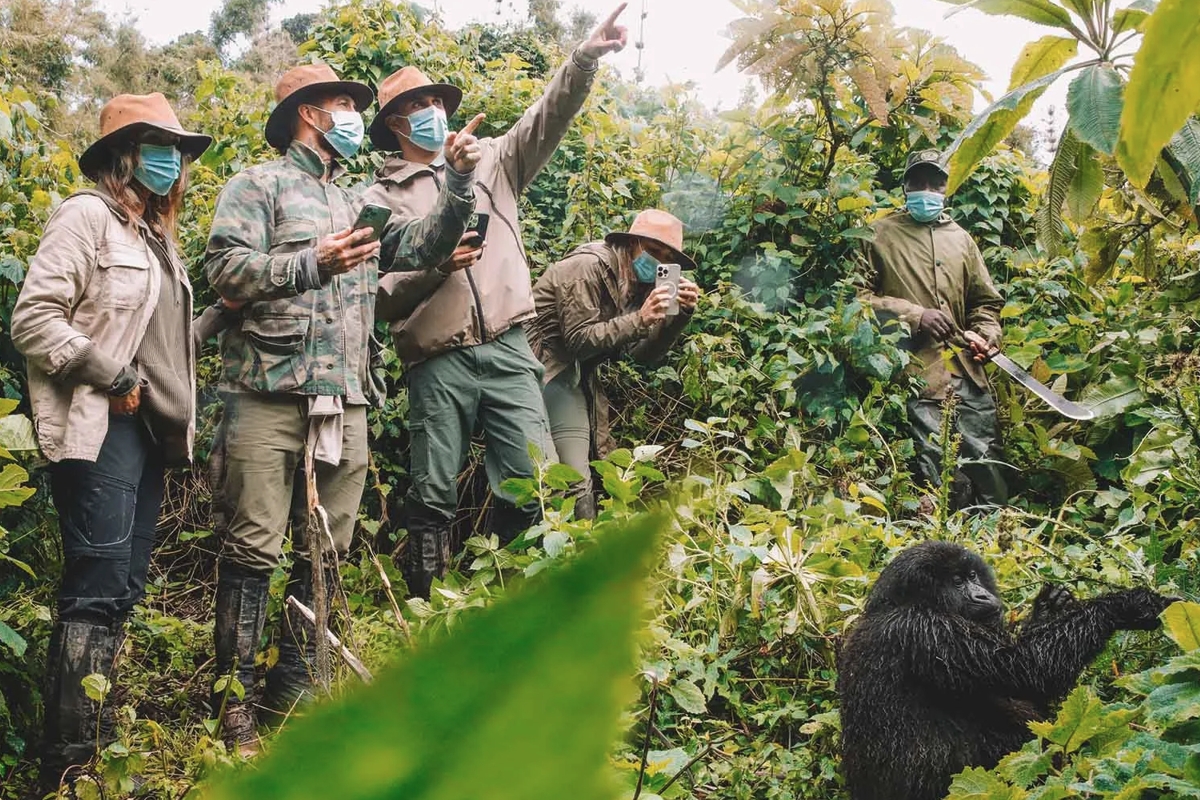
Everything You Need to Know Before Gorilla Trekking in Africa, Gorilla trekking in Uganda and Rwanda is one of the most extraordinary wildlife experiences in Africa. Walking through an ancient rainforest, listening to the sounds of nature and eventually coming face to face with a family of mountain gorillas is a moment that many travellers dream about for years. However, planning a successful gorilla trekking safari involves more than booking a flight and arriving at the forest. Travellers need to understand gorilla permits, trekking destinations, accommodation, transport, physical fitness, weather conditions and the rules that protect these endangered primates.
Uganda and Rwanda are two of the world’s most important destinations for mountain gorilla trekking. Uganda offers encounters in Bwindi Impenetrable National Park and Mgahinga Gorilla National Park, while Rwanda’s gorilla trekking takes place in Volcanoes National Park. Although the experience is similar in both countries, each destination offers different landscapes, accommodation options, accessibility and opportunities to combine gorilla trekking with other wildlife experiences.
At Naseeb Safaris Uganda, we understand that planning your first gorilla trekking safari can raise many questions. Is Uganda or Rwanda better for gorilla trekking? How difficult is the hike? When should you book your permit? What should you pack? Can you trek gorillas in Uganda while arriving through Kigali? This guide explains 35 essential things to know before gorilla trekking in Uganda and Rwanda, helping you prepare for a memorable African safari.
-
Choose Between Gorilla Trekking in Uganda and Rwanda
One of the first decisions when planning a gorilla trekking safari is choosing between Uganda and Rwanda. Both countries offer exceptional opportunities to encounter habituated mountain gorilla families in their natural habitats, but the overall safari experiences are different.
Uganda is an excellent choice for travellers interested in combining gorilla trekking with a wider wildlife safari. Visitors can explore Bwindi Impenetrable National Park, track chimpanzees in Kibale Forest, enjoy game drives and boat safaris in Queen Elizabeth National Park, visit Murchison Falls and experience golden monkey tracking in Mgahinga. Uganda also offers a variety of accommodation, from budget-friendly lodges to luxury forest retreats.
Rwanda is particularly suitable for travellers with limited time. Volcanoes National Park is accessible by road from Kigali International Airport, making it convenient for shorter gorilla trekking holidays. Visitors can also combine gorilla trekking with golden monkey tracking, Lake Kivu, Nyungwe National Park and Akagera National Park.
The best destination depends on your available time, budget, accommodation preferences and the additional activities you would like to experience.
-
Understand Where Gorilla Trekking Takes Place
Mountain gorilla trekking in Uganda takes place in two national parks: Bwindi Impenetrable National Park and Mgahinga Gorilla National Park. In Rwanda, visitors track mountain gorillas in Volcanoes National Park.
Bwindi is Uganda’s most established gorilla trekking destination. This UNESCO World Heritage Site is characterised by ancient rainforest, steep hills, deep valleys and rich biodiversity. It has four main trekking sectors: Buhoma, Ruhija, Rushaga and Nkuringo. Each sector has its own gorilla families, accommodation facilities and access routes.
Mgahinga Gorilla National Park is located in southwestern Uganda within the Virunga Mountains. It offers a beautiful combination of bamboo forest, volcanic scenery and mountain gorilla habitat. Visitors can also enjoy golden monkey tracking and cultural experiences in the surrounding Kisoro region.
In Rwanda, Volcanoes National Park protects mountain gorillas within the Virunga mountain range. Its landscape includes bamboo forests, montane vegetation and volcanic slopes, providing a different trekking environment from Bwindi.
-
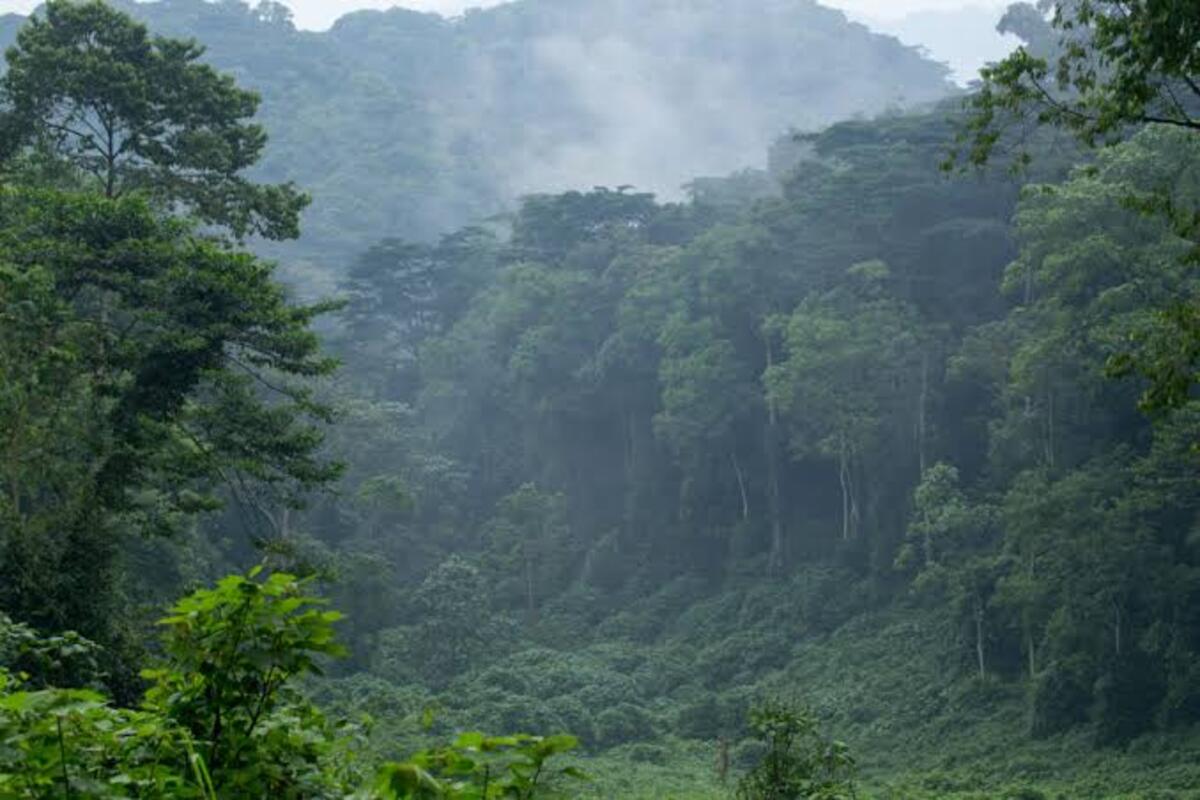
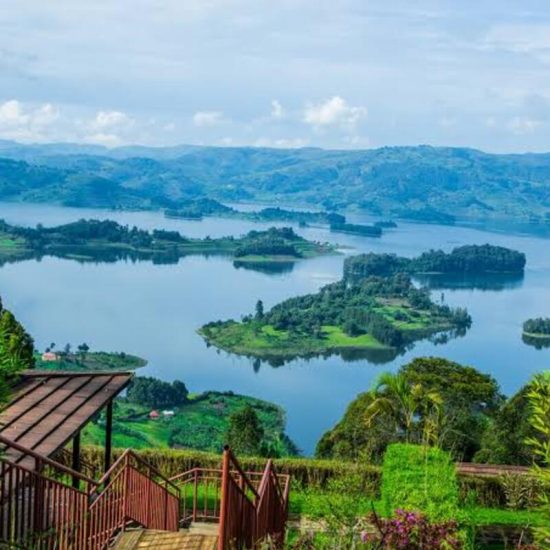
Bwindi Impenetrable national Park
Book Your Gorilla Trekking Permit Early
A gorilla trekking permit is an official authorisation allowing a visitor to participate in a gorilla trekking activity on a specified date. Permits are limited because only a controlled number of visitors are allowed to visit each habituated gorilla family daily.
Uganda’s permits are managed by the Uganda Wildlife Authority, while Rwanda’s gorilla tourism is managed by the Rwanda Development Board. Travellers can also arrange permits through a licensed tour operator.
Booking six to twelve months in advance is advisable, particularly for travellers planning to visit during popular months such as June, July, August, September, December, January and February. Early booking provides a better opportunity to secure preferred trekking dates and accommodation.
Although last-minute permits may occasionally be available, travellers should not depend on this when planning an international holiday.
-
Match Your Bwindi Gorilla Permit to the Correct Sector
Bwindi Impenetrable National Park has four main gorilla trekking sectors: Buhoma, Ruhija, Rushaga and Nkuringo. These sectors are geographically separated, and travelling between them can take considerable time because of the mountainous terrain and winding roads.
It is important to book accommodation close to the sector where your gorilla permit is issued. For example, a Rushaga permit should ideally be accompanied by accommodation in or around Rushaga rather than a lodge in Buhoma.
Buhoma is located in northern Bwindi and has a long history of gorilla tourism. Ruhija is situated in the eastern part of the park and is particularly interesting for birdwatchers. Rushaga, in southern Bwindi, offers several gorilla trekking opportunities and access to the Gorilla Habituation Experience. Nkuringo is also in southern Bwindi and is known for its beautiful views and mountainous surroundings.
Choosing the correct lodge saves unnecessary driving time and allows you to arrive at the briefing point comfortably on trekking morning.
-
Understand What a Gorilla Permit Includes
A standard gorilla trekking permit generally covers entry for the scheduled activity, the pre-trek briefing, professional ranger guidance and up to one hour observing the assigned gorilla family after it has been located.
The permit also contributes to conservation activities, including gorilla monitoring, habitat protection and park management.
However, a gorilla permit does not normally include accommodation, meals, international flights, ground transportation, visas, travel insurance, porter services or personal expenses. These should be considered when calculating the total cost of your safari.
It is important to understand the complete safari cost rather than comparing destinations based only on their gorilla permit prices.
-
Choose Between Standard Gorilla Trekking and Gorilla Habituation
Uganda offers two different mountain gorilla experiences: standard gorilla trekking and the Gorilla Habituation Experience.
Standard gorilla trekking involves visiting a habituated gorilla family that is accustomed to the controlled presence of visitors. Once the family is located, visitors normally spend up to one hour observing the gorillas.
The Gorilla Habituation Experience is different because visitors accompany researchers, trackers and ranger guides as they monitor a gorilla family undergoing the gradual habituation process. The experience allows an extended observation period when conditions permit and is particularly appealing to photographers, primate enthusiasts and travellers seeking a deeper understanding of gorilla conservation.
The habituation experience is more physically demanding and has different permit arrangements and availability. It is offered only in Rushaga sector of Bwindi and is not available in Rwanda.
-
Do Not Assume That Gorilla Trekking Will Be Easy
Many travellers ask whether they can request an easy gorilla family. Although park staff may consider individual circumstances during group allocation, no tour operator can guarantee a short or easy trek.
Mountain gorillas move freely through the forest, and their location changes daily. A family that was close to the trailhead the previous day may move deeper into the forest overnight.
Trekking difficulty depends on several factors, including the gorillas’ location, rainfall, altitude, vegetation, forest terrain and individual fitness.
Some visitors may find their assigned gorilla family relatively quickly, while others may spend several hours walking through the forest. This unpredictability is part of the natural experience.
-
Prepare Physically Before Your Gorilla Trek
Gorilla trekking does not require professional athletic ability, but visitors should be prepared for steep slopes, muddy trails, exposed roots, thick vegetation and uneven ground.
Regular walking before travelling can make the experience more comfortable. Travellers who have several weeks to prepare can gradually increase their walking distance and include hills, stairs or gentle hiking routes in their routine.
Wearing your intended hiking boots during training is also important. This helps prevent discomfort and blisters during the actual trek.
Travellers with mobility concerns, previous injuries or medical conditions should seek appropriate advice before travelling and communicate their needs to their safari operator.
-
Hire a Porter During Gorilla Trekking
Hiring a porter is one of the most useful decisions you can make on gorilla trekking day, even if you consider yourself physically fit.
Porters help carry backpacks, water, packed lunches and camera equipment. They can also offer a helping hand when navigating slippery slopes and difficult sections of the forest.
Apart from making the trek more comfortable, hiring a porter directly supports local livelihoods around Bwindi, Mgahinga and Volcanoes National Park.
Porter services are available near the trekking briefing points, and the arrangements and applicable charges can be confirmed before the trek.
-
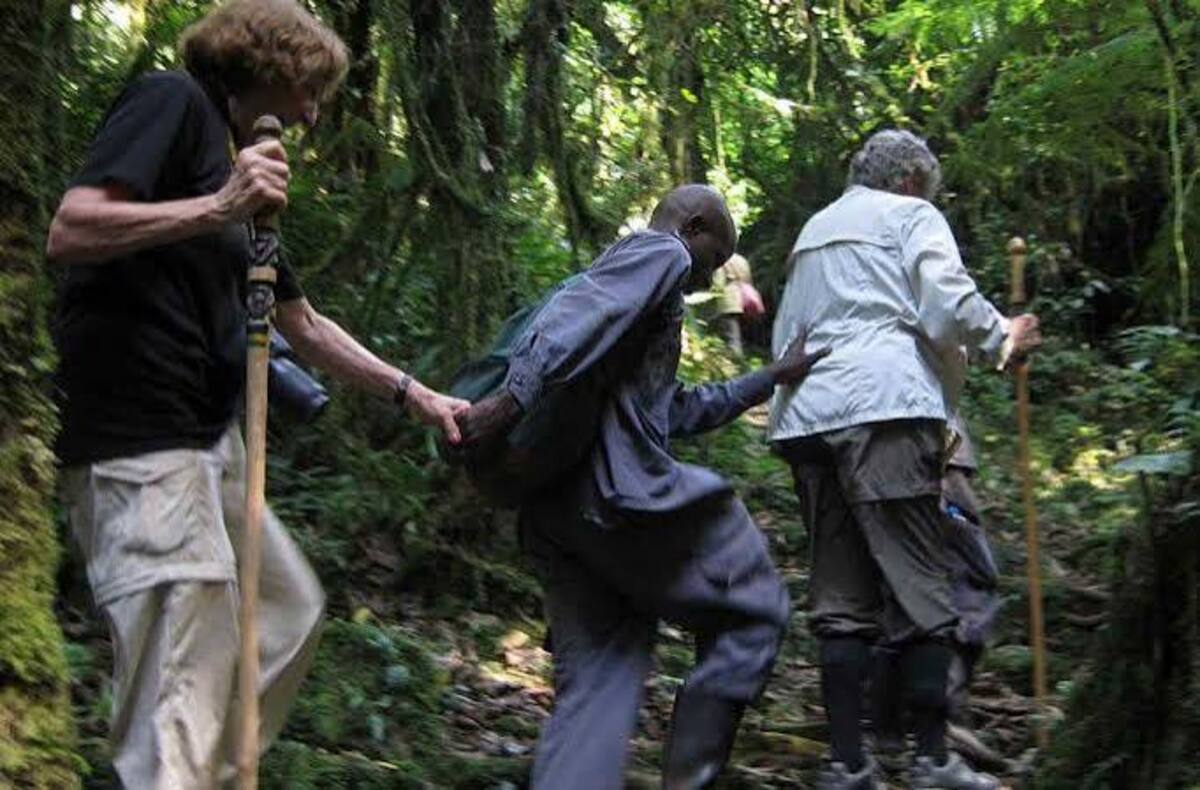
A porter assisting a traveller on a steep, muddy section of Bwindi trail
Pack the Right Clothing and Equipment
Gorilla trekking takes place in tropical rainforest environments where weather conditions can change quickly. Even during the relatively dry months, rain is possible.
Waterproof hiking boots with good grip are essential. Long trousers, a long-sleeved shirt, gardening gloves, long socks and a lightweight waterproof jacket will help protect you from mud, insects and vegetation.
A comfortable daypack should contain drinking water, a packed lunch, personal medication, sunscreen, insect repellent and waterproof protection for electronic equipment.
Photographers should also carry spare batteries and memory cards. Neutral clothing colours such as brown, olive, grey and dark green are practical choices for forest activities.
Avoid wearing new hiking boots for the first time on trekking day, as uncomfortable footwear can make the experience unnecessarily difficult.
-
Understand the Best Time for Gorilla Trekking
Gorilla trekking in Uganda and Rwanda is available throughout the year. However, some months are generally more popular because of their comparatively favourable weather conditions.
June to September and December to February are commonly considered the drier travel periods. These months attract many international visitors, making early permit and accommodation reservations important.
March to May and October to November generally experience more rainfall in many parts of the gorilla region. Trails may become muddy, and some road transfers may take longer.
However, the wetter months also offer beautiful green landscapes, atmospheric rainforest conditions and potentially greater accommodation flexibility. Travellers with flexible dates may find these periods attractive.
There is no month that guarantees completely dry trekking conditions because mountain rainforests can receive rainfall at any time.
-
Always Prepare for Rain
Even when travelling during the dry season, you should carry rain protection. Bwindi, Mgahinga and Volcanoes National Park are mountainous rainforest environments where weather can change unexpectedly.
Rain can make forest trails slippery, wet vegetation can soak clothing, and poor lighting can make photography more challenging.
A waterproof jacket, backpack cover and dry bags for cameras, phones and other electronics are useful. Quick-drying clothes are generally more comfortable than heavy cotton or denim.
Being properly prepared allows you to enjoy the forest regardless of changing weather conditions.
-
Check the Minimum Age for Gorilla Trekking
The general minimum age for mountain gorilla trekking in Uganda and Rwanda is 15 years. Families travelling with children should confirm their eligibility before booking permits and international flights.
Gorilla trekking requires visitors to follow strict instructions, walk through potentially difficult terrain and remain calm around wild animals. Children below the minimum age cannot participate in the standard gorilla trekking activity.
Families travelling with younger children can still enjoy other suitable activities, such as nature walks, cultural visits, boat trips and time around Lake Bunyonyi or Lake Kivu. Alternative arrangements can also be made so that eligible adults take part in gorilla trekking while another adult remains with the children.
-
Do Not Trek When You Have a Contagious Illness
Mountain gorillas are genetically close to humans and are vulnerable to several human illnesses, particularly respiratory infections.
Visitors who have a fever, cough, flu symptoms or another potentially contagious illness should report their condition before entering the forest. Park authorities may prevent an unwell visitor from participating to protect the gorilla family.
It is important not to hide symptoms simply because you have already paid for your permit. Protecting the gorillas must always come before completing a tourist activity.
-
Understand the Gorilla Trekking Rules
Gorilla trekking is carefully regulated to protect both visitors and mountain gorillas. Before entering the forest, every group receives a briefing from trained park personnel.
Visitors must follow the ranger guide’s instructions, maintain the required distance from the gorillas, keep their voices low and avoid sudden movements. Touching gorillas, feeding them, using flash photography or leaving rubbish in the forest is prohibited.
If a gorilla approaches, remain calm and follow the ranger’s instructions. Do not attempt to touch it, take a selfie with it or move independently to obtain a better photograph.
These rules help minimise disturbance and reduce the risk of transmitting diseases to the gorillas.
-
Know What Happens on Gorilla Trekking Day
Gorilla trekking normally begins early in the morning. Visitors have breakfast at their lodge before transferring to the designated park headquarters for registration and briefing.
During the briefing, ranger guides explain the trekking rules, introduce the forest environment and organise visitors into groups assigned to different gorilla families.
Trackers often enter the forest earlier to locate the gorillas using signs such as footprints, feeding remains, broken vegetation and previous nesting locations.
The trekking group then follows the ranger guides into the forest. Depending on the location of the assigned family, the walk may last a relatively short time or several hours.
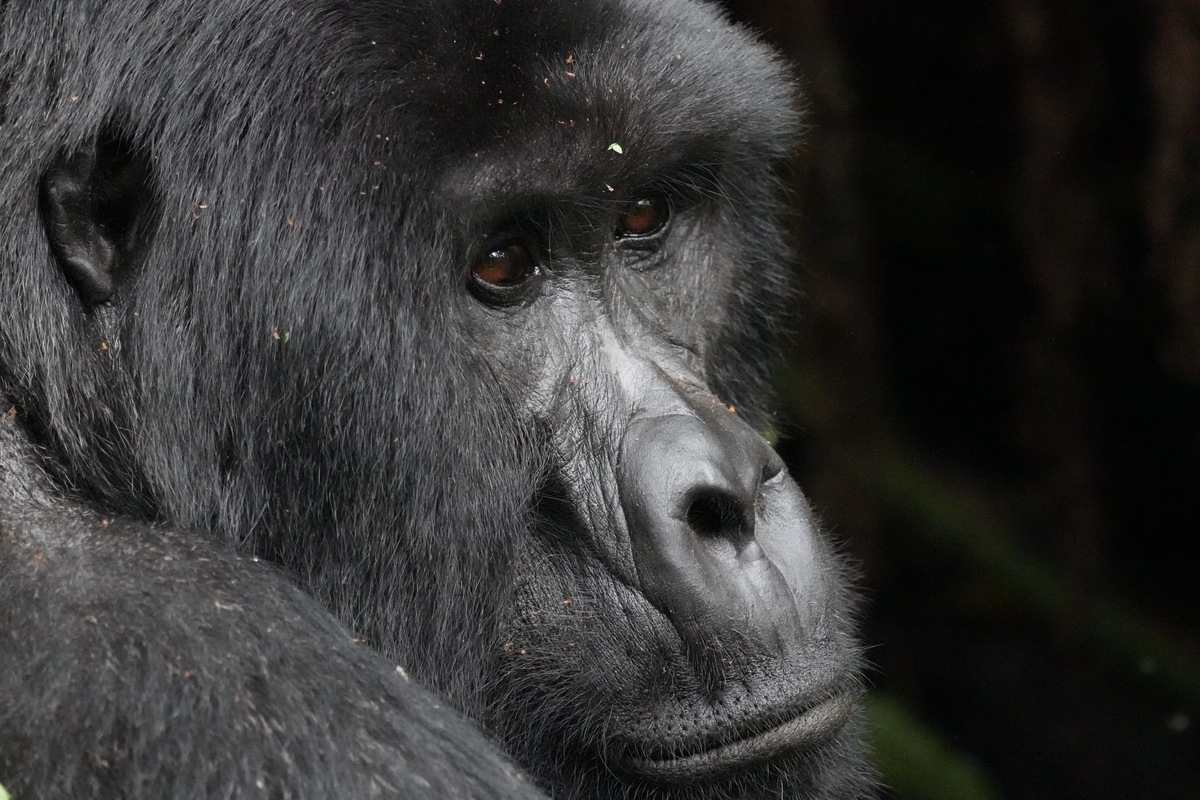
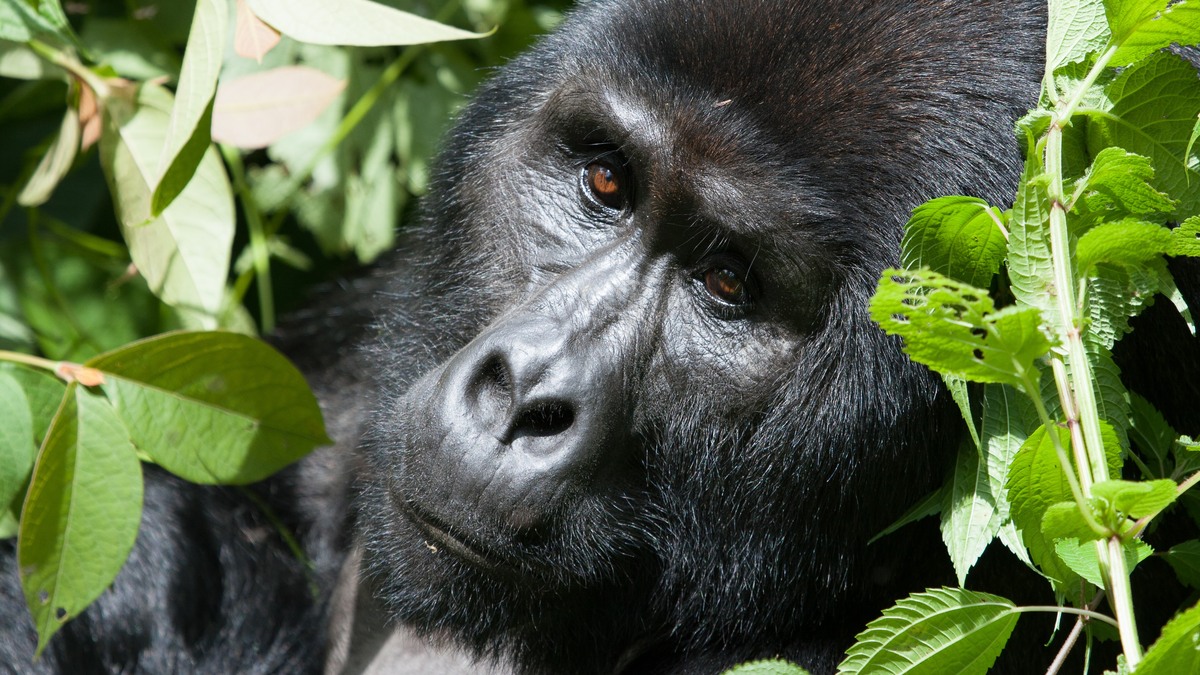
Once the gorillas are located, visitors normally spend up to one hour observing their behaviour. You may see a silverback resting, mothers feeding their young, juveniles playing or family members grooming one another.
After the encounter, the group returns through the forest and visitors are usually presented with a trekking certificate following successful completion.
-
Understand That Gorilla Sightings Are Highly Reliable but Not Absolutely Guaranteed
Mountain gorilla trekking has a high likelihood of successful sightings because experienced trackers monitor habituated families and follow their movements.
However, gorillas are wild animals living in extensive natural forests. They are not kept in enclosures or positioned for visitors.
Their movements, weather conditions and other natural factors can influence how long the search takes. A responsible safari operator should never promise that the gorillas will behave in a particular way or remain in a specific location.
The experience is about observing these magnificent animals in their natural environment, not watching a staged wildlife performance.
-
Prepare Your Camera for Gorilla Photography
Gorilla photography is one of the highlights of trekking in Uganda and Rwanda. However, taking good photographs in a dense rainforest can be challenging because the forest receives limited natural light.
A versatile zoom lens, spare batteries, additional memory cards and waterproof camera protection are useful for photographers.
Learn how to adjust your camera settings before entering the forest. Flash photography is prohibited, and visitors should never use artificial lights or sounds to attract the gorillas.
A camera should not distract you from enjoying the encounter. Take photographs when appropriate, but also put it down occasionally and appreciate the experience with your own eyes.
-
Choose the Right International Airport
The two main international gateways for gorilla trekking in Uganda and Rwanda are Entebbe International Airport and Kigali International Airport.
Entebbe is suitable for visitors planning a wider Uganda safari that includes destinations such as Murchison Falls, Kibale, Queen Elizabeth and Bwindi.
Kigali is particularly convenient for travellers visiting Volcanoes National Park. It can also provide practical access to Mgahinga and southern Bwindi in southwestern Uganda, depending on the itinerary and border arrangements.
Some travellers choose an open-jaw international flight, arriving in Kigali and departing through Entebbe. This can reduce unnecessary backtracking on a combined Uganda and Rwanda safari.
-
Compare Road Transfers with Domestic Flights
Travellers can reach Uganda’s gorilla trekking destinations by road or through domestic flights connecting Entebbe with airstrips in southwestern Uganda.
Road transfers are suitable for visitors planning longer safaris because they allow opportunities to explore the countryside, local communities, lakes and other national parks along the way.
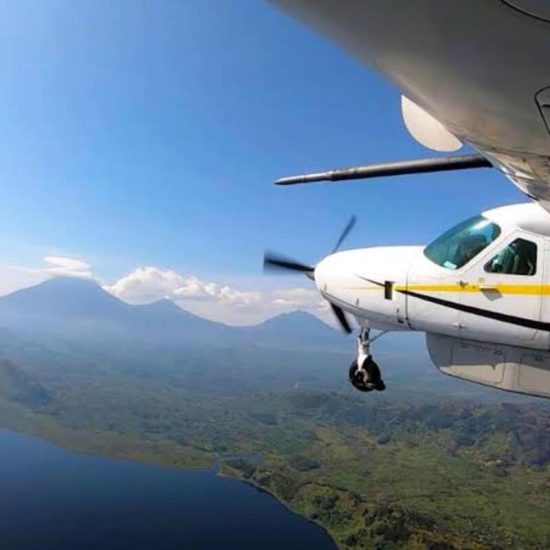
Domestic flights are useful for travellers with limited time or those who prefer a fly-in safari. Kihihi commonly serves northern Bwindi, while Kisoro provides access to southern Bwindi and Mgahinga, although additional road transfers are still necessary.
In Rwanda, Volcanoes National Park is commonly reached by road from Kigali.
The best transport option depends on your budget, available time, preferred comfort level and wider safari itinerary.
-
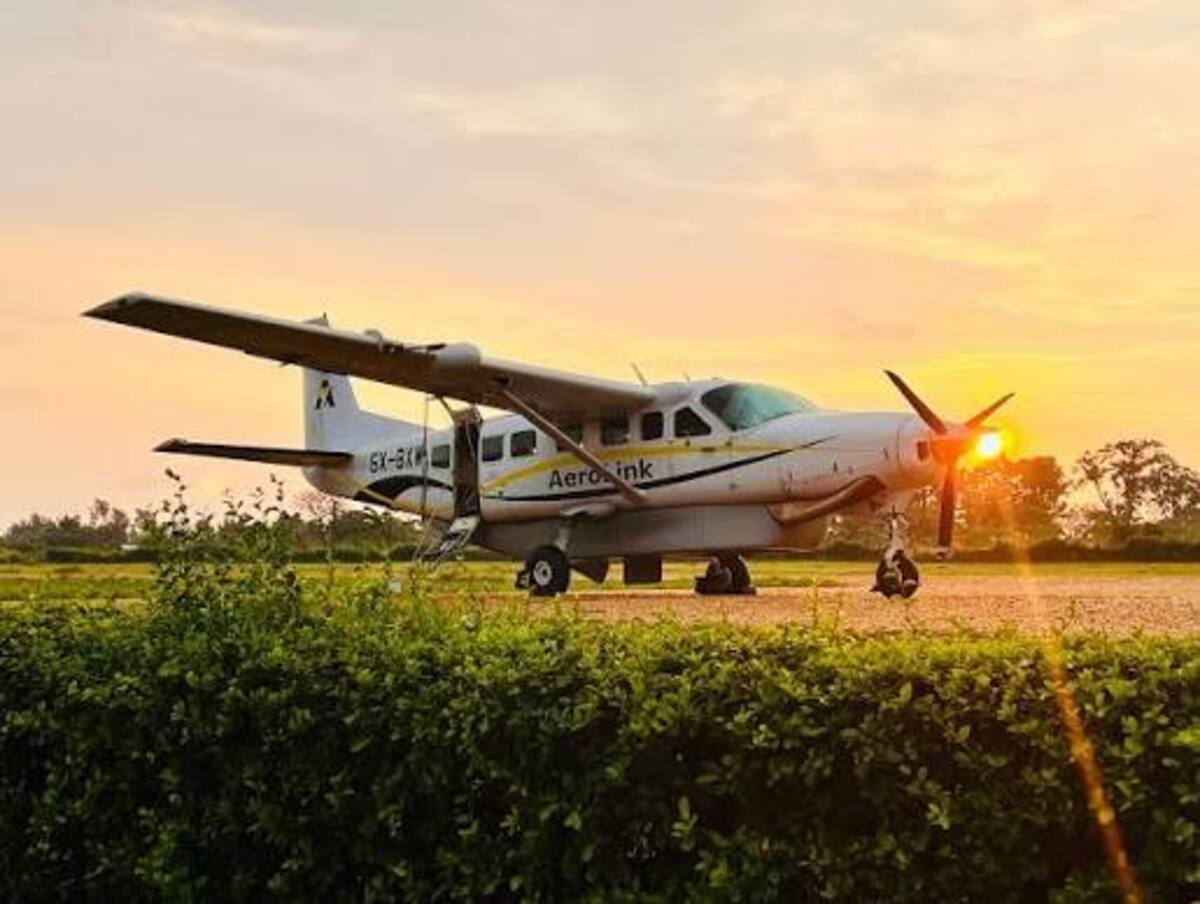
Aerolink Domestic flight
Check Visa and Border Requirements
Travellers combining Uganda and Rwanda should check the immigration requirements for both countries before departure.
Visa conditions depend on nationality, passport details and the countries included in the journey. The East Africa Tourist Visa may be suitable for eligible visitors travelling between Uganda, Rwanda and Kenya, subject to its current conditions.
For travellers crossing between Rwanda and southwestern Uganda, the Cyanika border provides a practical connection to the Kisoro region, including Mgahinga and southern Bwindi.
Ensure that your passport, visa arrangements and other required travel documents are valid before beginning the safari. Border processing times can vary, so allow sufficient time when planning your route.
-
Choose Accommodation Close to Your Trekking Location
Choosing the right accommodation is an important part of planning a gorilla trekking safari. A beautiful lodge may not necessarily be the most practical option if it is far from your assigned trekking sector.
In Bwindi, accommodation should be selected according to whether your permit is for Buhoma, Ruhija, Rushaga or Nkuringo.
Travellers visiting Mgahinga can choose accommodation around Kisoro and the surrounding highlands, while visitors to Volcanoes National Park generally stay around Kinigi or Musanze.
Consider room comfort, meals, access roads, hot water, electricity, charging facilities and the distance to the morning briefing point.
Budget, midrange and luxury accommodation options are available in the main gorilla trekking destinations, allowing travellers to choose according to their preferences.
-
Understand the Different Accommodation Categories
Uganda offers a wide selection of accommodation around its gorilla trekking destinations. Budget lodges provide practical facilities for travellers prioritising affordability, while midrange properties offer a balance between comfort, location and price.
Luxury lodges provide a more exclusive experience, often with spacious rooms, beautiful forest views, personalised services and additional facilities.
Rwanda also offers comfortable midrange accommodation and internationally recognised luxury properties around Volcanoes National Park.
The most important consideration is choosing a property that matches your trekking location, budget and expectations.
-
Calculate the Complete Cost of Your Gorilla Safari
The cost of gorilla trekking is not limited to the permit. A complete safari quotation may include accommodation, meals, transportation, fuel, professional guiding services, park activities and airport transfers.
International flights, visas, travel insurance, tips and personal expenses should also be considered when preparing a budget.
Uganda generally offers more flexibility in accommodation and safari combinations, while Rwanda is particularly attractive for shorter itineraries from Kigali and high-end accommodation experiences.
Permit prices and park activity charges can change, so always confirm the latest official rates before booking.
-
Consider Adding Chimpanzee Trekking
Gorilla trekking can be combined with chimpanzee tracking to create a memorable primate safari.
In Uganda, Kibale Forest National Park is the leading destination for chimpanzee tracking. It offers an established tracking experience and can be combined with the Bigodi Wetland Sanctuary and other wildlife destinations.
Other Ugandan chimpanzee destinations include Budongo Forest, Kalinzu Forest and Kyambura Gorge in Queen Elizabeth National Park, subject to current operating arrangements.
In Rwanda, chimpanzee tracking takes place in Nyungwe National Park, a beautiful montane rainforest in the southwestern part of the country.
Combining gorillas and chimpanzees gives travellers the opportunity to experience two very different primates in their natural forest habitats.
-
Add Golden Monkey Tracking to Your Safari
Golden monkey tracking is another rewarding activity that can be included in a gorilla trekking itinerary.
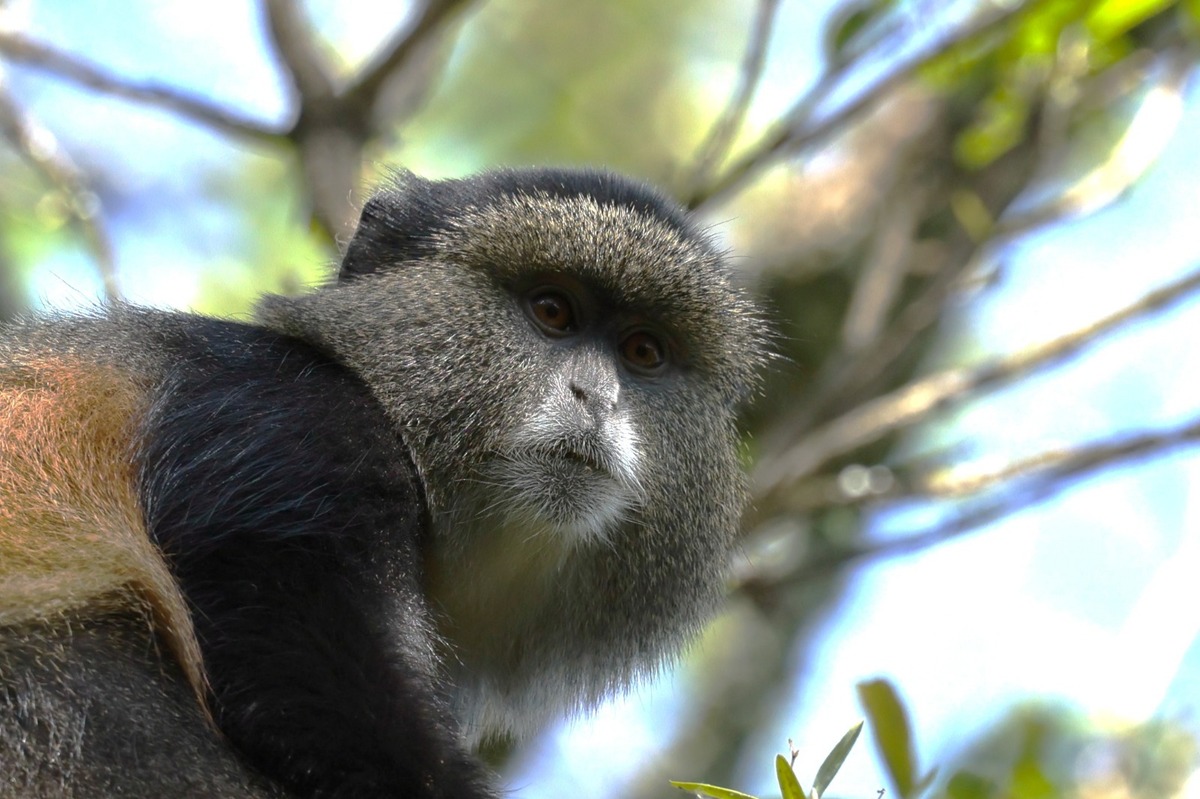
These colourful primates live in the Virunga mountain region and are recognised by their golden-orange colouring. They are particularly active in bamboo forests, where visitors can observe them moving between branches and searching for food.
Golden monkey tracking is available in Mgahinga Gorilla National Park in Uganda and Volcanoes National Park in Rwanda.
The activity is an excellent addition for travellers interested in primates and wildlife photography. It also provides an opportunity to explore more of the Virunga ecosystem beyond mountain gorillas.
-
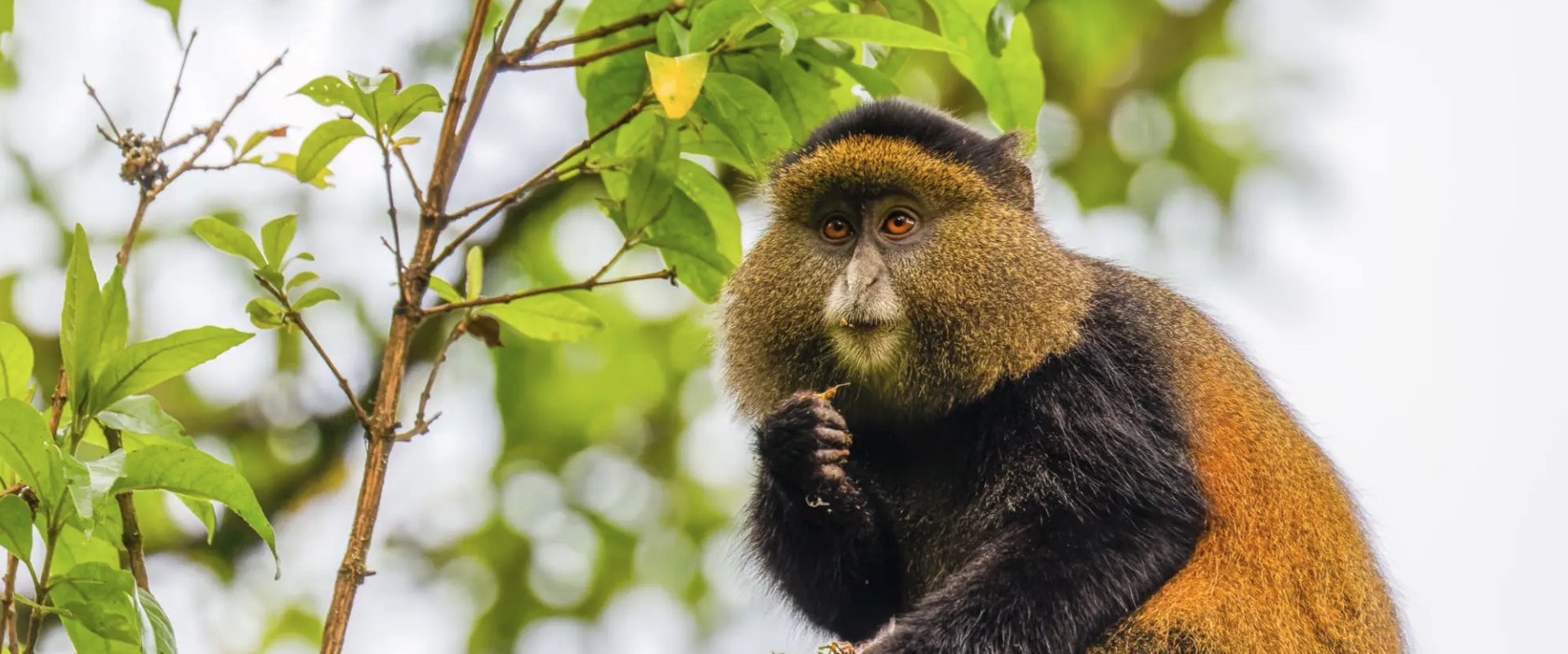
Golden Monkey tracking
Combine Gorilla Trekking with Wildlife Safaris
Uganda is an excellent destination for combining gorilla trekking with traditional African wildlife experiences.
Queen Elizabeth National Park offers savannah game drives, boat safaris along the Kazinga Channel and opportunities to explore the Ishasha sector, famous for its tree-climbing lions.
Murchison Falls National Park offers spectacular scenery, game drives, boat cruises along the Nile and opportunities to search for several iconic African wildlife species.
Lake Mburo National Park provides additional opportunities for wildlife viewing, boat trips and nature activities.
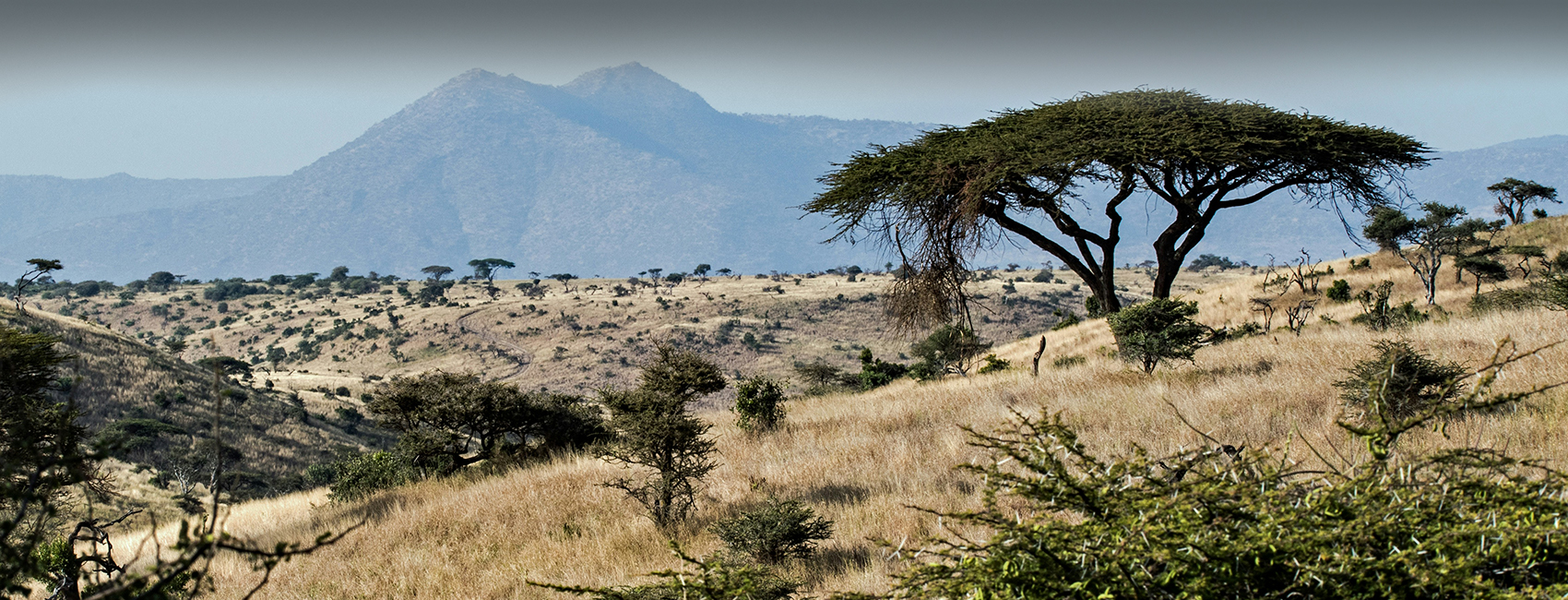
In Rwanda, travellers can combine gorilla trekking with wildlife viewing in Akagera National Park, which offers savannah landscapes, game drives and boat safaris.
-
Allow Enough Days for Your Complete Safari
The ideal duration of a gorilla trekking safari depends on the destinations you want to visit and your preferred transport arrangements.
A three-day safari may be suitable for travellers focusing on gorilla trekking from Kigali. Four to five days can allow additional experiences such as golden monkey tracking or a visit to Lake Bunyonyi or Lake Kivu.
Seven to ten days provide more opportunities to combine gorilla trekking with chimpanzee tracking and wildlife viewing. Longer itineraries of twelve to fourteen days or more allow travellers to explore both Uganda and Rwanda at a relaxed pace.
A good itinerary should allow enough time for driving, trekking, rest and enjoying the destinations rather than rushing between national parks.
-
Avoid Tight Flight Connections After Gorilla Trekking
Gorilla trekking should be treated as a full-day activity, even when the gorilla family is found relatively quickly.
The time required to locate the gorillas cannot be predicted precisely, and the return walk may also take several hours.
For this reason, avoid scheduling a tightly timed international flight, domestic flight or border crossing immediately after your trek.
A comfortable overnight stay near the gorilla destination is usually the better option. It allows you to rest, clean your equipment and enjoy the experience without worrying about missing an onward connection.
-
Choose Between a Private and Group Gorilla Safari
A private gorilla safari is arranged for an individual, couple, family or private group using a dedicated safari vehicle and guide. It provides greater flexibility when choosing travel dates, accommodation, activities and daily schedules.
Private safaris are particularly suitable for couples, honeymooners, families and photographers who prefer a personalised experience.
Group safaris bring travellers together to share transportation and other safari costs. They can be a good option for solo travellers and visitors looking for a more economical holiday.
It is important to understand that a private safari does not automatically mean a private gorilla encounter. Gorilla trekking groups are organised according to official park arrangements, and other permitted visitors may join the same trek.
-
Include Community and Cultural Experiences
Gorilla trekking destinations are surrounded by communities whose livelihoods and histories are closely connected to the forests.
Adding a cultural experience to your safari provides an opportunity to learn about local traditions, lifestyles, crafts and the relationship between communities and wildlife conservation.
Visitors can support local businesses, purchase locally made products and participate in respectful community activities.
Responsible tourism should benefit local people and respect their dignity, privacy and cultural practices. Community experiences should always be organised with local participation rather than treating residents as attractions.
-
Understand the Importance of Responsible Gorilla Tourism
Responsible gorilla trekking plays an important role in mountain gorilla conservation. Tourism contributes to conservation funding, employment opportunities and community development around protected areas.
Visitors also have a responsibility to protect the gorillas by following park rules, avoiding contact with the animals, maintaining the required distance and never entering the forest when suffering from a contagious illness.
Do not leave rubbish behind, disturb wildlife or attempt to influence the behaviour of the gorillas for photographs.
Every responsible visitor contributes to protecting one of Africa’s most remarkable wildlife species.
-
Plan Your Safari Several Months in Advance
Planning early allows you to secure permits, select suitable accommodation and coordinate international flights and transportation.
Around nine to twelve months before travelling, decide whether you prefer Uganda, Rwanda or a combined safari. Identify your preferred dates and begin comparing itineraries.
Six to nine months before travelling is a sensible period to confirm permits, accommodation and transport arrangements, particularly for peak-season visits.
During the final months, confirm your flights, visas, travel insurance, packing arrangements and any additional activities.
Early preparation is particularly important for larger groups, families and travellers with specific accommodation preferences.
-
Purchase Suitable Travel Insurance
Travel insurance is an important consideration when planning an African safari. Gorilla trekking involves walking through mountainous rainforest environments, and travellers should understand what their insurance covers.
Consider protection for medical emergencies, trip interruption, travel delays, baggage loss and cancellation.
Read the policy carefully to understand any exclusions relating to adventure activities, pre-existing conditions or non-refundable permits.
Visitors should also confirm the relevant permit cancellation and rescheduling conditions before making payments.
-
Choose an Experienced Local Safari Operator
Working with an experienced local safari operator makes a significant difference when planning gorilla trekking in Uganda and Rwanda.
A knowledgeable operator can help coordinate permits, select the correct trekking sector, recommend suitable accommodation, arrange transportation and organise additional activities according to your interests.
This is particularly important for travellers combining several destinations or arriving through Kigali to trek in southwestern Uganda.
At Naseeb Safaris Uganda, we specialise in personalised gorilla trekking, chimpanzee tracking and wildlife safaris in Uganda and Rwanda. As a locally owned Ugandan safari company, we understand the destinations, road networks, accommodation options and practical arrangements involved in planning a successful safari.
Our approach is to listen to your travel expectations and create a journey that suits your available time, budget and preferred level of comfort.
Frequently Asked Questions About Gorilla Trekking in Uganda and Rwanda
Is Uganda or Rwanda better for gorilla trekking?
Both countries offer exceptional mountain gorilla encounters. Uganda is particularly suitable for longer safaris combining gorillas, chimpanzees and wildlife, while Rwanda offers convenient access to Volcanoes National Park from Kigali and excellent short primate itineraries.
How much does a gorilla trekking permit cost?
Permit prices depend on the country, visitor category and type of trekking experience. Uganda’s standard gorilla permits generally cost less than Rwanda’s, while Uganda also offers the separate Gorilla Habituation Experience. Always confirm the latest official rates before booking.
How far in advance should I book gorilla trekking?
Booking six to twelve months in advance is advisable, especially for peak-season travel, larger groups and visitors with specific trekking dates.
How long does gorilla trekking take?
The complete activity can take several hours, depending on the location of the gorilla family. Visitors should reserve the entire day for the experience.
How long can I stay with the gorillas?
Standard gorilla trekking normally allows up to one hour with the gorilla family after it has been located. The Gorilla Habituation Experience in Uganda offers an extended observation opportunity under separate arrangements.
Is gorilla trekking difficult?
The difficulty varies according to the destination, weather, altitude, vegetation and location of the gorillas. Visitors should prepare by walking regularly, wearing suitable hiking boots and considering porter assistance.
Can older travellers go gorilla trekking?
Yes. Many older travellers successfully complete gorilla trekking. Fitness, balance, health and preparation are more important than age alone.
Can children go gorilla trekking?
The general minimum age in Uganda and Rwanda is 15 years. Families should confirm current official requirements before booking.
Can I do gorilla trekking in Uganda while arriving through Kigali?
Yes. Kigali International Airport can provide convenient access to Mgahinga and southern Bwindi in southwestern Uganda. The route requires appropriate border documentation and careful coordination of permits, accommodation and transportation.
Can I combine gorilla trekking with chimpanzee tracking?
Yes. Uganda is particularly suitable for combining gorilla trekking in Bwindi with chimpanzee tracking in Kibale Forest. In Rwanda, visitors can combine gorillas in Volcanoes National Park with chimpanzees in Nyungwe National Park, provided sufficient time is available.
Plan Your Gorilla Trekking Safari with Naseeb Safaris Uganda
Meeting mountain gorillas in their natural habitat is an experience that stays with you long after your African safari ends. From the ancient forests of Bwindi and the volcanic landscapes of Mgahinga to Rwanda’s beautiful Volcanoes National Park, Uganda and Rwanda offer unforgettable opportunities to experience one of the world’s most remarkable primates.
Whether you are planning a short gorilla trekking holiday, a longer Uganda wildlife safari, a chimpanzee and gorilla adventure or a combined Uganda and Rwanda journey, the right planning makes all the difference.
At Naseeb Safaris Uganda, we create private and tailor-made safaris designed around your interests, travel dates and budget. Let us help you organise your gorilla permits, accommodation, transportation and additional wildlife experiences.
Contact our team at info@naseebsafarisuganda.com or WhatsApp +256 778 985 671 to start planning your gorilla trekking safari.